• Home
  • About Us
  • Getting Finances Done
    • Hiring Advisors
    • Debt Management
    • Spending Plan
  • Insurance
    • Life Insurance
    • Health Insurance
    • Disability Insurance
    • Homeowners/Renters Insurance
  • Contact Us
  • Our Editorial Commitment

The Free Financial Advisor

You are here: Home / Archives for consumer banking

Why Some Banks Are Tightening Cash Access in Texas and Florida

May 3, 2026 by Brandon Marcus Leave a Comment

Why Some Banks Are Tightening Cash Access in Texas and Florida
Image Source: Shutterstock.com

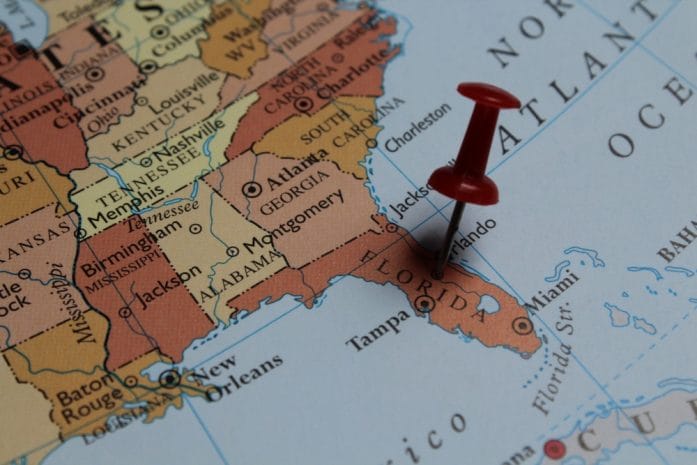
Cash still plays a big role in everyday life across Texas and Florida, but recent changes at several banks have started to shift how easily customers can access it. New withdrawal limits, stricter ATM rules, and added verification steps now appear more frequently, leaving many people adjusting their routines. These changes do not happen randomly, and they reflect broader concerns inside the banking industry about fraud, security threats, and fast-moving digital payments. At the same time, banks try to balance customer convenience with stronger protections that reduce financial risk.

Many customers first notice a shift when they try to withdraw larger amounts of cash and suddenly face new limits or extra steps. Branch visits sometimes take longer because staff must follow updated verification protocols before releasing funds. Banks in states like Texas and Florida often adjust policies faster due to high population growth, tourism activity, and frequent cash-based transactions. These regions also experience more fraud attempts compared to some other areas, which pushes financial institutions to tighten controls.

Fraud Pressure Forces Banks to Tighten Cash Controls

Banks across Texas and Florida continue to face rising fraud attempts that target ATMs, debit cards, and account transfers. Criminal groups often test weak points in cash-heavy regions, which forces banks to respond quickly with stricter withdrawal systems. Financial institutions track suspicious patterns more aggressively now and flag transactions that once passed without issue. These safeguards help prevent stolen funds from leaving accounts too quickly, especially in high-risk scenarios. Customers may notice delays or verification prompts, but banks use these steps to block unauthorized access before damage spreads.

Security teams inside banks now rely on advanced monitoring tools that analyze transaction behavior in real time. These systems detect unusual withdrawal spikes or unfamiliar locations that might signal fraud activity. Texas and Florida banks often serve large, diverse populations, which increases the challenge of distinguishing normal activity from suspicious behavior. As fraud tactics evolve, banks tighten limits on cash access to slow down potential criminals. These measures aim to protect account holders while keeping long-term financial damage under control.

Rising Security Costs Change How Banks Handle Cash

Banks spend more money now on physical security, digital monitoring, and fraud prevention systems than in previous years. Cash handling carries higher risk because once money leaves an ATM or teller window, recovery becomes extremely difficult. Financial institutions respond by tightening access rules to reduce exposure to theft or scams. Branches in busy areas often see the strongest restrictions because they process higher volumes of cash daily. These cost pressures influence decisions that directly affect how customers withdraw money.

Insurance costs for banks also increase when fraud losses climb, which pushes institutions to rethink cash distribution strategies. Limiting large withdrawals at once reduces the chance of major account drains caused by compromised cards or hacked accounts. Some banks now encourage customers to use digital transfers instead of carrying large sums of physical cash. These shifts reflect a broader effort to reduce risk across the entire financial system. Customers experience these changes at the counter, even though the decisions originate in corporate risk departments.

Why Some Banks Are Tightening Cash Access in Texas and Florida
Image Source: Shutterstock.com

Customers in Texas and Florida Feel the Shift First

People in Texas and Florida often rely on cash for small businesses, tips, and everyday purchases, which makes these policy changes more noticeable. When banks tighten withdrawal rules, customers may need to plan transactions more carefully than before. Some individuals report frustration when they encounter new daily limits that did not exist previously. Others adjust by spreading withdrawals across multiple days or using different payment methods. These adaptations show how quickly banking policy changes can affect daily routines.

Tourism-heavy areas in Florida also experience unique challenges because visitors often withdraw cash in larger amounts than local residents. Banks respond by tightening controls to reduce fraud risks tied to unfamiliar account activity. In Texas, fast-growing cities create similar pressure as new residents open accounts and move money more frequently. These regional differences push banks to customize restrictions based on local behavior patterns. The result creates a banking landscape that feels different depending on where customers live or travel.

Digital Banking Growth Pushes Cash Limits Lower

Mobile banking apps and digital payment systems continue to grow rapidly, and banks now encourage customers to move away from cash-based transactions. Online transfers, tap-to-pay systems, and peer-to-peer apps reduce the need for large withdrawals. Financial institutions view digital payments as safer because they leave clear records and allow faster fraud detection. As usage increases, banks adjust cash policies to align with changing customer behavior. These shifts gradually reshape how people think about money access.

Banks also invest heavily in app-based security features like biometric login and instant transaction alerts. These tools help customers track spending in real time and respond quickly to suspicious activity. Texas and Florida banks often lead early adoption of these technologies because of high customer volume and diverse financial activity. As digital systems improve, banks feel more confident limiting physical cash exposure. Customers benefit from convenience, but they also adjust to fewer large cash transactions.

What This Means for Everyday Withdrawals

Everyday banking now looks more structured, especially when customers need access to larger sums of cash. Withdrawal limits, ID checks, and transaction alerts become standard parts of the process rather than rare exceptions. Banks continue to refine these policies to balance safety with convenience. Customers who plan ahead tend to experience fewer disruptions during transactions. Awareness of bank-specific rules becomes more important than ever before.

Financial experts often recommend reviewing account limits and discussing options with bank representatives to avoid surprises. Some banks allow temporary limit increases for specific needs, but approval processes vary widely. Texas and Florida customers often benefit from understanding local branch policies because regional differences exist. These small adjustments help reduce frustration during cash withdrawals. Ultimately, banks aim to create a system that protects money while still offering access when needed.

The New Cash Reality

Cash access in Texas and Florida now reflects a broader shift in how banks handle risk, technology, and customer behavior all at once. Stricter withdrawal rules do not signal a reduction in service but instead show a stronger focus on protection in a fast-changing financial world. Customers feel the impact most directly, yet these changes stem from complex security challenges that banks face daily.

What changes in banking access have stood out the most in your area, and how have they affected daily financial routines? Now is the time to share your opinions and experiences in the comments section below.

You May Also Like…

5 Digital Banking Changes That May Be Adding New Fees Without Notice

I Saved $5,000 in Change — Then Found Out Banks Might Not Take It

5 Budgeting Apps That Integrate With Biometric Banking

Biometric Banking and the Rise of Fraud Concerns in 2026

Florida’s Insurance Spike: Why Retirees Are Seeing “Rebuild Fees” on May Statements

Brandon Marcus
Brandon Marcus

Brandon Marcus is a writer who has been sharing the written word since a very young age. His interests include sports, history, pop culture, and so much more. When he isn’t writing, he spends his time jogging, drinking coffee, or attempting to read a long book he may never complete.

Filed Under: Banking Tagged With: ATM limits, banking news, banking regulations, banking trends, cash withdrawals, consumer banking, digital banking, Financial Security, Florida banks, fraud prevention, Personal Finance, Texas banks

Why Free Online Checking Continues to Beat Traditional Banks

February 15, 2026 by Brandon Marcus Leave a Comment

Why Free Online Checking Continues to Beat Traditional Banks
Image source: shutterstock.com

The era of standing in line to access your own money should have ended decades ago. Yet traditional banks still cling to a model built around branches, paper forms, and fee schedules that feel like relics from another century.

Meanwhile, free online checking accounts have quietly reshaped the financial landscape, offering fewer fees, better interest rates, and sleek digital tools that put control back where it belongs: in your hands. The gap between the two models has grown so wide that choosing a traditional bank now often feels like paying extra for inconvenience.

The Fee Factor: Why Paying to Access Your Own Money Makes No Sense

Traditional banks often attach monthly maintenance fees to checking accounts unless you meet certain requirements, such as maintaining a minimum balance or setting up direct deposit. Many large banks still charge monthly fees that can exceed $10 unless you qualify for a waiver. Those charges may look small at first glance, but over time, they quietly chip away at your balance. Add overdraft fees, which can hover around $30 or more per transaction at some institutions, and the cost of staying loyal to a brick-and-mortar bank rises quickly.

Free online checking accounts flip that script. Many digital banks and financial technology companies eliminate monthly maintenance fees entirely. They often reduce or eliminate overdraft fees, and some even offer features that decline transactions instead of charging a penalty. When you remove recurring account fees, you create a simpler, more predictable financial life. That clarity matters, especially for anyone building savings or working toward specific goals.

You should always read the fine print, of course, because no financial product offers perfection. But when you compare fee schedules side by side, online checking accounts frequently offer a more consumer-friendly structure. In a world where every dollar counts, keeping more of your own money feels like a basic expectation, not a luxury.

Higher Yields Without the Marble Floors

Walk into a traditional bank branch, and you might see polished counters and plush seating. Those amenities cost money, and banks fund them through interest margins and customer fees. Online banks skip the expensive real estate and redirect those savings elsewhere. That shift often shows up in the form of higher annual percentage yields on associated savings accounts.

Institutions like Ally Bank and Capital One have built strong digital platforms and consistently offer savings rates that outpace many traditional banks. While checking accounts themselves typically pay little interest, many online banks pair free checking with competitive high-yield savings options. When you keep your money within the same digital ecosystem, you can move funds instantly and capture better returns without juggling multiple institutions.

Interest rates fluctuate based on Federal Reserve policy and broader economic conditions, so no bank guarantees a specific yield forever. Still, online institutions often respond quickly to rate changes because they operate with leaner cost structures. If you want your emergency fund to grow instead of stagnate, online banking offers a compelling advantage.

Technology That Actually Works for You

Traditional banks have invested heavily in mobile apps, and some do offer solid digital experiences. However, online-only banks build their entire identity around technology. They design tools for budgeting, transaction tracking, real-time alerts, and seamless transfers because their survival depends on digital satisfaction.

Consider how quickly you can deposit a check through a mobile app or freeze a debit card with a tap. Many online checking platforms send instant notifications for purchases, which helps you track spending and detect fraud faster. Some integrate with popular budgeting apps, allowing you to categorize transactions and monitor trends without extra effort.

That level of visibility encourages better financial habits. When you see exactly where your money flows each week, you can adjust your behavior in real time. You can set savings goals, automate transfers, and create guardrails that protect you from overspending. Instead of reacting to monthly statements, you stay proactive. That sense of control turns banking from a chore into a strategic tool.

Accessibility Without Geography

Traditional banks still rely heavily on branch networks. If you move to a new state or travel frequently, you might find yourself hunting for in-network ATMs or dealing with out-of-area limitations. Online checking accounts remove that geographic friction.

Many digital banks reimburse ATM fees or provide access to extensive ATM networks across the country. You can manage your account from anywhere with a secure internet connection. That flexibility matters for remote workers, digital nomads, military families, and anyone who refuses to anchor their finances to a single zip code.

Customer support also continues to evolve. Online banks typically offer 24/7 chat, email, or phone support. While some people still value face-to-face conversations, many prefer quick digital assistance that fits into busy schedules. You can resolve an issue during a lunch break or late at night without planning a branch visit. In a world that runs around the clock, banking should keep up.

Security in a Digital-First World

Skeptics sometimes question the safety of online banks, but digital institutions operate under the same regulatory framework as traditional banks when they hold deposits directly. Many online banks carry FDIC insurance up to the standard limit of $250,000 per depositor, per insured bank, for each account ownership category. That protection mirrors what you receive at a traditional bank.

Online banks also invest heavily in encryption, multi-factor authentication, and fraud monitoring systems. Because they operate digitally, they often update security features quickly in response to emerging threats. Traditional banks maintain robust security as well, but the idea that online equals unsafe no longer holds up under scrutiny.

Of course, personal responsibility still plays a role. You should use strong passwords, enable two-factor authentication, and monitor account activity regularly. When you combine smart personal habits with institutional safeguards, online checking offers security that rivals or exceeds traditional setups.

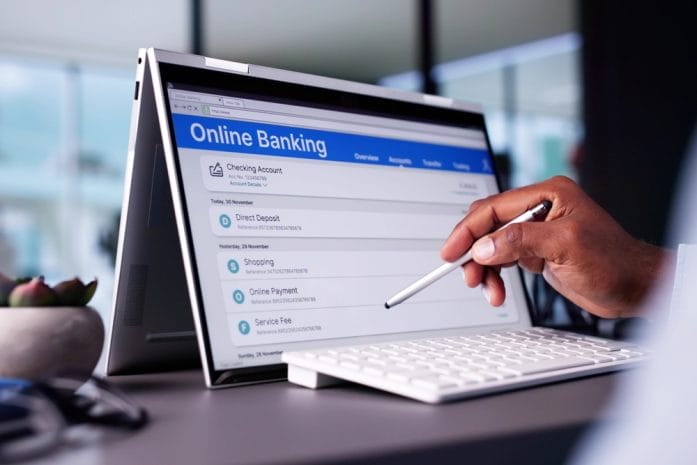
Why Free Online Checking Continues to Beat Traditional Banks
Image source: shutterstock.com

The Real Advantage Of Free Online Checking

Free online checking does more than eliminate fees or boost interest rates. It shifts power. You gain immediate access to your financial data, flexible tools that adapt to your lifestyle, and fewer arbitrary barriers between you and your own money. Traditional banks still serve important roles, especially for complex services like certain business accounts or specialized lending. Yet for everyday checking, online options often deliver a smarter fit.

If you value efficiency, transparency, and tangible financial benefits, online checking deserves serious consideration. Banking should support your goals rather than complicate them. When you remove unnecessary costs and friction, you create space to focus on what truly matters: building stability, funding dreams, and living with financial confidence.

So here’s the real question: if you could stop paying fees and start earning more with just a few clicks, what would keep you from making the switch? Make sure you share your thoughts in the comments with us below.

You May Also Like…

5 Outrageous Fees Hidden in Everyday Banking Services

5 Bank Fees That Are Secretly Draining Hundreds From Your Account Annually

8 Sneaky Bank Fees You’re Probably Paying (And How to Dodge Them)

8 Ways Hidden Bank Fees Keep Growing Without Notice

6 Major Banks Just Raised “Maintenance Fees”—Here is the List of Who to Ditch

Brandon Marcus
Brandon Marcus

Brandon Marcus is a writer who has been sharing the written word since a very young age. His interests include sports, history, pop culture, and so much more. When he isn’t writing, he spends his time jogging, drinking coffee, or attempting to read a long book he may never complete.

Filed Under: Banking Tagged With: banking fees, budgeting tools, consumer banking, digital banking, financial literacy, fintech, free checking, high-yield accounts, money management, Online banking, Personal Finance, traditional banks

Follow Us

Search this site:

Recent Posts

  • Can My Savings Account Affect My Financial Aid? by Tamila McDonald
  • 12 Ways Gen X’s Views Clash with Millennials… by Tamila McDonald
  • What Advantages and Disadvantages Are There To… by Jacob Sensiba
  • 10 Tactics for Building an Emergency Fund from Scratch by Vanessa Bermudez
  • Call 911: Go To the Emergency Room Immediately If… by Stephen Kanaval
  • 7 Weird Things You Can Sell Online by Tamila McDonald
  • 10 Scary Facts About DriveTime by Tamila McDonald

Copyright © 2026 · News Pro Theme on Genesis Framework