• Home
  • About Us
  • Toolkit
  • Getting Finances Done
    • Hiring Advisors
    • Debt Management
    • Spending Plan
  • Insurance
    • Life Insurance
    • Health Insurance
    • Disability Insurance
    • Homeowners/Renters Insurance
  • Contact Us
  • Privacy Policy
  • Risk Tolerance Quiz

The Free Financial Advisor

You are here: Home / Archives for credit management

Why Closing an Old, Unused Credit Card Can Wreck Your Credit Score

October 17, 2025 by Travis Campbell Leave a Comment

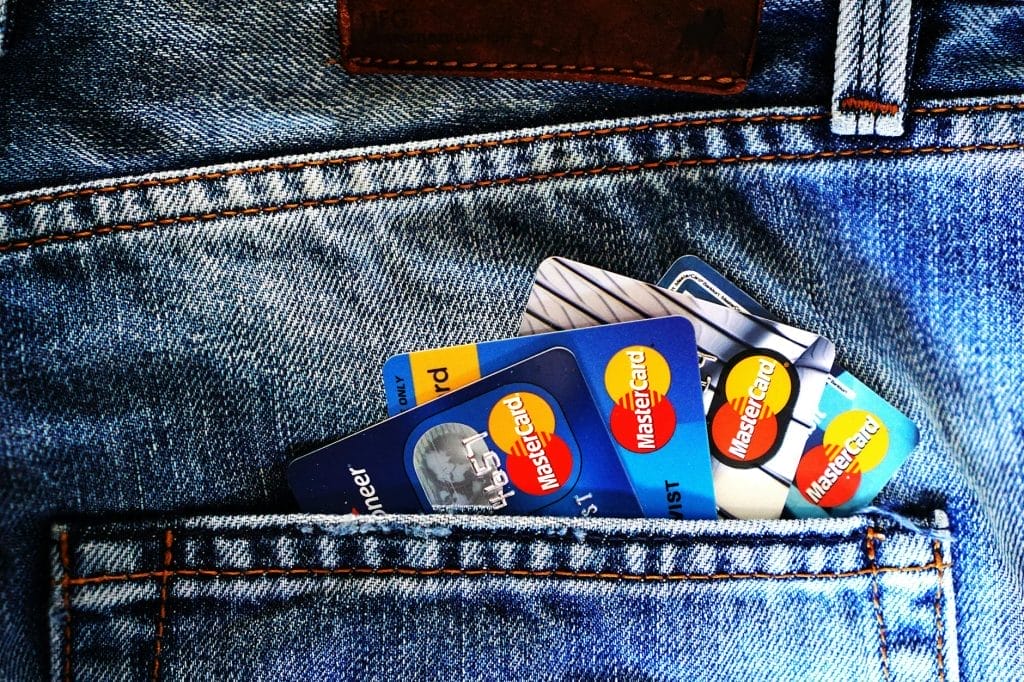
credit card

Image source: pexels.com

Thinking about closing an old, unused credit card? You might assume it’s a smart move—one less card to worry about, right? But before you call your issuer, it’s important to understand how this decision can affect your financial health. Your credit score is more sensitive to changes than many realize, and closing a credit card can have ripple effects. For many people, keeping old accounts open is actually better for their credit profile. Let’s look at why closing an old, unused credit card can wreck your credit score and what you should consider before making a move.

1. Credit Utilization Ratio Gets Worse

Your credit utilization ratio is a key factor in your credit score. This ratio compares your total credit card balances to your total available credit. When you close an old, unused credit card, you reduce your available credit, which can cause your utilization rate to jump—even if your spending stays the same. For example, if you have $5,000 in total credit limits and carry $1,000 in balances, your utilization is 20%. Close a card with a $2,000 limit, and suddenly your utilization jumps to 33%.

Credit scoring models like FICO prefer utilization below 30%, and ideally under 10%. Higher utilization can signal to lenders that you’re a riskier borrower, which can drag down your score. That’s why keeping old cards open, even if you don’t use them, can actually help keep your credit utilization—and your credit score—in better shape.

2. Shortens Your Credit History

Length of credit history is another important piece of your credit score. Lenders like to see that you’ve managed credit responsibly over time. When you close an old credit card, you risk shortening the average age of your accounts. This can especially hurt if the card you’re closing is your oldest account.

While closed accounts may stay on your credit report for several years, they eventually drop off, and your average account age can take a hit. A shorter credit history can make you look less experienced with credit, which can lower your credit score. The longer your credit history, the better your score tends to be.

3. Fewer Accounts Mean Less Credit Diversity

Credit scoring models reward diversity in the types of credit you use. This could include credit cards, installment loans, mortgages, and more. By closing an old, unused credit card, you reduce the number of revolving accounts on your credit report. Less diversity can be a negative if you don’t have many other accounts.

Maintaining a mix of credit types shows lenders you can handle different forms of borrowing. Even if you don’t use your old card much, just having it open contributes to your overall credit profile. If you’re considering a major loan in the future, like a mortgage, keeping more accounts open could help your case.

4. Potential Loss of Positive Payment History

Positive payment history is the backbone of a strong credit score. If you’ve had an old card for years and always paid on time, that account is helping your score. Closing it won’t erase the history right away, but eventually, closed accounts fall off your credit report—usually after 7-10 years.

When that happens, you lose the benefit of those on-time payments in your credit score calculation. If your other accounts are newer or have less positive history, your credit score could dip when the old account disappears. In short, closing an old, unused credit card means you’re eventually giving up a valuable piece of your financial track record.

5. Unintended Effects on Future Credit Applications

Planning to apply for a loan, car financing, or even a new apartment? Closing an old credit card can lower your credit score just when you need it to be at its best. Lenders and landlords often use your score to judge your reliability. Even a small drop can make a difference in the terms you’re offered—or whether you’re approved at all.

Many people don’t realize that the impact of closing a card can stay with them for months or even years. If you’re thinking about making a big financial move, keeping your old, unused credit card open could work in your favor.

How to Handle Old, Unused Credit Cards Wisely

Now that you know why closing an old, unused credit card can wreck your credit score, you might be wondering what to do with those dormant accounts. If the card doesn’t have an annual fee and isn’t posing a security risk, consider leaving it open. You can use it for a small recurring charge (like a streaming subscription) to keep it active, then pay it off in full every month. This way, you maintain a healthy credit utilization ratio and preserve your long credit history.

If you’re worried about fraud or can’t resist the temptation to overspend, look for ways to secure the card, like lowering the credit limit or keeping the card in a safe place. The bottom line: keeping your old, unused credit card open is often the smarter choice for your credit score.

Have you ever closed an old credit card and noticed a change in your credit score? Share your experience or questions in the comments below!

What to Read Next…

  • 5 Things That Instantly Decrease Your Credit Score By 50 Points
  • The Benefits Of Taking Personal Loans And Their Impact On Credit Scores
  • 7 Credit Card Features Disappearing Without Any Notice
  • Why Are More Seniors Ditching Their Credit Cards Completely
  • 6 Credit Card Perks That Come With Under The Radar Stringent Conditions
Travis Campbell
Travis Campbell

Travis Campbell is a digital marketer/developer with over 10 years of experience and a writer for over 6 years. He holds a degree in E-commerce and likes to share life advice he’s learned over the years. Travis loves spending time on the golf course or at the gym when he’s not working.

Filed Under: credit cards Tagged With: credit cards, Credit history, credit management, credit score, credit utilization, Personal Finance

Why Do Some Believe Debt Is Freedom Instead of a Burden

September 3, 2025 by Catherine Reed Leave a Comment

Why Do Some Believe Debt Is Freedom Instead of a Burden

Image source: 123rf.com

For most people, debt represents stress, obligation, and years of repayment. Yet, a surprising number of individuals and businesses see debt not as a trap but as an opportunity. The idea that debt is freedom comes from viewing borrowed money as a tool to unlock possibilities rather than a weight to carry. From leveraging credit for investments to maintaining flexibility in lifestyle choices, this perspective reshapes the way people approach borrowing. Understanding why some believe debt is freedom instead of a burden can help you decide how to manage your own financial path.

1. Debt Provides Access to Opportunities

One reason some people argue that debt is freedom is that it allows access to things otherwise out of reach. Without credit, many families couldn’t buy homes, start businesses, or pursue higher education. Debt can be the bridge between limited resources and major opportunities for growth. By borrowing, people can accelerate progress toward goals instead of waiting decades to save. In this sense, debt is seen as a doorway rather than a dead end.

2. Borrowing Helps Build Wealth

Another reason debt is freedom to some is the ability to use borrowed money to grow wealth. Mortgages, for example, give families a chance to own homes that increase in value over time. Business loans let entrepreneurs expand operations, create jobs, and generate profits. While risk is always involved, smart borrowing can create financial gains that outweigh the cost of interest. The strategic use of debt turns it into a steppingstone rather than a setback.

3. Credit Enhances Flexibility and Security

Debt is freedom for people who value financial flexibility. With credit cards, lines of credit, or personal loans, individuals have backup options in emergencies. Instead of draining savings, they can borrow to cover expenses and repay later. This flexibility provides a sense of security and control during uncertain times. For those who manage it carefully, debt creates peace of mind rather than fear.

4. Leveraging Debt Keeps Cash Flow Available

Some households and businesses prefer to use debt strategically to keep cash flow free. Rather than tying up all available money in large purchases, they borrow and keep savings accessible for other needs. This approach makes it easier to handle unexpected expenses or invest in new opportunities. By using debt this way, people feel they gain freedom instead of restricting themselves. The idea is that money in the bank provides choice, while debt buys time.

5. Low Interest Rates Make Borrowing Attractive

Another reason people believe debt is freedom is the appeal of borrowing when interest rates are low. Paying two or three percent interest on a loan while investments earn higher returns can be a winning strategy. In this case, debt doesn’t feel like a burden but rather a smart financial move. Accessing cheap money allows individuals to grow wealth while enjoying assets sooner. For many, this reinforces the view of debt as a tool rather than a trap.

6. Cultural and Social Influences Normalize Debt

The perception that debt is freedom is also shaped by culture and society. Credit cards, mortgages, and student loans are marketed as essential parts of modern life. Advertisements and financial institutions highlight the benefits of borrowing, often downplaying the risks. Over time, people internalize the idea that debt is a normal way to achieve milestones. This cultural acceptance reinforces the belief that debt empowers rather than restricts.

7. Psychological Boost from Immediate Gratification

Lastly, many associate debts with freedom because it allows them to enjoy life now instead of later. Whether it’s buying a dream home, traveling, or driving a luxury car, debt enables instant gratification. This psychological boost can feel like independence and control, even if repayment looms ahead. For some, the joy of living in the moment outweighs the stress of future obligations. This mindset reframes debt as liberating rather than limiting.

Freedom or Burden Depends on Perspective

Whether debt is freedom or a burden ultimately depends on how it’s used and managed. For those who borrow strategically, debt can open doors to opportunities, build wealth, and provide flexibility. For others, misuse of debt can quickly spiral into financial hardship. The key is recognizing debt as a tool that requires discipline, planning, and awareness of risks. When handled wisely, it can indeed feel like freedom—but without caution, it becomes a heavy chain.

Do you believe debt is freedom when used strategically, or do you see it as an unavoidable burden? Share your thoughts in the comments!

What to Read Next…

5 Times Debt Was Used as a Tool Instead of a Burden

6 Financial Questions People Are Afraid to Ask But Should

5 Strange Money Beliefs That Advisors Say Are Almost Impossible to Break

Could Wealthy People Be Poorer Than They Appear on Paper

5 Dangerous “Money Shortcuts” That End in Financial Ruin

Catherine Reed
Catherine Reed

Catherine is a tech-savvy writer who has focused on the personal finance space for more than eight years. She has a Bachelor’s in Information Technology and enjoys showcasing how tech can simplify everyday personal finance tasks like budgeting, spending tracking, and planning for the future. Additionally, she’s explored the ins and outs of the world of side hustles and loves to share what she’s learned along the way. When she’s not working, you can find her relaxing at home in the Pacific Northwest with her two cats or enjoying a cup of coffee at her neighborhood cafe.

Filed Under: Debt Management Tagged With: borrowing strategies, credit management, debt is freedom, money mindset, Personal Finance, Planning, Wealth Building

Why Credit Limits Are Being Lowered Without Consent

August 5, 2025 by Travis Campbell Leave a Comment

credit

Image source: unsplash.com

Credit cards are a big part of daily life. They help you buy what you need, build your credit score, and sometimes even get rewards. But lately, more people are seeing their credit limits drop—sometimes without warning. This can be confusing and stressful. You might wonder why it’s happening and what you can do about it. Understanding why credit limits are being lowered without consent matters because it can affect your finances, your credit score, and your peace of mind.

1. Economic Uncertainty Makes Lenders Nervous

When the economy looks shaky, banks and credit card companies get cautious. They worry that more people might lose their jobs or struggle to pay bills. To protect themselves, they lower credit limits—even for customers who pay on time. This helps them reduce risk if lots of people start missing payments. You might have a perfect payment history, but if the economy is uncertain, your lender could still cut your limit. It’s not personal. It’s about the bank trying to avoid big losses if things get worse.

2. Changes in Your Spending Patterns

Credit card companies watch how you use your card. If you suddenly stop using your card or use it much less, they might see you as a risk. Maybe you paid off a big balance and stopped charging new purchases. Or maybe you switched to using another card. Lenders sometimes lower limits on cards that aren’t used much. They want to avoid having too much unused credit out there. If you want to keep your limit, try to use your card for small purchases and pay it off each month.

3. Drop in Your Credit Score

Your credit score can change for many reasons. Maybe you missed a payment on another account, or your debt went up. Even a small drop in your score can make lenders nervous. They might lower your credit limit to protect themselves. This can feel unfair, especially if you’ve never missed a payment on that card. But lenders use automated systems that react to changes in your credit report. If your score drops, your limit might too. You can check your credit score for free at AnnualCreditReport.com.

4. High Balances on Other Accounts

If you start carrying higher balances on other credit cards or loans, your lender might notice. They see this as a sign you could be struggling with debt. Even if you pay your bills on time, a high balance elsewhere can make you look risky. Lenders want to limit their exposure if you start having trouble. So, they might lower your credit limit to reduce their risk. Keeping your balances low across all accounts can help you avoid this.

5. Inactivity on Your Account

If you haven’t used your credit card in a long time, your lender might lower your limit or even close the account. They don’t want to keep credit open that isn’t being used. It costs them money and increases their risk. Even if you like having the card for emergencies, not using it can lead to a lower limit. Try to use each card at least once every few months, even for a small purchase, to keep it active.

6. Lender Policy Changes

Sometimes, credit card companies change their rules. They might decide to lower limits for certain types of accounts or customers. This can happen if they’re merging with another company, updating their risk models, or responding to new regulations. You might get caught up in a policy change even if nothing about your account has changed. It’s frustrating, but it’s not something you can control. If you’re affected, call your lender and ask if they can review your account.

7. Signs of Financial Stress

Lenders look for warning signs that you might be in trouble. This could be late payments, using a high percentage of your available credit, or applying for lots of new credit cards. If they see these signs, they might lower your limit to protect themselves. Even if you’re managing fine, these behaviors can make you look risky. Try to pay on time, keep your balances low, and avoid applying for too much new credit at once.

8. Industry-Wide Trends

Sometimes, it’s not about you at all. If there’s a trend of rising defaults or economic trouble, lenders might lower limits across the board. This happened during the 2008 financial crisis and again during the COVID-19 pandemic. Lenders want to protect themselves from big losses, so they act quickly.

9. Protecting Themselves from Fraud

If your lender sees unusual activity on your account, they might lower your limit as a precaution. This could be a sudden large purchase, a transaction in another country, or anything that looks out of the ordinary. Lowering your limit can help prevent big losses if your card is stolen or compromised. If this happens, call your lender to clear up any confusion and ask if your limit can be restored.

What You Can Do If Your Credit Limit Is Lowered

If your credit limit is lowered without your consent, don’t panic. Start by calling your lender and asking why it happened. Sometimes, they can review your account and raise your limit again. Check your credit report for errors or signs of fraud. Keep your balances low and use your cards regularly. If you need a higher limit, you can ask for a review or apply for a new card. Remember, your credit limit is not set in stone. It can change, but you have options.

Have you had your credit limit lowered without warning? How did you handle it? Share your story in the comments.

Read More

Why Are More Seniors Ditching Their Credit Cards Completely?

The 6 Real Reasons You’re Being Offered a Store Credit Instead of a Refund

Travis Campbell
Travis Campbell

Travis Campbell is a digital marketer/developer with over 10 years of experience and a writer for over 6 years. He holds a degree in E-commerce and likes to share life advice he’s learned over the years. Travis loves spending time on the golf course or at the gym when he’s not working.

Filed Under: credit cards Tagged With: credit cards, credit limits, credit management, credit score, Financial Tips, Personal Finance

8 Personal Finance Debates That Are Dividing the Internet

March 27, 2025 by Latrice Perez Leave a Comment

white paper with text The Big Debate on a black background with stationery

Image Source: 123rf.com

The realm of personal finance is no longer just about numbers—it’s become a battleground for opinions on budgeting, saving, and investing. Online communities are split over which strategies truly work, sparking heated debates that capture the attention of millions. These discussions range from traditional budgeting methods to modern digital investment trends. Many individuals feel strongly about their approach to money management, often leading to passionate, polarizing conversations. In this article, we explore eight of the most contentious personal finance debates that are dividing the internet today.

1. Budgeting: Traditional Spreadsheets vs. App-Based Solutions

Many finance enthusiasts argue over the best method for tracking expenses. Traditionalists swear by hand-crafted spreadsheets that offer complete control and customization. On the other hand, supporters of modern apps appreciate the automation and real-time updates they provide. This debate highlights the tension between simplicity and technological convenience. Ultimately, the best choice depends on your individual habits and preferences.

2. Saving Strategies: The 50/30/20 Rule or Customized Plans?

There is ongoing disagreement about whether standard saving rules like 50/30/20 fit every lifestyle. Some experts insist that these rules provide a solid framework for financial health. Others argue that rigid formulas fail to account for individual goals and unexpected expenses. Customized plans that adjust to personal circumstances are often seen as more flexible. The debate centers on whether one-size-fits-all solutions can truly address everyone’s financial needs.

3. Investing: Passive Index Funds vs. Active Trading

The investment community is divided between advocates of passive index funds and proponents of active trading strategies. Passive investors argue that low-cost index funds yield steady, long-term growth without the need for constant monitoring. In contrast, active traders believe that diligent market analysis can outperform average returns. Both sides present compelling data and personal success stories to support their approach. This divide forces new investors to choose between simplicity and the potential for higher rewards.

4. Credit: Debt or Living Debt-Free?

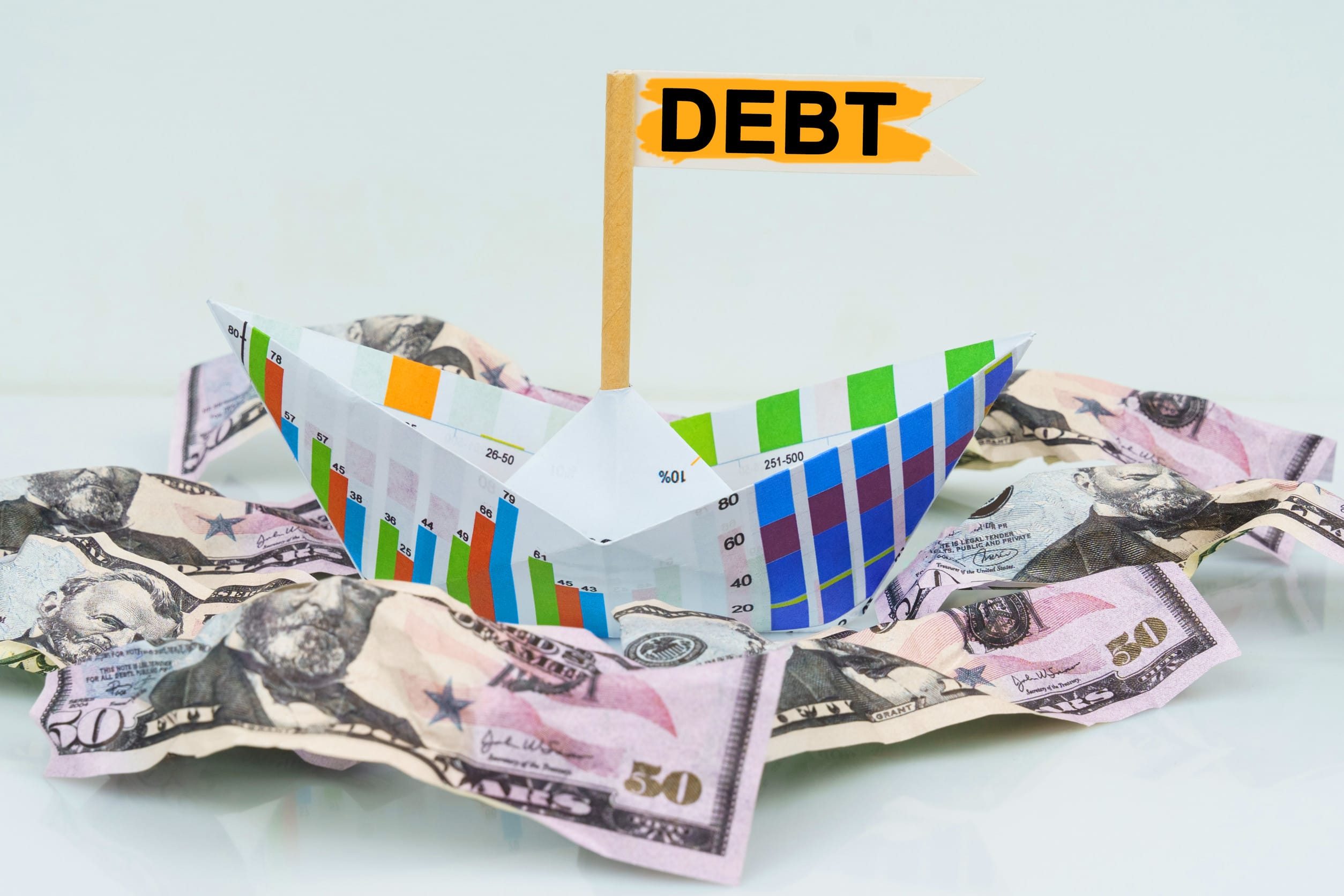
Business and finance concept. A paper boat from a business graph floats on a sea of money. The text is written on the flag - DEBT

Image Source: 123rf.com

Credit management is another hotly debated topic in personal finance. Some believe that strategic debt, when managed well, can boost your credit score and open financial doors. Others argue that any form of debt is a burden that prevents true financial freedom. The conversation often revolves around balancing short-term needs with long-term financial goals. Regardless of your stance, understanding the risks and benefits of debt is crucial for making informed decisions.

5. Emergency Funds: How Much Is Enough?

Experts often clash over the ideal size of an emergency fund. Conventional wisdom suggests that three to six months’ worth of living expenses is sufficient for most households. However, some argue that unpredictable economic conditions warrant a larger cushion. The debate intensifies as personal circumstances and job security vary widely among individuals. Ultimately, the “right” amount is a deeply personal decision influenced by risk tolerance and lifestyle factors.

6. Real Estate: Renting vs. Buying

The age-old debate of renting versus buying a home continues to divide opinions online. Proponents of buying argue that homeownership builds equity and represents a long-term investment. Renters, however, stress the flexibility and lower upfront costs that renting provides. This debate often touches on broader economic trends and personal financial priorities. The decision ultimately hinges on market conditions, lifestyle choices, and long-term goals.

7. Cryptocurrency: The Future of Money or a Risky Fad?

Cryptocurrency remains one of the most polarizing topics in personal finance. Some enthusiasts view it as the future of decentralized finance, capable of revolutionizing traditional banking. Critics, however, warn of its volatility and the lack of regulatory oversight, deeming it a speculative gamble. The passionate discourse reflects the rapid pace of technological change and the uncertainty of its long-term impact. Whether you embrace crypto or remain skeptical, the debate continues to evolve with the market.

8. Financial Independence: Early Retirement vs. Long-Term Work

The FIRE (Financial Independence, Retire Early) movement has ignited fierce discussions about the value of early retirement. Advocates argue that strategic saving and investing can allow one to leave the workforce decades earlier than traditional retirement ages. Detractors caution that early retirement may lead to boredom, financial insecurity, or missed opportunities for personal growth. Both camps offer valid points about the trade-offs between work, passion, and financial freedom. In the end, the decision is a personal one that must align with your values and life goals.

Personal Finance Battlefield

Personal finance is a deeply personal subject, and the debates surrounding it reflect diverse lifestyles and priorities. While the opinions may be divided, the most important takeaway is to educate yourself and choose strategies that align with your values. Open-mindedness and a willingness to adapt can help you navigate even the most contentious financial discussions. Remember, there is no one-size-fits-all solution—only the one that works best for you.

Which personal finance debate resonates with you the most? Share your thoughts and experiences in the comments below!

Read More:

10 Things You Should Never Ignore in Your Personal Finances

The Dark Side of Working in Finance—Burnout, Bonuses, and Big Risks

Latrice Perez

Latrice is a dedicated professional with a rich background in social work, complemented by an Associate Degree in the field. Her journey has been uniquely shaped by the rewarding experience of being a stay-at-home mom to her two children, aged 13 and 5. This role has not only been a testament to her commitment to family but has also provided her with invaluable life lessons and insights.

As a mother, Latrice has embraced the opportunity to educate her children on essential life skills, with a special focus on financial literacy, the nuances of life, and the importance of inner peace.

Filed Under: Personal Finance Tagged With: budgeting, credit management, cryptocurrency, emergency funds, financial independence, investing, Personal Finance, Real estate, saving strategies

Think You’re Safe? 8 Risks of Being Added as an Authorized User on a Credit Card Without Your Knowledge

February 5, 2025 by Latrice Perez Leave a Comment

Authorized User

Image Source: 123rf.com

Imagine going about your daily life, assuming your credit is in good shape, only to discover that someone has added you as an authorized user on their credit card without your permission. You might think it’s a harmless gesture to help you build your credit score, but the reality is far from simple. Being added as an authorized user without your consent can come with a host of unexpected consequences that could harm your finances, credit score, and even personal relationships. Here are eight risks to consider if you find yourself in this situation.

1. Your Credit Score Could Be Damaged Without Warning

One of the biggest dangers of being added as an authorized user without your knowledge is that you have no control over how the account is managed. If the primary cardholder has poor credit habits—like missing payments, carrying high balances, or defaulting on the debt—these negative actions could show up on your credit report. Even though you didn’t apply for or use the card, the damage to your credit score can be significant. You might not even realize this is happening until you check your credit report or try to apply for a loan. It’s crucial to regularly monitor your credit and dispute any inaccuracies that may result from this unauthorized addition.

2. You Might Be Unaware of the Account’s Impact on Your Credit Utilization

Your credit utilization ratio—how much of your available credit you’re using—plays a key role in determining your credit score. If you’re added as an authorized user to a card with a high balance or high credit utilization, your credit score could suffer.

The higher the balance relative to the credit limit, the more negatively it affects your credit utilization ratio. This impact could happen without you even realizing it, especially if you aren’t aware that you’ve been added to the account. It’s important to check your credit utilization across all accounts to ensure that the card you’ve been added to isn’t negatively affecting your financial standing.

3. The Cardholder’s Debt Could Become Your Problem

While being added as an authorized user doesn’t make you legally responsible for the debt, it can still affect you. If the primary cardholder accumulates a significant amount of debt or fails to make timely payments, the consequences can extend to you. Some credit card companies might hold you accountable if the primary cardholder defaults or requests that the debt be shared. This situation is rare but possible, especially if you aren’t even aware of the card’s existence until it’s too late. The possibility of being dragged into financial trouble due to someone else’s negligence is a risk worth considering.

4. Your Credit History Might Be Altered Without Your Consent

Adding you as an authorized user could potentially alter your credit history, especially if you didn’t know about it. For example, if the primary cardholder has a lengthy credit history with good standing, their positive account information could be added to your credit file.

While this may seem like a benefit at first, the reverse is also true—if they have a spotty payment history, those issues could be reported on your credit report as well. You should always be aware of what’s being reported under your name, as it could affect your ability to get approved for credit or loans in the future.

5. The Account Could Be Used to Accumulate Debt in Your Name

credit card debt

Image Source: 123rf.com

Sometimes, adding someone as an authorized user without their consent can lead to unintended—and potentially illegal—consequences. If the primary cardholder makes purchases using the card and fails to make timely payments, it could be a major issue for your credit and finances.

Even though you’re not the one making the charges, the account may still show up on your credit report, and you could be linked to the debt. If the primary cardholder isn’t responsible with their finances, you could end up with debt on your credit report that you never authorized.

6. You Have No Control Over the Account

Being added as an authorized user without your knowledge means you have no say in how the account is managed. You can’t control whether the cardholder keeps a low balance, makes timely payments, or even closes the account at some point. Should the cardholder decides to max out the card or accumulate debt, it will impact your credit report as well.

Without any control over the account, you might find yourself dealing with consequences that were completely avoidable had you been aware of your addition. It’s essential to always know where your name is being used in financial accounts to protect your interests.

7. It Could Strain Your Relationship with the Primary Cardholder

If you discover that someone has added you as an authorized user without your permission, it could strain your relationship with that person. Whether it’s a family member, partner, or friend, this type of financial action could lead to a breakdown in trust.

You may feel uncomfortable about being added to the account, especially if you weren’t consulted or didn’t give permission. It’s important to maintain clear and open communication with people you share financial matters with to avoid these kinds of misunderstandings.

8. You Could Face Difficulty Removing Yourself from the Account

If you find yourself on a credit card account without your consent, getting removed may not be as simple as just asking the primary cardholder to remove you. Some credit card companies make the process of removing an authorized user complicated and time-consuming.

If the primary cardholder refuses or delays your request, you could remain attached to an account that is negatively affecting your finances for a prolonged period. Even if you ask to be removed, it could take time for the changes to be reflected on your credit report. It’s a frustrating and potentially damaging situation, one that could have been avoided with a simple conversation or understanding upfront.

Protect Your Credit

Being added as an authorized user without your knowledge can lead to serious risks that might not be immediately apparent. From damaging your credit score to creating unnecessary debt, these risks are worth considering before agreeing to be an authorized user.

Always monitor your credit report for any unauthorized activity and keep open lines of communication with those who might have access to your credit. Should you discover that you’ve been added without consent, take immediate steps to have your name removed and correct any inaccuracies. Your financial well-being depends on staying proactive and informed.

Have you ever been an authorized user on a credit card? What was your experience? We’d like to know more about your experiences in the comments below.

Read More:

This is The Credit Score You Need to Lease a Car

How to Easily Get a Care Credit Limit Increase: Tips and Strategies

Latrice Perez

Latrice is a dedicated professional with a rich background in social work, complemented by an Associate Degree in the field. Her journey has been uniquely shaped by the rewarding experience of being a stay-at-home mom to her two children, aged 13 and 5. This role has not only been a testament to her commitment to family but has also provided her with invaluable life lessons and insights.

As a mother, Latrice has embraced the opportunity to educate her children on essential life skills, with a special focus on financial literacy, the nuances of life, and the importance of inner peace.

Filed Under: credit cards Tagged With: authorized user, credit card, credit card risks, credit management, credit score, credit utilization, financial advice, Personal Finance, relationship risks

FOLLOW US

Search this site:

Recent Posts

  • Can My Savings Account Affect My Financial Aid? by Tamila McDonald
  • 12 Ways Gen X’s Views Clash with Millennials… by Tamila McDonald
  • What Advantages and Disadvantages Are There To… by Jacob Sensiba
  • Call 911: Go To the Emergency Room Immediately If… by Stephen Kanaval
  • 10 Tactics for Building an Emergency Fund from Scratch by Vanessa Bermudez
  • 7 Weird Things You Can Sell Online by Tamila McDonald
  • 10 Scary Facts About DriveTime by Tamila McDonald

Copyright © 2026 · News Pro Theme on Genesis Framework