
• Home
  • About Us
  • Toolkit
  • Getting Finances Done
    • Hiring Advisors
    • Debt Management
    • Spending Plan
  • Insurance
    • Life Insurance
    • Health Insurance
    • Disability Insurance
    • Homeowners/Renters Insurance
  • Contact Us
  • Privacy Policy
  • Risk Tolerance Quiz

The Free Financial Advisor

You are here: Home / Archives for technology trends

Biometric Banking and the Rise of Fraud Concerns in 2026

March 18, 2026 by Brandon Marcus Leave a Comment

Biometric Banking and the Rise of Fraud Concerns in 2026

Image Source: Shutterstock.com

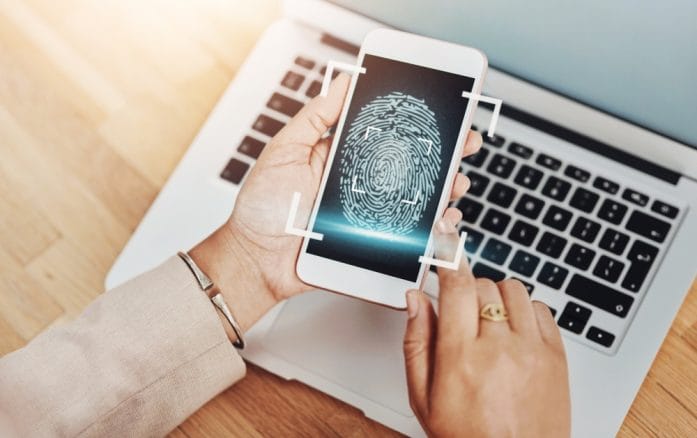
A password can be forgotten. A PIN can be changed. A face or fingerprint? That sticks for life, and that reality changes the stakes in a big way. Banks and tech companies have raced toward biometric authentication with confidence, promising faster logins, tighter security, and a future that feels almost frictionless.

Yet, 2026 brings a growing unease that refuses to stay quiet, as fraud tactics evolve just as quickly as the technology meant to stop them. That tension sits at the center of modern banking, where convenience and risk now share the same screen.

Your Face Is the Password Now—and That Changes Everything

Biometric banking sounds like a dream on the surface, and the appeal lands instantly. A quick face scan unlocks an account, a fingerprint confirms a payment, and the entire process feels smooth and futuristic without the mental load of remembering dozens of passwords. Financial institutions have leaned heavily into this shift because biometric identifiers tie directly to individuals, which makes them harder to replicate than traditional credentials. That promise of uniqueness has driven widespread adoption across mobile banking apps and payment platforms.

That same uniqueness creates a serious problem when something goes wrong. A compromised password can be reset in minutes, but a compromised fingerprint or facial scan does not come with an easy reset button. Fraudsters have started targeting the systems behind biometric authentication rather than the physical traits themselves, which changes the battlefield entirely. Data breaches that expose biometric templates raise long-term risks because those identifiers stay permanent. Banks often store encrypted versions of biometric data, yet attackers constantly search for ways to exploit storage systems or intercept authentication processes.

Fraudsters Aren’t Guessing Passwords Anymore

The modern fraud playbook looks very different from the old days of weak passwords and obvious scams. Cybercriminals now use advanced tools like deepfake technology to trick facial recognition systems, and that shift has forced banks to rethink how they verify identity. High-quality synthetic videos and images can mimic real people with unsettling accuracy, which creates new vulnerabilities in systems that rely heavily on visual confirmation. This tactic doesn’t just exist in theory, as security researchers and industry reports have documented real attempts to bypass biometric safeguards using manipulated media.

Attackers also combine biometric fraud with social engineering, which adds another layer of risk. They might gather personal data from multiple sources, then use that information to build convincing profiles that slip past security checks. In some cases, fraudsters exploit weaknesses in multi-factor authentication systems by targeting the human element rather than the technology itself. That approach often works because people trust biometric systems and may lower their guard when a device appears to recognize them instantly. The result creates a dangerous mix of confidence and vulnerability that fraudsters know how to exploit.

Convenience vs. Control: The Trade-Off Nobody Talks About Enough

Biometric banking offers speed and simplicity, but it also asks for a level of trust that deserves closer attention. Users hand over highly sensitive data in exchange for convenience, and that trade-off deserves careful thought before hitting “enable” on every feature. Financial institutions often emphasize security benefits, yet the broader conversation about data ownership and control still feels incomplete. Once biometric data enters a system, individuals lose a degree of control over how that data gets stored, used, and protected.

That lack of control becomes more concerning when third-party vendors enter the picture. Many banks rely on external technology providers to power biometric systems, which creates additional points of vulnerability. Each connection in that chain introduces potential risks, especially if security standards vary across providers. Transparency becomes critical in this environment, yet many users don’t fully understand where their data goes or how companies safeguard it. A thoughtful approach involves asking questions, reviewing privacy policies, and staying informed about how institutions handle biometric information. That awareness helps balance convenience with a stronger sense of control.

The Tech Is Smart, But It’s Not Perfect

Biometric systems have improved significantly, yet no technology delivers flawless performance. False positives and false negatives still occur, and those errors can create both security risks and frustrating user experiences. A system might mistakenly grant access to the wrong person or lock out the rightful account holder, and neither outcome inspires confidence. Developers continue refining algorithms to reduce these errors, but real-world conditions like lighting, camera quality, and environmental factors can still impact accuracy.

Fraudsters take advantage of those imperfections by testing system limits and identifying weak points. They experiment with different methods until something works, which mirrors how hackers approach any security system. That constant pressure forces banks to update and strengthen their defenses, but it also highlights the ongoing nature of the challenge. Security doesn’t stand still, and neither do the people trying to break it. A layered approach that combines biometrics with additional verification steps can reduce risk, especially for high-value transactions. Relying on a single method, no matter how advanced, rarely provides complete protection.

Biometric Banking and the Rise of Fraud Concerns in 2026

Image Source: Shutterstock.com

How to Stay Sharp in a Biometric World

Smart habits still matter, even in a world that promises effortless security. Enabling multi-factor authentication adds an extra layer of protection, especially when it includes something beyond biometrics, such as a secure device or one-time code. Keeping devices updated also plays a critical role, since software updates often include important security fixes that address newly discovered vulnerabilities. Skipping those updates can leave systems exposed in ways that feel invisible until something goes wrong.

Monitoring financial accounts regularly helps catch unusual activity early, which can make a significant difference in limiting damage. Many banks offer real-time alerts for transactions, and turning those notifications on provides immediate awareness of account activity. Choosing strong device security settings, such as passcodes or encryption, adds another layer of defense that supports biometric systems rather than replacing them. Taking time to understand how a bank handles biometric data can also guide smarter decisions about which features to use. Staying informed and proactive creates a stronger defense than relying on any single piece of technology.

Regulation, Responsibility, and the Road Ahead

Governments and regulatory bodies have started paying closer attention to biometric data, and that focus reflects the growing importance of privacy and security in financial systems. Laws and guidelines aim to set standards for how companies collect, store, and use biometric information, which helps create a more consistent level of protection. However, regulations often struggle to keep pace with rapid technological change, which leaves gaps that both companies and consumers must navigate carefully.

Financial institutions carry significant responsibility in this space, and their choices shape how safe biometric banking feels in everyday use. Strong encryption, transparent policies, and continuous security testing all play a role in building trust. At the same time, individuals hold power through their own decisions about which features to use and how much data to share. A balanced approach that combines institutional accountability with personal awareness offers the best path forward. The future of biometric banking will depend on how well both sides adapt to evolving risks.

The Security Question That Won’t Go Away

Biometric banking delivers undeniable convenience, yet it also introduces risks that demand attention and awareness. The technology continues to evolve, and so do the tactics designed to exploit it, which creates a constant push-and-pull between innovation and security. A thoughtful approach doesn’t reject biometrics outright, but it also doesn’t accept them blindly without considering the bigger picture. Smart decisions, layered protections, and ongoing awareness can turn a powerful tool into a safer one.

So where does the balance land between convenience and control when it comes to financial security? Drop your thoughts, strategies, or even close calls in the comments and get the conversation going.

You May Also Like…

5 Budgeting Apps That Integrate With Biometric Banking

5 Outrageous Fees Hidden in Everyday Banking Services

How Can Small Banking Errors Snowball Into Huge Losses

The Hidden Dangers of Biometric Login Features on Your Phone

4 Bold Predictions About The Future of Personal Finance Technology

Brandon Marcus
Brandon Marcus

Brandon Marcus is a writer who has been sharing the written word since a very young age. His interests include sports, history, pop culture, and so much more. When he isn’t writing, he spends his time jogging, drinking coffee, or attempting to read a long book he may never complete.

Filed Under: Banking Tagged With: biometric banking, cybersecurity, data privacy, digital banking, face recognition, financial safety, fingerprint security, fintech, fraud prevention, identity theft, online security, technology trends

6 Ways Big Tech’s Latest Privacy Policies Hurt People Over 45

October 22, 2025 by Travis Campbell Leave a Comment

privacy policy

Image source: shutterstock.com

Big tech companies are constantly updating their privacy policies. While these changes are meant to boost security, they can have unexpected downsides for users, especially those over 45. Many in this age group rely on digital tools for everything from banking to health records, but don’t always keep up with complicated policy updates. This can leave them vulnerable or confused. Understanding how these privacy shifts affect people over 45 is key to protecting financial, personal, and social well-being. Let’s examine the real impact of big tech privacy policies on this growing demographic, and why staying informed is so important for anyone navigating midlife and beyond.

1. Increased Complexity Leaves Many Behind

Big tech’s latest privacy policies are often packed with legal jargon and technical details. For users over 45, who may not have grown up with digital technology, this complexity can be overwhelming. When privacy settings change, it’s easy to miss important updates or misunderstand what’s actually being shared. This can result in personal information being exposed without the user’s knowledge. If you’re not a tech expert, navigating these updates can feel like learning a new language—one that changes every few months.

2. More Barriers to Accessing Accounts

Many new big tech privacy policies require multi-factor authentication or complex password requirements. While these steps do improve security, they can also create frustrating barriers for people over 45. Forgetting a password or losing access to a backup email can lock users out of important accounts. For those managing finances, health, or family schedules online, these barriers can have real-world consequences. Instead of feeling more secure, some users end up feeling excluded or anxious about using digital services at all.

3. Confusing Consent Requests

Every time a privacy policy changes, users are prompted to review and accept new terms. These consent requests are often lengthy and hard to interpret. For people over 45, who may not have the time or patience to read through pages of legal text, this can lead to blindly accepting terms that aren’t fully understood. This is especially risky with big tech privacy policies, since agreeing to new permissions may allow companies to collect more data than before. The result? Less control over personal information and more opportunities for misuse.

4. Targeted Advertising Gets More Aggressive

Big tech companies use updated privacy policies to refine how they collect and use data for advertising. For users over 45, this often means seeing more targeted ads based on their online activity, location, or even health searches. While some people appreciate relevant ads, others find it intrusive or unsettling—especially when ads seem to know too much. Worse, some targeted ads prey on fears that are more common in midlife, such as financial insecurity or health concerns. This raises the risk of scams and misinformation aimed at a vulnerable audience.

5. Data Sharing with Third Parties Increases

Another issue with modern big tech privacy policies is increased data sharing with third-party companies. Even if you think your information is safe with one service, it might be passed along to others for marketing, analytics, or unknown purposes. People over 45 are often less aware of how interconnected their data has become. This can lead to unintended exposure of sensitive details, such as health conditions or financial status, especially if those third parties have weaker security. In some cases, this data can end up on the dark web or be used for identity theft. Protecting your information means keeping up with not just one company’s policy, but potentially dozens.

6. Less Transparency About How Data Is Used

While companies claim to be more transparent, the reality is that big tech privacy policies often make it harder to understand exactly how your data is being used. For people over 45, who may already feel skeptical about technology, this lack of clarity can erode trust. If you don’t know what’s being collected or why, it’s tough to make informed choices about your online behavior. This creates a sense of powerlessness and can discourage users from taking advantage of digital tools that could improve their lives.

Taking Control in a Changing Digital World

Big tech privacy policies are evolving quickly, and their impact isn’t always obvious. For people over 45, these changes can mean more confusion, less control, and greater risk. The good news is that awareness is the first step to protection. Take time to review settings, ask for help if you need it, and don’t be afraid to question what companies are asking you to share. By staying engaged, you can maintain both your privacy and your confidence in the digital world.

How have big tech privacy policies affected your online experience? Share your thoughts in the comments below.

What to Read Next…

  • How Your Wi-Fi Router Placement Might Be Sharing Personal Info
  • 7 Free Financial Tools With Privacy Concerns
  • Are Financial Apps Sharing Your Spending Data More Than You Realize?
  • 6 Phone App Permissions That Spy On Your Financial Life
  • 7 ATM Removal Features That Could Reduce Your Financial Privacy
Travis Campbell
Travis Campbell

Travis Campbell is a digital marketer/developer with over 10 years of experience and a writer for over 6 years. He holds a degree in E-commerce and likes to share life advice he’s learned over the years. Travis loves spending time on the golf course or at the gym when he’s not working.

Filed Under: Auto & Tech Tagged With: big tech, Digital Security, Online Safety, over 45, personal data, privacy, technology trends

10 Jobs That No One Will Even Miss In The Next 5 Years

April 22, 2025 by Travis Campbell Leave a Comment

cashier

Image Source: unsplash.com

The rapid advancement of technology, particularly artificial intelligence and automation, is reshaping our workforce at an unprecedented pace. As we navigate this evolving landscape, certain occupations face inevitable obsolescence. Understanding which jobs are on the chopping block isn’t just about satisfying curiosity—it’s about making informed career decisions and preparing for the future economy. Whether planning your career path or considering a professional pivot, recognizing these vulnerable positions can help you stay ahead of the curve and make strategic choices about your financial future.

1. Bank Tellers

Traditional bank tellers are rapidly becoming relics of the past. With mobile banking apps handling everything from deposits to loan applications, and ATMs becoming increasingly sophisticated, the need for human tellers continues to diminish. According to a report by Wells Fargo, branch transactions have declined by over 40% in the past decade, while digital banking usage has skyrocketed. Banks are responding by closing physical locations and reducing teller positions, focusing instead on specialized financial advisors who handle complex transactions that automation can’t yet manage.

2. Cashiers

Self-checkout kiosks are no longer novelties but standard fixtures in retail environments. Major retailers like Amazon are pioneering cashier-less stores with their “Just Walk Out” technology, while Walmart and Target continue expanding their self-service options. The pandemic accelerated this trend as contactless shopping became a health priority. While some cashier positions will remain for customer service purposes, the Bureau of Labor Statistics projects a significant decline in cashier employment over the next five years as automation technology becomes more affordable and widespread.

3. Data Entry Specialists

The days of manually inputting information into databases are numbered. Advanced optical character recognition (OCR) technology and AI-powered data processing systems can now extract, categorize, and input data with minimal human oversight. These systems work faster, operate 24/7, and eliminate human error. Companies that once employed large data entry teams are transitioning to automated solutions requiring only a few specialists to manage exceptions and system maintenance.

4. Travel Agents

While travel agents have declined for years, the next five years will likely see their near-complete disappearance from the mainstream market. Online booking platforms, AI-powered travel recommendation engines, and virtual concierge services now handle everything from flight comparisons to personalized itinerary creation. The remaining travel agents are rapidly transitioning to highly specialized luxury travel planning or complex multi-destination coordination that algorithms haven’t yet mastered.

5. Toll Booth Operators

Electronic toll collection systems like E-ZPass and license plate recognition technology have already reduced the need for human toll collectors. This occupation will likely disappear entirely in the next five years as infrastructure modernization continues. States are increasingly adopting all-electronic tolling to improve traffic flow and reduce operational costs. The transition eliminates not just toll collection jobs but also the administrative positions that supported cash handling and manual processing.

6. Print Production Workers

As digital media continues to dominate, the demand for physical newspapers, magazines, and printed marketing materials continues to plummet. Printing press operators, bindery workers, and other print production specialists are seeing their industry contract dramatically. Digital automation has also streamlined the remaining print processes, requiring fewer human operators. While specialty printing will continue to exist, the mass production print workforce will shrink dramatically in the coming years.

7. Mail Sorters

Automated mail sorting systems have revolutionized postal operations, with machines that can process thousands of pieces per hour. As these systems become more sophisticated and capable of handling irregular packages and handwritten addresses, the need for human sorters continues to decline. The U.S. Postal Service has steadily reduced its workforce while increasing automation, which will accelerate as AI-powered sorting technology improves.

8. Assembly Line Workers

Manufacturing automation advances rapidly, with robots handling increasingly complex assembly tasks. While human workers won’t disappear entirely from factories, their roles shift from direct assembly to machine oversight and quality control. Industries from automotive to electronics are investing heavily in automated production lines that operate with minimal human intervention, significantly reducing the demand for traditional assembly workers.

9. Parking Attendants

The combination of automated parking payment systems, license plate recognition technology, and the rise of ride-sharing services has already reduced the need for parking attendants. As self-driving cars and innovative parking solutions become more prevalent in the next five years, traditional parking management will transform dramatically. Urban centers are increasingly adopting fully automated parking structures that eliminate the need for human attendants.

10. Basic Bookkeepers

Entry-level bookkeeping tasks like data entry, reconciliation, and basic report generation are rapidly being automated through accounting software. Cloud-based platforms now automatically categorize transactions, reconcile accounts, and generate financial reports with minimal human input. While financial professionals who can analyze data and provide strategic guidance will remain valuable, those who primarily handle transaction processing and data entry will find their roles increasingly obsolete.

The Automation Revolution Is Here—Are You Ready?

The automation revolution isn’t just eliminating jobs—it’s transforming how we work. While these ten positions may disappear, new opportunities in technology management, customer experience design, and human-machine collaboration are emerging. The key to thriving in this new economy is developing skills that complement rather than compete with automation. Critical thinking, creativity, emotional intelligence, and technical literacy will become increasingly valuable as routine tasks are automated. By understanding these trends and adapting accordingly, you can position yourself for success in the evolving job market.

Have you noticed automation affecting your industry? What skills are you developing to stay relevant in the changing job market?

Read More

11 Outdated Skills That Were Once Cutting Edge

10 Careers That Offer the Most Flexible Work Schedules

Travis Campbell
Travis Campbell

Travis Campbell is a digital marketer/developer with over 10 years of experience and a writer for over 6 years. He holds a degree in E-commerce and likes to share life advice he’s learned over the years. Travis loves spending time on the golf course or at the gym when he’s not working.

Filed Under: Career Tagged With: AI, Automation, career planning, future of work, job market, Planning, technology trends

FOLLOW US

Search this site:

Recent Posts

  • Can My Savings Account Affect My Financial Aid? by Tamila McDonald
  • 12 Ways Gen X’s Views Clash with Millennials… by Tamila McDonald
  • What Advantages and Disadvantages Are There To… by Jacob Sensiba
  • Call 911: Go To the Emergency Room Immediately If… by Stephen Kanaval
  • 10 Tactics for Building an Emergency Fund from Scratch by Vanessa Bermudez
  • 7 Weird Things You Can Sell Online by Tamila McDonald
  • 10 Scary Facts About DriveTime by Tamila McDonald

Copyright © 2026 · News Pro Theme on Genesis Framework