
Everything feels fine one second, and the next moment turns into twisted metal, adrenaline, and a sinking realization that the car involved doesn’t even belong to you. That situation hits differently because it mixes stress, guilt, and financial panic all at once. A totaled vehicle already brings complications, but adding friendship into the equation raises the stakes in a big way.
Insurance policies, liability rules, and state laws suddenly matter more than ever, and one wrong move can cost thousands. Let’s walk through exactly what needs to happen next so the situation stays manageable instead of spiraling into a financial disaster.
1. Make Sure Everyone Is Safe First, No Exceptions
Safety comes before paperwork, insurance, or awkward conversations, and that priority never changes no matter how expensive the damage looks. Check for injuries immediately and call emergency services if anything feels even slightly off, because adrenaline can mask pain in the moment. Move to a safe location if the vehicles sit in a dangerous spot, but only if doing so won’t worsen injuries or create additional risk. First responders document the scene, and those reports often become critical when insurance companies start asking questions. Skipping this step or rushing it creates bigger problems later, especially if injuries show up hours after the crash.
After the situation stabilizes, take a breath and stay calm, even if panic tries to take over. A clear head helps avoid saying things that insurance adjusters or police could misinterpret later. Focus on facts instead of emotions when talking to others at the scene. This approach protects both financial and legal standing. Handling this first step correctly sets the tone for everything that follows.
2. Call The Police And Get An Official Report
An official accident report creates a factual record of what happened, and that document carries serious weight during insurance claims. Many states require reporting accidents involving significant damage or injury, and a totaled vehicle almost always qualifies. Officers document statements, road conditions, and visible damage, which helps establish liability later. Without that report, insurance companies may delay or dispute claims because they lack a neutral account of the incident. A missing report can turn a straightforward situation into a drawn-out financial headache.
Stick to clear, honest statements when speaking with law enforcement, and avoid guessing or speculating about details. If unsure about something, say so rather than filling in gaps with assumptions. Request a copy of the report or instructions on how to obtain it later. That document will become essential during conversations with insurers. Keeping everything documented reduces stress when questions inevitably arise.
3. Contact Your Friend Immediately And Be Honest
Calling your friend might feel like the hardest part, but delaying that conversation makes things worse. Transparency matters here because the car owner needs to know what happened before insurance companies start calling. A direct, calm explanation builds trust even in a stressful situation. Avoid shifting blame or minimizing the damage, because that approach damages relationships quickly. Owning the situation shows responsibility and helps keep communication open.
This conversation also sets expectations for what comes next financially and logistically. Your friend may need to contact their insurance provider, and they’ll want accurate details. Staying upfront prevents confusion and conflicting statements later. Friendships survive accidents more often when honesty leads the conversation. Handle it with maturity and clarity, and it becomes manageable.
4. Notify The Insurance Company Right Away
Auto insurance typically follows the car, not the driver, which surprises many people in this situation. That means your friend’s insurance policy will likely serve as the primary coverage for the accident. Call the insurer as soon as possible and provide accurate details about what happened. Delays can complicate claims or even risk denial if the policy requires prompt reporting. Acting quickly keeps the process smoother and more predictable.
Be prepared to answer questions about driving conditions, location, and events leading up to the crash. Insurance adjusters look for consistency across all statements, so stick to the facts already provided to police. If you carry your own auto insurance, that policy may act as secondary coverage depending on the situation. Understanding how these layers work helps avoid unexpected out-of-pocket costs. Quick action here prevents financial surprises later.
5. Understand Liability And Who Pays What
Liability determines who ultimately pays, and that depends on fault, coverage limits, and state laws. If the accident resulted from your actions, your friend’s insurance may cover damages up to policy limits, but costs beyond that could fall on you. This reality often shocks drivers who assume insurance handles everything automatically. Coverage gaps can leave thousands of dollars in expenses if damages exceed limits. Knowing this early allows for better financial planning.
Some policies include permissive use clauses, which allow others to drive the vehicle with permission, but coverage still has limits. If injuries or multiple vehicles are involved, costs can escalate quickly. In some cases, personal insurance or umbrella policies may step in to cover remaining expenses. Reviewing these details with an insurance agent provides clarity. This step turns uncertainty into a manageable plan.
6. Document Everything Like It Matters
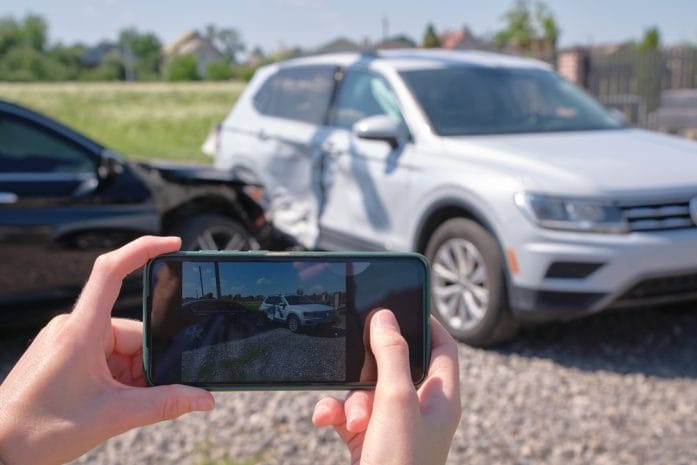
Photos, videos, and written notes create a strong record of what happened, and that documentation supports your case during claims. Take clear pictures of vehicle damage, road conditions, traffic signs, and anything else relevant to the accident. Save all communication with insurance companies, repair shops, and your friend. Organized records reduce confusion and strengthen credibility during disputes. Missing details can cost money when claims get complicated.
Keep track of dates, times, and names of anyone involved in the process. This habit helps when multiple conversations happen across days or weeks. Insurance claims rarely resolve instantly, so having a clear timeline becomes valuable. Strong documentation often speeds up decisions and reduces back-and-forth. Treat this step seriously because it directly impacts financial outcomes.
7. Prepare For Financial Fallout And Next Steps
Even with insurance, a totaled car often leads to unexpected expenses. Deductibles, increased premiums, and possible out-of-pocket costs can add up quickly. If your friend’s policy covers most of the damage, you may still feel pressure to help with deductibles or related expenses. Open communication about finances prevents resentment from building. Addressing costs early keeps the situation from becoming awkward or strained.
Consider consulting a financial advisor or insurance expert if the numbers feel overwhelming. Payment plans, savings adjustments, or temporary budgeting changes may be necessary. Taking control of the financial side reduces stress and helps rebuild stability. While the accident feels like a setback, a clear plan makes recovery possible. Smart decisions now limit long-term damage.
When One Mistake Turns Into A Financial Lesson
Accidents happen in seconds, but the financial and emotional ripple effects can last much longer. Taking the right steps immediately protects relationships, reduces costs, and keeps the situation from escalating. Acting quickly, staying honest, and understanding insurance responsibilities turn a stressful moment into a manageable process. Every decision made after the crash matters just as much as the moment of impact. Handling it the right way keeps both finances and friendships intact.
What would be your biggest concern if you found yourself in this situation tomorrow? Your insight is appreciated and wanted in our comments section below.
You May Also Like…
The Insurance Shift: Why Premiums Are Rising After New Risk-Model Updates
Florida’s Insurance Spike: Why Retirees Are Seeing “Rebuild Fees” on May Statements
Missed Insurance Payment? Your Auto Lender May Raise Your Costs Overnight
6 Insurance Changes That Can Increase Costs in Retirement
Here’s What All 20-Year-Olds Need to Know About Home, Auto, and Health Insurance

Brandon Marcus is a writer who has been sharing the written word since a very young age. His interests include sports, history, pop culture, and so much more. When he isn’t writing, he spends his time jogging, drinking coffee, or attempting to read a long book he may never complete.