• Home
  • About Us
  • Toolkit
  • Getting Finances Done
    • Hiring Advisors
    • Debt Management
    • Spending Plan
  • Insurance
    • Life Insurance
    • Health Insurance
    • Disability Insurance
    • Homeowners/Renters Insurance
  • Contact Us
  • Risk Tolerance Quiz
  • Our Editorial Commitment

The Free Financial Advisor

You are here: Home / Archives for car maintenance

The Truck Warning: Why 355,000 Ford Pickups Just Hit the Urgent Recall List

February 28, 2026 by Brandon Marcus Leave a Comment

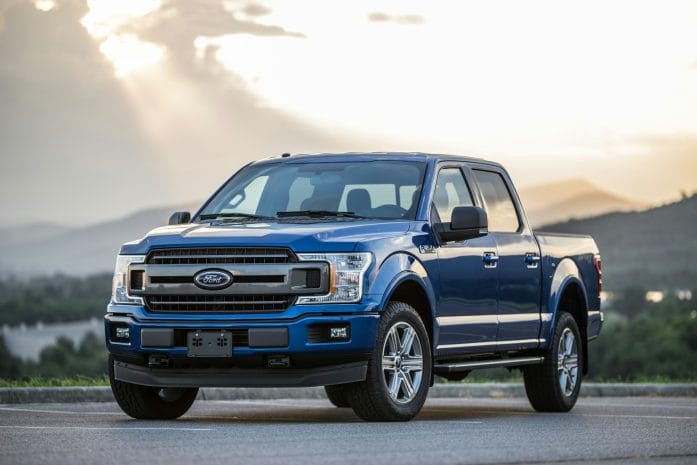
The “Do Not Drive” Warning: Why 355,000 Ford Pickups Just Hit the Urgent Recall List
Image Source: Unsplash.com

A major corporate warning does not show up unless something demands immediate attention. When that warning lands on more than 355,000 pickup trucks across the United States, it signals a problem that no driver should ignore.

This time, the spotlight falls on certain heavy-duty trucks from Ford Motor Company. Federal safety regulators flagged a defect serious enough to tell owners to bring their vehicles in ASAP. That kind of language carries weight.

A Failure Risk That Demands Immediate Action

The recall centers on certain Ford Super Duty and F-150 pickup trucks equipped with certain instrument panels. According to filings with the National Highway Traffic Safety Administration, a failure inside the panels prevents drivers from seeing critical information such as the speedometer and warning lights. That means, of course, that drivers are at much higher risk of a crash.

Ford determined that the truck’s instrument panel could fail internally. When that failure happens, drivers might not notice warning messages on the dashboard or even chimes that signal a malfunction. Regulators and Ford both treat that possibility with urgency. A truck that weighs thousands of pounds needs to be reliable. When that confidence disappears, every mile on the road carries more risk than it should.

Why 355,000 Trucks Ended Up on the List

The recall affects hundreds of thousands of trucks from specific model years. These trucks often serve as workhorses. Contractors rely on them to haul equipment. Farmers count on them for daily operations. Families use them to tow campers and trailers across long stretches of highway.

Automakers investigate patterns through warranty claims, field reports, and internal testing. Once engineers identify a safety-related defect, federal law requires a recall. In this case, Ford chose to issue an advisory for certain trucks that show symptoms, and it instructed owners to contact dealers immediately if they notice warning light changes or concerns.

That level of caution underscores how seriously Ford and regulators view the issue. A heavy-duty pickup that isn’t reliable does not simply create inconvenience. It can create life-threatening danger.

What This Really Means for Owners

If a truck falls under the recall, owners should try to avoid driving it until a dealer completes the repair. Ford dealers will inspect affected trucks and replace the equipment at no cost. Anyone who owns a Ford truck from the affected years should check the vehicle identification number, often called the VIN. Owners can enter that VIN on Ford’s recall website or on the NHTSA recall lookup tool to confirm whether their specific truck falls under the recall.

Scheduling a service appointment quickly reduces risk and restores peace of mind. With the stakes so high and so much on the line, second-guessing shouldn’t be an option for drivers.

The “Do Not Drive” Warning: Why 355,000 Ford Pickups Just Hit the Urgent Recall List
Image Source: Unsplash.com

Smart Steps Every Truck Owner Should Take Now

Anyone who owns a Super Duty or F-150 truck should not wait for a letter to land in the mailbox. Taking a few proactive steps can make a big difference. First, check the VIN online through Ford or NHTSA to confirm recall status. That process takes only a few minutes and provides clear answers.

Second, pay attention to dashboard warnings. Modern trucks communicate problems through messages and alerts. Ignoring those signals can turn a manageable repair into a dangerous situation.

Third, schedule service promptly if the truck appears on the recall list. Dealers receive instructions and replacement parts to address the defect. Acting quickly prevents inconvenience later and reduces potential risk on the road.

What This Recall Says About the Industry

Large recalls often spark frustration, but they also show how safety oversight works. Automakers monitor performance data constantly. Federal regulators track complaints and investigate patterns. When evidence points to a safety defect, the recall process moves forward. No manufacturer enjoys issuing a recall, especially one that affects more than 355,000 vehicles. However, identifying a defect and offering free repairs protects drivers and reinforces accountability.

Truck buyers expect durability and strength from heavy-duty models. That expectation extends to every system under the hood. When a flaw emerges, swift corrective action matters far more than silence.

Park It, Fix It, Then Get Back to Work

This recall carries a simple message: take it seriously and take action. Owners of affected Ford pickups should verify their VIN, watch for warning signs, and schedule repairs without delay. Dealers stand ready to replace the faulty component.

A warning does not appear often in the automotive world. When it does, it deserves immediate respect. For anyone who depends on a truck for work, travel, or daily life, safety should always outrank convenience.

Will this recall change how truck owners approach maintenance and safety checks going forward? Let’s hear about it from all truck drivers in our comments below.

You May Also Like…

Are Pickup Truck Owners Just Trying to Compensate for Something?

7 Myths About Memory You Should Forget Immediately

Missed Insurance Payment? Your Auto Lender May Raise Your Costs Overnight

5 Steps to Take After a Truck Accident

How to Choose the Right Automotive Insurance Company

Brandon Marcus
Brandon Marcus

Brandon Marcus is a writer who has been sharing the written word since a very young age. His interests include sports, history, pop culture, and so much more. When he isn’t writing, he spends his time jogging, drinking coffee, or attempting to read a long book he may never complete.
Filed Under: Auto & Tech Tagged With: auto industry news, automotive defects, car maintenance, Ford recall, Ford trucks, NHTSA, pickup truck recall, recall alert, safety warning, truck news, truck owners, vehicle safety

8 Lesser-Known Costs of Skipping Car Maintenance

September 30, 2025 by Travis Campbell Leave a Comment

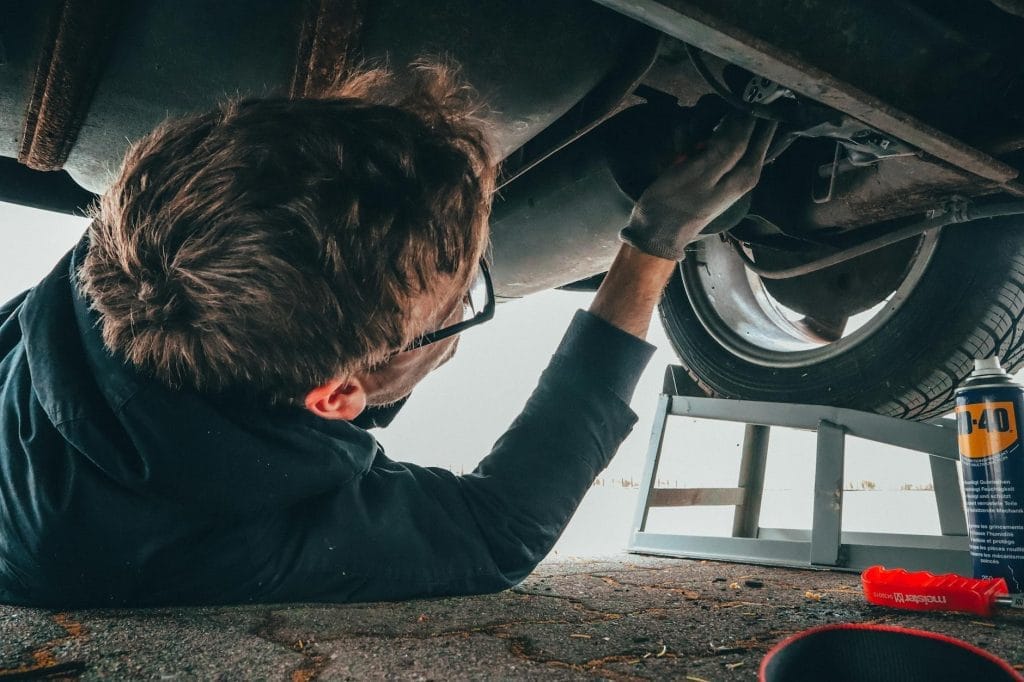
mechanic
Image source: pexels.com

Most drivers understand that skipping car maintenance isn’t a good idea, but it’s easy to let oil changes and inspections slip when life gets busy. It might seem like you’re saving money by putting off that tune-up or tire rotation. However, the reality is that the hidden costs of skipping car maintenance often outweigh any short-term savings. Small problems can snowball into expensive repairs, and your car’s safety and reliability can suffer. If you rely on your vehicle for work, errands, or family trips, these risks become even more important to consider.

Understanding the lesser-known costs of skipping car maintenance can help you make smarter decisions about your vehicle. This isn’t just about avoiding breakdowns or failed inspections. There are financial, legal, and even environmental consequences that many drivers overlook. Here are eight hidden ways that skipping regular maintenance can hit your wallet—and your peace of mind.

1. Reduced Fuel Efficiency

One of the most overlooked costs of skipping car maintenance is reduced fuel efficiency. When you neglect things like oil changes, air filter replacements, or spark plug checks, your engine has to work harder. This means it burns more fuel to accomplish the same task, and you end up refueling the tank more frequently. Even a small drop in fuel efficiency can add up to hundreds of dollars over a year, especially if you commute regularly.

Keeping your car well-maintained ensures it runs smoothly and uses fuel as efficiently as possible. Regular car maintenance doesn’t just protect your engine; it protects your budget, too.

2. Shortened Vehicle Lifespan

Cars are built to last, but only if you take care of them. Skipping essential car maintenance like fluid checks, belt replacements, or brake inspections can wear out major components faster. Over time, these small oversights can lead to expensive failures such as a blown engine or transmission problems. Instead of getting 200,000 miles out of your car, you might need to replace it much sooner.

By following the recommended maintenance schedule, you can extend your vehicle’s life and maximize your investment. A well-maintained car often commands a higher resale value, too.

3. Higher Repair Bills Down the Road

It’s tempting to skip that $40 oil change, but ignoring regular car maintenance often leads to much higher repair bills later. A neglected oil change can cause engine sludge, which may result in engine failure—a repair that can cost thousands. Similarly, ignoring brake pad wear can lead to damage to the rotors, which are much more expensive to replace.

Think of maintenance as an insurance policy against bigger problems. Spending a little now can save you a lot in the future.

4. Increased Risk of Accidents

Worn-out brakes, bald tires, or faulty lights are all common results of skipped car maintenance. Each of these can increase your risk of an accident, putting you and others in danger. For example, brakes that aren’t working properly could mean the difference between stopping in time or being involved in a collision.

Routine maintenance checks help keep your car safe to drive. They also protect you from potential liability if an accident occurs due to neglected repairs.

5. Voided Warranty Coverage

Most new cars come with a manufacturer’s warranty that covers expensive repairs. But did you know that skipping car maintenance can void your warranty? If you don’t follow the recommended service schedule, the manufacturer may refuse to cover the cost of repairs, leaving you with the full bill.

Always keep records of your maintenance visits and adhere to your vehicle’s scheduled service. This way, you’ll keep your warranty valid and avoid costly surprises.

6. Decreased Resale Value

If you plan to sell or trade in your car one day, skipping car maintenance can significantly decrease its value. Prospective buyers and dealerships often check maintenance records and look for signs of neglect. A poorly maintained car can be worth thousands less than one with a documented service history.

Investing in regular car maintenance helps keep your vehicle running smoothly and protects its resale value. It’s one of the easiest ways to get more money back when it’s time for a new ride.

7. More Frequent Breakdowns

Few things are more frustrating than being stranded on the side of the road. Skipping car maintenance increases the chances of sudden breakdowns, whether it’s a dead battery, overheating engine, or blown tire. Towing fees, emergency repairs, and lost time can quickly add up.

Preventive maintenance reduces the likelihood of unexpected failures and the associated inconvenience. It also helps you avoid the stress and potential danger of roadside emergencies.

8. Environmental Impact

Neglecting regular car maintenance can also harm the environment. Dirty air filters, worn spark plugs, and old oil can increase your car’s emissions, contributing to air pollution. Leaking fluids can contaminate soil and water sources. Over time, poorly maintained vehicles have a much bigger environmental footprint.

Taking care of your car isn’t just good for your wallet—it’s better for the planet. Many local governments encourage regular car maintenance to help reduce emissions and improve air quality.

Making Car Maintenance a Priority

Skipping car maintenance might seem harmless in the moment, but as you’ve seen, the hidden costs can be significant. From higher fuel bills to reduced safety and even legal risks, the consequences go beyond a simple breakdown. Prioritizing regular car maintenance helps you avoid these expenses, keeps your vehicle running smoothly, and protects your investment for the long haul.

Ready to take better care of your car? Start by reviewing your owner’s manual and setting reminders for key services.

What’s the most surprising cost you’ve faced from skipping car maintenance? Share your story in the comments below!

What to Read Next…

  • What That New Car Smell Might Be Hiding Legally
  • 9 Cities Where Car Theft Is Becoming a Daily Occurrence
  • 5 Emergency Repairs That Could Force You Into Debt Overnight
  • Are These 7 Little Expenses Quietly Costing You Thousands a Year?
  • 7 Ways Your Neighbor Could Be Spying on You Without Breaking the Law
Travis Campbell
Travis Campbell

Travis Campbell is a digital marketer/developer with over 10 years of experience and a writer for over 6 years. He holds a degree in E-commerce and likes to share life advice he’s learned over the years. Travis loves spending time on the golf course or at the gym when he’s not working.

Filed Under: Car Tagged With: auto repair, car maintenance, car ownership, Car Safety, vehicle costs, vehicle lifespan

5 Gas Station Scams That Could Cost You More Than Just a Full Tank

March 23, 2025 by Latrice Perez Leave a Comment

Gas Station Scams
Image Source: 123rf.com

Filling up your car should be simple—pull up, pump gas, and pay. However, gas stations have become hotspots for scams that can drain your wallet in unexpected ways. Some of these scams are small tricks to get you to spend a few extra dollars, while others can lead to serious financial losses. Criminals and even some shady businesses take advantage of distracted drivers who just want to fuel up and go. Here are five gas station scams you need to watch out for.

1. The Credit Card Skimmer Scam

One of the most well-known gas station scams involves credit card skimmers. These small devices are illegally installed on gas pumps to steal card information. When you swipe your card, the skimmer copies your details, which criminals can then use to drain your bank account. Skimmers are often hard to spot because they fit over the actual card reader. To avoid this scam, inspect the card reader before inserting your card—if anything looks loose or tampered with, use a different pump or pay inside.

2. The Rigged Pump Scam

Some dishonest gas stations manipulate their pumps to charge you for more gas than you actually receive. The digital display may say you’re getting a full gallon when, in reality, you’re getting less. This scam can cost you extra money over time without you even realizing it. One way to check is to pump exactly one gallon and see if the price matches what’s listed on the sign. If you suspect tampering, report the station to local consumer protection authorities.

3. The “Helpful Attendant” Scam

In some areas, scammers pose as gas station employees and offer to help you pump your gas or check your vehicle. While this may seem like a kind gesture, they often use it as an opportunity to overcharge you or steal from your car. Some will “accidentally” spill gas and ask you to pay for the extra fuel. Others may recommend unnecessary engine or tire services to pressure you into spending money. If you didn’t request assistance, politely decline and keep an eye on your surroundings.

4. The Fake Discount Scam

Discount Scam
Image Source: 123rf.com

Gas stations frequently advertise discounts for paying with cash instead of a card, but some take advantage of this by misleading customers. The big price you see on the sign may only apply under specific conditions that aren’t clearly stated. Some stations charge an extra fee for using a credit card that isn’t disclosed until after you’ve already pumped your gas. Always read the fine print before assuming you’re getting a deal, and confirm pricing at the pump before fueling up.

5. The “Bait-and-Switch” Car Repair Scam

Some gas stations, particularly those with attached service centers, use bait-and-switch tactics to trick customers into unnecessary repairs. A mechanic might tell you that your tires are dangerously low, your oil is dirty, or your battery needs immediate replacement—even when it doesn’t. Once they convince you to agree, they overcharge you for repairs that were never actually needed. If a gas station employee suggests any car repairs, always get a second opinion before agreeing to anything.

Stay Alert to Protect Your Wallet

Gas stations may seem like a harmless stop, but scams can happen in an instant if you’re not paying attention. Being aware of these common tricks can save you money and prevent fraud. Always inspect the pump before inserting your card, be cautious of unexpected “help,” and double-check prices before fueling. By staying vigilant, you can avoid becoming a victim of these deceptive tactics.

Have you ever encountered a gas station scam? What’s your best tip for protecting yourself at the pump? Share your experiences in the comments!

Read More:

Is It Really Your “Dream” Job? 10 Ways to Avoid Job Scams

Is Your Financial Advisor Scamming You? 10 Tricks to Watch Out For

Latrice Perez

Latrice is a dedicated professional with a rich background in social work, complemented by an Associate Degree in the field. Her journey has been uniquely shaped by the rewarding experience of being a stay-at-home mom to her two children, aged 13 and 5. This role has not only been a testament to her commitment to family but has also provided her with invaluable life lessons and insights.

As a mother, Latrice has embraced the opportunity to educate her children on essential life skills, with a special focus on financial literacy, the nuances of life, and the importance of inner peace.

Filed Under: safety Tagged With: car maintenance, Consumer Protection, credit card skimming, fuel fraud, gas station scams, saving money, travel tips

FOLLOW US

Search this site:

Recent Posts

  • Can My Savings Account Affect My Financial Aid? by Tamila McDonald
  • 12 Ways Gen X’s Views Clash with Millennials… by Tamila McDonald
  • What Advantages and Disadvantages Are There To… by Jacob Sensiba
  • 10 Tactics for Building an Emergency Fund from Scratch by Vanessa Bermudez
  • Call 911: Go To the Emergency Room Immediately If… by Stephen Kanaval
  • 7 Weird Things You Can Sell Online by Tamila McDonald
  • 10 Scary Facts About DriveTime by Tamila McDonald

Copyright © 2026 · News Pro Theme on Genesis Framework