• Home
  • About Us
  • Toolkit
  • Getting Finances Done
    • Hiring Advisors
    • Debt Management
    • Spending Plan
  • Insurance
    • Life Insurance
    • Health Insurance
    • Disability Insurance
    • Homeowners/Renters Insurance
  • Contact Us
  • Privacy Policy
  • Risk Tolerance Quiz

The Free Financial Advisor

You are here: Home / Archives for Travis Campbell

Seniors Are Being Denied Credit Over This One Forgotten Factor

July 21, 2025 by Travis Campbell Leave a Comment

credit card

Image Source: pexels.com

Getting denied for credit can feel like a slap in the face, especially when you’ve spent years building a solid financial reputation. Many seniors are running into this problem, and it’s not always because of debt or missed payments. There’s a hidden reason that’s catching people off guard. It’s not about how much you owe or your income. It’s something that can sneak up on anyone, especially after retirement. If you’re a senior or know someone who is, this issue could be the reason behind a sudden credit denial. Here’s what you need to know and how to protect yourself.

1. The Forgotten Factor: Inactive Credit Accounts

Most people think that paying off debt and closing old accounts is a good thing. But for seniors, closing credit cards or letting them sit unused can actually hurt your credit score. Lenders want to see active, healthy credit use. When you stop using your credit cards, the accounts can become inactive. Some banks even close them without warning if there’s no activity for a while. This reduces your available credit and can lower your credit score. If you apply for a loan or a new card, you might get denied—not because you’re risky, but because your credit history looks thin or inactive.

2. Why Inactivity Hurts Your Credit Score

Credit scores are built on several factors, and one of the biggest is your credit utilization ratio. This is the amount of credit you’re using compared to your total available credit. If you close old accounts or they get closed due to inactivity, your available credit drops. Even if you have no debt, your utilization ratio can spike, making you look like a risk to lenders. Another problem is that older accounts help your credit history look longer and more stable. When those accounts disappear, your average account age drops, and so does your score.

3. The Impact of Retirement on Credit Activity

Retirement changes your daily routine and your spending habits. You might not need to use credit cards as much. Maybe you pay cash for most things or just don’t shop as often. But if you stop using your credit cards, the accounts can go dormant. Some seniors even close accounts to “simplify” their finances. While this feels responsible, it can backfire. Lenders see less activity and may think you’re not managing credit anymore. This can lead to denials when you actually need credit, like for a car loan or a medical emergency.

4. How to Keep Your Credit Active Without Debt

You don’t have to rack up debt to keep your credit active. Small, regular purchases are enough. Use your credit card for a monthly bill, like your phone or streaming service, and pay it off right away. This keeps the account active and shows lenders you’re still managing credit. Set up automatic payments so you never miss a due date. Even a $10 purchase every month can make a difference. The key is to show ongoing, responsible use. This simple habit can help you avoid the “inactive account” trap that catches so many seniors.

5. The Role of Credit Monitoring

Many seniors don’t check their credit reports often. It’s easy to assume everything is fine if you’re not borrowing money. But inactive accounts, errors, or even fraud can slip by unnoticed. Regularly monitoring your credit report helps you spot problems early. You can get a free credit report every year from each of the three major bureaus at AnnualCreditReport.com. Look for closed accounts, unfamiliar activity, or sudden drops in your score. If you see something off, contact the credit bureau right away. Staying on top of your credit report is one of the best ways to protect your financial health.

6. What to Do If You’re Denied Credit

If you get denied for credit, don’t panic. First, ask the lender for the reason. They’re required to tell you. Check your credit report for any closed or inactive accounts. If you find accounts that were closed without your knowledge, contact the bank to see if they can be reopened. If not, focus on keeping your remaining accounts active. Consider applying for a secured credit card if you need to rebuild your credit history. And remember, every denial can temporarily lower your score, so avoid applying for multiple accounts at once.

7. The Importance of Credit for Seniors

You might think you don’t need credit in retirement, but life is unpredictable. Medical expenses, home repairs, or helping family can all require access to credit. Even if you don’t plan to borrow, a healthy credit score can help you get better insurance rates or qualify for a rental. Keeping your credit active and healthy gives you more options and peace of mind. It’s not just about borrowing money—it’s about keeping doors open for whatever life brings.

Staying Credit-Ready in Retirement

The main takeaway is simple: don’t let your credit go dormant. Inactive credit accounts are the forgotten factor that’s causing many seniors to be denied credit. By keeping your accounts active, monitoring your credit, and understanding how the system works, you can avoid surprises and stay financially secure. Credit isn’t just for the young or those in debt. It’s a tool that everyone, especially seniors, should keep in good shape.

Have you or someone you know been denied credit because of inactive accounts? Share your story or tips in the comments below.

Read More

Your Streaming Subscriptions May Soon Be Used to Determine Credit Risk

How Easy Is It To Get A Loan From a Credit Union v/s A Bank

Travis Campbell
Travis Campbell

Travis Campbell is a digital marketer/developer with over 10 years of experience and a writer for over 6 years. He holds a degree in E-commerce and likes to share life advice he’s learned over the years. Travis loves spending time on the golf course or at the gym when he’s not working.


Filed Under: Finance Tagged With: credit cards, credit denial, credit score, Financial Health, Personal Finance, Retirement, seniors

The Return of Layaway—And Why It’s Riskier Than Ever

July 21, 2025 by Travis Campbell Leave a Comment

Layaway

Image Source: pexels.com

Layaway is back. You might see signs for it at big stores or even online. It sounds simple: pay a little now, pay the rest later, and get your item when you’re done. For many, layaway feels like a safe way to shop without using credit cards. But things have changed. Layaway isn’t what it used to be, and the risks are bigger than most people realize. If you’re thinking about using layaway, you need to know what’s different—and what could go wrong.

1. Layaway Isn’t Always Free Anymore

Layaway used to mean no interest and no fees. Now, many stores charge service fees just to open a layaway plan. Some charge a cancellation fee if you change your mind or can’t finish paying. These fees add up. You might end up paying more than if you’d just saved up and bought the item later. Always read the fine print before you sign up. If you’re not careful, you could lose money even if you never get the item.

2. You Might Lose Your Money If You Miss a Payment

With layaway, you make regular payments. Miss one, and you could lose the item and some or all of your money. Stores have different rules, but most keep at least part of your deposit or payments if you default. This is a big risk, especially if your budget is tight. If something unexpected happens—like a car repair or medical bill—you could lose both your money and the item you wanted. It’s not like a credit card, where you keep the item and pay interest. With layaway, you get nothing if you can’t finish paying.

3. Layaway Can Make You Spend More Than You Planned

Layaway makes it easy to say yes to things you can’t afford right now. You see a new TV or a fancy toy, and you think, “I’ll just pay a little at a time.” But those small payments add up. You might end up with more layaway plans than you can handle. This can stretch your budget thin and make it hard to pay for essentials. It’s easy to lose track of how much you’re spending when it’s broken into small chunks. Before you use layaway, ask yourself if you really need the item or if you’re just caught up in the moment.

4. New “Layaway” Plans Aren’t Always Traditional Layaway

Many stores now offer “buy now, pay later” (BNPL) plans instead of old-school layaway. These plans, from companies like Afterpay or Klarna, let you take the item home right away and pay in installments. But they’re not the same as layaway. If you miss a payment, you could face late fees, interest, or even damage to your credit score. Some BNPL services report missed payments to credit bureaus. This can hurt your credit and make it harder to borrow in the future.

5. Stores Can Change or Cancel Layaway Programs Without Warning

Retailers can end or change their layaway programs at any time. If a store goes out of business or stops offering layaway, you could lose your spot—or your money. This happened during the pandemic, when some big chains dropped layaway with little notice. If you’re making payments over months, you’re trusting the store to stay open and honor the deal. There’s no guarantee. Always check the store’s policy on refunds and cancellations before you start a layaway plan.

6. Layaway Doesn’t Build Credit

Some people think layaway helps build credit, but it doesn’t. Layaway plans aren’t reported to credit bureaus, so they don’t help your credit score. If you’re looking to build credit, you’re better off with a secured credit card or a small personal loan you can repay on time. Layaway is just a payment plan. It won’t help you qualify for a car loan or a mortgage down the road.

7. Better Alternatives Exist

There are safer ways to buy what you need. Setting up a simple savings plan is one. Put aside a little money each week until you have enough. This way, you avoid fees and the risk of losing your money. Some banks offer special savings accounts for big purchases. You can also look for sales or discounts instead of locking yourself into a layaway plan. If you need something right away, consider a low-interest credit card—but only if you can pay it off quickly.

8. Layaway Can Delay Your Financial Goals

Every dollar you put toward layaway is a dollar you can’t use elsewhere. If you’re saving for an emergency fund, paying off debt, or working toward another goal, layaway can slow you down. It ties up your money for weeks or months. If something important comes up, you might regret not having that cash on hand. Think about your bigger financial picture before you commit.

Rethink Before You Commit

Layaway is back, but it’s not the safe bet it once was. The risks are real: fees, lost money, and missed opportunities. Before you sign up, look at your budget, read the terms, and consider other options. Sometimes waiting is the smartest move. Your future self will thank you.

Have you used layaway or a buy now, pay later plan? What was your experience? Share your story in the comments.

Read More

Amazon Drivers Are Warning Shoppers About These 5 Dangerous Package Scams

“The ‘Spending Freeze’ Challenge: Could You Survive a Month Without Shopping?

Travis Campbell
Travis Campbell

Travis Campbell is a digital marketer/developer with over 10 years of experience and a writer for over 6 years. He holds a degree in E-commerce and likes to share life advice he’s learned over the years. Travis loves spending time on the golf course or at the gym when he’s not working.

Filed Under: Smart Spending Tagged With: budgeting, buy now pay later, Consumer Protection, layaway, Personal Finance, retail risks, shopping tips

Why So Many Boomer Homes Are Sitting Unsold in Today’s Market

July 21, 2025 by Travis Campbell Leave a Comment

home for sale

Image Source: pexels.com

The real estate market is shifting, and it’s not just about high prices or low inventory. Many homes owned by baby boomers are sitting unsold, even as buyers keep searching for the right place. This trend matters for anyone thinking about buying, selling, or inheriting property. If you’re a boomer hoping to downsize, or a younger buyer looking for a deal, you might wonder why these homes aren’t moving. The reasons are more practical than you might think. Here’s what’s really going on with boomer homes in today’s market.

1. Outdated Features Turn Off Modern Buyers

Many boomer homes haven’t been updated in years. Buyers today want open floor plans, modern kitchens, and energy-efficient windows. When they walk into a house with shag carpet, old appliances, or closed-off rooms, they see a project, not a home. Renovations cost money and time. Most buyers want a move-in-ready home. If a home looks stuck in the past, it’s likely to sit on the market. Sellers who don’t update or at least freshen up their homes will struggle to attract offers.

2. Location Isn’t Always Ideal Anymore

Neighborhoods change. What was once a great spot for raising a family might not appeal to today’s buyers. Some boomer homes are in suburbs far from city centers, jobs, or trendy areas. Younger buyers often want walkability, short commutes, and access to restaurants or entertainment. If a home is in a location that feels isolated or inconvenient, it’s a tough sell. Even a beautiful house can sit unsold if the location doesn’t fit current lifestyles.

3. Price Expectations Are Out of Sync

Many boomers expect to get top dollar for their homes. They remember what their neighbors sold for last year or what their real estate agent promised. But the market has cooled in some areas. Mortgage rates are higher, and buyers are more cautious. If a home is priced too high, it won’t get offers. Sellers who refuse to adjust their price often end up waiting months with no bites. Pricing a home right is key, especially in a changing market.

4. Homes Are Too Big for Today’s Needs

Boomer homes are often large, with four or five bedrooms and big yards. Many buyers today don’t want that much space. They want something smaller, easier to maintain, and more energy efficient. Big homes mean higher utility bills, more cleaning, and more upkeep. For young families or retirees, that’s not appealing. If a home feels like too much work, buyers will keep looking for something that fits their lifestyle.

5. Maintenance Has Been Deferred

Some boomer homes have hidden problems. Maybe the roof is old, the HVAC system is outdated, or the foundation needs work. These issues add up. Buyers notice when a home hasn’t been well-maintained. They worry about surprise costs after moving in. Even small things, like peeling paint or worn carpets, can make a home feel neglected. Sellers who invest in basic repairs and maintenance have a better chance of selling quickly.

6. Competition From New Construction

New homes are popping up everywhere. Builders offer modern layouts, energy efficiency, and warranties. Buyers like the idea of being the first to live in a home. It’s hard for an older house to compete, especially if it needs updates. In many markets, new construction is drawing buyers away from existing homes. Sellers need to make their homes stand out or risk being overlooked.

7. Emotional Attachment Slows the Process

Selling a family home is emotional. Many boomers have lived in their homes for decades. They raised kids there, celebrated holidays, and built memories. Letting go is hard. Some sellers drag their feet, hoping for the “right” buyer or the “perfect” price. This can lead to homes sitting on the market for months. Being realistic and ready to move on helps speed up the process.

8. The Market Is More Complex Than Before

Today’s real estate market is complicated. There are more rules, more paperwork, and more competition. Buyers are cautious, and financing can be tricky. Boomers who haven’t sold a home in years may feel overwhelmed. They might not know how to market their home or negotiate with buyers. Working with a knowledgeable agent and staying flexible can make a big difference.

9. Downsizing Isn’t Always Easy

Many boomers want to downsize, but finding the right place isn’t simple. Smaller homes and condos are in high demand, and prices can be steep. Some sellers hold off listing their home until they find a new place, which slows everything down. Others worry about moving costs or leaving their community. These concerns can keep homes off the market or delay sales.

10. Inheritance and Estate Issues

Some boomer homes are tied up in inheritance or estate issues. When a homeowner passes away, it can take months or even years to settle the estate. Heirs may disagree about what to do with the property. Sometimes, no one wants to take on the responsibility of selling. These homes can sit vacant, waiting for legal matters to be resolved.

Moving Forward: What Sellers and Buyers Can Do

Boomer homes sitting unsold is a real issue, but it’s not unsolvable. Sellers can make small updates, price their homes realistically, and stay open to feedback. Buyers can look past cosmetic flaws and see the potential in older homes. Both sides benefit from working with experienced real estate professionals who understand today’s market. The key is to stay flexible and focus on what matters most—finding the right fit for your needs.

What challenges have you faced when buying or selling a boomer home? Share your story in the comments.

Read More

Why Some Boomers Are Selling Their Homes Without Telling Their Families

10 Things Boomers Still Pay For That No One Else Does

Travis Campbell
Travis Campbell

Travis Campbell is a digital marketer/developer with over 10 years of experience and a writer for over 6 years. He holds a degree in E-commerce and likes to share life advice he’s learned over the years. Travis loves spending time on the golf course or at the gym when he’s not working.

Filed Under: Real Estate Tagged With: boomer homes, downsizing, home buying, home selling, home updates, Housing Market, market trends, Real estate

The Fastest Growing Scam on Facebook Marketplace Right Now

July 20, 2025 by Travis Campbell Leave a Comment

facebook

Image Source: pexels.com

If you use Facebook Marketplace, you need to know about the fastest-growing scam happening right now. More people are getting tricked every day, and the losses are real. Scammers are getting smarter, and their tricks are harder to spot. You might think you’re too careful to fall for it, but these scams are designed to catch anyone off guard. Your money, your personal information, and even your safety could be at risk. Here’s what’s happening and how you can protect yourself.

1. The Fake Payment Confirmation

Scammers are now sending fake payment screenshots to sellers. You list an item, and someone messages you right away. They seem eager and say they’ve sent the money through PayPal, Zelle, or another payment app. Then, they send a screenshot that looks real. But the money never arrives in your account. The scammer pressures you to hand over the item, saying the payment is “processing” or “pending.” If you give them the item, you lose both your product and your money.

How to protect yourself:
Never hand over an item until you see the money in your account. Don’t trust screenshots. Always check your payment app or bank directly. If the buyer gets pushy, that’s a red flag. Real buyers understand waiting for payment to clear.

2. The Overpayment Trick

This scam targets both buyers and sellers. The scammer “accidentally” sends you more money than the agreed price. They ask you to refund the extra amount, usually through a different payment method. Later, you find out their original payment was fake or canceled. You’re left out of pocket for the “refund” you sent.

How to protect yourself:
Never send money back to someone you don’t know. If someone overpays, cancel the transaction and start over. Don’t accept overpayments, and don’t use different payment methods for refunds. Stick to the original plan.

3. The Shipping Label Switch

Scammers posing as buyers ask you to ship the item using a label they provide. The label looks official, but it’s set up so the package goes to a different address or can be intercepted. Sometimes, the label is fake, and you end up paying for shipping or losing your item.

How to protect yourself:
Always use your own shipping method and labels. Don’t let buyers control the shipping process. If someone insists on using their label, walk away from the deal. It’s not worth the risk.

4. The Rental Deposit Scam

This one targets people looking for rentals or vacation homes. Scammers post fake listings with attractive prices. When you show interest, they ask for a deposit to “hold” the place. Once you send the money, they disappear. The listing vanishes, and you’re left with nothing.

How to protect yourself:
Never send money for a rental you haven’t seen in person. Don’t trust listings with prices that seem too good to be true. Always meet the landlord or property manager and verify the property before paying anything.

5. The Verification Code Trap

Scammers pretend to be interested in your item but say they need to “verify” that you’re real. They ask for your phone number and send you a code. If you give them the code, they use it to access your accounts or set up new ones in your name. This can lead to identity theft or more scams using your information.

How to protect yourself:
Never share verification codes with anyone. No real buyer needs this information. If someone asks for a code, stop communicating. Protect your accounts by keeping your information private.

6. The Fake Facebook Support Message

After you post an item, you might get a message that looks like it’s from Facebook support. It says your account is at risk or your listing breaks the rules. The message includes a link to “fix” the problem. If you click, you’re taken to a fake site that steals your login details. Scammers then take over your account and use it to scam others.

How to protect yourself:
Facebook will never contact you through Marketplace messages about account issues. Don’t click on suspicious links. Always check the sender’s profile. If you’re unsure, go to Facebook’s official help center directly. Facebook’s security page explains how to spot fake messages.

7. The “Too Good to Be True” Deal

Scammers post high-demand items at low prices. Think new phones, game consoles, or designer bags. They ask for payment upfront, promising to ship the item. Once you pay, they vanish. The item never arrives, and you can’t get your money back.

How to protect yourself:
If a deal looks too good to be true, it probably is. Don’t pay for items before seeing them in person. Use cash or secure payment methods. Meet in a safe, public place. Trust your gut—if something feels off, walk away.

Stay Safe on Facebook Marketplace

Scams on Facebook Marketplace are getting more creative and harder to spot. The fastest-growing scam right now is the fake payment confirmation, but all these tricks are on the rise. Protect yourself by staying alert, double-checking payments, and never sharing personal information. If you’re ever unsure, pause and ask for advice. Your safety and money are worth more than any deal.

Have you seen or experienced a scam on Facebook Marketplace? Share your story in the comments to help others stay safe.

Read More

10 Things You Can Flip on Facebook Marketplace for Quick Cash

6 Scary Things Now Running Rampant on Facebook

Travis Campbell
Travis Campbell

Travis Campbell is a digital marketer/developer with over 10 years of experience and a writer for over 6 years. He holds a degree in E-commerce and likes to share life advice he’s learned over the years. Travis loves spending time on the golf course or at the gym when he’s not working.

Filed Under: safety Tagged With: buying and selling, Facebook Marketplace, fraud prevention, Online Safety, Personal Finance, scams, Social media

Why Pet Microchips Are Now Causing Legal Controversy

July 20, 2025 by Travis Campbell Leave a Comment

pet microchips

Image Source: pexels.com

Pet microchips have been around for years. They help lost pets find their way home. Most people see them as a simple safety net. But now, pet microchips are at the center of legal battles. Lawsuits, privacy concerns, and ownership disputes are making headlines. If you have a pet or plan to get one, you need to know what’s happening. Here’s why pet microchips are causing legal controversy and what you should watch out for.

1. Ownership Disputes Are on the Rise

Pet microchips were supposed to make it easy to prove who owns a pet. But things aren’t that simple. Sometimes, a pet gets lost and ends up with a new family. Both the original and new owners may claim the pet. The microchip company’s records might not match what’s on adoption papers or vet records. Courts are now seeing more cases where two people claim the same animal. This can lead to long, expensive legal fights. If you move or rehome your pet, always update the microchip registration. Keep all paperwork. It’s the best way to avoid a messy dispute.

2. Privacy Concerns Are Growing

Microchips store personal information. This includes your name, address, and phone number. Some people worry about who can access this data. In some cases, shelters or vets can see your details without your permission. There’s also the risk of hacking. While rare, it’s possible for someone to access the database and misuse your information. Laws about data privacy for pet microchips are not clear in many places. If you’re worried, ask your microchip provider about their privacy policy. You can also request to see what information they have on file.

3. Microchip Scanning Isn’t Always Standardized

Not all microchips use the same technology. Some scanners can’t read certain brands of chips. This means a lost pet might not be identified, even if it has a chip. Shelters and vets may not have the right scanner. This has led to lawsuits when pets are euthanized or adopted out because their chip wasn’t found. If you’re getting your pet chipped, ask about compatibility. Carry your chip’s ID number and brand with you, just in case.

4. Legal Requirements Vary by State and Country

Some places require microchips for all pets. Others don’t. The rules about who can scan a chip, who can update the information, and what happens in a dispute are different everywhere. This patchwork of laws creates confusion. For example, in some states, only a court can decide who owns a chipped pet. In others, the microchip registration is enough. If you travel or move, check the local laws. Make sure your pet’s microchip meets the requirements where you live.

5. False Sense of Security

Many pet owners think a microchip guarantees their pet will come home if lost. That’s not always true. If the chip isn’t registered, or if your contact info is out of date, the chip is useless. Some people don’t realize they need to update the database after moving. Others assume the vet or shelter will do it for them. This can lead to heartbreak if your pet goes missing. Always double-check your registration. Set a reminder to update your info every year.

6. Microchip Companies Face Legal Scrutiny

Some microchip companies have been sued for misleading advertising or failing to keep accurate records. There have also been cases where companies refused to update ownership information without a court order. This can trap pets in limbo during a dispute. Regulators are starting to look at these practices. If you’re choosing a microchip provider, read reviews and ask about their policies. Don’t be afraid to switch companies if you’re not happy with their service.

7. Animal Shelters and Vets Are Caught in the Middle

Shelters and vets want to reunite pets with their owners. But they can get stuck in legal battles. If they give a pet to the wrong person, they could be sued. If they refuse to release a pet, they might face backlash. Some shelters now require proof beyond a microchip before releasing a pet. This can slow down the process and frustrate everyone involved. If your pet goes missing, bring as much proof of ownership as you can. Photos, vet records, and adoption papers all help.

8. International Travel Complicates Things

Traveling with a pet? Microchip rules are even more complex across borders. Some countries require a specific type of chip. Others need the chip to be registered in a certain database. If your pet’s chip doesn’t meet the rules, you could face quarantine or be denied entry. Always check the requirements before you travel.

9. Legal Precedents Are Still Evolving

Courts are still figuring out how to handle microchip disputes. There’s no universal rule. Some judges rely on microchip records. Others look at who has cared for the pet. This uncertainty makes it hard to predict outcomes. If you’re in a dispute, talk to a lawyer who understands animal law. Don’t assume the microchip will settle things.

10. What Pet Owners Can Do Now

Stay proactive. Register your pet’s microchip and keep your info current. Save all paperwork related to your pet. If you adopt or rehome a pet, make sure the microchip registration is updated right away. Ask your vet or shelter about their scanning equipment. If you’re worried about privacy, ask your microchip company what data they store and who can access it. Being informed is your best defense.

Navigating the New Reality of Pet Microchips

Pet microchips are helpful, but they’re not perfect. Legal controversy is growing, and the rules are changing. Stay informed, keep your records up to date, and don’t rely on the chip alone. If you’re careful, you can avoid most problems and keep your pet safe.

Have you ever had an issue with a pet microchip? Share your story or thoughts in the comments.

Read More

Can You Really Be Sued for Something Your Pet Did 10 Years Ago?

If She Quits Calling You By Your Pet Name-Here’s What It Really Means

Travis Campbell
Travis Campbell

Travis Campbell is a digital marketer/developer with over 10 years of experience and a writer for over 6 years. He holds a degree in E-commerce and likes to share life advice he’s learned over the years. Travis loves spending time on the golf course or at the gym when he’s not working.

Filed Under: Pets Tagged With: animal ownership, animal shelters, legal disputes, pet law, pet microchips, pet safety, pet travel, privacy

Do You Really Own Your Smart Devices? The Answer May Surprise You

July 20, 2025 by Travis Campbell Leave a Comment

smart device

Image Source: pexels.com

Smart devices are everywhere. Phones, TVs, speakers, and even refrigerators now connect to the internet. You buy them, set them up, and use them every day. But do you really own your smart devices? The answer is more complicated than it seems. This question matters because it affects your privacy, your wallet, and your control over the things you use. If you think buying a device means you control it, you might want to read on.

1. You Buy the Hardware, Not Always the Software

When you pay for a smart device, you own the physical object. You can hold it, move it, or even smash it if you want. But the software inside—the code that makes it “smart”—is usually licensed, not sold. This means you agree to use the software under certain rules set by the company. If you break those rules, they can limit what your device does. For example, some companies can disable features or even “brick” your device if you try to change the software. This is common with phones, smart TVs, and even cars. You might own the shell, but the brains are on loan.

2. End User License Agreements (EULAs) Limit Your Rights

Every smart device comes with a long legal document called an End User License Agreement, or EULA. Most people never read it. But by clicking “agree,” you accept all the terms. These terms often say you can’t modify the software, share it, or use it in ways the company doesn’t like. If you do, they can shut down your device or block updates. Some EULAs even let companies collect your data or change the rules later. You might think you own your smart device, but the EULA says otherwise.

3. Remote Updates Can Change or Remove Features

Smart devices get updates over the internet. Sometimes these updates fix bugs or add new features. But they can also take features away or change how your device works. Companies can push updates that remove apps, limit functions, or add ads. You might wake up one day and find your device is different from when you bought it. In some cases, companies have even disabled devices completely when they stop supporting them. This happened with some smart home hubs and speakers. You paid for the device, but you don’t control what it does tomorrow.

4. Your Data Isn’t Always Yours

Smart devices collect a lot of data. They track what you watch, what you say, where you go, and more. This data often goes back to the company’s servers. You might think your data is private, but it’s usually not. Companies use your data to improve their products, target ads, or sell to third parties. In some cases, your data can be shared with law enforcement or hackers if there’s a breach. Owning the device doesn’t mean you own the data it creates.

5. Repairs and Modifications Are Often Restricted

If your smart device breaks, you might think you can fix it yourself or take it to any repair shop. But many companies make this hard. They use special screws, glue, or software locks to keep you out. Some even say in the EULA that you can’t repair or modify the device. If you try, you could void your warranty or lose access to updates. This is a big issue with phones, laptops, and even tractors. The “right to repair” movement is fighting for your ability to fix what you own, but it’s still an uphill battle.

6. Devices Can Stop Working When Companies Pull the Plug

Smart devices rely on servers and support from the company. If the company goes out of business or decides to stop supporting your device, it can stop working. This has happened with smart thermostats, security cameras, and more. You might have paid hundreds of dollars, but if the company pulls the plug, your device becomes useless. This risk is higher with smaller brands, but even big companies have done it. Before you buy, check how long the company promises to support the device.

7. Subscription Fees Can Limit Your Use

Some smart devices require a subscription to unlock all features. You might buy a security camera, but you need to pay monthly to store video or get alerts. If you stop paying, you lose access to key functions. This means you don’t fully own the experience, even if you own the hardware. Always check if your smart device needs a subscription and what happens if you cancel.

8. Legal Loopholes Can Override Your Ownership

Laws around digital ownership are still catching up. In many places, companies can use legal loopholes to control how you use your device. For example, the Digital Millennium Copyright Act (DMCA) in the U.S. makes it illegal to bypass software locks, even for repairs. This means you can’t always do what you want with your own property. Until laws change, companies have the upper hand.

What True Ownership Looks Like

Owning a smart device should mean you control it, can repair it, and decide how it works. Right now, that’s not always the case. Companies set the rules, and you have to play by them. If you want more control, look for devices that support open-source software, allow repairs, and don’t rely on subscriptions. Ask questions before you buy. Read the EULA, even if it’s boring. Push for laws that protect your rights as a consumer. True ownership means having the final say over what you buy.

Have you ever lost access to a smart device or had features taken away? Share your story or thoughts in the comments.

Read More

8 Ways Your Smart TV Might Be Sharing Your Personal Info

The Silent Car Theft Trick That’s Fooling Even Smart Drivers

Travis Campbell
Travis Campbell

Travis Campbell is a digital marketer/developer with over 10 years of experience and a writer for over 6 years. He holds a degree in E-commerce and likes to share life advice he’s learned over the years. Travis loves spending time on the golf course or at the gym when he’s not working.

Filed Under: safety Tagged With: consumer rights, digital ownership, EULA, privacy, right to repair, smart devices, technology

What Happens When Google Maps Sends Emergency Services to the Wrong Address

July 20, 2025 by Travis Campbell Leave a Comment

google maps

Image Source: pexels.com

Emergencies are stressful enough. When you call 911, you expect help to arrive fast and at the right place. But what if Google Maps sends emergency services to the wrong address? This isn’t just a tech glitch—it can mean the difference between life and death. Many people trust digital maps for everything, including emergencies. But mistakes happen, and the results can be serious. Understanding what goes wrong and how to protect yourself matters to everyone who relies on their phone for directions.

1. Delayed Response Can Put Lives at Risk

When Google Maps sends emergency services to the wrong address, the most obvious problem is a delay. Every minute counts in an emergency. If an ambulance, fire truck, or police car goes to the wrong place, the person who needs help waits longer. Sometimes, that wait can be the difference between a good outcome and a tragedy. For example, a heart attack victim may not survive if help is delayed by even a few minutes. The same goes for fires or violent crimes. Delays caused by wrong directions can have real, lasting consequences.

2. Confusion for First Responders

First responders rely on accurate information. When they arrive at the wrong address, they waste time figuring out what went wrong. They may knock on doors, ask neighbors, or call dispatch for clarification. This confusion slows everything down. It also increases stress for the responders, who want to help as quickly as possible. In some cases, they may even leave the scene if they think the call was a false alarm. This can make it even harder to get help to the right place.

3. Privacy and Safety Concerns for Uninvolved Residents

Imagine emergency vehicles showing up at your door by mistake. It’s unsettling. You might worry that something happened to a loved one or that you’re in danger. Sometimes, police or paramedics enter homes or yards looking for the person in need. This can feel like an invasion of privacy. It can also cause fear or confusion, especially for children or elderly residents. In rare cases, these mistakes have led to confrontations or misunderstandings. No one wants to be surprised by flashing lights and sirens at their home for no reason.

4. The Role of Outdated or Incorrect Map Data

Google Maps is powerful, but it’s not perfect. Sometimes, addresses are listed incorrectly. New buildings might not appear on the map. Rural areas or apartment complexes can be especially tricky. If the map data is wrong, emergency services may be sent to the wrong place. Even small errors, like a misplaced pin or a missing street, can cause big problems. Keeping map data up to date is a huge challenge, especially as cities grow and change.

5. How Emergency Dispatch Centers Use Technology

Most 911 centers use a mix of technology and human judgment. They may rely on Google Maps, but they also use other mapping tools and databases. Sometimes, the address you give is checked against several sources. But if the information is wrong in all of them, the problem gets worse. Some dispatchers are trained to double-check locations, especially if something seems off. But in a fast-moving emergency, mistakes can slip through. Technology is helpful, but it’s not a replacement for careful communication.

6. Steps You Can Take to Protect Yourself

You can’t control every detail, but you can lower your risk. Always double-check your address in Google Maps and other apps. Make sure your home is easy to find, with clear numbers on your house or mailbox. If you live in a new development or a rural area, check that your address appears correctly on digital maps. If it doesn’t, you can report the error to Google Maps. When calling 911, give clear, simple directions. Mention landmarks or cross streets if possible. Don’t assume the dispatcher can see your exact location.

7. What to Do If Emergency Services Go to the Wrong Address

If you notice emergency vehicles in the wrong place, speak up. If it’s safe, let responders know they’re at the wrong address. If you called 911 and help hasn’t arrived, call back and confirm your location. Give as much detail as you can. Stay calm and answer questions clearly. If you see a pattern of mistakes in your area, contact your local government or emergency services to report the problem. Sometimes, fixing a map error can help your whole neighborhood.

8. The Bigger Picture: Technology Isn’t Perfect

We rely on technology for almost everything, including emergencies. But no system is flawless. Google Maps is a tool, not a guarantee. Mistakes can happen, and the results can be serious. It’s important to stay aware and take steps to protect yourself. Don’t assume that technology will always get it right. Be proactive about your safety and your address information.

Staying Safe in a Digital World

When Google Maps sends emergency services to the wrong address, the risks are real. Delays, confusion, and privacy issues can all result from a simple mapping error. But you can take steps to protect yourself. Check your address, give clear directions, and stay alert. Technology is helpful, but it’s not perfect. Your actions can make a difference when every second counts.

Have you ever had emergency services show up at the wrong address? Share your story or thoughts in the comments below.

Read More

How to Travel the World on $10K: 10 Realistic Tips You Need to Know

Old Fashion Door Locks Don’t Work Anymore: Try These Five Burglar Resistant Alternatives

Travis Campbell
Travis Campbell

Travis Campbell is a digital marketer/developer with over 10 years of experience and a writer for over 6 years. He holds a degree in E-commerce and likes to share life advice he’s learned over the years. Travis loves spending time on the golf course or at the gym when he’s not working.

Filed Under: safety Tagged With: 911, digital maps, emergency services, Google Maps, mapping errors, Public Safety, safety, technology

These 5 “Healthy” Food Trends Could Be Making You Sick

July 20, 2025 by Travis Campbell Leave a Comment

green juice

Image Source: pexels.com

Trying to eat healthy is a smart move. But sometimes, the latest food trends can do more harm than good. You might think you’re making better choices, but some “healthy” foods can actually make you feel worse. It’s easy to get caught up in what’s popular, especially when everyone around you is doing the same thing. But your body doesn’t care about trends—it cares about what you put in it. If you want to protect your health and your wallet, it’s important to look past the hype. Here are five “healthy” food trends that could be making you sick.

1. Green Juice Cleanses

Green juice is everywhere. You see it in grocery stores, on social media, and in the hands of people at the gym. The idea is simple: drink your veggies and get a quick health boost. But drinking only juice for days, or even replacing meals with juice, can backfire. Juice cleanses often leave out fiber, which your body needs for digestion. Without fiber, you might feel hungry, tired, or even dizzy. Some juice cleanses are also very low in calories, which can slow your metabolism and make you feel weak. And if you have certain health conditions, like diabetes, the high sugar content in some juices can cause problems. Instead of a cleanse, try eating whole fruits and vegetables. Your body will thank you for the fiber and nutrients.

2. Gluten-Free Everything

Gluten-free foods are everywhere now. For people with celiac disease or a true gluten intolerance, avoiding gluten is necessary. But for most people, gluten isn’t the enemy. Many gluten-free products are highly processed and can be low in nutrients. They often have more sugar, fat, or salt to make up for the missing gluten. This can lead to weight gain, blood sugar spikes, and other health issues. Plus, gluten-free foods can be expensive. If you don’t need to avoid gluten for medical reasons, you’re better off eating whole grains like oats, barley, and whole wheat. These foods are full of fiber and important vitamins.

3. Plant-Based Meat Alternatives

Plant-based meat is a big trend. Burgers, sausages, and even chicken nuggets made from plants are popping up everywhere. They sound healthy, but many of these products are highly processed. They can be full of sodium, artificial flavors, and preservatives. Some have just as much saturated fat as real meat. Eating these foods often can raise your risk of high blood pressure and heart problems. If you want to eat less meat, try whole foods like beans, lentils, tofu, or tempeh. These options are less processed and give you more nutrients. Don’t assume that “plant-based” always means healthy.

4. Flavored Yogurt and “Probiotic” Snacks

Yogurt is often seen as a health food, especially when it’s labeled as “probiotic.” But many flavored yogurts and probiotic snacks are loaded with sugar. Some have as much sugar as a dessert. Eating too much sugar can lead to weight gain, tooth decay, and even increase your risk of diabetes. The probiotics in these snacks might not even survive long enough to help your gut. If you want the benefits of probiotics, choose plain yogurt with live cultures and add your own fruit. Or try fermented foods like sauerkraut or kimchi. These have natural probiotics and less sugar.

5. “Natural” Sweeteners

Honey, agave, coconut sugar, and maple syrup are often called “natural” sweeteners. Many people use them instead of white sugar, thinking they’re healthier. But your body processes most sugars the same way. These sweeteners still add calories and can raise your blood sugar. Some, like agave, are very high in fructose, which can be hard on your liver. Using too much of any sweetener can lead to weight gain and other health problems. If you want to cut back on sugar, try using less in your coffee or baking. Focus on eating foods that are naturally sweet, like fruit. Don’t let the word “natural” fool you.

Rethink What “Healthy” Means

Trends come and go, but your health is long-term. Just because a food is popular or labeled as “healthy” doesn’t mean it’s good for you. Many of these trends can cost you more money and leave you feeling worse. The best approach is to eat a variety of whole foods, pay attention to how your body feels, and avoid extremes. Simple meals with real ingredients are often the healthiest choice. Don’t let marketing or social media decide what goes on your plate. Your health and your budget will both benefit from a little skepticism.

Have you tried any of these food trends? Did they help or hurt your health? Share your story in the comments.

Read More

Grocery Foods That Disappear During Economic Downturns

When Food Turns Fatal: The Rise of Black-Market Avocado Heists

Travis Campbell
Travis Campbell

Travis Campbell is a digital marketer/developer with over 10 years of experience and a writer for over 6 years. He holds a degree in E-commerce and likes to share life advice he’s learned over the years. Travis loves spending time on the golf course or at the gym when he’s not working.
Filed Under: Health & Wellness Tagged With: diet, food myths, food trends, health risks, healthy eating, nutrition, wellness

How Your Grocery Store Loyalty Card Could Trigger Higher Prices

July 20, 2025 by Travis Campbell Leave a Comment

grocery store

Image Source: pexels.com

Grocery store loyalty cards seem like a win. You scan your card, get discounts, and maybe earn a few points. But there’s a catch most people don’t see. These cards collect a lot of data about your shopping habits. That data can be used in ways that don’t always help you. In fact, your loyalty card could be the reason you’re paying more at the store. Here’s how it works and what you can do about it.

1. Your Data Is Worth More Than Your Discounts

When you use a grocery store loyalty card, you’re giving the store a detailed record of everything you buy. This data is valuable. Stores use it to track trends, predict what you’ll buy next, and even set prices. The small discounts you get are nothing compared to the value of your data. In some cases, stores make more money selling your data or using it to target you than they lose on discounts.

2. Personalized Pricing Can Mean Higher Prices for You

Loyalty cards let stores see your shopping patterns. With this information, they can offer you “personalized” prices. Sometimes, that means a deal. But it can also mean you pay more than someone else for the same item. If the store knows you always buy a certain brand of coffee, they might not offer you the best deal on it. Instead, they’ll give the discount to someone who rarely buys it, hoping to win them over. You, the loyal customer, end up paying more.

3. Dynamic Pricing Is Easier With Loyalty Cards

Dynamic pricing means prices change based on demand, time, or even who’s shopping. Loyalty cards make this easy. The store can see what you buy, when you shop, and how much you spend. They can then adjust prices just for you. Maybe you get a coupon for something you never buy, but the price of your favorite snack quietly goes up. This isn’t just a theory.

4. You May Miss Out on Better Deals

Not every deal is tied to your loyalty card. Sometimes, stores offer better prices to people who don’t use the card or who shop less often. If you always use your card, the store knows you’re a regular. They might not bother to give you the best deals, since they know you’ll shop there anyway. Meanwhile, new or infrequent shoppers get the big discounts to lure them in. You end up paying more just for being loyal.

5. Your Shopping Habits Can Be Used Against You

Every time you scan your loyalty card, you tell the store what you like, how much you buy, and when you shop. Over time, this creates a profile. Stores can use this to predict what you’ll buy and when. If they know you always buy ice cream on Fridays, they might raise the price just for you that day. Or, they might stop offering you coupons for things you buy regularly. Your habits, once tracked, can be used to squeeze more money out of you.

6. Privacy Concerns Go Beyond Pricing

It’s not just about money. Your loyalty card data can be shared or sold to third parties. This can include advertisers, insurance companies, or even data brokers. Once your data is out there, you have little control over how it’s used. This can lead to targeted ads, higher insurance rates, or even being denied certain offers. The risks go beyond your grocery bill.

7. Opting Out Isn’t Always Simple

You might think you can just stop using your loyalty card. But some stores make it hard to get the best prices without one. Others require you to sign up for digital accounts or apps, which collect even more data. If you want to protect your privacy and avoid higher prices, you may need to shop around, pay attention to weekly ads, or even use cash. It takes effort, but it can save you money and keep your data safer.

8. What You Can Do to Protect Yourself

If you want to avoid paying more because of your loyalty card, there are steps you can take. First, compare prices with and without the card. Sometimes, the “discount” isn’t really a deal. Second, use your card only when it offers a real benefit, like a big sale or a free item. Third, read the privacy policy to see how your data is used. Finally, consider shopping at stores that don’t use loyalty programs or that offer the same prices to everyone.

Rethinking Loyalty: Is It Worth the Cost?

Grocery store loyalty cards promise savings, but they come with hidden costs. Your data can be used to set higher prices, limit your deals, and even invade your privacy. The next time you scan your card, think about what you’re really giving up. Sometimes, loyalty costs more than it saves.

Have you noticed prices changing when you use your loyalty card? Share your experience in the comments.

Read More

Online Recipes That Waste Your Grocery Budget

How to Slash Your Grocery Bill by $200 This Month

Travis Campbell
Travis Campbell

Travis Campbell is a digital marketer/developer with over 10 years of experience and a writer for over 6 years. He holds a degree in E-commerce and likes to share life advice he’s learned over the years. Travis loves spending time on the golf course or at the gym when he’s not working.

Filed Under: Smart Shopping Tagged With: consumer tips, dynamic pricing, grocery shopping, grocery store data, loyalty cards, Personal Finance, privacy

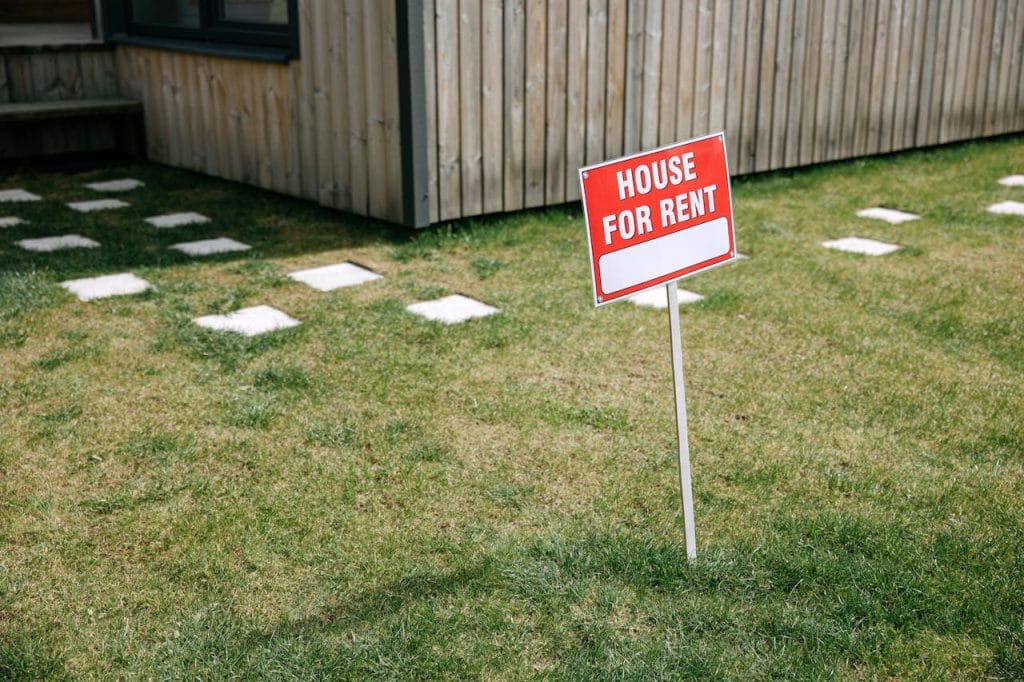
The Real Reason Landlords Are Suddenly Canceling Month-to-Month Leases

July 20, 2025 by Travis Campbell Leave a Comment

house for rent

Image Source: pexels.com

Month-to-month leases used to be a win-win. Renters liked the flexibility. Landlords liked the steady income without long-term commitment. But lately, more renters are getting that dreaded notice: your lease is canceled. It’s not just happening in one city or state. It’s everywhere. If you’re renting, this shift matters. It could mean you have to move with little warning, or pay more to stay. Here’s why landlords are suddenly canceling month-to-month leases—and what you can do about it.

1. Rising Property Values Push Landlords to Sell

Home prices have jumped in many areas. Landlords see a chance to cash out. If a property’s value has gone up 20% in two years, selling now can mean a big profit. Month-to-month leases make it easy for landlords to clear out tenants fast. They don’t have to wait for a year-long lease to end. This is happening in both hot markets and places where prices are just starting to rise. If your landlord cancels your lease, they might be getting ready to sell.

2. New Laws Make Renting Riskier for Landlords

Some cities and states have passed new rules to protect renters. These laws can make it harder for landlords to raise rent or evict tenants. For example, some places now require “just cause” for eviction, even for month-to-month renters. Others limit how much rent can go up each year. Landlords who don’t want to deal with these rules may cancel leases before new laws take effect. They want to avoid getting stuck with a tenant they can’t easily remove or charge more. If you live in a place with new tenant protections, your landlord might be acting now to avoid future headaches.

3. Short-Term Rentals Are More Profitable

Platforms like Airbnb and Vrbo have changed the game. In many cities, landlords can make more money renting to tourists by the night or week. A unit that rents for $1,500 a month might bring in $3,000 as a short-term rental. Month-to-month leases are easy to end, so landlords can switch to short-term rentals fast. This trend is especially strong in vacation spots and big cities. If your landlord cancels your lease, they might be planning to list the unit on a short-term rental site.

4. Higher Interest Rates Change the Math

Interest rates have gone up. That means higher mortgage payments for landlords with adjustable-rate loans. Some landlords can’t cover the new costs with the current rent. They may cancel month-to-month leases to raise the rent for new tenants or to sell the property. If your landlord’s costs have gone up, they might be looking for ways to make the numbers work. Month-to-month leases give them the flexibility to act fast.

5. Insurance and Maintenance Costs Are Climbing

It’s not just mortgages. Insurance premiums and repair costs are up, too. Landlords are paying more for everything from roof repairs to property taxes. Some decide it’s not worth the hassle. Others want to raise rent to cover costs, but local laws or market limits make that tough. Canceling month-to-month leases lets landlords reset the rent or rethink their investment. If your building needs major repairs, your landlord might want everyone out before work starts.

6. Landlords Want More Predictable Tenants

Month-to-month leases are flexible, but they’re also risky for landlords. Tenants can leave with little notice. That means empty units and lost income. Some landlords are moving back to year-long leases. They want stability. If you get a notice canceling your month-to-month lease, your landlord might offer you a longer lease at a higher rate. It’s a way to lock in income and reduce turnover.

7. Market Uncertainty Makes Landlords Nervous

The economy feels shaky. Some landlords worry about falling home prices, job losses, or new regulations. They want to control their risk. Canceling month-to-month leases gives them options. They can sell, renovate, or just wait and see. If your landlord seems jumpy, it might be about more than just your lease. They’re watching the market and making moves to protect themselves.

8. Renters Are More Informed and Assertive

Renters today know their rights. They ask for repairs, challenge rent hikes, and push back on unfair treatment. Some landlords don’t want the hassle. Month-to-month leases are easy to end, so they use that power. If you’re a tenant who stands up for yourself, your landlord might see you as “high maintenance.” It’s not fair, but it happens.

9. Pandemic-Era Eviction Bans Changed the Landscape

During the pandemic, eviction bans made it hard for landlords to remove tenants, even for nonpayment. Some landlords are still feeling the effects. They want more control now. Canceling month-to-month leases is one way to avoid getting stuck again. If you’re renting month-to-month, your landlord might be thinking about what happened in 2020 and 2021.

10. Some Landlords Are Just Restructuring

Not every lease cancellation is about money or laws. Some landlords are changing how they manage their properties. They might want to renovate, combine units, or move in themselves. Month-to-month leases make these changes easier. If your landlord cancels your lease, ask why. Sometimes, it’s just a business decision.

What Renters Can Do Next

Month-to-month leases are less secure than they used to be. If you’re renting this way, have a backup plan. Save for moving costs. Know your rights in your city or state. Talk to your landlord about a longer lease if you want more stability. And if you get a cancellation notice, act fast. Look for new places, ask for more time, and get everything in writing. The rental market is changing, but you can still protect yourself.

Have you had your month-to-month lease canceled? How did you handle it? Share your story in the comments.

Read More

5 Things that Can Happen If You Buy A Home WIth A Solar Lease

Lease vs. Own: A Company’s Guide To Having Its Own Building

Travis Campbell
Travis Campbell

Travis Campbell is a digital marketer/developer with over 10 years of experience and a writer for over 6 years. He holds a degree in E-commerce and likes to share life advice he’s learned over the years. Travis loves spending time on the golf course or at the gym when he’s not working.

Filed Under: Real Estate Tagged With: housing, landlord tips, month-to-month lease, real estate trends, rental market, renting advice, tenant rights

  • « Previous Page
  • 1
  • …
  • 115
  • 116
  • 117
  • 118
  • 119
  • …
  • 198
  • Next Page »

FOLLOW US

Search this site:

Recent Posts

  • Can My Savings Account Affect My Financial Aid? by Tamila McDonald
  • 12 Ways Gen X’s Views Clash with Millennials… by Tamila McDonald
  • What Advantages and Disadvantages Are There To… by Jacob Sensiba
  • Call 911: Go To the Emergency Room Immediately If… by Stephen Kanaval
  • 10 Tactics for Building an Emergency Fund from Scratch by Vanessa Bermudez
  • 7 Weird Things You Can Sell Online by Tamila McDonald
  • 10 Scary Facts About DriveTime by Tamila McDonald

Copyright © 2026 · News Pro Theme on Genesis Framework