
• Home
  • About Us
  • Getting Finances Done
    • Hiring Advisors
    • Debt Management
    • Spending Plan
  • Insurance
    • Life Insurance
    • Health Insurance
    • Disability Insurance
    • Homeowners/Renters Insurance
  • Contact Us
  • Our Editorial Commitment

The Free Financial Advisor

You are here: Home / Archives for Latrice Perez

Latrice is a dedicated professional with a rich background in social work, complemented by an Associate Degree in the field. Her journey has been uniquely shaped by the rewarding experience of being a stay-at-home mom to her two children, aged 13 and 5. This role has not only been a testament to her commitment to family but has also provided her with invaluable life lessons and insights.

Online Shopping Dangers: 7 Red Flags That Scream “Scam!”

February 27, 2025 by Latrice Perez Leave a Comment

Online shopping
Image Source: 123rf.com

Online shopping has become a convenient way to get anything from groceries to luxury items with just a few clicks. However, scammers have taken advantage of this digital marketplace, creating fake websites, phishing emails, and fraudulent ads to steal your money and personal information. Falling for an online shopping scam can lead to financial loss, identity theft, and frustration. To protect yourself, here are seven red flags that indicate you might be dealing with an online scam.

1. Prices That Are Too Good to Be True

If a deal seems too good to be true, it probably is. Scammers lure buyers with unbelievably low prices on high-demand products, such as designer handbags, electronics, or luxury brands. These fake deals are designed to entice you into making a purchase before you realize it’s a scam. If a website is offering a $1,500 laptop for $299 or a designer purse at 90% off, be skeptical. Always compare prices with reputable retailers and check reviews before purchasing.

2. No Contact Information or Customer Support

Legitimate businesses provide clear contact information, including a physical address, phone number, and email. If an online store only has an email form with no other details, consider it a red flag. Scammers often hide their identity to avoid being tracked down. Before purchasing from a new retailer, look for a customer service number and test it by calling or emailing with a question. If you can’t reach a real person, the website is likely a scam.

3. No Secure Payment Options

Secure websites use encryption to protect your financial information. If an online store only accepts wire transfers, cryptocurrency, or gift cards as payment, stay away. Legitimate businesses typically offer secure payment methods such as credit cards and PayPal, which provide fraud protection. Before entering your payment details, check for “https://” in the URL and look for a padlock icon in the address bar. These signs indicate that the website is using encryption to secure your information.

4. Poor Website Design and Spelling Errors

Many scam websites look unprofessional, with low-quality images, outdated designs, and numerous spelling and grammatical mistakes. Legitimate companies invest in professional websites that are easy to navigate and error-free. If you notice awkward phrasing, inconsistent branding, or product descriptions that seem copied from another site, be cautious. Scammers often clone real websites but overlook small details that expose them as frauds.

5. Fake Reviews and No Social Media Presence

Fake Reviews
Image Source: 123rf.com

Many scam websites display fake customer reviews to build credibility. These reviews often sound overly generic or are written in broken English. Some scam sites also steal reviews from legitimate retailers. Before making a purchase, search for the company on social media and third-party review sites like Trustpilot or the Better Business Bureau. If a company has no presence or has numerous complaints, it’s best to avoid shopping there.

6. High-Pressure Sales Tactics

Scammers create a false sense of urgency by claiming that an item is “selling out fast” or offering “limited-time deals.” These pressure tactics are designed to make you act quickly without verifying the legitimacy of the seller. Reputable businesses may run sales, but they don’t use aggressive pop-ups demanding immediate purchases. If a website forces you to act fast by claiming an exclusive deal expires in minutes, take a step back and do your research.

7. No Return Policy or Unrealistic Refund Terms

A legitimate online store should have a clear return policy that explains how refunds and exchanges work. Scam websites either have no return policy at all or make refund terms so complicated that it’s impossible to get your money back. Watch out for vague wording like “All sales are final” or “We are not responsible for lost packages.” Before making a purchase, read the refund policy carefully and check for real customer experiences with returns.

How to Stay Safe While Shopping Online

Online shopping doesn’t have to be risky if you take the right precautions. Stick to well-known retailers or verify new sellers before making a purchase. Always use secure payment methods like credit cards, which offer fraud protection, and avoid deals that seem too good to be true. If you come across a suspicious website, do a quick search to see if others have reported it as a scam. Being vigilant can save you from losing money and falling victim to identity theft.

Have you ever been the victim of an online shopping scam? What steps did you have to take to recover? Let us know in the comments below.

Read More:

Is It Really Your “Dream” Job? 10 Ways to Avoid Job Scams

The Truth Behind the Lies: 10 Signs Your Partner May Be a Con Artist

Latrice Perez

Latrice is a dedicated professional with a rich background in social work, complemented by an Associate Degree in the field. Her journey has been uniquely shaped by the rewarding experience of being a stay-at-home mom to her two children, aged 13 and 5. This role has not only been a testament to her commitment to family but has also provided her with invaluable life lessons and insights.

As a mother, Latrice has embraced the opportunity to educate her children on essential life skills, with a special focus on financial literacy, the nuances of life, and the importance of inner peace.


Filed Under: Smart Shopping Tagged With: avoiding scams, cybersecurity, e-commerce safety, fake websites, internet fraud, online shopping scams, phishing scams

Would Jesus Use a Credit Card? The Ethics of Debt in a Modern World

February 27, 2025 by Latrice Perez Leave a Comment

Jesus Use A Credit Card
Image Source: 123rf.com

Debt is a controversial topic in religious and financial circles alike. While modern society runs on credit, many religious teachings warn against borrowing and financial servitude. If Jesus lived in today’s world, would he swipe a credit card, or would he avoid debt altogether? Examining biblical principles on money management can provide insight into how faith and financial responsibility intersect.

Biblical Warnings About Debt

The Bible repeatedly cautions against the dangers of borrowing. Proverbs 22:7 states, “The borrower is servant to the lender,” implying that debt places individuals in a position of financial and personal dependence. Many religious leaders use this verse to emphasize the importance of living within one’s means and avoiding unnecessary financial obligations. If Jesus were alive today, he might warn against excessive credit card debt that leads to long-term financial struggles.

The Case for Responsible Borrowing

While debt is often discouraged, there are situations where borrowing is seen as a practical necessity. In today’s world, credit is essential for buying a home, starting a business, or covering emergency expenses. Many faith-based financial advisors argue that responsible borrowing—where debt is managed wisely and paid off on time—aligns with biblical stewardship. If Jesus needed a way to facilitate transactions in a cashless world, he might use a credit card responsibly, ensuring that he never spent beyond his means.

Ethical Spending and Avoiding Greed

One of the most significant concerns about credit cards is that they encourage impulse spending and materialism. The Bible warns against greed and the excessive pursuit of wealth. Luke 12:15 states, “Watch out! Be on your guard against all kinds of greed; life does not consist in an abundance of possessions.” This suggests that using credit irresponsibly to accumulate luxury items and unnecessary purchases could go against biblical principles. If Jesus were making financial decisions today, he would likely prioritize needs over wants, using resources ethically and wisely.

Giving and Generosity Over Accumulating Debt

Generosity
Image Source: 123rf.com

Christian teachings emphasize generosity and helping those in need. A major issue with excessive credit card debt is that it often prevents individuals from giving freely. When people are burdened by financial obligations, they may be unable to support charitable causes or assist others. If Jesus had a credit card, it is likely he would use it in a way that allowed him to continue helping others rather than being tied down by financial burdens.

A Faith-Based Approach to Credit and Debt

Debt is not inherently evil, but it can become a problem when it leads to financial instability and stress. A faith-based approach to credit card use would involve responsible spending, avoiding unnecessary debt, and ensuring that financial decisions align with ethical values. By managing credit wisely, individuals can maintain financial freedom while living according to their faith.

Based on your faith, how do you feel about credit and debt? Let us know in the comments below.

Read More:

Why Religion’s Grip on Society Is Slipping Away

Think You’re Safe? 8 Cult-Like Groups Hiding in Plain Sight

Latrice Perez

Latrice is a dedicated professional with a rich background in social work, complemented by an Associate Degree in the field. Her journey has been uniquely shaped by the rewarding experience of being a stay-at-home mom to her two children, aged 13 and 5. This role has not only been a testament to her commitment to family but has also provided her with invaluable life lessons and insights.

As a mother, Latrice has embraced the opportunity to educate her children on essential life skills, with a special focus on financial literacy, the nuances of life, and the importance of inner peace.

Filed Under: Debt Management Tagged With: biblical finance, credit card ethics, debt-free living, ethical spending, faith and money, financial responsibility, modern faith decisions, religious finance

The Financial Advisor Playbook: What They Don’t Want You to Google

February 26, 2025 by Latrice Perez Leave a Comment

Google Search
Image Source: 123rf.com

Financial advisors have extensive knowledge about money management, but not all of them share everything they know. Some information is kept quiet because it could empower clients to take more control over their finances. The more you know, the more you can avoid unnecessary fees and make smarter investment choices. Here are some of the biggest secrets financial advisors would rather you not Google.

Many Advisors Make More Money When You Do Less

Some financial advisors earn money based on the assets they manage, which means they make more when you leave your money with them. While they may suggest that staying the course is the best strategy, they may not always encourage you to seek better investment opportunities. In some cases, DIY investing in low-cost index funds can outperform managed portfolios with high fees. Understanding how your advisor gets paid ensures you make the best financial decisions.

High-Fee Investments Are Not Always Better

Many advisors push actively managed funds or complex financial products because they generate higher commissions. However, studies show that low-cost index funds often outperform high-fee investments over the long term. Expensive mutual funds and structured products may benefit your advisor more than they benefit you. Researching investment options before committing can save you thousands in fees.

You Don’t Need to Be Wealthy to Invest

Some financial advisors focus on high-net-worth clients, making it seem like investing is only for the rich. The truth is, anyone can start investing with small amounts through fractional shares, low-fee ETFs, and robo-advisors. Delaying investing until you have a large amount of money can result in lost growth opportunities. The key to building wealth is starting early, regardless of income level.

You Can Negotiate Fees

Negotiate Fees
Image Source: 123rf.com

Many clients don’t realize that advisory fees are often negotiable. Some advisors are willing to lower their fees, especially if you have a significant portfolio or plan to invest more. Accepting high fees without negotiation can result in unnecessary expenses over time. Always ask for a breakdown of fees and see if there’s room for adjustment.

Knowledge is Power in Personal Finance

Financial advisors provide valuable services, but knowing their industry secrets helps you make better financial decisions. Understanding how fees work, avoiding unnecessary investment costs, and taking control of your finances empowers you to grow wealth more effectively. By researching financial topics on your own, you can ensure you’re making the smartest money moves.

Do you have a financial advisor? Are they worth the money you’re paying them? Let’s talk about it below.

Read More:

Here’s What Your Financial Advisor Won’t Tell You About Income Investing

10 Subtle Signs It’s Time to Fire Your Financial Advisor

Latrice Perez

Latrice is a dedicated professional with a rich background in social work, complemented by an Associate Degree in the field. Her journey has been uniquely shaped by the rewarding experience of being a stay-at-home mom to her two children, aged 13 and 5. This role has not only been a testament to her commitment to family but has also provided her with invaluable life lessons and insights.

As a mother, Latrice has embraced the opportunity to educate her children on essential life skills, with a special focus on financial literacy, the nuances of life, and the importance of inner peace.

Filed Under: Personal Finance Tagged With: financial advisors, financial strategy, high-fee investments, investment secrets, money management, Personal Finance, smart investing, wealth growth

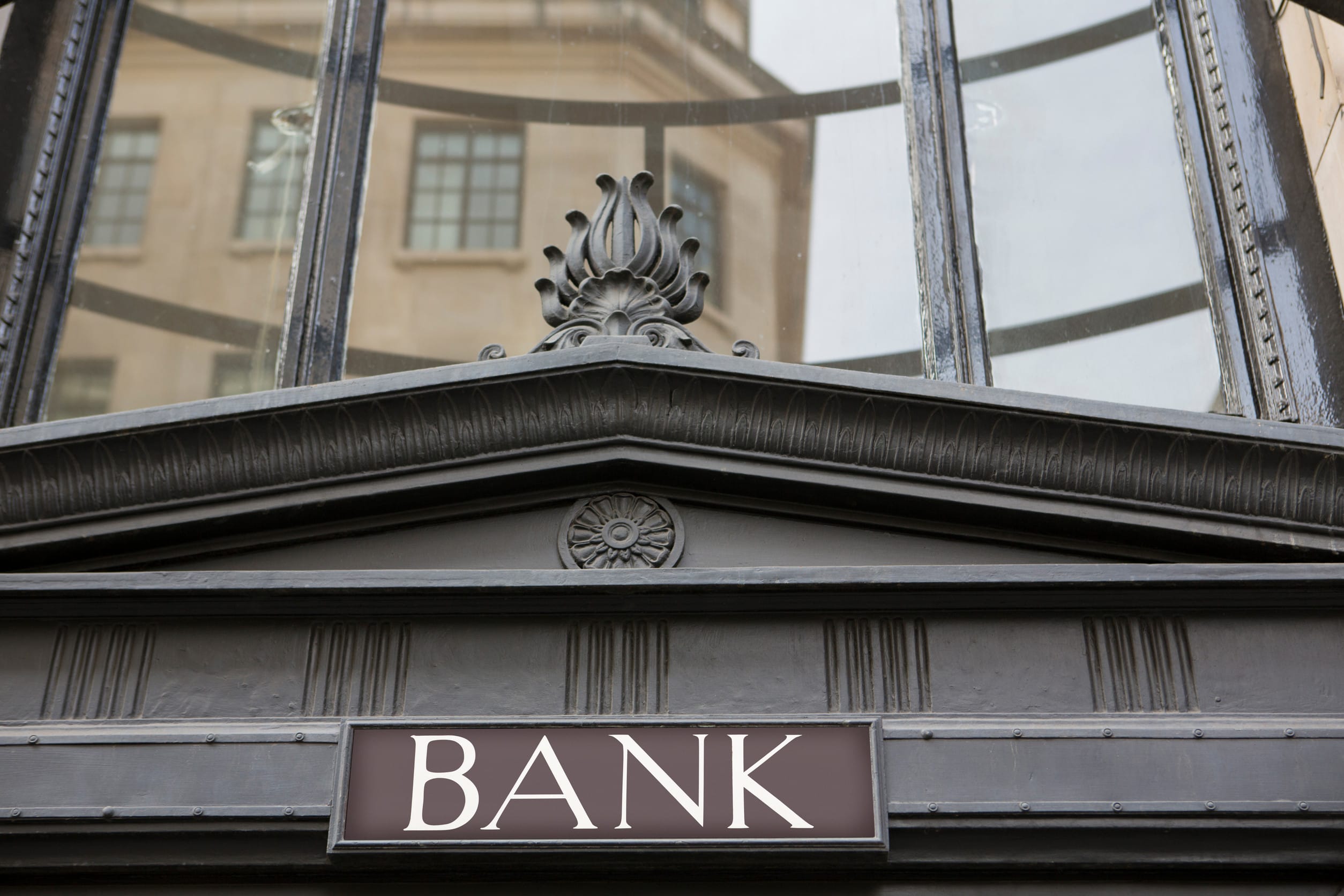
How to Make Banks Pay You Instead of the Other Way Around

February 26, 2025 by Latrice Perez Leave a Comment

Bank Pay You
Image Source: 123rf.com

Most people assume banks are just a place to store money, but the truth is, banks make billions off their customers through fees, interest, and low-yield savings accounts. The good news? You don’t have to be on the losing side of this equation. With the right strategies, you can flip the script and make banks pay you instead of the other way around. Here’s how.

Choose a High-Yield Savings Account

Traditional savings accounts often offer insultingly low interest rates—sometimes as little as 0.01%. Meanwhile, online banks and credit unions offer high-yield savings accounts with interest rates 10 to 20 times higher.

How to make this work for you:

  • Compare different banks and find an account with at least a 4% APY or higher.
  • Avoid savings accounts with monthly maintenance fees.
  • Set up automatic transfers to take advantage of compound interest over time.

Use Cashback and Rewards Checking Accounts

Many banks now offer checking accounts that pay you to use them, often through cashback on debit card purchases or interest-bearing checking accounts.

How to make this work for you:

  • Look for banks that offer 1-3% cashback on debit purchases.
  • Some banks provide interest rates on checking balances—shop around for those offering at least 1-2% APY.
  • Ensure the account doesn’t have high fees that offset your rewards.

Get Rid of Unnecessary Fees

Overdraft fees, ATM withdrawal charges, and maintenance fees quietly eat away at your money. The less you pay in fees, the more cash stays in your pocket.

Try This:

  • Switch to a fee-free checking account that doesn’t charge for overdrafts or minimum balances.
  • Use in-network ATMs to avoid withdrawal fees.
  • Ask your bank to waive fees—many will remove them if you call and ask.

Take Advantage of Bank Sign-Up Bonuses

Sign Up Bonus
Image Source: 123rf.com

Banks often run promotions where they’ll pay you to open an account, with bonuses ranging from $100 to $500. While they may require a direct deposit or a certain balance, these offers can be a quick way to earn extra cash.

Follow These Steps:

  • Research current bank promotions and find one with a low deposit requirement.
  • Read the fine print to ensure you meet the requirements to receive the bonus.
  • Close old accounts that no longer benefit you to keep your finances streamlined.

Invest Through Your Bank’s Brokerage Services

Many banks offer commission-free investment accounts or partnerships with brokerages where you can earn passive income. Instead of leaving your money idle in a low-interest account, investing allows you to grow your wealth.

Take These Steps:

  • If your bank has a brokerage arm, look into low-cost index funds or ETFs.
  • Set up automatic investments so your money works for you without effort.
  • Compare bank brokerage fees—sometimes using an independent brokerage is more cost-effective.

Use Credit Cards with Cashback and Rewards

Banks make money when you carry a credit card balance, but if you use credit wisely, you can earn cashback and rewards without paying interest.

Take These Steps:

  • Get a no-annual-fee cashback credit card and pay off the balance in full every month.
  • Use a card that offers at least 1.5-2% cashback on everyday purchases.
  • Redeem cashback for statement credits, deposits, or travel rewards.

Flip the Banking System in Your Favor

Banks make money off uninformed customers, but by playing the game strategically, you can turn the tables and make them work for you. With high-yield savings, cashback checking, fee elimination, and sign-up bonuses, you can stop paying banks and start getting paid instead. It’s time to make your money work smarter—not harder.

Have you already used some of these techniques to earn money from your bank? Have you learned of other ways to earn from banking? Let us know in the comments.

Read More:

8 Things You Didn’t Know About Digital-Only Banks (And Why They’re the Future)

Traditional Banking vs. Digital Solutions: What is the Future of Overseas Payments?

Latrice Perez

Latrice is a dedicated professional with a rich background in social work, complemented by an Associate Degree in the field. Her journey has been uniquely shaped by the rewarding experience of being a stay-at-home mom to her two children, aged 13 and 5. This role has not only been a testament to her commitment to family but has also provided her with invaluable life lessons and insights.

As a mother, Latrice has embraced the opportunity to educate her children on essential life skills, with a special focus on financial literacy, the nuances of life, and the importance of inner peace.
Filed Under: Banking & Finance Tagged With: banking tips, cashback rewards, Financial Hacks, high-yield savings, no-fee accounts, Personal Finance, saving money, smart banking

Your Home Isn’t as Safe as You Think—5 Security Flaws Burglars Love

February 26, 2025 by Latrice Perez Leave a Comment

Burglars
Image Source: 123rf.com

Many homeowners assume their homes are secure, but professional burglars know how to exploit weaknesses that most people overlook. A locked door and security cameras might not be enough if your home has vulnerabilities that criminals can easily take advantage of. Understanding these security flaws can help you protect your home and prevent break-ins. Here are five security weaknesses that burglars love and how to fix them.

Unsecured Entry Points Make Break-Ins Easy

Most people think burglars break in through a shattered window or by picking a lock, but many simply walk through an unlocked door or crawl through an unsecured window. Sliding doors are a major weak point because they can often be lifted off their tracks. Weak door frames and low-quality locks can also make forced entry easier. To secure your entry points, upgrade to high-quality deadbolts, install window locks, and reinforce sliding doors with security bars or pin locks. Motion-sensor lights near all entry points can also help deter burglars.

Poor Outdoor Lighting Gives Criminals Cover

Burglars look for homes with dark, unlit areas where they can hide while attempting a break-in. If your driveway, backyard, or entryways are poorly lit, your home becomes an easier target. Security experts recommend installing motion-activated lights around your property, especially near entrances and windows. Bright lighting removes the cover burglars need to work unnoticed and often makes them move on to an easier target.

Visible Valuables Invite Theft

Jewelry
Image Source: 123rf.com

If your expensive electronics, jewelry, or car keys are visible from outside, your home is more likely to be targeted. Burglars often scout neighborhoods for houses that display valuable items in plain sight. Keeping curtains closed and using frosted or tinted windows can help prevent prying eyes from assessing your belongings. Storing valuables in a safe and keeping car keys out of sight reduces the risk of a break-in.

Weak Garage Security Provides Easy Access

Garages are a favorite entry point for burglars because many homeowners forget to secure them. A garage door that can be easily forced open or an interior door leading from the garage to the house that is left unlocked makes breaking in simple. Criminals can also use universal garage door openers or manipulate older garage doors with coat hangers. Upgrading to a modern, rolling-code garage door opener, adding a deadbolt to the interior door, and installing a garage door sensor can improve security.

Lack of a Security System Leaves Your Home Vulnerable

Homes without a visible security system are prime targets for burglars. Even a simple security sign or fake camera can deter some criminals, but a professionally monitored alarm system offers the best protection. Smart security systems allow homeowners to monitor their homes remotely and receive alerts for suspicious activity. If an alarm is triggered, it can notify law enforcement immediately, increasing the chances of catching a burglar in the act.

Making Your Home Less Appealing to Burglars

The key to home security is making your home less attractive to criminals. Securing entry points, improving outdoor lighting, hiding valuables, reinforcing your garage, and installing a security system all reduce the risk of a break-in. Most burglars look for easy targets, so taking these precautions makes your home far less likely to be chosen.

Does your home have any of these security flaws? What have you done to remedy these issues? Let us know in the comments below.

Read More:

10 Places that Burglars Are Hoping You’ll Hide Your Cash and Jewelry-So Don’t!

How Much Should You Spend on Home Security?

Latrice Perez

Latrice is a dedicated professional with a rich background in social work, complemented by an Associate Degree in the field. Her journey has been uniquely shaped by the rewarding experience of being a stay-at-home mom to her two children, aged 13 and 5. This role has not only been a testament to her commitment to family but has also provided her with invaluable life lessons and insights.

As a mother, Latrice has embraced the opportunity to educate her children on essential life skills, with a special focus on financial literacy, the nuances of life, and the importance of inner peace.

Filed Under: Personal Finance Tagged With: break-in prevention, burglary prevention, home safety, home security, protecting your home, security tips, smart home security

Millionaire Baby Names: 10 Names That Sound Like They Belong on Forbes

February 26, 2025 by Latrice Perez Leave a Comment

Rich Baby
Image Source: 123rf.com

Choosing a name for a child is one of the most important decisions a parent will make. Some names carry an air of sophistication, power, and success, while others are associated with wealth and influence. Many parents seek names that exude a sense of prestige, as if they belong to future CEOs, investors, or industry leaders. Whether inspired by business tycoons, luxury branding, or old-money legacies, these names sound like they belong on the Forbes list.

Alexander: A Name of Strength and Leadership

Alexander is a timeless name associated with power, leadership, and wealth. Many successful entrepreneurs and business leaders bear this name, and it carries a strong presence. With historical ties to royalty, military greatness, and modern-day financiers, Alexander is a name that commands respect and authority. Parents who choose Alexander often seek a balance between tradition and ambition, ensuring their child has a name that will stand out in boardrooms and business settings.

Genevieve: Elegance and Sophistication

Genevieve is elegant, sophisticated, and effortlessly classy. The name has French origins, adding to its upscale appeal. It evokes images of old-money families, luxury fashion brands, and high-society gatherings. Those who hear the name Genevieve often associate it with intelligence, poise, and timeless refinement. Parents choosing this name often hope to instill a sense of grace and prestige in their child’s identity.

Maximilian: A Name That Means ‘Greatest’

Maximilian, often shortened to Max, has an undeniable air of prosperity. The name means “greatest” in Latin, making it a fitting choice for ambitious parents who want their child to aim high. Whether associated with hedge fund managers, tech startup founders, or legacy investors, Maximilian carries the weight of high expectations and success. It’s a name that suggests confidence, intelligence, and a drive to achieve great things.

Victoria: A Name That Commands Respect

Victoria is a name that never goes out of style. It has been linked to queens, business executives, and luxury brands. The name represents strength and success while maintaining a sense of grace. Many parents choose Victoria because it has a polished, powerful sound that suits someone destined for greatness. It has long been associated with perseverance and triumph, making it a perfect fit for a future leader.

Preston: The Essence of Old Money

Preston is a name that exudes old-money charm. It carries a sense of privilege, sophistication, and high status. Often associated with Ivy League graduates and successful investors, Preston is the kind of name that belongs to someone who inherits wealth but also knows how to build upon it. The name feels timeless yet modern, making it a favorite among parents who want to give their child an air of financial prosperity.

Eleanor: A Name of Intelligence and Influence

Eleanor is a name that has long been associated with intelligence, leadership, and high achievement. Whether it’s a political figure, an author, or a businesswoman, Eleanor conveys wisdom and success. It has a timeless appeal, making it a top choice for parents who want a name with lasting power. Many parents who choose Eleanor appreciate its deep-rooted history and the strong female figures who have carried the name.

Sterling: A Name That Means High Value

Sterling is a name that quite literally means “of high quality” and is associated with wealth and prosperity. Whether linked to sterling silver or the British currency, the name has an undeniable association with affluence. It’s a bold yet refined choice for parents who want something that stands out while still maintaining an aura of class and success. Sterling is a name that suggests high standards and great potential.

Charlotte: A Royal Name with Global Appeal

Baby Royalty
Image Source: 123rf.com

Charlotte has royal connections and has been a favorite among aristocratic families for centuries. It is a name that signifies class, sophistication, and intelligence. Many successful women across various industries carry this name, adding to its reputation as a name of power and influence. With ties to European royalty and modern-day business leaders, Charlotte is a name that will never lose its grandeur.

Landon: The Name of an Entrepreneur

Landon has a modern, wealthy feel, often associated with successful entrepreneurs and real estate moguls. It has a polished sound without feeling overly traditional. Many parents are drawn to Landon because it feels like a name that would belong to someone leading a company or making smart financial moves. The name carries an aura of ambition and progress, perfect for a child meant to break barriers.

Theodore: A Name for Visionaries

Theodore is a name with a rich history, often linked to strong leaders and intellectuals. It has a refined, traditional feel while still being highly respected in business and finance. Whether it’s a politician, a tech mogul, or an investor, Theodore is a name that carries weight and prestige. Parents who choose this name often envision their child growing into a thoughtful, strategic leader.

A Name A Message

Choosing a baby name isn’t just about what sounds good—it’s about the message it sends. Names like Alexander, Genevieve, and Sterling convey power, influence, and ambition. Whether inspired by history, royalty, or modern-day billionaires, these names set the tone for a child’s future success. Parents looking for a name that aligns with financial prosperity and leadership will find plenty of inspiration in these names that sound like they belong on the Forbes list.

Did you name your child with success in mind? What name did you choose? Let us know in the comments.

Read More:

10 Stupid Things That Nobody Wants You to Leave In Your Will

Bank of Mom and Dad: How You’re Risking Your Retirement For Your Adult Children

Latrice Perez

Latrice is a dedicated professional with a rich background in social work, complemented by an Associate Degree in the field. Her journey has been uniquely shaped by the rewarding experience of being a stay-at-home mom to her two children, aged 13 and 5. This role has not only been a testament to her commitment to family but has also provided her with invaluable life lessons and insights.

As a mother, Latrice has embraced the opportunity to educate her children on essential life skills, with a special focus on financial literacy, the nuances of life, and the importance of inner peace.

Filed Under: Lists Tagged With: baby names, business names, luxury baby names, millionaire names, rich-sounding names, success names, wealthy names

Dating While Broke: Is It Even Possible in Today’s Economy?

February 26, 2025 by Latrice Perez Leave a Comment

Dating While Broke
Image Source: 123rf.com

Dating can be expensive, from fancy dinners to weekend getaways, but does being broke mean you can’t date at all? In today’s economy, where inflation is high and wages often lag behind, many people struggle financially. The question is whether you can still build a meaningful relationship while being broke. The answer isn’t a simple yes or no, but rather a matter of adjusting expectations, getting creative, and finding someone who values connection over material things.

How Money Shapes Dating Expectations

Many people associate dating with financial stability because traditional dating often involves expensive outings, gifts, and travel. However, a successful relationship isn’t about how much you can spend—it’s about how you connect with the other person. While financial stability is important in the long run, plenty of people are willing to build a life together rather than expect financial perfection from the start. Some of the best dates don’t cost anything at all, such as long walks, homemade meals, or exploring local events. The key is focusing on shared experiences rather than how much you can afford to spend.

The Importance of Financial Honesty in Dating

Financial Honesty
Image Source: 123rf.com

Honesty is critical when dating while broke. Some people try to hide their financial struggles, pretending they have more than they do, but this can lead to problems later on. It’s better to be upfront about your financial situation while also showing that you are responsible and working toward better stability. Being honest about money does not mean dumping financial stress on a new partner, but it does mean setting realistic expectations about what dating will look like. If someone values wealth more than character, they may not be the right person anyway.

Creativity Can Make Dating Affordable

Creativity goes a long way when money is tight. Instead of expensive dinners, couples can opt for coffee dates, picnics, or cooking meals together. Museums, art galleries, and local community events often have free or low-cost admission. Exploring nature, watching movies at home, or playing board games together can create just as much connection as high-end activities. The way someone handles financial limitations says a lot about their character. If someone can make dating fun on a budget, it’s a good sign that they will be resourceful and adaptable in a long-term relationship.

Overcoming Social Pressure Around Finances

The biggest challenge in dating while broke is handling societal pressure. Many people assume that financial success equals attractiveness, making it harder for those struggling financially to feel confident. Social media makes it even worse by promoting luxury lifestyles as the standard. However, financial struggles are common, and a strong relationship is built on emotional support and shared goals rather than material wealth. The right partner will focus on the person, not their bank account.

Love Is Not Measured by Wealth

Dating while broke is possible, but it requires the right mindset and partner. It’s about being honest, creative, and focusing on meaningful experiences rather than expensive ones. True relationships aren’t built on flashy dates but on connection, communication, and the willingness to grow together. While financial stability is important, being broke doesn’t mean love is out of reach—it just means finding someone who values the person over the paycheck.

Do you have very little money, but still want to date? What has been your experience so far? Let us know in the comments below.

Read More:

Your Husband Just Quit His Job With No Notice: 8 Steps You Should Take

Not Really Goodbye: 11 Reasons Exes Stay in Each Other’s Lives

Latrice Perez

Latrice is a dedicated professional with a rich background in social work, complemented by an Associate Degree in the field. Her journey has been uniquely shaped by the rewarding experience of being a stay-at-home mom to her two children, aged 13 and 5. This role has not only been a testament to her commitment to family but has also provided her with invaluable life lessons and insights.

As a mother, Latrice has embraced the opportunity to educate her children on essential life skills, with a special focus on financial literacy, the nuances of life, and the importance of inner peace.

Filed Under: Relationships & Money Tagged With: affordable dating, dating and finances, financial struggles, modern dating challenges, money and love, relationships on a budget

The ‘Silent Killer’ of Your Budget: 10 Pointless Expenses That Are Keeping You Poor

February 25, 2025 by Latrice Perez Leave a Comment

Leaky Budget
Image Source: 123rf.com

You may think you have a solid budget, but small, unnoticed expenses can quietly drain your finances. These silent budget killers don’t always stand out like a big shopping spree or a luxury vacation, but over time, they chip away at your financial goals. The worst part? You probably don’t even realize they’re happening. By identifying these hidden costs, you can take control of your money and start saving more without changing your lifestyle drastically. Here are ten sneaky expenses that could be draining your budget.

Subscription Overload

Streaming services, cloud storage, fitness apps, and subscription boxes may seem inexpensive individually, but they add up fast. Many people forget to cancel trials or keep multiple subscriptions they rarely use. Even that $9.99 monthly fee can total over $100 annually per service. Take inventory of your subscriptions and cancel anything you don’t actively use. Consider rotating between services instead of keeping them all year-round.

Bank Fees You Don’t Notice

Overdraft charges, ATM fees, and account maintenance fees can silently eat away at your money. Some banks charge for paper statements, minimum balance violations, or even inactivity. These costs may seem small, but they add up over time. Review your bank’s fee structure and switch to a fee-free account if possible. Online banks often have fewer charges and better interest rates.

Unused Gym Memberships

Signing up for a gym membership feels like an investment in your health, but if you rarely go, it’s just wasted money. Many gyms make cancellation difficult, hoping you’ll keep paying even if you stop going. Instead of wasting money, consider a pay-per-visit gym or free workout options like home fitness apps and outdoor activities. If you truly value the gym, commit to going regularly to get your money’s worth.

Convenience Fees and Delivery Costs

Food delivery services, convenience store markups, and ride-sharing fees add unnecessary costs to your daily spending. It’s easy to justify a $5 delivery charge here and there, but over time, these costs skyrocket. Cooking at home, planning grocery trips, and using public transport can save you hundreds of dollars per year. Be mindful of when convenience is worth the extra price.

Extended Warranties and Insurance Overload

Retailers often push extended warranties, but most products rarely break within the covered period. Similarly, paying for unnecessary insurance—like excessive rental car coverage—can drain your budget. Before agreeing to extra protection, check if you’re already covered by a manufacturer’s warranty, credit card benefits, or existing insurance policies.

Energy Vampires at Home

Energy Vampires
123rf.com

Everyone has some energy vampires at home. Leaving electronics plugged in, running outdated appliances, or cranking up the heat or air conditioning unnecessarily can spike your utility bills. Even small habits like leaving lights on or overusing space heaters add up. Invest in energy-efficient appliances, unplug unused devices, and use smart thermostats to control costs.

Impulse Shopping and Retail Tricks

Retailers use psychological pricing, limited-time offers, and strategic store layouts to encourage impulse purchases. Ever grabbed something extra at the checkout line? Those small purchases accumulate over time. Shopping with a list, setting a budget, and avoiding emotional spending can help you cut back. Try a “48-hour rule” where you wait before making non-essential purchases.

Coffee and Snacks on the Go

A daily coffee habit or frequent vending machine trips may seem like minor indulgences, but they drain your wallet over time. A $5 coffee each weekday adds up to over $1,200 a year. Making coffee at home, bringing snacks from home, or setting a budget for treats can keep these costs in check.

Unused Gift Cards and Loyalty Points

Billions of dollars in unused gift cards and loyalty points go to waste each year. It’s easy to forget about that $25 gift card in your wallet or the airline miles that could cover a flight. Check your balance regularly and use your rewards before they expire. Selling or trading unwanted gift cards is another way to recoup value.

Late Fees and Interest Charges

Missing payment due dates results in unnecessary fees and higher interest rates on credit cards. Even a single late payment can hurt your credit score. Automate bill payments or set reminders to avoid penalties. Paying off credit card balances in full each month prevents costly interest charges.

Stop the Silent Budget Leaks

A leaky budget can feel like a mystery, but once you spot these hidden costs, you can take back control. By cutting unnecessary expenses, canceling unused subscriptions, and being mindful of everyday spending, you’ll free up more money for the things that truly matter. The key is awareness—once you recognize these financial leaks, you can start plugging them for good.

Do any of these budget leaks resonate with you? Which one has been the biggest budget buster for you? Let’s talk about it below.

Read More:

7 Signs Your Budget Is Running Your Life—and How to Take Back Control

10 Cheap Home Decor items on amazon to Transform Your Space on a Budget

Latrice Perez

Latrice is a dedicated professional with a rich background in social work, complemented by an Associate Degree in the field. Her journey has been uniquely shaped by the rewarding experience of being a stay-at-home mom to her two children, aged 13 and 5. This role has not only been a testament to her commitment to family but has also provided her with invaluable life lessons and insights.

As a mother, Latrice has embraced the opportunity to educate her children on essential life skills, with a special focus on financial literacy, the nuances of life, and the importance of inner peace.

Filed Under: budget tips Tagged With: banking fees, budgeting, financial mistakes, hidden expenses, money tips, Personal Finance, saving money, Smart Spending, subscriptions

The $5 Rule: How This One Trick Can Change Your Financial Future

February 25, 2025 by Latrice Perez Leave a Comment

5 dollar bill
Image Source: 123rf.com

Many people struggle with saving money, often feeling overwhelmed by complicated budgeting systems. But what if there was an easy, low-effort way to build wealth? Enter the $5 Rule—a simple trick that has helped countless people grow their savings without stress. It’s an effortless financial habit that anyone can adopt, and the results can be surprisingly powerful.

How the $5 Rule Works

The concept is simple: Every time you receive a $5 bill, you set it aside instead of spending it. Whether you get it as change from a purchase, withdraw cash from an ATM, or receive it as a gift, that bill goes directly into a savings jar or a separate bank account. By consistently following this rule, you’ll be amazed at how quickly the savings add up.

People who use the $5 Rule often find that they accumulate hundreds—or even thousands—of dollars in just a few months. Since $5 bills don’t seem like a lot individually, setting them aside doesn’t feel like a financial burden. Over time, these small amounts create a substantial safety net.

Why the $5 Rule Works

One reason this trick is so effective is that it plays on human psychology. Unlike traditional savings methods that require discipline and budgeting, this method feels more like a fun challenge. Instead of dreading saving money, people enjoy watching their stack of $5 bills grow.

Another advantage is that it removes the temptation to spend. Since $5 bills are earmarked for savings as soon as you receive them, you naturally start handling money more intentionally. Without even realizing it, you become more mindful of your spending habits.

Real-Life Success Stories

Many people who have adopted the $5 Rule have seen incredible results. Some have saved enough for a vacation, while others have built emergency funds without changing their lifestyle drastically.

For example, I’ve been able to save over $3,000 in a year simply by following this rule. I also used it to pay off a credit card balance that had been stressing me out. Another friend of mine saved enough to buy a new laptop without dipping into their regular paycheck.

How to Make It Even More Effective

Save Money
Image Source: 123rf.com

If you want to take the $5 Rule to the next level, consider these variations:

  • Set a specific savings goal – Whether it’s for an emergency fund, a vacation, or a down payment, having a purpose makes it more motivating.
  • Use a dedicated container or account – Keeping your $5 bills separate from your regular spending money prevents temptation.
  • Go digital – If you primarily use cards instead of cash, transfer $5 to a savings account every time you make a purchase. Many banking apps allow for automated small transfers.
  • Get others involved – Turn it into a friendly challenge with your family or friends to stay motivated.

Why This Strategy Beats Traditional Budgeting

Unlike strict budgeting plans that require tracking every penny, the $5 Rule is flexible and effortless. You don’t have to analyze every expense or create a complicated spreadsheet. Instead, it works passively in the background, growing your savings over time without much effort.

This strategy also helps people develop a healthier relationship with money. Instead of feeling deprived, you feel empowered knowing that small actions can lead to big results.

Small Steps, Big Financial Wins

The $5 Rule proves that saving money doesn’t have to be difficult. By making one small change in your daily routine, you can build a financial cushion without feeling the pinch. Whether you use this trick for a rainy day fund, debt repayment, or a fun splurge, the impact is real. Give it a try—you might be surprised at how much you can save with just $5 at a time.

What do you think about this method of saving? Is it something you’re ready to try? If so, let’s talk about it in the comments below.

Read More:

Here’s The 10 Real Reasons Why Millennials Are Saving So Little

11 Pieces of Advice Your Financial Advisor Isn’t Giving You About Retirement Savings

Latrice Perez

Latrice is a dedicated professional with a rich background in social work, complemented by an Associate Degree in the field. Her journey has been uniquely shaped by the rewarding experience of being a stay-at-home mom to her two children, aged 13 and 5. This role has not only been a testament to her commitment to family but has also provided her with invaluable life lessons and insights.

As a mother, Latrice has embraced the opportunity to educate her children on essential life skills, with a special focus on financial literacy, the nuances of life, and the importance of inner peace.

Filed Under: budget tips Tagged With: budgeting hacks, easy saving tricks, financial success, Financial Tips, frugal living, money habits, Personal Finance, saving money

Why Are Mega Churches So Rich While Their Members Struggle?

February 25, 2025 by Latrice Perez Leave a Comment

Mega Church
Image Source: 123rf.com

Mega churches bring in millions of dollars in donations, yet many of their members struggle financially. With massive buildings, high-production services, and pastors who live in luxury, the financial structure of mega churches has raised questions about transparency, ethics, and priorities. How do these institutions generate so much wealth, and why don’t their financial blessings seem to trickle down to the congregants who support them?

How Mega Churches Make Their Money

One reason mega churches accumulate so much money is their sheer size. Unlike small community churches, mega churches attract tens of thousands of members, with weekly donations adding up to millions of dollars. Many operate as tax-exempt nonprofit organizations, meaning they pay no income tax on their revenue, allowing them to amass wealth far more easily than for-profit businesses. This financial advantage, combined with book sales, conferences, and online donations, makes mega churches some of the wealthiest organizations in the world.

Where the Money Goes

The way these churches use their funds varies widely. Some invest heavily in community outreach, charity programs, and missions, ensuring that donations benefit both the congregation and the broader community. Others, however, funnel money into massive building projects, luxury salaries for church leaders, and high-tech media productions designed to attract more followers. In some cases, pastors have been criticized for using church funds to purchase private jets, mansions, and extravagant lifestyles while members struggle to pay rent.

The Lack of Financial Transparency

Financial Transparency
Image Source: 123rf.com

One of the biggest concerns about mega church wealth is the lack of financial accountability. Unlike traditional nonprofits, many churches are not required to disclose their financial statements, making it difficult for members to know how their donations are being spent. While some churches practice full transparency, others operate with little oversight, leading to controversies over mismanaged funds and financial scandals.

The Prosperity Gospel Controversy

For struggling church members, the contrast between their financial hardship and the wealth of their church can be disheartening. Some pastors preach prosperity theology, promising that financial blessings will come to those who give generously—yet many donors see no improvement in their financial situation. This raises ethical concerns about whether mega churches truly serve their congregations or primarily function as money-making enterprises.

Should Churches Be Held Financially Accountable?

Mega churches hold immense financial power, but their responsibility to their members remains a hotly debated topic. While some do meaningful charitable work, others prioritize expansion and personal wealth. For those who donate, asking questions about financial transparency and church spending is crucial in ensuring their contributions truly serve a greater good.

Do you belong to a Mega church? What has been your experience? Let’s talk about it in the comments below.

Read More:

Why Religion’s Grip on Society Is Slipping Away

9 Bizarre Religious Rituals That Still Exist Today

Latrice Perez

Latrice is a dedicated professional with a rich background in social work, complemented by an Associate Degree in the field. Her journey has been uniquely shaped by the rewarding experience of being a stay-at-home mom to her two children, aged 13 and 5. This role has not only been a testament to her commitment to family but has also provided her with invaluable life lessons and insights.

As a mother, Latrice has embraced the opportunity to educate her children on essential life skills, with a special focus on financial literacy, the nuances of life, and the importance of inner peace.

Filed Under: Personal Finance Tagged With: church accountability, church finances, faith and money, financial transparency, mega churches, prosperity gospel, religious wealth, tithing

  • « Previous Page
  • 1
  • …
  • 22
  • 23
  • 24
  • 25
  • 26
  • …
  • 36
  • Next Page »

Follow Us

Search this site:

Recent Posts

  • Can My Savings Account Affect My Financial Aid? by Tamila McDonald
  • 12 Ways Gen X’s Views Clash with Millennials… by Tamila McDonald
  • What Advantages and Disadvantages Are There To… by Jacob Sensiba
  • 10 Tactics for Building an Emergency Fund from Scratch by Vanessa Bermudez
  • Call 911: Go To the Emergency Room Immediately If… by Stephen Kanaval
  • 7 Weird Things You Can Sell Online by Tamila McDonald
  • 10 Scary Facts About DriveTime by Tamila McDonald

Copyright © 2026 · News Pro Theme on Genesis Framework