• Home
  • About Us
  • Toolkit
  • Getting Finances Done
    • Hiring Advisors
    • Debt Management
    • Spending Plan
  • Insurance
    • Life Insurance
    • Health Insurance
    • Disability Insurance
    • Homeowners/Renters Insurance
  • Contact Us
  • Risk Tolerance Quiz
  • Our Editorial Commitment

The Free Financial Advisor

You are here: Home / Archives for Financial Hacks

How to Make Banks Pay You Instead of the Other Way Around

February 26, 2025 by Latrice Perez Leave a Comment

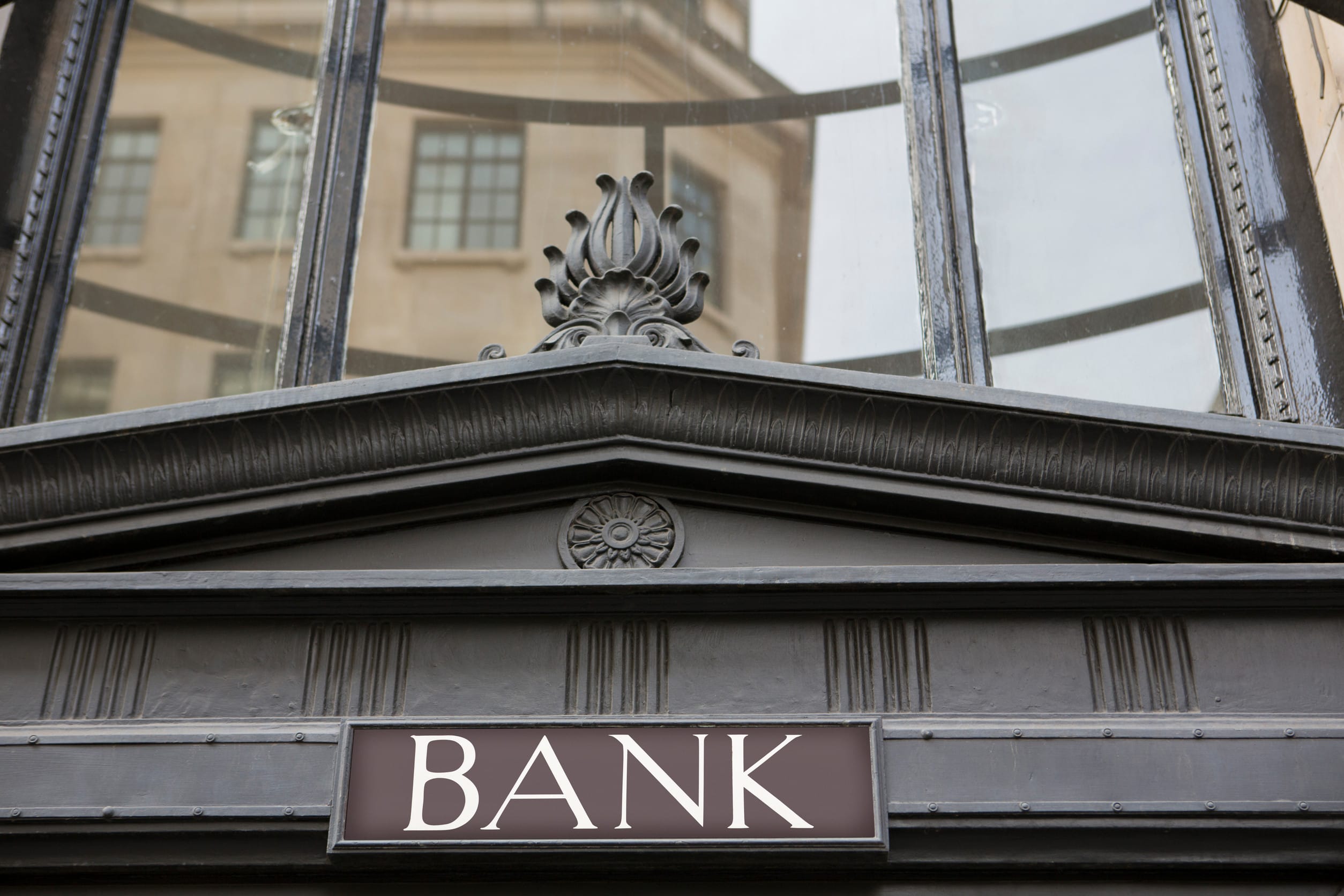
Bank Pay You
Image Source: 123rf.com

Most people assume banks are just a place to store money, but the truth is, banks make billions off their customers through fees, interest, and low-yield savings accounts. The good news? You don’t have to be on the losing side of this equation. With the right strategies, you can flip the script and make banks pay you instead of the other way around. Here’s how.

Choose a High-Yield Savings Account

Traditional savings accounts often offer insultingly low interest rates—sometimes as little as 0.01%. Meanwhile, online banks and credit unions offer high-yield savings accounts with interest rates 10 to 20 times higher.

How to make this work for you:

  • Compare different banks and find an account with at least a 4% APY or higher.
  • Avoid savings accounts with monthly maintenance fees.
  • Set up automatic transfers to take advantage of compound interest over time.

Use Cashback and Rewards Checking Accounts

Many banks now offer checking accounts that pay you to use them, often through cashback on debit card purchases or interest-bearing checking accounts.

How to make this work for you:

  • Look for banks that offer 1-3% cashback on debit purchases.
  • Some banks provide interest rates on checking balances—shop around for those offering at least 1-2% APY.
  • Ensure the account doesn’t have high fees that offset your rewards.

Get Rid of Unnecessary Fees

Overdraft fees, ATM withdrawal charges, and maintenance fees quietly eat away at your money. The less you pay in fees, the more cash stays in your pocket.

Try This:

  • Switch to a fee-free checking account that doesn’t charge for overdrafts or minimum balances.
  • Use in-network ATMs to avoid withdrawal fees.
  • Ask your bank to waive fees—many will remove them if you call and ask.

Take Advantage of Bank Sign-Up Bonuses

Sign Up Bonus
Image Source: 123rf.com

Banks often run promotions where they’ll pay you to open an account, with bonuses ranging from $100 to $500. While they may require a direct deposit or a certain balance, these offers can be a quick way to earn extra cash.

Follow These Steps:

  • Research current bank promotions and find one with a low deposit requirement.
  • Read the fine print to ensure you meet the requirements to receive the bonus.
  • Close old accounts that no longer benefit you to keep your finances streamlined.

Invest Through Your Bank’s Brokerage Services

Many banks offer commission-free investment accounts or partnerships with brokerages where you can earn passive income. Instead of leaving your money idle in a low-interest account, investing allows you to grow your wealth.

Take These Steps:

  • If your bank has a brokerage arm, look into low-cost index funds or ETFs.
  • Set up automatic investments so your money works for you without effort.
  • Compare bank brokerage fees—sometimes using an independent brokerage is more cost-effective.

Use Credit Cards with Cashback and Rewards

Banks make money when you carry a credit card balance, but if you use credit wisely, you can earn cashback and rewards without paying interest.

Take These Steps:

  • Get a no-annual-fee cashback credit card and pay off the balance in full every month.
  • Use a card that offers at least 1.5-2% cashback on everyday purchases.
  • Redeem cashback for statement credits, deposits, or travel rewards.

Flip the Banking System in Your Favor

Banks make money off uninformed customers, but by playing the game strategically, you can turn the tables and make them work for you. With high-yield savings, cashback checking, fee elimination, and sign-up bonuses, you can stop paying banks and start getting paid instead. It’s time to make your money work smarter—not harder.

Have you already used some of these techniques to earn money from your bank? Have you learned of other ways to earn from banking? Let us know in the comments.

Read More:

8 Things You Didn’t Know About Digital-Only Banks (And Why They’re the Future)

Traditional Banking vs. Digital Solutions: What is the Future of Overseas Payments?

Latrice Perez

Latrice is a dedicated professional with a rich background in social work, complemented by an Associate Degree in the field. Her journey has been uniquely shaped by the rewarding experience of being a stay-at-home mom to her two children, aged 13 and 5. This role has not only been a testament to her commitment to family but has also provided her with invaluable life lessons and insights.

As a mother, Latrice has embraced the opportunity to educate her children on essential life skills, with a special focus on financial literacy, the nuances of life, and the importance of inner peace.


Filed Under: Banking & Finance Tagged With: banking tips, cashback rewards, Financial Hacks, high-yield savings, no-fee accounts, Personal Finance, saving money, smart banking

12 Financial Hacks to Beat Emotional Spending and Save Big!

July 30, 2024 by Vanessa Bermudez Leave a Comment

12 Financial Hacks to Beat Emotional Spending and Save Big!
Canva

Emotional spending can derail your financial goals, but with the right strategies, you can regain control and save big! Here are twelve hacks to help you curb emotional spending and boost your savings.

1. Identify Your Emotional Triggers

Understanding what prompts your emotional spending is crucial. Reflect on your feelings during impulse purchases—are you stressed, bored, or feeling low? Keeping a journal can help you spot patterns. Once you know your triggers, you can find healthier ways to cope. Awareness is the first step to change, making this a powerful hack.

2. Set Clear Financial Goals

Having specific financial goals gives you a clear purpose for saving. Whether it’s a vacation, a new gadget, or an emergency fund, goals can keep you motivated. Break down big goals into smaller, manageable steps. Visual aids like vision boards or apps can help you stay focused. Regularly reviewing your goals can keep your spending in check.

3. Create a Realistic Budget

A realistic budget is your financial blueprint. Track your income and expenses to understand your financial situation better. Allocate funds for essentials, savings, and discretionary spending. Use budgeting tools to simplify this process. Regularly revisiting and adjusting your budget ensures it remains effective.

4. Implement the 30-Day Rule

12 Financial Hacks to Beat Emotional Spending and Save Big!
Canva

The 30-day rule can drastically reduce impulse buys. When tempted by a non-essential item, wait 30 days before purchasing. This period allows you to evaluate the necessity of the item. Often, the urge to buy fades, saving you money. This rule promotes mindful spending and helps prioritize financial goals.

5. Limit Credit Card Usage

Credit cards can make emotional spending easier. Set a monthly spending limit and stick to it. Consider using cash or debit cards to increase spending awareness. Pay off your credit card balance each month to avoid interest. Monitoring your credit card statements can help identify and curb unnecessary expenses.

6. Find Healthy Alternatives to Shopping

Replace shopping with activities that don’t strain your wallet. Hobbies like reading, hiking, or cooking can be fulfilling. Spend quality time with loved ones or explore free community events. Practicing mindfulness can help manage stress. These alternatives provide satisfaction without the financial hangover.

7. Shop with a List

Shopping with a list can prevent unplanned purchases. Plan your trips and adhere strictly to your list. This strategy keeps you focused and reduces the chance of buying unnecessary items. For online shopping, use wish lists to avoid immediate purchases. Reviewing your list before checkout can further cut impulsive spending.

8. Practice Gratitude

Practice Gratitude
Canva

Gratitude can shift your spending mindset. Regularly acknowledging what you have reduces the desire for more. Keeping a gratitude journal can reinforce this practice. By focusing on abundance rather than lack, you can curb the need for emotional spending. This mindset fosters contentment and financial discipline.

9. Automate Your Savings

Automating savings ensures consistency. Set up automatic transfers to your savings account every payday. This method reduces the temptation to spend before saving. Treat savings like a mandatory expense. Automation makes saving effortless and builds your financial cushion over time.

10. Seek Professional Help if Needed

If emotional spending severely impacts your finances, consider professional help. Financial advisors can offer personalized strategies. Therapists can address underlying emotional issues. Support groups provide community and accountability. Professional guidance can lead to lasting financial and personal growth.

Take Control of Your Financial Future

Beating emotional spending is a journey that involves self-awareness, strategic planning, and persistence. By identifying triggers, setting clear goals, and adopting these hacks, you can transform your financial habits. Remember, it’s about progress, not perfection. Celebrate your achievements and learn from any setbacks. With dedication, you can take control of your financial future and save big!

Vanessa Bermudez
Vanessa Bermudez
Vanessa Bermudez is a content writer with over eight years of experience crafting compelling content across a diverse range of niches. Throughout her career, she has tackled an array of subjects, from technology and finance to entertainment and lifestyle. In her spare time, she enjoys spending time with her husband and two kids. She’s also a proud fur mom to four gentle giant dogs.

Filed Under: money management Tagged With: Budgeting Tips, Emotional Spending, Financial Hacks, Save Money, Smart Spending

FOLLOW US

Search this site:

Recent Posts

  • Can My Savings Account Affect My Financial Aid? by Tamila McDonald
  • 12 Ways Gen X’s Views Clash with Millennials… by Tamila McDonald
  • What Advantages and Disadvantages Are There To… by Jacob Sensiba
  • 10 Tactics for Building an Emergency Fund from Scratch by Vanessa Bermudez
  • Call 911: Go To the Emergency Room Immediately If… by Stephen Kanaval
  • 7 Weird Things You Can Sell Online by Tamila McDonald
  • 10 Scary Facts About DriveTime by Tamila McDonald

Copyright © 2026 · News Pro Theme on Genesis Framework