• Home
  • About Us
  • Getting Finances Done
    • Hiring Advisors
    • Debt Management
    • Spending Plan
  • Insurance
    • Life Insurance
    • Health Insurance
    • Disability Insurance
    • Homeowners/Renters Insurance
  • Contact Us
  • Our Editorial Commitment

The Free Financial Advisor

You are here: Home / Archives for Brandon Marcus

North Carolina’s Flat Tax Savings in 2026: Why Everyday Costs Still Matter

April 22, 2026 by Brandon Marcus Leave a Comment

North Carolina’s Flat Tax Savings in 2026: Why Everyday Costs Still Matter
Image Source: Shutterstock.com

North Carolina’s flat tax was introduced to simplify the state’s income tax system and reduce the burden on households. By replacing tiered brackets with a single rate, lawmakers aimed to make filing easier and give residents more predictable savings.

As of 2026, the flat tax rate has dropped to 3.99%, continuing a phased reduction that began in 2021. This change has indeed lowered tax bills for many families, but the broader financial picture shows that tax savings don’t always translate into more disposable income.

The Promise Behind North Carolina’s Flat Tax

The flat tax system was designed to streamline income tax filing and make North Carolina more competitive. Families saw modest savings compared to states with higher rates, and the simplicity of a single percentage appealed to both residents and businesses.

The policy has helped strengthen the state’s reputation as financially friendly, and the ongoing rate reductions are intended to keep more money in people’s pockets.

Why Savings Feel Smaller Than Expected

Even though the flat tax rate has fallen, many households feel squeezed by rising everyday costs. Inflation has pushed up prices for groceries, utilities, and housing. At the same time, private companies—from banks to utility providers—have leaned more heavily on service fees to generate revenue.

These charges aren’t part of state tax policy, but they erode the sense of relief families expect from lower taxes. A few dollars here and there in fees can add up to hundreds annually, offsetting much of the benefit of the tax cut.

How Small Costs Add Up

Consider a household that pays $8 in monthly banking fees, $6 for online bill payments, and $10 in subscription-related service charges. That’s $24 per month, or nearly $300 a year—roughly the same as the savings many families see from the flat tax reduction. Add in ATM fees, late payment charges, or convenience fees for ticket purchases, and the total climbs even higher. These aren’t taxes, but they shape how much disposable income families actually have.

North Carolina’s Flat Tax Savings in 2026: Why Everyday Costs Still Matter
Image Source: Shutterstock.com

The Disconnect Between Policy and Reality

Residents often expect tax cuts to deliver noticeable financial relief. In practice, the flat tax lowers income tax obligations, but rising costs elsewhere mean bank balances don’t always reflect the change. This disconnect creates frustration, as households struggle to reconcile lower taxes with stagnant savings. The flat tax remains a meaningful policy win, but it doesn’t operate in isolation—it’s part of a larger financial environment shaped by inflation and consumer fees.

Practical Ways to Protect Your Savings

Families can take steps to preserve the benefits of the flat tax. Reviewing bank statements to identify recurring charges, switching to fee-free accounts, and using payment methods that avoid convenience fees can help. Many companies waive charges for autopay or paperless billing, offering easy ways to cut costs. Treating tax savings as one piece of a broader financial strategy ensures households keep more of their money.

The Bigger Financial Picture

North Carolina’s flat tax continues to provide real advantages, but everyday expenses play a larger role in shaping household budgets. Policymakers highlight tax reductions, while residents measure their financial health by what’s left after bills and fees. Understanding this balance is essential for anyone hoping to maximize savings. The flat tax delivers on its promise, but staying ahead requires attention to the less visible costs that chip away at income.

The Reality Of North Carolina’s Flat Tax Promises

North Carolina’s flat tax is still a valuable tool for residents, but it doesn’t guarantee automatic savings. Rising service fees and inflation mean households must be proactive to protect their financial gains. The smartest approach is to treat tax savings as part of a larger plan—one that includes managing fees, cutting unnecessary costs, and adapting to changing economic conditions. In 2026, financial success in North Carolina depends not just on tax policy but on everyday strategy.

Do you live in North Carolina? How has the state’s flat tax approach affected you or the people in your life? We want to hear your tales in our comments section!

You May Also Like…

The Fastest-Growing NC Cities You’ve Probably Never Heard Of

Why South Carolina is Beating Florida in Retirement Relocation

2.4% Inflation Rate and Its Quiet Impact on Everyday Costs

New York Residents Moving Out of State Are Facing Additional Tax Obligations

Selling a Long-Term Home Can Lead to Capital Gains Taxes—Even for Retirees

Brandon Marcus
Brandon Marcus

Brandon Marcus is a writer who has been sharing the written word since a very young age. His interests include sports, history, pop culture, and so much more. When he isn’t writing, he spends his time jogging, drinking coffee, or attempting to read a long book he may never complete.


Filed Under: tax tips Tagged With: Budgeting Tips, Cost of living, North Carolina flat tax, Personal Finance, Planning, service fees, tax savings

4 Hidden Costs in Zero-Premium Medicare Plans

April 22, 2026 by Brandon Marcus Leave a Comment

4 Hidden Costs in Zero-Premium Medicare Plans
Image Source: Shutterstock.com

Zero-premium Medicare plans sound like a financial win right out of the gate. No monthly premium feels like a break, especially for retirees managing fixed incomes and rising healthcare costs. These plans, often offered through Medicare Advantage, promise coverage that looks similar to traditional Medicare but without that recurring bill.

That pitch grabs attention quickly, but the fine print tells a more complicated story. If you take the time to understand the hidden costs behind these plans, you can protect both health and savings in the long run.

1. Copays and Coinsurance Add Up Fast

Zero premiums don’t mean zero out-of-pocket costs when care actually happens. Doctor visits, specialist appointments, and procedures often come with copays that stack up over time. A single visit might cost $20 or $50, but multiple visits in a month can quietly strain a budget.

Coinsurance adds another layer, especially for more expensive services like hospital stays or imaging. Anyone managing chronic conditions can see these costs snowball quickly without realizing it upfront.

2. Limited Provider Networks Can Cost More

Many zero-premium plans rely on tight provider networks to keep costs down. That structure means patients must choose doctors and hospitals within a specific group to avoid higher fees. Stepping outside that network can trigger significantly higher charges or even full out-of-pocket payments. This becomes a real issue when a trusted doctor or specialist doesn’t participate in the plan. Switching providers might seem like a small inconvenience, but it can impact both continuity of care and overall costs.

3. Prescription Drug Costs Aren’t Always Cheap

Drug coverage in zero-premium plans often looks solid at first glance, but pricing tiers tell a different story. Many plans place commonly used medications in higher tiers, which increases out-of-pocket costs at the pharmacy.

Formularies can change yearly, meaning a medication that once cost little may suddenly become expensive. Some plans also require step therapy, forcing patients to try cheaper drugs before approving the one they actually need. These hurdles create both financial pressure and potential delays in proper treatment.

4 Hidden Costs in Zero-Premium Medicare Plans
Image Source: Shutterstock.com

4. Extra Benefits Come with Hidden Trade-Offs

Zero-premium plans love to advertise extras like dental, vision, and hearing benefits. These perks sound appealing, but they often come with strict limits or partial coverage. A dental benefit might only cover basic cleanings, leaving major procedures largely out-of-pocket.

Vision benefits may include exams but offer minimal allowances for glasses or contacts. These benefits provide value, but they rarely replace comprehensive standalone coverage, which leads many enrollees to pay more elsewhere.

The Real Cost Behind the “Free” Label

Zero-premium Medicare plans deliver real value for certain individuals, especially those who rarely need medical care. However, the structure shifts costs from predictable premiums to unpredictable out-of-pocket spending. That trade-off can work well for some but create financial stress for others with ongoing healthcare needs. Smart decision-making requires looking beyond the premium and examining total yearly costs, provider access, and medication coverage. A plan that looks free at first glance can carry a price tag that only shows up over time.

Choosing a zero-premium Medicare plan demands a careful, detail-focused approach rather than a quick decision. Reviewing copays, provider networks, drug coverage, and benefit limits reveals the true financial picture. Comparing multiple plans side by side often highlights differences that marketing materials gloss over. Taking time to calculate worst-case scenarios can prevent unpleasant surprises later. A well-informed choice ensures healthcare remains both accessible and affordable.

Have you or someone you know experienced unexpected costs with a zero-premium Medicare plan? Share your story in the comments.

You May Also Like…

4 Medicare Advantage Changes That Could Affect Your Doctor Access

Social Security COLA Gains Are Being Offset by Rising Medicare Costs

Medicaid Estate Recovery Allows States to Recoup Long-Term Care Costs From Estates

Why Free Preventive Care Isn’t Always Free, Even With Medicare

SSA Overpayment Letters Are Demanding Fast Repayment From Seniors

Brandon Marcus
Brandon Marcus

Brandon Marcus is a writer who has been sharing the written word since a very young age. His interests include sports, history, pop culture, and so much more. When he isn’t writing, he spends his time jogging, drinking coffee, or attempting to read a long book he may never complete.
Filed Under: Lifestyle Tagged With: healthcare costs, insurance tips, Medicare, Medicare Advantage, retirement planning, saving money, senior finances

Some Tax Software Submissions Trigger Extra IRS Identity Verification

April 22, 2026 by Brandon Marcus Leave a Comment

Some Tax Software Submissions Trigger Extra IRS Identity Verification
Image Source: Shutterstock.com

Tax season feels fast and efficient thanks to modern software, but a growing number of filers hit an unexpected speed bump: extra identity verification requests from the IRS. That sudden pause can delay refunds, create stress, and leave taxpayers wondering what went wrong. The truth sits somewhere between security and suspicion, as the IRS tightens fraud prevention systems.

Certain tax software submissions raise flags more often than others, even when filers act in good faith. Knowing why this happens—and how to avoid it—can help keep refunds moving without unnecessary headaches.

Why Some Tax Software Submissions Raise Red Flags

Tax software submissions move through automated IRS filters designed to catch fraud quickly and efficiently. These systems scan for inconsistencies, unusual patterns, and mismatched personal information. Even small discrepancies, like a slightly different address format or income variation, can trigger extra identity verification.

The IRS prioritizes protecting taxpayers from identity theft, so it errs on the side of caution when something looks off. As a result, perfectly legitimate tax software submissions sometimes get caught in the net.

Common Triggers for IRS Identity Verification Requests

Several specific issues frequently cause tax software submissions to undergo additional scrutiny. A mismatch between Social Security numbers and names ranks as one of the most common triggers. Filing from a new device, IP address, or geographic location can also prompt identity checks, especially after years of consistent filing patterns.

Large refund claims, particularly those tied to credits like the Earned Income Tax Credit, often attract closer review. Sudden income changes or multiple returns filed under similar information sets can further increase the likelihood of identity verification requests.

How Tax Software Plays a Role in Verification Delays

Tax software simplifies filing, but it also standardizes submissions in ways that can amplify patterns the IRS flags. Many platforms auto-fill data or import prior returns, which sometimes carry forward outdated or incorrect details. Users who rush through the process may overlook small errors that trigger identity verification later. Some software tools encourage aggressive credit claims or deductions, which can raise red flags if documentation lacks clarity. While tax software submissions remain accurate most of the time, even minor mistakes can create delays once the IRS systems review them.

What Happens When the IRS Requests Identity Verification

When tax software submissions trigger identity verification, the IRS typically sends a letter requesting confirmation. This process often requires taxpayers to verify personal details online or through a secure phone system. In some cases, the IRS may request copies of identification documents to confirm legitimacy. The process can delay refunds for weeks or even months, depending on response time and processing backlog. Quick action and accurate information help speed up the resolution and get refunds back on track.

Some Tax Software Submissions Trigger Extra IRS Identity Verification
Image Source: Shutterstock.com

Smart Ways to Avoid Identity Verification Issues

Careful preparation reduces the chances of tax software submissions triggering extra verification. Double-checking personal details, including Social Security numbers and addresses, can prevent simple mismatches. Filing early in the season often helps, since fraudsters tend to submit fake returns later, increasing scrutiny during peak periods.

Using consistent devices and secure networks can also minimize unusual activity flags. Keeping records organized and avoiding inflated claims ensures tax software submissions stay accurate and credible.

The Big Picture Behind IRS Security Measures

The rise in identity verification reflects a broader effort to combat tax fraud and identity theft. Criminals frequently attempt to file fraudulent returns using stolen information, costing billions in lost revenue each year. The IRS continues to strengthen its systems, which means more tax software submissions may face scrutiny moving forward. While the process feels frustrating, it plays a crucial role in protecting taxpayer identities and financial security. Understanding this context helps taxpayers approach identity verification with patience rather than panic.

Keep Refunds Moving Without Surprises

Tax software submissions offer speed and convenience, but accuracy remains the key to avoiding delays. Paying attention to details, maintaining consistency, and filing honestly can significantly reduce the risk of identity verification. When issues arise, responding quickly and following IRS instructions keeps the process moving forward. Staying informed about how IRS systems work provides a clear advantage during tax season.

What steps will be taken this year to ensure tax software submissions go through without a hitch? Share your thoughts and plans in our comments below.

You May Also Like…

3 Tax Filing Mistakes That Can Trigger IRS Penalties

5 Digital Payment Habits That Can Trigger IRS Review

Selling a Long-Term Home Can Lead to Capital Gains Taxes—Even for Retirees

Texas Has No Income Tax — But Property Taxes Can Get Close To 2% in Some Areas

California Heirs Are Facing Higher Property Taxes Under Prop 19 Transfer Rules

Brandon Marcus
Brandon Marcus

Brandon Marcus is a writer who has been sharing the written word since a very young age. His interests include sports, history, pop culture, and so much more. When he isn’t writing, he spends his time jogging, drinking coffee, or attempting to read a long book he may never complete.

Filed Under: tax tips Tagged With: filing taxes tips, IRS identity verification, IRS verification process, tax refund delays, tax season advice, tax software submissions

Massachusetts’ Millionaire Tax Is Creating Indirect Costs for Some Retirees

April 22, 2026 by Brandon Marcus Leave a Comment

Massachusetts’ Millionaire Tax Is Creating Indirect Costs for Some Retirees
Image Source: Shutterstock.com

Massachusetts rolled out its so-called “millionaire tax” with a clear target: high earners bringing in more than $1 million annually. The policy promised increased funding for transportation and education, and it delivered a surge in state revenue. But the ripple effects have started to reach far beyond the ultra-wealthy.

Retirees—many of whom live on fixed incomes—now feel unexpected financial pressure tied to this tax change. Those indirect costs often creep in quietly, yet they can reshape retirement plans in meaningful ways.

Rising Property Taxes Are Hitting Fixed Incomes Hard

Local governments have responded to higher state revenue expectations by adjusting their own budgets, and property taxes often sit at the center of those changes. Retirees who own homes in desirable areas now face steadily climbing tax bills, even if their income has not increased.

Many longtime homeowners find themselves “asset rich but cash poor,” especially when home values surge. A retired couple in suburban Boston, for example, may see a property tax bill jump by thousands of dollars in just a few years. That kind of increase forces difficult decisions about downsizing, relocating, or dipping into savings earlier than planned.

Cost of Living Pressures Continue to Build

Massachusetts already ranks among the more expensive states, and the millionaire tax has added subtle upward pressure on everyday costs. Businesses facing higher tax burdens sometimes pass those costs to consumers through higher prices. Retirees notice this shift most in essentials like groceries, healthcare services, and utilities. Even a modest monthly increase can strain a fixed retirement budget over time. Small changes compound quickly, turning what once felt like a comfortable lifestyle into a careful balancing act.

Investment Decisions Are Becoming More Complicated

Retirees often rely on investment income, and the millionaire tax has influenced how wealth managers approach portfolios. Some high-net-worth individuals have adjusted their investment strategies to minimize exposure to Massachusetts taxes. That shift can affect local markets and reduce certain investment opportunities available within the state.

Retirees who depend on dividends, capital gains, or real estate income may need to reconsider their approach. Financial advisors now spend more time helping clients navigate tax-efficient strategies that still generate reliable income.

Massachusetts’ Millionaire Tax Is Creating Indirect Costs for Some Retirees
Image Source: Shutterstock.com

Migration Trends Are Shaping Local Economies

Wealth migration has become a growing conversation in Massachusetts, with some high earners choosing to relocate to lower-tax states. While retirees may not move at the same rate, they still feel the economic consequences of this trend. When affluent residents leave, local economies can shift, affecting everything from home values to small business stability. A neighborhood that once thrived on high-income spending might see slower growth or reduced investment. Retirees who stay behind may experience changes in community resources, services, and overall economic vitality.

Estate Planning Requires a Fresh Look

The millionaire tax has also prompted many families to revisit estate planning strategies, and retirees often lead those conversations. Passing wealth to the next generation now involves more careful tax considerations. Trust structures, gifting strategies, and residency decisions have taken on new importance. Retirees who fail to adjust their plans could leave heirs with unexpected tax burdens. Financial planners increasingly recommend proactive reviews to ensure that estates remain efficient and aligned with long-term goals.

Smart Planning Can Offset the Hidden Costs

Retirees do not need to feel trapped by these changes, but they do need to stay proactive. A detailed financial review can uncover areas where adjustments make a meaningful difference. Downsizing to a more tax-friendly property, relocating within the state, or rebalancing investments can all help ease the pressure. Consulting with a financial advisor who understands Massachusetts tax policy adds another layer of protection. Those who take action early often preserve more of their retirement income and maintain greater peace of mind.

Facts That Retirees Can’t Ignore

Massachusetts’s millionaire tax may target high earners, but its effects stretch further than many expected. Retirees now face indirect costs that touch housing, daily expenses, investments, and long-term planning. Ignoring these changes could lead to gradual financial strain that builds over time. Staying informed and making strategic adjustments can help retirees stay ahead of the curve.

How have rising costs or tax changes affected retirement plans in Massachusetts or elsewhere? We want to hear your stories or opinions in the comments section.

You May Also Like…

Massachusetts Salaries Average Just Over $67,700— But How Heavy Is the Tax Load?

6 Insurance Changes That Can Increase Costs in Retirement

High-Tax States vs Low-Tax States — Where Retirees Keep More Money

10 Retirement States That No Longer Cater to Retirees

8 Hidden Fees That Can Eat Away at Your Retirement Savings

Brandon Marcus
Brandon Marcus

Brandon Marcus is a writer who has been sharing the written word since a very young age. His interests include sports, history, pop culture, and so much more. When he isn’t writing, he spends his time jogging, drinking coffee, or attempting to read a long book he may never complete.

Filed Under: Retirement Tagged With: Cost of living, Estate planning, financial strategy, Massachusetts millionaire tax, Personal Finance, property taxes, retirees, retirement planning, taxes

Georgia Seniors Are Paying More Due to Ad Valorem Rules on Vehicle Purchases

April 21, 2026 by Brandon Marcus Leave a Comment

Georgia Seniors Are Paying More Due to Ad Valorem Rules on Vehicle Purchases
Image Source: Shutterstock.com

Buying a car in Georgia has become a much bigger financial event than many seniors expect. What once felt like a manageable expense now often comes with a hefty upfront tax bill that can catch buyers off guard. For retirees living on fixed incomes, that shift can throw even the most carefully planned budget into chaos.

The change stems from the state’s ad valorem tax rules, which front-load costs instead of spreading them out. That single adjustment has quietly made vehicle ownership more expensive for older residents across the state.

What Is Georgia’s Ad Valorem Tax and Why It Matters

Georgia replaced its traditional annual car tax system with a Title Ad Valorem Tax (TAVT), which applies at the time of purchase. Instead of paying yearly property taxes on vehicles, buyers now pay a one-time tax based on the car’s fair market value. While this system simplified administration, it shifted the financial burden to the moment of purchase. Seniors who once spread costs over time now must come up with a larger lump sum. That shift can disrupt carefully balanced retirement budgets and force tough financial decisions.

Why Seniors Feel the Impact More Than Other Buyers

Retirees often depend on Social Security, pensions, or savings, which don’t always leave room for large unexpected expenses. A higher upfront tax makes replacing a vehicle more difficult, especially when older cars finally give out.

Many seniors also prefer to buy reliable used vehicles, but even those come with TAVT based on assessed value rather than purchase price alone. This can lead to a mismatch between what they pay for the car and what the state says it’s worth. As a result, seniors sometimes feel like they’re paying a premium just to stay mobile.

Hidden Costs That Catch Buyers Off Guard

The sticker price of a vehicle rarely tells the full story in Georgia. Buyers must factor in the ad valorem tax, which can add thousands of dollars to the final cost. Dealers may not always emphasize this upfront, leaving some seniors surprised at the total due at signing. Registration fees, insurance adjustments, and documentation charges pile on top of that initial tax. Without clear planning, what seemed like an affordable purchase can quickly stretch beyond reach.

Real-Life Scenarios Showing the Financial Strain

Consider a retiree trading in an older sedan for a modest $15,000 used vehicle. Under the TAVT system, the buyer might pay around 7% of the car’s value in taxes, adding over $1,000 immediately. For someone on a fixed monthly income, that extra cost can mean dipping into emergency savings. Another common scenario involves seniors delaying purchases longer than they should, risking reliability issues with aging vehicles. These real-world examples highlight how the ad valorem structure creates ripple effects beyond the initial transaction.

Strategies Seniors Can Use to Reduce the Burden

Planning ahead can soften the impact of Georgia’s ad valorem tax rules. Setting aside a dedicated vehicle fund allows seniors to prepare for the upfront cost over time rather than scrambling at purchase. Researching a car’s fair market value before buying helps avoid surprises when the tax gets calculated. Some buyers explore private sales or lower-value vehicles to reduce the taxable amount. Others consider keeping their current vehicle longer while saving specifically for the tax portion of a future purchase.

Georgia Seniors Are Paying More Due to Ad Valorem Rules on Vehicle Purchases
Image Source: Shutterstock.com

Common Misconceptions About the Ad Valorem System

Many people believe the TAVT system automatically saves money compared to the old annual tax structure, but that isn’t always true. While it eliminates yearly payments, it concentrates costs into one significant expense. Some assume the tax reflects the exact purchase price, yet the state often uses its own valuation methods. Others think seniors receive special exemptions, but Georgia does not widely offer age-based relief for this tax. Clearing up these misunderstandings helps buyers approach the process with realistic expectations.

How Policy Changes Could Shape the Future

Lawmakers occasionally debate adjustments to Georgia’s vehicle tax system, especially as complaints from seniors and other groups grow louder. Some proposals suggest caps, exemptions, or alternative payment options to ease the burden. Advocacy groups argue that fixed-income residents deserve more flexibility when facing large one-time taxes. While no sweeping reforms have passed recently, the conversation continues to evolve. Staying informed about potential changes can help seniors time their purchases more strategically.

What Georgia Seniors Navigating Vehicle Costs Should Remember

Georgia’s ad valorem tax system changed the timing of vehicle expenses, and that shift carries real consequences for seniors. Higher upfront costs demand more planning, sharper budgeting, and a deeper awareness of how vehicle values get assessed. Ignoring these factors can lead to financial stress that lingers long after the purchase. On the flip side, informed buyers who prepare for the tax can still make smart, manageable decisions. The key lies in knowing the rules before stepping onto the lot and building those costs into the plan from day one.

What has your experience been with Georgia’s ad valorem tax when buying a vehicle? Share your thoughts or tips in the comments below.

You May Also Like…

9 Georgia Counties Where Property Taxes Are Set to Rise the Fastest

Texas Property Tax Relief Is Being Offset by Rapidly Rising Appraisals

5 Overlooked Tax Deductions That Could Save You Thousands

The $49,000+ New Car Reality — Why Entry-Level Vehicles Cost More

7 Wild Facts About Electric Cars That’ll Shock You

Brandon Marcus
Brandon Marcus

Brandon Marcus is a writer who has been sharing the written word since a very young age. His interests include sports, history, pop culture, and so much more. When he isn’t writing, he spends his time jogging, drinking coffee, or attempting to read a long book he may never complete.

Filed Under: Auto & Tech Tagged With: car taxes Georgia, Georgia ad valorem tax seniors, Georgia tax rules, retirement budgeting, senior finances, TAVT Georgia, vehicle purchase costs

Old Debts Are Reappearing on Credit Reports Due to Collection Resales

April 21, 2026 by Brandon Marcus Leave a Comment

Old Debts Are Reappearing on Credit Reports Due to Collection Resales
Image Source: Shutterstock.com

A frustrating trend has started creeping back into the financial lives of many consumers: old debts that seemed long gone are suddenly popping up on credit reports again. This isn’t a glitch or a random error—it’s often the result of collection agencies buying and reselling old debt accounts. That means a bill from years ago, possibly even one already resolved, can reappear and drag down a credit score without warning.

For anyone trying to build or repair credit, this can feel like taking two steps forward and three steps back. Really understanding why this happens and how to respond can make all the difference between lasting damage and a quick fix.

Why Old Debts Are Showing Up Again

Debt doesn’t just disappear when it gets sold—it changes hands, sometimes multiple times, and each new owner may attempt to collect. Collection agencies frequently bundle and sell unpaid accounts to other agencies, often for pennies on the dollar, which creates a cycle of repeated reporting. Each time a new agency takes over, they may re-report the debt to credit bureaus, even if the account is years old.

This practice can create confusion because the same debt might appear as a “new” collection entry. While laws like the Fair Credit Reporting Act limit how long debts stay on reports, resales can muddy the timeline and make it harder for consumers to track.

How This Impacts Your Credit Score

A reappearing debt can hit a credit score hard, especially if it shows up as a fresh collection account. Payment history makes up a significant portion of a credit score, so any negative mark can cause a noticeable drop. Even if the original debt aged close to its reporting limit, a newly reported collection can reset how lenders perceive risk. This can affect everything from loan approvals to interest rates, making borrowing more expensive or even impossible. For someone actively improving their credit, this kind of surprise can undo months of careful financial behavior.

The Legal Limits You Should Know

Credit reporting laws set clear boundaries, but those boundaries don’t always feel obvious in practice. Most negative items, including collections, can remain on a credit report for up to seven years from the original delinquency date. Debt collectors cannot legally reset that clock simply by reselling the account or re-reporting it.

However, they can update the account status, which may make the debt look newer than it actually is. Consumers who understand this distinction gain a major advantage when disputing inaccurate or misleading entries. Keeping records of original account dates becomes essential when dealing with these situations.

Steps to Take If an Old Debt Reappears

Quick action can prevent long-term damage when an old debt resurfaces on a credit report. Start by pulling a full credit report from all three major bureaus and identifying the exact entry in question. Next, verify the debt details, including the original delinquency date and the current collector’s information. If anything looks incorrect or outdated, file a dispute with the credit bureau and provide supporting documentation.

In some cases, contacting the collection agency directly can clarify whether the debt is valid or already resolved. Staying organized and persistent often leads to removal or correction of inaccurate entries.

Old Debts Are Reappearing on Credit Reports Due to Collection Resales
Image Source: Shutterstock.com

How to Protect Yourself Going Forward

Preventing future surprises requires a proactive approach to credit monitoring and recordkeeping. Regularly checking credit reports helps catch suspicious or outdated entries before they cause major harm. Keeping copies of payment confirmations, settlement agreements, and correspondence with creditors provides valuable proof if disputes arise later.

Setting up alerts through credit monitoring services can also offer early warnings about changes. Consumers who stay informed and organized reduce the chances of being blindsided by old debts. A little vigilance now can save significant stress and money down the road.

Don’t Let Old Debts Rewrite Your Financial Story

Old debts may try to make a comeback, but they don’t have to define a financial future. Understanding how collection resales work gives consumers the power to challenge inaccurate reporting and protect their credit standing. Taking swift, informed action can stop errors from snowballing into bigger financial setbacks. Credit reports should reflect accurate, timely information—not recycled accounts that confuse lenders and borrowers alike. Staying alert and informed turns a frustrating situation into a manageable one with a clear path forward.

What steps have you taken to monitor or protect your credit report from outdated or incorrect debts? Share your experience in the comments below.

You May Also Like…

Maryland Seniors: Filing Errors on Local Tax Credits Are Causing Residents to Lose Key Savings

What Happens When You Ignore Your Credit Report for Years

10 Credit Report Errors That Saddled Retirees With Denied Loans

Why Some Credit Reports Are Withholding Important Data

Check Your Credit Report NOW—5 Signs of Identity Theft

Brandon Marcus
Brandon Marcus

Brandon Marcus is a writer who has been sharing the written word since a very young age. His interests include sports, history, pop culture, and so much more. When he isn’t writing, he spends his time jogging, drinking coffee, or attempting to read a long book he may never complete.

Filed Under: Debt Management Tagged With: credit repair, credit report, credit score, debt buyers, debt collection, Financial Tips, old debt, Personal Finance

Life Insurance Policies Can Lose Value Due to Rising Internal Costs

April 21, 2026 by Brandon Marcus Leave a Comment

Life Insurance Policies Can Lose Value Due to Rising Internal Costs
Image Source: Shutterstock.com

A life insurance policy often feels like a rock-solid financial safety net, quietly working in the background while everything else in life changes. But beneath that steady surface, some policies carry moving parts that can quietly chip away at their value over time. Rising internal costs—often buried in fine print—can reduce the cash value of certain policies faster than many policyholders expect.

This reality catches people off guard, especially those who assume their policy will simply grow untouched. Knowing how and why this happens can mean the difference between a reliable asset and an unpleasant financial surprise.

What “Internal Costs” Really Mean for Your Policy

Internal costs in life insurance policies include administrative fees, mortality charges, and investment management expenses that insurers deduct regularly. These charges often increase as the policyholder ages, which means the policy becomes more expensive to maintain over time.

Many universal and whole life policies rely on cash value to cover these costs, especially if premiums stay level. When costs rise faster than expected, the policy starts pulling more money from that cash value pool. This gradual drain can shrink the policy’s value and even put coverage at risk if left unchecked.

Why Rising Costs Hit Harder Than Expected

Life insurance policies often project long-term growth based on assumptions about interest rates, investment returns, and expenses. When reality doesn’t match those assumptions, rising internal costs can eat into returns more aggressively than planned. For example, lower-than-expected interest rates can reduce growth while expenses continue climbing, creating a financial squeeze inside the policy.

Policyholders who rely on illustrations from years ago may not realize how much has changed under the hood. This mismatch between expectations and actual performance can lead to policies underperforming or losing value altogether.

The Hidden Risk to Your Cash Value

Cash value acts as the financial engine of many permanent life insurance policies, but rising internal costs can slowly drain that engine. Each deduction reduces the amount available to earn interest or investment returns, which compounds the problem over time. A policy that once showed steady growth may begin to stagnate or decline without obvious warning signs. In some cases, the policyholder may need to increase premiums just to keep the coverage active. Ignoring these changes can lead to policy lapse, leaving the insured without the protection they counted on.

Warning Signs Your Policy May Be Losing Value

Policyholders should watch for several red flags that signal rising internal costs may be causing trouble. Annual statements showing slower growth or declining cash value often provide the first clue. Notices about increasing cost of insurance charges or requests for higher premiums also point to underlying issues. Loans taken against the policy can amplify the problem, as interest adds another layer of cost. Regular reviews with a financial professional can help catch these warning signs before they escalate into major setbacks.

Smart Moves to Protect Your Policy’s Value

Taking action early can help offset the impact of rising internal costs and keep a policy on track. Reviewing the policy annually ensures that performance aligns with expectations and allows for adjustments when needed. Increasing premium payments, even slightly, can help replenish cash value and cover higher expenses.

Some policyholders choose to reduce coverage amounts to make the policy more sustainable long-term. Others explore policy exchanges or adjustments that better match current financial goals and market conditions.

Life Insurance Policies Can Lose Value Due to Rising Internal Costs
Image Source: Shutterstock.com

Staying Ahead of the Cost Curve

Life insurance policies require more attention than many people realize, especially when rising internal costs come into play. Treating a policy like a “set it and forget it” asset can lead to unpleasant surprises years down the road. Staying informed, asking questions, and reviewing performance regularly keeps policyholders in control. Financial products evolve alongside economic conditions, and policies need occasional tuning to stay effective. A proactive approach ensures that coverage remains strong while preserving as much value as possible.

The Real Bottom Line on Policy Performance

Life insurance policies can lose value due to rising internal costs, but awareness changes the outcome dramatically. Policyholders who understand how these costs work can take steps to protect their investment and avoid unexpected losses. Regular monitoring, smart adjustments, and realistic expectations all play a role in maintaining a healthy policy. Financial security depends on more than just having coverage—it depends on how well that coverage performs over time. Paying attention today can prevent frustration and financial gaps tomorrow.

What steps have been taken to review or adjust a life insurance policy recently? Share thoughts or experiences in the comments below.

You May Also Like…

5 Dangerous Myths About Life Insurance

Why Do People Take Out Loans Against Life Insurance

Why Do Families Assume Life Insurance Covers Everything

What Your Life Insurance Company Doesn’t Have to Tell Your Family

Missed Insurance Payment? Your Auto Lender May Raise Your Costs Overnight

Brandon Marcus
Brandon Marcus

Brandon Marcus is a writer who has been sharing the written word since a very young age. His interests include sports, history, pop culture, and so much more. When he isn’t writing, he spends his time jogging, drinking coffee, or attempting to read a long book he may never complete.

Filed Under: Insurance Tagged With: cash value, insurance costs, insurance tips, life insurance, money management, Personal Finance, Planning

Illinois Counties Are Issuing More Property Liens for Unpaid Utility Balances

April 21, 2026 by Brandon Marcus Leave a Comment

Illinois Counties Are Issuing More Property Liens for Unpaid Utility Balances
Image Source: Shutterstock.com

A growing number of Illinois homeowners now face an unexpected financial threat that has nothing to do with missed mortgage payments. Local governments across the state have ramped up efforts to collect unpaid water, sewer, and garbage bills by placing liens directly on properties.

This shift turns what once felt like a manageable monthly expense into a serious legal and financial burden. Property liens can complicate refinancing, delay home sales, and even trigger foreclosure risks if left unresolved.

Why Illinois Counties Are Cracking Down on Unpaid Utility Bills

Illinois counties have tightened enforcement because unpaid utility balances continue to pile up year after year. Local governments rely heavily on these payments to fund essential services like water treatment and waste management. When residents fall behind, municipalities absorb the shortfall, which strains already tight budgets.

Officials now use property liens as a faster, more reliable way to recover those funds. This approach ensures the debt attaches to the property itself, making repayment far more likely during a sale or refinance.

How Property Liens for Utilities Actually Work

A property lien for unpaid utilities gives the county a legal claim against a home until the debt gets paid. Once officials place the lien, it becomes part of the public record and follows the property, not just the owner. That means even if the home changes hands, the debt does not disappear.

Title companies usually flag these liens during a sale, forcing resolution before closing. In some cases, counties can escalate the situation, adding penalties or initiating foreclosure proceedings if the balance remains unpaid for too long.

The Financial Ripple Effects Homeowners Can’t Ignore

Property liens for unpaid utilities create more than just a paperwork headache—they can hit finances from multiple angles. Homeowners often face additional fees, interest charges, and administrative costs once a lien gets filed. Lenders may hesitate to approve refinancing applications when a lien clouds the title.

Even selling a home becomes more complicated because buyers expect a clean title before closing. These ripple effects can turn a relatively small unpaid bill into a much larger financial obstacle.

Why More Residents Are Falling Behind on Utility Payments

Several factors have contributed to the rise in unpaid utility balances across Illinois. Inflation has pushed everyday expenses higher, leaving many households with tighter budgets. Utility rates themselves have increased in some areas, adding pressure to monthly bills. Unexpected events like job loss or medical expenses can quickly disrupt even the most carefully planned finances. When households prioritize immediate needs like food and housing, utility payments sometimes slip down the list—setting the stage for liens later.

Illinois Counties Are Issuing More Property Liens for Unpaid Utility Balances
Image Source: Shutterstock.com

Practical Steps to Avoid Property Liens for Unpaid Utilities

Homeowners can take proactive steps to avoid the risk of property liens for unpaid utilities. Setting up automatic payments helps ensure bills never get overlooked during busy months. Many municipalities offer payment plans or assistance programs for residents who fall behind, but those options require early action.

Reviewing utility bills regularly can also catch errors or unusual spikes before they turn into larger debts. Staying in communication with local utility offices often opens the door to flexible solutions that prevent liens from ever being filed.

What to Do If a Lien Has Already Been Filed

Facing a property lien for unpaid utilities may feel overwhelming, but several options can help resolve the situation. Contacting the county or utility provider immediately can clarify the total balance and any added fees. Some areas allow homeowners to negotiate payment plans or even reduce penalties under certain conditions. Paying off the lien quickly removes the claim and restores a clear property title. Ignoring the issue only increases costs and risks, so taking action early remains the smartest move.

A Growing Trend That Demands Attention

Illinois counties continue expanding the use of property liens for unpaid utilities, signaling a long-term shift in how local governments handle delinquent accounts. This trend places greater responsibility on homeowners to stay current and informed about their utility obligations. Even small unpaid balances can snowball into significant financial consequences when liens enter the picture. Staying proactive, organized, and communicative can make the difference between a minor hiccup and a major financial setback. Awareness and early action remain the strongest defenses against this growing challenge.

Have you or someone you know dealt with property liens for unpaid utilities, and how did it impact your finances? We want to hear your stories in the comments section below!

You May Also Like…

The Real Reason Your Utility Bill Is Skyrocketing and What You Can Do

Seniors Receiving ‘Utility Shutoff’ Calls With Exact Account Numbers — Here’s How Criminals Are Stealing Them

Texas Property Tax Relief Is Being Offset by Rapidly Rising Appraisals

California Heirs Are Facing Higher Property Taxes Under Prop 19 Transfer Rules

Utility Billing Cycle Changes Causing Double Charges

Brandon Marcus
Brandon Marcus

Brandon Marcus is a writer who has been sharing the written word since a very young age. His interests include sports, history, pop culture, and so much more. When he isn’t writing, he spends his time jogging, drinking coffee, or attempting to read a long book he may never complete.

Filed Under: Lifestyle Tagged With: Debt Management, homeownership risks, Illinois homeowners, Personal Finance, property liens, real estate issues, unpaid utilities, utility bills

Utility Bills Are Rising as Service Fees Increase Across Multiple States

April 21, 2026 by Brandon Marcus Leave a Comment

Utility Bills Are Rising as Service Fees Increase Across Multiple States
Image Source: Shutterstock.com

A quiet shift in utility pricing has started to hit households where it hurts most—monthly bills. Electricity, water, gas, and even trash collection now come with extra service fees that many people never saw coming. These charges often sneak in as small line items, but together they can push a manageable bill into stressful territory.

Across multiple states, providers have increased fees to cover infrastructure upgrades, regulatory costs, and inflation pressures. The result feels the same everywhere: higher totals and tighter budgets.

Why Service Fees Are Climbing So Quickly

Utility companies have ramped up service fees to cover aging infrastructure that demands expensive upgrades and repairs. Power grids, water systems, and pipelines require modernization, and companies pass those costs directly to consumers. Regulators often approve these increases because they prioritize reliability and safety, even when that means higher bills.

Inflation has also driven up labor and material costs, which utilities factor into new pricing structures. The phrase “utility bills rising” reflects more than energy usage—it signals a structural shift in how companies charge for basic services.

The Hidden Fees Driving Higher Bills

Service fees often appear as delivery charges, administrative costs, or system maintenance fees buried in the fine print. Many households focus on usage rates, but these fixed fees increase regardless of how much electricity or water someone uses. For example, a family that cuts back on energy consumption may still see their total bill climb due to higher base charges. Some providers have introduced tiered service fees that rise based on regional demand or seasonal strain. These hidden costs play a major role in why utility bills rising has become a common frustration across different income levels.

How Different States Are Impacted

States with extreme weather patterns often experience the fastest increases because utilities must invest heavily in infrastructure resilience. Areas prone to wildfires, hurricanes, or freezing temperatures require constant upgrades to prevent outages and damage. Meanwhile, fast-growing states face pressure to expand capacity, which leads to new service fees to fund expansion projects. Some regions also allow utilities to adjust pricing more frequently, which accelerates the pace of increases. This uneven landscape explains why utility bills rising feels more intense in certain states than others, even when usage habits remain similar.

Practical Ways to Offset Rising Costs

Households can take strategic steps to soften the impact of higher service fees, even when they cannot eliminate them entirely. Reviewing utility bills line by line helps identify patterns and unexpected charges that might qualify for dispute or clarification. Many providers offer budget billing programs that spread costs evenly throughout the year, making monthly expenses more predictable.

Energy-efficient appliances, smart thermostats, and water-saving fixtures can reduce usage and partially offset fixed fee increases. While these actions cannot stop utility bills rising altogether, they can prevent costs from spiraling out of control.

Utility Bills Are Rising as Service Fees Increase Across Multiple States
Image Source: Shutterstock.com

What This Trend Means for the Future

Utility pricing will likely continue evolving as companies balance infrastructure needs with consumer affordability concerns. Policymakers face increasing pressure to regulate fee structures and improve transparency so households understand what they pay for. At the same time, renewable energy adoption and decentralized systems could reshape how utilities charge customers in the coming years.

Consumers who stay informed and proactive will have a stronger chance of adapting to these changes without financial strain. The reality remains clear: utility bills rising has become a long-term trend, not a temporary spike.

The Bottom Line on Managing Higher Utility Costs

Rising service fees have transformed everyday utility bills into a more complex and often frustrating expense. These increases stem from real challenges like infrastructure upgrades and inflation, but they still demand attention from consumers who want to protect their budgets. Small actions, such as reviewing bills and improving efficiency, can add up over time and create meaningful savings. Staying informed about local regulations and utility policies also helps households respond quickly to new charges. As utility bills rising continues to shape monthly expenses, awareness and adaptability will make the biggest difference.

What changes have you noticed in your utility bills lately, and what strategies have helped you manage the increases? Share your thoughts in the comments.

You May Also Like…

The Real Reason Your Utility Bill Is Skyrocketing and What You Can Do

Seniors Receiving ‘Utility Shutoff’ Calls With Exact Account Numbers — Here’s How Criminals Are Stealing Them

Utility Billing Cycle Changes Causing Double Charges

SSA Overpayment Letters Are Demanding Fast Repayment From Seniors

Why Do Utility Bills Keep Rising Even When Usage Stays the Same

Brandon Marcus
Brandon Marcus

Brandon Marcus is a writer who has been sharing the written word since a very young age. His interests include sports, history, pop culture, and so much more. When he isn’t writing, he spends his time jogging, drinking coffee, or attempting to read a long book he may never complete.

Filed Under: Lifestyle Tagged With: Budgeting Tips, energy costs, household expenses, inflation impact, rising costs, saving money, service fees, utility bills

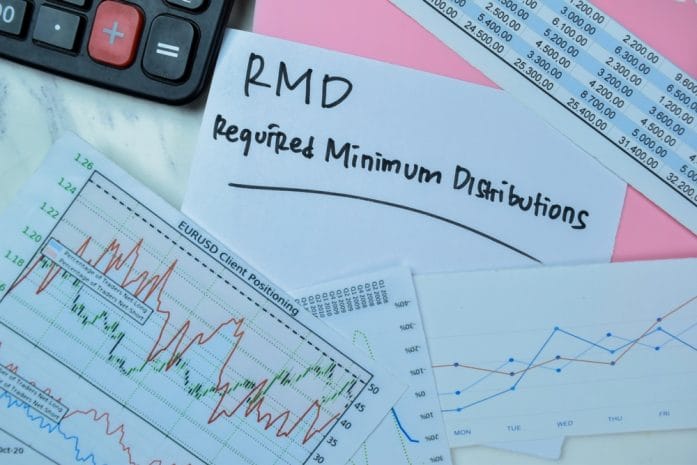
RMD Penalties Apply When Withdrawals Aren’t Taken on Time—Even If You Forgot

April 20, 2026 by Brandon Marcus Leave a Comment

RMD Penalties Apply When Withdrawals Aren’t Taken on Time—Even If You Forgot
Image Source: Shutterstock.com

Missing a required minimum distribution doesn’t just create a small paperwork hiccup—it can trigger one of the steepest tax penalties in the retirement world. The IRS expects you to take your required withdrawals on schedule, and it doesn’t accept “I forgot” as a valid excuse.

That reality surprises plenty of retirees who assume a simple oversight won’t cost much. In truth, RMD penalties can quickly eat into your hard-earned savings if you don’t act fast. Knowing how these penalties work—and how to avoid them—can save you thousands.

What RMD Penalties Really Cost You

RMD penalties rank among the harshest tax penalties the IRS enforces, and they hit fast. If you fail to withdraw your required minimum distribution, the IRS can impose a penalty of up to 25% of the amount you should have taken. That means if you missed a $10,000 withdrawal, you could owe $2,500 right off the bat. Even though recent law changes reduced the penalty from the previous 50%, the hit still feels significant for most retirees. You can reduce the penalty to 10% if you correct the mistake quickly, but you still need to act immediately to limit the damage.

Why “Forgetting” Doesn’t Let You Off the Hook

The IRS doesn’t track intent—it tracks compliance, and that distinction matters. Even if you forgot your RMD deadline, the agency still treats the missed withdrawal as a violation. Many retirees juggle multiple accounts, which increases the risk of overlooking one, especially after age 73 when RMD rules kick in. Financial institutions may calculate your RMD, but they don’t always remind you to withdraw it. You must take responsibility for tracking deadlines and ensuring withdrawals happen on time every year.

How to Fix a Missed RMD Quickly

You can recover from a missed RMD, but you need to move fast and stay organized. First, withdraw the missed amount as soon as you realize the error—don’t wait until the next tax season. Then, file IRS Form 5329 to report the missed distribution and request a waiver for the penalty. You should include a clear explanation that shows you acted in good faith and corrected the mistake promptly. Many taxpayers receive penalty relief when they demonstrate quick action and reasonable cause, but you must present your case clearly.

Common Situations That Lead to Missed RMDs

Several everyday scenarios can lead to missed RMDs, even for financially savvy retirees. People often forget about smaller, older retirement accounts they no longer actively monitor. Others miscalculate their required minimum distribution because they misunderstand life expectancy tables or account balances.

Some retirees assume their financial advisor handles everything, only to learn that the final responsibility still falls on them. Life events like illness, travel, or family emergencies can also disrupt routines and cause deadlines to slip by unnoticed.

RMD Penalties Apply When Withdrawals Aren’t Taken on Time—Even If You Forgot
Image Source: Shutterstock.com

Smart Strategies to Avoid RMD Penalties

You can avoid RMD penalties with a few simple but effective habits. Set calendar reminders well before the December 31 deadline so you never scramble at the last minute. Consolidate retirement accounts when possible to reduce complexity and lower the chance of overlooking one. Work closely with a financial advisor or tax professional who actively monitors your withdrawal requirements. Many retirees also schedule automatic distributions, which removes the risk of forgetting entirely and keeps their plan running smoothly.

How SECURE Act Changes Affect RMD Rules

Recent legislation has reshaped how and when retirees face RMD requirements, which adds another layer of confusion. The SECURE 2.0 Act raised the starting age for RMDs to 73 and will increase it again to 75 in the future. While that change gives retirees more time to grow their savings, it also delays the moment when they must start tracking withdrawals carefully. Some people mistakenly believe the delay eliminates urgency, but it simply shifts the timeline. Once your RMD start date arrives, the same strict rules—and potential RMD penalties—apply.

What This Means for Your Retirement Game Plan

RMD penalties don’t just punish mistakes—they reward attention to detail and proactive planning. You gain control when you track your deadlines, double-check your accounts, and act quickly if something goes wrong. A missed withdrawal doesn’t have to spiral into a financial setback if you correct it fast and document your actions clearly. Retirement should feel like a time of freedom, not stress over avoidable penalties. Staying organized keeps your savings intact and your peace of mind firmly in place.

Have you ever come close to missing an RMD—or do you have a system in place to make sure it never happens? If you have stories or advice to share, do so below in our comments section.

You May Also Like…

Missing This IRS Filing Deadline Leads to Automatic Penalties—No Exceptions

3 Tax Filing Mistakes That Can Trigger IRS Penalties

Are You Unknowingly Triggering Tax Penalties With December Transactions?

Selling a Long-Term Home Can Lead to Capital Gains Taxes—Even for Retirees

Property Taxes Are Catching Homeowners Off Guard — Especially After Buying or Renovating

Brandon Marcus
Brandon Marcus

Brandon Marcus is a writer who has been sharing the written word since a very young age. His interests include sports, history, pop culture, and so much more. When he isn’t writing, he spends his time jogging, drinking coffee, or attempting to read a long book he may never complete.

Filed Under: Personal Finance Tagged With: IRS rules, Personal Finance, required minimum distribution, retirement mistakes, retirement planning, RMD penalties, taxes

  • « Previous Page
  • 1
  • …
  • 26
  • 27
  • 28
  • 29
  • 30
  • …
  • 98
  • Next Page »

Follow Us

Search this site:

Recent Posts

  • Can My Savings Account Affect My Financial Aid? by Tamila McDonald
  • 12 Ways Gen X’s Views Clash with Millennials… by Tamila McDonald
  • What Advantages and Disadvantages Are There To… by Jacob Sensiba
  • 10 Tactics for Building an Emergency Fund from Scratch by Vanessa Bermudez
  • Call 911: Go To the Emergency Room Immediately If… by Stephen Kanaval
  • 7 Weird Things You Can Sell Online by Tamila McDonald
  • 10 Scary Facts About DriveTime by Tamila McDonald

Copyright © 2026 · News Pro Theme on Genesis Framework