• Home
  • About Us
  • Toolkit
  • Getting Finances Done
    • Hiring Advisors
    • Debt Management
    • Spending Plan
  • Insurance
    • Life Insurance
    • Health Insurance
    • Disability Insurance
    • Homeowners/Renters Insurance
  • Contact Us
  • Privacy Policy
  • Risk Tolerance Quiz

The Free Financial Advisor

You are here: Home / Archives for tax withholding

Stop Celebrating Your Tax Refund: You Just Gave the Government a Interest-Free Loan

March 12, 2026 by Brandon Marcus Leave a Comment

Stop Celebrating Your Tax Refund: You Just Gave the Government a Interest-Free Loan

Image Source: Pixabay.com

The moment a tax refund hits a bank account, celebration usually follows. Social media lights up with screenshots of deposits, people start planning shopping sprees, and the refund begins to feel like a surprise windfall that arrived just in time. Yet that exciting moment hides a simple truth that rarely receives attention.

A tax refund often means too much money left each paycheck throughout the entire year. The government collected that extra cash month after month and held onto it without paying a single cent of interest. Instead of earning returns, that money sat idle in a massive national holding tank. The refund might feel like a reward, but it actually represents money that already belonged in personal budgets all along.

The Refund Illusion: Why It Feels Like Free Money

Tax refunds trigger excitement because they arrive in one large lump sum, and large numbers create a powerful psychological effect. A $2,000 refund looks impressive when it lands all at once, even though that amount may equal less than $40 per week over the year. Payroll withholding systems quietly spread tax payments across every paycheck, so most people rarely notice the slow drip of extra deductions leaving their income. When tax season rolls around, the refund suddenly appears and creates the illusion of a financial bonus.

This perception encourages celebration even though the money never represented new income. The refund simply returns cash that never needed to leave the paycheck in the first place. Imagine handing someone a few dollars every week for twelve months and receiving the same amount back the following spring. That transaction would never feel exciting in real life, yet the tax system creates that exact scenario on a national scale. A refund does not mean someone “won” tax season; it means the math leaned too far toward overpaying.

The Government Didn’t Borrow Your Money — You Volunteered It

The tax system relies heavily on withholding, which requires employers to remove estimated taxes from each paycheck before the money ever reaches the bank account. This system prevents large tax bills in April and keeps revenue flowing to federal programs throughout the year. However, withholding formulas often lean toward caution, which leads many households to pay slightly more than necessary.

When withholding exceeds the actual tax obligation, the extra funds accumulate until tax filing season. The government returns the surplus through a refund, but the system never adds interest for the months it held the money. Financial institutions would never get away with borrowing customer funds for a year without compensation, yet the tax structure allows this process automatically.

The reality surprises many people once the concept becomes clear. A tax refund represents an interest-free loan delivered in tiny weekly installments. While the system works efficiently for tax collection, it does not necessarily serve personal wealth building.

The Opportunity Cost Nobody Talks About

Money sitting in government accounts throughout the year cannot work toward financial goals. Even modest amounts could grow through savings accounts, investments, or debt reduction if they remained in personal control. A weekly $40 that disappears into excess withholding might seem small, but small amounts compound quickly when used intentionally.

Consider a scenario where that same $40 enters a high-yield savings account each week. Over a year, the balance would reach the same $2,000 refund amount while also generating interest. If that money flowed into retirement investments instead, compound growth could expand its value dramatically over decades. Financial planners often emphasize consistency rather than large contributions, and excess tax withholding quietly disrupts that principle.

Even paying down credit card balances could produce meaningful financial benefits. Interest rates on credit cards often exceed twenty percent, which means eliminating debt early saves substantial money over time. A tax refund may feel satisfying, but using that cash gradually during the year could create far more financial momentum.

The Smart Way to Adjust Withholding

Anyone who wants more control over personal finances can review tax withholding settings. Employers typically rely on information from a W-4 form, which determines how much tax the payroll system removes from each paycheck. Updating that form can align withholding more closely with the actual tax obligation. A careful approach works best when making adjustments. Reducing withholding too aggressively could create an unexpected tax bill later, so gradual changes allow safer experimentation. Many tax professionals recommend aiming for a very small refund or breaking even at tax time. That outcome means paychecks carried the correct amount of tax throughout the year.

Online withholding calculators from the Internal Revenue Service can also help estimate appropriate settings. These tools consider income, deductions, and credits to produce a more precise withholding target. A quick review once or twice a year keeps everything aligned, especially after major life changes such as marriage, job shifts, or the arrival of children.

Why Some People Still Prefer a Refund

Despite the financial logic behind lower withholding, some individuals intentionally aim for refunds. A lump-sum payment can serve as a forced savings strategy for households that struggle with budgeting discipline. Instead of spending the extra cash throughout the year, the tax system quietly stores it until spring.

Psychology plays a powerful role in money management. A refund may motivate someone to pay off debt, cover large bills, or finally start a savings account. In those situations, the refund functions more like a behavioral tool than a financial strategy.

Still, awareness matters. Anyone who chooses to maintain higher withholding should do so deliberately rather than accidentally. Understanding the mechanics behind refunds allows better decision-making and prevents confusion about where the money actually came from.

Stop Celebrating Your Tax Refund: You Just Gave the Government a Interest-Free Loan

Image Source: Pexels.com

Turning the Refund Mindset Into a Real Power Move

A growing number of financially savvy households treat withholding adjustments as a strategic move rather than a tax season afterthought. Instead of celebrating a large refund, they celebrate balanced withholding and stronger monthly cash flow. That extra money inside each paycheck can fund investments, build emergency savings, or accelerate debt repayment.

Budgeting apps and automated transfers make this approach easier than ever. Redirecting the equivalent of a weekly “refund payment” into savings or investments mimics the discipline of forced withholding while keeping control firmly in personal hands. Over time, that habit creates steady financial progress rather than a single springtime payout.

Small adjustments can transform everyday finances. A slightly larger paycheck each month may not look dramatic at first glance, yet it creates breathing room for smarter decisions throughout the year. That shift turns tax planning from a passive process into an active strategy.

Keeping More of Your Money All Year

The tax refund tradition will probably continue forever because the emotional rush of a big deposit feels incredibly satisfying. However, true financial power rarely hides inside flashy moments. It grows through steady control over cash flow, thoughtful planning, and small improvements that compound over time.

A smaller refund—or none at all—often signals stronger financial awareness. That outcome means paychecks carried the right tax amount, and personal funds stayed available for saving, investing, or debt reduction throughout the entire year. Instead of celebrating a springtime check, smart money habits celebrate consistency.

What do you think about tax refunds now that the system behind them becomes clearer? Do you still enjoy receiving a big refund, or would you rather keep that money in every paycheck during the year? Share your thoughts, ideas, or strategies in the comments.

You May Also Like…

10 Remote Work Tax Deductions Many Miss Each April

The IRS Doesn’t Care If You Forgot — Missing Tax Dates Could Cost You Thousands

Income Threshold: 4 Hidden Taxes That Hit Once You Cross Certain Limits

9 Financial Dangers of Ignoring Property Taxes

8 Times Retailers Don’t Owe You A Refund

Brandon Marcus
Brandon Marcus

Brandon Marcus is a writer who has been sharing the written word since a very young age. His interests include sports, history, pop culture, and so much more. When he isn’t writing, he spends his time jogging, drinking coffee, or attempting to read a long book he may never complete.

Filed Under: tax tips Tagged With: Budgeting Tips, financial literacy, IRS refunds, money habits, Personal Finance, Planning, saving strategies, smart money moves, tax refund, tax season, tax withholding, taxes explained

Keep More Of Your Paycheck By Taking These 5 Steps

October 19, 2025 by Travis Campbell Leave a Comment

Payday

Image source: pexels.com

Feeling like your paycheck disappears too quickly? You’re not alone. Many people work hard every week, only to watch their earnings vanish thanks to bills, taxes, and everyday expenses. The good news is that you can keep more of your paycheck by making a few smart changes. With a little planning and some new habits, you can stretch your income further. The steps below focus on practical ways to help you get more from every dollar you earn. If you want to see real results, start with one tip and build from there.

1. Adjust Your Tax Withholding

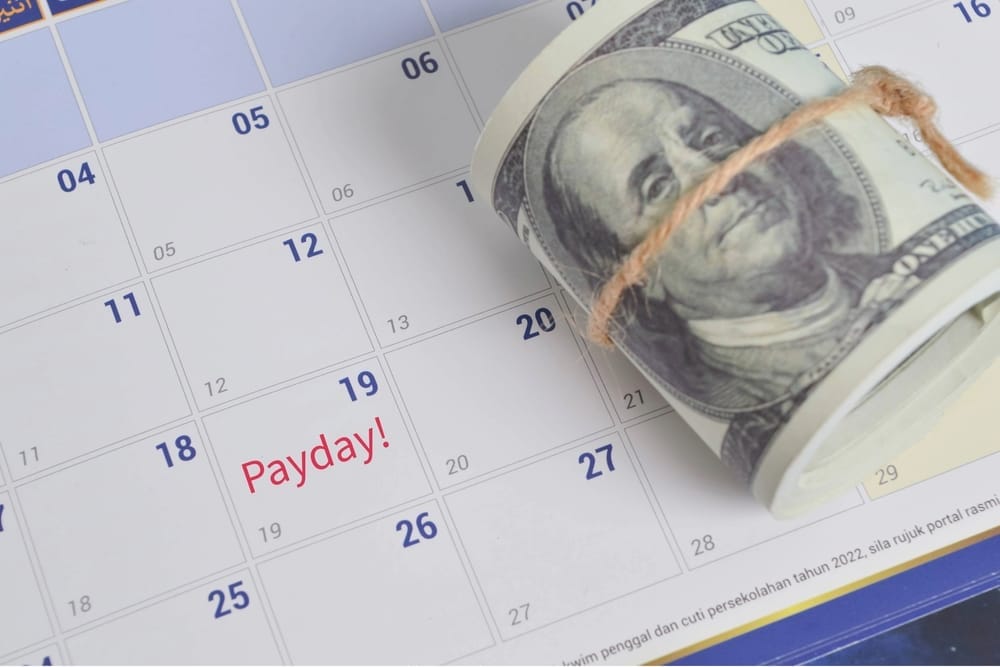
One of the fastest ways to keep more of your paycheck is by reviewing your tax withholding. Many employees have too much withheld from each check, resulting in a big refund at tax time. While that refund feels nice, you’re essentially giving the government an interest-free loan all year. Instead, adjust your W-4 so you take home more money each pay period. Just be careful not to under-withhold, or you may owe taxes in April.

Use the IRS Tax Withholding Estimator to help you fill out your W-4 correctly. This step can put extra cash in your pocket right away, making your paycheck go further each month.

2. Slash Unnecessary Subscriptions

It’s easy to lose track of all the subscriptions you’ve signed up for—streaming services, apps, gym memberships, and more. These small monthly charges add up and quietly eat away at your income. Take an hour to review your bank and credit card statements. Cancel anything you rarely use or can live without.

To keep more of your paycheck, repeat this review every few months. You might be surprised by how much you can save simply by trimming the fat. There are even tools like Truebill that can help identify and cancel unwanted subscriptions.

3. Shop Smarter and Cut Everyday Expenses

Groceries, gas, and household costs are necessary, but there’s almost always room to save. Start by making a list before you shop, and stick to it. Look for sales, use coupons, and buy generic brands when possible. Consider meal planning to avoid impulse purchases and wasted food.

For recurring expenses like cell phones and internet, shop around once a year. You may be able to negotiate a better deal or switch providers for a lower rate. These small changes add up and help you keep more of your paycheck without sacrificing what you need.

4. Take Advantage of Employer Benefits

Your workplace may offer benefits that can help you keep more of your paycheck. For example, Flexible Spending Accounts (FSAs) and Health Savings Accounts (HSAs) let you pay for healthcare costs with pre-tax dollars. That means you’re spending less of your take-home pay on medical expenses.

Some employers offer commuter benefits, gym discounts, or tuition reimbursement. Review your benefits package and use what fits your life. Even small perks can free up cash for other priorities.

5. Automate Your Savings

It might seem counterintuitive, but automatically saving a portion of your paycheck can actually help you keep more of your paycheck in the long run. When you pay yourself first, you make saving a priority instead of an afterthought. Set up a direct deposit from your paycheck into a separate savings account. Even $25 per pay period adds up over time.

Automation reduces the temptation to spend everything you earn. You’ll also build a financial cushion, which can prevent you from going into debt when unexpected expenses pop up.

Make Your Paycheck Go Further

It’s easy to feel stuck living paycheck to paycheck, but small changes can make a big difference. By reviewing your tax withholding, cutting out unused subscriptions, shopping smarter, using employer benefits, and automating your savings, you can keep more of your paycheck each month. The more intentional you are with your money, the more control you’ll gain over your finances.

Remember, you don’t have to do everything at once. Pick one step and get started. Over time, these habits will help you build a stronger financial foundation and give you more breathing room in your budget.

What are your favorite ways to keep more of your paycheck? Share your tips in the comments—we’d love to hear from you!

What to Read Next…

  • Are These 7 Little Expenses Quietly Costing You Thousands A Year?
  • Are These 6 Helpful Budget Tips Actually Ruining Your Finances?
  • 7 Tactics Grocery Stores Use To Keep You From Thinking About Price
  • 5 Things That Instantly Decrease Your Credit Score By 50 Points
  • 6 Monthly Bills You Should Cancel Immediately Even If You Can Afford Them
Travis Campbell
Travis Campbell

Travis Campbell is a digital marketer/developer with over 10 years of experience and a writer for over 6 years. He holds a degree in E-commerce and likes to share life advice he’s learned over the years. Travis loves spending time on the golf course or at the gym when he’s not working.

Filed Under: Finance Tagged With: budgeting, paycheck, Personal Finance, saving money, tax withholding

FOLLOW US

Search this site:

Recent Posts

  • Can My Savings Account Affect My Financial Aid? by Tamila McDonald
  • 12 Ways Gen X’s Views Clash with Millennials… by Tamila McDonald
  • What Advantages and Disadvantages Are There To… by Jacob Sensiba
  • 10 Tactics for Building an Emergency Fund from Scratch by Vanessa Bermudez
  • Call 911: Go To the Emergency Room Immediately If… by Stephen Kanaval
  • 7 Weird Things You Can Sell Online by Tamila McDonald
  • 10 Scary Facts About DriveTime by Tamila McDonald

Copyright © 2026 · News Pro Theme on Genesis Framework