• Home
  • About Us
  • Getting Finances Done
    • Hiring Advisors
    • Debt Management
    • Spending Plan
  • Insurance
    • Life Insurance
    • Health Insurance
    • Disability Insurance
    • Homeowners/Renters Insurance
  • Contact Us
  • Our Editorial Commitment

The Free Financial Advisor

You are here: Home / Archives for Medicare fraud

Florida Health System Agrees to $541.5 Million Settlement Over Medicare Advantage Diagnosis Codes

August 27, 2026 by Amanda Blankenship Leave a Comment

Medicare Advantage diagnosis codes
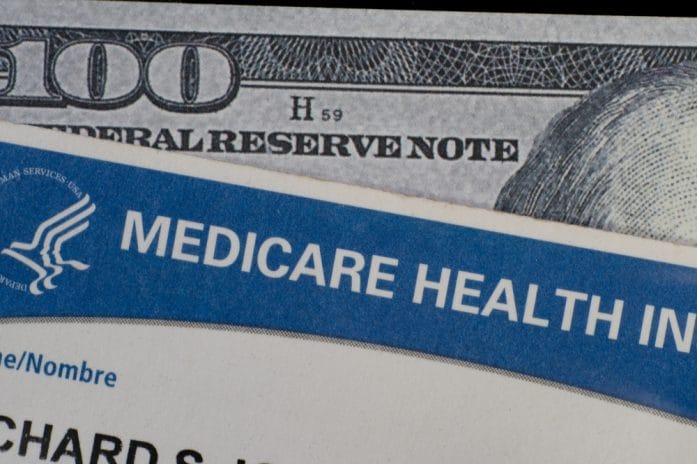
A $541.5 million federal settlement involving The Villages Health System highlights how diagnosis codes can affect Medicare Advantage payments. The Justice Department says the settlement resolves allegations and does not constitute a determination of liability. Anatoliy Cherkas/Shutterstock

A Florida healthcare provider has agreed to a massive $541.5 million settlement with the federal government over allegations that unsupported diagnosis codes helped drive up Medicare Advantage payments.

The Villages Health System LLC (TVH), headquartered in The Villages, Florida, agreed to resolve False Claims Act allegations involving diagnosis codes submitted between 2020 and 2024, the U.S. Department of Justice announced August 26.

The case involves a part of Medicare Advantage that most beneficiaries rarely see: the system used to adjust how much the federal government pays private insurers based partly on the health conditions of their members.

Importantly, the settlement resolves allegations, and the Justice Department said there has been no determination of liability.

Why Diagnosis Codes Can Change Medicare Advantage Payments

Medicare Advantage, also known as Medicare Part C, allows beneficiaries to receive Medicare coverage through private insurance plans rather than Original Medicare.

The Centers for Medicare & Medicaid Services pays Medicare Advantage Organizations, or MAOs, a monthly amount for each enrolled beneficiary. Those payments are adjusted for factors affecting expected healthcare costs, with plans generally receiving more money for beneficiaries expected to have greater medical needs. Medical diagnosis codes play a significant role in those calculations.

According to DOJ, diagnoses used for these risk adjustments must be supported by medical records from qualifying patient-provider encounters. For outpatient care, the diagnoses also must have required or affected the patient’s care, treatment, or management during the visit.

That creates an important safeguard: a diagnosis submitted for payment purposes isn’t supposed to exist merely as a code on a patient’s chart. It must meet Medicare’s requirements.

What the Government Alleged The Villages Health Did

Federal officials alleged that from 2020 through 2024, TVH knowingly submitted false diagnosis codes to several Medicare Advantage insurers.

According to DOJ, some of the diagnoses did not have adequate support in patients’ medical records. Others allegedly relied on amendments that weren’t initiated by the treating provider, weren’t made in a timely manner, or weren’t approved by that provider.

The government alleges those codes were then submitted by the Medicare Advantage insurers to CMS, resulting in inflated federal payments. TVH’s payments were also allegedly increased as a result.

The Medicare Advantage organizations involved were Humana, several UnitedHealthcare entities, and GuideWell companies including Blue Cross and Blue Shield of Florida and Florida Blue Medicare.

The Health System Reported the Problem Itself

There is an unusual and important detail in this case: TVH disclosed the coding issue to the government.

On December 27, 2024, the organization made a submission through the Department of Health and Human Services Office of Inspector General’s Health Care Fraud Self-Disclosure Protocol. TVH disclosed that it had submitted invalid diagnosis codes for certain Medicare Advantage beneficiaries and that those codes had increased CMS payments to insurers.

DOJ said TVH subsequently took remedial action, provided the government with a detailed written disclosure, and cooperated with investigators.

Those actions mattered when the settlement was negotiated.

Assistant Attorney General Brett A. Shumate said the resolution demonstrates that the government will pursue organizations accused of inflating Medicare payments while also giving credit to organizations that self-disclose problems, take corrective action and cooperate with investigations.

Acting Deputy Inspector General for Investigations Miranda L. Bennett similarly said TVH’s use of the self-disclosure process and its cooperation were important factors in resolving the matter.

What Happens to the Medicare Advantage Overpayments?

The settlement isn’t limited to TVH.

DOJ said the Medicare Advantage insurers that received payments connected to the invalid diagnosis codes are returning overpayments to the federal government.

Depending on the insurer, that is occurring through deletion of invalid diagnosis codes and/or agreements with DOJ and CMS to return money.

That distinction is important because CMS initially paid the Medicare Advantage organizations. TVH allegedly benefited because provider groups can have arrangements under which their compensation is tied to some portion of the Medicare Advantage payments insurers receive.

In other words, the coding at issue could affect payments at multiple points in the Medicare Advantage system.

The Settlement Comes During TVH’s Bankruptcy Case

The resolution also comes against the backdrop of a major financial restructuring.

TVH filed for Chapter 11 bankruptcy protection on July 3, 2025, in the U.S. Bankruptcy Court for the Middle District of Florida. The bankruptcy court approved the federal settlement on August 25, 2026, one day before DOJ publicly announced it.

Bankruptcy court records also show orders approving settlement agreements involving the United States, Florida Blue and UnitedHealthcare on August 25.

The $541.5 million settlement therefore represents part of a much broader financial situation surrounding the healthcare organization.

What This Means for Medicare Advantage Beneficiaries

For beneficiaries, the announcement does not mean that everyone treated by TVH received an incorrect medical diagnosis, nor does it mean Medicare Advantage members need to repay the $541.5 million themselves.

The government’s allegations concern diagnosis codes used in Medicare Advantage risk-adjustment payments.

However, patients should generally review their medical records and Medicare information and raise questions when they see diagnoses, services or claims they don’t recognize. Accurate health records matter beyond billing because medical information can influence future treatment and communication among healthcare providers.

Anyone who suspects Medicare fraud can report concerns to HHS-OIG. DOJ notes that reports of potential healthcare fraud, waste or abuse can be submitted through the inspector general or by calling 800-HHS-TIPS (800-447-8477).

A $541.5 Million Reminder That Medical Coding Has Real Financial Consequences

A diagnosis code can look like a small administrative detail, but Medicare Advantage’s risk-adjustment system can attach substantial financial consequences to the medical conditions reported for beneficiaries.

The Villages Health System settlement demonstrates the scale those consequences can reach when federal officials allege that unsupported diagnoses have influenced payments over several years.

At the same time, TVH’s voluntary disclosure is an important part of the story. Federal officials specifically credited the organization for reporting the issue, taking remedial measures and cooperating with the investigation.

The case ultimately resolves allegations involving hundreds of millions of dollars in Medicare Advantage payments, but DOJ emphasizes that the settlement is not a judicial determination that TVH was liable for the alleged conduct.

Have you ever found a diagnosis or medical service in your health records that you didn’t recognize? Share your experience in the comments.

What to Read Next

At 55, Should You Still Be Investing Like You’re 35?

At What Point Does Saving More for Retirement Stop Improving Your Life?

Your Advisor Recommends an Annuity. Ask These Questions Before You Say Yes.

Amanda Blankenship

Amanda Blankenship is the Chief Editor for District Media.  With a BA in journalism from Wingate University, she frequently writes for a handful of websites and loves to share her own personal finance story with others. When she isn’t typing away at her desk, she enjoys spending time with her daughter, son, husband, and dog. During her free time, you’re likely to find her with her nose in a book, hiking, or playing RPG video games.

Filed Under: news Tagged With: CMS, DOJ, False Claims Act, Florida, healthcare, medical billing, Medicare, Medicare Advantage, Medicare fraud, The Villages Health System

Medicare Identity Alert: 3 Steps to Take After a Data Exposure Notice

May 5, 2026 by Brandon Marcus Leave a Comment

Medicare Identity Alert: 3 Steps to Take After a Data Exposure Notice
Image Source: Shutterstock.com

A Medicare data exposure notice can land in a mailbox or inbox like an unwelcome surprise that instantly raises alarm bells. These notices signal that sensitive personal information may have been compromised, and scammers often see that as an open invitation. Medical identity theft does not just create financial headaches—it can also disrupt healthcare records, prescriptions, and even insurance eligibility.

Quick action matters more than panic, and smart steps can shut down fraud attempts before they gain momentum. This situation demands attention, but it also gives a clear opportunity to lock down protection fast and effectively.

What a Medicare Data Exposure Notice Really Signals

A Medicare data exposure notice does not automatically mean fraud already occurred, but it does confirm that personal data entered risky territory. Hackers, unauthorized insiders, or system vulnerabilities may have exposed details such as Medicare numbers, names, or even health records. Criminals often trade this information on hidden online marketplaces where identity data becomes a valuable commodity. That reality makes early awareness a powerful advantage rather than a reason for fear. Quick interpretation of the notice helps prevent confusion and keeps the response focused.

Many notices include technical explanations that sound confusing, but the core message stays simple: personal data may no longer remain private. Fraudsters often wait weeks or months before using stolen information, which creates a false sense of safety for victims. This delay makes proactive monitoring essential because silence does not equal safety. Acting early shuts down opportunities before criminals test the stolen information. Awareness turns into the first line of defense.

Step 1: Confirm the Legitimacy of the Notice

Scammers love impersonating government agencies, so verifying the notice comes first before any action takes place. Official Medicare communications always include verifiable contact information and reference numbers that match government records. A quick call to the official Medicare helpline confirms whether the notice holds real legitimacy or masks a phishing attempt. Fraudulent letters often push urgency without providing traceable details. Careful verification stops unnecessary exposure to secondary scams.

Suspicious notices often contain spelling errors, unusual return addresses, or pressure tactics demanding immediate action. Real Medicare communications never request sensitive details like passwords or banking credentials through insecure channels. Comparing the notice with official Medicare updates online helps separate fact from fraud. Many scams rely on emotional urgency, so slowing down breaks their momentum. A verified notice clears the path for confident next steps.

Step 2: Lock Down Your Medicare and Financial Accounts

Once legitimacy gets confirmed, securing Medicare accounts becomes the top priority. Changing login credentials and strengthening passwords creates an immediate barrier against unauthorized access. Fraudsters often attempt to reuse stolen data quickly, so early lock-down efforts disrupt their timing. Enabling multi-factor authentication adds another layer that blocks most automated intrusion attempts. Security improvements work best when applied immediately after exposure.

Financial institutions connected to Medicare billing also need close attention because criminals often test multiple systems with stolen data. Banks and credit card companies can place fraud alerts that flag suspicious activity in real time. Reviewing recent transactions helps detect small unauthorized charges that often go unnoticed. Reporting any irregularity early prevents larger financial damage from developing. A coordinated lock-down strategy limits every possible entry point.

Medicare Identity Alert: 3 Steps to Take After a Data Exposure Notice
Image Source: Shutterstock.com

Step 3: Watch for Fraudulent Activity Like a Hawk

Monitoring activity becomes critical after securing accounts because identity theft often develops in subtle stages. Criminals may open medical claims, request prescriptions, or reroute insurance benefits using stolen Medicare information. Regular review of Medicare Summary Notices helps detect unfamiliar services or providers. Early detection turns small issues into manageable corrections instead of full-scale crises. Vigilance transforms into ongoing protection.

Credit reports also reveal whether identity thieves attempt to open new accounts using stolen personal data. Free credit monitoring tools or alerts can flag sudden changes that signal unauthorized activity. Fraud often starts quietly before escalating into visible financial damage. Tracking patterns over time helps identify irregular behavior that single checks might miss. Consistent monitoring builds a strong defensive rhythm.

Extra Moves That Add Strong Security Layers

Adding extra safeguards strengthens protection beyond the basic steps and reduces future risk exposure. Placing a fraud alert or credit freeze restricts access to credit reports, making new account openings significantly harder for criminals. These tools act like security gates that require verification before any financial activity proceeds. Many victims overlook these protections until after damage occurs. Acting early increases overall resilience.

Identity theft protection services can also monitor dark web activity for stolen Medicare or personal data. While no service guarantees total protection, alerts often provide early warning signs that help contain threats quickly. Updating passwords regularly and avoiding reuse across platforms further reduces vulnerability. Small habits build strong long-term security outcomes. Layered protection creates multiple barriers that discourage criminal attempts.

Red Flags That Suggest Identity Theft Has Already Started

Certain warning signs reveal that stolen Medicare information may already be in use. Unexpected medical bills, unfamiliar doctor visits, or denied insurance claims often signal fraudulent activity. These issues typically appear before victims realize any breach occurred. Quick reporting to Medicare and healthcare providers helps stop misuse early. Immediate action limits long-term consequences.

Credit score drops or new accounts appearing without authorization also indicate potential identity theft. Fraudsters often test stolen data in small ways before attempting larger financial moves. Monitoring alerts from banks or Medicare systems can expose suspicious behavior quickly. Ignoring these signals allows criminals more time to escalate damage. Fast response turns detection into protection.

Why Quick Action Changes the Outcome Entirely

Speed matters more than complexity when responding to a Medicare data exposure notice because fraudsters rely on delay. Immediate verification, account protection, and monitoring create a defensive chain that blocks most exploitation attempts. Criminals often abandon compromised data when they encounter strong resistance early. Every hour of delay increases risk exposure. Fast action reduces both stress and potential damage.

Medicare identity protection depends on consistent awareness rather than one-time fixes. Each step builds on the previous one to create a secure environment that limits fraud opportunities. Staying alert transforms a stressful notice into a manageable situation with clear control points. Strong responses prevent long-term complications from taking root. Confidence grows when protection becomes routine.

Staying One Step Ahead of Medicare Identity Threats

A Medicare data exposure notice does not define the outcome—response strategy does. Careful verification, fast account protection, ongoing monitoring, and layered security tools all work together to shut down fraud opportunities. Criminals depend on confusion and delay, but structured action removes both advantages. Each step strengthens control over personal information and healthcare security. Smart prevention always beats reactive recovery.

What steps feel most important when it comes to protecting your Medicare information after a data exposure notice? Let’s hear your thoughts and advice in the comments below.

You May Also Like…

A Big Change to Medicare Prior Authorization: 7‑Day Deadline Now Mandatory

Retirement Healthcare Costs Are Climbing Again — What the Average Couple Now Needs

Healthcare Spending Doesn’t Stop Rising — Why That Matters for Retirees

4 Medicare Advantage Changes That Could Affect Your Doctor Access

5 Hidden Medicare Costs That Can Reduce Your Monthly Budget

Brandon Marcus
Brandon Marcus

Brandon Marcus is a writer who has been sharing the written word since a very young age. His interests include sports, history, pop culture, and so much more. When he isn’t writing, he spends his time jogging, drinking coffee, or attempting to read a long book he may never complete.

Filed Under: safety Tagged With: credit monitoring, cybersecurity, data breach, financial safety, fraud prevention, healthcare security, identity theft, Medicare, Medicare fraud, personal data protection, scam alerts

Follow Us

Search this site:

Recent Posts

  • Can My Savings Account Affect My Financial Aid? by Tamila McDonald
  • 12 Ways Gen X’s Views Clash with Millennials… by Tamila McDonald
  • What Advantages and Disadvantages Are There To… by Jacob Sensiba
  • 10 Tactics for Building an Emergency Fund from Scratch by Vanessa Bermudez
  • Call 911: Go To the Emergency Room Immediately If… by Stephen Kanaval
  • 7 Weird Things You Can Sell Online by Tamila McDonald
  • 10 Scary Facts About DriveTime by Tamila McDonald

Copyright © 2026 · News Pro Theme on Genesis Framework