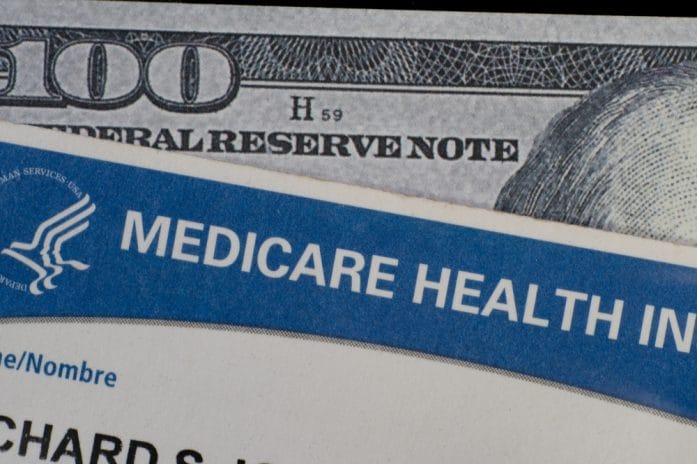
A Medicare data exposure notice can land in a mailbox or inbox like an unwelcome surprise that instantly raises alarm bells. These notices signal that sensitive personal information may have been compromised, and scammers often see that as an open invitation. Medical identity theft does not just create financial headaches—it can also disrupt healthcare records, prescriptions, and even insurance eligibility.
Quick action matters more than panic, and smart steps can shut down fraud attempts before they gain momentum. This situation demands attention, but it also gives a clear opportunity to lock down protection fast and effectively.
What a Medicare Data Exposure Notice Really Signals
A Medicare data exposure notice does not automatically mean fraud already occurred, but it does confirm that personal data entered risky territory. Hackers, unauthorized insiders, or system vulnerabilities may have exposed details such as Medicare numbers, names, or even health records. Criminals often trade this information on hidden online marketplaces where identity data becomes a valuable commodity. That reality makes early awareness a powerful advantage rather than a reason for fear. Quick interpretation of the notice helps prevent confusion and keeps the response focused.
Many notices include technical explanations that sound confusing, but the core message stays simple: personal data may no longer remain private. Fraudsters often wait weeks or months before using stolen information, which creates a false sense of safety for victims. This delay makes proactive monitoring essential because silence does not equal safety. Acting early shuts down opportunities before criminals test the stolen information. Awareness turns into the first line of defense.
Step 1: Confirm the Legitimacy of the Notice
Scammers love impersonating government agencies, so verifying the notice comes first before any action takes place. Official Medicare communications always include verifiable contact information and reference numbers that match government records. A quick call to the official Medicare helpline confirms whether the notice holds real legitimacy or masks a phishing attempt. Fraudulent letters often push urgency without providing traceable details. Careful verification stops unnecessary exposure to secondary scams.
Suspicious notices often contain spelling errors, unusual return addresses, or pressure tactics demanding immediate action. Real Medicare communications never request sensitive details like passwords or banking credentials through insecure channels. Comparing the notice with official Medicare updates online helps separate fact from fraud. Many scams rely on emotional urgency, so slowing down breaks their momentum. A verified notice clears the path for confident next steps.
Step 2: Lock Down Your Medicare and Financial Accounts
Once legitimacy gets confirmed, securing Medicare accounts becomes the top priority. Changing login credentials and strengthening passwords creates an immediate barrier against unauthorized access. Fraudsters often attempt to reuse stolen data quickly, so early lock-down efforts disrupt their timing. Enabling multi-factor authentication adds another layer that blocks most automated intrusion attempts. Security improvements work best when applied immediately after exposure.
Financial institutions connected to Medicare billing also need close attention because criminals often test multiple systems with stolen data. Banks and credit card companies can place fraud alerts that flag suspicious activity in real time. Reviewing recent transactions helps detect small unauthorized charges that often go unnoticed. Reporting any irregularity early prevents larger financial damage from developing. A coordinated lock-down strategy limits every possible entry point.

Step 3: Watch for Fraudulent Activity Like a Hawk
Monitoring activity becomes critical after securing accounts because identity theft often develops in subtle stages. Criminals may open medical claims, request prescriptions, or reroute insurance benefits using stolen Medicare information. Regular review of Medicare Summary Notices helps detect unfamiliar services or providers. Early detection turns small issues into manageable corrections instead of full-scale crises. Vigilance transforms into ongoing protection.
Credit reports also reveal whether identity thieves attempt to open new accounts using stolen personal data. Free credit monitoring tools or alerts can flag sudden changes that signal unauthorized activity. Fraud often starts quietly before escalating into visible financial damage. Tracking patterns over time helps identify irregular behavior that single checks might miss. Consistent monitoring builds a strong defensive rhythm.
Extra Moves That Add Strong Security Layers
Adding extra safeguards strengthens protection beyond the basic steps and reduces future risk exposure. Placing a fraud alert or credit freeze restricts access to credit reports, making new account openings significantly harder for criminals. These tools act like security gates that require verification before any financial activity proceeds. Many victims overlook these protections until after damage occurs. Acting early increases overall resilience.
Identity theft protection services can also monitor dark web activity for stolen Medicare or personal data. While no service guarantees total protection, alerts often provide early warning signs that help contain threats quickly. Updating passwords regularly and avoiding reuse across platforms further reduces vulnerability. Small habits build strong long-term security outcomes. Layered protection creates multiple barriers that discourage criminal attempts.
Red Flags That Suggest Identity Theft Has Already Started
Certain warning signs reveal that stolen Medicare information may already be in use. Unexpected medical bills, unfamiliar doctor visits, or denied insurance claims often signal fraudulent activity. These issues typically appear before victims realize any breach occurred. Quick reporting to Medicare and healthcare providers helps stop misuse early. Immediate action limits long-term consequences.
Credit score drops or new accounts appearing without authorization also indicate potential identity theft. Fraudsters often test stolen data in small ways before attempting larger financial moves. Monitoring alerts from banks or Medicare systems can expose suspicious behavior quickly. Ignoring these signals allows criminals more time to escalate damage. Fast response turns detection into protection.
Why Quick Action Changes the Outcome Entirely
Speed matters more than complexity when responding to a Medicare data exposure notice because fraudsters rely on delay. Immediate verification, account protection, and monitoring create a defensive chain that blocks most exploitation attempts. Criminals often abandon compromised data when they encounter strong resistance early. Every hour of delay increases risk exposure. Fast action reduces both stress and potential damage.
Medicare identity protection depends on consistent awareness rather than one-time fixes. Each step builds on the previous one to create a secure environment that limits fraud opportunities. Staying alert transforms a stressful notice into a manageable situation with clear control points. Strong responses prevent long-term complications from taking root. Confidence grows when protection becomes routine.
Staying One Step Ahead of Medicare Identity Threats
A Medicare data exposure notice does not define the outcome—response strategy does. Careful verification, fast account protection, ongoing monitoring, and layered security tools all work together to shut down fraud opportunities. Criminals depend on confusion and delay, but structured action removes both advantages. Each step strengthens control over personal information and healthcare security. Smart prevention always beats reactive recovery.
What steps feel most important when it comes to protecting your Medicare information after a data exposure notice? Let’s hear your thoughts and advice in the comments below.
You May Also Like…
A Big Change to Medicare Prior Authorization: 7‑Day Deadline Now Mandatory
Retirement Healthcare Costs Are Climbing Again — What the Average Couple Now Needs
Healthcare Spending Doesn’t Stop Rising — Why That Matters for Retirees
4 Medicare Advantage Changes That Could Affect Your Doctor Access
5 Hidden Medicare Costs That Can Reduce Your Monthly Budget

Brandon Marcus is a writer who has been sharing the written word since a very young age. His interests include sports, history, pop culture, and so much more. When he isn’t writing, he spends his time jogging, drinking coffee, or attempting to read a long book he may never complete.