• Home
  • About Us
  • Toolkit
  • Getting Finances Done
    • Hiring Advisors
    • Debt Management
    • Spending Plan
  • Insurance
    • Life Insurance
    • Health Insurance
    • Disability Insurance
    • Homeowners/Renters Insurance
  • Contact Us
  • Privacy Policy
  • Risk Tolerance Quiz

The Free Financial Advisor

You are here: Home / Archives for saving money

Before You Die Broke: The Financial Decisions You’ll Wish You Made Sooner

April 1, 2025 by Latrice Perez Leave a Comment

Portrait elderly couple whose blind wife sleeps on the lawn with her husband posing for a photo together. Their hearts are bright because they have a loving and caring husband always by their side.

Image Source: 123rf.com

As life winds down, many people reflect on the choices they made—or didn’t make—along the way. For those who struggle financially in their later years, certain missed opportunities often stand out as glaring regrets. These overlooked decisions have the power to transform lives, yet they’re frequently ignored until it’s too late. Let’s explore the key financial moves that people wish they had made earlier and how you can avoid the same mistakes.

1. Taking Financial Risks When You Were Young

Many regret being overly cautious with their money during their youth. Whether it was hesitating to invest in stocks, start a business, or pursue lucrative career opportunities, fear of failure often leads to stagnant growth. At the end of life, people often wish they had embraced risk while they still had the time to recover from setbacks and capitalize on potential success.

2. Saving for Retirement Earlier

Procrastination in retirement planning is a universal regret. Waiting until your 40s or 50s to save means missing out on decades of compound interest—a loss that’s hard to make up for later. People frequently look back and wish they had started saving earlier, even modest amounts in their 20s, realizing that every dollar could have multiplied exponentially over time.

3. Prioritizing Experiences Over Material Possessions

Many people regret spending money on fleeting luxuries rather than investing in meaningful experiences. Big-ticket items like fancy cars or designer clothes lose their allure, but memories of trips, hobbies, and time spent with loved ones remain. At the end of life, those who focused on material possessions often feel they missed out on the true richness of living.

4. Talking About Money Earlier in Relationships

Money is a difficult topic for couples, but avoiding these conversations can lead to poor financial decisions and missed opportunities for growth. Many people wish they had been more open about budgeting, saving, and future plans with their partner sooner. Transparency not only strengthens relationships but also ensures financial goals align over time.

5. Learning Financial Literacy While You Still Had Time

Some of the most painful regrets come from realizing how little you understood about managing money. Those who struggle financially in later years often wish they had educated themselves earlier—whether it was understanding investments, managing debt, or spotting financial scams. Financial literacy empowers smarter choices and protects against pitfalls.

6. Investing in Health to Avoid Financial Strain

Neglecting health-related spending is a common regret for those facing medical bills later in life. Skipping regular checkups, ignoring preventive care, or avoiding fitness investments can lead to costly issues that drain savings. Many look back and wish they had prioritized health earlier to avoid financial and physical stress in their later years.

7. Helping Others Strategically

business woman and a businessman hold money

Image Source: 123rf.com

Generosity is important, but unchecked giving can leave you financially vulnerable. Many regret helping family or friends without setting boundaries, particularly when loans or gifts weren’t repaid. On the flip side, some wish they had been more purposeful with their giving, supporting causes they believed in while maintaining financial security.

8. Diversifying Income Streams

Relying solely on a paycheck is a regret that often surfaces later in life. People wish they had pursued side hustles, created passive income, or taken advantage of entrepreneurial opportunities. Those who diversified their income early are better prepared for economic downturns and unexpected expenses, avoiding the financial stress faced by those who didn’t.

9. Estate Planning Before It Was Too Late

Failing to create a will or trust is a regret that often leads to conflict among loved ones. Those who neglect estate planning may inadvertently leave their family in disarray, facing legal battles or confusion about finances. Early planning ensures peace of mind and secures a lasting legacy.

10. Spending Less Time Stressing About Money

For many, the final years of life bring clarity that money isn’t everything. People often wish they had spent less time worrying about financial pressures and more time appreciating the relationships and experiences they did have. While financial security is important, it’s not worth sacrificing the joys of living.

A Legacy Worth Leaving

Financial regrets can weigh heavily, but the good news is that it’s never too late to start making smarter choices. Reflecting on the regrets of others can inspire you to take proactive steps toward stability, freedom, and fulfillment. Before it’s too late, start building a life and legacy that you’ll be proud of—not one defined by financial struggles.

Which financial decision do you think is the most important to make earlier in life? What money move do you wish you’d made sooner? Share your thoughts and experiences in the comments below.

Read More:

7 Eye-Opening Talks Every Mother and Adult Daughter Must Have Before It’s Too Late

9 Embarrassing Money Problems No One Talks About (But Everyone Has)


Latrice Perez

Latrice is a dedicated professional with a rich background in social work, complemented by an Associate Degree in the field. Her journey has been uniquely shaped by the rewarding experience of being a stay-at-home mom to her two children, aged 13 and 5. This role has not only been a testament to her commitment to family but has also provided her with invaluable life lessons and insights.

As a mother, Latrice has embraced the opportunity to educate her children on essential life skills, with a special focus on financial literacy, the nuances of life, and the importance of inner peace.

Filed Under: Personal Finance Tagged With: Estate planning, financial literacy, financial regrets, money moves, retirement planning, saving money, Wealth Building

5 Gas Station Scams That Could Cost You More Than Just a Full Tank

March 23, 2025 by Latrice Perez Leave a Comment

Gas Station Scams

Image Source: 123rf.com

Filling up your car should be simple—pull up, pump gas, and pay. However, gas stations have become hotspots for scams that can drain your wallet in unexpected ways. Some of these scams are small tricks to get you to spend a few extra dollars, while others can lead to serious financial losses. Criminals and even some shady businesses take advantage of distracted drivers who just want to fuel up and go. Here are five gas station scams you need to watch out for.

1. The Credit Card Skimmer Scam

One of the most well-known gas station scams involves credit card skimmers. These small devices are illegally installed on gas pumps to steal card information. When you swipe your card, the skimmer copies your details, which criminals can then use to drain your bank account. Skimmers are often hard to spot because they fit over the actual card reader. To avoid this scam, inspect the card reader before inserting your card—if anything looks loose or tampered with, use a different pump or pay inside.

2. The Rigged Pump Scam

Some dishonest gas stations manipulate their pumps to charge you for more gas than you actually receive. The digital display may say you’re getting a full gallon when, in reality, you’re getting less. This scam can cost you extra money over time without you even realizing it. One way to check is to pump exactly one gallon and see if the price matches what’s listed on the sign. If you suspect tampering, report the station to local consumer protection authorities.

3. The “Helpful Attendant” Scam

In some areas, scammers pose as gas station employees and offer to help you pump your gas or check your vehicle. While this may seem like a kind gesture, they often use it as an opportunity to overcharge you or steal from your car. Some will “accidentally” spill gas and ask you to pay for the extra fuel. Others may recommend unnecessary engine or tire services to pressure you into spending money. If you didn’t request assistance, politely decline and keep an eye on your surroundings.

4. The Fake Discount Scam

Discount Scam

Image Source: 123rf.com

Gas stations frequently advertise discounts for paying with cash instead of a card, but some take advantage of this by misleading customers. The big price you see on the sign may only apply under specific conditions that aren’t clearly stated. Some stations charge an extra fee for using a credit card that isn’t disclosed until after you’ve already pumped your gas. Always read the fine print before assuming you’re getting a deal, and confirm pricing at the pump before fueling up.

5. The “Bait-and-Switch” Car Repair Scam

Some gas stations, particularly those with attached service centers, use bait-and-switch tactics to trick customers into unnecessary repairs. A mechanic might tell you that your tires are dangerously low, your oil is dirty, or your battery needs immediate replacement—even when it doesn’t. Once they convince you to agree, they overcharge you for repairs that were never actually needed. If a gas station employee suggests any car repairs, always get a second opinion before agreeing to anything.

Stay Alert to Protect Your Wallet

Gas stations may seem like a harmless stop, but scams can happen in an instant if you’re not paying attention. Being aware of these common tricks can save you money and prevent fraud. Always inspect the pump before inserting your card, be cautious of unexpected “help,” and double-check prices before fueling. By staying vigilant, you can avoid becoming a victim of these deceptive tactics.

Have you ever encountered a gas station scam? What’s your best tip for protecting yourself at the pump? Share your experiences in the comments!

Read More:

Is It Really Your “Dream” Job? 10 Ways to Avoid Job Scams

Is Your Financial Advisor Scamming You? 10 Tricks to Watch Out For

Latrice Perez

Latrice is a dedicated professional with a rich background in social work, complemented by an Associate Degree in the field. Her journey has been uniquely shaped by the rewarding experience of being a stay-at-home mom to her two children, aged 13 and 5. This role has not only been a testament to her commitment to family but has also provided her with invaluable life lessons and insights.

As a mother, Latrice has embraced the opportunity to educate her children on essential life skills, with a special focus on financial literacy, the nuances of life, and the importance of inner peace.

Filed Under: safety Tagged With: car maintenance, Consumer Protection, credit card skimming, fuel fraud, gas station scams, saving money, travel tips

9 Ways People Can Immediately Tell That You’re Broke

March 13, 2025 by Latrice Perez Leave a Comment

Man with empty pockets

Image Source: 123rf.com

Struggling financially is nothing to be ashamed of, but whether we like it or not, people can often spot when someone is broke. It’s not always about the car you drive or the clothes you wear—there are small behaviors, habits, and subtle social cues that reveal financial struggles almost instantly. Even if you try to mask it, people pick up on the signs that money is tight. If you recognize yourself in any of these, it may be time to rethink your financial habits and work toward a more stable future.

1. You Always Have an Excuse to Avoid Going Out

When money is tight, social events start feeling like financial landmines. You might find yourself constantly making excuses to avoid going out—whether it’s dinner, drinks, or even casual hangouts that might involve spending. Instead of saying, “I can’t afford it,” you might claim you’re too busy, too tired, or just not in the mood.

People catch on when you consistently dodge outings, especially when you never suggest budget-friendly alternatives. If you’re always the one bailing on plans, people assume money is the issue.

2. Your Card Gets Declined in Public

Few things scream “I’m broke” louder than a declined card at a checkout line or restaurant. Whether it’s due to insufficient funds, a maxed-out credit limit, or an overdraft block, it’s an awkward and telling moment. Even if you try to play it off by pretending it’s a mistake, the embarrassment sticks.

People notice when this happens repeatedly, especially if you scramble to use another card or ask a friend to cover for you. Financial mishaps happen to everyone occasionally, but frequent declines suggest deeper money problems.

3. You Constantly Complain About Money

Talking about finances is normal, but if every conversation revolves around how expensive things are, how unfair bills feel, or how you’re always broke, people take notice. Complaining about money all the time signals to others that you are struggling, even if you never outright say it.

Friends and coworkers may sympathize at first, but over time, constant money talk makes it obvious that your financial situation isn’t great. People who are financially stable don’t usually dwell on these things in every conversation.

4. Your Clothes and Shoes Are Worn Out

You don’t need to wear designer brands to look put together, but if your clothes are consistently faded, stretched out, or falling apart, people notice. Worn-out shoes, frayed collars, and outdated outfits can make it clear that replacing them isn’t in your budget.

Dressing well doesn’t require a lot of money, but when you’re broke, replacing even basic wardrobe items can feel like an unnecessary expense. If your appearance looks consistently neglected, people assume finances are the reason.

5. You Avoid Talking About Travel or Big Purchases

When people talk about vacations, new gadgets, or recent shopping trips, those who are broke often go silent or quickly change the subject. If you never mention upcoming trips, home upgrades, or even small splurges, people can tell that extra spending isn’t an option for you.

Even if no one expects you to take extravagant vacations, avoiding conversations about any kind of spending can make it clear that money is tight. People who are financially comfortable usually have at least one recent purchase or experience to talk about.

6. You Frequently Borrow Small Amounts of Money

Asking to borrow money from friends, coworkers, or even family—especially small amounts—raises red flags. Whether it’s asking for five bucks for coffee, needing a ride because you can’t afford gas, or delaying your share of a group payment, people take note.

Frequent borrowing, even in small amounts, signals that you are living paycheck to paycheck. Over time, people become reluctant to lend or start to avoid situations where they might have to cover for you.

7. You Struggle with Unexpected Expenses

When an emergency expense pops up—like a car repair, medical bill, or a last-minute fee—and you panic or scramble for cash, it’s a clear sign that you have no financial cushion. People who are financially stable usually have some savings or access to emergency funds.

If you always have to borrow money, ask for extensions, or desperately search for a solution every time something unexpected happens, it becomes obvious that money is a major issue. Others might not say anything, but they take mental notes when they see you in constant financial distress.

8. You Never Offer to Pay or Split the Bill

People Dining Out

Image Source: 123rf.com

When dining out, grabbing coffee, or even sharing rides, people notice if you never offer to pay your share. If someone always has to cover for you, it becomes clear that you can’t afford the extra expense. Even if you try to subtly let others take the lead, repeated avoidance makes it obvious.

Being broke doesn’t mean you have to pay for everyone, but not contributing at all—especially in group settings—stands out. People eventually assume that you’re financially struggling or just taking advantage of others’ generosity.

9. You Seem Stressed Every Time Money is Mentioned

People can sense financial stress even when it’s not explicitly stated. If you get tense, frustrated, or overly defensive whenever money is brought up, it’s a sign that things aren’t going well financially.

This can show up in conversations about salaries, budgeting, or even casual talks about spending habits. If you always react negatively or shut down discussions about money, it’s a clear indicator that finances are a major source of stress in your life.

The Signs Are Hard to Hide, But Change is Possible

Most people don’t set out to make it obvious that they’re broke, but financial struggles have a way of showing up in daily habits and interactions. The good news is that recognizing these signs can be the first step toward improving your situation. Cutting unnecessary expenses, creating a budget, and looking for ways to increase income can make a huge difference.

Have you ever noticed these signs in yourself or others? What steps have you taken to improve your financial situation? Share your thoughts in the comments below.

Read More:

12 Private Clubs Only the Wealthy Can Afford

12 Ways Your “Poverty Mentality” Is Hurting Your Financial Future

Latrice Perez

Latrice is a dedicated professional with a rich background in social work, complemented by an Associate Degree in the field. Her journey has been uniquely shaped by the rewarding experience of being a stay-at-home mom to her two children, aged 13 and 5. This role has not only been a testament to her commitment to family but has also provided her with invaluable life lessons and insights.

As a mother, Latrice has embraced the opportunity to educate her children on essential life skills, with a special focus on financial literacy, the nuances of life, and the importance of inner peace.

Filed Under: Personal Finance Tagged With: broke signs, budgeting, debt problems, financial struggles, Financial Wellness, low income life, money habits, money management, Personal Finance, saving money

The “$20 Rule” That Could Save You Thousands Every Year

March 7, 2025 by Latrice Perez Leave a Comment

Twenty Dollar Bill

Image Source: 123rf.com

When people think about saving money, they often focus on cutting back on big-ticket expenses like rent, car payments, or vacations. While those certainly play a role, what often goes unnoticed are the small, everyday purchases that add up over time. A coffee here, a quick meal there, an impulse buy at the checkout counter—these minor expenses seem harmless in the moment but can drain your finances faster than you realize. The “$20 Rule” is a simple but effective way to take control of your spending and prevent financial leaks. By following this method consistently, you can save thousands of dollars a year without making drastic lifestyle changes.

What Is the “$20 Rule”?

The “$20 Rule” is a personal finance strategy that helps curb unnecessary spending by implementing a mandatory waiting period before making any purchase under $20. The idea is simple: if something costs $20 or less, you must wait at least 24 hours before buying it. This pause forces you to determine whether the purchase is a necessity or just an impulsive desire. In many cases, people find that after waiting, the urge to buy fades, and they no longer feel the need to make the purchase.

Why $20?

Twenty dollars might not seem like a significant amount, but the reality is that most impulse purchases fall within this price range. Whether it’s a fast-food meal, an extra streaming subscription, or a small gadget you don’t truly need, these purchases add up quickly. If you spend just $20 a day on unnecessary items, that’s $140 a week or over $7,000 a year. Even if you cut just half of those expenses, the savings could be substantial. The $20 limit is an effective psychological benchmark—it’s enough to cover many non-essential purchases, yet small enough to be a frequent financial drain.

How the “$20 Rule” Curbs Impulse Spending

Impulse spending is one of the biggest reasons people struggle to save money. Many purchases happen in the heat of the moment, without much thought about long-term financial consequences. The “$20 Rule” introduces a crucial pause in decision-making, which gives you time to reflect on whether a purchase is truly necessary.

When you see something you want to buy, but it costs under $20, remind yourself that you need to wait 24 hours. If you still want it after a day, you can buy it guilt-free. However, in many cases, the initial excitement of the purchase fades, and you realize that you don’t actually need it. By applying this simple method, you naturally develop better spending habits and become more mindful of where your money goes.

Applying the “$20 Rule” to Everyday Spending

Everyday Spending

Image Source: 123rf.com

This rule is easy to incorporate into daily life, and you can apply it to multiple areas of spending. Here are some common scenarios where it can help save money:

If you often stop for coffee on the way to work, waiting 24 hours before buying that $5 latte can make you rethink whether you really need it. By making coffee at home instead, you can save hundreds of dollars a year. The same applies to fast food. Many people grab quick meals out of convenience, but after waiting a day, you may realize you could cook something at home instead.

Retail shopping is another major area where the “$20 Rule” can be effective. Whether it’s clothes, accessories, or home goods, small purchases at department stores or online retailers add up quickly. If you see an item you like, waiting 24 hours can help you determine whether it’s a need or just an impulse buy.

Subscription services can also be an unnoticed financial drain. Many services cost less than $20 per month, making them easy to overlook. The “$20 Rule” encourages you to pause and evaluate whether you’re actually using a subscription before committing to another monthly charge.

How Much Money Can You Save?

The amount you save with the “$20 Rule” depends on how often you apply it, but the results can be surprising. If you avoid just three unnecessary $20 purchases per week, that’s $60 saved. Over a month, that’s $240, and over a year, you’re looking at nearly $3,000 in savings. If you invest that money or put it toward paying down debt, the long-term financial benefits grow even larger.

Even small changes in spending habits can lead to significant financial improvements. Many people who start using the “$20 Rule” realize just how much they were wasting on unnecessary purchases. Instead of feeling deprived, they feel empowered because they have greater control over their money, thus saving more.

Challenges of Using the “$20 Rule” and How to Overcome Them

Like any financial habit, the “$20 Rule” requires discipline and consistency. Some people may struggle with the waiting period, especially if they are used to making instant purchases. If you find it difficult to stick to the rule, consider using reminders or writing down potential purchases in a spending journal. Seeing a list of things, you wanted to buy but can’t be a powerful motivator to continue saving.

Another challenge is peer pressure. Friends or family members may encourage you to spend money, especially in social situations. If you’re out with friends and everyone is buying something small, it can be hard to stick to your plan. In these cases, remind yourself of your long-term financial goals and suggest free or low-cost alternatives.

The Psychological Benefits of the “$20 Rule”

Beyond the financial savings, the “$20 Rule” also helps build financial awareness and confidence. Many people struggle with money not because they don’t earn enough, but because they don’t manage their spending effectively. This rule trains your brain to think more critically about purchases, which can lead to better financial decisions overall.

Practicing mindful spending reduces financial stress and guilt. When you do decide to buy something, you’ll know that it’s a well-thought-out purchase rather than an impulsive decision. Over time, you may find yourself applying this mindful approach to larger purchases as well, leading to even greater financial stability.

Making the “$20 Rule” a Lifestyle Habit

The key to making this rule work is consistency. Like any habit, it becomes easier with practice. Start by applying it to just one area of spending, such as dining out or retail purchases, and gradually expand it to other categories. If you slip up, don’t get discouraged—focus on long-term progress rather than perfection.

Many people who adopt the “$20 Rule” find that it naturally extends to other financial behaviors. Once you start questioning small purchases, you become more mindful of all your expenses. Over time, this leads to a healthier relationship with money and a stronger financial future.

The “$20 Rule” Can Change the Way You Handle Money

The “$20 Rule” is a simple but powerful way to take control of your spending and boost your savings. By waiting 24 hours before making any purchase under $20, you force yourself to reconsider whether you truly need it. This small shift in thinking can save you thousands of dollars per year and help you build better financial habits.

Money management doesn’t have to be complicated. Sometimes, the simplest strategies are the most effective. Try using the “$20 Rule” for a month and see how much you save. You might be surprised at just how much money was slipping through the cracks.

Have you ever tried the $20 rule? How did it work out for you? Let us know in the comments.

Read More:

Is It Ever Okay To Share Your Subscription Passwords With Friends to Save Money?

No Budget No Money: 7 Reasons You Have No Idea Where Your Money Went

Latrice Perez

Latrice is a dedicated professional with a rich background in social work, complemented by an Associate Degree in the field. Her journey has been uniquely shaped by the rewarding experience of being a stay-at-home mom to her two children, aged 13 and 5. This role has not only been a testament to her commitment to family but has also provided her with invaluable life lessons and insights.

As a mother, Latrice has embraced the opportunity to educate her children on essential life skills, with a special focus on financial literacy, the nuances of life, and the importance of inner peace.

Filed Under: Budgeting Tagged With: Budgeting Tips, Financial Discipline, financial habits, frugal living, Mindful Spending, money management, Personal Finance, saving money, smart shopping, Wealth Building

The “Just One More” Syndrome: Small Expenses That Are Keeping You Broke

March 3, 2025 by Latrice Perez Leave a Comment

Expenses Coffeee

Image Source: 123rf.com

We’ve all done it—grabbing a coffee on the way to work, adding an extra streaming service “just for one show,” or impulsively ordering takeout because cooking feels like too much effort. These small, seemingly harmless expenses don’t feel like much in the moment, but over time, they add up in ways that can quietly sabotage your financial health. If you’ve ever wondered why your bank balance isn’t growing, “Just One More” Syndrome might be to blame.

Your Daily Coffee Fix Might Be a Silent Budget Killer

A $5 coffee here, a $3 pastry there—it doesn’t feel like much, right? But if you’re making this a habit, the cost quickly balloons. Spending $5 a day on coffee adds up to $150 a month, or $1,800 a year. That’s enough to cover a vacation, knock out a chunk of debt, or boost your emergency fund. While the occasional treat is fine, if you’re hitting the coffee shop every morning without thinking, it may be time to reconsider how much that caffeine habit is truly costing you.

Subscription Creep: The Streaming Services Draining Your Wallet

Netflix, Hulu, Disney+, HBO Max, Spotify—individually, they all seem affordable. But when you add up multiple subscriptions, you could easily be spending over $100 a month on services you barely use. Subscription creep happens when you sign up for “just one more” service, thinking it’s only a few extra dollars, without realizing you’re paying for content you don’t even watch. If you haven’t done a streaming audit recently, now is the time to cut the excess and reclaim that money.

Eating Out and Takeout: The Hidden Drain on Your Budget

Ordering takeout or grabbing fast food feels like a convenient option when life gets busy. But let’s be real—those $15-$20 meals add up quickly. If you’re eating out multiple times a week, you could easily be spending hundreds of dollars a month without realizing it. Cooking at home not only saves money but also allows you to eat healthier. Even cutting back takeout by half could free up money for more important financial goals.

Retail Therapy That Comes Back to Haunt You

Impulse purchases can be sneaky. Whether it’s a “just-because” Amazon order, a sale you couldn’t resist, or a spontaneous shopping spree, these little indulgences can wreck your budget. The thrill of buying something new fades fast, but the dent in your bank account sticks around. If you constantly find yourself saying, “It was only $20,” take a step back and look at how much all those small purchases add up over the month. You might be surprised.

Rideshare Addiction: How Uber and Lyft Are Silently Stealing Your Cash

Ride Share

Image Source: 123rf.com

Hopping into an Uber or Lyft is convenient, but relying on rideshares too often is a financial black hole. At an average of $10-$25 per ride, frequent ridesharing can cost hundreds per month—money that could go toward savings or debt repayment. If you’re using rideshares for trips you could walk, bike, or take public transit for, it’s time to rethink whether convenience is worth the long-term cost.

Grocery Store “Extras” That Destroy Your Budget

You go to the grocery store for milk and bread, but somehow, you leave with $40 worth of snacks, drinks, and random “just-in-case” items. These little extras inflate your grocery bill without you even noticing. The solution? Make a list, stick to it, and avoid grocery shopping when you’re hungry. Your wallet will thank you.

Sneaky Bank Fees That Keep Chipping Away at Your Money

Overdraft fees, ATM charges, and monthly account fees may seem minor, but they’re costing you money unnecessarily. Some banks charge $35 for overdrafts, while ATM fees can add up to $5 per transaction. If you’re paying these sneaky fees regularly, consider switching to a no-fee bank or setting up low-balance alerts to avoid unnecessary charges.

In-App Purchases That Seem Harmless (But Aren’t)

Whether it’s a $2 upgrade on a mobile game, a new filter pack for Instagram, or premium access to an app you barely use, small digital purchases add up fast. These microtransactions don’t seem like much at first, but they can lead to big spending over time. If you’re making frequent in-app purchases, check your digital spending history—you might be shocked by how much you’ve spent.

How to Break Free from “Just One More” Syndrome

Recognizing these small spending habits is the first step toward change. Start by tracking your spending to see where your money is really going—small expenses add up quickly, and seeing them in black and white can be eye-opening. If you’re tempted to buy something unnecessary, use the 24-hour rule: wait a day before making the purchase, and if you still want it, then it’s likely a meaningful expense rather than an impulse buy.

Do you suffer from “Just One More” syndrome? What steps can you take to make the changes you need to stop unnecessary spending? Let us know in the comments below.

Read More:

The ‘Silent Killer’ of Your Budget: 10 Pointless Expenses That Are Keeping You Poor

7 Signs Your Budget Is Running Your Life—and How to Take Back Control

Latrice Perez

Latrice is a dedicated professional with a rich background in social work, complemented by an Associate Degree in the field. Her journey has been uniquely shaped by the rewarding experience of being a stay-at-home mom to her two children, aged 13 and 5. This role has not only been a testament to her commitment to family but has also provided her with invaluable life lessons and insights.

As a mother, Latrice has embraced the opportunity to educate her children on essential life skills, with a special focus on financial literacy, the nuances of life, and the importance of inner peace.

Filed Under: Budgeting Tagged With: Budgeting Tips, financial habits, Financial Wellness, impulse purchases, saving money, small expenses, unnecessary spending

Millionaire Secrets: 7 Weird Money Habits That Actually Work

March 3, 2025 by Latrice Perez Leave a Comment

Millionaire Secrets

Image Source: 123rf.com

Most people assume millionaires live lavishly, but many wealthy individuals follow unconventional money habits to build and protect their fortunes. Their secret? They don’t think about money the same way the average person does. Instead of spending like they’re rich, they embrace unique strategies that seem odd but are surprisingly effective. If you want to grow your wealth, consider adopting these seven millionaire money habits.

They Avoid Lifestyle Inflation at All Costs

When most people earn more, they immediately upgrade their lifestyle—bigger homes, fancier cars, and expensive vacations. Millionaires resist this temptation and keep their expenses low, even when they can afford more. Many self-made millionaires drive older cars, live in modest homes, and avoid unnecessary luxuries. By maintaining a simple lifestyle, they free up more money to invest and grow their wealth.

They Treat Every Dollar Like an Employee

Instead of thinking of money as something to spend, millionaires view each dollar as an employee that should be working for them. This means they prioritize investing over splurging. They put money into stocks, real estate, and businesses that generate passive income. Every dollar is given a job—whether it’s earning interest, compounding in investments, or funding a future project.

They Set “No-Spend” Days Regularly

Many wealthy people schedule days or even weeks where they spend nothing beyond absolute necessities. This practice helps them stay mindful of their expenses and break unnecessary spending habits. It also forces creativity—finding free entertainment, cooking at home, and using what they already have instead of buying more. This habit builds financial discipline and prevents impulse spending.

They Negotiate Everything

Millionaires don’t just accept the first price they’re given—they negotiate. From real estate deals to credit card interest rates, they challenge prices to maximize savings. Even in everyday purchases, they ask for discounts or perks. While negotiating may feel uncomfortable at first, it can save thousands of dollars over time. If you don’t ask, you’ll never know what savings you might get.

They Read More Than They Watch TV

A surprising habit among millionaires is their dedication to reading. Many successful people, like Warren Buffett and Elon Musk, credit much of their knowledge to reading books. Instead of wasting hours on entertainment, they consume information that helps them grow—financial books, biographies of successful people, and industry news. By learning continuously, they make smarter financial decisions and spot opportunities others miss.

They Buy Quality (But Less Often)

Buy Quality

123rf.com

Rather than chasing trends or buying cheap, millionaires focus on quality purchases that last. They prefer durable goods over disposable ones, saving money in the long run. Whether it’s clothing, appliances, or cars, they research before buying and invest in things that provide long-term value. This prevents constant replacements and reduces wasteful spending.

They Automate Their Savings and Investments

Many millionaires remove the temptation to spend by automating their finances. They set up automatic transfers to savings accounts, retirement funds, and investments before they even touch their money. This “pay yourself first” strategy ensures that they consistently build wealth without relying on willpower. Over time, small automated contributions turn into significant financial gains.

Shift Your Mindset

You don’t need to be a millionaire to adopt these habits—you just need to shift your mindset. By treating money as a tool for wealth-building, resisting lifestyle inflation, and making intentional financial choices, you can start accumulating wealth the same way self-made millionaires do. The key isn’t how much you make—it’s how you manage it.

Do you have any millionaire habits that are helping you to shift your mindset? Are you already on your way to becoming a millionaire? Let us know how you’re doing it in the comments below.

Read More:

The Secrets of Self-Made Millionaire Women: 6 Tips You Can Steal

FireAid Concert Raises a Staggering $100 Million for LA Wildfire Relief—Here’s How It Happened

Latrice Perez

Latrice is a dedicated professional with a rich background in social work, complemented by an Associate Degree in the field. Her journey has been uniquely shaped by the rewarding experience of being a stay-at-home mom to her two children, aged 13 and 5. This role has not only been a testament to her commitment to family but has also provided her with invaluable life lessons and insights.

As a mother, Latrice has embraced the opportunity to educate her children on essential life skills, with a special focus on financial literacy, the nuances of life, and the importance of inner peace.

Filed Under: money management Tagged With: budgeting, financial mindset, financial success, millionaire habits, money tips, Personal Finance, saving money, smart investing, Wealth Building

How to Make Banks Pay You Instead of the Other Way Around

February 26, 2025 by Latrice Perez Leave a Comment

Bank Pay You

Image Source: 123rf.com

Most people assume banks are just a place to store money, but the truth is, banks make billions off their customers through fees, interest, and low-yield savings accounts. The good news? You don’t have to be on the losing side of this equation. With the right strategies, you can flip the script and make banks pay you instead of the other way around. Here’s how.

Choose a High-Yield Savings Account

Traditional savings accounts often offer insultingly low interest rates—sometimes as little as 0.01%. Meanwhile, online banks and credit unions offer high-yield savings accounts with interest rates 10 to 20 times higher.

How to make this work for you:

  • Compare different banks and find an account with at least a 4% APY or higher.
  • Avoid savings accounts with monthly maintenance fees.
  • Set up automatic transfers to take advantage of compound interest over time.

Use Cashback and Rewards Checking Accounts

Many banks now offer checking accounts that pay you to use them, often through cashback on debit card purchases or interest-bearing checking accounts.

How to make this work for you:

  • Look for banks that offer 1-3% cashback on debit purchases.
  • Some banks provide interest rates on checking balances—shop around for those offering at least 1-2% APY.
  • Ensure the account doesn’t have high fees that offset your rewards.

Get Rid of Unnecessary Fees

Overdraft fees, ATM withdrawal charges, and maintenance fees quietly eat away at your money. The less you pay in fees, the more cash stays in your pocket.

Try This:

  • Switch to a fee-free checking account that doesn’t charge for overdrafts or minimum balances.
  • Use in-network ATMs to avoid withdrawal fees.
  • Ask your bank to waive fees—many will remove them if you call and ask.

Take Advantage of Bank Sign-Up Bonuses

Sign Up Bonus

Image Source: 123rf.com

Banks often run promotions where they’ll pay you to open an account, with bonuses ranging from $100 to $500. While they may require a direct deposit or a certain balance, these offers can be a quick way to earn extra cash.

Follow These Steps:

  • Research current bank promotions and find one with a low deposit requirement.
  • Read the fine print to ensure you meet the requirements to receive the bonus.
  • Close old accounts that no longer benefit you to keep your finances streamlined.

Invest Through Your Bank’s Brokerage Services

Many banks offer commission-free investment accounts or partnerships with brokerages where you can earn passive income. Instead of leaving your money idle in a low-interest account, investing allows you to grow your wealth.

Take These Steps:

  • If your bank has a brokerage arm, look into low-cost index funds or ETFs.
  • Set up automatic investments so your money works for you without effort.
  • Compare bank brokerage fees—sometimes using an independent brokerage is more cost-effective.

Use Credit Cards with Cashback and Rewards

Banks make money when you carry a credit card balance, but if you use credit wisely, you can earn cashback and rewards without paying interest.

Take These Steps:

  • Get a no-annual-fee cashback credit card and pay off the balance in full every month.
  • Use a card that offers at least 1.5-2% cashback on everyday purchases.
  • Redeem cashback for statement credits, deposits, or travel rewards.

Flip the Banking System in Your Favor

Banks make money off uninformed customers, but by playing the game strategically, you can turn the tables and make them work for you. With high-yield savings, cashback checking, fee elimination, and sign-up bonuses, you can stop paying banks and start getting paid instead. It’s time to make your money work smarter—not harder.

Have you already used some of these techniques to earn money from your bank? Have you learned of other ways to earn from banking? Let us know in the comments.

Read More:

8 Things You Didn’t Know About Digital-Only Banks (And Why They’re the Future)

Traditional Banking vs. Digital Solutions: What is the Future of Overseas Payments?

Latrice Perez

Latrice is a dedicated professional with a rich background in social work, complemented by an Associate Degree in the field. Her journey has been uniquely shaped by the rewarding experience of being a stay-at-home mom to her two children, aged 13 and 5. This role has not only been a testament to her commitment to family but has also provided her with invaluable life lessons and insights.

As a mother, Latrice has embraced the opportunity to educate her children on essential life skills, with a special focus on financial literacy, the nuances of life, and the importance of inner peace.

Filed Under: Banking & Finance Tagged With: banking tips, cashback rewards, Financial Hacks, high-yield savings, no-fee accounts, Personal Finance, saving money, smart banking

The ‘Silent Killer’ of Your Budget: 10 Pointless Expenses That Are Keeping You Poor

February 25, 2025 by Latrice Perez Leave a Comment

Leaky Budget

Image Source: 123rf.com

You may think you have a solid budget, but small, unnoticed expenses can quietly drain your finances. These silent budget killers don’t always stand out like a big shopping spree or a luxury vacation, but over time, they chip away at your financial goals. The worst part? You probably don’t even realize they’re happening. By identifying these hidden costs, you can take control of your money and start saving more without changing your lifestyle drastically. Here are ten sneaky expenses that could be draining your budget.

Subscription Overload

Streaming services, cloud storage, fitness apps, and subscription boxes may seem inexpensive individually, but they add up fast. Many people forget to cancel trials or keep multiple subscriptions they rarely use. Even that $9.99 monthly fee can total over $100 annually per service. Take inventory of your subscriptions and cancel anything you don’t actively use. Consider rotating between services instead of keeping them all year-round.

Bank Fees You Don’t Notice

Overdraft charges, ATM fees, and account maintenance fees can silently eat away at your money. Some banks charge for paper statements, minimum balance violations, or even inactivity. These costs may seem small, but they add up over time. Review your bank’s fee structure and switch to a fee-free account if possible. Online banks often have fewer charges and better interest rates.

Unused Gym Memberships

Signing up for a gym membership feels like an investment in your health, but if you rarely go, it’s just wasted money. Many gyms make cancellation difficult, hoping you’ll keep paying even if you stop going. Instead of wasting money, consider a pay-per-visit gym or free workout options like home fitness apps and outdoor activities. If you truly value the gym, commit to going regularly to get your money’s worth.

Convenience Fees and Delivery Costs

Food delivery services, convenience store markups, and ride-sharing fees add unnecessary costs to your daily spending. It’s easy to justify a $5 delivery charge here and there, but over time, these costs skyrocket. Cooking at home, planning grocery trips, and using public transport can save you hundreds of dollars per year. Be mindful of when convenience is worth the extra price.

Extended Warranties and Insurance Overload

Retailers often push extended warranties, but most products rarely break within the covered period. Similarly, paying for unnecessary insurance—like excessive rental car coverage—can drain your budget. Before agreeing to extra protection, check if you’re already covered by a manufacturer’s warranty, credit card benefits, or existing insurance policies.

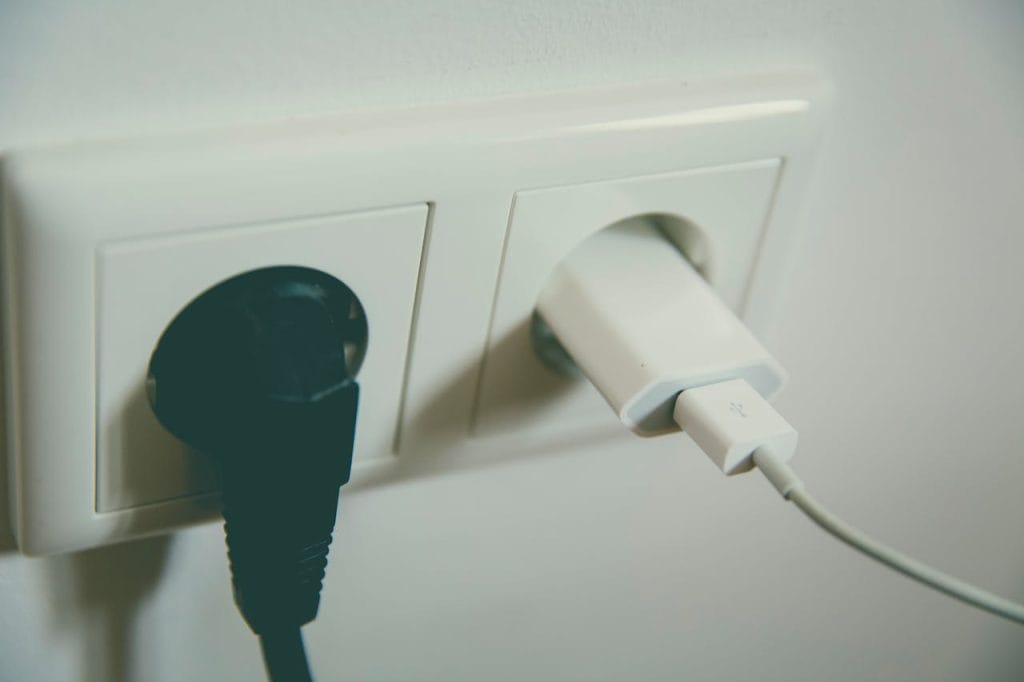
Energy Vampires at Home

Energy Vampires

123rf.com

Everyone has some energy vampires at home. Leaving electronics plugged in, running outdated appliances, or cranking up the heat or air conditioning unnecessarily can spike your utility bills. Even small habits like leaving lights on or overusing space heaters add up. Invest in energy-efficient appliances, unplug unused devices, and use smart thermostats to control costs.

Impulse Shopping and Retail Tricks

Retailers use psychological pricing, limited-time offers, and strategic store layouts to encourage impulse purchases. Ever grabbed something extra at the checkout line? Those small purchases accumulate over time. Shopping with a list, setting a budget, and avoiding emotional spending can help you cut back. Try a “48-hour rule” where you wait before making non-essential purchases.

Coffee and Snacks on the Go

A daily coffee habit or frequent vending machine trips may seem like minor indulgences, but they drain your wallet over time. A $5 coffee each weekday adds up to over $1,200 a year. Making coffee at home, bringing snacks from home, or setting a budget for treats can keep these costs in check.

Unused Gift Cards and Loyalty Points

Billions of dollars in unused gift cards and loyalty points go to waste each year. It’s easy to forget about that $25 gift card in your wallet or the airline miles that could cover a flight. Check your balance regularly and use your rewards before they expire. Selling or trading unwanted gift cards is another way to recoup value.

Late Fees and Interest Charges

Missing payment due dates results in unnecessary fees and higher interest rates on credit cards. Even a single late payment can hurt your credit score. Automate bill payments or set reminders to avoid penalties. Paying off credit card balances in full each month prevents costly interest charges.

Stop the Silent Budget Leaks

A leaky budget can feel like a mystery, but once you spot these hidden costs, you can take back control. By cutting unnecessary expenses, canceling unused subscriptions, and being mindful of everyday spending, you’ll free up more money for the things that truly matter. The key is awareness—once you recognize these financial leaks, you can start plugging them for good.

Do any of these budget leaks resonate with you? Which one has been the biggest budget buster for you? Let’s talk about it below.

Read More:

7 Signs Your Budget Is Running Your Life—and How to Take Back Control

10 Cheap Home Decor items on amazon to Transform Your Space on a Budget

Latrice Perez

Latrice is a dedicated professional with a rich background in social work, complemented by an Associate Degree in the field. Her journey has been uniquely shaped by the rewarding experience of being a stay-at-home mom to her two children, aged 13 and 5. This role has not only been a testament to her commitment to family but has also provided her with invaluable life lessons and insights.

As a mother, Latrice has embraced the opportunity to educate her children on essential life skills, with a special focus on financial literacy, the nuances of life, and the importance of inner peace.

Filed Under: budget tips Tagged With: banking fees, budgeting, financial mistakes, hidden expenses, money tips, Personal Finance, saving money, Smart Spending, subscriptions

The $5 Rule: How This One Trick Can Change Your Financial Future

February 25, 2025 by Latrice Perez Leave a Comment

5 dollar bill

Image Source: 123rf.com

Many people struggle with saving money, often feeling overwhelmed by complicated budgeting systems. But what if there was an easy, low-effort way to build wealth? Enter the $5 Rule—a simple trick that has helped countless people grow their savings without stress. It’s an effortless financial habit that anyone can adopt, and the results can be surprisingly powerful.

How the $5 Rule Works

The concept is simple: Every time you receive a $5 bill, you set it aside instead of spending it. Whether you get it as change from a purchase, withdraw cash from an ATM, or receive it as a gift, that bill goes directly into a savings jar or a separate bank account. By consistently following this rule, you’ll be amazed at how quickly the savings add up.

People who use the $5 Rule often find that they accumulate hundreds—or even thousands—of dollars in just a few months. Since $5 bills don’t seem like a lot individually, setting them aside doesn’t feel like a financial burden. Over time, these small amounts create a substantial safety net.

Why the $5 Rule Works

One reason this trick is so effective is that it plays on human psychology. Unlike traditional savings methods that require discipline and budgeting, this method feels more like a fun challenge. Instead of dreading saving money, people enjoy watching their stack of $5 bills grow.

Another advantage is that it removes the temptation to spend. Since $5 bills are earmarked for savings as soon as you receive them, you naturally start handling money more intentionally. Without even realizing it, you become more mindful of your spending habits.

Real-Life Success Stories

Many people who have adopted the $5 Rule have seen incredible results. Some have saved enough for a vacation, while others have built emergency funds without changing their lifestyle drastically.

For example, I’ve been able to save over $3,000 in a year simply by following this rule. I also used it to pay off a credit card balance that had been stressing me out. Another friend of mine saved enough to buy a new laptop without dipping into their regular paycheck.

How to Make It Even More Effective

Save Money

Image Source: 123rf.com

If you want to take the $5 Rule to the next level, consider these variations:

  • Set a specific savings goal – Whether it’s for an emergency fund, a vacation, or a down payment, having a purpose makes it more motivating.
  • Use a dedicated container or account – Keeping your $5 bills separate from your regular spending money prevents temptation.
  • Go digital – If you primarily use cards instead of cash, transfer $5 to a savings account every time you make a purchase. Many banking apps allow for automated small transfers.
  • Get others involved – Turn it into a friendly challenge with your family or friends to stay motivated.

Why This Strategy Beats Traditional Budgeting

Unlike strict budgeting plans that require tracking every penny, the $5 Rule is flexible and effortless. You don’t have to analyze every expense or create a complicated spreadsheet. Instead, it works passively in the background, growing your savings over time without much effort.

This strategy also helps people develop a healthier relationship with money. Instead of feeling deprived, you feel empowered knowing that small actions can lead to big results.

Small Steps, Big Financial Wins

The $5 Rule proves that saving money doesn’t have to be difficult. By making one small change in your daily routine, you can build a financial cushion without feeling the pinch. Whether you use this trick for a rainy day fund, debt repayment, or a fun splurge, the impact is real. Give it a try—you might be surprised at how much you can save with just $5 at a time.

What do you think about this method of saving? Is it something you’re ready to try? If so, let’s talk about it in the comments below.

Read More:

Here’s The 10 Real Reasons Why Millennials Are Saving So Little

11 Pieces of Advice Your Financial Advisor Isn’t Giving You About Retirement Savings

Latrice Perez

Latrice is a dedicated professional with a rich background in social work, complemented by an Associate Degree in the field. Her journey has been uniquely shaped by the rewarding experience of being a stay-at-home mom to her two children, aged 13 and 5. This role has not only been a testament to her commitment to family but has also provided her with invaluable life lessons and insights.

As a mother, Latrice has embraced the opportunity to educate her children on essential life skills, with a special focus on financial literacy, the nuances of life, and the importance of inner peace.

Filed Under: budget tips Tagged With: budgeting hacks, easy saving tricks, financial success, Financial Tips, frugal living, money habits, Personal Finance, saving money

“The ‘Spending Freeze’ Challenge: Could You Survive a Month Without Shopping?

February 25, 2025 by Latrice Perez Leave a Comment

Spending Freeze

Image Source: 123rf. com

Cutting out all unnecessary spending for an entire month may sound extreme, but the spending freeze challenge has helped many people reset their financial habits. By committing to spending only on essentials, participants can see where their money usually goes and break free from impulsive buying. The challenge forces you to become more intentional about your finances, helping to build better habits in the long run.

Preparing for a Spending Freeze

Before starting, it is important to set clear rules and define what qualifies as essential spending. Rent or mortgage, utilities, groceries, and necessary transportation costs should be allowed, while dining out, entertainment, and impulse purchases should be cut completely. Creating a list of must-pay expenses and identifying potential problem areas will make it easier to stick to the plan.

Finding Free Alternatives

One of the biggest obstacles during a spending freeze is finding ways to stay entertained without spending money. Instead of going to the movies or dining out, consider free activities such as hiking, visiting local museums on free-admission days, or hosting a game night at home. Using this time to explore free hobbies can help make the challenge more enjoyable while reinforcing the idea that entertainment does not have to come with a price tag.

Meal Planning to Avoid Extra Costs

Meal Planning

Image Source: 123rf.com

Food is one area where people often overspend, especially on takeout and dining out. Planning meals ahead of time and cooking at home can help cut food costs significantly. Using pantry staples, making meals in bulk, and getting creative with ingredients you already have will prevent unnecessary grocery trips and reduce food waste. A well-thought-out meal plan can make a spending freeze more manageable without sacrificing good meals.

Identifying Spending Triggers

A month-long spending freeze provides an opportunity to recognize what triggers unnecessary purchases. Some people shop out of boredom, stress, or habit rather than actual need. Tracking spending habits and noting what situations lead to impulse buying can help break these cycles. Finding alternative ways to cope, such as exercising or engaging in a productive hobby, can reduce reliance on shopping for emotional reasons.

The Lasting Benefits of a Spending Freeze

Although the challenge only lasts for a month, the lessons learned can have long-term financial benefits. Many participants become more conscious of their spending habits and find that they enjoy living with less. The money saved during the freeze can be used to pay off debt, build an emergency fund, or invest in future financial goals. By successfully completing a spending freeze, you can gain better control over your money and develop financial discipline that lasts beyond the challenge.

Do you think you could go a month without spending any money? What do you think you’d miss the most? Let us know in the comments below.

Read More:

10 ‘Bargain’ Online Shopping Sites That Could Drain Your Wallet

Money-Saving Tricks for Online Shopping

Latrice Perez

Latrice is a dedicated professional with a rich background in social work, complemented by an Associate Degree in the field. Her journey has been uniquely shaped by the rewarding experience of being a stay-at-home mom to her two children, aged 13 and 5. This role has not only been a testament to her commitment to family but has also provided her with invaluable life lessons and insights.

As a mother, Latrice has embraced the opportunity to educate her children on essential life skills, with a special focus on financial literacy, the nuances of life, and the importance of inner peace.

Filed Under: Personal Finance Tagged With: breaking spending habits, Budgeting Tips, Financial Discipline, frugal living, no spend challenge, Personal Finance, saving money, spending freeze

  • « Previous Page
  • 1
  • …
  • 15
  • 16
  • 17
  • 18
  • 19
  • Next Page »

FOLLOW US

Search this site:

Recent Posts

  • Can My Savings Account Affect My Financial Aid? by Tamila McDonald
  • 12 Ways Gen X’s Views Clash with Millennials… by Tamila McDonald
  • What Advantages and Disadvantages Are There To… by Jacob Sensiba
  • Call 911: Go To the Emergency Room Immediately If… by Stephen Kanaval
  • 10 Tactics for Building an Emergency Fund from Scratch by Vanessa Bermudez
  • 7 Weird Things You Can Sell Online by Tamila McDonald
  • 10 Scary Facts About DriveTime by Tamila McDonald

Copyright © 2026 · News Pro Theme on Genesis Framework