
• Home
  • About Us
  • Toolkit
  • Getting Finances Done
    • Hiring Advisors
    • Debt Management
    • Spending Plan
  • Insurance
    • Life Insurance
    • Health Insurance
    • Disability Insurance
    • Homeowners/Renters Insurance
  • Contact Us
  • Privacy Policy
  • Risk Tolerance Quiz

The Free Financial Advisor

You are here: Home / Archives for unnecessary spending

The “Just One More” Syndrome: Small Expenses That Are Keeping You Broke

March 3, 2025 by Latrice Perez Leave a Comment

Expenses Coffeee

Image Source: 123rf.com

We’ve all done it—grabbing a coffee on the way to work, adding an extra streaming service “just for one show,” or impulsively ordering takeout because cooking feels like too much effort. These small, seemingly harmless expenses don’t feel like much in the moment, but over time, they add up in ways that can quietly sabotage your financial health. If you’ve ever wondered why your bank balance isn’t growing, “Just One More” Syndrome might be to blame.

Your Daily Coffee Fix Might Be a Silent Budget Killer

A $5 coffee here, a $3 pastry there—it doesn’t feel like much, right? But if you’re making this a habit, the cost quickly balloons. Spending $5 a day on coffee adds up to $150 a month, or $1,800 a year. That’s enough to cover a vacation, knock out a chunk of debt, or boost your emergency fund. While the occasional treat is fine, if you’re hitting the coffee shop every morning without thinking, it may be time to reconsider how much that caffeine habit is truly costing you.

Subscription Creep: The Streaming Services Draining Your Wallet

Netflix, Hulu, Disney+, HBO Max, Spotify—individually, they all seem affordable. But when you add up multiple subscriptions, you could easily be spending over $100 a month on services you barely use. Subscription creep happens when you sign up for “just one more” service, thinking it’s only a few extra dollars, without realizing you’re paying for content you don’t even watch. If you haven’t done a streaming audit recently, now is the time to cut the excess and reclaim that money.

Eating Out and Takeout: The Hidden Drain on Your Budget

Ordering takeout or grabbing fast food feels like a convenient option when life gets busy. But let’s be real—those $15-$20 meals add up quickly. If you’re eating out multiple times a week, you could easily be spending hundreds of dollars a month without realizing it. Cooking at home not only saves money but also allows you to eat healthier. Even cutting back takeout by half could free up money for more important financial goals.

Retail Therapy That Comes Back to Haunt You

Impulse purchases can be sneaky. Whether it’s a “just-because” Amazon order, a sale you couldn’t resist, or a spontaneous shopping spree, these little indulgences can wreck your budget. The thrill of buying something new fades fast, but the dent in your bank account sticks around. If you constantly find yourself saying, “It was only $20,” take a step back and look at how much all those small purchases add up over the month. You might be surprised.

Rideshare Addiction: How Uber and Lyft Are Silently Stealing Your Cash
Ride Share

Image Source: 123rf.com

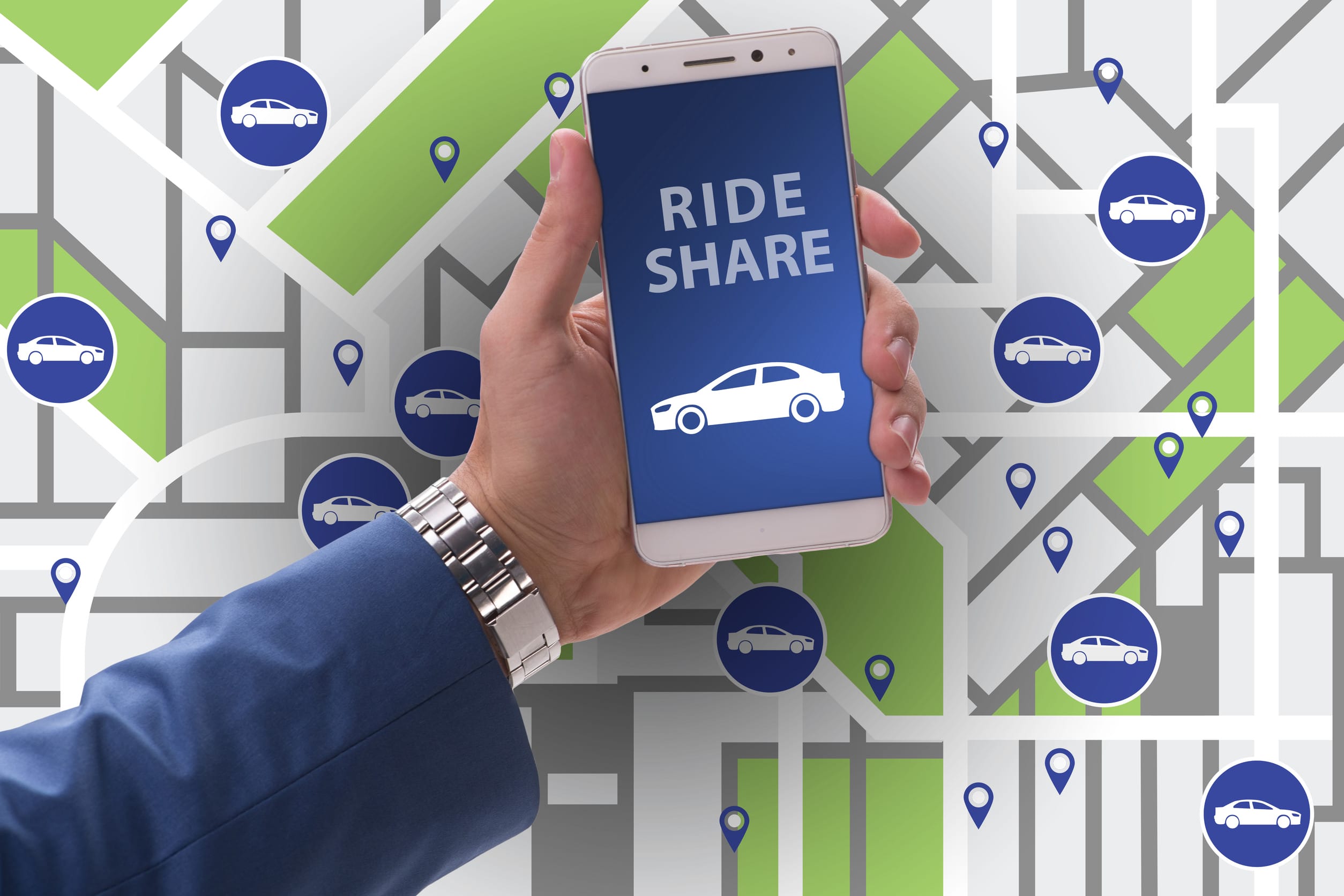
Hopping into an Uber or Lyft is convenient, but relying on rideshares too often is a financial black hole. At an average of $10-$25 per ride, frequent ridesharing can cost hundreds per month—money that could go toward savings or debt repayment. If you’re using rideshares for trips you could walk, bike, or take public transit for, it’s time to rethink whether convenience is worth the long-term cost.

Grocery Store “Extras” That Destroy Your Budget

You go to the grocery store for milk and bread, but somehow, you leave with $40 worth of snacks, drinks, and random “just-in-case” items. These little extras inflate your grocery bill without you even noticing. The solution? Make a list, stick to it, and avoid grocery shopping when you’re hungry. Your wallet will thank you.

Sneaky Bank Fees That Keep Chipping Away at Your Money

Overdraft fees, ATM charges, and monthly account fees may seem minor, but they’re costing you money unnecessarily. Some banks charge $35 for overdrafts, while ATM fees can add up to $5 per transaction. If you’re paying these sneaky fees regularly, consider switching to a no-fee bank or setting up low-balance alerts to avoid unnecessary charges.

In-App Purchases That Seem Harmless (But Aren’t)

Whether it’s a $2 upgrade on a mobile game, a new filter pack for Instagram, or premium access to an app you barely use, small digital purchases add up fast. These microtransactions don’t seem like much at first, but they can lead to big spending over time. If you’re making frequent in-app purchases, check your digital spending history—you might be shocked by how much you’ve spent.

How to Break Free from “Just One More” Syndrome

Recognizing these small spending habits is the first step toward change. Start by tracking your spending to see where your money is really going—small expenses add up quickly, and seeing them in black and white can be eye-opening. If you’re tempted to buy something unnecessary, use the 24-hour rule: wait a day before making the purchase, and if you still want it, then it’s likely a meaningful expense rather than an impulse buy.

Do you suffer from “Just One More” syndrome? What steps can you take to make the changes you need to stop unnecessary spending? Let us know in the comments below.

Read More:

The ‘Silent Killer’ of Your Budget: 10 Pointless Expenses That Are Keeping You Poor

7 Signs Your Budget Is Running Your Life—and How to Take Back Control

Latrice Perez

Latrice is a dedicated professional with a rich background in social work, complemented by an Associate Degree in the field. Her journey has been uniquely shaped by the rewarding experience of being a stay-at-home mom to her two children, aged 13 and 5. This role has not only been a testament to her commitment to family but has also provided her with invaluable life lessons and insights.

As a mother, Latrice has embraced the opportunity to educate her children on essential life skills, with a special focus on financial literacy, the nuances of life, and the importance of inner peace.

Filed Under: Budgeting Tagged With: Budgeting Tips, financial habits, Financial Wellness, impulse purchases, saving money, small expenses, unnecessary spending

10 Bad Ideas for Preventing Unnecessary Spending in Your Family

January 17, 2025 by Latrice Perez Leave a Comment

Senior man holding of dollars

Image Source: 123rf.com

Managing family finances is no small feat, and it’s easy to fall into traps that seem like good ideas but end up doing more harm than good. Preventing unnecessary spending requires thoughtful strategies, not shortcuts that can backfire. Understanding what is not a good way to prevent unnecessary spending is key to making smarter choices. Let’s explore ten bad ideas for curbing expenses that could leave your family feeling more stressed and less financially secure.

1. Cutting Out All Entertainment

Eliminating entertainment entirely might seem like an easy way to save money, but it often leads to burnout and frustration. Families need affordable ways to relax and bond, and cutting this out can create resentment. Instead of canceling everything, look for low-cost or free activities, like movie nights at home or local community events. Balance is key to keeping morale high while sticking to a budget. Depriving your family of all fun is counterproductive in the long run.

2. Ignoring Budgeting Tools

Thinking you can manage your finances without a budget is a recipe for disaster. Budgeting apps and tools help track spending and identify problem areas, ensuring you know what is not a good way to prevent unnecessary spending. Avoiding these tools often leads to overspending and financial surprises. Invest time in setting up a simple budget to see where your money is going. A little effort upfront can save significant stress later.

3. Making Everything a DIY Project

While DIY projects can save money, taking on everything yourself can be time-consuming and stressful. Some tasks, like home repairs or car maintenance, may require expertise that you don’t have. Attempting these projects without proper skills can lead to costly mistakes. Focus on DIY projects where you’re confident and leave complex tasks to professionals. Knowing when to spend on expert help is a smart financial move.

4. Skipping Regular Maintenance

Auto mechanic working in garage. Repair service.

Image Source: 123rf.com

Avoiding routine maintenance to save money is a classic false economy, and it exemplifies what is not a good way to prevent unnecessary spending. Ignoring minor repairs for your car, home, or appliances can lead to bigger, costlier problems down the road. For example, skipping oil changes might save you $50 today but cost you thousands in engine repairs later. Schedule regular check-ups and upkeep to prevent expensive surprises. A proactive approach saves money in the long term.

5. Relying on Sales Alone

Waiting for sales to buy everything might seem smart, but it can lead to impulse purchases and overspending. Sales often tempt families to buy items they don’t need simply because they’re discounted. Instead, focus on buying only what’s on your planned list, regardless of sales. Strategic shopping means sticking to your needs, not your whims. Don’t let discounts derail your financial goals; knowing what is not a good way to prevent unnecessary spending will help you stay on track.

6. Eliminating Emergency Funds

Some families think they can cut costs by skipping an emergency savings fund, but this is a dangerous idea. Life is unpredictable, and unexpected expenses like medical bills or car repairs can wreak havoc on your finances. Without a safety net, you may end up relying on high-interest credit cards or loans. Prioritize building an emergency fund, even if you can only save a small amount at a time. Financial security starts with being prepared.

7. Buying Cheap Instead of Quality

Opting for the cheapest option might save money initially, but it often leads to higher costs over time. Low-quality items may wear out or break faster, requiring frequent replacements. Investing in durable, high-quality products can save money in the long run. This applies to everything from clothing to household appliances. Make thoughtful purchases that balance cost and value.

8. Canceling Insurance Policies

Skipping insurance coverage to cut costs is a high-risk strategy. Whether it’s health, home, or car insurance, being uninsured can lead to financial disaster if something goes wrong. Instead of canceling, review your policies to ensure you’re not overpaying for unnecessary coverage. Shop around for better rates, but never leave yourself vulnerable by going uninsured. Peace of mind is worth the expense.

9. Implementing Strict No-Spending Rules

Banning all discretionary spending might sound like a great way to save, but it can backfire by creating feelings of deprivation. Family members may become frustrated and rebel against the rules, leading to bigger financial conflicts. Instead, set realistic spending limits and allocate some funds for enjoyable activities. A balanced approach is more sustainable and helps everyone stay on board.

10. Overusing Credit Cards for Rewards

Using credit cards to earn rewards can be beneficial, but overspending to chase points is a common pitfall. Families often justify unnecessary purchases because they earn cashback or travel miles. This behavior can lead to mounting debt that outweighs any rewards earned. Use credit cards responsibly and pay off balances in full each month. Remember, rewards are only worthwhile if they don’t lead to financial strain.

Avoiding Financial Pitfalls

Preventing unnecessary spending requires smart strategies and open communication within your family. Avoid these bad ideas and instead focus on practical, sustainable approaches to managing your finances. Your family can achieve greater financial security by working together, staying mindful of your goals, and understanding what is not a good way to prevent unnecessary spending.

Have you encountered any of these bad ideas in your family’s financial journey? Share your experiences in the comments below. Don’t forget to share this article with friends and family to help them avoid these common mistakes.

Read More:

  • Here Are 5 Books That Everyone Should Read to Improve Their Financial Literacy
  • 12 Financial Hacks to Beat Emotional Spending and Save Big!
Latrice Perez

Latrice is a dedicated professional with a rich background in social work, complemented by an Associate Degree in the field. Her journey has been uniquely shaped by the rewarding experience of being a stay-at-home mom to her two children, aged 13 and 5. This role has not only been a testament to her commitment to family but has also provided her with invaluable life lessons and insights.

As a mother, Latrice has embraced the opportunity to educate her children on essential life skills, with a special focus on financial literacy, the nuances of life, and the importance of inner peace.

Filed Under: budget tips Tagged With: bad financial habits, Budgeting Tips, family finances, Planning, saving money, unnecessary spending

FOLLOW US

Search this site:

Recent Posts

  • Can My Savings Account Affect My Financial Aid? by Tamila McDonald
  • 12 Ways Gen X’s Views Clash with Millennials… by Tamila McDonald
  • What Advantages and Disadvantages Are There To… by Jacob Sensiba
  • Call 911: Go To the Emergency Room Immediately If… by Stephen Kanaval
  • 10 Tactics for Building an Emergency Fund from Scratch by Vanessa Bermudez
  • 7 Weird Things You Can Sell Online by Tamila McDonald
  • 10 Scary Facts About DriveTime by Tamila McDonald

Copyright © 2026 · News Pro Theme on Genesis Framework