• Home
  • About Us
  • Toolkit
  • Getting Finances Done
    • Hiring Advisors
    • Debt Management
    • Spending Plan
  • Insurance
    • Life Insurance
    • Health Insurance
    • Disability Insurance
    • Homeowners/Renters Insurance
  • Contact Us
  • Privacy Policy
  • Risk Tolerance Quiz

The Free Financial Advisor

You are here: Home / Archives for identity theft

That Public QR Code You Scanned Could Be Giving Criminals Access to Your Phone

October 16, 2025 by Catherine Reed Leave a Comment

That Public QR Code You Scanned Could Be Giving Criminals Access to Your Phone

Image source: shutterstock.com

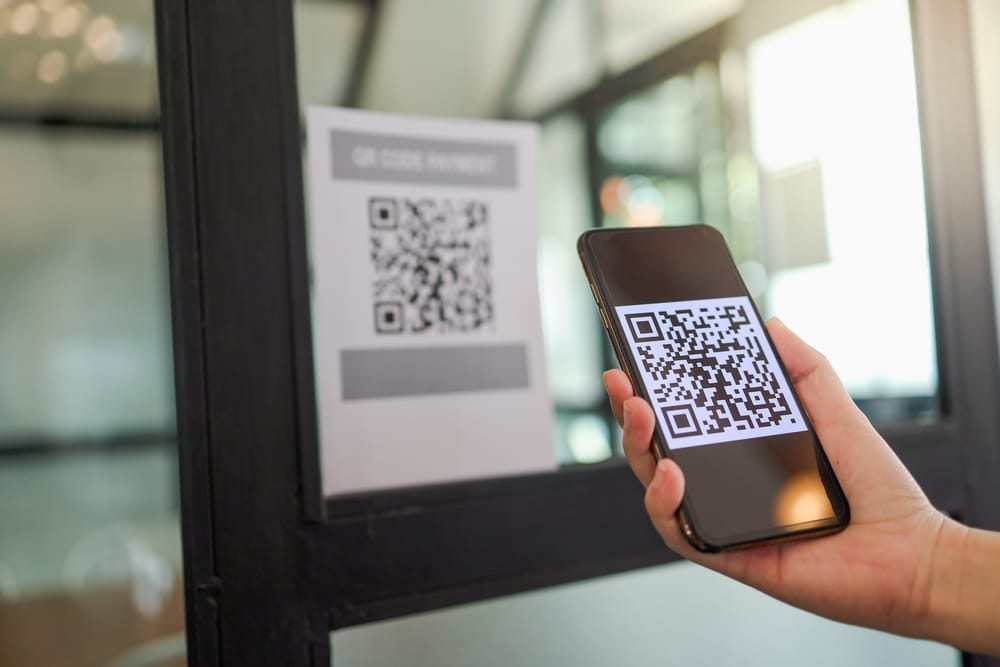
QR codes have become part of everyday life, from restaurant menus to parking meters and concert tickets. But while these black-and-white squares make life more convenient, they also open the door to serious security risks. A growing number of scams are now using a public QR code to trick people into giving away sensitive data or granting hackers direct access to their phones. What looks like a harmless scan could lead to stolen passwords, financial theft, or malware installation. Here’s how criminals exploit this new tactic and what you can do to protect yourself.

1. The Rise of QR Code Scams

Scammers have discovered that using a public QR code is one of the easiest ways to lure victims because it requires minimal effort and looks completely legitimate. You might find these codes posted on flyers, stickers, or parking meters, appearing as part of official signage. Once scanned, they can redirect users to fake websites designed to capture credit card details or install tracking software. The problem is that people rarely question QR codes—they trust that anything in a public space must be safe. This blind trust is exactly what cybercriminals rely on to spread their schemes quickly.

2. How QR Codes Can Hijack Your Phone

When you scan a public QR code, your phone’s camera reads a string of data that usually directs you to a URL or downloads a file. Malicious codes can reroute that process to install harmful software or open fake login pages that capture your credentials. Some even exploit vulnerabilities in your operating system to gain control of permissions, allowing access to contacts, photos, and stored passwords. Once inside, hackers can monitor your activity or use your device to target others. What makes this particularly dangerous is that everything happens silently in the background, often without the user noticing.

3. Real-World Examples of QR Code Exploitation

Law enforcement agencies have reported a surge in cases involving fraudulent QR codes placed in public areas. One common example is parking meter scams, where thieves cover legitimate payment stickers with counterfeit ones that redirect to fake payment portals. In another case, QR codes posted at ATMs or gas stations led victims to phishing pages designed to steal banking credentials. Even restaurant menus have been targeted, with criminals swapping out QR codes on tables for lookalike versions that prompt customers to enter personal details. Each of these incidents shows how easy it is to weaponize a simple piece of printed code.

4. Why Public QR Codes Are So Risky

The danger of scanning a public QR code lies in its invisibility—there’s no way to tell by looking whether it’s legitimate or malicious. Scammers can replace real codes with fake ones in seconds using stickers or printed overlays. Because the code looks official, people assume it’s safe and don’t verify where it leads before scanning. Unlike phishing emails or spam texts, QR scams bypass skepticism by disguising themselves as trusted public tools. The result is a perfect storm of accessibility, anonymity, and misplaced trust that makes these scams so effective.

5. Simple Ways to Stay Safe Before You Scan

You don’t have to give up using QR codes altogether—just approach them with the same caution you’d use when opening links from strangers. Always inspect the area around a public QR code to see if it looks tampered with or newly placed. Before scanning, make sure the code belongs to a legitimate business, and verify it through their official website or posted contact number. Use your phone’s built-in security features to preview URLs before opening them and avoid scanning codes from social media posts or random flyers. Installing antivirus or mobile security software can also help detect suspicious links.

6. How to Check If You’ve Been Compromised

If you recently scanned a questionable public QR code, there are steps you can take to protect yourself immediately. Start by checking your recent browser history for any strange websites or downloads. Run a malware or antivirus scan on your device to identify hidden threats. You should also change any passwords entered after scanning the code and enable two-factor authentication on your accounts. If you notice unfamiliar charges or login attempts, contact your bank or mobile provider right away. Acting quickly can minimize the damage and prevent future attacks.

Taking Back Control of Your Digital Safety

While technology constantly evolves, so do the tricks criminals use to exploit it. Understanding the risks behind a seemingly harmless public QR code is the first step toward safer digital habits. Treat every code you encounter like a potential doorway—because that’s exactly what it is, either to convenience or to crime. By verifying sources and practicing caution, you can enjoy the benefits of modern tech without sacrificing your privacy or security. Remember, one second of skepticism could save you hours of cleanup later.

Have you ever come across a suspicious public QR code or nearly fallen for a tech scam? Share your story and tips for staying safe in the comments below!

What to Read Next…

6 Situations Where Cash Is Safer Than Digital Payments

10 Digital Password Errors That Prevent Heirs From Accessing Funds

Are You Paying for Digital Tools You Don’t Use Anymore?

The Silent Rise of “Digital Squatters” Taking Over Abandoned Domains

What Are the Hidden Dangers of Digital-Only Banking?

Catherine Reed
Catherine Reed

Catherine is a tech-savvy writer who has focused on the personal finance space for more than eight years. She has a Bachelor’s in Information Technology and enjoys showcasing how tech can simplify everyday personal finance tasks like budgeting, spending tracking, and planning for the future. Additionally, she’s explored the ins and outs of the world of side hustles and loves to share what she’s learned along the way. When she’s not working, you can find her relaxing at home in the Pacific Northwest with her two cats or enjoying a cup of coffee at her neighborhood cafe.

Filed Under: safety Tagged With: cybersecurity, digital privacy, identity theft, Online Safety, phone security, QR code scams, tech awareness

The AI Voice Scam That Tricks You Into Thinking a Loved One Is in Jail

October 16, 2025 by Travis Campbell Leave a Comment

AI voice

Image source: shutterstock.com

Imagine getting a frantic phone call late at night. The voice on the line sounds exactly like your child, spouse, or parent. They’re scared. They say they’re in jail and need money for bail. You feel your heart race. This is the reality of the new AI voice scam—a sophisticated scheme that uses artificial intelligence to mimic the voices of people you know and trust.

This scam is spreading fast, and it’s targeting everyday families. Scammers are using advanced technology to create convincing fake calls. If you’re not prepared, you could lose thousands of dollars in minutes. Understanding how the AI voice scam works is critical to protecting your loved ones and your finances.

Let’s break down how this scam operates, what to watch for, and how you can stay one step ahead.

1. How the AI Voice Scam Works

The AI voice scam uses artificial intelligence to clone someone’s voice. Scammers only need a few seconds of audio from social media or a voicemail to create a convincing replica. With the right software, they can generate a call that sounds nearly identical to your loved one. The scammer then scripts a believable emergency—often claiming the person is in jail and needs bail money fast.

These calls feel urgent and real. The scammer may even use personal details pulled from public profiles to add credibility. The goal is to keep you panicked so you won’t stop to question the situation.

2. Why the Scam Is So Convincing

Traditional scams often fail because the caller’s voice or story doesn’t add up. With the AI voice scam, everything sounds authentic. The technology behind these scams has improved rapidly, making it almost impossible to tell the difference between a real and a fake call—especially in a stressful moment.

Scammers rely on emotion. When you hear what sounds like your loved one’s voice begging for help, your instincts kick in. You want to act fast. That’s exactly what the scammer wants. They pressure you to send money before you have time to think.

3. The Tactics Scammers Use

Scammers using the AI voice scam often create a sense of urgency. They might say your family member has been arrested and only you can help by sending money right away. Payment methods usually include wire transfers, prepaid gift cards, or cryptocurrency—methods that are hard to trace and nearly impossible to recover.

They may also try to keep you on the phone to prevent you from contacting the real person. Some scammers even have accomplices pose as police officers to make the story sound more official.

4. Red Flags to Watch For

There are warning signs that can help you spot the AI voice scam. If you get a call claiming a loved one is in jail and you’re asked to send money immediately, pause. Check for inconsistencies in the story or background noise that seems off. If the caller insists you keep the call secret or won’t let you hang up, that’s a major red flag.

Legitimate authorities will never demand payment over the phone or ask for gift cards. If you’re unsure, hang up and try to contact your loved one directly using a trusted number. You can also call their friends or another family member to confirm their whereabouts.

5. How to Protect Yourself and Your Family

Preparation is the best defense against the AI voice scam. Talk with your family about this type of fraud. Set up a family password or code word that only you would know. If you get a suspicious call, ask the caller to say the code word. If they can’t, you know it’s a scam.

Be careful about sharing audio or video of yourself and your loved ones on public platforms. The less material scammers can access, the harder it is for them to clone your voice. Keep your social media privacy settings up to date and remind family members to do the same.

If you receive a call that feels suspicious, don’t rush. Take a deep breath, hang up, and verify the information independently. Report any scams to authorities and share your experience with others so they know what to watch for.

What to Do If You’ve Been Targeted

If you think the AI voice scam has targeted you, act quickly. Contact your bank if you’ve sent money. Report the scam to local law enforcement. Sharing details can help prevent others from falling victim. You may also want to warn your network—friends, family, and coworkers—so they can be on alert. The technology behind the AI voice scam is always evolving, which means staying informed is your best defense. Staying ahead of scammers requires vigilance and a willingness to talk about these risks openly.

Have you or someone you know experienced the AI voice scam or a similar fraud attempt? Share your story in the comments below—your experience could help others stay safe.

What to Read Next…

  • 8 Grandparent Rescue Scams That Use Voice Cloning to Trick You
  • 8 Everyday Scams Seniors Are Falling For Right Now
  • What Scams Are Targeting Retirees While You Still Trust Your Phone
  • 8 Email Formats That Signal a Financial Scam in Disguise
  • How Low Financial Knowledge Can Make Seniors 2.5x More Scam Prone
Travis Campbell
Travis Campbell

Travis Campbell is a digital marketer/developer with over 10 years of experience and a writer for over 6 years. He holds a degree in E-commerce and likes to share life advice he’s learned over the years. Travis loves spending time on the golf course or at the gym when he’s not working.

Filed Under: Crime Tagged With: AI scams, family security, financial safety, fraud prevention, identity theft, voice cloning

9 Things In Your Wallet You Need To Remove Today

October 9, 2025 by Travis Campbell Leave a Comment

wallet

Image source: shutterstock.com

Most of us carry more than we need in our wallets. Over time, receipts, cards, and even sensitive documents pile up, turning something simple into a cluttered mess. But beyond the annoyance, there’s a bigger risk: carrying unnecessary items can jeopardize your financial security. If your wallet is lost or stolen, the more you have inside, the more you stand to lose. That’s why knowing what things to remove from your wallet is essential for protecting your money and identity. Let’s look at nine items you should clear out today for a safer, lighter wallet.

1. Social Security Card

Your Social Security card is one of the most sensitive pieces of identification you own. If it falls into the wrong hands, it can be used to steal your identity or open accounts in your name. There’s rarely a situation where you’ll need this card during your daily routine. Instead, keep it locked away at home in a secure place. Removing it is one of the smartest things to do to prevent identity theft from your wallet.

2. Excess Credit Cards

Carrying every credit card you own is unnecessary and risky. If your wallet is stolen, thieves have more opportunities to rack up charges. Stick to one or two cards that you use most often. Leave the rest at home in a safe spot. This not only reduces your risk but also makes it easier to report losses and limit fraud if your wallet goes missing.

3. Blank Checks

Blank checks are tempting targets for thieves. If someone obtains a blank check, they have access to your bank account information and your signature. You rarely need to write a check on the go these days. Remove them from your wallet and store them securely at home.

4. Spare Keys

It might seem convenient to keep a spare house or car key in your wallet, but it’s risky. If your wallet is lost or stolen along with your ID, a thief now knows where you live and has a way in. Instead, leave spare keys with a trusted friend or family member or use a secure lockbox.

5. Password Lists

Some people jot down passwords and tuck them into their wallets for easy access. But if your wallet is compromised, so are all your accounts. Instead, use a password manager or a secure digital method to store this information. Removing written passwords is one of those things to remove from your wallet that instantly boosts your security.

6. Old Receipts

Receipts seem harmless, but they can contain partial credit card numbers and other personal information. Plus, they add unnecessary bulk. Go through your wallet and toss out receipts you no longer need for returns or record-keeping. Shred them if possible, especially if they have sensitive info.

7. Gift Cards You Don’t Plan to Use Soon

It’s easy to forget about gift cards in your wallet until they’re lost or expire. If you don’t plan on using a gift card soon, leave it at home. This way, you avoid losing their value if your wallet disappears, and you keep your wallet slimmer.

8. Outdated Insurance Cards

Many people hang onto old health, dental, or auto insurance cards just in case. But carrying expired cards is unnecessary and can cause confusion. Keep only your current insurance cards in your wallet, and shred the rest. This helps prevent mix-ups and keeps your wallet organized.

9. Unnecessary Membership or Loyalty Cards

From grocery stores to gyms, membership cards can quickly fill up your wallet. If you don’t use a card regularly, consider storing it at home or using a digital version if available. Many stores now accept phone numbers or apps instead of physical cards. Prioritizing what you really need is key when deciding which things to remove from your wallet.

Protecting Your Wallet, Protecting Yourself

Clearing out unnecessary items is about more than convenience. It’s about reducing your risk and simplifying your life. By focusing on things to remove from your wallet, you make it easier to spot what’s missing if your wallet is lost and limit the fallout from theft.

What’s the most surprising thing you found in your wallet? What else would you add to this list? Share your thoughts in the comments!

What to Read Next…

  • 5 Things That Instantly Decrease Your Credit Score By 50 Points
  • 7 Credit Card Features Disappearing Without Any Notice
  • 6 Online Freebies That End In Identity Theft
  • 8 Things You’re Doing That Make Criminals Think You’re An Easy Target
  • Can Your Grocery Store Loyalty Card Be Used To Track You?
Travis Campbell
Travis Campbell

Travis Campbell is a digital marketer/developer with over 10 years of experience and a writer for over 6 years. He holds a degree in E-commerce and likes to share life advice he’s learned over the years. Travis loves spending time on the golf course or at the gym when he’s not working.

Filed Under: Smart Spending Tagged With: financial safety, identity theft, organization, Personal Finance, wallet security

Could A Credit Freeze Save You From Financial Ruin

September 24, 2025 by Catherine Reed Leave a Comment

Could A Credit Freeze Save You From Financial Ruin

Image source: 123rf.com

In a world where data breaches and identity theft are increasingly common, protecting your financial health has never been more important. Criminals who gain access to your personal information can open fraudulent accounts, rack up debt in your name, and damage your credit score for years. While monitoring services and fraud alerts can help, they often only notify you after damage has been done. That’s why many people are turning to a stronger safeguard: a credit freeze. The question is, could a credit freeze save you from financial ruin? Let’s break down what it is and how it can make a difference.

1. What a Credit Freeze Actually Does

A credit freeze restricts access to your credit report, making it nearly impossible for identity thieves to open new accounts in your name. Lenders rely on pulling your credit report before approving credit cards, loans, or other accounts. When the report is locked, those applications are automatically denied. This means even if criminals have your Social Security number, they can’t use it to borrow money. A credit freeze gives you direct control over who can and cannot access your credit information.

2. Why It’s Free and Accessible to Everyone

In the past, some people avoided credit freezes because they came with small fees and complicated processes. Today, federal law requires that credit freezes are free through all three major credit bureaus: Equifax, Experian, and TransUnion. This makes the option accessible to anyone concerned about identity theft. The process is as simple as contacting each bureau online or by phone and requesting the freeze. With no financial barrier, a credit freeze has become one of the most practical tools for protecting your credit.

3. How It Differs from a Fraud Alert

A fraud alert is another form of protection, but it works differently than a credit freeze. Fraud alerts simply tell lenders to take extra steps to verify your identity before approving new accounts. They don’t block access to your report the way a freeze does. That means fraud alerts are less restrictive and can still leave you vulnerable. By contrast, a credit freeze is far stronger because it shuts down the possibility of new credit being issued without your approval.

4. The Downsides You Should Consider

While a credit freeze is powerful, it isn’t perfect. The biggest drawback is that you’ll need to temporarily lift the freeze whenever you apply for new credit, whether that’s a loan, a mortgage, or even a cell phone plan. This can take some planning, especially if you’re working with multiple lenders. Another limitation is that a credit freeze won’t stop fraud on existing accounts, so thieves can still misuse your credit cards or bank accounts if they gain access. Understanding these downsides ensures you use a credit freeze effectively without unnecessary frustration.

5. Who Needs a Credit Freeze the Most

Not everyone may feel the need to put a freeze in place, but certain groups benefit more than others. Victims of identity theft or data breaches should consider it essential. Seniors, who are often targeted by scams, can also gain peace of mind with this protection. Even children can benefit from a credit freeze, since criminals sometimes exploit their clean credit histories. Anyone who isn’t planning to open new lines of credit soon can easily add this layer of defense without much inconvenience.

6. How to Temporarily Lift a Freeze

Life doesn’t stop just because your credit is frozen, so you’ll likely need to lift it at some point. Thankfully, the process is straightforward and can often be done online within minutes. You can either lift the freeze for a specific creditor or for a set period of time. This flexibility means you remain in control while still being able to apply for new accounts when needed. Learning how to use this feature ensures that a credit freeze works with your life instead of against it.

7. Why It’s Not a Complete Solution

A credit freeze is a strong layer of defense, but it’s not the only one you should rely on. Monitoring your existing accounts regularly is still necessary to catch suspicious charges quickly. Strong passwords, two-factor authentication, and careful handling of personal information are also vital. A freeze won’t protect you if someone steals your debit card or hacks into your online banking. Think of it as one tool in a larger toolkit for financial security.

A Smart Move for Long-Term Protection

So, could a credit freeze save you from financial ruin? For many people, the answer is yes, at least when it comes to blocking new fraudulent accounts. While it doesn’t solve every risk, it drastically reduces the chances of thieves wreaking havoc on your credit. Combined with regular account monitoring and good security habits, a credit freeze can provide peace of mind in an uncertain financial landscape. By taking action now, you set yourself up for stronger protection in the future.

Have you ever considered using a credit freeze to protect yourself, or have you already tried it? Share your experiences in the comments below.

What to Read Next…

Could Owning Too Many Credit Cards Destroy Your Score

5 Silent Costs of Ignoring Credit Monitoring

9 Hidden Costs of Switching Banks Nobody Warns You About

5 Sneaky Financial Costs of Cosigning a Loan

Why Do People Get Trapped by “Buy Now Pay Later” Schemes

Catherine Reed
Catherine Reed

Catherine is a tech-savvy writer who has focused on the personal finance space for more than eight years. She has a Bachelor’s in Information Technology and enjoys showcasing how tech can simplify everyday personal finance tasks like budgeting, spending tracking, and planning for the future. Additionally, she’s explored the ins and outs of the world of side hustles and loves to share what she’s learned along the way. When she’s not working, you can find her relaxing at home in the Pacific Northwest with her two cats or enjoying a cup of coffee at her neighborhood cafe.

Filed Under: credit score Tagged With: credit bureaus, credit freeze, credit protection, Financial Security, identity theft, Personal Finance

What Happens When You Ignore Your Credit Report for Years

September 21, 2025 by Catherine Reed Leave a Comment

What Happens When You Ignore Your Credit Report for Years

Image source: 123rf.com

Your credit report is one of the most important financial tools you have, yet many people go years without checking it. Out of sight, out of mind might seem harmless, but the reality is that failing to monitor your credit can quietly damage your financial future. Errors, fraud, and unnoticed debts can pile up behind the scenes, leaving you with higher interest rates, loan denials, or even missed opportunities for jobs and housing. When you ignore your credit report, the consequences don’t just disappear—they grow worse with time. Here are some of the risks that come with years of neglect.

1. Errors Go Unnoticed and Unchallenged

One of the biggest problems when you ignore your credit report is allowing mistakes to sit unchecked. Credit bureaus are not perfect, and it’s common for incorrect information to slip through. It could be as simple as a misspelled name or as serious as someone else’s debt showing up on your file. If you don’t catch these errors quickly, they may lower your credit score and affect your ability to borrow. Regular reviews give you the chance to dispute inaccuracies before they harm you financially.

2. Identity Theft Can Run Wild

Fraudulent activity is another major risk when you ignore your credit report for years. Identity thieves thrive when no one is watching, opening accounts in your name or racking up charges you never authorized. If you don’t check your report, you won’t notice new credit cards, loans, or accounts until debt collectors come calling. By then, repairing the damage can be time-consuming and expensive. Monitoring your credit is one of the easiest ways to catch fraud early and protect yourself.

3. Missed Payments Linger for Years

If you’ve ever forgotten to pay a bill or loan, it can stay on your credit history for up to seven years. When you ignore your credit report, you might not realize these negative marks are dragging down your score. Even a single missed payment can lower your score significantly, affecting your ability to get affordable loans. Without reviewing your report, you have no way of knowing what lenders see when they pull your file. Staying on top of your history helps you address problems before they haunt you for years.

4. Your Score Suffers Without You Knowing

Credit scores are built from the information in your report, and ignoring it means ignoring your financial health. You may think everything is fine, only to discover later that your score has plummeted. Low scores lead to higher interest rates on mortgages, auto loans, and credit cards. In some cases, you may even be denied access to credit altogether. When you ignore your credit report, you’re essentially flying blind with your financial future.

5. Opportunities for Better Rates Slip Away

Regularly checking your credit report isn’t just about preventing harm—it’s also about finding opportunities. When you ignore your credit report, you miss chances to refinance at lower rates or qualify for premium credit cards. Lenders reward good credit histories, but you won’t know where you stand if you never look. Even small improvements in your score could save you thousands over the life of a loan. Staying engaged with your report means you’re ready to seize opportunities when they appear.

6. Stress Hits Harder When Problems Finally Surface

Years of neglect often lead to a shocking reality check when you finally review your report. By then, multiple issues may have compounded, creating a mountain of financial stress. Instead of addressing small problems along the way, you’re left with big challenges all at once. This can make repairing your credit feel overwhelming and discouraging. Consistent monitoring helps you stay in control rather than facing a crisis down the line.

Why Staying Alert Matters More Than Ever

It may be tempting to ignore your credit report, but the risks far outweigh the convenience of not looking. Errors, fraud, missed payments, and lost opportunities all pile up silently when you aren’t paying attention. The good news is that checking your credit report is free and easier than ever, with resources available online from all three major credit bureaus. Staying informed puts you in the driver’s seat, protecting your finances and opening doors to better financial options. Don’t let years of neglect cost you more than you realize.

How often do you check your credit report, and have you ever caught a surprise on it? Share your experience in the comments below.

What to Read Next…

  • 5 Silent Costs of Ignoring Credit Monitoring
  • Could Owning Too Many Credit Cards Destroy Your Score
  • 5 Cosigning Mistakes That Could Wreck Your Credit for Years
  • 9 Hidden Costs of Switching Banks Nobody Warns You About
  • Why Do People Get Trapped by “Buy Now Pay Later” Schemes
Catherine Reed
Catherine Reed

Catherine is a tech-savvy writer who has focused on the personal finance space for more than eight years. She has a Bachelor’s in Information Technology and enjoys showcasing how tech can simplify everyday personal finance tasks like budgeting, spending tracking, and planning for the future. Additionally, she’s explored the ins and outs of the world of side hustles and loves to share what she’s learned along the way. When she’s not working, you can find her relaxing at home in the Pacific Northwest with her two cats or enjoying a cup of coffee at her neighborhood cafe.

Filed Under: credit score Tagged With: credit monitoring, credit score, Debt Management, Financial Health, identity theft, ignore your credit report, Personal Finance

5 Silent Costs of Ignoring Credit Monitoring

September 18, 2025 by Catherine Reed Leave a Comment

5 Silent Costs of Ignoring Credit Monitoring

Image source: 123rf.com

Most people don’t think about their credit until they’re ready to buy a car, apply for a mortgage, or open a new credit card. But waiting until those moments can backfire if your credit history has hidden problems. Ignoring credit monitoring doesn’t just mean missing out on a nice score boost—it can lead to financial losses, higher borrowing costs, and even fraud going undetected. The silent costs of neglecting your credit add up quickly, making it crucial to stay proactive about your financial health.

1. Higher Interest Rates on Loans

One of the biggest silent costs of ignoring credit monitoring is paying more interest on loans. Lenders use credit scores to determine risk, and a lower score often means a higher rate. Even a small difference in interest can cost thousands over the life of a loan. For example, a mortgage with just a 1% higher rate could add tens of thousands in extra payments. Monitoring your credit helps you spot issues early so you can fix them before applying for major loans.

2. Missed Signs of Identity Theft

Another hidden danger of ignoring credit monitoring is missing early signs of identity theft. Criminals often open accounts in victims’ names or make unauthorized charges that go unnoticed until bills pile up. By the time you realize what happened, the damage can be extensive and difficult to reverse. Credit monitoring alerts you to suspicious activity quickly, giving you a chance to act before the problem worsens. Without it, the financial and emotional costs of fraud can be overwhelming.

3. Lost Opportunities for Better Credit Offers

Ignoring credit monitoring can also mean missing out on valuable offers. People with strong scores often qualify for rewards cards, zero-interest financing, or lower insurance premiums. If you don’t track your credit, you may never know you’re eligible for these opportunities. On the flip side, errors on your report could hold you back without you realizing it. Regular monitoring ensures your financial profile is accurate and helps you maximize benefits.

4. Damage to Employment Prospects

Some employers check credit reports as part of the hiring process, especially for jobs involving money or sensitive information. If you’ve been ignoring credit monitoring, errors or negative marks could hurt your chances of getting hired. Even if you’re qualified, a poor credit report may raise red flags about reliability or responsibility. This silent cost goes beyond money—it can affect your career and long-term earning potential. Keeping an eye on your credit helps prevent surprises during job searches.

5. Greater Stress from Financial Uncertainty

One of the less obvious but very real costs of ignoring credit monitoring is the stress it creates. Not knowing the state of your credit can make financial decisions more nerve-wracking. You may second-guess loan applications, worry about hidden problems, or feel unprepared for emergencies. This uncertainty takes a toll on mental health and makes it harder to plan confidently for the future. Monitoring your credit regularly provides peace of mind and reduces unnecessary anxiety.

Protecting Your Finances with Awareness

Ignoring credit monitoring doesn’t just risk your score—it risks your financial future. From higher interest rates to missed fraud alerts, the silent costs can affect everything from your bank account to your career opportunities. By paying attention and addressing issues early, you gain control over your financial life instead of letting hidden problems pile up. Credit monitoring isn’t just a tool—it’s a shield against costly mistakes and missed opportunities.

Have you ever discovered a costly mistake on your credit report that could have been avoided with credit monitoring? Share your experience in the comments below.

What to Read Next…

Could Owning Too Many Credit Cards Destroy Your Score

5 Cosigning Mistakes That Could Wreck Your Credit for Years

Why Do Some People Refuse to Use Credit Cards but Still Pay More

9 Hidden Costs of Switching Banks Nobody Warns You About

5 Financial Dangers That Hide in Credit Union Accounts

Catherine Reed
Catherine Reed

Catherine is a tech-savvy writer who has focused on the personal finance space for more than eight years. She has a Bachelor’s in Information Technology and enjoys showcasing how tech can simplify everyday personal finance tasks like budgeting, spending tracking, and planning for the future. Additionally, she’s explored the ins and outs of the world of side hustles and loves to share what she’s learned along the way. When she’s not working, you can find her relaxing at home in the Pacific Northwest with her two cats or enjoying a cup of coffee at her neighborhood cafe.

Filed Under: credit score Tagged With: borrowing costs, credit monitoring, credit reports, credit score, identity theft, loan interest, Personal Finance, Planning

Could Ignoring Credit Reports Be the Most Costly Mistake

September 7, 2025 by Catherine Reed Leave a Comment

7 Times Living Paycheck to Paycheck Comes With Hidden Costs

Image source: 123rf.com

Your credit report is more than just a piece of financial paperwork—it’s a detailed reflection of your borrowing history, repayment habits, and overall financial trustworthiness. Yet many people don’t check theirs regularly, assuming everything is fine as long as bills get paid. Could ignoring credit reports be the most costly mistake? The answer is yes, because overlooking them can lead to missed errors, higher interest rates, and even lost opportunities. Staying on top of your credit is one of the simplest yet most powerful tools for protecting your financial future.

1. Hidden Errors Can Drain Your Wallet

One of the main reasons ignoring credit reports is so costly is that errors are surprisingly common. A simple mistake, like an account wrongly marked delinquent or a balance listed higher than it really is, can drag your score down. When this happens, you may face higher loan costs or even rejection from lenders. Many people pay thousands more in interest over time simply because of incorrect information. Regularly reviewing your report allows you to catch and dispute errors before they harm your finances.

2. Missed Signs of Identity Theft

Another risk of ignoring credit reports is overlooking fraudulent activity. Identity thieves often open accounts or take out loans under someone else’s name, and victims only find out when collection agencies call. A quick review of your report can reveal unfamiliar accounts or sudden spikes in debt. The earlier you catch suspicious activity, the easier it is to stop the damage. Waiting too long can leave you with months or even years of financial repair.

3. Higher Borrowing Costs Without Realizing It

Could ignoring credit reports be the most costly mistake when it comes to borrowing? Absolutely, because lenders use your report to set interest rates. A small dip in your credit score could mean paying thousands more on a mortgage, car loan, or credit card over time. Without checking, you might not even realize why your costs are higher than expected. Staying aware of your credit profile helps you take steps to keep borrowing as affordably as possible.

4. Lost Opportunities Beyond Loans

Credit reports affect more than just borrowing. Employers, landlords, and insurance companies sometimes review them as part of their decision-making process. Ignoring credit reports could cost you a dream job, a new apartment, or lower insurance premiums. Even with a good financial history, an unnoticed error could lead to unnecessary rejection. Keeping your credit profile accurate and healthy opens more doors in both personal and professional life.

5. Difficulty Planning for the Future

When people ask, “Could ignoring credit reports be the most costly mistake?” one overlooked angle is its impact on long-term planning. Without knowing where you stand, it’s difficult to set realistic financial goals or strategies. For example, planning to buy a home or start a business requires strong credit, and fixing issues often takes months or years. By ignoring credit reports, you may delay important milestones or end up paying far more along the way. Awareness gives you control and confidence in your planning.

6. Missing Out on Building Better Credit

Reviewing your credit report isn’t just about spotting problems—it’s also about identifying opportunities. If you see areas where your credit use could improve, you can make changes that strengthen your profile. Ignoring credit reports robs you of this chance to build better habits and raise your score. Higher scores can unlock better loan terms, higher credit limits, and valuable financial perks. Being proactive today can save thousands of dollars tomorrow.

Knowledge Is Your Best Defense Against Costly Mistakes

So, could ignoring credit reports be the most costly mistake? Without a doubt, because the consequences reach far beyond a simple number. Errors, fraud, higher costs, and lost opportunities all stem from neglecting this critical financial tool. By making a habit of checking your report regularly, you protect yourself and take control of your financial path. In the end, awareness and action are the best ways to avoid the hidden price of neglect.

How often do you check your credit report, and has it ever saved you from a costly mistake? Share your experience in the comments below!

What to Read Next…

  • 10 Financial Risks That Come From Ignoring Small Debts
  • Why Do So Many People Believe Credit Cards Are Safer Than They Really Are
  • Why Do Some Believe Debt Is Freedom Instead of a Burden
  • 5 Financial Moves That Sound Smart but Hurt Over Time
  • 7 Times Living Paycheck to Paycheck Comes With Hidden Costs
Catherine Reed
Catherine Reed

Catherine is a tech-savvy writer who has focused on the personal finance space for more than eight years. She has a Bachelor’s in Information Technology and enjoys showcasing how tech can simplify everyday personal finance tasks like budgeting, spending tracking, and planning for the future. Additionally, she’s explored the ins and outs of the world of side hustles and loves to share what she’s learned along the way. When she’s not working, you can find her relaxing at home in the Pacific Northwest with her two cats or enjoying a cup of coffee at her neighborhood cafe.

Filed Under: credit score Tagged With: credit reports, credit score, financial mistakes, identity theft, loan costs, personal finance tips, Planning

10 Surprise Transfers in Your Account You Didn’t Authorize

August 25, 2025 by Travis Campbell Leave a Comment

money

Image source: pexels.com

Few things are more unsettling than logging into your bank account and spotting a transaction you don’t recognize. Surprise transfers in your account can throw off your budget, cause overdrafts, and even signal identity theft. These unauthorized movements of money can happen for many reasons—some innocent, some not. Understanding the possible causes helps you respond quickly and protect your finances. Let’s look at ten common types of surprise transfers in your account you didn’t authorize, and what you can do if you spot one.

1. Subscription Renewals You Forgot About

It’s easy to sign up for a free trial and forget to cancel before the renewal date. Many streaming services, apps, or online memberships automatically renew and charge your account. If you don’t track your subscriptions, these charges can take you by surprise. Check your bank statements regularly and use a subscription-tracking app to avoid unwanted renewals.

2. Double Charges from Merchants

Sometimes a merchant’s payment system glitches and charges you twice for the same purchase. These duplicate transactions are a common source of surprise transfers in your account. Always review receipts and online statements after shopping, especially for larger purchases. If you spot a duplicate charge, contact the merchant and your bank to resolve it quickly.

3. Fraudulent Transfers by Hackers

One of the most worrying causes of surprise transfers in your account is fraud. Cybercriminals can gain access to your bank details and move money without your permission. They might use phishing emails, malware, or data breaches to get your information. If you see a suspicious transfer—especially for an odd amount or to an unfamiliar recipient—contact your bank immediately. Change your passwords and consider adding extra security measures like two-factor authentication.

4. Family or Friends Using Linked Accounts

Shared or linked accounts can lead to unexpected transfers. Maybe you let a family member use your debit card or linked your account to a roommate’s payment app. If they transfer money without telling you, it still counts as an unauthorized transaction. Set clear boundaries and regularly check your account for any activity you didn’t approve.

5. Bank Fees and Automated Adjustments

Banks sometimes move money between your accounts to cover overdrafts or apply maintenance fees. These surprise transfers in your account can be frustrating, especially if you weren’t expecting them. Review your bank’s fee schedule, and consider switching to a no-fee account if you’re getting hit with charges too often.

6. Mistaken Deposits or Withdrawals by Your Bank

Banks aren’t perfect. Occasionally, they might accidentally deposit or withdraw funds from your account due to clerical errors or system mistakes. If you see a transfer you didn’t authorize, contact your bank right away. Most banks will correct the error, but you need to report it quickly to avoid complications.

7. Recurring Payments for Old Services

Maybe you canceled a gym membership or a magazine subscription, but the company kept charging you. These recurring payments can show up as surprise transfers in your account months after you thought they ended. Always get written confirmation when canceling a service, and dispute charges if the company refuses to stop billing you.

8. Peer-to-Peer Payment App Errors

Apps like Venmo, PayPal, and Zelle make it easy to send and receive money. But they’re also a source of unauthorized transfers if someone gets access to your phone or account. Sometimes, a friend could type in the wrong amount or recipient, leading to accidental withdrawals. Set strong passwords and enable app-specific security features to minimize risk.

9. Hidden Charges from Travel or International Purchases

Traveling abroad or buying from international websites can trigger surprise transfers in your account. Foreign transaction fees, currency conversion costs, or even dynamic currency conversion scams can all result in unexpected charges. Read the fine print before making international purchases and consider using cards that don’t charge foreign transaction fees.

10. Account Linking Gone Wrong

Linking your bank account to third-party services—like budgeting apps, investment platforms, or online retailers—can be convenient. But if those services have security issues or unclear billing practices, you might find surprise transfers in your account. Always review the permissions you grant and monitor which apps have access to your bank. If you notice a problem, contact both the service and your bank to resolve it.

How to Respond to Surprise Transfers in Your Account

If you spot a surprise transfer in your account you didn’t authorize, act quickly. Start by contacting your bank or credit union to report the transaction. They can freeze your account or start an investigation if fraud is suspected. Next, change your online banking passwords and review your recent activity for other suspicious transactions. It’s also a good idea to check your credit report for signs of identity theft.

Regularly monitoring your accounts is the best defense against unauthorized transfers. Set up account alerts, review your statements each month, and use secure passwords for all financial apps. Staying vigilant helps you catch problems early and keep your money safe.

Have you ever noticed an unauthorized transfer in your account? How did you handle it? Share your experience in the comments below!

Read More

Could a Bank Freeze Your Account Without Telling You?

What Happens When Your Loved Ones Open an Account in Your Name?

Travis Campbell
Travis Campbell

Travis Campbell is a digital marketer/developer with over 10 years of experience and a writer for over 6 years. He holds a degree in E-commerce and likes to share life advice he’s learned over the years. Travis loves spending time on the golf course or at the gym when he’s not working.

Filed Under: Banking Tagged With: banking, fraud, identity theft, money management, Personal Finance, unauthorized transactions

6 Elder Scams That Began Over the Phone Earlier This Year

August 25, 2025 by Travis Campbell Leave a Comment

senior scam

Image source: pexels.com

Elder scams that start with a simple phone call are still a major problem in 2024. Fraudsters use new tricks to target older adults, preying on trust and confusion. Many victims don’t realize they’re being scammed until it’s too late. The tactics keep evolving, making it harder for families and caregivers to keep up. Understanding how these elder scams work is the first step to protecting your loved ones and yourself.

1. Medicare Impersonation Calls

One of the most common elder scams over the phone this year involves scammers posing as Medicare representatives. The caller claims to need your Medicare number or personal details to “update your file” or send a new card. Sometimes, they threaten loss of benefits if you don’t comply. In reality, Medicare will never call out of the blue asking for private information.

Victims of these elder scams may end up with their identities stolen or even receive fraudulent medical bills. If you get a call like this, hang up and call Medicare directly using the number on their official website. Don’t share your Social Security or Medicare number over the phone unless you initiated the call.

2. Fake Tech Support Scams

Another persistent elder scam targets older adults with fake tech support calls. Scammers claim to be from Microsoft, Apple, or another big tech company. They warn you about a supposed virus or security breach on your computer. The caller then pressures you to grant remote access to your device or pay for unnecessary repairs.

These elder scams can lead to stolen passwords, drained bank accounts, or malware installed on your computer. Legitimate tech companies will not call you out of the blue. If you get a suspicious call, hang up and check your device with a trusted local technician.

3. Grandparent Emergency Scams

This phone scam preys on the emotions of older adults. The scammer pretends to be a grandchild or relative in urgent trouble—maybe in jail, in a car accident, or stranded while traveling. They beg for money and plead for secrecy, saying, “Please don’t tell mom or dad.”

These elder scams often use details found on social media to sound convincing. Scammers may also have accomplices pose as police or doctors. If you get a call like this, ask questions only your real relative would know the answer to, and always verify their story by contacting other family members.

4. Lottery and Prize Scams

Lottery or prize scams are another classic tactic making the rounds this year. The caller claims you’ve won money, a car, or a vacation—but there’s a catch. Before you can claim your “prize,” you must pay taxes, fees, or provide personal information. This is a common elder scam that can quickly empty a bank account.

Remember, real lotteries don’t ask winners to pay up front. If you didn’t enter a contest, you didn’t win.

5. Utility Company Threats

Some scammers pretend to be from your local utility company. They claim your bill is overdue and threaten to shut off your electricity, gas, or water unless you pay immediately. You might be asked to pay with prepaid gift cards, wire transfers, or cryptocurrency—methods that are nearly impossible to trace.

These elder scams rely on fear and urgency. Real utility companies don’t demand payment over the phone or threaten immediate shutoff without prior notice. If you get a suspicious call, hang up and contact your utility provider using the number on your bill.

6. Government Agency Impersonation

Government impostor scams have surged this year, targeting older adults with alarming phone calls. Scammers claim to be from the IRS, Social Security Administration, or even law enforcement. They say you owe money, your benefits are at risk, or you’re facing legal trouble unless you pay up or share sensitive information.

This type of elder scam can be especially convincing because the caller may use fake badge numbers or spoofed caller IDs. No real government agency will threaten you or demand payment over the phone. If you receive such a call, hang up and check the agency’s real contact information online.

Staying Safe from Elder Scams Over the Phone

Elder scams that begin over the phone aren’t going away anytime soon. Scammers adapt quickly, using fear, urgency, and personal details to trick their targets. The most important defense is to pause before acting. Never give out personal or financial information to someone who calls you unexpectedly.

Share this information with your family and friends, especially older adults who may be more vulnerable to elder scams. If you or someone you know has been targeted, report the incident to the proper authorities.

Have you or someone close to you received any suspicious calls lately? Share your experience or tips in the comments below.

Read More

Senior Citizens Alert 8 Pieces Of Information You Should Never Give Out Over The Phone

8 Everyday Scams Seniors Are Falling For Right Now

Travis Campbell
Travis Campbell

Travis Campbell is a digital marketer/developer with over 10 years of experience and a writer for over 6 years. He holds a degree in E-commerce and likes to share life advice he’s learned over the years. Travis loves spending time on the golf course or at the gym when he’s not working.

Filed Under: Crime & Safety Tagged With: elder scams, financial scams, fraud prevention, identity theft, phone scams, senior safety

7 Quiet Fraud Methods That Use Fake Tech Support Calls

August 24, 2025 by Travis Campbell Leave a Comment

tech support

Image source: pexels.com

Fake tech support calls have quietly become one of the most effective fraud methods in recent years. These scams prey on people’s trust and lack of technical knowledge, making it easy for criminals to steal money and sensitive data. The goal is simple: convince you that your computer or device has a problem, then offer to “fix” it for a fee or access to your information. Because the techniques are subtle and convincing, many victims don’t even realize they’ve been scammed until it’s too late. Understanding how these fake tech support calls operate is the first step to protecting yourself and your loved ones.

This article highlights seven quiet fraud methods that use fake tech support calls, explaining how each one works and what you can do to spot the warning signs. If you use a computer or smartphone, knowing these tricks is essential for keeping your finances and personal data safe.

1. Impersonating Trusted Brands

One of the most common quiet fraud methods in fake tech support calls is impersonating well-known companies like Microsoft, Apple, or your internet provider. Scammers use official-sounding language, spoofed caller IDs, and even stolen logos to convince you the call is legitimate. They might claim there’s a virus on your computer or that your account has suspicious activity.

The use of trusted brand names is powerful because it lowers your guard. If you get a call from someone claiming to be from a company you recognize, always hang up and contact the company directly using a number from their official website. Never trust numbers provided during the call.

2. Remote Access Requests

Many fake tech support calls escalate by asking you to install remote access software, such as TeamViewer or AnyDesk. The caller will guide you through the process, claiming they need to “diagnose” or “fix” your device. Once installed, scammers can control your computer, access files, and even watch you type passwords or credit card numbers.

This quiet fraud method is highly effective because it gives criminals full access without you realizing the extent of the risk. If anyone calls and asks you to install software or give them control of your device, it’s almost certainly a scam.

3. Phishing for Payment Details

Some scammers use fake tech support calls to trick you into sharing payment information. They might say you need to pay for a warranty renewal, a software update, or virus removal. The request often comes after convincing you of a fake problem, making the payment seem urgent and necessary.

These fraud methods are quiet but effective because the caller may already have some of your details, making the request seem more credible. Never give out your credit card or bank information over the phone to unsolicited callers. If payment is truly required, contact the company directly using the contact details from the official website.

4. Silent Malware Installation

Sometimes, scammers don’t just want your money—they want access to your device for other criminal activity. During a fake tech support call, they may trick you into downloading software that secretly installs malware. This could be spyware, ransomware, or keyloggers that monitor your keystrokes and steal sensitive information over time.

Unlike obvious scams, this quiet fraud method can go unnoticed for weeks or months. Keep your antivirus software updated and never download anything from a source you don’t trust, especially if prompted over a phone call.

5. “Refund” and Overpayment Scams

Some fake tech support calls claim you’re owed a refund for unused services or accidental charges. The scammer will ask for your bank account or credit card information to “process” the refund. In some cases, they claim to accidentally send too much money and ask you to send the excess back, often through gift cards or wire transfers.

This quiet fraud method plays on your desire to recover lost funds, but ends up costing you even more. Legitimate companies will never ask you to return money via gift cards or wire transfers. If you receive a call like this, end the conversation and report it to your bank.

6. Threats of Account Suspension or Legal Action

Scammers know that fear is a strong motivator. In this method, fake tech support calls threaten to suspend your account, disconnect your internet, or even take legal action if you don’t comply. The urgency is meant to make you act without thinking.

While these threats are rarely loud or aggressive, they are highly effective. If you receive such a call, pause and verify the claim independently. No legitimate tech support will threaten you with immediate legal action over the phone. For more tips on handling suspicious calls, the FTC’s guide to tech support scams is a helpful resource.

7. Collecting Personal Information for Identity Theft

Some fake tech support calls focus on quietly gathering personal information—like your address, date of birth, or Social Security number. The caller may say they need this data to verify your identity before helping you. Over time, these details are enough to steal your identity or open fraudulent accounts in your name.

Be extremely cautious about sharing any personal information over the phone. If you suspect you’ve given sensitive data to a scammer, contact your bank and consider placing a fraud alert on your credit report. For more information on identity theft prevention, visit IdentityTheft.gov.

Staying Safe from Fake Tech Support Calls

Fake tech support calls use a variety of quiet fraud methods to trick even the most careful individuals. They rely on trust, urgency, and technical jargon to make their scams believable. By understanding these tactics and knowing how to respond, you can avoid becoming a victim.

If you ever receive an unsolicited tech support call, remember that legitimate companies don’t contact you out of the blue to fix your device. Hang up, verify independently, and never give out personal or financial information. Have you or someone you know experienced a fake tech support call? Share your stories or tips in the comments below.

Read More

How Low Financial Knowledge Can Make Seniors 2.5x More Scam Prone

Senior Citizens Alert: 8 Pieces Of Information You Should Never Give Out Over The Phone

Travis Campbell
Travis Campbell

Travis Campbell is a digital marketer/developer with over 10 years of experience and a writer for over 6 years. He holds a degree in E-commerce and likes to share life advice he’s learned over the years. Travis loves spending time on the golf course or at the gym when he’s not working.

Filed Under: Crime Tagged With: cybersecurity, fraud prevention, identity theft, phone scams, tech support scams

  • « Previous Page
  • 1
  • 2
  • 3
  • 4
  • 5
  • …
  • 7
  • Next Page »

FOLLOW US

Search this site:

Recent Posts

  • Can My Savings Account Affect My Financial Aid? by Tamila McDonald
  • 12 Ways Gen X’s Views Clash with Millennials… by Tamila McDonald
  • What Advantages and Disadvantages Are There To… by Jacob Sensiba
  • Call 911: Go To the Emergency Room Immediately If… by Stephen Kanaval
  • 10 Tactics for Building an Emergency Fund from Scratch by Vanessa Bermudez
  • 7 Weird Things You Can Sell Online by Tamila McDonald
  • 10 Scary Facts About DriveTime by Tamila McDonald

Copyright © 2026 · News Pro Theme on Genesis Framework