• Home
  • About Us
  • Toolkit
  • Getting Finances Done
    • Hiring Advisors
    • Debt Management
    • Spending Plan
  • Insurance
    • Life Insurance
    • Health Insurance
    • Disability Insurance
    • Homeowners/Renters Insurance
  • Contact Us
  • Risk Tolerance Quiz
  • Our Editorial Commitment

The Free Financial Advisor

You are here: Home / Archives for natural disasters

The Property Tax Increases Hitting 13 Disaster-Prone States in 2026

February 8, 2026 by Brandon Marcus Leave a Comment

The Property Tax Increases Hitting 15 Disaster-Prone States in 2026
Image source: shutterstock.com

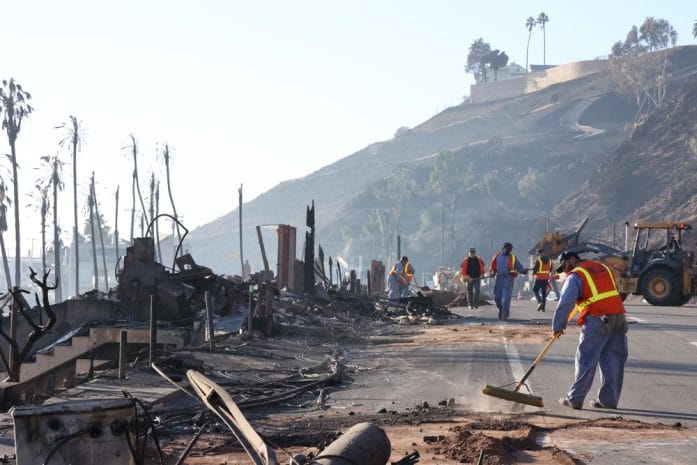
If you live in a state where hurricanes, wildfires, floods, tornadoes, or earthquakes are part of the seasonal forecast, 2026 may bring more than just another storm season—it may also bring a bigger property tax bill. Across the U.S., disaster-prone states are quietly setting the stage for higher property taxes, driven by rebuilding costs, rising property values, infrastructure repairs, and the long-term price of climate risk.

This isn’t just a budget issue for governments—it’s a personal finance reality for homeowners, renters, and buyers trying to plan their future. And while the changes won’t hit every neighborhood equally, the trend is becoming hard to ignore.

Why Disaster Recovery Is Reshaping Property Taxes

When disasters hit, the damage doesn’t stop at roofs and roads—it ripples straight into city budgets, county assessments, and long-term tax planning. Rebuilding infrastructure like bridges, utilities, drainage systems, and emergency services costs billions, and local governments often rely on property tax revenue to help fund those projects.

Rebuilding is becoming increasingly more expensive, and property values frequently rise due to new construction, stricter building codes, and modernized homes, which naturally increase assessed values over time. Higher assessments don’t always mean higher tax rates, but they often lead to larger tax bills anyway.

Another factor is resilience spending. Flood barriers, wildfire mitigation zones, hurricane-resistant infrastructure, and stormwater systems are becoming permanent budget items in disaster-prone regions. These aren’t one-time projects—they’re long-term investments, and they require consistent funding. That funding usually comes from a mix of bonds, state aid, and local taxes, with property taxes playing a central role.

The 13 Disaster-Prone States Feeling the Pressure

While disaster risk exists nationwide, some states face repeated, compounding events that strain local budgets year after year. Coastal hurricane states like Florida, Louisiana, North Carolina, South Carolina, and Texas regularly deal with storm damage and flooding. Western states such as California, Colorado, Arizona, and New Mexico face wildfires, drought, and infrastructure stress tied to extreme heat.

Central states like Oklahoma, Kansas, Missouri, and Tennessee deal with tornadoes, flooding, and storm-related infrastructure damage.

The Property Tax Increases Hitting 15 Disaster-Prone States in 2026
Image source: shutterstock.com

What links these states isn’t just geography—it’s frequency. Repeated disasters mean repeated rebuilding, repeated emergency spending, and repeated strain on public services. This creates upward pressure on property tax systems, especially in fast-growing areas where demand for housing stays strong even as risk increases.

Insurance Costs, Home Values, and the Hidden Tax Effect

Property taxes don’t rise in isolation. Insurance premiums in disaster-prone states are already climbing, which affects home prices, buyer demand, and rebuilding decisions. When homes are rebuilt to stronger standards, they often appraise higher. Higher appraisals lead to higher assessments, which then translate into higher property taxes.

There’s also a migration effect. Some high-risk areas are still attracting new residents, pushing demand and prices upward. Others are losing residents, which forces local governments to spread infrastructure costs across a smaller tax base. In both cases, the math can push taxes higher for remaining homeowners.

What Homeowners and Buyers Can Do Right Now

Preparation beats panic every time. If you own a home in a disaster-prone state, it’s smart to track your local assessment schedule, understand how reassessments work, and review how your property is classified. Many homeowners overpay simply because they never challenge incorrect assessments. Knowing your rights and appeal processes matters.

Buyers should factor long-term tax risk into affordability calculations. That dream home near the coast or in the mountains might look affordable today, but future taxes and insurance costs could change that math fast. Talking to local real estate professionals and tax offices can give clearer insight into long-term trends.

How Local Governments Are Framing These Increases

Most cities and counties aren’t calling these changes “tax hikes.” They’re framing them as resilience funding, infrastructure investment, and disaster preparedness. And in many ways, that’s accurate. The reality is that stronger communities cost more to build and maintain, especially in high-risk environments.

Public officials are increasingly focused on long-term sustainability rather than short-term fixes. That means smarter building codes, better emergency systems, and more resilient infrastructure—but it also means stable revenue streams to support them. Property taxes are one of the most reliable tools local governments have, which is why they’re central to this conversation.

Resilience Has a Price Tag

Living in a disaster-prone state in 2026 will increasingly mean paying for safety, stability, and long-term resilience through everyday costs like property taxes. These increases aren’t random, and they aren’t short-term—they’re part of a broader transition toward communities that are built to survive repeated shocks. For homeowners, buyers, renters, and investors alike, understanding this shift is no longer optional—it’s essential for smart financial planning.

What’s your take—are higher property taxes worth stronger, safer communities, or do you think the financial burden is getting too heavy for everyday homeowners? Share your thoughts in the comments.

You May Also Like…

9 Georgia Counties Where Property Taxes Are Set to Rise the Fastest

Texas Property Alert: The New 2026 Law That Allows Police to Remove Squatters in 24 Hours

14 Costly Disasters That Happen When You Renovate Without a Permit

5 Reasons To Talk To Your Kids About Taxes

5 Reasons Why Homeowners Should Increase Their Property’s ROI

Brandon Marcus
Brandon Marcus

Brandon Marcus is a writer who has been sharing the written word since a very young age. His interests include sports, history, pop culture, and so much more. When he isn’t writing, he spends his time jogging, drinking coffee, or attempting to read a long book he may never complete.

Filed Under: tax tips Tagged With: 2026 Outlook, climate risk, Cost of living, disaster recovery, homeownership, Housing Market, housing policy, local government, natural disasters, property taxes, real estate trends

9 Outrageous Costs That Appear After Natural Disasters

September 18, 2025 by Travis Campbell Leave a Comment

natural disaster
Image source: pexels.com

Natural disasters strike with little warning, leaving behind more than just physical damage. For families and communities, the financial fallout can be overwhelming. The hidden and outrageous costs that appear after natural disasters often catch people off guard, making recovery even harder. Insurance rarely covers everything, and unexpected bills pile up fast. Understanding these hidden expenses is crucial if you want to protect your finances and bounce back faster. In this article, we’ll look at nine outrageous costs that can hit your wallet after a natural disaster.

1. Skyrocketing Insurance Deductibles

Many people assume their insurance will take care of most recovery expenses. However, after a natural disaster, deductibles often jump dramatically. Some policies have special deductibles for hurricanes, floods, or earthquakes that can be thousands more than your standard one. Suddenly, you’re on the hook for several thousand dollars before your insurer pays a dime. This is one of the most common outrageous costs after natural disasters, and it can derail even the best-laid emergency plans.

2. Temporary Housing and Accommodation

If your home becomes unlivable, you might need to pay for a hotel, rental, or even short-term relocation. Insurance may cover some of these costs, but limits and waiting periods often apply. In high-demand disaster zones, prices for hotels and rentals can double or triple overnight. With hundreds or thousands of families searching for a place to stay, it’s easy to see how this outrageous cost after natural disasters can quickly drain your emergency fund.

3. Emergency Repairs at Premium Prices

Right after a disaster, demand for contractors and repair services surges. Roofers, electricians, and plumbers get booked solid for months. The result? Prices skyrocket. Some contractors charge two or three times their normal rates, and you may need to pay extra just to get on a waiting list. If you need urgent repairs to prevent further damage, you may have no choice but to pay whatever it takes. These emergency repair bills are among the most painful, unexpected expenses you’ll encounter.

4. Replacing Essential Documents and Records

Floods, fires, and storms can destroy important documents like birth certificates, passports, and property deeds. Replacing these documents is time-consuming and, surprisingly, expensive. Fees for replacement documents add up quickly, especially if you need expedited processing. These are the kinds of outrageous costs after natural disasters that most people never consider until it’s too late.

5. Uncovered Cleanup and Debris Removal

Insurance policies often exclude or cap coverage for debris removal. After a disaster, clearing out damaged furniture, fallen trees, and hazardous materials can cost thousands. Municipal services may be overwhelmed, leaving you to hire private companies at premium rates. This is a hidden cost that can delay your return home and stretch your budget thin.

6. Lost Wages and Missed Work

Natural disasters don’t just damage property—they disrupt lives. If your workplace is closed or you need time off for repairs, you could lose income. Not all employers offer paid leave for these situations, and unemployment benefits may not kick in right away. Lost wages are an outrageous cost after natural disasters that can make it tough to pay bills or buy essentials during recovery.

7. Medical Expenses and Prescription Replacements

Storms and floods can lead to injuries, exposure to mold, or lost prescriptions. Even with health insurance, deductibles and copays add up fast. If you need to replace lost eyeglasses, hearing aids, or durable medical equipment, expect to pay out of pocket. After a disaster, pharmacies and clinics may be closed, forcing you to travel farther or pay more for urgent care.

8. Higher Utility Bills and Service Restoration Fees

Power outages and damaged water lines are common after natural disasters. When services resume, you may face extra fees for reconnection or emergency repairs. Temporary solutions like generators or bottled water also add to your bills. Sometimes, utility companies even raise rates to cover their own disaster recovery costs, leaving you with another outrageous cost to tackle.

9. Increased Insurance Premiums

Here’s the kicker: even after you’ve paid all the immediate bills, your insurance premiums may go up. Insurers often raise rates after a natural disaster, even if you didn’t file a claim. Living in a high-risk area can lead to higher costs for years to come. This is one of the most frustrating, outrageous costs after natural disasters because it keeps affecting your wallet long after the storm has passed.

Planning Ahead for the Unexpected

Facing outrageous costs after natural disasters can be financially and emotionally draining. Building an emergency fund, reviewing your insurance coverage, and keeping digital copies of important documents can help you prepare.

No one can predict every expense but knowing what to expect makes it easier to recover. What outrageous costs have you faced after a natural disaster? Share your story in the comments below.

What to Read Next…

  • 5 Emergency Repairs That Could Force You Into Debt Overnight
  • Top 3 Water Damage Claims Home Insurance Actually Covers
  • 10 Items That Could Void Your Homeowners Insurance Instantly
  • 8 Funeral Costs That Catch Families Off Guard Every Year
  • How Homeowners Associations Are Targeting Retirees With Fines
Travis Campbell
Travis Campbell

Travis Campbell is a digital marketer/developer with over 10 years of experience and a writer for over 6 years. He holds a degree in E-commerce and likes to share life advice he’s learned over the years. Travis loves spending time on the golf course or at the gym when he’s not working.

Filed Under: Finance Tagged With: emergency fund, home repairs, Insurance, natural disasters, Planning, recovery, unexpected expenses

6 Surprising Costs That Hit Families After Natural Disasters

September 5, 2025 by Catherine Reed Leave a Comment

6 Surprising Costs That Hit Families After Natural Disasters
Image source: 123rf.com

Natural disasters leave more behind than damaged property and emotional stress. Even with insurance, families often discover a series of unexpected expenses that pile up quickly. These hidden costs can throw budgets off balance and create long-term financial challenges. Understanding the surprising costs that hit families after natural disasters helps households prepare smarter and recover faster.

1. Temporary Housing Expenses

When homes are unlivable, families often need hotels, rentals, or even extended stays with relatives. Insurance may cover some housing costs, but policies often come with limits or delays in payment. Rent in disaster-affected areas can skyrocket due to demand, leaving families paying far more than expected. Even small extras, like daily meals out while living in a hotel, add up quickly. Temporary housing is one of the most common surprising costs that hit families after natural disasters.

2. Lost Income from Work Disruptions

Storms, floods, or wildfires don’t just damage homes—they also interrupt livelihoods. Businesses may close for weeks, and workers can lose wages if they don’t have paid leave or remote options. Self-employed individuals often face even bigger setbacks, as clients cancel projects and income dries up. Rebuilding personal income takes longer than expected, straining family budgets. Lost wages are among the surprising costs that hit families after natural disasters that few think about until it happens.

3. Rising Insurance Deductibles and Gaps

Many families assume insurance will cover everything, but policies often have high deductibles or exclusions. Floods, earthquakes, and wind damage may require separate coverage, leaving gaps in protection. Even when coverage applies, the deductible amount can be thousands of dollars. Additional out-of-pocket expenses can overwhelm families already dealing with stress. Insurance shortfalls are one of the key surprising costs that hit families after natural disasters.

4. Transportation and Relocation Costs

Disasters often damage vehicles, forcing families to pay for repairs, rentals, or replacements. Gas and travel expenses rise if families must commute longer distances while living in temporary housing. Relocation costs, such as hiring movers or paying storage fees, can sneak up quickly. These added expenses pile on top of already strained budgets. Transportation disruptions are another example of surprising costs that hit families after natural disasters.

5. Replacing Essentials Beyond the Home

Even when homes are repairable, everyday essentials are often lost. Clothing, furniture, electronics, school supplies, and kitchen items may all need replacing. Insurance coverage for personal belongings is often capped, meaning families receive only a fraction of replacement value. These smaller items add up to thousands of dollars in unexpected spending. Replacing basics is one of the overlooked surprising costs that hit families after natural disasters.

6. Emotional and Health-Related Expenses

The toll of disasters isn’t just financial—it’s physical and emotional as well. Families may need counseling services, prescription refills, or medical treatment for stress-related conditions. Relocating can disrupt healthcare access, forcing families to pay out-of-pocket for immediate care. Even children may require extra support to cope with the trauma of losing stability. Health-related needs highlight another of the surprising costs that hit families after natural disasters.

Preparing for the Unexpected Before It Strikes

While no one can control when disaster will hit, families can take steps to reduce the financial shock. Emergency savings, updated insurance policies, and disaster plans provide a crucial safety net. Recognizing the surprising costs that hit families after natural disasters ensures households don’t underestimate the true price of recovery. With foresight and preparation, families can focus on rebuilding their lives instead of struggling to cover hidden bills. Protecting finances ahead of time makes all the difference when the unexpected happens.

Have you or someone you know faced hidden costs after a natural disaster? Share your experiences and advice in the comments below.

What to Read Next…

7 Times Living Paycheck to Paycheck Comes With Hidden Costs

8 Hidden Costs of Raising Children That Are Rarely Discussed

7 Financial Surprises That Hit Families After Relocation

9 Hidden Costs of Early Retirement Nobody Plans For

7 Big Purchases That Advisors Say People Regret More Than Anything Else

Catherine Reed
Catherine Reed

Catherine is a tech-savvy writer who has focused on the personal finance space for more than eight years. She has a Bachelor’s in Information Technology and enjoys showcasing how tech can simplify everyday personal finance tasks like budgeting, spending tracking, and planning for the future. Additionally, she’s explored the ins and outs of the world of side hustles and loves to share what she’s learned along the way. When she’s not working, you can find her relaxing at home in the Pacific Northwest with her two cats or enjoying a cup of coffee at her neighborhood cafe.

Filed Under: Personal Finance Tagged With: disaster recovery, emergency planning, family finances, financial preparedness, hidden costs, Insurance, natural disasters, Personal Finance

FOLLOW US

Search this site:

Recent Posts

  • Can My Savings Account Affect My Financial Aid? by Tamila McDonald
  • 12 Ways Gen X’s Views Clash with Millennials… by Tamila McDonald
  • What Advantages and Disadvantages Are There To… by Jacob Sensiba
  • 10 Tactics for Building an Emergency Fund from Scratch by Vanessa Bermudez
  • Call 911: Go To the Emergency Room Immediately If… by Stephen Kanaval
  • 7 Weird Things You Can Sell Online by Tamila McDonald
  • 10 Scary Facts About DriveTime by Tamila McDonald

Copyright © 2026 · News Pro Theme on Genesis Framework