• Home
  • About Us
  • Toolkit
  • Getting Finances Done
    • Hiring Advisors
    • Debt Management
    • Spending Plan
  • Insurance
    • Life Insurance
    • Health Insurance
    • Disability Insurance
    • Homeowners/Renters Insurance
  • Contact Us
  • Risk Tolerance Quiz
  • Our Editorial Commitment

The Free Financial Advisor

You are here: Home / Archives for budgeting apps

API Banking Lock: Why Budget Apps May Lose Access Under New Security Standards

May 6, 2026 by Brandon Marcus Leave a Comment

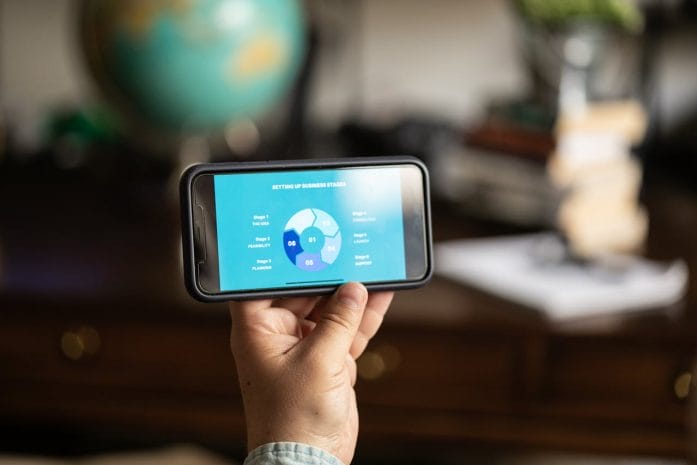
API Banking Lock: Why Budget Apps May Lose Access Under New Security Standards
Image Source: Shutterstock.com

Budgeting apps have become the digital sidekick many people rely on to track spending, crush debt, and stay financially sharp. But a major shift in banking security standards could shake up that relationship in a big way.

New API restrictions aim to tighten data access, which sounds great for safety, but creates real friction for the apps people trust daily. Some tools may lose access entirely, while others scramble to adapt behind the scenes. The result could feel like your favorite money app suddenly forgot who you are—and why it exists.

The Security Shake-Up That’s Changing Everything in Fintech

Banks no longer tolerate loose data-sharing practices, and regulators now demand stronger protections across the board. Financial institutions push toward secure APIs instead of older screen-scraping methods that quietly collected your login details. That shift closes dangerous loopholes, but it also cuts off many apps that relied on those older connections to function smoothly. Developers now face stricter approval processes, technical requirements, and compliance hurdles that slow everything down. The days of instant plug-and-play budgeting tools may fade as security takes center stage.

This transformation doesn’t come out of nowhere, and it reflects years of rising cyber threats and data breaches. Banks want to control exactly how third parties access customer data, which gives them more oversight and accountability. That means apps must request permission through official channels, and banks can deny or limit access whenever they choose. Consumers gain more protection, but they also lose some of the seamless experience they once enjoyed. That trade-off sits right at the heart of this API banking lock.

Why Budget Apps Depend on Access More Than You Think

Budgeting apps don’t magically know your spending habits, and they rely heavily on direct bank connections to deliver real-time insights. Every time an app categorizes your grocery bill or alerts you about overspending, it pulls that data from your linked accounts. Without that steady stream of information, the app turns into little more than a manual spreadsheet with a fancy interface. Users expect automation, and losing that automation feels like a major downgrade. That’s why API access isn’t just helpful—it’s absolutely essential.

Many popular apps depend on intermediaries like Plaid or Yodlee to bridge the gap between banks and users. These services aggregate financial data and translate it into something apps can use quickly and efficiently. When banks tighten API permissions, those middlemen feel the squeeze first, and the ripple effect hits every app that depends on them. Some apps may negotiate new agreements, while others struggle to meet the updated standards. Users may notice broken connections, delayed updates, or missing transactions almost overnight.

What Happens When Apps Lose Access to Your Bank Data

Losing access doesn’t always mean a complete shutdown, but it definitely changes how an app behaves. You might open your budgeting tool and see outdated balances, missing transactions, or error messages that refuse to go away. That kind of disruption can derail financial planning, especially for people who rely on daily tracking. Manual entry becomes the fallback option, which adds time and effort that most users won’t stick with long-term. Convenience disappears, and engagement often drops right along with it.

Some apps will pivot and rebuild their systems to comply with the new API standards, but that process takes time and resources. Smaller developers may not survive the transition, which could shrink the number of available budgeting tools on the market. Larger platforms will likely adapt faster, but even they may limit features or charge more to offset compliance costs. Users could face subscription hikes or reduced functionality as companies adjust. The landscape of personal finance apps may look very different within a year.

API Banking Lock: Why Budget Apps May Lose Access Under New Security Standards
Image Source: Unsplash.com

The Upside: Stronger Protection for Your Financial Data

This shift isn’t all bad news, and stronger security delivers real benefits that shouldn’t get ignored. API-based access eliminates the need to share your banking username and password with third-party apps, which reduces a major security risk. Banks can monitor and revoke access instantly if something looks suspicious, giving users more control over their data. That level of oversight helps prevent fraud and limits the damage from potential breaches. In a world full of digital threats, that kind of protection matters more than ever.

Users also gain more transparency about who accesses their financial information and why. Instead of vague permissions, APIs often require clear consent for specific types of data sharing. That clarity builds trust, even if it comes with a few extra steps during setup. People who value privacy will appreciate the tighter controls and reduced exposure. Security may feel inconvenient at times, but it plays a crucial role in keeping your money safe.

Keeping Your Budgeting Tools Working Smoothly

Staying ahead of these changes doesn’t require a tech degree, but it does require a little awareness and action. Start by checking whether your current budgeting app supports secure API connections with your bank. Many companies already updated their systems, and they often provide guides to reconnect accounts under the new standards. Keeping your app updated ensures you benefit from the latest compatibility fixes and security improvements. Ignoring updates could leave you stuck with broken features.

It also helps to diversify how you track your finances instead of relying on a single app for everything. Some users combine budgeting apps with direct bank tools or spreadsheets to maintain visibility if one system fails. Exploring alternatives now can save frustration later if your favorite app loses access. Reading app announcements and user forums can also provide early warnings about potential disruptions. A little preparation goes a long way in keeping your financial routine intact.

The Bigger Picture for the Future of Money Apps

This API banking lock signals a broader evolution in how financial technology operates and grows. The industry moves toward a more structured, regulated environment that prioritizes safety over speed. Innovation won’t stop, but it will look different as developers work within stricter boundaries. New apps will emerge with built-in compliance, while older ones either adapt or disappear. That shift may ultimately create a more stable and trustworthy ecosystem.

Consumers will play a key role in shaping that future through their choices and expectations. Apps that balance security with usability will win loyalty, while clunky or restrictive tools will fade away. Financial institutions will also compete to offer better API integrations, which could improve the overall experience over time. The transition period may feel messy, but it sets the stage for smarter and safer money management tools. Change always brings friction, but it also opens the door to something better.

Budget Apps and Today’s Banking Barriers

Budgeting apps stand at a crossroads as new API standards redefine how they connect to your financial life. Security improvements bring undeniable benefits, but they also disrupt the convenience users have come to expect. Some apps will rise to the challenge, while others may quietly disappear from your home screen. Staying informed and proactive can help you avoid unpleasant surprises and keep your finances on track. The key lies in adapting alongside the technology instead of getting left behind.

What changes would make you stick with—or ditch—your favorite budgeting app?

You May Also Like…

The “Loud Budgeting” Trend and Transparent Money Conversations

Life on Pause? How to Stay Mobile on a Budget When Your License Is Suspended

5 Budgeting Apps That Integrate With Biometric Banking

5 Financial Apps That Baby Boomers Refuse To Use But Need

8 Times Financial Tracking Apps Sold Your Purchase History

Brandon Marcus
Brandon Marcus

Brandon Marcus is a writer who has been sharing the written word since a very young age. His interests include sports, history, pop culture, and so much more. When he isn’t writing, he spends his time jogging, drinking coffee, or attempting to read a long book he may never complete.

Filed Under: Technology Tagged With: API banking, budgeting apps, cybersecurity, data privacy, financial apps, fintech regulation, fintech security, money management, open banking, personal finance tips, Plaid, Yodlee

5 Budgeting Apps That Integrate With Biometric Banking

March 12, 2026 by Brandon Marcus Leave a Comment

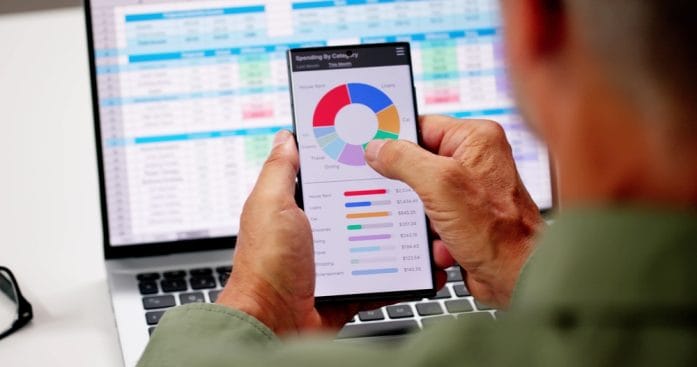
5 Budgeting Apps That Integrate With Biometric Banking
Image Source: Pexels.com

Money management used to involve spreadsheets, notebooks, and a calculator that lived somewhere near the kitchen junk drawer. Those days disappeared fast. Modern banking now unlocks with a fingerprint or a quick glance at a phone screen, and budgeting tools have evolved right alongside that technology. Financial apps now combine powerful tracking systems with biometric security features that make logging in faster and safer than ever before. That combination delivers a rare win for personal finance: convenience without sacrificing protection.

A growing group of budgeting apps now integrates smoothly with fingerprint sensors and facial recognition systems built into smartphones. Anyone searching for better financial awareness without endless password typing will find plenty to like in this new generation of money-management tools.

When Your Face Unlocks Your Finances

Biometric banking sounds futuristic, yet most smartphones already carry the technology in their hardware. Fingerprint scanners and facial recognition systems allow apps to confirm identity using physical characteristics instead of traditional passwords. Financial apps quickly embraced this technology because it balances speed and security in a way passwords never quite managed.

Budgeting apps that support biometric authentication allow users to unlock financial dashboards with a single touch or glance. That quick access encourages frequent check-ins with spending habits, which plays a huge role in successful budgeting. People tend to ignore tools that require long login processes, yet biometric access removes that friction almost entirely.

Security also improves when biometric verification replaces weak passwords. A fingerprint or face scan cannot be guessed or easily stolen in the same way as a simple login code. Most smartphones store biometric data locally on the device rather than inside the app itself, which adds another protective layer.

1. YNAB: The App That Turns Budgeting Into a Strategy

YNAB, short for You Need A Budget, approaches personal finance with a philosophy rather than just a spreadsheet. The platform encourages users to assign every dollar a job, which pushes budgeting beyond simple expense tracking. Biometric login support allows quick access to this system through fingerprint or facial recognition on supported devices.

This app shines when someone wants detailed control over spending decisions. YNAB emphasizes intentional planning by encouraging users to allocate money before spending it rather than reviewing transactions afterward. That proactive method helps many people break cycles of paycheck-to-paycheck living.

The biometric login option removes the usual friction associated with opening financial tools throughout the day. Quick access encourages users to check budgets before making purchases, which supports the philosophy behind the platform. YNAB also offers educational resources and workshops that help users sharpen their budgeting skills over time.

2. PocketGuard: The App That Answers One Big Question

Some budgeting apps bombard users with charts, graphs, and financial jargon. PocketGuard takes a different approach by focusing on a single question: how much money remains available to spend after covering bills and savings goals? The app integrates biometric login features on compatible smartphones, allowing secure access without long passwords.

PocketGuard connects to bank accounts and automatically tracks recurring bills, subscriptions, and everyday purchases. Once the system calculates those obligations, the app displays a clear “safe to spend” number that helps users avoid overspending. This simple approach removes much of the guesswork that makes budgeting frustrating.

The biometric login feature plays an important role because it encourages quick daily check-ins. A glance at the “safe to spend” number can prevent impulse purchases before they happen. PocketGuard also identifies recurring subscriptions that quietly drain money each month, which can lead to surprising discoveries about forgotten streaming services or unused memberships.

3. Goodbudget: Envelope Budgeting for the Digital Age

Long before smartphones existed, many households used envelope budgeting to control spending. People placed cash into labeled envelopes for groceries, transportation, and entertainment, and each envelope set a clear spending limit. Goodbudget brings that classic system into the digital world with modern features and biometric login support.

The app allows users to create virtual envelopes for different spending categories while tracking bank transactions through linked accounts. Biometric authentication protects access to these digital envelopes, making it easy to check balances quickly without entering passwords every time.

Goodbudget works particularly well for people who enjoy visual budgeting systems. Watching envelope balances shrink throughout the month can encourage more thoughtful spending decisions. The app also supports shared budgets, which allows couples or families to coordinate financial plans across multiple devices. The combination of a proven budgeting method and modern biometric security creates a tool that feels both nostalgic and surprisingly powerful.

4. EveryDollar: Budgeting With a Clear, Focused Layout

EveryDollar offers a streamlined budgeting experience designed for clarity and speed. The app supports biometric login features on smartphones that include fingerprint scanners or facial recognition systems, allowing quick and secure access to financial data.

The platform organizes monthly budgets into clean categories that make spending patterns easy to understand at a glance. Users can connect bank accounts for automatic transaction imports or enter purchases manually for more deliberate tracking.

Many people appreciate the simplicity of the interface because it removes clutter while still delivering useful insights about spending habits. Biometric login encourages regular use by eliminating the hassle of repeated password entry. That quick access makes it easier to adjust budgets throughout the month as financial priorities shift. Anyone searching for a budgeting tool that balances structure with simplicity may find EveryDollar particularly appealing.

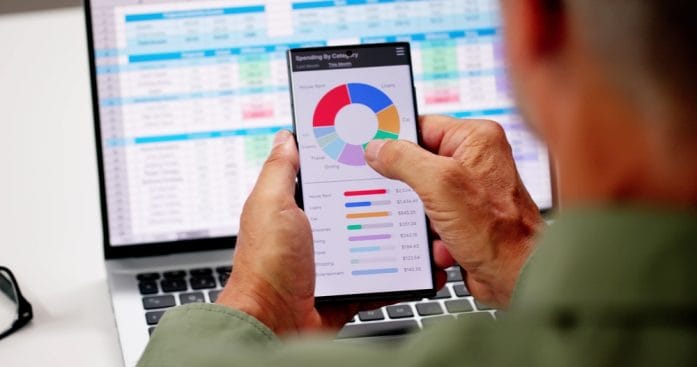
5 Budgeting Apps That Integrate With Biometric Banking
Image Source: Pexels.com

5. Honeydue: Budgeting Designed for Two

Money conversations can create tension in relationships, yet Honeydue attempts to make shared budgeting less stressful and more collaborative. The app allows couples to track spending, coordinate bills, and monitor joint financial goals in one shared platform. Biometric authentication helps protect access to that shared financial dashboard.

Each partner can connect personal bank accounts while choosing how much information to share with the other person. This flexibility helps couples maintain transparency without sacrificing privacy. Fingerprint or facial recognition login keeps financial data secure while still allowing quick daily access.

Honeydue also includes bill reminders and spending notifications that help couples stay aligned on financial decisions. Shared budgeting tools like this can transform financial management from a solitary task into a cooperative effort. For couples looking to strengthen financial communication while maintaining security, Honeydue offers a thoughtful solution.

Your Phone Might Already Hold the Best Budget Assistant

Budgeting tools no longer belong exclusively to accountants and spreadsheet enthusiasts. Modern financial apps combine smart design with biometric technology that turns a smartphone into a powerful money-management hub. Quick fingerprint or face-scan access removes the barriers that once kept people from checking their finances regularly.

Each app highlighted above offers a slightly different approach to budgeting, yet all of them benefit from biometric security that protects sensitive financial data while keeping access fast and convenient. A well-chosen budgeting app can reveal spending patterns, highlight wasteful subscriptions, and encourage smarter financial habits over time.

Which budgeting app would you trust with your financial life, and does biometric login make a difference when choosing a financial tool? Share your thoughts, ideas, or experiences in the comments section.

You May Also Like…

6 Reasons Middle-Class Budgets Are Breaking Under “Slow Inflation”

7 Budget Foods Americans Rely On That Doctors Say Create Bigger Problems Later

Why Investing Apps Will Remain Popular in 2026

7 Dangers Lurking in Rideshare Apps You’ve Probably Ignored

Tech-Threat: 5 Ways AI Is Changing What Your Financial Advisor Should Be Doing for You

Brandon Marcus
Brandon Marcus

Brandon Marcus is a writer who has been sharing the written word since a very young age. His interests include sports, history, pop culture, and so much more. When he isn’t writing, he spends his time jogging, drinking coffee, or attempting to read a long book he may never complete.
Filed Under: Budgeting Tagged With: app security, biometric banking, budgeting apps, digital budgeting, face ID finance, financial planning apps, financial technology, fingerprint login apps, fintech apps, mobile banking security, money management tools, personal finance apps

Why Do So Many People Believe Budgeting Apps Solve Everything

September 7, 2025 by Travis Campbell Leave a Comment

budget
Image source: pexels.com

Budgeting apps have exploded in popularity over the past few years. It’s easy to see why: they promise to make managing your money simple, fast, and maybe even a little fun. Many people install a budgeting app expecting it to fix their financial problems overnight. But why do so many people believe budgeting apps solve everything? This matters because relying too much on any tool can lead to disappointment—and sometimes, missed opportunities for real growth. Understanding the reasons behind this belief can help you decide how to use these apps more effectively and avoid common pitfalls.

1. The Allure of Automation

People love the idea of setting something up once and letting it run on autopilot. Budgeting apps often promise to automatically track spending, categorize purchases, and even alert you to upcoming bills. This automation makes it feel like the hard work of managing money is being handled for you. When everything is running in the background, it’s tempting to believe your finances are under control—no extra effort required. The primary SEO keyword, budgeting apps, comes up in nearly every conversation about automation in personal finance.

However, automation can also create a false sense of security. If you never look at the data or ignore the alerts, you might miss out on important insights. Automation is a tool, not a solution in itself.

2. Instant Gratification and Positive Reinforcement

Budgeting apps are designed to deliver quick feedback. You get colorful charts, progress bars, and notifications that make you feel accomplished. This instant gratification can make it seem like budgeting apps have solved your money issues just by showing you where your money is going. The positive reinforcement makes people want to keep using the app, even if their actual spending habits haven’t changed much.

Feeling good about your progress is motivating, but it doesn’t always mean you’re making the best choices. Sometimes, the metrics these apps track aren’t the ones that matter most for your financial goals.

3. Easy Access to Financial Information

Before budgeting apps, people had to log into multiple accounts, save receipts, and manually update spreadsheets to see where their money was going. Now, everything is in one place. This convenience leads many to believe budgeting apps solve everything because they finally have a clear picture of their finances—without the hassle.

Having all your information at your fingertips is a huge advantage. But just because data is accessible doesn’t mean it’s actionable. You still have to make decisions and follow through on them. Budgeting apps can make you feel informed, but informed doesn’t always mean empowered.

4. The Promise of Customization

Most budgeting apps allow you to set personalized goals, choose spending categories, and even create custom alerts. This level of customization makes people feel like the app is tailored to their unique financial situation. When you can adjust every setting, it’s natural to think the app will work perfectly for you.

Customization is useful, but it can also be overwhelming or lead to analysis paralysis. Sometimes, people spend more time tweaking their settings than actually sticking to their budget. Budgeting apps can help, but only if you use the customization features to support your real-life habits and goals.

5. Social Proof and Success Stories

Everywhere you look, there are stories about people who turned their finances around with budgeting apps. Influencers, bloggers, and even friends may share how an app helped them pay off debt or save for a big purchase. This creates a sense of social proof—if it worked for them, it should work for you too.

The reality is that budgeting apps are just one part of the equation. Success stories often leave out the hard work, discipline, and mindset shifts required to achieve those results. Believing that budgeting apps solve everything can lead to disappointment if you expect instant results without the effort.

6. The Marketing Machine Behind Budgeting Apps

Companies behind budgeting apps spend a lot on marketing. They use sleek ads, influencer partnerships, and even free trials to attract new users. The messaging often centers around how their app can simplify your life and solve all your money problems. It’s easy to get swept up in the hype.

But marketing is just that—marketing. While these tools can help, they can’t change your habits for you.

What Budgeting Apps Can—and Can’t—Do

Budgeting apps are powerful tools, but they aren’t magic wands. They can help you track spending, set goals, and see your financial picture in one place. But they can’t force you to make better choices or stick to your budget. Relying on budgeting apps alone won’t solve everything—personal responsibility and regular check-ins are still key.

If you’re considering a budgeting app, treat it as a tool in your financial toolbox, not the entire solution. Look for features that match your needs, and use the data to inform your decisions.

Do you use a budgeting app? Has it changed the way you manage your money, or do you still run into challenges? Share your thoughts in the comments below!

What to Read Next…

  • Are Budgeting Apps Designed To Push You Into Debt?
  • Whos Watching Your Financial Apps Without You Knowing It
  • Are Financial Apps Sharing Your Spending Data More Than You Realize
  • 5 Budgeting Tools That Trick You Into Higher Spending
  • Are These 6 Helpful Budget Tips Actually Ruining Your Finances
Travis Campbell
Travis Campbell

Travis Campbell is a digital marketer/developer with over 10 years of experience and a writer for over 6 years. He holds a degree in E-commerce and likes to share life advice he’s learned over the years. Travis loves spending time on the golf course or at the gym when he’s not working.

Filed Under: Budgeting Tagged With: Automation, budgeting apps, financial tools, money management, Personal Finance, Planning, Spending Habits

Are App-Linked Budget Tools Selling Your Income Data?

August 25, 2025 by Travis Campbell Leave a Comment

apps
Image source: pexels.com

Budgeting apps have made it easier than ever to track spending, set savings goals, and get a real-time look at your finances. Many of these tools link directly to your bank accounts, pulling in your income and expenses automatically. But have you ever wondered what happens to all that sensitive data? The question of whether app-linked budget tools are selling your income data is more important than ever. Understanding the risks can help you make safer choices about how you manage your money. If you use these apps, it’s smart to know exactly what you’re agreeing to—and what might be happening behind the scenes.

1. What Are App-Linked Budget Tools?

App-linked budget tools connect directly to your financial accounts, such as checking, savings, and credit cards. They use secure connections to import your transactions, categorize them, and present a clear picture of your finances. Popular apps like Mint, YNAB, and Personal Capital have millions of users. These tools promise convenience and clarity, but the way they handle your financial data, especially your income data, is not always obvious. Understanding their purpose is the first step in deciding if they’re right for you.

2. How Do These Apps Collect Your Income Data?

When you link your accounts, these apps often use third-party aggregators like Plaid or Yodlee. These services log in on your behalf and pull data such as deposits, paychecks, and even employer names. This means your income data—how much you make, when you get paid, and sometimes where you work—is stored on their servers. The apps use this information to create budgets, spot trends, and offer suggestions, but it also raises questions about how securely your income data is handled.

3. Are App-Linked Budget Tools Selling Your Income Data?

This is the big question: are these tools actually selling your income data? The answer isn’t always simple. Some budgeting apps make money solely from subscriptions or ads, but others generate revenue by sharing aggregated or anonymized user data with third parties. While most reputable apps claim they don’t sell “personally identifiable information,” the definition of what’s “identifiable” can be blurry. Some companies share income data trends with marketers, lenders, or data brokers. Even anonymized data can be valuable, especially when combined with other information. It’s critical to read privacy policies and terms of service to understand what you’re agreeing to.

For example, Consumer Reports investigated budgeting apps and found some share transactional data with affiliates. Always look for details about how your income data is handled, not just general statements about privacy. If an app is free, consider how it makes money—your data might be the price.

4. What Are the Risks of Sharing Your Income Data?

Sharing your income data with app-linked budget tools can have real consequences. If your data is sold or leaked, marketers might target you with ads based on your salary or spending habits. Worse, if the data falls into the wrong hands, it could be used for identity theft or fraud. Even if the data is anonymized, it might be easy to re-identify you by combining it with other sources. There’s also the risk of your employment details being exposed, which could affect your privacy in ways you didn’t expect. Understanding these risks can help you decide if the convenience of these tools is worth it.

5. How Can You Protect Your Income Data?

If you decide to use app-linked budget tools, there are steps you can take to reduce your risks. Start by choosing apps with strong privacy policies and transparent data practices. Look for features like two-factor authentication and end-to-end encryption. Limit the number of accounts you connect to and consider using read-only access if available. Regularly review the permissions you’ve granted and unlink accounts you no longer use. Some apps give you options to opt out of data sharing or limit what’s collected. Stay informed about changes to privacy policies, as companies can update their terms at any time.

What to Watch for When Using Budgeting Apps

The convenience of app-linked budget tools is hard to ignore. They make budgeting simpler and can help you reach your financial goals faster. But before you link your accounts, take the time to read privacy policies and understand how your income data is used. Remember, even anonymized or aggregated data can be valuable to third parties. If you’re uncomfortable with the risks, there are plenty of offline or manual budgeting options available. Your financial privacy is worth protecting, so stay alert and make informed choices about the tools you use.

Have you ever worried about how budgeting apps handle your income data? Share your thoughts or experiences in the comments below!

Read More

9 Budget Tools That Share User Data

Are Financial Apps Sharing Your Spending Data More Than You Realize?

Travis Campbell
Travis Campbell

Travis Campbell is a digital marketer/developer with over 10 years of experience and a writer for over 6 years. He holds a degree in E-commerce and likes to share life advice he’s learned over the years. Travis loves spending time on the golf course or at the gym when he’s not working.

Filed Under: Budgeting Tagged With: budget tools, budgeting apps, data security, financial privacy, income data, Personal Finance, privacy policies

Are Financial Apps Sharing Your Spending Data More Than You Realize?

August 10, 2025 by Travis Campbell Leave a Comment

financial apps
Image source: pexels.com

Managing money is easier than ever with financial apps. You can track spending, set budgets, and even invest—all from your phone. But have you ever wondered what happens to your spending data after you enter it? Many financial apps collect more information than you might expect. Some share it with third parties, sometimes in ways that aren’t obvious. This matters because your spending data can reveal a lot about your habits, lifestyle, and even your location. If you use financial apps, it’s important to know how your data is handled and what you can do to protect yourself.

1. Financial Apps Collect More Than Just Your Transactions

When you sign up for a financial app, you probably expect it to track your spending. But these apps often collect much more. They may gather details about your location, device, contacts, and even how you use the app. Some apps request access to your email or calendar. This extra data helps them build a detailed profile of you. It’s not just about what you buy, but when, where, and how often. This information can be valuable to advertisers, data brokers, and even insurance companies. If you’re not careful, you might be sharing more than you realize every time you open your favorite budgeting tool.

2. Data Sharing Is Often Hidden in the Fine Print

Most people don’t read privacy policies. Financial apps know this. They often bury important details about data sharing deep in their terms and conditions. You might agree to let the app share your spending data with “trusted partners” or “service providers” without realizing it. Sometimes, these partners are advertisers or analytics firms. They use your data to target you with ads or sell insights to other companies. Even if the app says your data is “anonymized,” it’s often possible to link it back to you. Reading the fine print is tedious, but it’s the only way to know what you’re agreeing to.

3. Third-Party Integrations Can Expose Your Spending Data

Many financial apps offer integrations with other services. For example, you might connect your budgeting app to your bank, investment account, or even a shopping platform. Each connection is a potential risk. When you link accounts, you often give the app permission to access and share your spending data. Some integrations use secure methods, but others may not. If a third-party service has weak security, your data could be exposed. Always check what permissions you’re granting and review the privacy practices of any service you connect to your financial apps.

4. Your Spending Data Can Be Used for Targeted Advertising

Advertisers love spending data. It tells them what you buy, when you buy it, and how much you spend. Financial apps sometimes share this information with advertising networks. This allows companies to target you with ads for products you’re likely to buy. For example, if your app sees you spend a lot at coffee shops, you might start seeing ads for coffee brands or nearby cafes. This kind of targeting can feel invasive. It’s a reminder that your spending data is valuable—and that financial apps may be sharing it more than you think.

5. Data Brokers May Get Access to Your Financial Habits

Data brokers collect and sell information about people. Some financial apps share spending data with these brokers, either directly or through partners. Your purchases, subscriptions, and even your bill payments can end up in massive databases. Companies use this data to build profiles for marketing, credit scoring, or even employment screening. You might never know who has your information or how it’s being used. This is one of the biggest risks of using financial apps without understanding their data practices.

6. Security Breaches Can Expose Sensitive Spending Data

Even if a financial app promises not to share your data, breaches happen. Hackers target financial apps because they hold valuable information. If an app’s security is weak, your spending data could be stolen and sold on the dark web. This can lead to identity theft, fraud, or unwanted solicitations. Always choose financial apps with strong security features, like two-factor authentication and encryption. And keep your app updated to reduce the risk of breaches.

7. You Can Limit What Financial Apps Share

You’re not powerless. There are steps you can take to protect your spending data. Start by reviewing the permissions you’ve granted to each app. Turn off anything you don’t need. Check the app’s privacy settings and opt out of data sharing where possible. Use apps that are transparent about their data practices and have strong privacy policies. If you’re not comfortable with how an app handles your data, consider switching to one that puts privacy first. Remember, you control what information you share.

8. Regulators Are Watching, But Gaps Remain

Governments are starting to pay attention to how financial apps handle data. New laws, like the California Consumer Privacy Act (CCPA) and the General Data Protection Regulation (GDPR) in Europe, give users more control. But not all apps follow these rules, especially if they’re based in other countries. Enforcement can be slow, and loopholes exist. It’s important to stay informed and advocate for stronger privacy protections. Don’t assume that just because an app is popular, it’s safe.

9. Transparency Is Key to Trusting Financial Apps

The best financial apps are upfront about how they use your data. They explain what they collect, why they collect it, and who they share it with. Look for apps that make this information easy to find and understand. If an app is vague or evasive, that’s a red flag. Trust is earned, not given. Your spending data is personal. Don’t settle for apps that treat it like a commodity.

Protecting Your Spending Data Starts With Awareness

Financial apps make life easier, but they also come with risks. Your spending data is valuable, and many apps share it more than you might expect. By understanding how your data is used and taking steps to protect it, you can enjoy the benefits of financial apps without giving up your privacy.

Have you ever been surprised by how much a financial app knows about you? Share your thoughts or experiences in the comments below.

Read More

7 “Free” Financial Tools With Privacy Concerns

What Happens When a Financial Account Freezes Right After a Loved One Passes

Travis Campbell
Travis Campbell

Travis Campbell is a digital marketer/developer with over 10 years of experience and a writer for over 6 years. He holds a degree in E-commerce and likes to share life advice he’s learned over the years. Travis loves spending time on the golf course or at the gym when he’s not working.

Filed Under: Finance Tagged With: budgeting apps, data privacy, financial apps, fintech, Personal Finance, privacy protection, spending data

7 “Free” Financial Tools With Privacy Concerns

August 9, 2025 by Catherine Reed Leave a Comment

7 “Free” Financial Tools That Sold Your Data Despite Promises
Image source: 123rf.com

Many free financial tools make money by using your data. You sign up for convenience and trade personal details without realizing it. That data can be shared, sold, or used to target you. Knowing which tools carry privacy risks helps you make smarter choices.

1. Budgeting apps that link to your bank accounts

Budgeting apps ask for account access to categorize spending. That access gives them transaction histories, merchant names, locations, and balances. Some apps share anonymized data with partners or sell trends to data brokers. Limit risk by using read-only access or manual entry when possible, and review the app’s privacy policy for third-party sharing.

2. Investment robo-advisors with free tiers

Robo-advisors collect income, net worth, and risk tolerance to build portfolios. Even free tiers may gather browsing and device data. Firms sometimes share data with analytics or ad partners. Pick services that commit to never selling personal data, check for encryption statements, and prefer advisors covered by strict financial privacy rules.

3. Credit score and monitoring sites

Free credit score sites often pull from credit bureaus or request identity details. To monetize, many integrate third-party trackers and ad networks. These trackers can link your financial profile to advertising IDs. Use official bureau services when possible, enable tracker blockers, and avoid giving extra permissions like SMS or call access.

4. Cashback and coupon extensions

Browser extensions and cashback tools need access to shopping activity to apply offers. That access can expose purchase histories and visited stores. Extensions may collect browsing data beyond shopping pages. Only install extensions from trusted sources, inspect requested permissions, and remove ones that ask for full browsing access.

5. Personal finance aggregators and “free” spreadsheets

Aggregators that combine multiple accounts are convenient but centralize risk. A single breach can expose data across banks, cards, and investment accounts. Spreadsheets shared or saved in cloud accounts can also leak info if linked to third-party apps. Use strong, unique passwords, enable two-factor authentication, and limit which accounts you connect.

6. Free tax-preparation tools

Some free tax tools advertise no-cost filing but monetize with targeted offers and data sharing. Sensitive details like Social Security numbers and dependents end up in their systems. Confirm whether the provider uses data for marketing or shares with affiliates. Prefer providers that explicitly restrict data use to tax services and that follow strong security standards.

7. Socially driven money apps and payment platforms

Peer payment apps and social finance tools collect contact lists, payment histories, and sometimes geo-location. That data can be used to suggest lenders, advertisers, or credit offers. Check settings to prevent contact syncing, and remove permissions you don’t need. If a social feature feels optional, turn it off.

Why these risks matter now

Free financial tools are widely used for convenience. At the same time, regulators are paying attention. The Federal Trade Commission has increased enforcement on data practices and financial privacy, and it has guidance on data brokers and tracking. Older but still relevant research shows how data brokers compile and sell consumer profiles, which can include financial behaviors.

Simple checks to protect your privacy

Start with the privacy policy. Look for clear statements about selling data. Next, limit permissions: apps often ask for more access than they need. Use bank accounts that support read-only API access. Turn on two-factor authentication and use a password manager. If a feature is optional, skip it. For browser tools, inspect extension permissions before installing.

Practical alternatives to sharing everything

You don’t have to avoid free tools entirely. Consider using separate accounts with lower balances for aggregation. Use manual imports or CSV uploads instead of full linking. Employ privacy-focused browsers and tracker blockers when using web-based tools. For sensitive tasks like tax filing, consider paid versions that promise no data-sharing, or use a local software install.

A clear, quick checklist

Check the privacy policy, limit permissions, use read-only connections, enable two-factor authentication, and avoid syncing contacts or location. Backup any exported records securely and delete old accounts you no longer use. These steps cut exposure without giving up convenience.

Main takeaway: convenience costs more than you think

Free financial tools can save time and money, but often trade privacy for convenience. Treat each app like a service that asks for access to your life. Read policies, reduce permissions, and use safer alternatives when you can. That keeps your financial data under your control.

How have free financial tools affected your privacy or finances? Share your experiences or tips in the comments.

Read More:

How Safe Is That “Password-Free” Login Feature Everyone’s Using?

How Your Wi-Fi Router Placement Might Be Sharing Personal Info

Catherine Reed
Catherine Reed

Catherine is a tech-savvy writer who has focused on the personal finance space for more than eight years. She has a Bachelor’s in Information Technology and enjoys showcasing how tech can simplify everyday personal finance tasks like budgeting, spending tracking, and planning for the future. Additionally, she’s explored the ins and outs of the world of side hustles and loves to share what she’s learned along the way. When she’s not working, you can find her relaxing at home in the Pacific Northwest with her two cats or enjoying a cup of coffee at her neighborhood cafe.

Filed Under: Online Safety Tagged With: budgeting apps, credit monitoring, data privacy, digital safety, fintech, free financial tools, identity protection, online privacy, Personal Finance, Planning

Are Budgeting Apps Designed to Push You Into Debt?

August 8, 2025 by Travis Campbell Leave a Comment

money budget
Image source: unsplash.com

Budgeting apps are everywhere. They promise to help you save money, track spending, and reach your financial goals. But have you ever wondered if these apps are really on your side? Some people say budgeting apps might actually make it easier to spend more, not less. If you’ve ever felt like your budget app is nudging you toward purchases or subscriptions, you’re not alone. This matters because the wrong app can hurt your finances instead of helping. Here’s what you need to know about how budgeting apps might push you into debt—and what you can do about it.

1. The Freemium Trap

Many budgeting apps are free to download, but the best features cost money. You start with the free version, but soon you hit a wall. Want to track more accounts? That’s a paid feature. Need to set up custom categories? Pay up. These small charges add up fast. Before you know it, you’re paying $5, $10, or even $20 a month just to use an app that was supposed to help you save. If you’re not careful, these subscriptions can quietly drain your bank account. Always check what’s included for free and what costs extra. If you’re paying for a budgeting app, make sure it’s actually helping you save more than you spend on it.

2. In-App Ads and Upsells

Budgeting apps need to make money. If you’re not paying for the app, you’re the product. Many free apps display ads or prompt you to purchase additional features. Some even promote credit cards, loans, or investment products. These offers can be tempting, especially if you’re already worried about money. But taking out a new credit card or loan just because your app suggests it can lead to more debt. Ads and upsells are designed to capture your attention and encourage spending. Stay alert. If you see a lot of ads for financial products, remember that the app is making money from your clicks, not your savings.

3. Overly Optimistic Budgets

Some budgeting apps set unrealistic goals. They might suggest you can save $500 a month when you’ve never saved more than $50. Or they might set spending limits that are too tight. When you can’t stick to these goals, you feel like you’ve failed. This can lead to frustration and even more spending. You might give up on budgeting altogether. A good budget should fit your real life, not some perfect version of it. If your app keeps pushing you to do more than you can handle, it’s not helping. Adjust your goals to match your actual income and expenses.

4. Encouraging “Safe” Spending

Some apps use green lights, check marks, or happy faces to show you’re “on track.” This can make you feel like you have money to spend, even if you’re just barely staying within your budget. It’s easy to see a green light and think, “I can afford that coffee or new shirt.” But these signals can be misleading. Just because you’re under budget today doesn’t mean you should spend more. Over time, these little extras add up. Apps that reward you for “safe” spending can make it easier to justify purchases you don’t need.

5. Data Sharing and Targeted Offers

Budgeting apps collect a lot of data about your spending habits. Some apps share this data with third parties or use it to target you with offers. For example, if your app sees you spend a lot on groceries, you might get ads for grocery delivery services or credit cards with grocery rewards. This can lead to more spending, not less. Your personal data is valuable. If your app is using it to sell you things, it’s not really helping you budget. Check the app’s privacy policy and see who gets access to your information.

6. Subscription Overload

It’s easy to lose track of all the subscriptions you sign up for, especially if you use multiple budgeting apps or add-ons. Some apps even encourage you to subscribe to partner services, like credit monitoring or investment tools. Each subscription might seem small, but together they can eat up a big chunk of your budget. If you’re not careful, you could end up spending more on subscriptions than you save by using the app. Review your subscriptions regularly. Cancel anything you don’t use or need.

7. Gamification and Spending Triggers

Many budgeting apps use gamification—badges, streaks, and rewards—to keep you engaged. This can be fun, but it can also backfire. If you miss a streak or fail to hit a goal, you might feel discouraged and spend more to “make up for it.” Some apps even reward you for spending within certain categories, which can make you spend just to earn a badge. Gamification is a powerful tool, but it can push you to focus on the wrong things. Remember, the goal is to manage your money, not to win a game.

8. Lack of Personalization

Not all budgeting apps are built for your unique situation. Some use generic categories or advice that doesn’t fit your life. If you have irregular income, unusual expenses, or specific financial goals, a one-size-fits-all app can leave you frustrated. You might end up ignoring the app or making bad decisions because the advice doesn’t match your needs. Look for apps that let you customize categories, set your own goals, and adjust for changes in your life.

9. Encouraging Short-Term Thinking

Some budgeting apps focus on daily or weekly spending, but ignore long-term goals. This can make it hard to plan for big expenses, like a vacation or a new car. If you only look at your budget one week at a time, you might miss the bigger picture. This short-term focus can lead to overspending and more debt. Make sure your app helps you plan for both today and tomorrow. Set aside money for future goals, not just immediate needs.

10. False Sense of Security

Using a budgeting app can make you feel like you’re in control, even if you’re not. Just tracking your spending isn’t enough. You need to act on what you see. If you rely too much on the app, you might ignore warning signs or avoid tough decisions. Don’t let the app do all the work. Use it as a tool, not a crutch. Stay involved in your finances and make changes when you need to.

Rethinking Your Relationship with Budgeting Apps

Budgeting apps can help you manage your money, but they’re not perfect. Some features can push you toward debt instead of away from it. The key is to use these tools with your eyes open. Check for hidden fees, watch out for ads, and make sure the app fits your real life. Stay in control of your data and your decisions. A budgeting app should work for you—not the other way around.

Have you ever felt like a budgeting app made it harder to save? Share your story or tips in the comments.

Read More

Who’s Watching Your Financial Apps Without You Knowing It?

6 Apps That Secretly Share Your Location (and How to Disable Them)

Travis Campbell
Travis Campbell

Travis Campbell is a digital marketer/developer with over 10 years of experience and a writer for over 6 years. He holds a degree in E-commerce and likes to share life advice he’s learned over the years. Travis loves spending time on the golf course or at the gym when he’s not working.

Filed Under: Budgeting Tagged With: budgeting apps, budgeting tools, Debt, money management, Personal Finance, Planning

9 Budget Tools That Share User Data

August 5, 2025 by Travis Campbell Leave a Comment

budget
Image source: unsplash.com

Managing your money is personal. You want control, privacy, and peace of mind. But many budget tools share user data with third parties. Sometimes it’s for analytics. Sometimes it’s for advertising. Sometimes it’s just part of how the tool works. If you use budget tools, you should know who’s looking at your information and why. This matters because your financial data is sensitive. It can affect your privacy, your security, and even your wallet. Here are nine budget tools that share user data, what that means for you, and what you can do about it.

1. Mint

Mint is one of the most popular budget tools. It connects to your bank accounts, tracks spending, and helps you set goals. But Mint also shares user data with its parent company, Intuit, and with third parties for marketing and analytics. This means your spending habits, account balances, and even transaction details might be used to target you with ads or offers. If you use Mint, check your privacy settings. You can limit some data sharing, but not all. For more on how Mint handles your data, see their privacy policy.

2. YNAB (You Need a Budget)

YNAB is known for its hands-on approach to budgeting. It helps you plan every dollar. But YNAB uses third-party services for analytics and error tracking. This means some user data, like device info and usage patterns, gets shared outside the company. YNAB says it doesn’t sell your data, but it does use outside vendors to improve the app. If you’re concerned, read their privacy policy and consider what you’re comfortable sharing.

3. Personal Capital

Personal Capital offers budgeting, investment tracking, and retirement planning. It’s a powerful tool, but it shares user data with partners for marketing and analytics. This can include your financial profile and investment details. Personal Capital also uses cookies and tracking pixels to collect information about how you use the site. If you want to limit data sharing, adjust your settings or use browser privacy tools.

4. EveryDollar

EveryDollar is a simple budget tool from Ramsey Solutions. It helps you track spending and plan for the future. But if you use the free version, your data may be shared with third-party vendors for analytics and advertising. The paid version offers more privacy, but some data sharing still happens. Always read the privacy policy before signing up. If you want more control, consider using the paid version or another tool.

5. Goodbudget

Goodbudget uses the envelope system to help you manage money. It’s easy to use and works on multiple devices. But Goodbudget shares some user data with service providers for analytics and app improvement. This can include usage data and device information. Goodbudget doesn’t sell your data, but it does use outside vendors. If you want to limit sharing, check your settings and read the privacy policy.

6. Honeydue

Honeydue is designed for couples who want to manage money together. It lets you track spending, split bills, and chat about finances. But Honeydue shares user data with third-party vendors for analytics, marketing, and app performance. This can include transaction details and account info. If you use Honeydue, be aware of what you’re sharing and with whom. You can find more details in their privacy policy.

7. Clarity Money

Clarity Money helps you track spending, cancel subscriptions, and save money. It’s owned by Marcus by Goldman Sachs. Clarity Money shares user data with affiliates and third parties for marketing and analytics. This can include your financial profile, spending habits, and even your credit score. If you want to limit data sharing, adjust your privacy settings or use a different tool.

8. Albert

Albert is a budget tool that also offers savings and investing features. It shares user data with third parties for analytics, marketing, and service improvement. This can include your spending data, account balances, and even your location. Albert says it anonymizes data, but some sharing is required to use the app. If you’re concerned, read the privacy policy and decide if the trade-off is worth it.

Protecting Your Data While Budgeting

Budget tools make life easier, but they come with trade-offs. When you use budget tools that share user data, you give up some privacy for convenience. Always read the privacy policy before signing up. Adjust your settings to limit data sharing where possible. Use strong passwords and enable two-factor authentication. If you’re not comfortable with how a tool handles your data, look for alternatives that offer more privacy. Your financial information is valuable. Treat it with care.

Have you used any of these budget tools? How do you feel about sharing your data? Share your thoughts in the comments.

Read More

Are These 6 “Budget-Friendly” Retirement Communities a Financial Trap?

Online Recipes That Waste Your Grocery Budget

Travis Campbell
Travis Campbell

Travis Campbell is a digital marketer/developer with over 10 years of experience and a writer for over 6 years. He holds a degree in E-commerce and likes to share life advice he’s learned over the years. Travis loves spending time on the golf course or at the gym when he’s not working.

Filed Under: Budgeting Tagged With: budgeting, budgeting apps, data sharing, financial tools, fintech, money management, Personal Finance, privacy, security

8 “Free” Financial Tools That Sell Your Data to the Highest Bidder

June 10, 2025 by Travis Campbell Leave a Comment

data
Image Source: pexels.com

If you’ve ever signed up for a “free” financial tool, you’re not alone. From budgeting apps to credit score trackers, these platforms promise to help you manage your money without charging a dime. But there’s a hidden cost: your personal data. Many of these free financial tools make their money by collecting, analyzing, and selling your information to advertisers, lenders, and even data brokers. This practice can put your privacy at risk and influence the offers you see—or don’t see—when it comes to loans, credit cards, and more. Understanding how these tools operate is crucial for anyone who values both their financial health and their personal privacy. Let’s break down eight popular “free” financial tools that may be selling your data to the highest bidder, and what you can do to protect yourself.

1. Budgeting Apps

Budgeting apps are a staple for anyone looking to get their finances in order. They connect to your bank accounts, track your spending, and help you set savings goals. However, many of these apps generate revenue by selling anonymized (and sometimes not-so-anonymized) user data to third parties. This data can include your spending habits, income, and even the stores you frequent. Before you sign up, read the privacy policy carefully and look for any mention of data sharing or selling. If you’re uncomfortable, consider using a spreadsheet or a paid app with a clear no-data-sale policy.

2. Free Credit Score Services

Free credit score services are everywhere, promising instant access to your credit score and report. While these tools are convenient, they often make money by selling your data to lenders and marketers. Your credit profile is valuable, and companies use it to target you with specific loan or credit card offers. Some services even share your information with partners who may contact you directly.

3. Investment Tracking Platforms

Investment tracking platforms let you monitor your portfolio, analyze performance, and get personalized advice—all for free. But there’s a catch: these platforms often collect detailed information about your holdings, transactions, and financial goals. This data is then packaged and sold to financial institutions, hedge funds, or advertisers looking to target high-net-worth individuals. If you use these tools, limit the amount of personal information you provide and opt out of data sharing when possible.

4. Tax Preparation Software

Many tax preparation tools offer a free version to attract users, but they may also collect and sell your financial data. This can include your income, deductions, and even your Social Security number. Some companies use this information to market loans, credit cards, or other financial products to you. Always review the privacy policy and consider whether the convenience of a free tool is worth the potential loss of privacy. For more on how tax software handles your data, check out this Consumer Reports investigation.

5. Personal Finance Aggregators

Personal finance aggregators combine all your accounts—banking, credit cards, investments—into one dashboard. While this is convenient, you’re also handing over a treasure trove of financial data. These platforms often sell aggregated user data to advertisers and financial service providers. If you use an aggregator, choose one with strong encryption and transparent data practices, and regularly review your account permissions.

6. Free Tax Refund Calculators

Tax refund calculators are a popular way to estimate your refund before filing. However, many of these tools collect your income, filing status, and other sensitive details, which can then be sold to marketers or used to target you with financial products. If you want to keep your data private, use calculators provided by reputable organizations or stick to offline methods.

7. Loan Comparison Sites

Loan comparison sites help you find the best personal, mortgage, or auto loan rates. To provide personalized offers, they often ask for detailed financial information. What many users don’t realize is that these sites may sell your data to lenders, brokers, or even data brokers who resell it further. This can lead to unwanted calls, emails, and targeted ads. Always check the site’s privacy policy and consider using anonymous browsing or burner email addresses.

8. Free Financial Planning Tools

Free financial planning tools offer calculators, retirement projections, and personalized advice. In exchange, they collect data about your income, assets, debts, and goals. This information is valuable to advertisers and financial service providers, who may use it to target you with specific products. If you value your privacy, look for tools that clearly state they do not sell user data, or consider working with a fee-only financial planner.

Protecting Your Financial Privacy in a Data-Driven World

The convenience of free financial tools is undeniable, but the hidden cost—your personal data—can have long-term consequences. Before signing up for any “free” financial tool, take the time to read the privacy policy, understand how your data will be used, and explore alternatives that prioritize your privacy. Remember, when a product is free, you are often the product. By staying informed and vigilant, you can enjoy the benefits of technology without sacrificing your financial privacy.

Have you ever been surprised by how much a “free” financial tool knew about you? Share your experiences or tips in the comments below!

Read More

How Surveillance Technology is Changing the Face of Finance

Understanding Alternative Investments

Travis Campbell
Travis Campbell

Travis Campbell is a digital marketer/developer with over 10 years of experience and a writer for over 6 years. He holds a degree in E-commerce and likes to share life advice he’s learned over the years. Travis loves spending time on the golf course or at the gym when he’s not working.

Filed Under: Personal Finance Tagged With: budgeting apps, credit score, data security, financial privacy, free financial tools, investment tracking, Personal Finance, tax software

FOLLOW US

Search this site:

Recent Posts

  • Can My Savings Account Affect My Financial Aid? by Tamila McDonald
  • 12 Ways Gen X’s Views Clash with Millennials… by Tamila McDonald
  • What Advantages and Disadvantages Are There To… by Jacob Sensiba
  • 10 Tactics for Building an Emergency Fund from Scratch by Vanessa Bermudez
  • Call 911: Go To the Emergency Room Immediately If… by Stephen Kanaval
  • 7 Weird Things You Can Sell Online by Tamila McDonald
  • 10 Scary Facts About DriveTime by Tamila McDonald

Copyright © 2026 · News Pro Theme on Genesis Framework