• Home
  • About Us
  • Toolkit
  • Getting Finances Done
    • Hiring Advisors
    • Debt Management
    • Spending Plan
  • Insurance
    • Life Insurance
    • Health Insurance
    • Disability Insurance
    • Homeowners/Renters Insurance
  • Contact Us
  • Risk Tolerance Quiz
  • Our Editorial Commitment

The Free Financial Advisor

You are here: Home / Archives for credit monitoring

10 Credit Report Errors That Could Cost You a Job

April 25, 2025 by Travis Campbell Leave a Comment

credit report
Image Source: pexels.com

Your credit report isn’t just about loans and credit cards—it can directly impact your employment prospects. Many employers review credit reports during background checks, using them to assess responsibility and trustworthiness. Unfortunately, errors in these reports are common and can unfairly damage your job opportunities. Understanding these potential mistakes is crucial for protecting your financial reputation and career prospects. Let’s explore the most damaging credit report errors that could stand between you and your next job offer.

1. Incorrect Personal Information

Mistakes in basic information, like name misspellings, wrong addresses, or incorrect Social Security numbers, can cause serious problems. These errors might link someone else’s negative credit history to your report or create the impression that you’ve provided false information. Employers may question your attention to detail or honesty when they spot these discrepancies, potentially disqualifying you from consideration.

Always verify that your name appears consistently and correctly throughout your report. Check that your current and previous addresses match your actual residence history. Even a single-digit error in your Social Security number can merge your report with someone else’s, creating a confusing financial identity.

2. Accounts That Don’t Belong to You

Perhaps the most damaging error is having accounts on your report that aren’t yours. This could happen due to identity theft, clerical errors, or confusion with someone with a similar name. These phantom accounts might show late payments or high balances that damage your credit profile.

When employers see accounts you don’t recognize, they might assume you’re dishonest about your financial obligations or careless with personal information. Either perception can be devastating during a job search, especially for positions involving financial responsibility or security clearances.

3. Outdated Employment Information

Credit reports often contain employment history, and outdated or incorrect job information can raise red flags during hiring. If your report shows you worked at companies you’ve never heard of or lists incorrect dates of employment, potential employers might question the accuracy of your resume.

This discrepancy creates an awkward situation during background checks, as you’ll need to explain why your credit report contradicts your stated work history. Some employers might interpret these inconsistencies as deliberate attempts to hide employment gaps or embellish your experience.

4. Paid Debts Listed as Outstanding

According to a Federal Trade Commission study, one in five consumers had an error on at least one of their credit reports. One standard error is that debts you’ve paid off still appear delinquent or unpaid. This misrepresentation suggests financial irresponsibility even when you’ve diligently settled your obligations.

Employers looking at these false delinquencies might conclude you have trouble managing money or meeting commitments. This perception could immediately remove you from consideration for jobs involving financial oversight, budgeting, or handling company funds.

5. Duplicate Accounts

Sometimes the same debt appears multiple times on your credit report, artificially inflating your debt load. This duplication makes your financial situation look worse than it actually is, suggesting you’re overextended or struggling to manage multiple obligations.

When employers see what appears to be excessive debt, they might worry about your focus on the job, the potential for financial stress to affect performance, or even your vulnerability to unethical behavior due to financial pressure. This is particularly concerning for positions requiring security clearances or handling sensitive information.

6. Incorrect Account Status

Your accounts might be incorrectly flagged as late, in collections, or charged off when they’re actually in good standing. These status errors can dramatically lower your credit score and create a false impression of financial negligence.

Employers often interpret late payments as a sign of disorganization or lack of responsibility. Multiple accounts in collections might suggest to them that you don’t take obligations seriously—a trait few hiring managers want to bring into their organization.

7. Outdated Negative Information

Negative information should generally disappear from your credit report after seven years (ten years for bankruptcy). However, Consumer Financial Protection Bureau data shows outdated negative marks sometimes linger beyond their legal expiration date.

These zombie debts can unfairly tarnish your credit report long after they should have disappeared. Employers might see these old issues and judge your current financial responsibility without realizing the information should no longer be considered.

8. Court Records and Public Information Errors

Incorrect public records like tax liens, judgments, or bankruptcies that don’t belong to you can devastate your employment prospects. These serious negative marks suggest major financial problems and can trigger immediate rejection from many employers.

Even when these records legitimately belong to you, they might contain errors in amounts, dates, or resolution status that make your situation appear worse than reality. For positions requiring financial trustworthiness, these errors can be career-killers.

9. Hard Inquiries You Didn’t Authorize

Unauthorized hard inquiries indicate someone has applied for credit in your name without permission. Multiple recent inquiries can lower your credit score and raise red flags about potential identity theft.

Employers might interpret numerous credit inquiries as a sign you’re desperately seeking funds or overextending yourself financially. This perception could make them question your stability and judgment, especially for financial decision-making roles.

10. Incorrect Credit Limits

When your credit report shows lower credit limits than you actually have, your credit utilization ratio appears artificially high. This key metric measures how much of your available credit you use, and higher ratios suggest financial strain.

Employers looking at what appears to be maxed-out credit cards might worry about your financial management skills or assume you’re living beyond your means. This misperception could be particularly harmful for jobs involving company budgets or expense accounts.

Protecting Your Professional Future Through Credit Vigilance

Your credit report is a financial resume that employers use to evaluate your responsibility and reliability. Regular monitoring and prompt correction of errors isn’t just about maintaining a good credit score—it’s about protecting your career opportunities. By checking your reports from all three major bureaus annually and addressing discrepancies immediately, you can ensure employers see an accurate representation of your financial behavior.

Have you ever discovered an error on your credit report that could have affected your job prospects? Share your experience and how you resolved it in the comments below.

Read More

How to Boost Your Credit Score and Avoid Loan Rejection

7 Common Mistakes People Make Regarding Debt Management

Travis Campbell
Travis Campbell

Travis Campbell is a digital marketer/developer with over 10 years of experience and a writer for over 6 years. He holds a degree in E-commerce and likes to share life advice he’s learned over the years. Travis loves spending time on the golf course or at the gym when he’s not working.
Filed Under: credit score Tagged With: credit monitoring, credit report disputes, credit report errors, employment background checks, financial reputation, job search tips

Check Your Credit Report NOW—5 Signs of Identity Theft

March 11, 2025 by Latrice Perez Leave a Comment

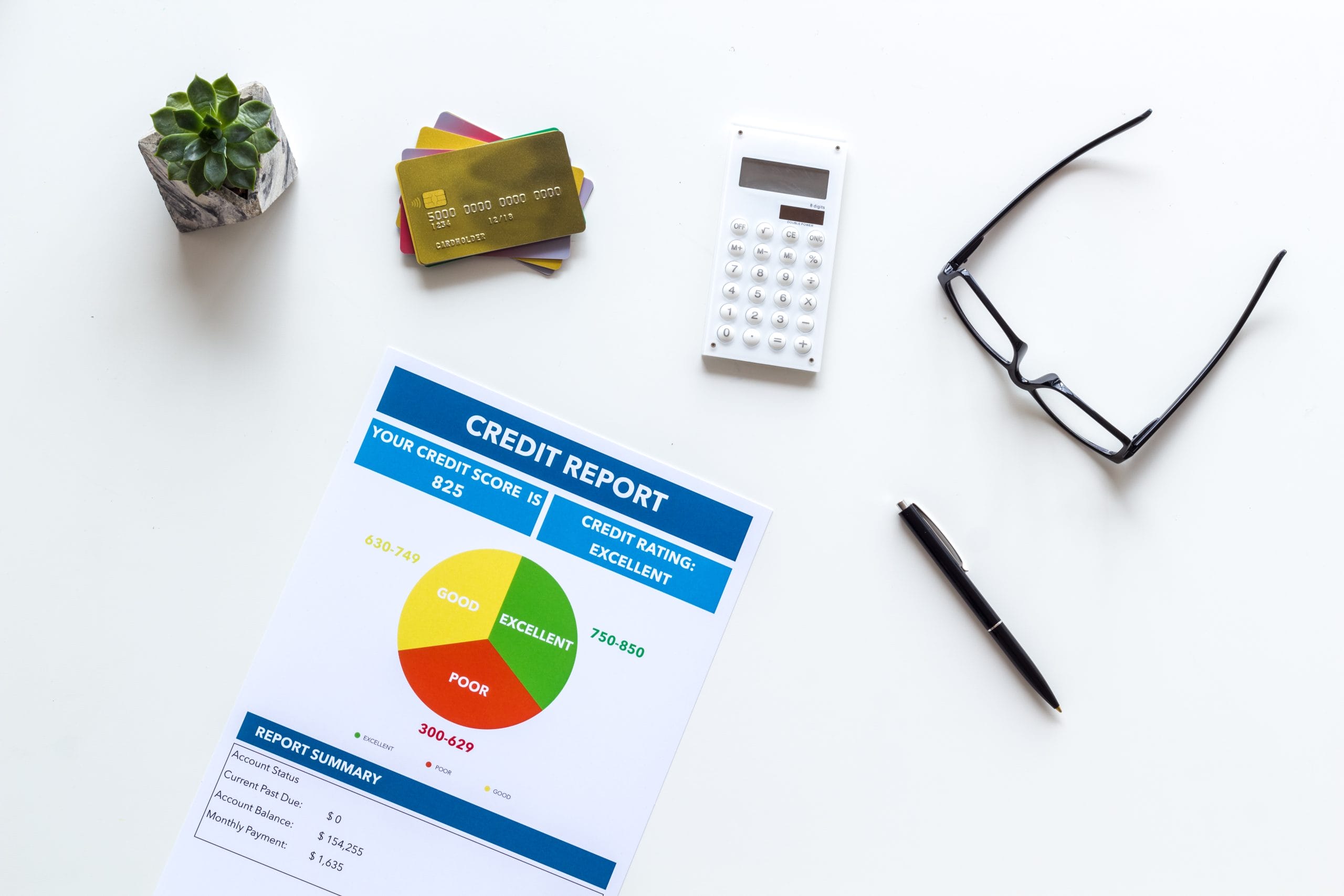
Credit Report
Image Source: 123rf.com

Identity theft isn’t just something that happens to other people—it’s a growing crime that could be targeting you without you realizing it. With personal data being stolen through data breaches, phishing scams, and card skimmers, criminals can open accounts, take out loans, and destroy your credit before you even notice. Your credit report holds the key to detecting identity theft early, but most people don’t check it often enough. If you see any of these five warning signs on your credit report, you need to take action immediately.

1. Accounts You Don’t Recognize

One of the most obvious signs of identity theft is finding credit cards, loans, or accounts you never opened. If your credit report shows a store credit card, personal loan, or a line of credit you never applied for, a scammer may have used your identity to take out money in your name.

Identity thieves use stolen personal information to open fraudulent accounts, and if left unchecked, these accounts can rack up massive debt and ruin your credit score. Even if a fraudulent account has a zero balance, it still means someone has your personal details and could do more damage in the future. If you see an account you don’t recognize, contact the lender immediately and dispute the account with the credit bureaus.

2. Strange Inquiries from Lenders You Didn’t Apply To

Every time you apply for credit, whether it’s a credit card, mortgage, or personal loan, the lender checks your credit. These checks, called hard inquiries, appear on your credit report and can stay there for up to two years. If you see an inquiry from a lender you never applied to, it’s a red flag that someone else is trying to take out credit in your name.

Scammers don’t always succeed in opening fraudulent accounts, but if they attempt to do so, the credit inquiry remains on your report. A single unauthorized inquiry might not seem like a big deal, but it could mean that your personal information has already been sold on the dark web. If you notice unusual inquiries, contact the lender to verify the application and consider freezing your credit to prevent further fraud.

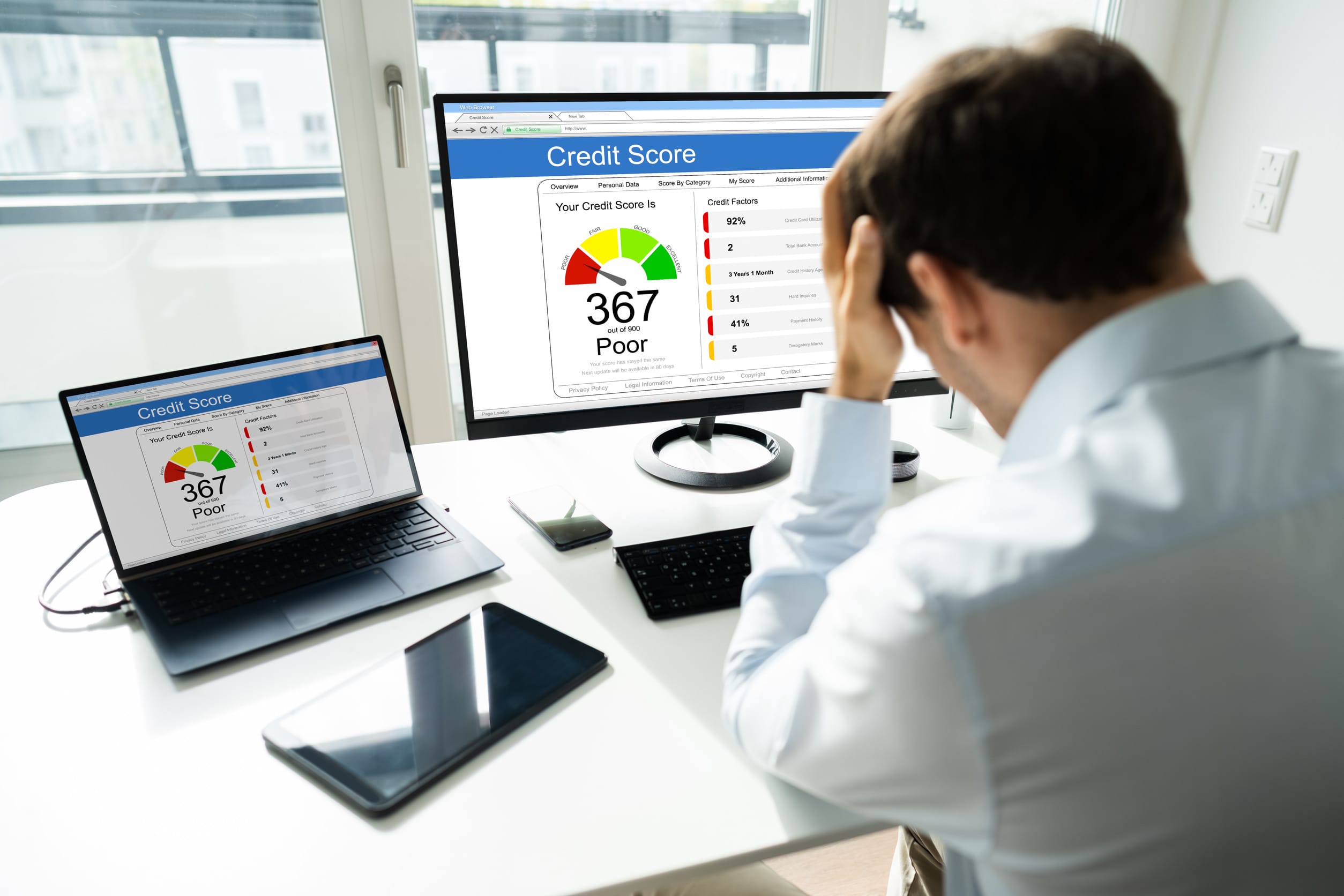
3. A Sudden Drop in Your Credit Score

Poor Credit Score
Image Source: 123rf.com

A sharp drop in your credit score without explanation is a major warning sign of fraud. If your score decreases despite making on-time payments and keeping your balances low, it could be due to a scammer maxing out a stolen credit line or missing payments on an account you didn’t even know existed.

Credit scores drop when:

  • High balances are reported on accounts
  • Late payments occur
  • New accounts are opened
  • Collections are added to your credit report

Even a small dip in your score should prompt you to check your credit report for suspicious activity. If you see any unrecognized accounts, debts, or missed payments, you could be dealing with identity theft.

4. Bills or Collections You Don’t Recognize

Receiving a bill for a service or credit card you never signed up for is a huge red flag. Identity thieves often open accounts and let them go unpaid, resulting in collections being reported on your credit file. You might not even know about the account until you receive a debt collection notice—or worse, get denied for a loan or credit card.

Some scammers even use stolen identities for medical fraud, meaning you could end up with medical bills for treatments you never received. If you see a collections account you don’t recognize, don’t ignore it. Contact the collection agency and dispute the charge with the credit bureaus immediately.

5. Your Personal Information Has Changed on Your Credit Report

If your credit report suddenly shows a different home address, phone number, or employer, it could mean that a scammer has changed your details to cover their tracks. Thieves often update account details to prevent victims from receiving fraud alerts or account statements.

Even small changes, such as a variation in the spelling of your name or an address you don’t recognize, should be taken seriously. If you notice incorrect personal information, contact the credit bureaus to correct it and check for any linked fraudulent activity.

What to Do If You Spot Signs of Identity Theft

If you recognize any of these red flags on your credit report, you need to act quickly to stop the damage. Here’s what to do:

  • Freeze Your Credit: Placing a freeze on your credit report prevents anyone from opening new accounts in your name. You can do this for free with all three major credit bureaus: Experian, Equifax, and TransUnion.
  • Report the Fraud: File an identity theft report with the Federal Trade Commission (FTC) at IdentityTheft.gov. This will help create an official record of the crime.
  • Dispute Fraudulent Accounts: Contact the lender directly to report the fraud and dispute the account with the credit bureaus. They are required to investigate and remove fraudulent accounts.
  • Monitor Your Credit Regularly: Sign up for credit monitoring services or set up free alerts through your bank or credit card provider to track any changes in your credit file.
  • Change Your Passwords and Enable Two-Factor Authentication: If a scammer has gained access to your personal information, secure your accounts by updating passwords and enabling additional security measures.

Checking Your Credit Regularly Can Save You Thousands

Identity theft can cause long-term financial damage, but catching it early makes a huge difference. The best way to protect yourself is to check your credit report regularly. You can access your free credit report from each of the three major credit bureaus once a year at AnnualCreditReport.com. If you space them out, you can check one report every four months for continuous monitoring.

Don’t wait until it’s too late—review your credit report today to make sure no one is using your identity to rack up debt in your name.

Have you ever caught a suspicious charge or account on your credit report? Share your experience in the comments.

Read More:

Would Jesus Use a Credit Card? The Ethics of Debt in a Modern World

Credit Score Killers: 7 Mistakes You’re Probably Guilty Of

Latrice Perez

Latrice is a dedicated professional with a rich background in social work, complemented by an Associate Degree in the field. Her journey has been uniquely shaped by the rewarding experience of being a stay-at-home mom to her two children, aged 13 and 5. This role has not only been a testament to her commitment to family but has also provided her with invaluable life lessons and insights.

As a mother, Latrice has embraced the opportunity to educate her children on essential life skills, with a special focus on financial literacy, the nuances of life, and the importance of inner peace.

Filed Under: Personal Finance Tagged With: credit fraud, credit monitoring, credit scams, cybersecurity, Financial Security, fraud prevention, identity theft, Personal Finance, protect your credit, stolen identity

5 Must-Know Privacy Lessons I Learned From 9-11

September 11, 2012 by Joe Saul-Sehy 18 Comments

I was late to work and sneaking up the stairwell to my office. A passing friend said, “A second plane just hit the World Trade Center.”

There’d been a first plane? The World Trade Center? It must be a little Cessna.

The entire office huddled around televisions. I wasn’t prepared for what they were watching. The heroism of everyday people that day still amazes me.

Later in the week, among the flurry of stories echoing the disaster, one personal finance problem emerged: private financial documents with personal client information littered the streets of Manhattan. Many of the firms in the World Trade Center were financial companies (in fact, one firm owned by a cousin of a client, Alger Mutual Funds, lost David Alger and 35 other staffers that day). I began helping the media complete stories about “How to Protect Your Privacy.”

Although we can’t prevent another 9-11, we can make sure that our financial documents are the last thing we worry about when far more important concerns (such as people) should dominate our thoughts. Here are five lessons I took far more seriously after that day than I had previously:


5 Steps To Protect Your Identity


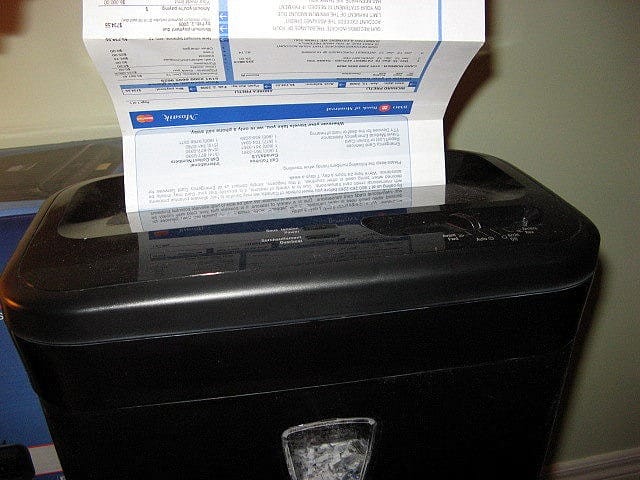
shredder1) Shred unnecessary documents. A good shredder pays for itself immediately. If you’re using it for household bills, this Amazon shredder will only set you back $29.99. Businesses should invest in a more robust tool.

2) Don’t give out your social security number, telephone number, or other unnecessary information on documents. I hand over wrong numbers like a hot woman at the bar. Create a separate email address reserved for email forms and correspondence with companies.

3) Check your credit report regularly. You’ll want to keep a tight watch over predators trying to access your credit. Companies with free credit tools like Quizzle or CreditKarma are great places to monitor lender activity. On episode #2 of our Two Guys & Your Money podcast, Len Penzo reported that he turns off his credit with each credit company until he needs it. Look for other mistakes while you’re there: a recent ABC news story reported that over 90% of all credit reports have inaccurate information.

4) Review every credit card statement. Ever wonder why Mr. Monopoly looks shocked when you draw the “Bank Error in Your Favor….Collect $40” card in the popular board game? It’s because errors happen all the time and they’re rarely in your favor. More importantly, you may see early signs of thieves trying to gain access to your credit.

5) Back up your documents – I’ve recently begun transferring my paper documents into digital form. Keep these in two places in case you lose access to the first or thieves steal the data.

Foremost in my mind today is the tragic and unnecessary loss of life on 9-11. I learned far greater lessons than the five I pointed out above. However, I also learned a little about taking care of my financial life so that if tragedy strikes, the threat to my identity is minimized.


What steps do you still need to take to better protect your financial privacy?

Enhanced by Zemanta
Photo of Joe Saul-Sehy
Joe Saul-Sehy

Joe is a former financial advisor and media representative for American Express and Ameriprise. He was the “Money Man” at Detroit television WXYZ-TV, appearing twice weekly. He’s also appeared in Bride, Best Life, and Child magazines, the Los Angeles Times, Chicago Sun-Times, Detroit News and Baltimore Sun newspapers and numerous other media outlets.  Joe holds B.A Degrees from The Citadel and Michigan State University.

joesaulsehy.com/

Filed Under: credit score, Debt Management, money management, risk management Tagged With: credit monitoring, credit thief, CreditKarma, identity theft, protect identity, Quizzle

  • « Previous Page
  • 1
  • 2

FOLLOW US

Search this site:

Recent Posts

  • Can My Savings Account Affect My Financial Aid? by Tamila McDonald
  • 12 Ways Gen X’s Views Clash with Millennials… by Tamila McDonald
  • What Advantages and Disadvantages Are There To… by Jacob Sensiba
  • 10 Tactics for Building an Emergency Fund from Scratch by Vanessa Bermudez
  • Call 911: Go To the Emergency Room Immediately If… by Stephen Kanaval
  • 7 Weird Things You Can Sell Online by Tamila McDonald
  • 10 Scary Facts About DriveTime by Tamila McDonald

Copyright © 2026 · News Pro Theme on Genesis Framework