• Home
  • About Us
  • Toolkit
  • Getting Finances Done
    • Hiring Advisors
    • Debt Management
    • Spending Plan
  • Insurance
    • Life Insurance
    • Health Insurance
    • Disability Insurance
    • Homeowners/Renters Insurance
  • Contact Us
  • Privacy Policy
  • Risk Tolerance Quiz

The Free Financial Advisor

You are here: Home / Archives for Affirm

Every Affirm Purchase Adds a Loan to Your Credit Report — Here’s What That Means

February 17, 2026 by Brandon Marcus Leave a Comment

Every Affirm Purchase Adds a Loan to Your Credit Report — Here’s What That Means

Image source: shutterstock.com

You tap a button to split your purchase into four payments, and just like that, you’ve opened a loan. Not a metaphorical loan. A real one that can land on your credit report and influence your credit score.

Affirm, one of the biggest players in the buy now, pay later space, markets convenience and transparency. It often charges simple interest instead of compounding interest, and it shows you the total cost upfront. That part appeals to anyone who hates credit card math.

But the part that many people overlook is this: each eligible Affirm purchase can show up as its own installment loan on your credit report.

One Click, One Loan: How Affirm Reports to Credit Bureaus

Affirm does report many of its loans to credit bureaus, including Experian. That reporting means your purchase doesn’t live quietly in a corner of the internet. It can become part of your official credit history.

When you check out with Affirm, you agree to a short-term installment loan. That loan can appear on your credit report with details such as the original amount, the payment schedule, and your payment history. If you take out five separate Affirm loans for five different purchases, you may see five separate tradelines. Each one stands alone.

This setup matters because credit scoring models look at each account individually. Payment history, account age, total debt, and credit mix all factor into your score. A single missed payment on an Affirm loan can hurt your score just like a missed payment on a credit card or auto loan. On the flip side, consistent on-time payments can strengthen your profile.

Installment Loans Change Your Credit Mix

Credit scoring models reward variety. They like to see that you can handle different types of debt, including revolving accounts like credit cards and installment accounts like car loans, student loans, or personal loans. Affirm loans fall into the installment category.

When you add an installment loan through Affirm, you change your credit mix. In theory, that diversification can help your score, especially if you previously had only credit cards. However, that benefit doesn’t outweigh late payments or high overall debt.

You also increase your total number of open accounts. If you use buy now, pay later services frequently, your credit report can start to look crowded with small installment loans. Lenders who review your report manually might notice that pattern. They may wonder whether you rely heavily on short-term financing to manage everyday purchases.

None of that automatically spells trouble. Responsible use, low balances elsewhere, and consistent on-time payments can keep your profile strong. But frequent borrowing for routine spending can raise eyebrows if you apply for a mortgage or auto loan and an underwriter studies your report closely.

Payment History: The Real Make-or-Break Factor

Payment history carries the most weight in most credit scoring models. When Affirm reports your loan, it also reports whether you pay on time. If you schedule autopay and stick to your plan, you build positive payment history. That consistency can support your score over time. Many people appreciate this feature because it allows smaller purchases to contribute to their credit profile in a structured way.

But if you miss a payment, the impact can feel sharp. Late payments can remain on your credit report for up to seven years. Even one 30-day delinquency can cause a noticeable drop in your score, especially if you previously maintained excellent credit.

Short-Term Convenience, Long-Term Record

Buy now, pay later products feel modern and frictionless. They blend into checkout screens, sit next to Apple Pay and credit cards, and promise a smoother path to ownership. But your credit report does not care about aesthetics. It records facts.

Each reported Affirm loan adds to your total outstanding installment debt. Even if the balance sits low, lenders may calculate your debt-to-income ratio using those obligations. When you apply for larger financing, such as a mortgage, underwriters examine all open loans. Multiple small installment loans can affect how much you qualify for.

Hard Inquiries and What to Watch For

Most Affirm applications involve a soft credit check, which does not affect your score. That feature makes the service appealing because you can see your offer without penalty. However, certain longer-term or higher-value loans may involve a hard inquiry.

Hard inquiries can lower your score by a few points, and they remain on your credit report for up to two years. The impact typically fades after several months, but multiple inquiries in a short period can add up.

You should read your loan terms carefully before you finalize your purchase. Look for language about credit checks and reporting. Confirm whether the loan will report to one or more credit bureaus. Transparency works in your favor when you take a few extra seconds to understand the structure.
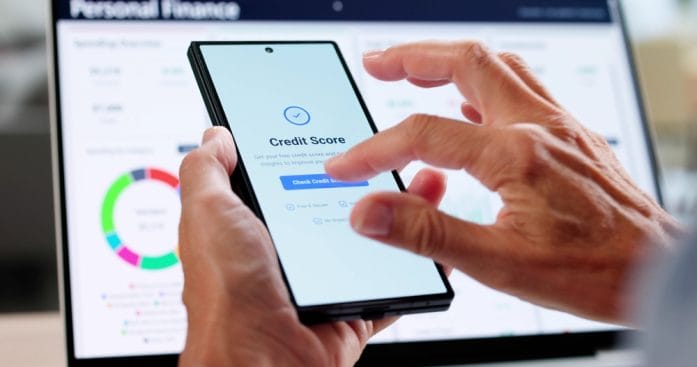
Every Affirm Purchase Adds a Loan to Your Credit Report — Here’s What That Means

Image source: shutterstock.com

Smart Ways to Use Affirm Without Hurting Your Credit

You don’t need to swear off buy now, pay later services to protect your credit. You just need a plan. Start by limiting how many active Affirm loans you carry at once. If you already juggle two or three installment payments, pause before adding another. Simplicity protects you from missed due dates and mental overload.

Next, align your payment schedule with your income cycle. If you get paid biweekly, make sure your installment dates won’t collide with other major bills. You can often see the full payment calendar before you commit.

Finally, ask yourself whether you would buy the item if Affirm didn’t exist. If the answer feels shaky, reconsider. Installment loans work best when they support intentional spending, not when they stretch your budget thin.

Loans Add Up, So Make Them Count

Every Affirm purchase can add a loan to your credit report. That reality carries both opportunity and risk. On-time payments can strengthen your history and add healthy installment activity to your file. Late payments can drag down your score and linger for years.

You control the outcome. You decide how often you borrow, how carefully you track due dates, and whether each purchase aligns with your financial goals. Credit reports don’t judge your shopping choices, but they do record your borrowing behavior with quiet precision.

Do you see Affirm as a smart budgeting tool, or has it started to feel like a crutch in your spending habits? Share your thoughts in the comments.

You May Also Like…

Why Credit Unions Are Still Generating Massive Overdraft Fee Revenue

23% of Americans With Credit Card Debt Don’t Believe They’ll Ever Pay It Off

The Credit Score Range That Gets You 17%–21% APR on Credit Cards Right Now

Could Credit Card Debt Secretly Outlive You

What Happens When You Ignore Your Credit Report for Years

Brandon Marcus
Brandon Marcus

Brandon Marcus is a writer who has been sharing the written word since a very young age. His interests include sports, history, pop culture, and so much more. When he isn’t writing, he spends his time jogging, drinking coffee, or attempting to read a long book he may never complete.

Filed Under: credit score Tagged With: Affirm, BNPL, buy now pay later, consumer finance, credit bureaus, credit report, credit score, Debt Management, installment loans, payment history, Personal Finance, Planning

How The New Affirm Policy Change May Affect Your Credit

June 5, 2025 by Travis Campbell Leave a Comment

online shop

Image Source: pexels.com

If you’ve ever shopped online and seen the option to “buy now, pay later” with Affirm, you’re not alone. These flexible payment plans have exploded in popularity, making it easier than ever to split up big purchases. But recently, Affirm announced a major policy change that could have a real impact on your credit score and financial future. Whether you’re a seasoned Affirm user or just considering your first purchase, understanding how this new policy works is crucial. After all, your credit score isn’t just a number—it can affect everything from loan approvals to apartment rentals. Let’s break down what’s changing, why it matters, and how you can protect your credit in this new landscape.

1. Affirm’s New Policy: What’s Actually Changing?

Affirm’s new policy centers around how it reports your payment activity to the major credit bureaus. Previously, not all Affirm loans were reported, especially the shorter-term, interest-free ones. Now, Affirm will report more of its loans, including some of those smaller, short-term plans, to credit bureaus like Experian and TransUnion. This means your payment behavior with Affirm will show up on your credit report more often than before. For many, this is a big shift, as it brings “buy now, pay later” (BNPL) activity into the same spotlight as credit cards and traditional loans.

2. Your Credit Score Could Rise—Or Fall

With Affirm’s new policy, your credit score could see more movement. If you make all your payments on time, this new reporting could actually help your credit score by adding positive payment history. On the flip side, missed or late payments will now be visible to lenders and could drag your score down. This is especially important if you’re planning to apply for a mortgage, car loan, or even a new credit card in the near future. Lenders look closely at your payment history, and even one late payment can make a difference. So, if you’re using Affirm, it’s more important than ever to stay on top of your payment schedule.

3. More Transparency for Lenders—and for You

One upside to Affirm’s new policy is increased transparency. Lenders will have a clearer picture of your financial habits, which can work in your favor if you’re responsible with your payments. This transparency also helps you keep track of your own credit health. By seeing your Affirm activity on your credit report, you can better understand how your spending and repayment habits affect your overall credit profile.

4. Short-Term Loans Are No Longer “Invisible”

In the past, many people used short-term, interest-free Affirm loans, thinking they wouldn’t impact their credit at all. With the new policy, these loans may now be reported, making them visible to anyone who checks your credit. This means that even small purchases split into payments could influence your credit score. If you’re juggling multiple BNPL plans, it’s easy to lose track, so be sure to monitor your accounts closely. Treat every Affirm loan—no matter how small—as if it were a traditional loan, because now, it essentially is.

5. Practical Steps to Protect Your Credit

With these changes, it’s smart to take a few proactive steps. First, set up automatic payments or reminders so you never miss a due date. Next, keep your total number of active BNPL loans manageable; having too many open at once can make you look risky to lenders. Finally, regularly review your credit report to catch any errors or surprises. If you spot a late payment that you believe is incorrect, dispute it right away. Staying organized and vigilant is the best way to make sure Affirms new policy works for you, not against you.

6. The Bigger Picture: How BNPL Is Shaping Credit

Affirms policy change is part of a larger trend: buy now, pay later services are becoming a bigger part of the credit landscape. As more companies follow suit, your BNPL activity will play a larger role in your overall financial profile. This shift means that responsible use of these services can help you build credit, but careless use can hurt you just as quickly. The key is to treat every BNPL plan with the same seriousness as a credit card or loan. The days of “invisible” installment plans are over, and your credit score will reflect your choices.

Navigating the New Affirm Policy: Your Credit, Your Rules

The new Affirm policy change may feel like a curveball, but it’s also an opportunity. By understanding how Affirm now affects your credit, you can make smarter decisions and use these services to your advantage. Remember, your credit score is a tool—one that can open doors or create obstacles, depending on how you manage it. Stay informed, stay organized, and let Affirms new policy work for you, not against you.

How do you feel about Affirms new policy? Have you noticed any changes in your credit score since the update? Share your thoughts in the comments below!

Read More

How The New Affirm Policy Change May Affect Your Credit

5 Biggest Refinance Concerns

Travis Campbell
Travis Campbell

Travis Campbell is a digital marketer/developer with over 10 years of experience and a writer for over 6 years. He holds a degree in E-commerce and likes to share life advice he’s learned over the years. Travis loves spending time on the golf course or at the gym when he’s not working.

Filed Under: Smart Shopping Tagged With: Affirm, BNPL, buy now pay later, credit report, credit score, Financial Tips, Personal Finance

Why Your “Buy Now Pay Later” Purchases Could Tank Your Credit for Years

May 9, 2025 by Travis Campbell Leave a Comment

klarna

Image Source: pexels.com

The convenience of clicking “Buy Now Pay Later” (BNPL) at checkout has revolutionized how we shop online. These seemingly innocent installment plans promise financial flexibility without the sting of credit card interest. Yet beneath this appealing surface lurks a potential credit catastrophe waiting to happen. As BNPL services like Affirm, Klarna, and Afterpay continue their explosive growth, many consumers remain unaware that these “harmless” payment options can severely damage their credit scores for years to come. Understanding these risks isn’t just financial housekeeping—it’s essential protection for your future borrowing power when needed.

1. BNPL Payments Can Appear as High-Utilization Debt

When you use BNPL services, these arrangements often get reported to credit bureaus as revolving credit accounts similar to credit cards. The problem? They typically report the entire purchase amount immediately, even though you’re paying it off gradually. This creates the appearance of high credit utilization—one of the most influential factors in your credit score calculation.

Credit scoring models view high utilization (typically above 30% of available credit) as a red flag indicating potential financial distress. A single large BNPL purchase can suddenly make it look like you’re maxing out your available credit, causing an immediate drop in your score.

What makes this particularly damaging is that utilization has no “memory” in credit scoring, meaning high utilization continues hurting your score until the balance decreases, potentially affecting loan applications or credit card approvals during that period.

2. Missed Payments Create Lasting Damage

BNPL services market themselves on flexibility, but they’re surprisingly unforgiving when payments are missed. According to a 2022 Consumer Financial Protection Bureau report, late payment reporting practices vary widely across BNPL providers, creating confusion for consumers.

When you miss a BNPL payment, credit bureaus can report it as delinquent. These negative marks remain on your credit report for up to seven years, long after you’ve forgotten about that impulse purchase. Even a single 30-day late payment can drop a good credit score by 50-100 points, with recovery taking months or years.

The automated payment systems used by most BNPL services create additional risk. If your linked payment method has insufficient funds, you could face cascading penalties: late fees from the BNPL provider, overdraft fees from your bank, and credit score damage from the reported delinquency.

3. Multiple BNPL Accounts Trigger Hard Inquiries

While some BNPL services advertise “no credit check” options, many perform hard credit inquiries when you open an account. Unlike soft inquiries, hard inquiries appear on your credit report and typically reduce your score by 5-10 points each.

The real danger comes from opening multiple BNPL accounts across different services. Research found that 34% of BNPL users have accounts with at least two different providers. Each new account can trigger another hard inquiry, creating a compounding negative effect.

These inquiries remain on your credit report for two years. Lenders viewing multiple recent inquiries may conclude you’re desperately seeking credit, a major red flag when evaluating loan applications.

4. BNPL Creates Credit Mix Imbalances

Credit scoring models reward consumers for maintaining a healthy mix of credit types—installment loans (like mortgages or auto loans) and revolving credit (like credit cards). BNPL arrangements often fall into a confusing middle ground that can disrupt this balance.

Some BNPL services report as installment loans, while others report as revolving credit. Too many of either type can negatively impact your credit mix score component. This is particularly problematic for consumers with limited credit history, where BNPL accounts might represent a disproportionate percentage of their overall credit profile.

Additionally, BNPL accounts typically have short terms (often weeks or months), which reduces your average account age—another factor in credit scoring. A lower average account age suggests a higher risk to potential lenders.

5. The “Invisible Debt” Problem

Perhaps the most insidious aspect of BNPL services is their ability to facilitate “invisible debt” accumulation. The psychological ease of spreading payments makes purchases feel more affordable than they actually are.

A 2023 LendingTree survey found that 42% of BNPL users admitted to making purchases they couldn’t otherwise afford. This invisible debt accumulation can lead to overextension, where consumers take on more financial obligations than their income can support.

When this debt burden becomes unsustainable, consumers may resort to additional borrowing or miss payments across multiple accounts, creating a domino effect of credit damage that can take years to repair.

The Hidden Cost of Convenience

The true price of BNPL convenience extends far beyond the purchase itself. While these services offer legitimate benefits for disciplined consumers, they represent a modern credit trap for the unwary. The immediate gratification of splitting payments comes with potential long-term consequences for your financial health.

Before clicking that BNPL button, consider whether the purchase is essential and if you could save up for it instead. If you must use BNPL, treat these arrangements with the same seriousness as traditional loans—budget for payments, set calendar reminders, and maintain sufficient funds in your payment account.

Your future self—whether applying for a mortgage, financing a car, or seeking a competitive interest rate—will thank you for protecting your credit score today.

Have you ever used a Buy Now Pay Later service and experienced unexpected consequences? Share your story in the comments below to help others avoid similar pitfalls.

Read More

How to Boost Your Credit Score and Avoid Loan Rejection

How Long Does Bankruptcy Stay on Credit Report?

Travis Campbell
Travis Campbell

Travis Campbell is a digital marketer/developer with over 10 years of experience and a writer for over 6 years. He holds a degree in E-commerce and likes to share life advice he’s learned over the years. Travis loves spending time on the golf course or at the gym when he’s not working.

Filed Under: credit score Tagged With: Affirm, Afterpay, BNPL risks, buy now pay later, credit damage, credit score, Klarna, Personal Finance

These Are The 5 Biggest Players In The “Buy Now Pay Later” Game

March 28, 2025 by Latrice Perez Leave a Comment

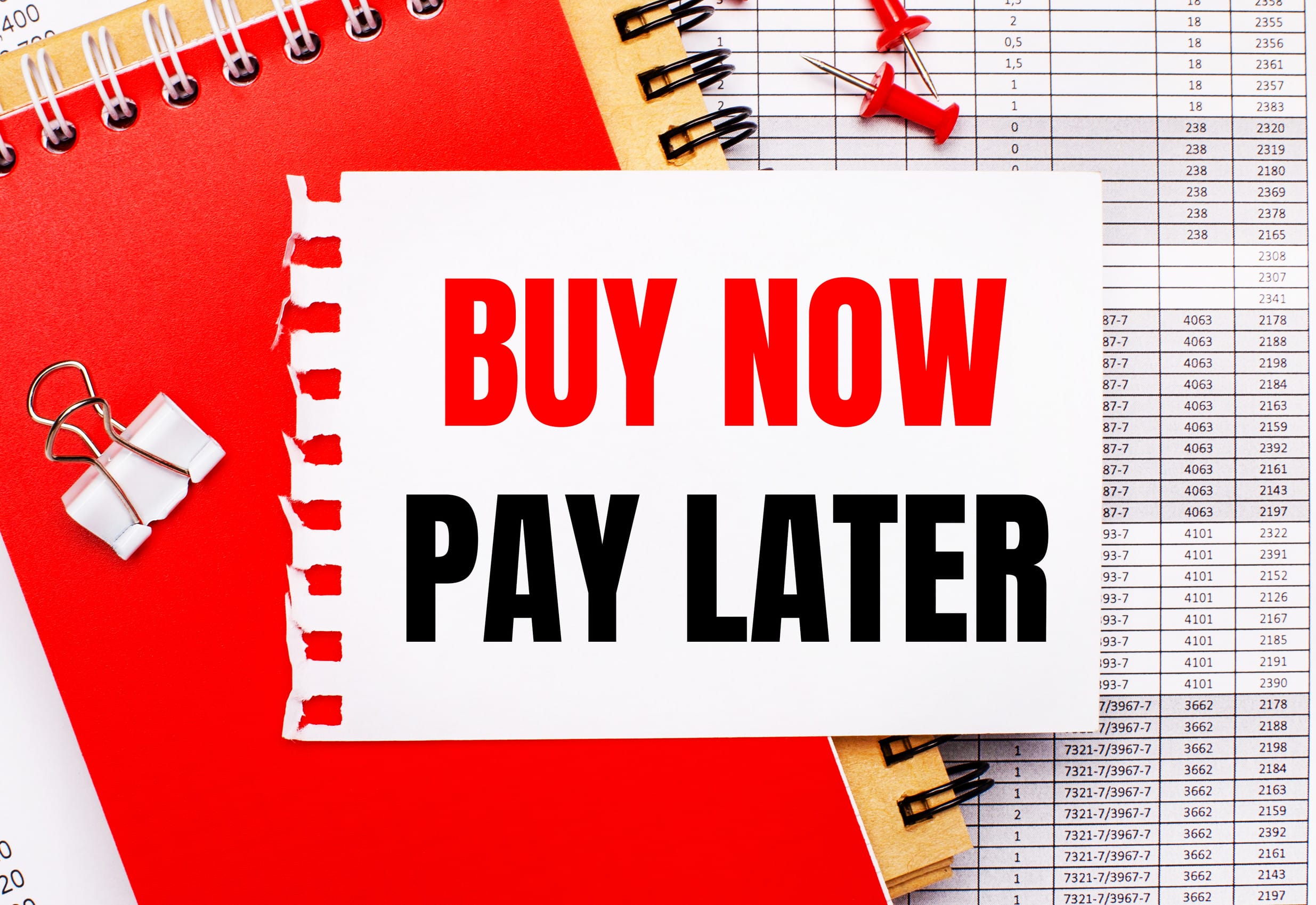
Against the background of the reports, there are red and brown notepads, a white paper clip, red buttons and a white sheet of paper with the text BUY NOW PAY LATER. Business concept

Image Source: 123rf.com

The “Buy Now Pay Later” (BNPL) model has rapidly transformed the shopping experience for millions of consumers. With the promise of instant gratification and flexible payments, a new breed of financial companies has emerged. These players have captured the market by offering seamless online experiences and appealing payment terms. As BNPL continues to disrupt traditional credit and financing, understanding who the biggest players are can help you navigate this evolving landscape. This article dives into the five leading companies that are shaping the future of deferred payment options.

1. Affirm: Pioneering Flexible Financing

Affirm has become synonymous with transparent, no-hidden-fee financing. The company offers consumers clear, upfront information about interest rates and payment schedules. Its easy-to-use app and user-friendly website have attracted millions of shoppers worldwide. Affirm’s partnerships with major retailers demonstrate its influence and innovative approach to consumer credit. The company continues to set the standard for ethical and flexible BNPL services.

2. Afterpay: The Trendsetter in Instant Gratification

Afterpay has revolutionized the way consumers manage their spending by allowing interest-free payments over short periods. This model has resonated particularly well with younger shoppers who appreciate its simplicity and transparency. Its widespread adoption across fashion, beauty, and lifestyle sectors highlights its significant market presence. Afterpay’s innovative approach has spurred competitors to develop similar offerings. The company’s growth reflects the increasing demand for convenient, flexible payment options.

3. Klarna: Bridging the Gap Between Shopping and Financing

Woman Shopping at the Mall

Image Source: 123rf.com

Klarna has established itself as a major player by blending shopping with flexible financing solutions. Its platform offers multiple payment options, including pay later, installment plans, and direct payments. Klarna’s focus on enhancing the customer experience has made it a favorite among online retailers. The company’s sleek design and user-centric approach have redefined how consumers perceive credit. By continuously innovating, Klarna remains at the forefront of the BNPL industry.

4. Sezzle: Empowering Consumers with Budget-Friendly Options

Sezzle has carved out a niche by focusing on providing manageable installment plans to budget-conscious shoppers. Its platform is designed to help users spread out payments without incurring interest, fostering financial responsibility. Sezzle’s commitment to transparency and consumer education has helped it gain trust in a competitive market. The company’s flexible repayment options make it a valuable tool for managing unexpected expenses. Sezzle continues to expand its network of retailers and influence consumer habits.

5. Splitit: Revolutionizing Payment Flexibility With Credit Cards

Splitit distinguishes itself by leveraging existing credit lines to offer installment payments. Instead of creating new debt, Splitit allows consumers to use their own credit card limits in a seamless way. This innovative approach has appealed to shoppers looking for a familiar payment method with added flexibility. Retailers appreciate Splitit’s ability to integrate into existing systems without complex onboarding processes. Its growing popularity signals a shift in how consumers manage cash flow while shopping.

The Future of Consumer Financing is Here

The rise of BNPL services has fundamentally reshaped the retail landscape and consumer spending habits. These five players are at the forefront of a revolution that prioritizes flexibility, transparency, and convenience. As the market evolves, these companies will continue to innovate and challenge traditional credit models. For consumers, understanding the options available is key to making informed financial decisions.

Which BNPL service have you used, and how has it changed your shopping experience? Share your insights in the comments below!

Read More:

Online Shopping Dangers: 7 Red Flags That Scream “Scam!”

“The ‘Spending Freeze’ Challenge: Could You Survive a Month Without Shopping?

Latrice Perez

Latrice is a dedicated professional with a rich background in social work, complemented by an Associate Degree in the field. Her journey has been uniquely shaped by the rewarding experience of being a stay-at-home mom to her two children, aged 13 and 5. This role has not only been a testament to her commitment to family but has also provided her with invaluable life lessons and insights.

As a mother, Latrice has embraced the opportunity to educate her children on essential life skills, with a special focus on financial literacy, the nuances of life, and the importance of inner peace.

Filed Under: Personal Finance Tagged With: Affirm, Afterpay, BNPL, buy now pay later, consumer financing, flexible payments, Klarna, retail innovation, Sezzle, Splitit

FOLLOW US

Search this site:

Recent Posts

  • Can My Savings Account Affect My Financial Aid? by Tamila McDonald
  • 12 Ways Gen X’s Views Clash with Millennials… by Tamila McDonald
  • What Advantages and Disadvantages Are There To… by Jacob Sensiba
  • Call 911: Go To the Emergency Room Immediately If… by Stephen Kanaval
  • 10 Tactics for Building an Emergency Fund from Scratch by Vanessa Bermudez
  • 7 Weird Things You Can Sell Online by Tamila McDonald
  • 10 Scary Facts About DriveTime by Tamila McDonald

Copyright © 2026 · News Pro Theme on Genesis Framework