• Home
  • About Us
  • Getting Finances Done
    • Hiring Advisors
    • Debt Management
    • Spending Plan
  • Insurance
    • Life Insurance
    • Health Insurance
    • Disability Insurance
    • Homeowners/Renters Insurance
  • Contact Us
  • Our Editorial Commitment

The Free Financial Advisor

You are here: Home / Archives for banking safety

8 Things You Should Never, Ever Put in a Bank Safe Deposit Box

December 3, 2025 by Brandon Marcus Leave a Comment

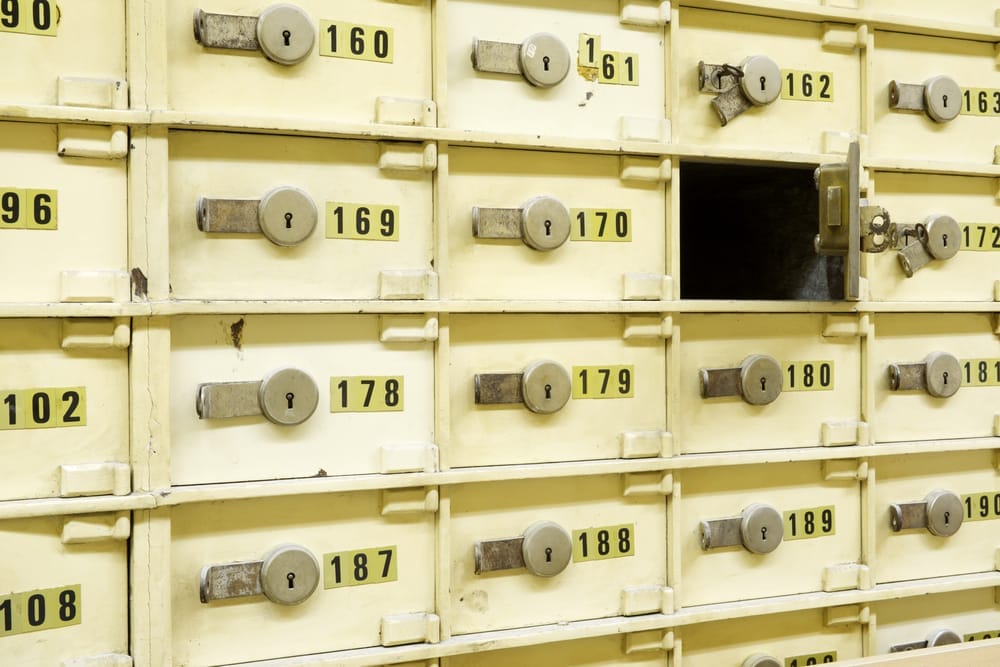
Things You Should Never, Ever Put In A Bank Safe Deposit Box
Image Source: Shutterstock.com

There is something mysteriously thrilling about sliding open a safe deposit box—like you’re about to stash away royal jewels or the secret formula to your grandmother’s unstoppable banana bread. But despite the Hollywood-level glamour, safe deposit boxes come with rules and risks that most people never think about. Banks provide a sturdy steel vault and a little private room to sort through your treasures, but that doesn’t mean everything belongs inside one of those metal drawers.

In fact, some items are absolutely terrible candidates for safe deposit storage, no matter how “important” they may seem. Before you lock something away for safekeeping, it’s worth knowing what could lead to chaos later.

1. Original Copies Of Estate Planning Documents

Many people assume that a safe deposit box is the perfect place for their will or power of attorney, but this creates a major headache when someone actually needs those documents. Banks often restrict access if the owner has died or is incapacitated, and that means your loved ones will have to navigate a maze of legal hurdles just to get inside the box. This can delay urgent tasks and, in some cases, cause serious financial or medical complications. Estate documents should be accessible instantly, not locked behind layers of bureaucracy. Keeping them at home in a fireproof safe or with your attorney is a far smarter plan.

2. Items You Might Need During An Emergency

Safe deposit boxes are not designed for quick access, and you can’t just waltz into the bank at midnight or during a long holiday weekend. Storing passports, medical directives, or emergency cash inside the vault means you might be stuck without them at the worst possible time. Imagine needing to catch an urgent international flight or provide life-saving medical documents, only to discover the bank is closed for three days. When timing matters, a safe deposit box becomes a frustrating obstacle instead of a solution. Anything required in a crisis should stay close, not locked in a banker’s basement.

3. Firearms Or Anything That Could Trigger Legal Trouble

Banks do not want weapons in their vaults, and neither should you. Safe deposit boxes are not designed to store firearms safely, legally, or securely from misuse. If a weapon is found during a box drill, or if law enforcement ever needs access, the situation becomes complicated in ways you definitely don’t want to experience. Many states also have laws restricting firearm placement in third-party storage outside your control. When it comes to weapons, proper home storage or a licensed facility is always the better choice.

4. Cash You Expect To Use Or Access Quickly

Contrary to what movies suggest, hiding stacks of cash in a safe deposit box is wildly impractical. Banks don’t insure cash held in boxes, and if the vault is damaged, flooded, or broken into, you could lose every dollar with no protection. Plus, if you need that money quickly, you’re stuck waiting for business hours—and that’s not ideal in emergencies or during unexpected opportunities. Cash should either be in a bank account or somewhere secure and accessible at home. Keeping it buried behind steel doors just slows you down and increases risk.

5. Anything Illegal, Questionable, Or Hard To Explain

Safe deposit boxes aren’t magical, no-questions-asked hiding spots, even though they’re often portrayed that way. Banks have policies that allow them to intervene if they suspect illegal activity, and law enforcement can gain access with the right warrants. If you wouldn’t feel comfortable explaining an item to a bank manager or police officer, it probably shouldn’t be in a vault to begin with. Storing questionable items can escalate a routine situation into a legal nightmare. A box meant for valuables should never become a hiding place for trouble.

Things You Should Never, Ever Put In A Bank Safe Deposit Box
Image Source: Shutterstock.com

6. Uninsured Or Irreplaceable Heirlooms

While safe deposit boxes are secure, they are not invincible, and many people are shocked to learn that banks do not automatically insure the contents. Floods, fires, theft, or mishandling can—and sometimes do—damage what’s inside. If you’re putting an irreplaceable piece of family history in the box, understand that getting compensation for damage is extremely difficult. Some items are simply too precious to risk locking away with no guarantee of protection. A home safe with proper insurance often provides a better blend of access and security.

7. Spare Keys, Car Titles, And Essential Daily Items

It might sound logical to keep a spare house key or your car title someplace extra secure, but doing so can trap you in maddening situations. If you lose your primary keys and the spares are locked in the bank, you’re stuck waiting until business hours—not ideal if you’re stranded outside at night. Similarly, losing your original car title means you can’t prove ownership without a lengthy retrieval process. Everyday essentials should be kept accessible and easy to retrieve when life inevitably throws something unexpected at you. Convenience matters just as much as security.

8. Digital Devices Or Hard Drives With Critical Information

Putting a laptop, phone, or external hard drive in a safe deposit box might seem like a clever way to protect sensitive data, but it introduces serious problems. Electronics can degrade in storage, especially in environments not optimized for temperature or humidity control. More importantly, if you forget a password, need urgent work files, or require access to two-factor authentication apps, you’ll be locked out until the bank opens. In a world where digital access is everything, storing crucial tech behind bank hours is a recipe for frustration. Keep digital backups secure but reachable, not locked behind a schedule.

Be Smart About What You Lock Away

Safe deposit boxes can be incredibly useful, but only if you understand what belongs inside—and what definitely doesn’t. Some items become less safe when stored behind restricted access, and others lose protection entirely when placed in an uninsured vault. Knowing what to avoid can save you stress, money, and time when life throws you a curveball. So be thoughtful about what you store, and make sure it supports your real-life needs rather than complicating them.

Have you ever made a safe deposit box mistake? Give us your stories, surprises, or lessons learned in the comments.

You May Also Like…

How “The Bank of Mom and Dad” Is Secretly Draining Your Retirement Fund

5 Outrageous Fees Hidden in Everyday Banking Services

7 Deposit Slip Inconsistencies That Cause Tax Trouble

5 Things You Should Do If You Get A Random Zelle Deposit

6 Data-Scraping Features in Online Banking

Brandon Marcus
Brandon Marcus

Brandon Marcus is a writer who has been sharing the written word since a very young age. His interests include sports, history, pop culture, and so much more. When he isn’t writing, he spends his time jogging, drinking coffee, or attempting to read a long book he may never complete.

Filed Under: Banking Tagged With: bank, bank safe deposit box, banking, banking deposit box, banking features, banking risks, banking safety, business safety, cash, emergency, Estate planning, firearms, heirlooms, safe deposit box, security deposits

8 Risky App Permissions That Expose Bank Login Info

August 20, 2025 by Travis Campbell Leave a Comment

app
Image source: pexels.com

Think about how many apps you’ve installed on your phone. Each one asks for permissions—sometimes more than they really need. But did you know that certain app permissions could expose your bank login info? It’s easy to overlook the risk when you just want to use a cool new feature or service. However, giving apps unnecessary access can make your financial data vulnerable to hackers and data thieves. Protecting your bank login info starts with understanding which permissions are most risky. Let’s break down the app permissions that could compromise your security and what you can do about them.

1. Access to Contacts

Allowing an app to access your contacts list might seem harmless. But when an app can see who you know, it can also gather data about your relationships and communication habits. Some malicious apps use this access to send phishing messages to your contacts, pretending to be you. If those messages include links to fake banking sites, your friends and family could end up exposing their bank login info as well.

It’s best to deny contact access unless it’s absolutely necessary for the app’s main function. Social media apps might need it for friend suggestions, but most banking or utility apps do not.

2. SMS Permissions

Granting SMS permissions lets an app read and send text messages from your device. This is a major risk for your bank login info because many banks use two-factor authentication codes sent via SMS. A rogue app with SMS access can intercept these codes, making it easier for someone to break into your bank account. Some apps even use your phone to send spam or phishing messages to others.

If you don’t need SMS features, always say no to this permission. And for extra security, consider using app-based authentication instead of SMS when possible.

3. Access to Device Storage

When an app asks for permission to access your photos, files, or device storage, it might be looking for more than just selfies. Bank login info can sometimes be stored in downloaded PDFs, screenshots, or saved emails. Malicious apps can search your storage for sensitive documents or even upload them without your consent.

Before granting storage access, ask yourself: Does this app really need to read my files? If not, deny the permission. Always keep sensitive banking info out of your general storage and use secure apps for document management.

4. Camera and Microphone Access

Camera and microphone permissions are often used for features like video calls or photo uploads. However, a sneaky app could use them to capture images or audio without your knowledge. If you ever use your camera to scan checks or QR codes for banking apps, an unauthorized app could intercept that data, potentially exposing your bank login info.

Only grant camera and microphone access to apps you trust completely. For extra peace of mind, regularly review which apps have these permissions in your phone’s settings.

5. Location Tracking

Location permissions help apps provide services like maps or local weather. But when apps track your location constantly, it can reveal patterns about your daily routine. If a bad actor knows when you visit your bank branch or when you’re away from home, it increases your risk. In some cases, apps might even use location data to target you with phishing attempts that seem more legitimate.

Limit location access to “while using the app” or turn it off entirely for apps that don’t need it. Remember, protecting your bank login info means controlling who knows where you are.

6. Accessibility Services

Accessibility permissions are designed to help people with disabilities. But they’re also some of the most powerful—and dangerous—permissions an app can have. With accessibility access, an app can read screen content, log keystrokes, and even interact with other apps. That means a malicious app could capture your bank login info as you type it or copy it from your password manager.

Only grant accessibility permissions to essential apps from reputable developers. If you’re unsure, check for alternatives that don’t require this level of access.

7. Overlay Permissions

Overlay permissions let an app display content on top of other apps. This is how chat heads or floating widgets work. Unfortunately, overlays can also be used for “tapjacking”—tricking you into entering your bank login info into a fake screen. You might not even realize you’re being duped until it’s too late.

Be cautious with apps that ask for overlay permissions, especially if they aren’t from trusted sources. Turn off this permission if you notice suspicious pop-ups or overlays while using your banking app.

8. Internet Access

Almost every app asks for internet access these days, but this permission is especially risky if the app has other dangerous permissions too. With internet access, an app can upload data it collects—including your bank login info—to remote servers. Some malicious apps combine internet access with storage or accessibility permissions to steal your credentials and send them to hackers.

Always check the developer’s reputation before installing an app that needs internet access. Read reviews and look for red flags. For more tips on protecting your financial data, check out this guide to avoiding phishing scams.

How to Protect Your Bank Login Info from Risky App Permissions

Being smart about app permissions is one of the simplest ways to protect your bank login info. Take time to review permissions before installing any new app. Go through your phone’s settings and remove unnecessary permissions from apps you already have. Use strong, unique passwords for your banking apps and enable two-factor authentication—preferably through a secure app rather than SMS.

If you want to learn more about staying safe online, visit these online safety resources. Your financial security is worth a few extra minutes of caution.

What app permission have you seen that made you pause before hitting “Allow”? Share your experiences in the comments below!

Read More

Whos Watching Your Financial Apps Without You Knowing It

6 Phone App Permissions That Spy On Your Financial Life

Travis Campbell
Travis Campbell

Travis Campbell is a digital marketer/developer with over 10 years of experience and a writer for over 6 years. He holds a degree in E-commerce and likes to share life advice he’s learned over the years. Travis loves spending time on the golf course or at the gym when he’s not working.

Filed Under: Online Safety Tagged With: app security, banking safety, cybersecurity, data protection, mobile privacy

Follow Us

Search this site:

Recent Posts

  • Can My Savings Account Affect My Financial Aid? by Tamila McDonald
  • 12 Ways Gen X’s Views Clash with Millennials… by Tamila McDonald
  • What Advantages and Disadvantages Are There To… by Jacob Sensiba
  • 10 Tactics for Building an Emergency Fund from Scratch by Vanessa Bermudez
  • Call 911: Go To the Emergency Room Immediately If… by Stephen Kanaval
  • 7 Weird Things You Can Sell Online by Tamila McDonald
  • 10 Scary Facts About DriveTime by Tamila McDonald

Copyright © 2026 · News Pro Theme on Genesis Framework