• Home
  • About Us
  • Getting Finances Done
    • Hiring Advisors
    • Debt Management
    • Spending Plan
  • Insurance
    • Life Insurance
    • Health Insurance
    • Disability Insurance
    • Homeowners/Renters Insurance
  • Contact Us
  • Our Editorial Commitment

The Free Financial Advisor

You are here: Home / Archives for security deposits

8 Things You Should Never, Ever Put in a Bank Safe Deposit Box

December 3, 2025 by Brandon Marcus Leave a Comment

Things You Should Never, Ever Put In A Bank Safe Deposit Box
Image Source: Shutterstock.com

There is something mysteriously thrilling about sliding open a safe deposit box—like you’re about to stash away royal jewels or the secret formula to your grandmother’s unstoppable banana bread. But despite the Hollywood-level glamour, safe deposit boxes come with rules and risks that most people never think about. Banks provide a sturdy steel vault and a little private room to sort through your treasures, but that doesn’t mean everything belongs inside one of those metal drawers.

In fact, some items are absolutely terrible candidates for safe deposit storage, no matter how “important” they may seem. Before you lock something away for safekeeping, it’s worth knowing what could lead to chaos later.

1. Original Copies Of Estate Planning Documents

Many people assume that a safe deposit box is the perfect place for their will or power of attorney, but this creates a major headache when someone actually needs those documents. Banks often restrict access if the owner has died or is incapacitated, and that means your loved ones will have to navigate a maze of legal hurdles just to get inside the box. This can delay urgent tasks and, in some cases, cause serious financial or medical complications. Estate documents should be accessible instantly, not locked behind layers of bureaucracy. Keeping them at home in a fireproof safe or with your attorney is a far smarter plan.

2. Items You Might Need During An Emergency

Safe deposit boxes are not designed for quick access, and you can’t just waltz into the bank at midnight or during a long holiday weekend. Storing passports, medical directives, or emergency cash inside the vault means you might be stuck without them at the worst possible time. Imagine needing to catch an urgent international flight or provide life-saving medical documents, only to discover the bank is closed for three days. When timing matters, a safe deposit box becomes a frustrating obstacle instead of a solution. Anything required in a crisis should stay close, not locked in a banker’s basement.

3. Firearms Or Anything That Could Trigger Legal Trouble

Banks do not want weapons in their vaults, and neither should you. Safe deposit boxes are not designed to store firearms safely, legally, or securely from misuse. If a weapon is found during a box drill, or if law enforcement ever needs access, the situation becomes complicated in ways you definitely don’t want to experience. Many states also have laws restricting firearm placement in third-party storage outside your control. When it comes to weapons, proper home storage or a licensed facility is always the better choice.

4. Cash You Expect To Use Or Access Quickly

Contrary to what movies suggest, hiding stacks of cash in a safe deposit box is wildly impractical. Banks don’t insure cash held in boxes, and if the vault is damaged, flooded, or broken into, you could lose every dollar with no protection. Plus, if you need that money quickly, you’re stuck waiting for business hours—and that’s not ideal in emergencies or during unexpected opportunities. Cash should either be in a bank account or somewhere secure and accessible at home. Keeping it buried behind steel doors just slows you down and increases risk.

5. Anything Illegal, Questionable, Or Hard To Explain

Safe deposit boxes aren’t magical, no-questions-asked hiding spots, even though they’re often portrayed that way. Banks have policies that allow them to intervene if they suspect illegal activity, and law enforcement can gain access with the right warrants. If you wouldn’t feel comfortable explaining an item to a bank manager or police officer, it probably shouldn’t be in a vault to begin with. Storing questionable items can escalate a routine situation into a legal nightmare. A box meant for valuables should never become a hiding place for trouble.
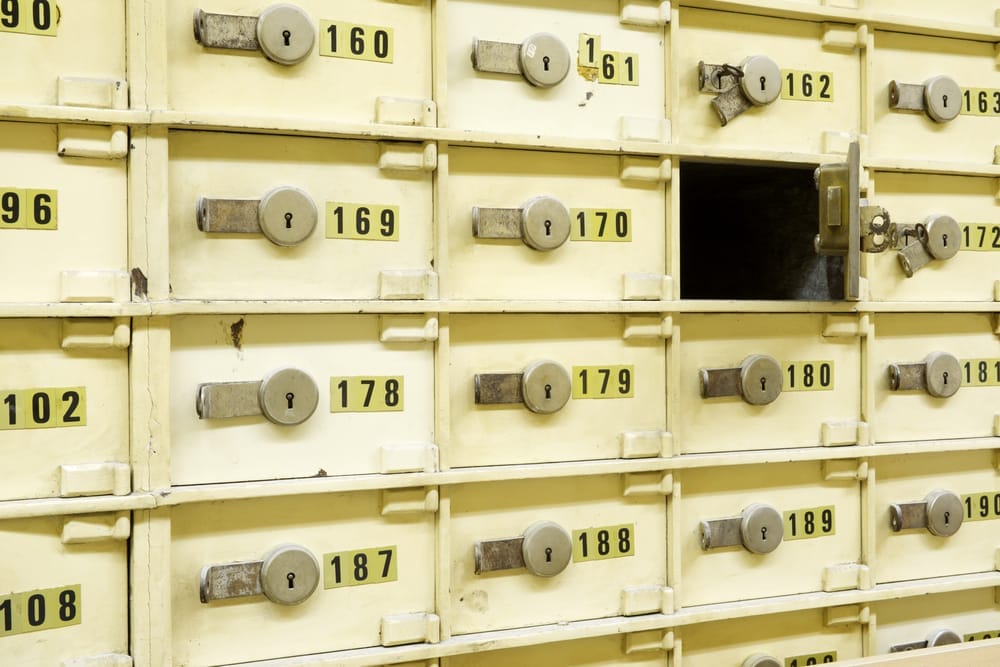
Things You Should Never, Ever Put In A Bank Safe Deposit Box
Image Source: Shutterstock.com

6. Uninsured Or Irreplaceable Heirlooms

While safe deposit boxes are secure, they are not invincible, and many people are shocked to learn that banks do not automatically insure the contents. Floods, fires, theft, or mishandling can—and sometimes do—damage what’s inside. If you’re putting an irreplaceable piece of family history in the box, understand that getting compensation for damage is extremely difficult. Some items are simply too precious to risk locking away with no guarantee of protection. A home safe with proper insurance often provides a better blend of access and security.

7. Spare Keys, Car Titles, And Essential Daily Items

It might sound logical to keep a spare house key or your car title someplace extra secure, but doing so can trap you in maddening situations. If you lose your primary keys and the spares are locked in the bank, you’re stuck waiting until business hours—not ideal if you’re stranded outside at night. Similarly, losing your original car title means you can’t prove ownership without a lengthy retrieval process. Everyday essentials should be kept accessible and easy to retrieve when life inevitably throws something unexpected at you. Convenience matters just as much as security.

8. Digital Devices Or Hard Drives With Critical Information

Putting a laptop, phone, or external hard drive in a safe deposit box might seem like a clever way to protect sensitive data, but it introduces serious problems. Electronics can degrade in storage, especially in environments not optimized for temperature or humidity control. More importantly, if you forget a password, need urgent work files, or require access to two-factor authentication apps, you’ll be locked out until the bank opens. In a world where digital access is everything, storing crucial tech behind bank hours is a recipe for frustration. Keep digital backups secure but reachable, not locked behind a schedule.

Be Smart About What You Lock Away

Safe deposit boxes can be incredibly useful, but only if you understand what belongs inside—and what definitely doesn’t. Some items become less safe when stored behind restricted access, and others lose protection entirely when placed in an uninsured vault. Knowing what to avoid can save you stress, money, and time when life throws you a curveball. So be thoughtful about what you store, and make sure it supports your real-life needs rather than complicating them.

Have you ever made a safe deposit box mistake? Give us your stories, surprises, or lessons learned in the comments.

You May Also Like…

How “The Bank of Mom and Dad” Is Secretly Draining Your Retirement Fund

5 Outrageous Fees Hidden in Everyday Banking Services

7 Deposit Slip Inconsistencies That Cause Tax Trouble

5 Things You Should Do If You Get A Random Zelle Deposit

6 Data-Scraping Features in Online Banking

Brandon Marcus
Brandon Marcus

Brandon Marcus is a writer who has been sharing the written word since a very young age. His interests include sports, history, pop culture, and so much more. When he isn’t writing, he spends his time jogging, drinking coffee, or attempting to read a long book he may never complete.

Filed Under: Banking Tagged With: bank, bank safe deposit box, banking, banking deposit box, banking features, banking risks, banking safety, business safety, cash, emergency, Estate planning, firearms, heirlooms, safe deposit box, security deposits

6 Sneaky Ways Landlords Profit From Tenants

September 21, 2025 by Catherine Reed Leave a Comment

6 Sneaky Ways Landlords Profit From Tenants
Image source: 123rf.com

Renting a home or apartment may feel straightforward, but what many renters don’t realize is how landlords profit from tenants in ways that aren’t always obvious. Beyond collecting monthly rent, property owners often use hidden fees, strategic contracts, and overlooked maintenance clauses to squeeze out extra income. These tactics may seem small at first, but they add up quickly, leaving tenants paying more than they expected. Understanding these profit strategies is essential if you want to protect your wallet and avoid unnecessary costs. Here are six sneaky ways landlords make more money from renters.

1. Charging Non-Refundable Fees

One of the most common ways landlords profit from tenants is through non-refundable fees. These can include application fees, pet deposits, move-in charges, or administrative processing costs. While some fees are legitimate, many are structured to cover more than the landlord’s actual expenses. Tenants often pay these without realizing they’re non-refundable, which means the landlord keeps the money no matter what. Asking upfront which fees are refundable can save renters from losing hundreds of dollars unnecessarily.

2. Keeping Security Deposits for “Wear and Tear”

Security deposits are meant to cover damages beyond normal use, but many landlords stretch the definition of “damage.” They may deduct charges for small scuffs, faded paint, or minor carpet wear that naturally occur over time. This practice is a sneaky way landlords profit from tenants, turning deposits into extra income. Many renters never dispute these deductions, assuming they have no choice. Documenting the condition of your unit at move-in and move-out with photos is the best defense against unfair charges.

3. Raising Rent More Than Market Rates

Another way landlords profit from tenants is by raising rent aggressively, sometimes beyond the actual market value of the property. Without rent control laws in place, tenants often feel stuck, especially if moving is costly or difficult. Landlords count on this reluctance, knowing many renters will pay the higher rate rather than face the hassle of relocation. Over time, these increases can add hundreds or thousands of dollars to a tenant’s yearly housing expenses. Staying informed about average local rents helps you recognize when an increase is excessive.

4. Passing Along Maintenance Costs

While landlords are legally required to maintain properties in safe and livable condition, some pass smaller maintenance costs onto tenants. Examples include charging for pest control, landscaping, or even routine repairs that should be the landlord’s responsibility. This is another subtle way landlords profit from tenants, shifting expenses that belong to the owner. Renters may not question these charges, especially if they’re added quietly to monthly statements. Reviewing your lease carefully before signing helps clarify who is responsible for what.

5. Charging for Amenities You Rarely Use

Apartment complexes often advertise amenities like gyms, pools, or shared workspaces as part of their appeal. However, landlords typically build the cost of these amenities into the monthly rent, whether you use them or not. This means tenants who never step foot in the fitness center are still paying for it every month. It’s a sneaky way landlords profit from tenants by bundling extras into overall costs. If amenities are not a priority, renters may be better off choosing simpler housing options to avoid inflated rates.

6. Adding Late Fees and Penalties

Finally, one of the most direct ways landlords profit from tenants is through late payment fees. Even if a payment is only a day late, penalties can be steep and add up quickly. Some landlords set up their systems so that grace periods are minimal or non-existent, maximizing the chances of collecting extra income. Tenants who rely on automatic payments or who live paycheck to paycheck are especially vulnerable. Setting reminders and scheduling early payments can help avoid these unnecessary costs.

Knowledge is Your Best Defense

At the end of the day, landlords profit from tenants in more ways than just collecting rent. From hidden fees to inflated charges, these tactics are designed to increase income while leaving renters footing the bill. The good news is that informed tenants can take steps to protect themselves by asking the right questions, documenting conditions, and reviewing lease agreements carefully. When you know the tricks landlords use, you’re in a stronger position to push back and keep more money in your pocket.

Have you ever experienced one of these sneaky ways landlords profit from tenants? Share your story and tips in the comments below.

What to Read Next…

  • 9 Lesser-Known Costs of Owning Investment Property
  • 6 Financial Risks That Appear After Moving in With Someone
  • 10 Times Inflation Changed What Families Could Afford Overnight
  • How Much Home Can You Really Afford? Hint: Don’t Believe The Mortgage Company
  • Why Do Families Spend More On Cars Than Homes Over a Lifetime
Catherine Reed
Catherine Reed

Catherine is a tech-savvy writer who has focused on the personal finance space for more than eight years. She has a Bachelor’s in Information Technology and enjoys showcasing how tech can simplify everyday personal finance tasks like budgeting, spending tracking, and planning for the future. Additionally, she’s explored the ins and outs of the world of side hustles and loves to share what she’s learned along the way. When she’s not working, you can find her relaxing at home in the Pacific Northwest with her two cats or enjoying a cup of coffee at her neighborhood cafe.

Filed Under: Real Estate Tagged With: hidden costs, landlords profit from tenants, lease agreements, rental fees, renting tips, security deposits, tenant rights

7 Financial Tolls Leaving Home For The First Time Will Cause You

April 27, 2025 by Travis Campbell Leave a Comment

moving out
Image Source: pexels.com

Moving out on your own is a milestone that brings newfound independence and responsibility. However, this transition often comes with unexpected financial challenges that can catch first-time movers off guard. Whether you’re heading to college, starting a new job, or simply seeking independence, understanding these financial tolls beforehand can help you prepare and avoid common pitfalls. The journey to financial independence begins with awareness of these seven common expenses that will test your budgeting skills and financial resilience.

1. Security Deposits and Move-In Fees

You’ll face significant upfront costs when you decide to leave home. Most landlords require a security deposit equal to one month’s rent, plus the first month’s rent, before you even get the keys. Some properties also charge application fees, admin fees, and pet deposits if applicable.

According to Rent.com, the average security deposit in the U.S. ranges from $600 to $1,000, depending on location. These initial expenses can quickly deplete your savings before unpacking your first box.

Research properties with lower deposit requirements or look for move-in specials to minimize this burden. Some landlords offer reduced deposits to tenants with excellent credit scores or rental history references.

2. Utility Setup and Monthly Bills

When living at home, utilities like electricity, water, internet, and gas were likely handled by your parents. Now, these essential services become your responsibility to set up and pay for monthly.

Many utility companies require deposits for new customers without an established credit history, adding hundreds to your initial moving expenses. Additionally, the monthly cost of these services can surprise first-time movers.

Create a comprehensive budget that includes all utilities. It’s recommended that you allocate approximately 5-10% of your monthly income to utilities. Consider energy-efficient practices to keep costs manageable.

3. Furnishing and Household Essentials

The cost of transforming an empty apartment into a livable space is often underestimated. These expenses add up quickly, from furniture, kitchen supplies, bathroom necessities, and cleaning products.

If you buy new items, basic furnishings for a one-bedroom apartment can cost between $3,000 and $5,000. Even when shopping secondhand, expect to spend at least $1,500 for essential pieces.

Start with only the necessities and gradually add items as your budget allows. Thrift stores, online marketplaces, and family hand-me-downs can significantly reduce this financial burden while you establish yourself.

4. Transportation Costs

Living independently often means longer commutes or new transportation needs. Whether you’re maintaining a car (insurance, gas, maintenance) or relying on public transportation, these costs become a regular part of your budget.

If you’re bringing a car, your insurance rates may increase when you move out alone. Additionally, you might face parking fees in urban areas or apartment complexes.

Consider all transportation options in your new location and choose the most cost-effective solution for your lifestyle and budget.

5. Grocery and Meal Planning Expenses

The convenience of a stocked refrigerator and pantry at your parents’ home disappears when you move out. Grocery shopping becomes your responsibility, and the cost can be shocking if you’re unprepared.

The average American spends about 10-15% of their monthly income on food. Without careful planning, this percentage can climb much higher for inexperienced shoppers.

Learning to meal plan, shop sales, and cook efficiently becomes essential to managing this recurring expense. Apps that compare grocery prices and offer coupons can help reduce this financial toll.

6. Emergency Fund Depletion

Moving out often coincides with depleting savings to cover initial expenses. This leaves many first-time movers without an adequate emergency fund—a dangerous financial position.

Financial experts recommend having 3-6 months of living expenses saved for emergencies. Without this safety net, unexpected costs like medical bills, car repairs, or job loss can lead to debt accumulation.

Once you’re settled, make rebuilding your emergency fund a priority. Set up automatic transfers to a dedicated savings account to restore this essential financial buffer gradually.

7. Credit Building Challenges

Living independently creates opportunities to build credit history, but also presents risks for those new to managing multiple financial obligations.

Late payments on rent, utilities, or other bills can damage your credit score before you’ve had a chance to establish good credit. This can affect future housing options, loan approvals, and employment opportunities.

Monitor your credit regularly and prioritize on-time payments for all obligations to build a positive credit history during this transition.

The Hidden Cost of Financial Education

Perhaps the most significant toll of moving out is the steep learning curve of financial independence. Mistakes made during this transition can have lasting impacts on your financial health. However, this education, though sometimes costly, provides valuable life skills that serve you throughout adulthood.

Invest time in financial education through free resources like library books, podcasts, and online courses. Learning basic budgeting, saving strategies, and debt management will pay dividends throughout your independent life.

Have you recently moved out on your own? What financial surprise hit you the hardest, and how did you adapt to overcome it? Share your experience in the comments below!

Read More

5 Apps to Simplify Your Finances

How to Start Saving Money Now

Travis Campbell
Travis Campbell

Travis Campbell is a digital marketer/developer with over 10 years of experience and a writer for over 6 years. He holds a degree in E-commerce and likes to share life advice he’s learned over the years. Travis loves spending time on the golf course or at the gym when he’s not working.

Filed Under: Budgeting Tagged With: budgeting, emergency fund, financial independence, first-time mover, moving costs, security deposits, utility bills

Follow Us

Search this site:

Recent Posts

  • Can My Savings Account Affect My Financial Aid? by Tamila McDonald
  • 12 Ways Gen X’s Views Clash with Millennials… by Tamila McDonald
  • What Advantages and Disadvantages Are There To… by Jacob Sensiba
  • 10 Tactics for Building an Emergency Fund from Scratch by Vanessa Bermudez
  • Call 911: Go To the Emergency Room Immediately If… by Stephen Kanaval
  • 7 Weird Things You Can Sell Online by Tamila McDonald
  • 10 Scary Facts About DriveTime by Tamila McDonald

Copyright © 2026 · News Pro Theme on Genesis Framework