• Home
  • About Us
  • Toolkit
  • Getting Finances Done
    • Hiring Advisors
    • Debt Management
    • Spending Plan
  • Insurance
    • Life Insurance
    • Health Insurance
    • Disability Insurance
    • Homeowners/Renters Insurance
  • Contact Us
  • Risk Tolerance Quiz
  • Our Editorial Commitment

The Free Financial Advisor

You are here: Home / Archives for heart health

7 Budget Foods Americans Rely On That Doctors Say Create Bigger Problems Later

January 30, 2026 by Brandon Marcus Leave a Comment

These Are 7 Budget Foods Americans Rely On That Doctors Say Create Bigger Problems Later
Image source: shutterstock.com

We all love a good deal. Those $1 frozen meals, bargain-brand chips, and instant noodles lining the shelves of supermarkets seem like lifesavers for anyone on a budget.

But here’s the painful truth: while these foods might fill your stomach without emptying your wallet, doctors say they can quietly wreak havoc on your health over time. Think of it as a financial investment gone rogue—you save money today but pay a much bigger price later.

1. Frozen Dinners: Convenience Comes at a Hidden Cost

Frozen dinners are the ultimate “I don’t have time” meal solution. They’re cheap, quick, and often marketed as complete meals. But doctors warn that most are loaded with sodium, preservatives, and added sugars, which can raise blood pressure, increase the risk of heart disease, and even contribute to insulin resistance.

A single frozen entrée can contain more than half your daily sodium limit. While the microwave might seem like a lifesaver, relying on these meals regularly is like hitting the fast-forward button on chronic health problems. For a smarter option, consider meal-prepping with frozen vegetables and lean proteins. It’s still convenient but keeps your sodium intake in check.

2. Packaged Snack Cakes: Sweet, Cheap, and Dangerous

Who doesn’t love a chocolate-filled snack cake for a dollar or less? They’re perfectly portioned, travel-friendly, and scream comfort. The catch? Most of these treats are made with refined flour, trans fats, and a sugar content that can spike blood sugar faster than your morning coffee.

Beyond short-term sugar crashes, frequent consumption can contribute to obesity, type 2 diabetes, and even liver issues. Dietitians suggest swapping these packaged delights for a homemade energy bite or a piece of fruit with nut butter—still indulgent, but with fewer health consequences. Sweet satisfaction doesn’t have to mean long-term damage.

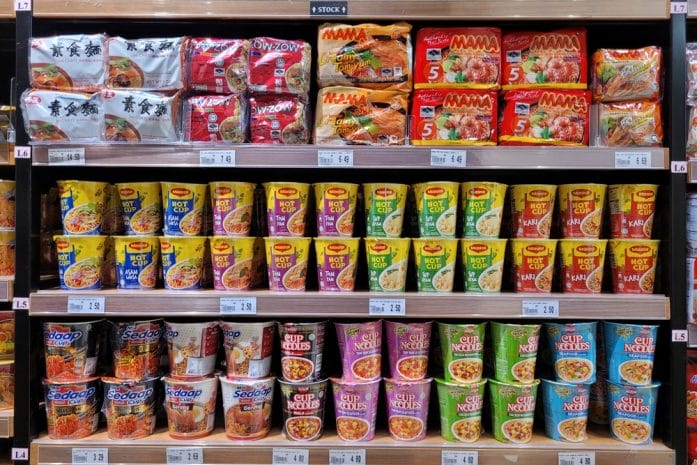
3. Instant Noodles: The Affordable Dinner Trap

Instant noodles have saved countless college students and busy adults from culinary despair. They’re cheap, easy, and oddly comforting. But the truth is harsh: these noodles often come with seasoning packets containing massive amounts of sodium, MSG, and artificial flavors. Regularly eating instant noodles is associated with higher risks of metabolic syndrome, which includes high blood pressure, excess belly fat, and abnormal cholesterol levels.

If ramen is your go-to, doctors recommend “greening up” your noodles by adding fresh veggies, lean proteins, and using only half the seasoning packet. That way, your wallet and your waistline both stay happier.
These Are 7 Budget Foods Americans Rely On That Doctors Say Create Bigger Problems Later
Image source: shutterstock.com

4. Sugary Cereals: Breakfast That Betrays You

Sugar-laden cereals are a nostalgic favorite, and they often cost less than healthier options. Kids love them, adults sometimes sneak them, and grocery stores stock them with pride. But studies show that high-sugar breakfasts can lead to blood sugar spikes, energy crashes, and cravings for more sweets throughout the day. Some cereals contain more sugar per serving than a candy bar!

Instead of going cold turkey, consider pairing a smaller portion of cereal with Greek yogurt or fresh fruit. This combo adds protein and fiber, slowing sugar absorption while keeping the breakfast ritual alive.

5. Canned Soups: Affordable, But Often Overloaded

Canned soups are pantry heroes, especially in chilly months when comfort is king. However, many canned varieties are packed with sodium. High sodium intake can increase blood pressure and strain your cardiovascular system, particularly if eaten frequently.

If you love canned soup, check for “low-sodium” options or make your own batch using broth, vegetables, and beans. It takes a little more effort but drastically reduces hidden health risks. A little prep goes a long way when it comes to heart health.

6. Processed Lunch Meats: Cheap Protein, High Risk

Deli meats, hot dogs, and pre-packaged cold cuts are popular for their convenience and low price. But doctors caution that they’re often loaded with nitrates, sodium, and saturated fats, all of which can increase the risk of heart disease and certain cancers. Studies suggest that even moderate consumption of processed meats can have long-term health consequences.

Consider rotating with grilled chicken, turkey breast, or even plant-based proteins for a budget-friendly alternative that doesn’t compromise your well-being. A small swap can yield big benefits over time.

7. Cheap Potato Chips: The Snack That Sneaks Damage

Potato chips are cheap, addictive, and seemingly harmless in small doses—but doctors warn they’re a triple threat. They’re loaded with unhealthy fats, salt, and sometimes artificial flavorings, all contributing to cardiovascular stress, weight gain, and inflammation. Even a single bag can pack hundreds of empty calories, leaving you full but nutritionally bankrupt.

Swapping chips for air-popped popcorn, roasted chickpeas, or veggie sticks with hummus can satisfy cravings while actually nourishing your body. Crunch responsibly, your future self will thank you.

Your Wallet and Health Can Coexist—If You Play It Smart

Budget-friendly foods don’t have to mean long-term health disasters. The key is awareness and strategic swaps. Frozen dinners, snack cakes, instant noodles, sugary cereals, canned soups, processed meats, and potato chips can all fit into life occasionally—but making them staples? That’s where trouble starts.

What’s your take—would you swap your go-to budget food for a healthier alternative, or do you think the convenience is worth the risk? Share your thoughts in the comments!

You May Also Like…

7 “Healthy” Foods That Are a Total Rip-Off

How Fast-Food Chains Are Cutting Costs by Changing Ingredients

9 Fast-Food Items That Nutritionists Secretly Say Are Worse Than Cigarettes

7 Bizarre Facts About the Human Body That Doctors Can’t Explain

6 Healthy Budget Tips To Keep Your Financially Healthy Until Payday

Brandon Marcus
Brandon Marcus

Brandon Marcus is a writer who has been sharing the written word since a very young age. His interests include sports, history, pop culture, and so much more. When he isn’t writing, he spends his time jogging, drinking coffee, or attempting to read a long book he may never complete.

Filed Under: Frugal Living Tagged With: budget foods, canned soup, diet advice, food, food and drink, frozen dinners, frugal living, healthy eating, healthy swaps, heart health, instant noodles, nutrition tips, potato chips, processed meats, snack cakes, sugary cereals

9 Fast-Food Items That Nutritionists Secretly Say Are Worse Than Cigarettes

July 26, 2025 by Travis Campbell Leave a Comment

nutrition
Image Source: pexels.com

Fast food is everywhere. It’s quick, cheap, and sometimes feels like the only option when you’re busy. But some fast-food items are so loaded with unhealthy ingredients that nutritionists quietly warn they might be even worse for your health than cigarettes. That’s a bold claim, but it’s not just about calories or fat. It’s about what these foods do to your body over time. Cigarettes are known for their risks, but certain fast-food choices can quietly damage your heart, blood vessels, and even your brain. If you care about your long-term health, it’s worth knowing which menu items to avoid.

Here are nine fast-food items that nutritionists say are worse than cigarettes—and what you can do instead.

1. Double Bacon Cheeseburgers

Double bacon cheeseburgers pack a punch. They’re loaded with saturated fat, sodium, and processed meat. One burger can have more than 1,200 calories and over 2,000 milligrams of sodium. That’s almost your entire daily limit in one meal. The processed bacon adds nitrates, which have been linked to cancer. Eating these burgers regularly can raise your risk of heart disease and stroke. If you want a burger, try a single patty with lots of veggies and skip the bacon.

2. Extra-Large Soda

A giant soda might seem harmless, but it’s a sugar bomb. Some fast-food sodas have over 100 grams of sugar in one cup. That’s more than double the recommended daily limit for adults. Sugar spikes your blood sugar, stresses your pancreas, and can lead to type 2 diabetes. It also increases your risk of heart disease. Water or unsweetened iced tea is a better choice. Even diet sodas aren’t a safe bet, as artificial sweeteners can mess with your metabolism.

3. Fried Chicken Sandwiches

Fried chicken sandwiches are everywhere now. They’re crispy, salty, and often come with mayo-based sauces. The chicken is usually deep-fried in oils high in trans fats. Trans fats are so bad for your heart that some countries have banned them. These sandwiches can have more than 1,000 calories and a day’s worth of sodium. Grilled chicken is a better option, but watch out for the sauces—they can be just as unhealthy.

4. Loaded Nachos

Loaded nachos from fast-food chains are a trap. They’re covered in processed cheese, sour cream, and fatty ground beef. One order can have over 1,500 calories and more than 80 grams of fat. The cheese sauce is often made with artificial ingredients and preservatives. Eating this much saturated fat in one sitting can spike your cholesterol and blood pressure. If you crave nachos, make them at home with baked chips, beans, and fresh salsa.

5. Breakfast Burritos with Sausage

Breakfast burritos sound like a good way to start the day, but the fast-food versions are packed with processed sausage, cheese, and refined carbs. Some have over 900 calories and 50 grams of fat. The sausage is full of sodium and nitrates, which are linked to cancer and heart disease. Eating this for breakfast can leave you feeling sluggish and hungry again by mid-morning. Try oatmeal or eggs with veggies for a healthier start.

6. Milkshakes

Milkshakes are a dessert in a cup. A large fast-food milkshake can have more than 1,000 calories and 120 grams of sugar. That’s like eating three candy bars at once. The sugar rush can lead to a crash, and the saturated fat can clog your arteries. Over time, this kind of treat can increase your risk of obesity, diabetes, and heart disease. If you want something sweet, try a fruit smoothie with no added sugar.

7. Fish Sandwiches

Fish sounds healthy, but fast-food fish sandwiches are usually deep-fried and covered in creamy sauces. The fish is often processed and breaded, then fried in unhealthy oils. One sandwich can have more than 700 calories and 1,000 milligrams of sodium. The sauces add even more fat and calories. If you want fish, look for grilled options and skip the tartar sauce.

8. Mozzarella Sticks

Mozzarella sticks are a popular side, but they’re a nutritional disaster. They’re deep-fried, breaded, and served with sugary marinara sauce. A single order can have over 600 calories and 30 grams of fat. The cheese is high in saturated fat, and the breading soaks up oil. Eating these regularly can raise your cholesterol and increase your risk of heart disease. If you want cheese, try a small piece of real cheese with whole-grain crackers.

9. Super-Sized Fries

Super-sized fries are a classic fast-food item. They’re cheap, salty, and addictive. But a large order can have more than 500 calories and 25 grams of fat. The frying process creates acrylamide, a chemical linked to cancer in animal studies. The salt can raise your blood pressure and make you crave more junk food. If you want fries, order a small size or try baked potato wedges at home.

Rethink Your Fast-Food Choices

Fast food is convenient, but some menu items are worse for your health than you might think. The risks go beyond weight gain. These foods can quietly damage your heart, blood vessels, and even your brain over time. Making small changes—like choosing grilled over fried, skipping the extra cheese, or swapping soda for water—can make a big difference. Your health is worth more than a quick meal.

What’s the worst fast-food item you’ve ever tried? Share your thoughts in the comments.

Read More

This Common Fast Food Ingredient Was Just Linked to Memory Loss

The Real Reasons Fast-Food Chains Are Charging You More for Less Food

Travis Campbell
Travis Campbell

Travis Campbell is a digital marketer/developer with over 10 years of experience and a writer for over 6 years. He holds a degree in E-commerce and likes to share life advice he’s learned over the years. Travis loves spending time on the golf course or at the gym when he’s not working.

Filed Under: Health & Wellness Tagged With: diet, fast food, food choices, health, healthy eating, heart health, nutrition, processed foods, unhealthy foods

FOLLOW US

Search this site:

Recent Posts

  • Can My Savings Account Affect My Financial Aid? by Tamila McDonald
  • 12 Ways Gen X’s Views Clash with Millennials… by Tamila McDonald
  • What Advantages and Disadvantages Are There To… by Jacob Sensiba
  • 10 Tactics for Building an Emergency Fund from Scratch by Vanessa Bermudez
  • Call 911: Go To the Emergency Room Immediately If… by Stephen Kanaval
  • 7 Weird Things You Can Sell Online by Tamila McDonald
  • 10 Scary Facts About DriveTime by Tamila McDonald

Copyright © 2026 · News Pro Theme on Genesis Framework