• Home
  • About Us
  • Toolkit
  • Getting Finances Done
    • Hiring Advisors
    • Debt Management
    • Spending Plan
  • Insurance
    • Life Insurance
    • Health Insurance
    • Disability Insurance
    • Homeowners/Renters Insurance
  • Contact Us
  • Risk Tolerance Quiz
  • Our Editorial Commitment

The Free Financial Advisor

You are here: Home / Archives for recurring expenses

7 Simple Hacks to Stop Wasting Money on Subscription Services

October 9, 2025 by Travis Campbell Leave a Comment

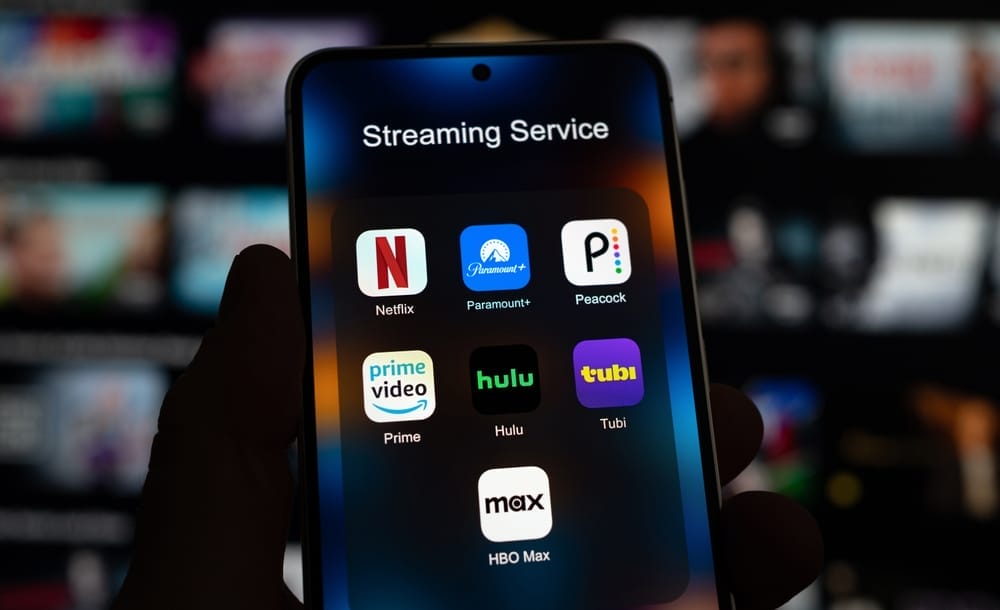
streaming service
Image source: shutterstock.com

Subscription services are everywhere. From streaming platforms to meal kits and fitness apps, it’s easy to sign up and forget about them. These small monthly charges may not seem significant, but they add up quickly. Many people pay for subscriptions they rarely use or have even forgotten exist. Managing your subscription services can help you reclaim a surprising amount of money each month. If you’re ready to stop wasting money on subscription services, these practical hacks will help you take back control of your finances.

1. Make a List of All Your Subscriptions

The first step to stop wasting money on subscription services is to identify what you’re paying for. Go through your bank and credit card statements for the past three months. Write down every recurring charge you see. Don’t rely on memory—many subscriptions fly under the radar because they’re set to auto-renew. This list will show you exactly where your money is going and help you spot services you no longer use.

2. Cancel What You Don’t Use

Now that you have a complete list, it’s time to cancel any subscription services you’re not using. Be honest with yourself. If you haven’t logged into that streaming service in months or you’re not using the meal kit deliveries, it’s probably time to let them go. Many companies make it easy to cancel online, but some may require a phone call or email. Set aside an hour to take care of cancellations all at once. You’ll immediately stop wasting money on subscription services you don’t need.

3. Set Reminders for Free Trials

Free trials can be tempting, but they often turn into paid subscriptions if you forget to cancel. To avoid this trap, set a calendar reminder for a few days before the trial ends. Use your phone, email, or a paper planner—whatever works best for you. This simple habit ensures you have time to decide if the service is worth keeping or if you should cancel before being charged. It’s a quick way to stop wasting money on subscription services you never intended to keep.

4. Use Subscription Tracking Apps

Managing multiple subscriptions can get overwhelming. Fortunately, there are apps designed to help you track and manage recurring expenses. Apps like Rocket Money and Truebill allow you to see all your subscription services in one place. Some even offer cancellation features with a single tap. Using a tracking app can help you spot forgotten subscriptions, compare prices, and make smarter decisions about what to keep. This is a powerful tool for anyone looking to stop wasting money on subscription services.

5. Share or Split Subscriptions

Many subscription services, especially streaming platforms, allow account sharing within households. If you have family or roommates, consider splitting the cost of these services with them. Some plans even allow for multiple streams or profiles. Not only does this make each subscription more affordable, but it also ensures you’re getting the most value from what you pay for. Just make sure to check the service’s sharing policies to stay within the rules.

6. Pay Annually Instead of Monthly

If you decide a subscription service is truly worth it, see if there’s a discount for paying annually. Many companies offer one or two months free if you commit to a year upfront. This approach not only saves money but also forces you to think carefully about whether you’ll use the service long-term. If you’re unsure, set a reminder to review the subscription before it renews. This way, you avoid surprise charges and further stop wasting money on subscription services you might not need in the future.

7. Reevaluate Regularly

Your needs change over time, so it’s important to review your subscriptions every few months. Schedule a quarterly “subscription audit” and go through your list. Ask yourself if you’re still using each service and if it’s worth the cost. Don’t be afraid to cancel and resubscribe later if your interests change. Regular reviews help you catch any new charges and keep your spending in check. This habit is crucial if you want to stop wasting money on subscription services for good.

Take Charge of Your Subscriptions Today

Paying attention to your subscription services can make a big difference in your monthly budget. By tracking what you pay for, canceling what you don’t use, and reviewing your needs regularly, you can stop wasting money on subscription services and put those savings toward more important goals. Small changes add up over time and even cutting a few unused subscriptions can free up cash for things that truly matter.

How do you keep track of your subscription services? Have you found any clever ways to stop wasting money? Share your tips in the comments below!

What to Read Next…

  • 8 Everyday Services That Are Slowly Becoming Subscription Only
  • Are Automatic Renewals Draining More Than You Realize?
  • 8 Subscription Models That Quietly Strip Funds Monthly
  • 6 Monthly Bills You Should Cancel Immediately Even If You Can Afford Them
  • Is Your Internet Provider Charging You For Services You Don’t Use?
Travis Campbell
Travis Campbell

Travis Campbell is a digital marketer/developer with over 10 years of experience and a writer for over 6 years. He holds a degree in E-commerce and likes to share life advice he’s learned over the years. Travis loves spending time on the golf course or at the gym when he’s not working.

Filed Under: Frugal Living Tagged With: budgeting, money-saving, Personal Finance, recurring expenses, subscriptions

Why Do Some Households Keep Paying for Empty Storage Units

September 5, 2025 by Travis Campbell Leave a Comment

storage unit
Image source: pexels.com

Paying for empty storage units seems like a waste, but it’s surprisingly common. Many households start renting storage for a good reason, then keep paying even when the unit is barely used—or completely empty. The costs quietly add up, eating into budgets and savings. Why do people keep paying for something they don’t use? Understanding the reasons behind this habit can help you avoid unnecessary expenses and make smarter financial choices. Let’s explore the real reasons some households keep paying for empty storage units and what you can do about it.

1. Forgetfulness and Out-of-Sight, Out-of-Mind

It’s easy to forget about a storage unit, especially if it’s not nearby. Life gets busy, and the payment becomes just another monthly bill. Some people set up automatic payments and never think about it again. If the unit is empty or barely used, the expense is even easier to overlook. The old saying “out of sight, out of mind” applies here—if you don’t see the storage unit, you don’t feel the pain of paying for it.

Sometimes, households assume they’ll use the storage space in the future, but that day never comes. As a result, the empty storage unit quietly drains money each month.

2. Emotional Attachment and Procrastination

Even if a storage unit is empty, letting go of it can feel like closing a chapter. Maybe the unit once held family heirlooms, childhood memories, or items from a big move. Households sometimes hold on to the unit as a way of holding on to the past. Emotional attachment can cloud practical judgment, making it hard to cancel the lease.

Procrastination also plays a role. Canceling a storage unit means making a phone call, filling out paperwork, or visiting the facility. Many people put it off, telling themselves they’ll deal with it next month. Meanwhile, the payments keep coming.

3. Fear of Needing Storage Again

Some households worry that if they give up their storage unit, they’ll need it again soon. Maybe they’re planning a move, downsizing, or expecting new possessions. The fear of losing the convenience of extra space leads people to keep paying for an empty storage unit “just in case.”

This is especially common in cities where storage demand is high and waiting lists are long. People feel safer keeping a unit, even if it’s empty, rather than risk not having one when they need it. The peace of mind comes at the cost of ongoing rental fees.

4. Misplaced Financial Priorities

Households sometimes overlook small recurring expenses, like storage unit fees, when reviewing their budgets. It’s easy to focus on larger bills and underestimate the impact of $50 or $100 per month. Over time, these costs add up and can affect savings goals.

Many people don’t realize how much they’re spending on empty storage units until they review their finances in detail. Using a budgeting tool or working with a financial advisor can help highlight these hidden expenses.

5. Complicated Cancellation Process

Some storage companies make it difficult to cancel a unit. There may be strict notice periods, paperwork, or penalties for early termination. The hassle of canceling can discourage households from taking action, even if the unit is empty.

People may also believe they need to visit the unit in person to close out the contract, which can be inconvenient if the facility isn’t nearby. As a result, they keep paying simply to avoid the annoyance of the cancellation process.

6. Lack of Awareness About Alternatives

Many households don’t realize there are better options than paying for an empty storage unit. Donating, selling, or giving away unused items can free up space at home. If you need temporary storage, sharing space with a friend or using short-term rental options might make more sense.

Some people also aren’t aware of the impact storage fees have on their long-term finances. Learning about alternatives can motivate households to take action and stop wasting money.

How to Stop Paying for Empty Storage Units

If you’re paying for an empty storage unit, you’re not alone. Many households fall into the same trap for a mix of emotional, practical, and financial reasons. The good news is that you can break the cycle and put that money to better use.

Start by checking your statements to see if you’re still paying for storage you don’t use. If so, take a few minutes to call the facility and ask about cancellation policies. Even if the process is inconvenient, the savings are worth it. Look for ways to manage your possessions more efficiently so you won’t feel the need to keep extra space “just in case.” Redirecting your storage spending to savings, debt repayment, or other goals can make a real difference in your financial well-being.

Have you ever paid for an empty storage unit? What finally motivated you to cancel it? Share your experience in the comments below!

What to Read Next…

  • Is Your Storage Unit Hiding Something That Could Get You in Legal Trouble?
  • 6 Monthly Bills You Should Cancel Immediately Even If You Can Afford Them
  • How Recurring Charges Keep Running After Death Without Intervention
  • 10 Services Adult Children Regret Paying for Their Parents
  • Are These 8 Money Saving Tricks Actually Keeping You Broke?
Travis Campbell
Travis Campbell

Travis Campbell is a digital marketer/developer with over 10 years of experience and a writer for over 6 years. He holds a degree in E-commerce and likes to share life advice he’s learned over the years. Travis loves spending time on the golf course or at the gym when he’s not working.

Filed Under: Frugal Living Tagged With: budgeting, decluttering, financial habits, Personal Finance, recurring expenses, storage units

5 Financial Dangers Hidden in Subscription Services

September 4, 2025 by Travis Campbell Leave a Comment

subscription
Image source: pexels.com

Subscription services are everywhere these days. You can get music, movies, meal kits, pet treats, and even socks delivered to your door every month. While these services offer convenience and sometimes savings, they can also quietly drain your wallet. If you’re not careful, the financial dangers of subscription services can sneak up on you, impacting your budget and long-term goals. Understanding where these hidden risks lurk is key to taking control of your finances and making smarter choices.

Let’s explore five of the most common financial dangers hiding in subscription services and how you can avoid falling into these traps. Whether you’re signed up for just one subscription or juggling several, it’s important to stay alert and keep your financial well-being in mind.

1. Forgetting About Unused Subscriptions

One of the biggest financial dangers of subscription services is simply forgetting about them. Many people sign up for a free trial or a discounted first month, only to lose track as the service quietly renews in the background. Over time, these forgotten subscriptions add up, draining money from your account for services you no longer use—or never used much in the first place.

This is especially common with digital subscriptions like streaming platforms, fitness apps, and online news. You might sign up with good intentions, but as your interests change or life gets busy, these subscriptions become easy to overlook. The auto-renewal feature, designed for convenience, can become a pitfall when you’re not actively tracking your expenses.

To avoid this, make a habit of reviewing your bank statements and credit card bills regularly. There are even apps designed to help you identify and cancel unused subscriptions, making it easier to keep your spending in check.

2. Underestimating the True Monthly Cost

Subscription services often seem cheap on the surface. Five or ten dollars a month doesn’t sound like much. But when you stack several subscriptions together—music, video, meal kits, cloud storage—the total can be surprisingly high. This is a classic financial danger of subscription services: underestimating the true monthly cost.

Marketing often highlights the low entry price, making it easy to sign up without thinking about the cumulative effect. Over time, even small recurring charges can eat into your budget. What starts as a few dollars here and there can add up to hundreds or even thousands of dollars a year.

Before you sign up for a new service, take a moment to add up all your current subscriptions. Ask yourself if you really need another one, or if you can cut back elsewhere. Setting a monthly limit for subscription spending is a smart way to keep your finances on track.

3. Overlapping Features and Redundancy

It’s easy to end up paying for multiple services that offer the same or similar features. For example, you might have two or three streaming platforms with overlapping content, or several cloud storage subscriptions that you barely use. This redundancy is another financial danger of subscription services, as it leads to wasted money on services you don’t fully utilize.

Companies know that convenience sells, so they often bundle features or offer exclusive content to entice you. But if you’re not careful, you may be doubling up on services without realizing it. Take time to review what each subscription offers, and see if you can consolidate or eliminate overlapping ones. This not only saves money but also simplifies your digital life.

4. Price Increases and Hidden Fees

Many subscription services start with an attractive introductory price, but over time, prices can go up—sometimes without much notice. These price increases may be buried in the fine print or sent in an email you never read. Hidden fees, such as activation or cancellation charges, can also catch you off guard, making this a sneaky financial danger of subscription services.

It’s important to read the terms and conditions before signing up and to keep an eye on any communication from the service. Set calendar reminders to review your subscriptions before renewal dates, so you’re not blindsided by higher charges. If a price hike makes a service less valuable to you, don’t hesitate to cancel. There are often alternative services or even free options available.

5. Impact on Long-Term Financial Goals

It’s easy to justify a few small subscriptions, but over time, these recurring expenses can have a significant impact on your long-term financial goals. Every dollar spent on a subscription is a dollar not saved or invested for the future. This is a subtle but serious financial danger of subscription services.

When you consider the power of compound interest, even modest monthly savings can grow into substantial amounts over time. Allowing subscription costs to rise can mean less money for retirement, emergencies, or major purchases. Being mindful of how these services fit into your overall financial plan is crucial.

If you’re unsure how subscriptions are affecting your goals, try tracking your monthly spending and projecting how much you could save by cutting back. The results might surprise you—and motivate you to make changes that benefit your future self.

Taking Control of Your Subscription Spending

Subscription services are here to stay, but that doesn’t mean you have to let them control your budget. By staying aware of the financial dangers of subscription services, you can make more intentional choices and protect your financial health. Review your subscriptions regularly, question whether each one adds real value, and don’t be afraid to cut the cord when needed.

There are helpful tools out there to manage subscriptions, compare services, and make smarter decisions. Remember, every dollar you save by trimming unnecessary subscriptions is a dollar you can put toward your goals.

How have subscription services affected your wallet? Have you found any tricks for managing them better? Share your experiences and tips in the comments below!

What to Read Next…

  • 8 Everyday Services That Are Slowly Becoming Subscription Only
  • Are Automatic Renewals Draining More Than You Realize?
  • 10 Digital Subscriptions That Drain Retirement Accounts Over Time
  • 6 Monthly Bills You Should Cancel Immediately Even If You Can Afford Them
  • 5 Invisible Service Charges Eating Into Your Bank Balance
Travis Campbell
Travis Campbell

Travis Campbell is a digital marketer/developer with over 10 years of experience and a writer for over 6 years. He holds a degree in E-commerce and likes to share life advice he’s learned over the years. Travis loves spending time on the golf course or at the gym when he’s not working.

Filed Under: Personal Finance Tagged With: budgeting, hidden costs, Personal Finance, Planning, recurring expenses, saving money, subscription services

7 Subscription Accelerators That Deplete Your Emergency Fund

August 20, 2025 by Travis Campbell Leave a Comment

emergency fund
Image source: pexels.com

Building and maintaining an emergency fund is one of the smartest financial moves you can make. But even the most disciplined savers can fall into hidden traps that eat away at their safety net. One of the most common culprits? Subscriptions. These recurring expenses can be easy to lose track of and, over time, they quietly drain your emergency fund faster than you might expect. Understanding which subscription accelerators are most likely to sabotage your savings is critical. If you want to keep your emergency fund intact, it pays to know where these sneaky costs hide in your monthly budget.

1. Streaming Services Overload

Streaming platforms have revolutionized entertainment, but they can also become a silent budget buster. Many people subscribe to multiple services—Netflix, Hulu, Disney+, and others—without realizing how quickly the costs add up. At $10 to $20 each per month, it’s easy to spend over $50 just to keep up with the latest shows. This recurring drain can rapidly deplete your emergency fund, especially if you don’t regularly use every service. Take a moment to review all your subscriptions and consider which ones truly add value. Cancel or pause the rest, and redirect those savings back to your emergency fund.

2. Food Delivery and Meal Kits

Convenience is tempting, especially when it comes to meal planning. Subscription meal kits and food delivery services like DoorDash Pass or HelloFresh offer pre-portioned ingredients and fast delivery, but at a premium. While these services may save time, their monthly costs can be significant—often $50 to $200 or more. When you factor in delivery fees, tips, and minimum order requirements, your emergency fund can shrink fast. Preparing meals at home or limiting delivery to special occasions can prevent your savings from getting eaten up by convenience.

3. Subscription Boxes and Curated Goods

From beauty boxes to pet treats, curated subscription boxes are everywhere. They promise surprise and delight, but their real impact is often felt in your wallet. These monthly packages may seem small, but $20 to $40 here and there adds up over time. The real danger is forgetting to cancel subscriptions you no longer enjoy. Before signing up, ask yourself if the contents are truly necessary or just a fun extra. Remember, every dollar spent on non-essentials is one less dollar in your emergency fund.

4. Fitness and Wellness Memberships

Staying healthy is important, but fitness app subscriptions, online workout classes, and meditation apps can become recurring costs that sneak up on you. Many gyms and fitness programs have moved online, offering monthly memberships with automatic renewals. If you’re not actively using these services, you may be wasting money that could bolster your emergency fund. Periodically review your fitness-related subscriptions and cancel those that aren’t getting regular use. Reinvesting that money can help safeguard your savings for actual emergencies.

5. Premium News and Magazine Access

Many news outlets and magazines have shifted to subscription models. While staying informed is valuable, paying for multiple news sites or premium content can quickly add up. These monthly charges are often small—$5 to $15 each—but they accumulate over time and can erode your emergency fund. If you find you’re not reading as much as you thought, consider switching to free news sources or sharing subscriptions with family members. Being selective about your information sources helps keep your emergency fund healthy.

6. Cloud Storage and Productivity Tools

Cloud storage and productivity subscriptions, such as Google Drive, Dropbox, or Microsoft 365, can be essential for work or personal organization. However, it’s easy to subscribe to more storage or features than you need. Over time, these “set and forget” expenses can pile up, quietly draining your emergency fund. Take a close look at your usage and downgrade or cancel plans that are no longer necessary. Keeping your digital life lean helps your emergency fund stay robust for real financial emergencies.

7. Gaming and App Subscriptions

Gaming platforms and mobile apps often use a subscription model, offering premium content, ad-free experiences, or extra features for a monthly fee. Whether it’s Xbox Game Pass, Apple Arcade, or a handful of mobile games, these recurring charges can be easy to overlook. Left unchecked, they can become a significant drain on your emergency fund. Review your app store subscriptions periodically and ask yourself if you’re truly getting value for the cost. Trim back to only the essentials, and you’ll keep more cash in your emergency fund for when you really need it.

Keeping Your Emergency Fund Safe from Subscription Accelerators

Subscription accelerators are subtle, but their impact on your emergency fund can be substantial. When you lose track of recurring charges, it’s easy for your savings to dwindle without you noticing. Protecting your emergency fund means regularly auditing your subscriptions, cutting back on non-essentials, and redirecting those funds back into your savings account.

Have you found any surprising subscription accelerators draining your emergency fund? Share your experiences in the comments below!

Read More

8 Everyday Services That Are Slowly Becoming Subscription Only

Are Automatic Renewals Draining More Than You Realize?

Travis Campbell
Travis Campbell

Travis Campbell is a digital marketer/developer with over 10 years of experience and a writer for over 6 years. He holds a degree in E-commerce and likes to share life advice he’s learned over the years. Travis loves spending time on the golf course or at the gym when he’s not working.

Filed Under: subscriptions Tagged With: budgeting, emergency fund, Personal Finance, recurring expenses, saving money, subscriptions

How Subscription Boxes Can Derail a Budget

July 13, 2025 by Travis Campbell Leave a Comment

subscription boxes
Image Source: pexels.com

Subscription boxes are everywhere. You see them in your social feeds, hear about them from friends, and maybe even get a few yourself. They promise surprise, convenience, and a little bit of joy delivered to your door. But there’s a side to subscription boxes that doesn’t get as much attention. They can quietly chip away at your budget, making it harder to reach your financial goals. If you’re trying to save money or just want to keep your spending in check, it’s important to know how these boxes can throw things off balance. Here’s why this matters: even small, regular charges can add up fast, and before you know it, your budget is off track.

1. The True Cost Is Easy to Miss

Subscription boxes often seem cheap. Ten or twenty dollars a month doesn’t sound like much. But when you add up several boxes, the total can surprise you. It’s easy to forget about these charges because they’re automatic. You might not notice them until you check your bank statement. And if you have more than one subscription, the costs can pile up quickly. This is how a few “small” expenses can quietly become a big problem for your budget. If you’re not careful, you could be spending hundreds each year on things you don’t really need.

2. Automatic Payments Make It Hard to Track Spending

One of the biggest issues with subscription boxes is that payments happen automatically. You sign up once, and the money comes out of your account every month. This makes it easy to lose track of what you’re actually spending. You might not even remember all the subscriptions you have. And because the payments are small, they don’t always stand out. This can lead to “subscription creep,” where you end up with more boxes than you planned. If you’re trying to stick to a budget, these automatic payments can make it much harder to see where your money is going.

3. The “Surprise” Factor Encourages Extra Spending

Many subscription boxes are built around the idea of surprise. You don’t know exactly what you’ll get each month. This can be fun, but it also encourages you to keep the subscription going, even if you don’t need what’s inside. Sometimes, you get items you wouldn’t have bought on your own. And if you like something, you might end up buying more from the company’s website. This extra spending can add up fast. The excitement of getting a surprise can make it harder to make smart choices about your money.

4. You Pay for Things You Don’t Use

It’s common to get a subscription box, open it, and realize you don’t actually want or need most of what’s inside. Maybe you already have similar items, or maybe the products just aren’t your style. But you’ve already paid for them. Over time, you can end up with a pile of unused stuff. This is money that could have gone toward something you actually need or want. If you’re trying to be smart with your budget, paying for things you don’t use is a clear sign that something needs to change.

5. Canceling Isn’t Always Simple

You might think you can just cancel a subscription box whenever you want. But many companies make it harder than it should be. Some require you to call customer service, while others hide the cancel button deep in your account settings. There may be cancellation fees or long wait times. This hassle can make you put off canceling, even if you know you should. The longer you wait, the more money you spend. If you’re not careful, you could end up paying for months of boxes you don’t want.

6. Subscription Boxes Can Mask Bigger Spending Habits

Subscription boxes can be a sign of a bigger problem: impulse spending. It’s easy to sign up for a box when you see a good deal or a fun theme. But if you do this often, it can become a habit. You might start to rely on the excitement of getting something new in the mail. This can make it harder to control your spending in other areas, too. If you’re trying to build better money habits, it’s important to look at why you’re drawn to subscription boxes in the first place.

7. They Can Crowd Out More Important Expenses

When you spend money on subscription boxes, that’s money you can’t use for other things. Maybe you’re trying to save for a trip, pay off debt, or build an emergency fund. Every dollar spent on a box is a dollar that can’t go toward those goals. Over time, these small expenses can make it harder to reach your bigger financial targets. If you want to make progress, you need to be honest about what’s really important to you.

8. The “Set It and Forget It” Trap

Subscription boxes are designed to be easy. You sign up once, and then you don’t have to think about it. But this convenience can be a trap. When you don’t pay attention to where your money is going, it’s easy to lose control of your budget. You might not notice how much you’re spending until it’s too late. Regularly reviewing your subscriptions and canceling the ones you don’t use is key to keeping your budget on track.

9. The Impact on Your Long-Term Financial Health

It’s not just about the money you spend each month. Over time, subscription boxes can have a real impact on your long-term financial health. If you’re always spending on things you don’t need, it’s harder to save for the future. Even small, regular expenses can add up to thousands of dollars over several years. Recurring charges can be a major drain on your finances if you’re not careful. If you want to build wealth and reach your goals, it’s important to keep these costs in check.

Rethinking Subscription Boxes for a Healthier Budget

Subscription boxes can be fun, but they can also derail a budget if you’re not careful. The key is to be honest about what you’re getting for your money and whether it fits your financial goals. Take time to review your subscriptions, track your spending, and cancel anything that doesn’t add real value to your life. Your budget will thank you.

Have you ever been surprised by how much you were spending on subscription boxes? Share your story in the comments.

Read More

10 Signs You Should Start Budgeting More Seriously

Is Lifestyle Creep Ruining Your Financial Future?

Travis Campbell
Travis Campbell

Travis Campbell is a digital marketer/developer with over 10 years of experience and a writer for over 6 years. He holds a degree in E-commerce and likes to share life advice he’s learned over the years. Travis loves spending time on the golf course or at the gym when he’s not working.

Filed Under: Budgeting Tagged With: budgeting, Financial Health, Personal Finance, recurring expenses, saving money, subscription boxes

FOLLOW US

Search this site:

Recent Posts

  • Can My Savings Account Affect My Financial Aid? by Tamila McDonald
  • 12 Ways Gen X’s Views Clash with Millennials… by Tamila McDonald
  • What Advantages and Disadvantages Are There To… by Jacob Sensiba
  • 10 Tactics for Building an Emergency Fund from Scratch by Vanessa Bermudez
  • Call 911: Go To the Emergency Room Immediately If… by Stephen Kanaval
  • 7 Weird Things You Can Sell Online by Tamila McDonald
  • 10 Scary Facts About DriveTime by Tamila McDonald

Copyright © 2026 · News Pro Theme on Genesis Framework