• Home
  • About Us
  • Toolkit
  • Getting Finances Done
    • Hiring Advisors
    • Debt Management
    • Spending Plan
  • Insurance
    • Life Insurance
    • Health Insurance
    • Disability Insurance
    • Homeowners/Renters Insurance
  • Contact Us
  • Privacy Policy
  • Risk Tolerance Quiz

The Free Financial Advisor

You are here: Home / Archives for budget travel

7 Tricks for Traveling the World Without Paying for Hotels

November 14, 2025 by Travis Campbell Leave a Comment

travel

Image source: shutterstock.com

Many budget-conscious travelers find it possible to explore the world without incurring significant expenses on hotel accommodations. Travelers should be aware that accommodation expenses typically account for the majority of their travel funds, but they can find ways to avoid these costs altogether. Free lodging options allow you to extend your travel budget, enabling you to explore destinations for longer periods. A combination of minimal planning with flexibility allows you to achieve restful sleep while preventing daily credit card expenses. Here are seven proven tricks that make traveling the world without paying for hotels a real option.

1. House Sitting for Homeowners Abroad

House sitting is one of the most reliable methods for traveling the world without incurring hotel costs. Homeowners often need someone to care for their property, pets, or plants while they’re away. In exchange, you get a free place to stay—sometimes for weeks or even months. It’s a win-win: they get peace of mind, and you get a comfortable home base.

Websites like TrustedHousesitters connect travelers with homeowners worldwide. The key is to build a strong profile and collect references. Once you’ve completed a few sessions, more opportunities open up. You might find yourself watering flowers in Paris or walking dogs in Sydney without spending a dime on lodging.

2. Couchsurfing With Locals

Couchsurfing is the original community for travelers seeking free stays with locals. It’s not about luxury, but it’s about connection. Hosts offer a couch, spare bed, or floor space in exchange for conversation and cultural exchange. For travelers who value meeting people as much as saving money, it’s a perfect fit.

Safety and respect matter. Always read reviews, communicate clearly, and trust your instincts. Many travelers form lifelong friendships through this experience. When you’re traveling the world without paying for hotels, this option adds warmth and authenticity that no resort can match.

3. Volunteering for Room and Board

Work exchange programs let you trade a few hours of work each day for accommodation and sometimes meals. Farms, hostels, and eco-lodges around the world use volunteers to help with daily tasks. You might be teaching English, picking fruit, or helping with social media. In return, you get a bed and a sense of purpose.

Sites like Workaway make it easy to find opportunities that fit your skills. This approach not only saves you money but also deepens your travel experience. You become part of a community instead of just passing through, which makes traveling the world without paying for hotels feel more rewarding than just cheap.

4. Overnight Transportation Hacks

Transportation doubles as accommodation when you plan carefully. Long-distance buses, trains, and ferries often run overnight. Booking an evening ticket lets you save the cost of a hotel while covering ground. It’s not always the most comfortable sleep, but it’s efficient and budget friendly.

Bring a neck pillow, earplugs, and an eye mask to make the journey smoother. Some travelers even schedule their routes around these overnight rides, turning travel days into free “hotel” nights. It’s one of the simplest ways to extend your trip without draining your wallet.

5. Staying With Friends or Family

It might sound obvious but staying with people you know is still one of the most cost-effective ways to travel. If you have friends or relatives abroad, consider reaching out early and planning a visit. Most people enjoy hosting travelers, especially when you bring a small gift or cook a meal in return.

This option adds comfort and familiarity to your journey. You’ll get local insights, home-cooked food, and maybe even a laundry day. For those traveling the world without paying for hotels, these personal connections can turn into priceless memories.

6. Camping and Wild Camping

If you enjoy the outdoors, camping can replace hotels entirely. Many countries have designated free or low-cost campsites. In some regions, wild camping—setting up your tent outside official sites—is legal or tolerated if done respectfully. It’s an adventurous and minimalist way to experience nature.

Always research local laws and leave no trace. Carry lightweight gear and stay safe by informing someone of your location. Waking up beside a lake or under a canopy of stars beats most hotel views, and it costs nothing but effort. It’s freedom in its purest form.

7. House Swapping with Other Travelers

House swapping lets you trade homes with someone in another city or country. Each party stays in the other’s home during the same period, saving both sides money. It requires trust and planning, but many families and professionals use it to enjoy new destinations comfortably.

Platforms dedicated to home exchange verify users and offer insurance options. The more flexible you are with timing and location, the better your chances. For long-term travelers, this can be a sustainable way to keep traveling the world without paying for hotels while maintaining a sense of home.

Making Free Stays Work for You

Traveling worldwide without hotel expenses requires travelers to develop innovative solutions and flexible approaches. Each of these methods, including house-sitting, volunteering, and sleeping on trains, requires different sacrifices. You save money, but you need to plan ahead and stay flexible. Travel freedom serves as the primary benefit, as it allows people to discover various locations without worrying about financial constraints.

Budget travel doesn’t have to mean constant sacrifice. The elimination of accommodation expenses enables you to discover new experiences and meet people you would not have otherwise met. How do you prefer to discover cost-free accommodation options during your travels?

What to Read Next…

  • The Danger Of Using Debit Cards While Traveling Abroad
  • 9 Times Its Smarter To Rent Than Buy Even Long Term
  • 6 Monthly Bills You Should Cancel Immediately Even If You Can Afford Them
  • 7 Tactics Grocery Stores Use To Keep You From Thinking About Price
  • 8 Everyday Services That Are Slowly Becoming Subscription Only
Travis Campbell
Travis Campbell

Travis Campbell is a digital marketer/developer with over 10 years of experience and a writer for over 6 years. He holds a degree in E-commerce and likes to share life advice he’s learned over the years. Travis loves spending time on the golf course or at the gym when he’s not working.

Filed Under: Travel Tagged With: budget travel, couchsurfing, free accommodation, House sitting, travel tips

13 Secrets Every Solo Traveler Learns the Hard Way

November 6, 2025 by Travis Campbell Leave a Comment

solo traveller

Image source: shutterstock.com

The experience of traveling by yourself brings both thrilling moments and frightening situations. The first mistakes of solo travelers lead to various challenges, which help them learn important lessons. Your knowledge from previous trips will enable you to avoid mistakes while you achieve the most from your travels. The ability to adapt, be flexible, and be resourceful develops through actual practice when traveling alone. This guide covers the truths every solo traveler learns so that you can hit the road with more confidence and less stress. The following guide discusses the genuine educational experiences that solo travelers encounter during their journeys.

1. Planning Pays Off (But Flexibility Matters More)

Researching your destination is important, but solo travel rarely goes exactly as planned. Trains get delayed. Museums close unexpectedly. The best experiences often come from saying yes to something new or changing your route on the fly. Create a loose itinerary, leaving space for spontaneous adventures and downtime. The freedom to pivot is one of the biggest perks of traveling alone.

2. Safety Precautions Aren’t Optional

Every solo traveler learns to trust their instincts. That means listening to your instincts if a situation feels off, keeping valuables hidden, and always having emergency contacts readily available. Share your itinerary with someone back home and check in regularly. Little steps—like carrying a doorstop for your hotel room or using a taxi app—can make a big difference in your peace of mind.

3. Budgeting Is a Constant Balancing Act

When you travel solo, every expense is on you. There’s no one to split that cab fare or hotel bill. Budgeting becomes second nature, from hunting for deals to choosing street food over restaurant splurges. Track your spending and set aside a “just in case” fund for emergencies.

4. Eating Alone Gets Easier—With Practice

The first solo dinner can feel awkward, but you’ll soon appreciate the freedom to eat what and when you want. Bring a book or journal, or sit at the bar to strike up a conversation. Over time, you’ll find joy in savoring meals at your own pace, and you might even meet fellow travelers along the way.

5. Packing Light Is Non-Negotiable

Solo travel means you’re responsible for all your luggage. Overpacking is a rookie mistake. Stick to essentials, choose versatile clothing, and remember that you can usually buy what you forget. A lighter bag makes every step of your journey easier, from navigating crowded trains to climbing hostel stairs.

6. Loneliness Is Real—But So Is Connection

Every solo traveler feels lonely sometimes. The good news is, traveling alone often leads to more conversations and unexpected friendships. Stay in hostels, join group tours, or use apps to connect with locals. Reaching out can turn a lonely night into a memorable adventure.

7. Navigation Skills Are a Must

Getting lost is almost a rite of passage for solo travelers. Download offline maps, learn a few key phrases, and don’t be afraid to ask for directions. Confidence in finding your way will grow with each trip. Remember, a little preparation goes a long way toward avoiding stress.

8. You Learn to Trust Yourself

One of the biggest rewards of solo travel is the self-reliance you develop. You’ll make decisions, solve problems, and handle setbacks on your own. Each challenge you overcome boosts your confidence and independence—skills that serve you long after the trip ends.

9. Not Everything Goes on Social Media

It’s tempting to share every moment online, but solo travelers quickly realize the value of keeping some experiences private. Savor the moment for yourself. Plus, posting in real time can compromise your safety by revealing your location. Share your adventures later, once you’re safely on the move.

10. Local Etiquette Matters

Every solo traveler learns the importance of respecting local customs. What’s normal at home might be rude or inappropriate elsewhere. Research basic etiquette—like dress codes, tipping, or greetings—before you go. Small gestures of respect go a long way in making connections and avoiding misunderstandings.

11. Scams Happen—Stay Alert

Tourist scams exist everywhere, and solo travelers are often prime targets. Learn common scams for your destination and stay vigilant, especially around busy attractions or transportation hubs. Trust your instincts, and don’t be afraid to walk away from a situation that feels off.

12. Self-Care Is Essential

Traveling solo can be both physically and mentally exhausting. Prioritize sleep, eat well, and permit yourself to take breaks. Don’t feel guilty for spending a quiet night in or skipping a museum in favor of a nap. Listening to your body keeps you healthy and ready for new adventures.

13. Every Trip Makes You a Better Solo Traveler

With each solo journey, you’ll pick up new skills and confidence. Mistakes become stories; challenges become lessons. The more you travel alone, the better you get at handling the ups and downs. Embrace the process, knowing every experience shapes you into a savvy solo traveler.

Embracing the Solo Travel Journey

Traveling alone brings both difficult times and meaningful life experiences to every person who embarks on a solo journey. Learning each new lesson, from budgeting to self-care, enables you to develop as a traveler while becoming a better version of yourself. These travel tips will help both first-time solo explorers and experienced travelers achieve a better and more pleasant experience during their trips. Every solo traveler encounters obstacles during their journey, but the way you respond to them and what you discover becomes more important than the obstacles themselves.

What has proven to be your most challenging experience since embarking on your solo travel journey? Share your stories in the comments below!

What to Read Next…

  • The Danger Of Using Debit Cards While Traveling Abroad
  • How Your Wi-Fi Router Placement Might Be Sharing Personal Info
  • What Happens To Your Credit Score If Your Cell Provider Changes Ownership
  • What Your Google Search History Could Say In A Probate Case
  • Why ChatGPT May Be Generating Fake Financial Advice And Getting Away With It
Travis Campbell
Travis Campbell

Travis Campbell is a digital marketer/developer with over 10 years of experience and a writer for over 6 years. He holds a degree in E-commerce and likes to share life advice he’s learned over the years. Travis loves spending time on the golf course or at the gym when he’s not working.

Filed Under: Travel Tagged With: budget travel, packing, self-care, solo adventures, solo travel, travel safety, travel tips

18 Beautiful Cities Where You Can Live Like Royalty for Under $1,000 a Month

November 4, 2025 by Travis Campbell Leave a Comment

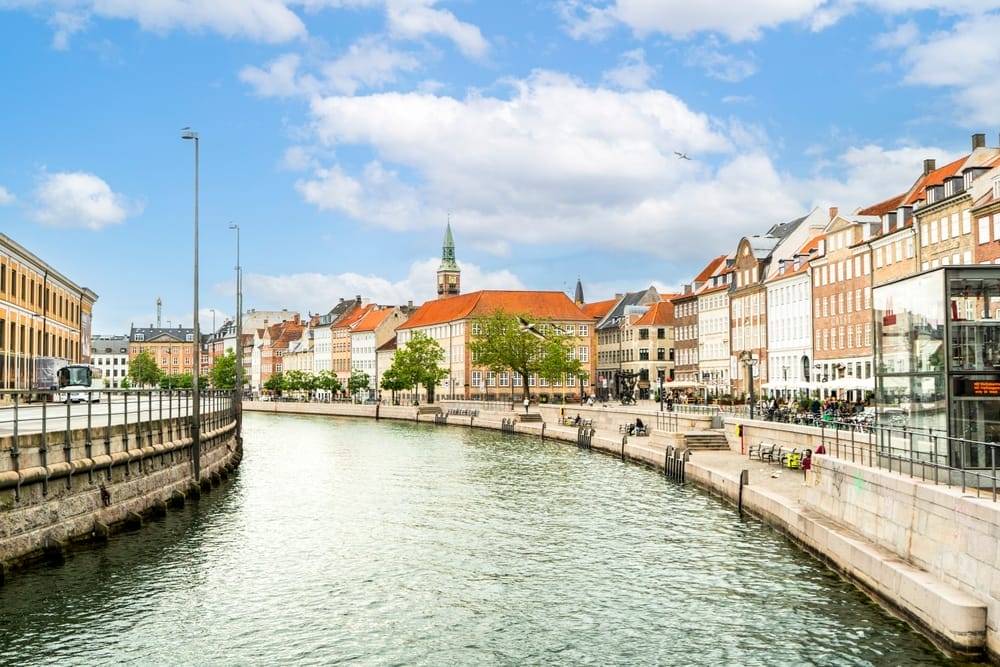
Denmark

Image source: shutterstock.com

People want to live in attractive urban areas, but they also need to maintain financial stability. Research will help you discover cities that offer royal living at prices below $1,000 per month. People who want to live affordably can enjoy comfortable lives while experiencing a range of cultural events and exciting experiences. In fact, some of the world’s most charming cities offer a high quality of life at a fraction of the cost you’d expect. These locations offer budget-stretching opportunities that provide residents with an experience of living in a completely different environment.

1. Chiang Mai, Thailand

Chiang Mai is a favorite among expats for its blend of traditional Thai culture and modern amenities. Rent for a one-bedroom apartment in the city center often falls well below $400 a month. Street food, local markets, and inexpensive transportation make it easy to keep your total living expenses under $1,000. You can enjoy temples, coffee shops, and lush mountains without breaking the bank, truly enabling you to live like royalty for under $1,000 a month.

2. Granada, Nicaragua

Granada offers a unique blend of colonial charm, vibrant architecture, and a relaxed pace of life. A furnished apartment can be found for around $300 per month. Eating out, groceries, and utilities are also affordable. The city’s proximity to Lake Nicaragua and nearby volcanoes gives you plenty of opportunities for adventure on a budget.

3. Lviv, Ukraine

Lviv’s cobblestone streets and vibrant cultural scene make it a fantastic place to live. Rent and daily expenses are low, with many expats reporting total monthly costs around $700. Cafés, museums, and lively festivals are all part of the city’s appeal, helping you live well for less.

4. Cuenca, Ecuador

Cuenca is known for its mild climate, historic center, and friendly locals. A comfortable apartment in the city center can be rented for $500 or less. Utilities, groceries, and public transportation keep your monthly costs manageable. It’s no wonder Cuenca is popular among retirees seeking to live like royalty for under $1,000 a month.

5. Medellín, Colombia

Medellín offers a modern infrastructure, pleasant weather, and a dynamic social scene. One-bedroom apartments in safe neighborhoods can be found for under $400. Dining out, using public transit, and enjoying entertainment are all affordable. This city gives you a cosmopolitan experience on a small budget.

6. Penang, Malaysia

Penang blends tropical beaches, multicultural cuisine, and historic sights. Monthly rent for a central apartment can be as low as $300. Local hawker food, public buses, and utilities are all budget-friendly. Penang’s quality of life makes it easy for anyone to live like royalty for under $1,000 a month.

7. Sofia, Bulgaria

Sofia offers a mix of history, green spaces, and affordable living. Rent for a one-bedroom apartment often ranges from $350 to $500. The city’s efficient public transport and inexpensive groceries help keep costs low. Sofia is an underrated European gem for budget living.

8. Da Nang, Vietnam

Da Nang’s sandy beaches and modern cityscape attract digital nomads and retirees alike. For under $350, you can find a comfortable apartment. Eating out is cheap, and local markets make cooking at home affordable. Da Nang’s laid-back vibe is perfect for those seeking both relaxation and value.

9. Puebla, Mexico

Puebla is renowned for its colonial architecture, vibrant tiles, and diverse culinary scene. Apartments in safe areas typically rent for $300 to $400. Daily expenses like groceries, transportation, and entertainment are very reasonable, making Puebla a great option for affordable city living.

10. Tbilisi, Georgia

Tbilisi’s unique blend of European and Asian influences creates a lively, welcoming atmosphere. Rent and utilities are low, often totaling less than $400 a month. The city’s walkable center, delicious cuisine, and friendly locals make it easy to enjoy life on a modest budget.

11. Budapest, Hungary

Budapest combines historic beauty with affordability. You can find apartments for $400 or less, especially outside the main tourist areas. With affordable public transportation and numerous free cultural activities, your money goes further in this picturesque city.

12. Arequipa, Peru

Arequipa boasts beautiful colonial architecture and a mild climate. Rent for a central apartment is typically under $300. Local markets, inexpensive eateries, and low-cost transportation help keep your monthly budget in check.

13. Skopje, North Macedonia

Skopje is an affordable European city with a rich history. Renting an apartment can cost as little as $250 to $350 per month. Groceries, restaurants, and public transport are also budget-friendly, allowing you to live comfortably for less.

14. Quito, Ecuador

Quito has a unique blend of old and new, with a historic center and modern districts. Apartments in safe neighborhoods are available for $350 to $500 a month. The cost of living is low, and you can easily enjoy the city’s culture and scenery on a tight budget.

15. Plovdiv, Bulgaria

Plovdiv is one of Europe’s oldest cities, filled with Roman ruins and vibrant art scenes. Rent for a one-bedroom apartment is often under $300. With affordable dining and entertainment, Plovdiv is a fantastic place to live like royalty for under $1,000 a month.

16. Antalya, Turkey

Antalya offers Mediterranean beaches, ancient ruins, and a friendly atmosphere. You can rent an apartment near the sea for $400 or less. Groceries and transportation are also inexpensive, making Antalya a great value for those seeking sun and culture.

17. Belgrade, Serbia

Belgrade’s nightlife, riverside promenades, and café culture are legendary. Renting an apartment in the city center can cost $350 to $450. The overall cost of living remains low, so you can experience a lively urban lifestyle on a budget.

18. Vilnius, Lithuania

Vilnius is known for its baroque architecture and cozy cafés. A one-bedroom apartment in the city center typically rents for $400 to $500. With affordable groceries and public transport, Vilnius is a charming and cost-effective place to call home.

Tips for Finding Your Ideal City

The search for royal living in cities with a monthly budget of under $1,000 requires an evaluation of visa requirements, healthcare standards, and local expat populations. You can find reliable information about the cost of living through Numbeo and read about actual experiences from expats on their forums to help you decide. The three cities offer distinct combinations of affordable living, cultural experiences, and comfortable environments, allowing you to choose the aspects that matter most to you.

Do you feel ready to take the leap, or would you prefer to visit any of the locations listed on this page? Share your thoughts and experiences in the comments below!

What to Read Next…

  • 9 Times It’s Smarter to Rent Than Buy Even Long Term
  • Are These 7 Retirement States As Affordable As They Claim?
  • 5 Best Places to Retire in America With 500k in Savings
  • What’s the Real Cost of Living in a 55+ Retirement Community?
  • 10 Places Where Middle Class Americans Are Quietly Disappearing
Travis Campbell
Travis Campbell

Travis Campbell is a digital marketer/developer with over 10 years of experience and a writer for over 6 years. He holds a degree in E-commerce and likes to share life advice he’s learned over the years. Travis loves spending time on the golf course or at the gym when he’s not working.

Filed Under: Frugal Living Tagged With: affordable living, budget travel, Cost of living, expat life, Retirement

Flight Attendants Are Revealing The Sneaky Ways Airlines Get You to Spend More Money

October 27, 2025 by Travis Campbell Leave a Comment

flight attended

Image source: shutterstock.com

Air travel appears to be a simple process which involves ticket purchase followed by seat selection before boarding the flight. But behind the scenes, airlines have a host of strategies to get you to spend more than you planned. Flight attendants serve as the first point of contact for these initiatives because they have started to reveal the hidden methods airlines use to increase their profits. Travelers who fly often and those who watch their expenses need to understand airline strategies for additional revenue to save their money. With ticket prices often appearing low at first glance, the real cost of flying often comes from these less obvious upsells. The following article explains how airlines use deceptive methods to increase your spending during flights so you can prevent unwanted expenses when traveling.

1. The Art of the In-Flight Sales Pitch

Flight attendants are trained to sell, and airlines equip them with scripts designed to tempt passengers. Mid-flight announcements about snacks, drinks, or duty-free items are carefully timed. The goal? To catch you when you’re bored, hungry, or just looking for a distraction. These offers may sound appealing, but in reality, the prices are often much higher than what you’d pay on the ground. The next time you hear a chipper voice promoting a “limited-time offer,” remember it’s all part of the plan to get you to spend more money while you’re a captive audience.

2. Strategic Placement of Food and Drink Menus

Ever notice how menus are tucked into seat pockets or handed out just as you start to feel hungry? That’s no accident. Airlines know that hunger and thirst are powerful motivators. Flight attendants reveal that displaying menus at eye level and announcing special combos are tactics to encourage purchases. The prices for these snacks and drinks are marked up significantly. By understanding this upselling strategy, you can pack your own snacks and avoid paying extra for convenience.

3. Limited-Time Offers and Scarcity Tactics

Airlines love to create a sense of urgency. Flight attendants may announce that there are “only a few” of a particular snack or drink left, even if the supply is adequate. This scarcity tactic pushes passengers to buy now rather than risk missing out. Airlines get you to spend more money by making you feel like you’ll lose out if you don’t act quickly. Staying aware of these psychological tricks can help you resist the pressure to splurge.

4. Upgrades and Seat Selection Fees

Gone are the days when you could pick your seat for free. Airlines now charge for everything from extra legroom to window seats. Flight attendants sometimes walk the aisle offering last-minute upgrades, making them sound like a great deal. In reality, these fees can add up fast. This is another way airlines get you to spend more money—by presenting optional extras as must-haves for comfort. If you’re not picky about where you sit, skipping these offers is a smart way to save.

5. Promoting Airline Credit Cards Mid-Flight

It’s not uncommon for flight attendants to make announcements about airline-branded credit cards. These pitches often include promises of free miles, priority boarding, or even a free checked bag. While some benefits can be worthwhile, the main aim is to get you to sign up and spend more money with the airline in the long run. Before biting on these offers, check if the perks truly outweigh the costs and if you’ll use the card enough to justify the annual fee.

6. Bundling Services for “Savings”

Bundling is a classic upselling technique. Airlines package things like checked bags, priority boarding, and in-flight meals, claiming you’ll save money by buying them together. While it might sound like a bargain, you could end up paying for extras you don’t need. Flight attendants sometimes reinforce these bundles during boarding or in announcements. To avoid falling for this tactic, consider what you actually need for your flight and purchase only those services individually.

7. Emotional Triggers and Personalization

Flight attendants are skilled at reading passengers and tailoring their pitches. If they notice you’re traveling with kids, they might suggest snack boxes or toys. Couples might be offered champagne or chocolates. Airlines get you to spend more money by making their offers feel personal and relevant. These small touches can be tempting, but they’re designed to open your wallet. Setting a budget before your flight can help you stick to it, no matter how personalized the pitch.

8. Making Payments Frictionless

Many airlines now accept tap-to-pay and mobile payments, making it effortless to buy something mid-flight. This frictionless payment process removes the mental barrier of handing over cash, increasing the likelihood that you’ll make impulse purchases. Flight attendants often have handheld devices ready, so transactions happen quickly. If you want to avoid overspending, decide in advance if you’ll make any in-flight purchases and stick to your plan.

Smart Ways to Outsmart Airline Upselling

The knowledge you gained from flight attendants helps you identify the sneaky tactics that lead you to spend additional money. The marketing strategies used during flights include flight sales pitches, strategic food placement, and emotional marketing techniques that operate from start to finish of the flight experience. Travelers who understand these fees can pick suitable options to protect their money during their trips.

You should bring your own food for the flight, check which extra items you require, and set aside money for costs. The less you fall for upselling tricks, the more you’ll save for your actual destination.

What sneaky airline upselling tricks have you noticed on your travels? Share your experiences and tips in the comments!

What to Read Next…

  • 7 Hidden Fees That Aren’t Labeled As Fees At All
  • Are Automatic Renewals Draining More Than You Realize?
  • 5 Budgeting Tools That Trick You Into Higher Spending
  • 7 Tactics Grocery Stores Use To Keep You From Thinking About Price
  • Are Financial Apps Sharing Your Spending Data More Than You Realize?
Travis Campbell
Travis Campbell

Travis Campbell is a digital marketer/developer with over 10 years of experience and a writer for over 6 years. He holds a degree in E-commerce and likes to share life advice he’s learned over the years. Travis loves spending time on the golf course or at the gym when he’s not working.

Filed Under: Travel Tagged With: air travel, airline fees, budget travel, flight attendants, Personal Finance, travel tips, upselling

9 Outrageous Fees Airlines Are Quietly Charging Now

September 17, 2025 by Travis Campbell Leave a Comment

airline

Image source: pexels.com

Flying used to be as simple as booking a ticket and showing up at the airport. These days, many travelers are shocked to find that the price they see online is just the beginning. Airlines have become experts at tacking on extra charges, often in ways that are hard to spot until it’s too late. These outrageous airline fees can turn a budget trip into an expensive headache. For anyone trying to save money or stick to a travel budget, understanding these hidden costs is essential. Let’s break down the newest and most surprising airline fees quietly making their way onto your bill.

1. Seat Selection Fees

It’s no longer enough to just buy a ticket—you may have to pay extra to choose where you sit. Even some airlines that once offered free seat selection are now charging for everything from aisle seats to window seats, and sometimes even for sitting together with your travel companions. This practice can add $10 to $50 or more per person, each way. For families and groups, these airline fees add up fast.

2. Carry-On Bag Charges

Many budget airlines now charge for carry-on bags, not just checked luggage. What was once a standard part of your fare can now cost $25 to $60 per bag. Some airlines even charge more if you pay at the gate instead of in advance. This fee structure pushes travelers to pack less or pay more, and it’s catching many people off guard.

3. Early Boarding Fees

Want to get on the plane early to snag overhead bin space or settle in? That privilege now comes with a price tag. Early boarding fees can range from $10 to $30 and are often buried in the booking process. They may seem small, but when multiplied across multiple flights or family members, these airline fees quietly inflate your total travel costs.

4. Change and Cancellation Penalties

Flexibility comes at a steep price these days. While some airlines have relaxed their change policies, many still charge high fees for changing or canceling flights, especially on basic economy fares. These penalties can reach $200 or more per ticket, making a change of plans unexpectedly expensive. Even minor adjustments—like a name correction—sometimes incur a fee.

5. In-Flight Entertainment and Wi-Fi

Remember when movies and TV were free on long flights? Now, many airlines charge for in-flight entertainment, or they’ve moved everything to your own device and added a streaming fee. Wi-Fi is another growing revenue stream, with prices ranging from $8 to $30 per flight, depending on speed and duration. These little extras can make a long journey much pricier.

6. Food and Beverage Markups

Airline meals are rarely complimentary anymore, especially in economy class. Expect to pay $5 for a snack box or $10 for a sandwich. Even soft drinks and coffee are sometimes only available for a fee. While these charges aren’t new, the prices keep creeping up, and the variety is shrinking.

7. Overweight and Oversized Bag Fees

Checked bags come with strict weight and size limits. Go even a pound over, and you’ll face hefty airline fees—sometimes $100 or more per bag. Oversized items like sports equipment or strollers can trigger even higher charges. It’s easy to get caught up, especially if your return trip includes souvenirs or shopping.

8. “Fuel Surcharge” and Other Surprise Taxes

Some airlines tack on ambiguous “fuel surcharges” or extra taxes at checkout, which aren’t always included in the advertised fare. These fees can vary by route and airline, but often add $20, $50, or more to your ticket. They’re designed to look official, but in many cases, they’re just another way to boost revenue.

9. Customer Service and Booking Fees

Need help from a real person? Some airlines now charge for phone bookings or even in-person assistance at the airport. These charges can range from $10 to $25, simply for the convenience of speaking with an agent. Even using a credit card to pay for your ticket may come with a small processing fee on some budget carriers.

How to Outsmart Airline Fees

It’s clear that outrageous airline fees are here to stay. To avoid surprises, always read the fine print before booking. Use airline comparison tools and set alerts for deals that include baggage and seat selection. Consider joining loyalty programs, which sometimes waive certain fees for frequent flyers. Packing light, bringing your own snacks, and planning ahead can also help you sidestep the worst charges.

The more you know about airline fees, the better you can protect your wallet on your next trip.

What’s the most outrageous airline fee you’ve ever encountered? Share your story in the comments below!

What to Read Next…

  • 7 Hidden Fees That Aren’t Labeled As Fees At All
  • Are These 7 Little Expenses Quietly Costing You Thousands A Year?
  • 6 Monthly Bills You Should Cancel Immediately Even If You Can Afford Them
  • 8 Everyday Services That Are Slowly Becoming Subscription Only
  • Are Retirement Homes Quietly Charging Hidden Admission Fees?
Travis Campbell
Travis Campbell

Travis Campbell is a digital marketer/developer with over 10 years of experience and a writer for over 6 years. He holds a degree in E-commerce and likes to share life advice he’s learned over the years. Travis loves spending time on the golf course or at the gym when he’s not working.

Filed Under: Business Tagged With: airlines, budget travel, fees, hidden costs, Personal Finance, travel

7 Shocking Fees Hidden in Airline Tickets

September 7, 2025 by Travis Campbell Leave a Comment

airline

Image source: pexels.com

Booking a flight can feel like navigating a maze. You find a great price, but by the time you finish checking out, the total is much higher than expected. Why? Airline tickets are full of hidden fees that can quickly add up. These charges aren’t always obvious until you’re deep in the booking process—or even at the airport. Understanding these extra costs is essential if you want to keep your travel budget under control. Let’s break down the most common and surprising fees hidden in airline tickets, so you know exactly what you’re paying for.

1. Baggage Fees That Sneak Up on You

Baggage fees are one of the most notorious hidden fees in airline tickets. Many airlines now charge for checked bags, and some even add fees for carry-ons. The price can vary depending on the airline and route, but it’s not unusual to pay $30 or more per checked bag, each way. Don’t forget that overweight and oversized bags can trigger even steeper charges—sometimes over $100 extra. These fees can easily double the cost of a budget ticket if you’re not careful. Always check your airline’s baggage policy before you book, and try to pack light when possible.

2. Seat Selection Fees

Gone are the days when you could pick your seat for free. Now, many airlines charge for seat selection, especially if you want a window, aisle, or extra legroom. Even standard seats might come with a fee, particularly on low-cost carriers. Prices can range from $10 to $50 or more per seat, per flight segment. If you’re traveling with family or friends, these fees add up quickly. Sometimes, you may have to pay just to avoid being assigned a middle seat. If you’re flexible, you can skip this fee and accept a random seat assignment, but there’s no guarantee you’ll sit with your group.

3. In-Flight Food and Drink Charges

Many travelers expect at least a snack or a drink on their flight, but that’s not always the case anymore. Especially on domestic and budget airlines, food and beverages are often available only for purchase. A simple sandwich or snack box can cost $8-$12, while alcoholic drinks might run $7 or more each. Even water or soda can come with a price tag. These hidden fees in airline tickets can catch you off guard if you’re not prepared. Bringing your own snacks or filling a water bottle after security can help you avoid these extra expenses.

4. Change and Cancellation Fees

Plans change, but airlines often charge hefty fees for altering or canceling a ticket. Depending on the fare type, you could pay anywhere from $75 to $200 or more just to change your flight. Some basic economy tickets are completely non-refundable and non-changeable. Even if you bought a flexible fare, you might still face a difference in fare cost. These hidden fees in airline tickets can turn a minor schedule adjustment into a major expense. Always read the fine print before booking, and consider travel insurance for extra protection.

5. Payment Processing and Booking Fees

Some airlines tack on fees just for how you pay or where you book. For example, certain low-cost carriers charge extra for using a credit card or booking by phone instead of online. These fees are often buried in the final steps of checkout and can range from a few dollars to $20 or more per ticket. While these may seem minor, they can push your total cost over budget. Always review the payment summary before you finalize your purchase to spot any unexpected charges.

6. Airport and Security Fees

Airlines often pass along government-imposed taxes, airport facility fees, and security charges to passengers. While these are technically not set by the airline, they’re often lumped into the total price without a clear explanation. These hidden fees in airline tickets can include passenger service charges, U.S. September 11th Security Fees, and international departure taxes. Depending on your route, these can add $20, $50, or even more to your ticket. While unavoidable, knowing about them upfront can help you compare fares more accurately.

7. Priority Boarding and Early Check-In Fees

Want to board early, skip the lines, or be among the first to access overhead bins? Many airlines now sell priority boarding or early check-in as add-ons. Fees for these perks can start at $10 and go much higher. While they’re not essential, airlines market them heavily—especially if you have carry-on luggage or are traveling with kids. Before paying, weigh whether the benefit is worth the extra cost or if you can manage with standard boarding.

Smart Strategies for Avoiding Hidden Airline Fees

Hidden fees in airline tickets don’t have to ruin your travel plans. With a little research and planning, you can sidestep many of these charges. Start by reading all fare details before you book and always compare the “all-in” prices, not just the headline fare. Pack light to avoid baggage fees, and consider skipping seat selection if you’re flexible. Bringing your own snacks and using digital boarding passes can also help you save.

Another smart move is to use travel credit cards that offer perks like free checked bags or priority boarding. Some cards even reimburse certain airline fees. By staying informed, you can keep your trip affordable and stress-free.

What’s the most surprising or frustrating hidden fee you’ve encountered when booking airline tickets? Share your story in the comments below!

What to Read Next…

  • 7 Hidden Fees That Aren’t Labeled As Fees At All
  • Are These 7 Little Expenses Quietly Costing You Thousands A Year?
  • 7 Costs Retirees Refuse To Pay In 2025 And How You Can Follow Their Lead
  • Are Retirement Homes Quietly Charging Hidden Admission Fees?
  • 6 Monthly Bills You Should Cancel Immediately Even If You Can Afford Them
Travis Campbell
Travis Campbell

Travis Campbell is a digital marketer/developer with over 10 years of experience and a writer for over 6 years. He holds a degree in E-commerce and likes to share life advice he’s learned over the years. Travis loves spending time on the golf course or at the gym when he’s not working.

Filed Under: Travel Tagged With: airfare, airline fees, budget travel, flight booking, hidden costs, Personal Finance, travel tips

How to Travel the World on $10K: 10 Realistic Tips You Need to Know

May 5, 2025 by Travis Campbell Leave a Comment

travelling

Image Source: pexels.com

Dreaming of global adventures but think your bank account can’t handle it? Think again. With strategic planning and insider knowledge, seeing the world on a $10,000 budget isn’t just possible—it’s entirely achievable. Whether you’re a recent graduate, taking a career break, or simply prioritizing experiences over possessions, budget travel opens doors to authentic cultural immersion that luxury tourism often misses. The key lies in knowing where your money stretches furthest and how to maximize every dollar spent. These ten practical strategies will transform your world travel dreams into reality without emptying your savings.

1. Choose Destinations Where Your Dollar Goes Further

Not all destinations require equal spending. Southeast Asia, Central America, and parts of Eastern Europe offer incredible experiences at a fraction of Western prices. In countries like Vietnam, Thailand, or Guatemala, comfortable accommodations can cost under $20 per night, street food meals under $2, and transportation for mere cents.

According to the 2024 Backpacker Index, cities like Hanoi, Vietnam, and Kraków, Poland, consistently rank among the most affordable for travelers. Daily expenses, including accommodations, food, attractions, and transportation, could potentially be under $30.

2. Travel During Shoulder Seasons

Timing dramatically impacts travel costs. Shoulder seasons—the periods just before or after peak tourist times—offer the perfect balance of good weather, fewer crowds, and significantly lower prices. For Europe, consider May or September instead of summer months. For tropical destinations, book just after the rainy season ends when landscapes are lush, but tourists haven’t returned en masse.

This strategy alone can reduce accommodation costs by 30-50% while providing a more authentic experience without overwhelming crowds at major attractions.

3. Embrace Slow Travel

Moving constantly burns through budgets quickly. Transportation between destinations often represents one of the largest expenses in any travel budget. By spending more time in fewer places, you’ll save on transportation costs and discover hidden gems that rushed travelers miss.

Consider spending at least a week in each location. This approach allows you to negotiate better weekly rates on accommodations, develop relationships with locals, and find affordable dining options beyond tourist zones.

4. Master the Art of Flight Hacking

Airfare often consumes the most significant chunk of travel budgets, but strategic booking can yield remarkable savings. Use flight comparison tools like Skyscanner or Google Flights with flexible dates. Consider flying into major hubs and using budget carriers for regional connections.

Sign up for fare alert services and airline newsletters to catch flash sales. Flexibility with departure airports can also unlock significant savings—sometimes flying from a neighboring city can save hundreds.

5. Leverage the Sharing Economy

Traditional hotels rarely represent the best value for budget travelers. Platforms like Airbnb, Hostelworld, and Couchsurfing connect travelers with affordable accommodations worldwide. For longer stays, consider house-sitting through platforms like TrustedHousesitters, where you can stay for free in exchange for caring for someone’s home and pets.

These alternatives reduce costs and often provide kitchen access, a crucial budget-saving feature that allows you to prepare some of your own meals rather than eating out for every meal.

6. Develop a Food Strategy

Food expenses can quickly derail a travel budget without proper planning. Create a sustainable approach by mixing:

  • Street food and local markets for authentic, affordable meals
  • Self-catering for breakfast and occasional dinners
  • Strategic splurges on memorable dining experiences

In many countries, lunch specials offer the best value for experiencing local cuisine. Following the “eat where locals eat” principle saves money and typically provides more authentic culinary experiences than tourist-oriented restaurants.

7. Master Local Transportation

Tourist-oriented transportation options often come with inflated prices. Research how locals get around and follow their lead. In many cities, weekly or monthly public transportation passes offer significant savings over single tickets. In some regions, motorbike rentals provide both transportation and freedom at minimal cost.

Apps like Maps.me offer offline navigation that helps you confidently use public transportation systems without data charges. Walking remains the ultimate budget transportation—and the best way to discover unexpected treasures in new places.

8. Prioritize Free and Low-Cost Experiences

The most memorable travel experiences often cost little or nothing. Many world-class museums offer free admission days. Walking tours (often tip-based) provide cultural context and orientation. Natural attractions like beaches, hiking trails, and public parks deliver authentic experiences without entrance fees.

Before paying for expensive tours, research self-guided alternatives. Atlas Obscura highlights unique, often free attractions that mass tourism overlooks, creating more meaningful travel memories than many costly tourist traps.

9. Work or Volunteer for Accommodation

Work exchange programs make it possible to extend your travel timeline without extending your budget. Platforms like Worldpackers and Workaway connect travelers with hosts who offer accommodation and sometimes meals in exchange for 15-25 hours of weekly work.

These arrangements reduce costs and provide deeper cultural immersion and meaningful connections with locals and fellow travelers—benefits that conventional tourism rarely delivers.

10. Develop a Realistic Daily Budget System

Successful budget travel requires financial awareness without obsessive penny-pinching. Create a realistic daily spending target based on your destination’s cost level. Track expenses using apps like Trail Wallet to maintain awareness without constant stress.

Build in occasional splurge days for special experiences that matter most to you. Remember that budget travel isn’t about deprivation—prioritizing what enhances your experience while eliminating unnecessary expenses.

The Freedom of Constraint: Why Budget Travel Creates Better Stories

Counterintuitively, traveling with budget constraints often creates more meaningful adventures than unlimited spending. Budget travel pushes you beyond tourist bubbles into authentic local experiences. It forces creativity, flexibility, and genuine human connection. The problem-solving skills you develop navigating unfamiliar places with limited resources build confidence that extends far beyond your travels.

The $10,000 world traveler returns home with not just photographs but transformation—a deeper understanding of both the world and themselves that no luxury package tour could provide.

Have you ever discovered an unexpected travel gem while trying to save money? Share your best budget travel discovery in the comments below!

Read More

Tips to Save Money on Home Repairs and Renovations

This is How to Plan a Budget-Friendly Summer Vacation

Travis Campbell
Travis Campbell

Travis Campbell is a digital marketer/developer with over 10 years of experience and a writer for over 6 years. He holds a degree in E-commerce and likes to share life advice he’s learned over the years. Travis loves spending time on the golf course or at the gym when he’s not working.

Filed Under: Travel Tagged With: affordable travel, backpacking, budget travel, Digital Nomad, slow travel, travel hacking, travel tips, world travel

How to Take A Trip To Paris For $1000 or Less

April 23, 2025 by Travis Campbell Leave a Comment

paris

Image Source: unsplash.com

Paris, the City of Light, often carries a reputation as a budget-buster destination. However, with strategic planning and insider knowledge, experiencing the magic of Paris doesn’t require emptying your savings account. Whether you’re dreaming of strolling along the Seine, admiring world-class art, or savoring authentic French cuisine, a budget-friendly Paris trip is entirely possible. This guide will walk you through practical steps to experience Paris for $1000 or less, proving that this iconic destination can be accessible to budget-conscious travelers.

1. Time Your Visit Strategically

Visiting Paris during off-peak seasons (November through March, excluding holidays) can save you hundreds on airfare and accommodations. Winter in Paris offers a unique charm with fewer tourists and significantly lower prices. January and February typically offer the best deals, with hotel rates dropping by 30-40% compared to summer prices.

Airlines often run sales for winter travel to Europe, with round-trip flights from major US cities sometimes dipping below $400. Set fare alerts on sites like Skyscanner or Google Flights to catch these deals when they appear. Mid-week departures and returns (Tuesday through Thursday) typically offer the best value.

The cooler weather also provides a perfect excuse to experience Paris’s famous café culture, where you can linger over a single coffee while people-watching without feeling rushed.

2. Find Budget Accommodation Alternatives

Traditional hotels in central Paris will quickly deplete your budget. Instead, consider these alternatives:

Hostels have evolved significantly, with many offering private rooms alongside dormitories. Hostels like Generator Paris or Les Piaules provide clean, stylish accommodations starting around $30-40 per night for dorms and $80-100 for private rooms.

Apartment rentals through platforms like Airbnb can be economical, especially for stays longer than three days. Look for properties in neighborhoods like Belleville, Canal Saint-Martin, or the 11th arrondissement, where a studio apartment might cost $60-80 per night.

Consider staying slightly outside the city center near Metro stations. Areas like Montrouge or Levallois-Perret offer more affordable accommodations while remaining just a short Metro ride from major attractions.

You can keep your 6-night stay under $400 by choosing alternative accommodations, leaving more of your budget for experiences.

3. Master Paris Public Transportation

Paris boasts one of the world’s most efficient public transportation systems, making splurging on taxis or rideshares unnecessary. A “carnet” (book of 10 tickets) costs approximately €16.90, which is cheaper than buying individual tickets at €2.10 each.

For more extended stays, consider the Paris Visite travel pass, which offers unlimited travel across zones 1-3 (covering all major attractions) for about €27 for three days. The Metro runs from 5:30 AM until 1:15 AM (2:15 AM on weekends), making it convenient for most itineraries.

Walking is also an excellent option in Paris, as many major sights are closer together than they appear on maps. The city is designed for pedestrians, and wandering its streets is part of the authentic Paris experience.

Tourists who rely on public transportation save an average of €30-40 per day compared to those using taxis.

4. Eat Smart Without Sacrificing Experience

Food is an essential part of the Paris experience, but it doesn’t have to break your budget:

For fresh bread, cheese, and produce, shop at local markets like Marché d’Aligre or Marché Bastille. A picnic along the Seine can be one of your most memorable meals, costing under €10.

Take advantage of “formule” lunch specials, where restaurants offer 2-3 course meals for €15-20, significantly less than dinner prices for similar quality.

Bakeries (boulangeries) offer affordable yet authentic options like quiches and sandwiches for €4-7. A classic jambon-beurre sandwich and an éclair make a perfect lunch under €10.

Save on water by carrying a reusable bottle – Paris has over 800 public drinking fountains throughout the city.

Reserve one special meal at a traditional bistro, but make it lunch rather than dinner to enjoy the experience at about 60% of the evening price.

5. Prioritize Free and Low-Cost Attractions

Paris offers numerous free or inexpensive attractions that rival their pricier counterparts:

Many museums offer free admission on the first Sunday of each month. The Louvre, Musée d’Orsay, and Centre Pompidou all participate in this program.

Churches like Notre Dame (exterior), Sacré-Cœur, and Sainte-Chapelle offer architectural splendor and cultural significance. While Sainte-Chapelle has an entrance fee (around €11), its stained-glass windows justify the cost.

Parks and gardens, including Luxembourg Gardens, Tuileries Garden, and Parc des Buttes-Chaumont, provide beautiful settings for relaxation at no cost.

Free walking tours operate on a tips-only basis. Companies like Discover Walks offer themed tours covering different neighborhoods and historical periods.

6. Shop for Souvenirs Strategically

Avoid tourist trap souvenir shops along major attractions. Instead, visit:

Flea markets like Marché aux Puces de Saint-Ouen for unique vintage finds
Monoprix (a French department store) for affordable French food products and household items
Independent bookshops for used French books or prints that make meaningful souvenirs

Set a souvenir budget of €50-75 and stick to it by deciding in advance what meaningful items you want to bring home.

7. The Paris Experience Is About Moments, Not Money

The most memorable Paris experiences often cost nothing: watching the sunset behind the Eiffel Tower from Trocadéro, discovering hidden passages like Passage des Panoramas, or simply observing Parisian life from a park bench.

Create a “Paris budget trip” focusing on authentic experiences rather than checking off expensive tourist attractions. Research suggests that travelers prioritizing experiences over commercial activities report higher trip satisfaction.

Remember that the Paris you see in movies is accessible without premium prices – the architecture, atmosphere, and culture are available to all visitors regardless of budget. Focusing on what makes Paris special rather than what costs the most makes your $1000 budget more than adequate for a meaningful journey.

Have you ever visited a supposedly “expensive” destination on a tight budget? What creative strategies did you use to make your travel dreams a reality while keeping costs down?

Read More

Travel the World in Style with United Explorer Credit Cards

How to Attend Sporting Events on the Cheap: 5 Tips for Frugal People

Travis Campbell
Travis Campbell

Travis Campbell is a digital marketer/developer with over 10 years of experience and a writer for over 6 years. He holds a degree in E-commerce and likes to share life advice he’s learned over the years. Travis loves spending time on the golf course or at the gym when he’s not working.

Filed Under: Travel Tagged With: affordable European vacation, budget Paris accommodations, budget travel, cheap Paris trip, Paris on a budget, Paris travel tips, travel hacks

6 Winter Vacation Ideas That Won’t Break the Bank

December 10, 2024 by Latrice Perez Leave a Comment

Winter vacation Male photographer taking pictures in mountains.

123rf

Winter offers the perfect opportunity to recharge and create lasting memories without overspending. Whether you dream of a snowy escape or a warm retreat, there are countless budget-friendly options to explore. A well-planned winter vacation can be magical and affordable at the same time. Dive into these creative ideas for a memorable getaway that keeps your wallet happy.

Affordable Ski Retreats

Enjoy the thrill of skiing without breaking the bank by choosing smaller, less crowded resorts. These hidden gems often feature lower ticket prices and cheaper rentals. You can also save by purchasing lift tickets in advance or looking for group discounts. Skiing at these destinations lets you experience the magic of a winter vacation while staying within your budget.

Rustic Cabin Adventures

A cozy cabin in the woods is an ideal way to enjoy winter’s charm on a budget. State parks and lesser-known areas offer affordable rentals surrounded by breathtaking nature. Pack essentials like snacks and games to make your cabin getaway even more enjoyable. Snowshoeing or hiking through peaceful trails adds a touch of adventure to your retreat.

Coastal Escapes in the Off-Season

Winter is the perfect time to visit coastal towns, as prices are significantly lower during the off-season. Enjoy serene beaches, quaint cafes, and local seafood without the summer crowds. Bundle up and take a scenic walk along the shore to soak in the calm beauty. Off-season rates for hotels and attractions make this a surprisingly affordable winter vacation.

Winter Festivals and Markets

Explore cities that host festive winter events, such as holiday markets or ice sculpture festivals. These events often have free or low-cost entry, offering entertainment for the whole family. Savor seasonal treats, browse unique crafts, and enjoy live performances. Planning your trip around a local festival can add a special touch to your budget-friendly vacation.

Budget-Friendly National Parks

Many national parks remain open during winter and offer a completely different experience compared to summer visits. Entrance fees are typically lower, and the crowds are much smaller. Enjoy snow-covered landscapes and activities like cross-country skiing or wildlife spotting. Staying in nearby budget accommodations ensures your winter vacation stays affordable.

Urban Escapes with Seasonal Deals

Big cities often have winter discounts on hotels, restaurants, and attractions to draw visitors during the off-peak season. You can enjoy iconic landmarks, museums, and even theater shows at reduced prices. Many cities also feature ice skating rinks or holiday lights displays that add to the seasonal charm. An urban getaway offers excitement and affordability in one package.

Enjoying Winter Magic on a Budget

A winter vacation doesn’t have to cost a fortune to be unforgettable. With thoughtful planning and a bit of creativity, you can enjoy snowy retreats, warm escapes, or festive adventures without overspending. Embrace the season’s unique opportunities and discover how much joy a budget-friendly getaway can bring.

Latrice Perez

Latrice is a dedicated professional with a rich background in social work, complemented by an Associate Degree in the field. Her journey has been uniquely shaped by the rewarding experience of being a stay-at-home mom to her two children, aged 13 and 5. This role has not only been a testament to her commitment to family but has also provided her with invaluable life lessons and insights.

As a mother, Latrice has embraced the opportunity to educate her children on essential life skills, with a special focus on financial literacy, the nuances of life, and the importance of inner peace.

Filed Under: budget tips Tagged With: affordable getaways, budget travel, cozy cabins, family-friendly travel, off-season travel, ski deals, travel tips, winter retreats, winter vacation

FOLLOW US

Search this site:

Recent Posts

  • Can My Savings Account Affect My Financial Aid? by Tamila McDonald
  • 12 Ways Gen X’s Views Clash with Millennials… by Tamila McDonald
  • What Advantages and Disadvantages Are There To… by Jacob Sensiba
  • 10 Tactics for Building an Emergency Fund from Scratch by Vanessa Bermudez
  • Call 911: Go To the Emergency Room Immediately If… by Stephen Kanaval
  • 7 Weird Things You Can Sell Online by Tamila McDonald
  • 10 Scary Facts About DriveTime by Tamila McDonald

Copyright © 2026 · News Pro Theme on Genesis Framework