• Home
  • About Us
  • Toolkit
  • Getting Finances Done
    • Hiring Advisors
    • Debt Management
    • Spending Plan
  • Insurance
    • Life Insurance
    • Health Insurance
    • Disability Insurance
    • Homeowners/Renters Insurance
  • Contact Us
  • Privacy Policy
  • Risk Tolerance Quiz

The Free Financial Advisor

You are here: Home / Archives for shrinkflation

How Fast-Food Chains Are Cutting Costs by Changing Ingredients

July 21, 2025 by Travis Campbell Leave a Comment

fast food

Image Source: pexels.com

Fast food is everywhere. It’s quick, cheap, and easy. But have you noticed your favorite burger or chicken sandwich tastes a little different lately? You’re not alone. Fast-food chains are changing ingredients to save money, and it’s affecting what ends up on your tray. This matters because these changes can impact your health, your wallet, and your overall experience. If you eat fast food, you should know what’s really going on behind the counter.

Here’s how fast-food chains are cutting costs by changing ingredients—and what it means for you.

1. Swapping Out Real Cheese for Cheese Blends

Cheese is expensive. To save money, many fast-food chains now use cheese blends instead of real cheese. These blends often mix real cheese with cheaper ingredients like oil, starch, or even powdered cheese. The result? The cheese melts differently and tastes less rich. You might not notice at first, but over time, the flavor and texture change. This swap helps chains keep menu prices low, but you’re not getting the same quality. If you care about what’s in your food, check the ingredient list or ask before you order.

2. Using More Fillers in Meat Products

Burgers, nuggets, and even breakfast sausages are not always 100% meat. Chains add fillers like soy protein, breadcrumbs, or even pea protein to stretch the meat further. This lowers costs and helps keep products juicy, but it also means you’re eating less actual meat. Some fillers are harmless, but others can add sodium or allergens. If you have dietary restrictions or want to know what you’re eating, ask about the meat content or look for nutrition info online.

3. Switching to Cheaper Cooking Oils

Oil is a big expense for fast-food chains. Many have switched from traditional oils like peanut or canola to cheaper blends, often made with soybean or palm oil. These oils cost less but can change the taste and texture of fried foods. Some oils also have more saturated fat, which isn’t great for your health. If you notice fries or chicken that taste different or feel greasier, this could be why. It’s a small change that adds up for the company, but it can affect your meal.

4. Reducing Portion Sizes Without Lowering Prices

This one is sneaky. Instead of raising prices, some chains just make portions smaller. You might get fewer fries, a thinner patty, or less chicken in your wrap. The packaging stays the same, so it’s hard to notice. But you’re paying the same for less food. This is called “shrinkflation,” and it’s happening everywhere, not just in fast food. If you feel like you’re not getting as much as you used to, you’re probably right.

5. Replacing Fresh Produce with Processed Alternatives

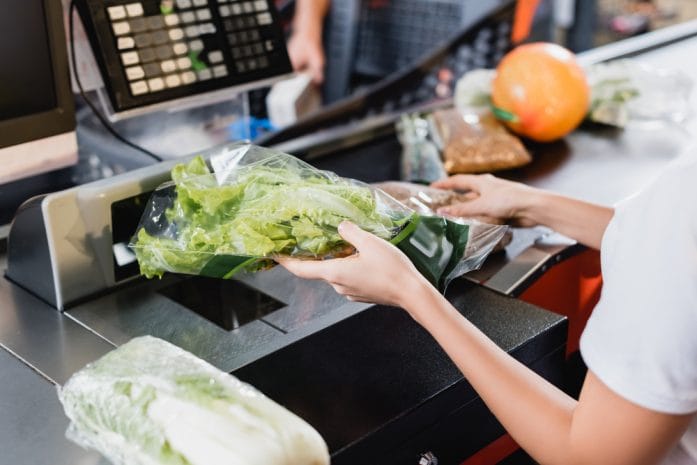
Fresh lettuce, tomatoes, and onions cost more than processed or pre-cut versions. Some chains now use bagged salads, pre-sliced tomatoes, or even dehydrated onions to save money. These ingredients last longer and are easier to store, but they don’t taste as fresh. You might notice your salad is limp or your burger toppings are bland. If you want fresh produce, ask if it’s cut in-house or comes pre-packaged.

6. Reformulating Sauces and Dressings

Sauces and dressings are easy places to cut costs. Chains can swap out expensive ingredients for cheaper ones, like using corn syrup instead of sugar or artificial flavors instead of real herbs. The taste might change, but most people don’t notice right away. Over time, though, you might find your favorite sauce tastes sweeter, saltier, or just different. If you have allergies or want to avoid certain additives, check the ingredient list or ask for it on the side.

7. Using More Preservatives and Additives

To keep costs down and reduce waste, fast-food chains use more preservatives and additives. These help food last longer and look better, but they can also change the taste and texture. Some people are sensitive to certain additives, which can cause headaches or stomach issues. If you’re concerned about what’s in your food, look for chains that use fewer additives or offer ingredient lists online.

8. Sourcing Ingredients from Cheaper Suppliers

Fast-food chains buy in bulk. To save money, they sometimes switch to cheaper suppliers, even if the quality isn’t the same. This can mean lower-quality meat, produce, or bread. The taste and texture might change, and you might not even realize why. If your favorite menu item suddenly tastes off, it could be a new supplier behind the scenes.

9. Offering “Value” Menu Items with Lower-Quality Ingredients

Value menus are popular, but the food on them often uses lower-quality ingredients. Smaller patties, more fillers, and less fresh produce are common. These items are designed to be cheap, so the ingredients are, too. If you want better quality, you might have to pay more or choose items from the regular menu.

10. Cutting Back on Premium Ingredients

Some chains used to offer premium ingredients like avocado, real butter, or specialty breads. To save money, they’ve cut back or replaced them with cheaper options. You might get a “buttery spread” instead of real butter or a basic bun instead of brioche. If you care about these extras, check the menu or ask before you order.

What This Means for Your Next Meal

Fast-food chains are always looking for ways to cut costs, and changing ingredients is one of the easiest ways to do it. These changes can affect taste, nutrition, and value. If you care about what you eat, pay attention to ingredient lists, portion sizes, and how your food tastes. You have the right to know what’s in your meal. Next time you order, take a closer look—you might be surprised by what you find.

Have you noticed changes in your favorite fast-food meals? Share your thoughts or stories in the comments.

Read More

Grocery Foods That Disappear During Economic Downturns

The Real Reasons Fast-Food Chains Are Charging You More for Less Food

Travis Campbell
Travis Campbell

Travis Campbell is a digital marketer/developer with over 10 years of experience and a writer for over 6 years. He holds a degree in E-commerce and likes to share life advice he’s learned over the years. Travis loves spending time on the golf course or at the gym when he’s not working.

Filed Under: Business Tagged With: consumer tips, cost cutting, fast food, food ingredients, food quality, restaurant trends, shrinkflation

Why Some Supermarkets Are Hiding Expiration Dates on Purpose

March 10, 2025 by Latrice Perez 1 Comment

man with girlfriend shopping crackers and snacks in food department of supermarket

Image Source: 123rf.com

Next time you’re shopping for groceries, take a closer look at the packaging. You may notice that the expiration dates on some items are harder to find than they used to be—or, in some cases, missing altogether. This isn’t a coincidence. Some supermarkets and food manufacturers are deliberately making expiration dates less visible, and in some cases, they are removing them entirely. While they claim it’s to reduce food waste and prevent unnecessary product disposal, the reality is much more complicated. Supermarkets are using expiration date confusion to increase profits, reduce losses, and manipulate consumer buying habits.

Expiration Date Confusion Works in Their Favor

Many shoppers rely on expiration dates to determine whether a product is safe to consume, but the truth is that food labeling is already a confusing mess. Terms like “sell by,” “best by,” and “use by” all mean different things, and many consumers don’t know the distinction.

By making expiration dates harder to find, supermarkets can take advantage of this confusion. Some stores are deliberately placing expiration dates in inconspicuous spots on packaging, such as the bottom of a bottle or in small, hard-to-read print. Others are using ink that fades quickly, making the date difficult to read. This forces customers to spend extra time searching for expiration information, and in many cases, they give up and buy the product without verifying its freshness.

Reducing Waste—or Just Selling Old Products?

One of the primary justifications for hiding expiration dates is that it helps reduce food waste. Millions of pounds of food are discarded every year, much of it still safe to eat, simply because consumers throw it away based on the date printed on the package. Supermarkets claim that by obscuring or removing expiration dates, they are preventing unnecessary waste and encouraging customers to rely on their senses instead.

However, this also allows supermarkets to keep older products on the shelves longer without consumers noticing. When a shopper can’t find the expiration date, they are more likely to purchase an item without questioning its freshness. This is especially beneficial for supermarkets trying to clear out old inventory without discounting or discarding it. Instead of reducing waste, some stores are simply ensuring that expired or nearly expired products get sold instead of thrown away.

Some Stores Are Replacing Expiration Dates with QR Codes

Another tactic being used is replacing traditional expiration dates with QR codes. Some food brands and supermarkets now require shoppers to scan a code with their phone to check freshness information. While this may seem like a modern, tech-savvy solution, it adds an extra step to the buying process. Many shoppers don’t bother scanning QR codes, especially if they’re in a hurry, which means they may unknowingly purchase food that is close to expiring.

By moving expiration dates to a digital format, supermarkets shift the burden onto consumers rather than providing clear, easily accessible information. This not only increases the chances of selling older products, but it also discourages customers from being more selective with their purchases.

Expiration Dates Are Being Rebranded as “Freshness Labels”

Some supermarkets and manufacturers are going a step further by replacing expiration dates with vague “freshness indicators.” Instead of a clear “best by” or “use by” date, you may now see phrases like “tastes best before” or “best quality before.” These terms don’t provide any definitive information about food safety, but they do create the illusion that a product is still good, even if it’s past its prime.

This kind of labeling benefits stores by reducing the number of products they have to mark down or discard. If customers believe that food is still fresh even without a specific date, they are less likely to look for discounts or request a fresher version of the product.

You’re Paying the Same Price for Older Food

One of the biggest problems with supermarkets hiding expiration dates is that consumers are unknowingly paying full price for food that is much closer to expiring. In the past, many stores would mark down items that were approaching their expiration date, allowing customers to buy them at a discount.

Now, by making expiration dates less visible or replacing them with vague indicators, supermarkets can keep prices high while still selling older food. This means customers are paying premium prices for products that should have been discounted or removed from shelves.

Which Products Are Most Affected?

Dairy Products

Image Source: 123rf.com

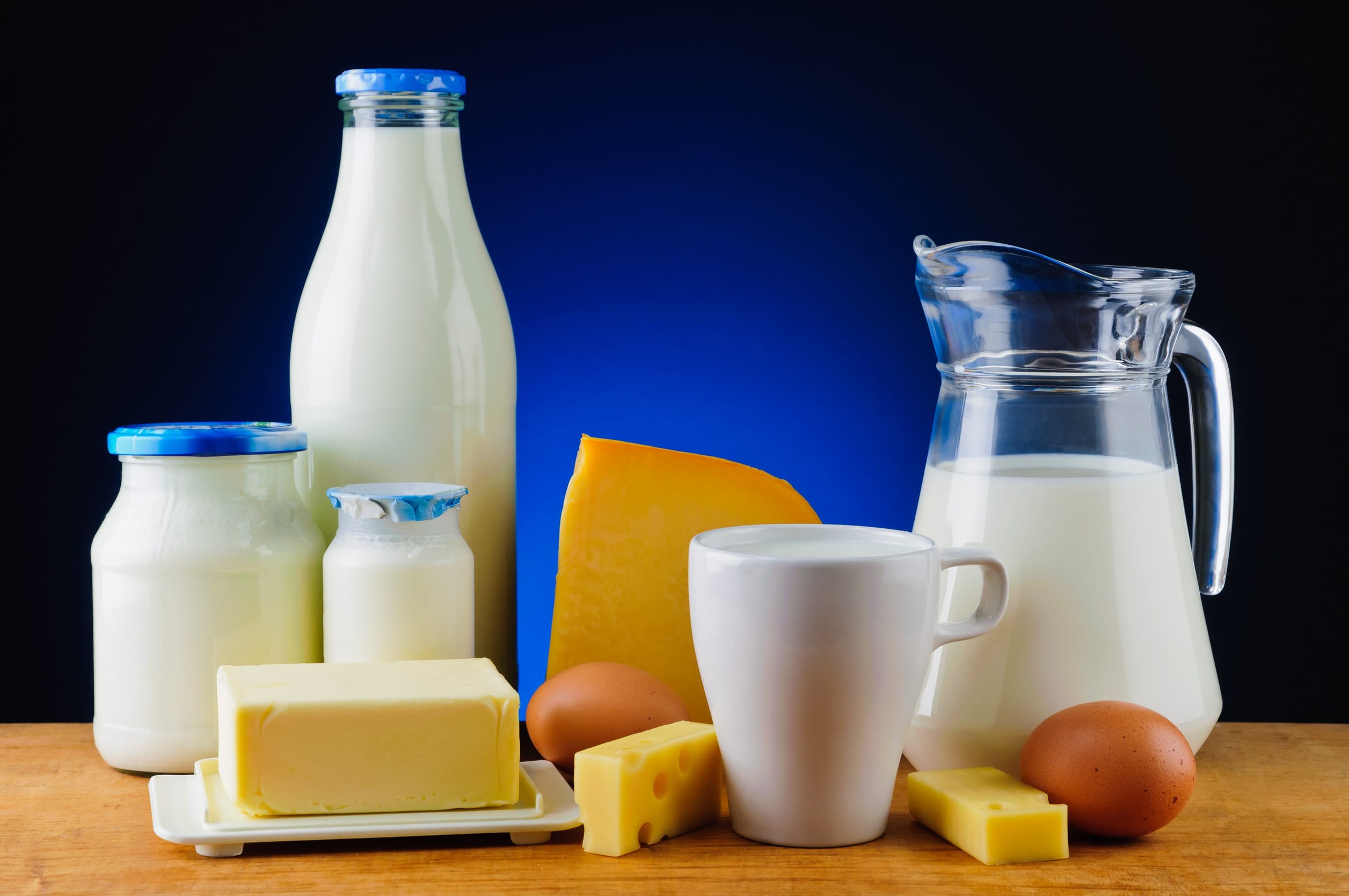
While expiration date tricks can be found across the store, certain products are more affected than others. Dairy products like milk, yogurt, and cheese are often labeled with hard-to-find expiration dates, making it difficult for shoppers to determine freshness. Packaged meats and deli items are also a major concern, as these products can become unsafe to eat if kept too long.

Canned and frozen foods are another category where expiration dates are frequently obscured. Since these products have longer shelf lives, some stores are more lenient about keeping them on the shelves past their prime. Snack foods and processed goods are also commonly affected, with expiration dates sometimes printed in hard-to-read locations or hidden behind package folds.

How to Protect Yourself from Buying Old Food

To avoid unknowingly purchasing expired or close-to-expired food, there are a few steps you can take. Always check packaging carefully, even if it takes extra time. Expiration dates are often hidden in unusual places, such as the bottom of a carton, under a flap, or on the back label. If a product has a QR code instead of a printed date, take the time to scan it and check the information before purchasing.

If an expiration date is missing or difficult to read, ask a store employee for assistance. Some stores keep internal records of freshness dates, and employees may be able to provide more information. When buying perishable items, pay attention to smell, texture, and color. If something looks or smells off, trust your instincts and choose a fresher option.

For non-perishable items, check the packaging for any signs of wear, dents, or damage, as these can be indicators that a product has been sitting on the shelf for a long time. If you notice a pattern of missing or hidden expiration dates at a specific store, consider shopping elsewhere where transparency is a priority.

Why Expiration Date Transparency Matters

Consumers have a right to know when their food was produced and how long it will stay fresh. While reducing food waste is an important goal, it should not come at the expense of transparency and consumer trust. Supermarkets that hide expiration dates are prioritizing profits over customer satisfaction, and shoppers should be aware of these tactics.

If more people demand clear labeling and expiration date transparency, supermarkets may be forced to reconsider their strategies. In the meantime, being a vigilant shopper can help you avoid paying full price for older products and ensure that you’re getting the freshest food possible.

How do you ensure that foods are still fresh enough to eat when shopping? Have you ever gotten some bad food? Let us know in the comments below.

Read More:

10 Cheap but High-Quality Dog Food Brands Your Pup Will Love

Do This If You Have No Money For Food Until Payday

Latrice Perez

Latrice is a dedicated professional with a rich background in social work, complemented by an Associate Degree in the field. Her journey has been uniquely shaped by the rewarding experience of being a stay-at-home mom to her two children, aged 13 and 5. This role has not only been a testament to her commitment to family but has also provided her with invaluable life lessons and insights.

As a mother, Latrice has embraced the opportunity to educate her children on essential life skills, with a special focus on financial literacy, the nuances of life, and the importance of inner peace.

Filed Under: Smart Shopping Tagged With: consumer awareness, expiration date labeling, food expiration, food safety, food waste, grocery shopping, grocery store scams, hidden expiration dates, shrinkflation, supermarket tricks

The Real Reasons Fast-Food Chains Are Charging You More for Less Food

March 10, 2025 by Latrice Perez 1 Comment

Hamburger and Fries

Image Source: 123rf.com

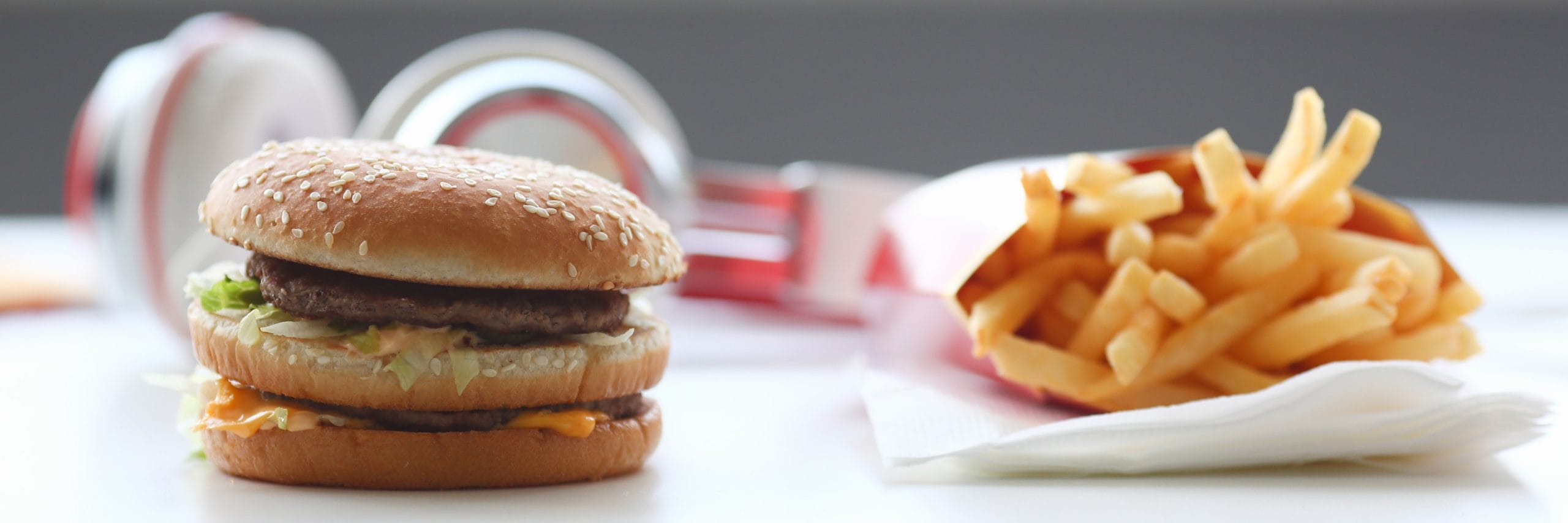
If you’ve noticed that your favorite fast-food meal feels a little smaller but the price has gone up, you’re not imagining things. Fast-food chains across the country are quietly reducing portion sizes while simultaneously raising prices, a tactic commonly known as shrinkflation. While many blame inflation for these changes, the reality is far more complex. Fast-food companies are using a combination of economic pressures, corporate strategies, and consumer psychology to justify charging you more for less food. Here’s what’s really behind this growing trend.

Inflation Is Only Part of the Story

Inflation has undoubtedly played a role in rising fast-food prices, but it doesn’t explain why portions are shrinking at the same time. The cost of ingredients, labor, and transportation has increased in recent years, forcing fast-food chains to find ways to maintain their profit margins. However, rather than simply raising prices, many companies are quietly reducing portion sizes to offset costs without shocking consumers with drastic price hikes.

The problem is that while inflation may cause temporary price increases, portion reductions often become permanent. Once a company realizes it can sell smaller items at higher prices without significant backlash, it rarely reverses the change. This means that even if inflation stabilizes, your favorite menu items may never return to their previous sizes.

Fast-Food Chains Know You Won’t Notice Right Away

One of the biggest reasons fast-food companies get away with shrinkflation is that most customers don’t notice it immediately. Unlike grocery store products, where packaging changes can make shrinkflation obvious, fast-food portion sizes are harder to track. If your burger is slightly smaller or your fries have a few fewer pieces, you’re unlikely to measure it or compare it to last year’s version.

Companies rely on this subtlety to minimize consumer outrage. By making gradual reductions over time, they ensure that the change feels less drastic. A burger that loses 10% of its weight over the course of a few years may not seem noticeable, but when compared to its original size a decade ago, the difference is significant.

Rising Labor Costs Are Eating Into Profits

Labor costs have been rising due to increasing minimum wage laws, employee benefits, and a competitive job market. Fast-food chains are under pressure to pay their workers more, but instead of absorbing the costs, they pass them onto consumers.

Rather than raising prices dramatically, many companies choose to shrink portion sizes while maintaining or slightly increasing menu prices. This allows them to offset labor costs without appearing to charge significantly more. At the same time, reducing portion sizes speeds up service since smaller portions mean faster preparation and lower ingredient usage, making operations more efficient.

Food Costs Are Increasing, and Fast-Food Chains Are Cutting Corners

Global supply chain disruptions, climate change, and transportation costs have made ingredients more expensive. Meat, dairy, wheat, and cooking oils have all seen price increases, which directly impact fast-food chains that rely on these staples. Instead of simply raising menu prices, companies are finding ways to use less food per serving while maintaining their profits.

Some chains have also started using lower-quality ingredients as a cost-saving measure. You may have noticed thinner burger patties, more fillers in ground meat, or smaller slices of cheese. These changes allow companies to stretch their ingredients further without making drastic price adjustments that might scare off customers.

Psychological Pricing Tricks Make Shrinkflation Less Obvious

Psychological Pricing Tricks

Image Source: 123rf.com

Fast-food chains are experts at using consumer psychology to their advantage. Instead of outright removing menu items or drastically raising prices, they make strategic changes that make customers feel like they’re still getting a good deal.

One common tactic is keeping the price the same but shrinking the portion size. For example, a chain might keep a combo meal at $8.99 but reduce the size of the burger patty by 10% and cut the number of fries by a few pieces. Most customers won’t notice the difference right away, but over time, they end up paying more for less food.

Another trick is introducing new, more expensive sizes while phasing out older, more affordable options. A chain might introduce a “jumbo” size at a higher price point while making the regular size slightly smaller. Over time, customers get used to the new sizes and are nudged toward paying more for the “better deal.”

Loyalty Programs and Digital Ordering Hide the True Cost of Shrinkflation

Fast-food companies have also found a way to make price increases and portion reductions less noticeable through digital ordering and loyalty programs. When customers order through apps, they are more likely to accept price increases and less likely to compare sizes.

Loyalty programs also play a role in masking shrinkflation. When customers receive points or discounts, they feel like they’re getting a deal, even if menu prices and portion sizes have changed. This helps companies maintain customer satisfaction while continuing to increase profits.

Limited-Time Offers Distract Consumers from Permanent Changes

Another way fast-food chains distract from shrinking portions and rising prices is through limited-time menu items. When a restaurant introduces a new burger, special fries, or a seasonal shake, customers focus on trying the new item rather than noticing that regular menu items have changed.

These promotions create excitement and bring in traffic, allowing companies to gradually reduce portion sizes on staple items without drawing attention. Once customers are distracted by new flavors and special deals, they are less likely to scrutinize how much their go-to meal has shrunk.

Fast-Food Shrinkflation Is Here to Stay

Unfortunately, once fast-food chains implement shrinkflation, they rarely reverse the changes. If customers continue to accept smaller portions at higher prices, there is little incentive for companies to return to previous serving sizes. Instead, they will continue finding creative ways to maximize profits while making shrinkflation less noticeable.

For consumers, the best way to fight back is by being aware of these tactics and adjusting purchasing habits accordingly. Comparing portion sizes over time, choosing to eat at places that offer better value, and questioning price increases can help push back against this trend. If enough customers demand transparency and better portion sizes, fast-food companies may be forced to rethink their strategies.

Have you ever got frustrated with the size of the meal you got from a fast-food restaurant? Was the cost more than you expecting? Let us know in the comments.

Read More:

Forever Food: 12 Food Items That Never Expire

Kids Eat Free At These 14 Restaurants: A Guide for Family Dining on a Budget

Latrice Perez

Latrice is a dedicated professional with a rich background in social work, complemented by an Associate Degree in the field. Her journey has been uniquely shaped by the rewarding experience of being a stay-at-home mom to her two children, aged 13 and 5. This role has not only been a testament to her commitment to family but has also provided her with invaluable life lessons and insights.

As a mother, Latrice has embraced the opportunity to educate her children on essential life skills, with a special focus on financial literacy, the nuances of life, and the importance of inner peace.

Filed Under: Smart Spending Tagged With: consumer psychology, dining trends, fast-food portion sizes, fast-food prices, food industry tricks, food inflation, price hikes, restaurant industry, rising food costs, shrinkflation

FOLLOW US

Search this site:

Recent Posts

  • Can My Savings Account Affect My Financial Aid? by Tamila McDonald
  • 12 Ways Gen X’s Views Clash with Millennials… by Tamila McDonald
  • What Advantages and Disadvantages Are There To… by Jacob Sensiba
  • 10 Tactics for Building an Emergency Fund from Scratch by Vanessa Bermudez
  • Call 911: Go To the Emergency Room Immediately If… by Stephen Kanaval
  • 7 Weird Things You Can Sell Online by Tamila McDonald
  • 10 Scary Facts About DriveTime by Tamila McDonald

Copyright © 2026 · News Pro Theme on Genesis Framework