• Home
  • About Us
  • Toolkit
  • Getting Finances Done
    • Hiring Advisors
    • Debt Management
    • Spending Plan
  • Insurance
    • Life Insurance
    • Health Insurance
    • Disability Insurance
    • Homeowners/Renters Insurance
  • Contact Us
  • Privacy Policy
  • Risk Tolerance Quiz

The Free Financial Advisor

You are here: Home / Archives for food safety

10 Products That Are Being Pulled From Shelves Without Public Notice

July 25, 2025 by Travis Campbell Leave a Comment

empty shelves

Image Source: unsplash.com

We all want to trust what we buy. But sometimes, products disappear from store shelves without any big announcement. These quiet removals can affect your health, your wallet, and your peace of mind. You might not even know a product is gone until you look for it and can’t find it. This happens more often than you think. Companies and stores sometimes pull products for safety, quality, or business reasons, but they don’t always tell the public. Knowing which products are being pulled from shelves can help you make better choices and avoid surprises.

Here are ten products that are being pulled from shelves without public notice. Some of these might be in your home right now.

1. Over-the-Counter Cold Medicines

Many cold medicines are being pulled from shelves quietly. Some contain ingredients that have been linked to health risks or are no longer considered effective. For example, products with phenylephrine have faced scrutiny after studies showed they may not work as promised. You might notice your favorite brand is missing, but there’s no sign or warning. Always check the active ingredients and ask your pharmacist if you’re unsure. If you rely on a specific medicine, look for updates from the FDA or your local pharmacy.

2. Certain Baby Formula Brands

Baby formula recalls make headlines, but not every removal is publicized. Sometimes, stores pull certain batches due to minor quality issues or supply chain problems. Parents may find their usual formula missing and have to switch brands suddenly. This can be stressful, especially for babies with sensitive stomachs. If you notice a formula is gone, check the manufacturer’s website for updates or call customer service. It’s smart to have a backup option just in case.

3. Packaged Salad Mixes

Packaged salads are convenient, but they’re also prone to contamination. Stores often pull salad mixes after internal tests find bacteria like Listeria or E. coli. These removals don’t always make the news. You might see empty spots in the produce section and not know why. To stay safe, wash all greens thoroughly—even if the package says “pre-washed.”

4. Popular Snack Foods

Snack foods like chips, crackers, and cookies sometimes vanish from shelves without warning. This can happen if a batch is found to have undeclared allergens or quality issues. Companies may quietly ask stores to remove the product rather than issue a public recall. If you have allergies, always double-check labels and keep an eye on your favorite snacks. If something is missing, it’s worth checking the brand’s website for updates.

5. Personal Care Products

Shampoos, lotions, and deodorants are sometimes pulled from shelves due to ingredient concerns or contamination. These removals often happen quietly, especially if the issue is minor or limited to certain lots. You might notice a product is gone or replaced with a “new formula.” If you have sensitive skin or allergies, keep track of what you use and look for any changes in packaging or ingredients.

6. Pet Foods and Treats

Pet food recalls get attention, but not every removal is public. Stores may pull products if there’s a risk of contamination or if pets have gotten sick. Sometimes, it’s just a quality issue. If your pet’s usual food is missing, check the manufacturer’s site or ask your vet for advice. It’s a good idea to have a backup food that your pet can tolerate.

7. Dietary Supplements

Supplements are not as tightly regulated as medicines. Sometimes, stores pull them after finding out they contain unapproved ingredients or don’t meet quality standards. These removals often happen without public notice. If you take supplements, buy from trusted brands and check for third-party testing. If a supplement disappears, look for updates from the store or the brand.

8. Frozen Meals

Frozen meals are pulled from shelves for reasons like labeling errors, contamination, or even packaging problems. These removals are often quiet, especially if the issue is not widespread. If you notice your favorite meal is missing, it could be a sign of a problem. Always check your freezer for any products that have been recalled and follow safe cooking instructions.

9. Cleaning Products

Household cleaners sometimes get pulled due to ingredient changes, safety concerns, or regulatory issues. These changes can happen without any public announcement. You might see a familiar product replaced with a new version or missing entirely. If you rely on a specific cleaner, check the label for changes and look for updates from the manufacturer.

10. Seasonal Items

Seasonal products like holiday candies, decorations, or themed foods can be pulled from shelves if there’s a problem with quality or safety. These removals are often quiet because the products are only available for a short time. If you notice a seasonal item is missing, it could be due to a quiet recall or supply issue. Always check for updates if you plan to buy in bulk or save items for later.

Staying Informed When Products Disappear

Products being pulled from shelves without public notice can catch anyone off guard. It’s important to stay alert and check for updates from trusted sources. If you notice a product is missing, don’t ignore it. Look for information online, ask store staff, or check the manufacturer’s website. Being proactive helps you protect your health, your family, and your wallet. Quiet removals happen, but you don’t have to be left in the dark.

Have you ever noticed a product disappear from shelves without explanation? Share your story or tips in the comments below.

Read More

Popular Cleaning Products That Cause Long-Term Damage

12 Products That Are All the Rage in Silicon Valley

Travis Campbell
Travis Campbell

Travis Campbell is a digital marketer/developer with over 10 years of experience and a writer for over 6 years. He holds a degree in E-commerce and likes to share life advice he’s learned over the years. Travis loves spending time on the golf course or at the gym when he’s not working.


Filed Under: Business Tagged With: consumer awareness, consumer safety, financial advice, food safety, hidden recalls, product recalls, product safety, shelf pulls, shopping tips

Things in Your Freezer That Might Be Contaminating Everything

July 4, 2025 by Travis Campbell Leave a Comment

freezer

Image Source: pexels.com

If you’re like most people, your freezer is a treasure chest of leftovers, frozen veggies, and the occasional mystery meat. But have you ever stopped to think about what’s really lurking in there? The truth is, your freezer can be a hidden source of contamination, quietly affecting the safety and taste of everything you store. Freezer burn, cross-contamination, and even mold can sneak up on the most organized among us. Keeping your freezer clean and safe isn’t just about avoiding funky flavors—it’s about protecting your health and your wallet. Let’s examine the items in your freezer that might be contaminating your food, and what you can do to keep your food (and family) safe.

1. Unwrapped or Poorly Wrapped Foods

Leaving food unwrapped or using flimsy packaging is one of the fastest ways to invite contamination into your freezer. When food isn’t sealed tightly, it’s exposed to air, which leads to freezer burn and allows odors to transfer between items. Freezer burn doesn’t just affect taste and texture—it can also make food less safe to eat. Always use airtight containers or heavy-duty freezer bags, and label everything with the date. This simple habit keeps your food fresher and prevents unwanted flavors from spreading.

2. Raw Meat Stored Above Ready-to-Eat Foods

The way you organize your freezer matters more than you might think. Storing raw meat above cooked or ready-to-eat foods can lead to cross-contamination that poses a serious health risk. If meat juices drip onto other items, bacteria like Salmonella or E. coli can spread, even in freezing temperatures. To avoid this, always store raw meats on the lowest shelf or in a dedicated bin. This small change can make a big difference in keeping your freezer safe and your meals healthy.

3. Forgotten Leftovers

We’ve all been guilty of tossing leftovers in the freezer and forgetting about them. But those forgotten containers can become breeding grounds for bacteria and mold, especially if they weren’t appropriately cooled before freezing. Over time, even frozen food can degrade, leading to off smells and flavors that can contaminate other items. Make it a habit to rotate your freezer stock regularly and discard anything that has been in there for longer than three months. A quick inventory every month can save you from unpleasant surprises and keep your freezer in top shape.

4. Ice Packs and Old Ice Cubes

Ice packs and ice cubes might seem harmless, but they can harbor bacteria and absorb odors from other foods. If you use ice packs for injuries or lunchboxes, make sure they’re cleaned regularly and stored in a sealed bag. Old ice cubes can absorb flavors from the freezer, making your drinks taste off and potentially spreading contaminants. Dump out old ice and clean your ice trays every few weeks to keep things fresh.

5. Open Packages of Frozen Vegetables or Fruit

Once you open a bag of frozen veggies or fruit, it’s easy to just fold the top over and toss it back in the freezer. But open packages are an open invitation for freezer burn and contamination. Moisture can get in, and small bits of food can fall out and stick to other items. Always transfer opened packages to airtight containers or resealable bags. This not only keeps your produce tasting better but also prevents cross-contamination with other foods.

6. Expired or Unlabeled Foods

It’s easy to lose track of what’s in your freezer, especially if you don’t label things. Expired or mystery foods can leak, break down, and contaminate everything around them. Not only does this waste money, but it also increases your risk of foodborne illness. Make labeling a habit—write the date and contents on every package before it goes in the freezer. When in doubt, throw it out. The FDA recommends keeping a freezer inventory to help you stay organized and safe.

7. Homemade Broths and Sauces in Glass Jars

Storing homemade broths or sauces in glass jars might seem like a good idea, but it can be risky. Liquids expand as they freeze, which can cause glass to crack or shatter. Broken glass in your freezer is a serious hazard and can contaminate everything nearby. Instead, use freezer-safe plastic containers or silicone bags for liquids. If you must use glass, leave plenty of headspace and use jars specifically designed for freezing.

8. Spilled Liquids and Sticky Residue

Spills happen, but if you don’t clean them up right away, they can become a sticky, bacteria-laden mess. Spilled juices from meat, melted ice cream, or even fruit syrup can seep into other foods and create a breeding ground for mold and bacteria. Wipe up spills as soon as you notice them and give your freezer a deep clean every few months. A clean freezer is a safe freezer, and it only takes a few minutes to prevent bigger problems down the road.

Keep Your Freezer a Safe Zone

Your freezer should be a safe haven for your food, not a source of contamination. By paying attention to how you store, label, and organize your frozen goods, you can protect your family’s health and enhance the taste of your meals. Small changes—like using airtight containers, cleaning up spills, and rotating your stock—add up to big benefits. Don’t let hidden hazards take over your freezer. Take a few minutes today to check for these common culprits and keep your frozen foods safe and delicious.

What’s the weirdest thing you’ve ever found in your freezer? Share your stories or tips in the comments below!

Read More

Ripped From The Headlines: Bad Holiday Economic Mood

Vacation Without Breaking The Bank

Travis Campbell
Travis Campbell

Travis Campbell is a digital marketer/developer with over 10 years of experience and a writer for over 6 years. He holds a degree in E-commerce and likes to share life advice he’s learned over the years. Travis loves spending time on the golf course or at the gym when he’s not working.
Filed Under: safety Tagged With: food contamination, food safety, food storage, freezer safety, home organization, kitchen tips

Why Some Supermarkets Are Hiding Expiration Dates on Purpose

March 10, 2025 by Latrice Perez Leave a Comment

man with girlfriend shopping crackers and snacks in food department of supermarket

Image Source: 123rf.com

Next time you’re shopping for groceries, take a closer look at the packaging. You may notice that the expiration dates on some items are harder to find than they used to be—or, in some cases, missing altogether. This isn’t a coincidence. Some supermarkets and food manufacturers are deliberately making expiration dates less visible, and in some cases, they are removing them entirely. While they claim it’s to reduce food waste and prevent unnecessary product disposal, the reality is much more complicated. Supermarkets are using expiration date confusion to increase profits, reduce losses, and manipulate consumer buying habits.

Expiration Date Confusion Works in Their Favor

Many shoppers rely on expiration dates to determine whether a product is safe to consume, but the truth is that food labeling is already a confusing mess. Terms like “sell by,” “best by,” and “use by” all mean different things, and many consumers don’t know the distinction.

By making expiration dates harder to find, supermarkets can take advantage of this confusion. Some stores are deliberately placing expiration dates in inconspicuous spots on packaging, such as the bottom of a bottle or in small, hard-to-read print. Others are using ink that fades quickly, making the date difficult to read. This forces customers to spend extra time searching for expiration information, and in many cases, they give up and buy the product without verifying its freshness.

Reducing Waste—or Just Selling Old Products?

One of the primary justifications for hiding expiration dates is that it helps reduce food waste. Millions of pounds of food are discarded every year, much of it still safe to eat, simply because consumers throw it away based on the date printed on the package. Supermarkets claim that by obscuring or removing expiration dates, they are preventing unnecessary waste and encouraging customers to rely on their senses instead.

However, this also allows supermarkets to keep older products on the shelves longer without consumers noticing. When a shopper can’t find the expiration date, they are more likely to purchase an item without questioning its freshness. This is especially beneficial for supermarkets trying to clear out old inventory without discounting or discarding it. Instead of reducing waste, some stores are simply ensuring that expired or nearly expired products get sold instead of thrown away.

Some Stores Are Replacing Expiration Dates with QR Codes

Another tactic being used is replacing traditional expiration dates with QR codes. Some food brands and supermarkets now require shoppers to scan a code with their phone to check freshness information. While this may seem like a modern, tech-savvy solution, it adds an extra step to the buying process. Many shoppers don’t bother scanning QR codes, especially if they’re in a hurry, which means they may unknowingly purchase food that is close to expiring.

By moving expiration dates to a digital format, supermarkets shift the burden onto consumers rather than providing clear, easily accessible information. This not only increases the chances of selling older products, but it also discourages customers from being more selective with their purchases.

Expiration Dates Are Being Rebranded as “Freshness Labels”

Some supermarkets and manufacturers are going a step further by replacing expiration dates with vague “freshness indicators.” Instead of a clear “best by” or “use by” date, you may now see phrases like “tastes best before” or “best quality before.” These terms don’t provide any definitive information about food safety, but they do create the illusion that a product is still good, even if it’s past its prime.

This kind of labeling benefits stores by reducing the number of products they have to mark down or discard. If customers believe that food is still fresh even without a specific date, they are less likely to look for discounts or request a fresher version of the product.

You’re Paying the Same Price for Older Food

One of the biggest problems with supermarkets hiding expiration dates is that consumers are unknowingly paying full price for food that is much closer to expiring. In the past, many stores would mark down items that were approaching their expiration date, allowing customers to buy them at a discount.

Now, by making expiration dates less visible or replacing them with vague indicators, supermarkets can keep prices high while still selling older food. This means customers are paying premium prices for products that should have been discounted or removed from shelves.

Which Products Are Most Affected?

Dairy Products

Image Source: 123rf.com

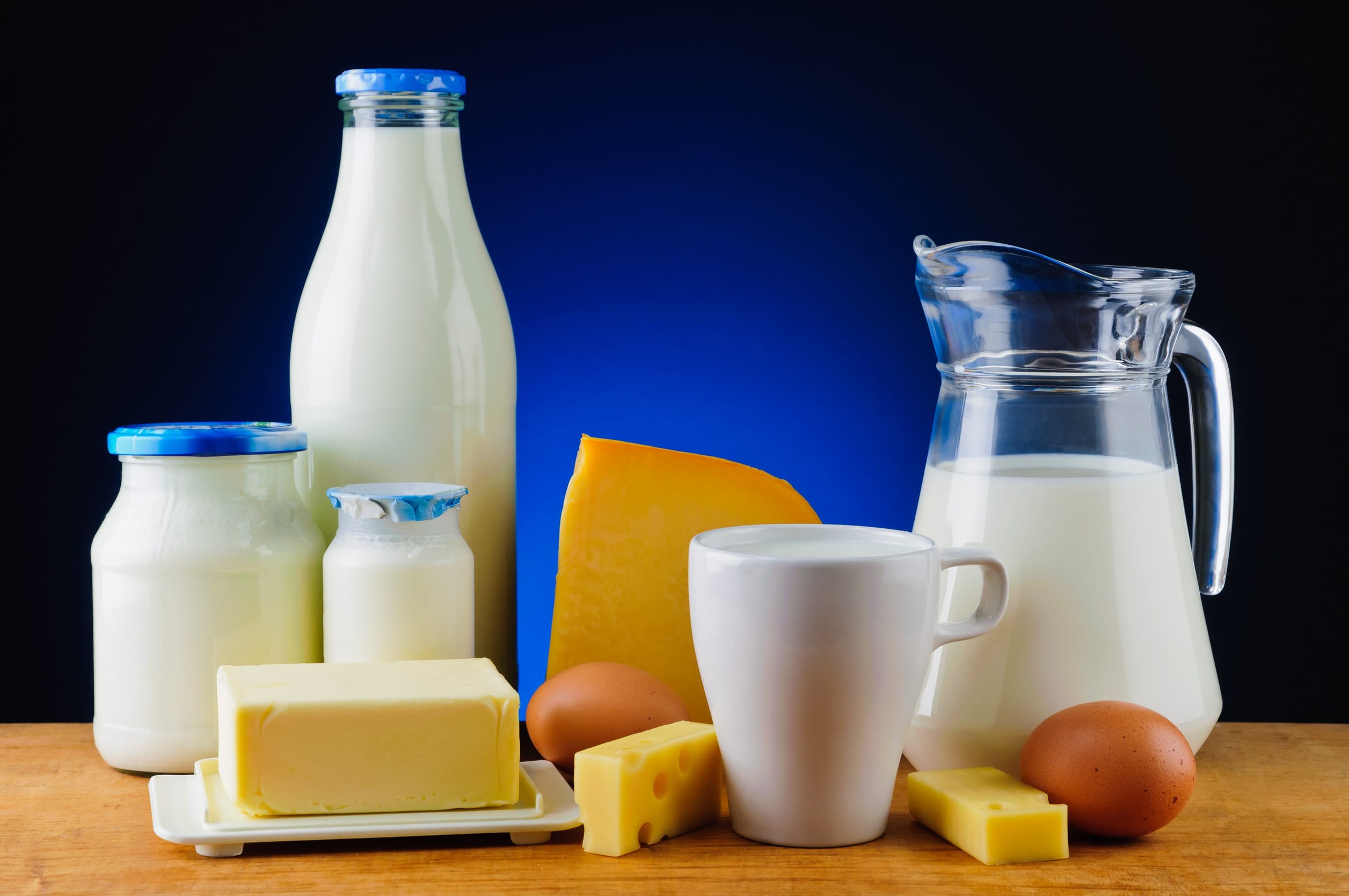
While expiration date tricks can be found across the store, certain products are more affected than others. Dairy products like milk, yogurt, and cheese are often labeled with hard-to-find expiration dates, making it difficult for shoppers to determine freshness. Packaged meats and deli items are also a major concern, as these products can become unsafe to eat if kept too long.

Canned and frozen foods are another category where expiration dates are frequently obscured. Since these products have longer shelf lives, some stores are more lenient about keeping them on the shelves past their prime. Snack foods and processed goods are also commonly affected, with expiration dates sometimes printed in hard-to-read locations or hidden behind package folds.

How to Protect Yourself from Buying Old Food

To avoid unknowingly purchasing expired or close-to-expired food, there are a few steps you can take. Always check packaging carefully, even if it takes extra time. Expiration dates are often hidden in unusual places, such as the bottom of a carton, under a flap, or on the back label. If a product has a QR code instead of a printed date, take the time to scan it and check the information before purchasing.

If an expiration date is missing or difficult to read, ask a store employee for assistance. Some stores keep internal records of freshness dates, and employees may be able to provide more information. When buying perishable items, pay attention to smell, texture, and color. If something looks or smells off, trust your instincts and choose a fresher option.

For non-perishable items, check the packaging for any signs of wear, dents, or damage, as these can be indicators that a product has been sitting on the shelf for a long time. If you notice a pattern of missing or hidden expiration dates at a specific store, consider shopping elsewhere where transparency is a priority.

Why Expiration Date Transparency Matters

Consumers have a right to know when their food was produced and how long it will stay fresh. While reducing food waste is an important goal, it should not come at the expense of transparency and consumer trust. Supermarkets that hide expiration dates are prioritizing profits over customer satisfaction, and shoppers should be aware of these tactics.

If more people demand clear labeling and expiration date transparency, supermarkets may be forced to reconsider their strategies. In the meantime, being a vigilant shopper can help you avoid paying full price for older products and ensure that you’re getting the freshest food possible.

How do you ensure that foods are still fresh enough to eat when shopping? Have you ever gotten some bad food? Let us know in the comments below.

Read More:

10 Cheap but High-Quality Dog Food Brands Your Pup Will Love

Do This If You Have No Money For Food Until Payday

Latrice Perez

Latrice is a dedicated professional with a rich background in social work, complemented by an Associate Degree in the field. Her journey has been uniquely shaped by the rewarding experience of being a stay-at-home mom to her two children, aged 13 and 5. This role has not only been a testament to her commitment to family but has also provided her with invaluable life lessons and insights.

As a mother, Latrice has embraced the opportunity to educate her children on essential life skills, with a special focus on financial literacy, the nuances of life, and the importance of inner peace.

Filed Under: Smart Shopping Tagged With: consumer awareness, expiration date labeling, food expiration, food safety, food waste, grocery shopping, grocery store scams, hidden expiration dates, shrinkflation, supermarket tricks

FOLLOW US

Search this site:

Recent Posts

  • Can My Savings Account Affect My Financial Aid? by Tamila McDonald
  • 12 Ways Gen X’s Views Clash with Millennials… by Tamila McDonald
  • What Advantages and Disadvantages Are There To… by Jacob Sensiba
  • Call 911: Go To the Emergency Room Immediately If… by Stephen Kanaval
  • 10 Tactics for Building an Emergency Fund from Scratch by Vanessa Bermudez
  • 7 Weird Things You Can Sell Online by Tamila McDonald
  • 10 Scary Facts About DriveTime by Tamila McDonald

Copyright © 2026 · News Pro Theme on Genesis Framework