
• Home
  • About Us
  • Toolkit
  • Getting Finances Done
    • Hiring Advisors
    • Debt Management
    • Spending Plan
  • Insurance
    • Life Insurance
    • Health Insurance
    • Disability Insurance
    • Homeowners/Renters Insurance
  • Contact Us
  • Privacy Policy
  • Risk Tolerance Quiz

The Free Financial Advisor

You are here: Home / Archives for Catherine Reed

Catherine is a tech-savvy writer who has focused on the personal finance space for more than eight years. She has a Bachelor's in Information Technology and enjoys showcasing how tech can simplify everyday personal finance tasks like budgeting, spending tracking, and planning for the future. Additionally, she's explored the ins and outs of the world of side hustles and loves to share what she's learned along the way. When she's not working, you can find her relaxing at home in the Pacific Northwest with her two cats or enjoying a cup of coffee at her neighborhood cafe.

5 Things People Forget to Insure Until It’s Too Late

September 4, 2025 by Catherine Reed Leave a Comment

5 Things People Forget to Insure Until It’s Too Late

Image source: 123rf.com

Insurance is designed to protect us from life’s unexpected setbacks, yet many people don’t realize there are critical gaps in their coverage. While homes, cars, and health plans are standard, other valuable items and situations often go overlooked. Unfortunately, those oversights only become clear when disaster strikes and it’s too late to fix them. By understanding the most common things people forget to insure until it’s too late, you can protect your finances and avoid painful surprises.

1. Valuable Jewelry and Family Heirlooms

Many homeowners assume their standard policy automatically covers all personal items. While basic coverage may apply, it often falls short when it comes to expensive jewelry or family heirlooms. For example, engagement rings, vintage watches, or inherited pieces may exceed policy limits. Without specific riders or additional coverage, replacement costs can land squarely on the owner’s shoulders. Jewelry is one of the top things people forget to insure until it’s too late, leaving families with both financial and sentimental loss.

2. Home-Based Businesses

More people are working from home or running small businesses from their living rooms. Yet standard homeowners’ insurance typically excludes business equipment, inventory, or liability tied to commercial activity. If a fire, theft, or customer accident occurs, you could face significant out-of-pocket costs. Business insurance or an added policy rider is often necessary to stay protected. Home-based businesses are frequently overlooked, making them one of the things people forget to insure until it’s too late.

3. Collectibles and Hobby Equipment

From rare comic books to high-end photography gear, collectibles and hobby items often carry significant value. Standard insurance may not fully account for these unique possessions, especially if their worth is tied to rarity rather than purchase price. A sudden flood, fire, or theft can wipe out years of collecting and thousands of dollars. Specialized coverage ensures items are properly appraised and protected. Collectibles rank high on the list of things people forget to insure until it’s too late.

4. Long-Term Disability

Most people plan for life insurance but overlook disability coverage, even though the odds of needing it are higher. If you become unable to work due to illness or injury, long-term disability insurance can replace a portion of your income. Without it, families often burn through savings or take on debt to stay afloat. Employer-provided benefits may not be enough, and personal policies offer broader protection. Disability coverage is one of the critical things people forget to insure until it’s too late, often with devastating results.

5. Travel Plans and Vacation Rentals

Trips are usually booked with excitement, not caution, but travel insurance can save thousands if things go wrong. Flight cancellations, lost luggage, or medical emergencies abroad can quickly derail a vacation. Vacation rentals also pose risks, especially if accidents occur while hosting guests. Without proper coverage, unexpected events can turn a dream trip into a financial nightmare. Travel-related protections are among the most common things people forget to insure until it’s too late.

Protecting More Than Just the Basics

Insurance isn’t just about checking boxes on required policies—it’s about anticipating risks and filling the gaps others miss. Jewelry, businesses, hobbies, income, and travel all represent areas where people underestimate potential losses. Recognizing these vulnerabilities ensures you’re not left exposed when the unexpected happens. By taking proactive steps, you can safeguard both financial stability and peace of mind. The smartest approach is to review coverage regularly, so you never face the regret of discovering things people forget to insure until it’s too late.

Have you ever experienced a loss that insurance didn’t cover? Share your story and advice in the comments below.

What to Read Next…

Could Skipping Insurance Be the Biggest Money Mistake of All

Why Do Some People Think Life Insurance Is a Scam Until It’s Too Late

10 Big Purchases That Quietly Wreck Retirement Plans

Is $8,000 a Year a Sound “Peace of Mind” Investment for Retirement

The Hidden Clause That Could Let Your State Reclaim Medicaid Funds

Catherine Reed
Catherine Reed

Catherine is a tech-savvy writer who has focused on the personal finance space for more than eight years. She has a Bachelor’s in Information Technology and enjoys showcasing how tech can simplify everyday personal finance tasks like budgeting, spending tracking, and planning for the future. Additionally, she’s explored the ins and outs of the world of side hustles and loves to share what she’s learned along the way. When she’s not working, you can find her relaxing at home in the Pacific Northwest with her two cats or enjoying a cup of coffee at her neighborhood cafe.

Filed Under: Insurance Tagged With: business insurance, collectibles, disability coverage, Insurance, jewelry coverage, Personal Finance, Planning, travel insurance

Why Do Credit Scores Drop Even When Bills Are Paid on Time

September 4, 2025 by Catherine Reed Leave a Comment

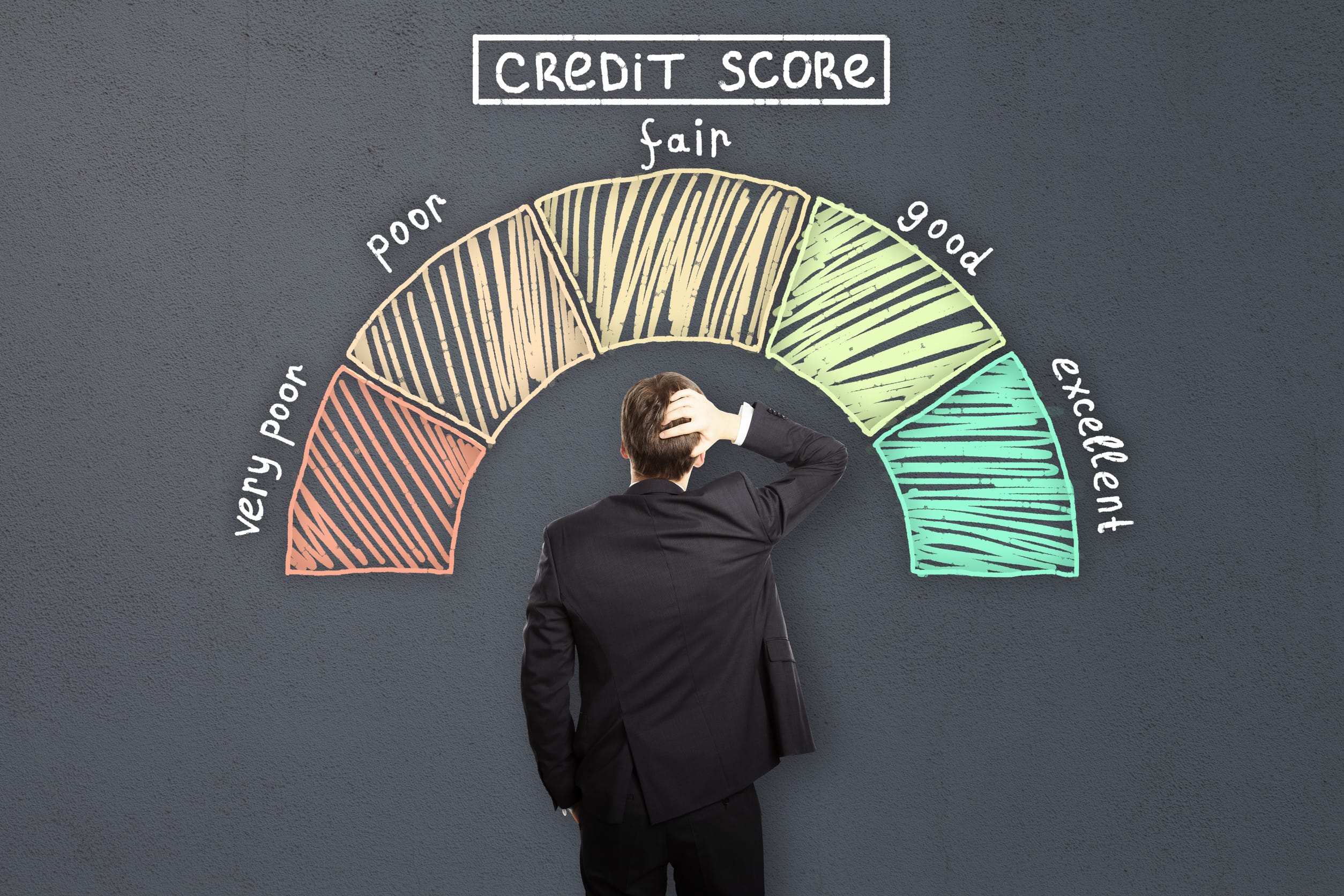
Why Do Credit Scores Drop Even When Bills Are Paid on Time

Image source: 123rf.com

It feels frustrating and confusing when your credit score dips despite doing everything right. Many people assume paying bills on time guarantees a steady climb upward, but that’s not always how credit scoring works. Several other factors affect your score, and changes in your financial activity can trigger unexpected drops. Understanding why credit scores drop even when bills are paid on time helps you protect your financial health and avoid unnecessary surprises.

1. High Credit Utilization Ratios

Even if you never miss a payment, carrying large balances can hurt your score. Credit utilization measures how much of your available credit you’re using, and scoring models prefer it to stay below 30 percent. For example, if your card limit is $5,000 and you owe $3,000, your utilization is 60 percent. Lenders see this as a sign you may be financially stretched, even if you pay on time. That’s one major reason why credit scores drop even when bills are paid on time.

2. Closing Old Accounts

Many people close old credit cards once balances are cleared, but this can backfire. Closing accounts reduces your overall available credit, which can instantly raise your utilization ratio. It also shortens your average account age, another key factor in scoring. Both of these shifts can trigger a score decrease, even though you’re making timely payments. This explains another part of why credit scores drop even when bills are paid on time.

3. Applying for New Credit

Every time you apply for a new card or loan, the lender performs a hard inquiry on your credit report. These inquiries can temporarily lower your score by a few points. Opening new accounts also lowers the average age of your credit history, which further affects your score. Even if you’re responsible with new credit, the initial dip is unavoidable. It’s a subtle but important reason why credit scores drop even when bills are paid on time.

4. Changes in Credit Mix

Credit scoring models value a healthy mix of account types, such as credit cards, auto loans, and mortgages. If you pay off and close an installment loan, like a car loan, you may reduce your mix. While this seems like progress, it can lower your score slightly because your profile looks less diverse. Scoring systems interpret fewer account types as higher risk. This contributes to why credit scores drop even when bills are paid on time.

5. Reporting Errors or Identity Issues

Sometimes the reason for a score drop has nothing to do with your financial behavior at all. Credit bureaus occasionally report incorrect balances or duplicate accounts, which skew your report. In more serious cases, identity theft can introduce fraudulent accounts into your history. These errors lower your score until they’re disputed and corrected. Mistakes like these are another explanation for why credit scores drop even when bills are paid on time.

6. Shifts in Scoring Models

Credit scores aren’t static, and the formulas used to calculate them change over time. Updates to scoring models may weigh certain factors differently, causing a score to drop unexpectedly. For instance, newer models penalize high utilization more than older ones. Borrowers may feel confused by sudden changes even though their habits haven’t shifted. This evolving system also plays a role in why credit scores drop even when bills are paid on time.

Staying Ahead of Score Surprises

Credit scores are influenced by more than just punctual payments, and understanding the hidden factors is essential for financial success. Utilization ratios, account age, credit mix, and even reporting errors all contribute to fluctuations. By keeping balances low, monitoring your credit reports, and avoiding unnecessary account closures, you can maintain stability. The answer to why credit scores drop even when bills are paid on time lies in these overlooked details. Awareness and proactive management make it easier to control your financial reputation and keep your score healthy.

Have you ever noticed your score drop despite paying everything on time? Share your experience in the comments below.

What to Read Next…

Why Do So Many People Believe Credit Cards Are Safer Than They Really Are

5 Times Debt Was Used as a Tool Instead of a Burden

7 Times Living Paycheck to Paycheck Comes With Hidden Costs

6 Times You Might Unknowingly Sign Away Financial Control

8 Silent Wealth Killers That Hide in Everyday Expenses

Catherine Reed
Catherine Reed

Catherine is a tech-savvy writer who has focused on the personal finance space for more than eight years. She has a Bachelor’s in Information Technology and enjoys showcasing how tech can simplify everyday personal finance tasks like budgeting, spending tracking, and planning for the future. Additionally, she’s explored the ins and outs of the world of side hustles and loves to share what she’s learned along the way. When she’s not working, you can find her relaxing at home in the Pacific Northwest with her two cats or enjoying a cup of coffee at her neighborhood cafe.

Filed Under: credit score Tagged With: credit health, credit reports, credit score, credit utilization, Debt Management, loans, Personal Finance, Planning

Why Do So Many Middle-Class Families Struggle With Inheritance Taxes

September 4, 2025 by Catherine Reed Leave a Comment

Why Do So Many Middle-Class Families Struggle With Inheritance Taxes

Image source: 123rf.com

For many families, inheriting a home, savings, or small business from a loved one should feel like a blessing. Yet what often happens instead is stress and financial strain caused by complicated tax rules. Middle-class families frequently discover that the assets they’ve inherited come with hidden costs that are difficult to manage. Understanding why middle-class families struggle with inheritance taxes reveals how preparation and planning could make the process less painful.

1. Homes Push Families into Higher Tax Brackets

One of the biggest reasons middle-class families struggle with inheritance taxes is real estate. A family home, especially in areas with rising property values, can push an estate into taxable territory. Even if the heirs don’t sell the home, the assessed value can create a hefty bill. Families who want to keep the property often face the dilemma of taking on debt or selling it to pay the taxes. This can feel particularly unfair when the home is more sentimental than profitable.

2. Life Insurance Isn’t Always Tax-Free

Many people assume life insurance automatically avoids taxes, but that isn’t always the case. Depending on how the policy is structured, proceeds may be included in the taxable estate. This creates an unexpected burden for heirs who thought they were receiving a financial safety net. The surprise often leaves families scrambling to cover costs. It’s another example of how middle-class families struggle with inheritance taxes because they don’t know the fine print.

3. Small Businesses Create Complex Challenges

Families who inherit small businesses often encounter more problems than solutions. The business itself may be valuable on paper, but it can be difficult to convert into cash quickly. Taxes can force heirs to sell off assets, take out loans, or even close the company altogether. What was meant to provide financial security ends up becoming a stressful liability. This shows another way middle-class families struggle with inheritance taxes when business assets are involved.

4. Retirement Accounts Carry Hidden Costs

Inherited retirement accounts can come with complicated tax implications. Depending on the type of account, heirs may be required to take distributions within a set number of years, which increases taxable income. This can push families into higher tax brackets at the worst possible time. Instead of building long-term wealth, they may end up owing significant amounts to the IRS. It’s a major reason middle-class families struggle with inheritance taxes after losing a loved one.

5. Lack of Estate Planning Leaves Families Unprepared

Perhaps the most common reason middle-class families struggle with inheritance taxes is the absence of planning. Many people assume only the wealthy need estate strategies, but middle-class assets often fall into taxable ranges. Without trusts, gifting strategies, or clear legal structures, heirs are left with few options. The result is a larger tax bill than necessary and emotional stress piled on top of grief. Families that plan ahead can often reduce or even avoid these issues.

6. State Taxes Make It Worse

Even if federal thresholds don’t apply, some states impose their own inheritance or estate taxes. These can affect families with much smaller estates, catching heirs off guard. State laws vary widely, which makes it difficult for families to understand what they’re facing until it’s too late. The patchwork system creates confusion and financial strain at a time when stability is most needed. This patchwork is yet another way middle-class families struggle with inheritance taxes.

Planning Today Protects Tomorrow

No one likes to think about the financial aftermath of losing a loved one, but preparation makes all the difference. Middle-class families struggle with inheritance taxes not because they lack wealth, but because assets like homes, retirement accounts, and small businesses push them into taxable ranges. With proper estate planning, these assets can be preserved rather than lost to the government. Taking steps now can spare heirs the stress of dealing with unexpected costs during an already difficult time. For many families, smart planning is the key to turning an inheritance into a blessing instead of a burden.

Has your family experienced unexpected tax challenges after inheriting assets? Share your story and insights in the comments below.

What to Read Next…

10 Unexpected Tax Filings Required After Financial Gifts

7 Things Wealthy Families Do With Taxes That Ordinary People Never Hear About

6 IRS Letters That Could Signal Trouble — Even If You Think You Filed Correctly

7 Retirement Income “Buckets” That Keep Taxes Predictable in Bear and Bull Markets

10 Tax-Advantaged Account Cuts Coming Before You Retire

Catherine Reed
Catherine Reed

Catherine is a tech-savvy writer who has focused on the personal finance space for more than eight years. She has a Bachelor’s in Information Technology and enjoys showcasing how tech can simplify everyday personal finance tasks like budgeting, spending tracking, and planning for the future. Additionally, she’s explored the ins and outs of the world of side hustles and loves to share what she’s learned along the way. When she’s not working, you can find her relaxing at home in the Pacific Northwest with her two cats or enjoying a cup of coffee at her neighborhood cafe.

Filed Under: Tax Planning Tagged With: Estate planning, family finances, inheritance taxes, middle-class families, retirement accounts, small business inheritance, tax planning

6 Situations Where Being Debt-Free Isn’t Actually Smart

September 4, 2025 by Catherine Reed Leave a Comment

6 Situations Where Being Debt-Free Isn’t Actually Smart

Image source: 123rf.com

Most people think of debt as something to avoid at all costs, and in many cases, that’s true. Paying off balances, eliminating interest charges, and enjoying financial freedom sound like the ultimate goals. But there are scenarios where racing to eliminate all debt can hurt your long-term financial health. In fact, there are times when being debt-free isn’t actually smart because it may limit your flexibility, reduce your opportunities, or cost you money in the long run.

1. When You’re Ignoring Retirement Contributions

If you put every spare dollar toward debt while ignoring your 401(k) or IRA, you could be making a costly mistake. Retirement accounts often come with employer matches, which is essentially free money you lose if you don’t contribute. Even if you’re paying down debt, passing up compound growth in your retirement accounts can set you back decades. Balancing repayment with contributions helps ensure you’re not sacrificing future financial security. This is a clear example of when being debt-free isn’t actually smart.

2. When the Debt Carries Low Interest

Not all debt is created equal, and some loans have interest rates so low they’re cheaper than inflation. For example, certain student loans or mortgage rates may cost less than what you could earn in a high-yield savings account or investment portfolio. If you funnel money into aggressively paying off low-interest debt, you may miss out on opportunities for higher returns. Using your funds to grow wealth instead can be a smarter move. This shows how being debt-free isn’t actually smart if the tradeoff is losing money elsewhere.

3. When You Don’t Have an Emergency Fund

Debt freedom feels great, but it won’t help you much if you don’t have cash set aside for emergencies. Life throws curveballs like medical bills, car repairs, or job losses that require immediate funds. If you’ve emptied your bank account to pay off debt and an emergency hit, you may need to borrow again. Building an emergency fund first ensures you stay financially stable when the unexpected happens. Without that cushion, being debt-free isn’t actually smart because you risk sliding right back into debt.

4. When You’re Building Credit History

Ironically, having no debt can sometimes hurt your financial standing. A healthy credit score requires ongoing credit activity, and if you’ve eliminated all loans and stopped using credit cards, your score may stagnate. This can create problems when you want to buy a house, finance a car, or even apply for certain jobs that review credit reports. Maintaining small, manageable balances and paying them off responsibly shows lenders you can use credit wisely. That’s why being debt-free isn’t actually smart if it prevents you from building or maintaining a strong credit history.

5. When You’re Missing Out on Tax Benefits

Certain types of debt come with tax perks that reduce your overall financial burden. Mortgage interest, for example, can be deductible, lowering your taxable income. Student loan interest may also provide small but meaningful deductions. Paying these debts off too quickly might eliminate benefits that make keeping them worthwhile. In this case, being debt-free isn’t actually smart if it increases your tax bill unnecessarily.

6. When You’re Avoiding Strategic Investments

Sometimes borrowing money can actually open the door to greater wealth. Business loans, real estate mortgages, or even personal loans used strategically can fuel growth opportunities. If you’re so focused on eliminating every debt that you miss these chances, you may limit your long-term success. Leveraging “good debt” wisely can help you build assets and financial stability over time. This is another situation where being debt-free isn’t actually smart because it can hold you back from reaching bigger goals.

Financial Balance Beats Absolute Freedom

The idea of being completely debt-free may sound perfect, but personal finance is rarely that black and white. What really matters is balance—paying down harmful high-interest debt while using low-interest debt strategically to your advantage. Building savings, investing for retirement, and keeping cash on hand for emergencies often create stronger financial stability than zero debt ever could. In the end, understanding when being debt-free isn’t actually smart helps you make decisions that protect both your present and your future. The smartest financial strategy is the one that gives you flexibility, growth, and peace of mind.

Have you ever held onto debt strategically instead of paying it off right away? Share your experience in the comments below.

What to Read Next…

6 Money Shortcuts That Almost Always Backfire

7 Things That Quietly Bankrupt the Middle Class

5 Times Debt Was Used as a Tool Instead of a Burden

6 Financial Questions People Are Afraid to Ask But Should

7 Big Purchases That Advisors Say People Regret More Than Anything Else

Catherine Reed
Catherine Reed

Catherine is a tech-savvy writer who has focused on the personal finance space for more than eight years. She has a Bachelor’s in Information Technology and enjoys showcasing how tech can simplify everyday personal finance tasks like budgeting, spending tracking, and planning for the future. Additionally, she’s explored the ins and outs of the world of side hustles and loves to share what she’s learned along the way. When she’s not working, you can find her relaxing at home in the Pacific Northwest with her two cats or enjoying a cup of coffee at her neighborhood cafe.

Filed Under: Debt Management Tagged With: credit score, Debt Management, emergency fund, investing, Personal Finance, Planning, retirement savings, tax benefits

10 Questions That Expose Whether a Household Is Financially Secure

September 3, 2025 by Catherine Reed Leave a Comment

10 Questions That Expose Whether a Household Is Financially Secure

Image source: 123rf.com

Financial well-being goes beyond simply having money in the bank. True stability requires planning, protection, and confidence that your household can withstand unexpected challenges. Many families believe they are on solid ground until a sudden expense or job change reveals cracks in their foundation. Asking the right questions is one of the most effective ways to test where you stand. Here are ten questions designed to reveal whether your household is financially secure.

1. Do You Have a Fully Funded Emergency Fund?

An emergency fund is a cornerstone of being financially secure. Experts often recommend three to six months of living expenses set aside in a liquid account. Without this cushion, households are vulnerable to credit card debt or loans when emergencies strike. A medical bill, car repair, or job loss can quickly spiral into financial chaos. If your savings can cover months of expenses, you’re already in a strong position.

2. Are You Living Below Your Means?

Spending less than you earn is a direct sign of financial discipline. If your household consistently relies on credit cards to fill gaps, that’s a red flag. Living below your means allows you to save, invest, and prepare for the future without constant stress. It also provides flexibility when unexpected costs arise. The ability to comfortably meet obligations with room to spare shows that you’re financially secure.

3. Do You Have High-Interest Debt Under Control?

Debt is not always a sign of trouble, but high-interest debt is one of the biggest threats to being financially secure. Credit card balances with steep interest rates drain resources that could otherwise go toward savings and growth. If you’ve eliminated or significantly reduced this type of debt, you’ve improved your stability. A manageable mortgage or car loan is far different from maxed-out revolving credit. The key is whether your debt helps you build wealth or keeps you trapped.

4. Are You Consistently Saving for Retirement?

Retirement planning is a long-term indicator of financial health. Households that regularly contribute to 401(k)s, IRAs, or pensions show foresight and security. Even small contributions add up when done consistently over decades. If you’re not saving for retirement, you’re borrowing from your future comfort to pay for today. Prioritizing this habit signals that your household is financially secure for the long haul.

5. Could You Handle a Major Medical Expense?

Unexpected medical costs are one of the most common reasons families face financial hardship. A financially secure household has either savings, solid insurance, or both to handle these situations. Without these safeguards, one illness or injury can derail progress. Review your coverage and consider supplemental policies if necessary. True stability means your health and finances won’t collapse at the same time.

6. Do You Track Your Spending Regularly?

Households that don’t know where their money goes are less likely to be financially secure. Budgeting or tracking expenses helps identify waste, redirect funds, and keep goals in sight. Many families are surprised to learn how much they spend on dining out, subscriptions, or impulse buys. Awareness is the first step toward control. If you have a system to track your money, you’re in far better shape than most.

7. Is Your Income Diverse or Stable?

Relying on a single income source can be risky. A financially secure household either has a very stable job situation or multiple streams of income. Side hustles, investments, or a partner’s job can all provide protection. If one source dries up, the others keep the family afloat. Having this safety net demonstrates both resilience and foresight.

8. Do You Have Adequate Insurance Coverage?

Insurance is often overlooked, yet it’s a critical factor in staying financially secure. Home, auto, health, and life insurance all serve different but important purposes. Without coverage, households’ risk catastrophic losses that savings alone can’t absorb. Review your policies to ensure they reflect your current needs. Proper protection is a sign of true financial maturity.

9. Are You Planning for Major Life Goals?

Financially secure families don’t just handle today—they plan for tomorrow. Whether it’s saving for a child’s education, buying a home, or starting a business, setting aside money for future goals matters. Without intentional planning, big dreams can become major financial burdens. Allocating resources ahead of time ensures smooth transitions. A strong financial plan balances both short-term needs and long-term aspirations.

10. Could You Retire Comfortably if Needed?

Retirement may feel far off, but asking if you could stop working sooner than planned reveals a lot. A financially secure household has built assets, reduced debt, and established a lifestyle that doesn’t depend on every paycheck. Even if you don’t plan to retire early, the ability to do so reflects true stability. Families that could scale back without panic are positioned far ahead of the curve. Comfort in retirement planning is one of the strongest signs of security.

Financial Security Is About Preparation, Not Perfection

The ability to answer these questions honestly and with confidence shows how financially secure your household truly is. Security isn’t about being rich—it’s about resilience, planning, and living within your means. Households that prepare for emergencies, protect against risks, and build toward long-term goals enjoy peace of mind. Financial strength grows over time through consistent, thoughtful habits. The goal isn’t perfection but steady progress toward a stable future.

Which of these questions do you find most challenging for your household to answer honestly? Share your experiences in the comments!

What to Read Next…

7 Times Living Paycheck to Paycheck Comes With Hidden Costs

6 Financial Questions People Are Afraid to Ask But Should

8 Silent Wealth Killers That Hide in Everyday Expenses

6 Money Shortcuts That Almost Always Backfire

7 Things That Quietly Bankrupt the Middle Class

Catherine Reed
Catherine Reed

Catherine is a tech-savvy writer who has focused on the personal finance space for more than eight years. She has a Bachelor’s in Information Technology and enjoys showcasing how tech can simplify everyday personal finance tasks like budgeting, spending tracking, and planning for the future. Additionally, she’s explored the ins and outs of the world of side hustles and loves to share what she’s learned along the way. When she’s not working, you can find her relaxing at home in the Pacific Northwest with her two cats or enjoying a cup of coffee at her neighborhood cafe.

Filed Under: Personal Finance Tagged With: budgeting, Debt Management, family savings, Financial Stability, financially secure, household finances, money habits, retirement planning

How Can Divorce Reshape Wealth Across Generations

September 3, 2025 by Catherine Reed Leave a Comment

How Can Divorce Reshape Wealth Across Generations

Image source: 123rf.com

Divorce doesn’t just end a marriage; it can also transform the way money moves through families for decades. From splitting retirement accounts to changing inheritance plans, divorce reshape wealth in ways many don’t anticipate. What seems like a personal issue between two people often ripples across children, grandchildren, and even extended relatives. Property divisions, custody arrangements, and new marriages all shift the financial picture. By looking at the long-term effects, it becomes clear how divorce reshape wealth across generations.

1. Dividing Assets Alters Family Legacies

When couples split, their assets are often divided, sometimes equally, sometimes not. This division reduces the pool of wealth available for future inheritance. What once would have been passed down intact now becomes fragmented between households. Divorce reshapes wealth by breaking large assets like homes, investments, or businesses into smaller portions. Over time, these smaller portions translate into less for children and grandchildren.

2. Child Support and Alimony Redirect Finances

Ongoing payments like child support and alimony are another way divorce reshape wealth. Instead of funds being invested for the future, they are redirected to cover immediate living expenses. While these payments are necessary to support dependents, they shift resources away from savings and long-term growth. Families may find that retirement accounts or college funds grow slower as a result. The change in financial flow affects not just the present but the wealth available in future generations.

3. Retirement Plans Take a Hit

Retirement accounts are often among the largest assets divided in divorce. Splitting pensions, 401(k)s, or IRAs can significantly reduce the nest egg for both parties. Divorce reshapes wealth by forcing early withdrawals or creating tax complications if accounts aren’t split carefully. With less in retirement savings, parents may need to rely more on their children later in life. This dependency can shift financial pressure downward through the family tree.

4. Real Estate Transfers Change Inheritance Paths

The family home is usually one of the most emotionally charged and financially significant assets. Selling or transferring ownership changes how that property will be passed down. Divorce reshapes wealth by altering who ultimately inherits or benefits from real estate. Instead of one home being handed down, proceeds may be split, leaving no single property in the family. For many, this disrupts generational plans tied to land or legacy homes.

5. Business Ownership Gets Complicated

When one or both spouses own a business, divorce creates unique challenges. Dividing or liquidating a business can reduce its long-term value and impact future family employment. Divorce reshapes wealth by changing how entrepreneurial assets are transferred to the next generation. Children may inherit smaller stakes or lose opportunities entirely if the business is sold. What could have been a generational cornerstone often becomes fragmented or lost.

6. Step-Families Redefine Beneficiaries

Remarriage after divorce often brings blended families into the financial equation. Divorce reshapes wealth by expanding or shifting who qualifies as a beneficiary. Children from first marriages may see inheritance diluted by new spouses or step-siblings. Estate plans may need to be rewritten multiple times to reflect these changes. The complexity can lead to disputes and unexpected outcomes for heirs.

7. Emotional Costs Impact Financial Decisions

Money isn’t the only resource affected by divorce—emotions play a big role too. Stress, resentment, or guilt often drive financial choices that don’t maximize long-term wealth. Parents may overspend to “make up” for the divorce or avoid difficult financial planning altogether. Divorce reshapes wealth by changing how families think and act with money across generations. Emotional decisions made in the moment often echo for years to come.

Wealth May Shift, but Planning Can Preserve It

Although divorce reshape wealth in many challenging ways, thoughtful planning can soften the blow. Updating estate plans, carefully dividing assets, and maintaining focus on long-term goals help preserve family stability. While wealth may shift and become fragmented, smart strategies keep it from disappearing altogether. Families that address these issues head-on protect not only themselves but future generations. The key is recognizing the ripple effects and preparing for them early.

Do you think families should talk more openly about how divorce reshape wealth across generations? Share your thoughts in the comments!

What to Read Next…

5 Shocking Financial Dangers Hidden in Everyday Marriage Contracts

7 Times When You Have No Option Better Than a Financial Advisor

6 Times You Might Unknowingly Sign Away Financial Control

12 Capital-Gains Surprises When You Sell the Family Home After 55

6 Dangerous Assumptions People Make About Social Security

Catherine Reed
Catherine Reed

Catherine is a tech-savvy writer who has focused on the personal finance space for more than eight years. She has a Bachelor’s in Information Technology and enjoys showcasing how tech can simplify everyday personal finance tasks like budgeting, spending tracking, and planning for the future. Additionally, she’s explored the ins and outs of the world of side hustles and loves to share what she’s learned along the way. When she’s not working, you can find her relaxing at home in the Pacific Northwest with her two cats or enjoying a cup of coffee at her neighborhood cafe.

Filed Under: Marriage & Money Tagged With: divorce reshape wealth, Estate planning, family finances, Financial Security, generational wealth, inheritance planning, retirement accounts

7 Things That Wealthy People Buy That Rarely Hold Value

September 3, 2025 by Catherine Reed Leave a Comment

7 Things That Wealthy People Buy That Rarely Hold Value

Image source: 123rf.com

It’s no secret that wealthy people often have the means to purchase extravagant items that most households could never justify. Yet, not everything that looks glamorous or exclusive ends up being a smart investment. In fact, some of the priciest purchases lose value faster than a budget car leaving the dealership. What seems like a symbol of success can quietly become a financial sinkhole. Let’s take a closer look at seven things wealthy people buy that rarely hold value.

1. Luxury Cars

Luxury cars are one of the most common splurges among wealthy people, but they depreciate rapidly. The moment a new car drives off the lot, its value can drop by 10% or more. After just a few years, luxury models often lose half their worth, regardless of how pristine they look. While these cars deliver comfort, style, and status, they rarely serve as solid investments. For most buyers, the satisfaction lies in the experience rather than financial returns.

2. Designer Clothing and Accessories

High-end clothing, handbags, and shoes can cost thousands of dollars but usually lose value immediately. Wealthy people may buy these items for fashion shows, special events, or daily life in elite circles. However, unless a piece becomes a rare collectible, resale markets offer only a fraction of the original price. Trends change quickly, and yesterday’s must-have accessory is today’s closet filler. Ultimately, the prestige attached to designer items is fleeting compared to their long-term worth.

3. Private Jets

Few symbols of status are more striking than owning a private jet, yet the financial reality is sobering. Private jets not only depreciate rapidly but also come with high maintenance, storage, and staffing costs. Wealthy people may see them as a convenience, but from a value perspective, they are more liability than asset. Chartering or fractional ownership usually makes far more sense than outright purchase. The prestige of ownership often overshadows the poor financial return.

4. Yachts

Yachts are another favorite indulgence of wealthy people, and like jets, they rarely hold value. The costs of docking, fuel, and upkeep are staggering, and resale markets are saturated with used models. A yacht can depreciate by millions within just a few years. While they provide a luxurious lifestyle on the water, they are financial drains rather than investments. Owners often spend far more maintaining them than they could ever hope to recoup.

5. Exotic Pets

Some wealthy people are drawn to exotic pets such as tigers, rare birds, or reptiles. While unique, these animals require expensive specialized care and often cannot be resold legally. In many cases, ownership leads to hefty fines or complicated legal issues. Beyond the financial loss, the ethical and logistical challenges outweigh any supposed prestige. These purchases often turn into lifelong costs with little to no value retained.

6. High-End Electronics and Gadgets

Wealthy people frequently buy the latest technology, from custom home theaters to cutting-edge gadgets. Unfortunately, electronics lose value the moment a newer version hits the market. Even limited-edition tech products are rarely sought after in the resale world. Unlike art or antiques, electronics are driven by constant innovation, which erodes their worth quickly. The enjoyment of ownership is short-lived, while the depreciation is nearly immediate.

7. Custom-Made Furniture

Custom-made furniture may seem like a timeless investment, but it usually does not hold value outside its original setting. Wealthy people often commission unique pieces that perfectly match their homes. However, once they move or redecorate, resale markets rarely value these items highly. Customization that feels luxurious to one person may not appeal to anyone else. While beautiful and functional, these purchases are more about personal satisfaction than financial return.

Status Comes at a Price

The truth is that wealthy people often spend money on experiences and prestige rather than investments. Luxury cars, yachts, jets, and designer goods may showcase success, but they are poor at retaining value. These items highlight the difference between spending for enjoyment and spending for growth. While there’s nothing wrong with indulging when you can afford it, understanding the long-term cost is essential. Wealth may allow for extravagance, but smart financial choices keep wealth sustainable.

Which of these luxury purchases do you think is the worst offender when it comes to losing value? Share your thoughts in the comments!

What to Read Next…

9 Lesser-Known Costs of Wealth That Advisors Say No One Prepares For

8 Silent Wealth Killers That Hide in Everyday Expenses

9 Luxuries That Quietly Drain Wealth Faster Than Bad Investments

10 Secrets About Wealth Transfer That the Public Rarely Knows

Why Do Some Millionaires Borrow Money They Don’t Need

Catherine Reed
Catherine Reed

Catherine is a tech-savvy writer who has focused on the personal finance space for more than eight years. She has a Bachelor’s in Information Technology and enjoys showcasing how tech can simplify everyday personal finance tasks like budgeting, spending tracking, and planning for the future. Additionally, she’s explored the ins and outs of the world of side hustles and loves to share what she’s learned along the way. When she’s not working, you can find her relaxing at home in the Pacific Northwest with her two cats or enjoying a cup of coffee at her neighborhood cafe.

Filed Under: Wealth Building Tagged With: financial mistakes, lifestyle choices, luxury spending, money habits, Personal Finance, poor investments, wealthy people

What Happens When Retirement Accounts Aren’t Properly Updated

September 3, 2025 by Catherine Reed Leave a Comment

What Happens When Retirement Accounts Aren’t Properly Updated

Image source: 123rf.com

Many people set up retirement accounts early in their careers and then forget about them as life moves forward. Over time, marriages, divorces, job changes, and family additions all create reasons to review these accounts. Yet countless individuals never revisit their paperwork until it’s too late. When retirement accounts aren’t properly updated, the results can cause financial chaos, legal battles, and heartache for loved ones. Knowing what can go wrong helps families avoid costly mistakes and protect their future security.

1. Beneficiaries May Not Match Your Intentions

One of the most common issues with outdated retirement accounts is beneficiary designations that no longer reflect your wishes. An ex-spouse, estranged family member, or even a deceased individual may still be listed. Retirement assets typically pass directly to the named beneficiary, regardless of what your will states. This means your savings could end up in the wrong hands. Regularly checking and updating beneficiary forms ensures your money goes where you intend.

2. Legal Battles Can Emerge After Your Death

When retirement accounts list outdated beneficiaries, surviving family members often end up in court. Even if your will clearly states who should inherit, the account designations override it. This creates costly legal disputes that can last years and drain the estate’s value. Family members may feel hurt or betrayed, adding emotional strain to financial stress. Keeping your accounts current prevents these avoidable battles.

3. Tax Consequences Can Be Severe

Improperly updated retirement accounts may trigger unintended tax liabilities. For example, leaving funds to a non-spouse without considering tax rules could force rapid withdrawals with hefty tax bills. Inherited IRA rules have changed significantly in recent years, making it essential to plan carefully. Failing to update designations could mean your heirs lose thousands to unnecessary taxes. With the right planning, you can protect more of your savings for loved ones.

4. Minor Children May Face Complications

If parents fail to update retirement accounts properly, minor children may be named as beneficiaries. While this might seem thoughtful, it often creates legal complications. Courts may require guardianship arrangements before the funds can be accessed, delaying financial support. A better option is establishing a trust to manage funds until children reach adulthood. By reviewing your accounts, you can avoid leaving behind obstacles for your kids.

5. Your Spouse Could Be Left Out Unintentionally

In some cases, outdated retirement accounts mean a surviving spouse receives nothing. If an old partner or relative remains listed, your spouse may not have legal rights to those assets. This situation is especially common after remarriage when paperwork hasn’t been updated. It can leave the surviving spouse financially vulnerable during an already difficult time. Updating your accounts is a simple but critical step in protecting your family.

6. Old Employers May Still Hold Accounts

People who change jobs often forget about retirement accounts with past employers. These accounts may have outdated addresses, beneficiaries, or even lost records. Failing to roll them over or consolidate can result in confusion for your heirs. Some accounts even get turned over to the state as unclaimed property. Tracking and updating every account ensures your retirement savings remain secure and accessible.

7. Inconsistent Planning Hurts Estate Strategies

Retirement accounts play a major role in estate planning, but outdated designations disrupt carefully crafted strategies. A trust may be set up to handle inheritance fairly, yet incorrect beneficiary forms bypass it entirely. This creates inconsistency between your legal documents and financial accounts. The result is confusion, unequal distributions, or even family conflict. Keeping accounts aligned with your broader estate plan avoids these problems.

8. Missed Opportunities for Financial Growth

When retirement accounts aren’t updated, you may miss chances to improve your financial outlook. Consolidating accounts can reduce fees and simplify management, but forgotten accounts linger with higher costs. You may also overlook better investment options available through newer plans. These missed opportunities can reduce your overall retirement wealth. Staying proactive ensures your accounts are working as hard as possible for your future.

Protecting Your Future Starts with Regular Reviews

The risks of neglecting retirement accounts are too significant to ignore. Outdated beneficiaries, legal disputes, tax surprises, and missed opportunities can undermine decades of hard work. Reviewing your accounts every few years—or after major life changes—protects your family and preserves your financial legacy. A little attention now prevents huge complications later. By keeping your retirement accounts up to date, you secure peace of mind and safeguard your future.

How often do you review your retirement accounts to make sure they’re properly updated? Share your experiences in the comments!

What to Read Next…

9 Hidden Costs of Early Retirement Nobody Plans For

Why Do Some Retirees Keep Working Even When They Don’t Need To

6 Retirement Planning Shifts to Expect by 2035

10 Big Purchases That Quietly Wreck Retirement Plans

Why Do So Many Retirees Run Out of Money Even After Saving for Decades

Catherine Reed
Catherine Reed

Catherine is a tech-savvy writer who has focused on the personal finance space for more than eight years. She has a Bachelor’s in Information Technology and enjoys showcasing how tech can simplify everyday personal finance tasks like budgeting, spending tracking, and planning for the future. Additionally, she’s explored the ins and outs of the world of side hustles and loves to share what she’s learned along the way. When she’s not working, you can find her relaxing at home in the Pacific Northwest with her two cats or enjoying a cup of coffee at her neighborhood cafe.

Filed Under: Retirement Tagged With: beneficiary designations, Estate planning, family finances, Planning, retirement accounts, retirement savings, tax planning

5 Myths About Saving That Keep People Poorer

September 3, 2025 by Catherine Reed Leave a Comment

5 Myths About Saving That Keep People Poorer

Image source: 123rf.com

Saving money sounds simple in theory, yet many households struggle to make progress despite their best efforts. Often, it isn’t a lack of discipline or income that holds people back but the misconceptions they carry about money. Believing common myths about saving can sabotage financial growth and keep families trapped in cycles of stress and debt. These myths shape how people view their finances, sometimes preventing them from building real wealth. By busting these misconceptions, you can create a stronger foundation for your financial future.

1. You Need a Lot of Money to Start Saving

One of the most damaging myths about saving is that you must already be wealthy to begin. Many people postpone saving because they assume small contributions won’t matter. In reality, even modest amounts add up significantly over time thanks to compound interest. Saving five or ten dollars a week is better than waiting years to start with a large deposit. The truth is, building wealth is about consistency, not starting balance.

2. Paying Off Debt Means You Can’t Save

Another myth about saving is that you must eliminate all debt before setting money aside. While tackling high-interest debt is important, ignoring savings leaves you vulnerable to emergencies. Without a financial cushion, unexpected expenses often force people to use credit cards, leading to even more debt. A balanced approach—paying down debt while saving—creates both stability and progress. This way, you avoid setbacks and gain confidence in handling your finances.

3. Saving Alone Is Enough for Wealth

Some people believe that saving, by itself, will make them financially secure. This myth about saving ignores the role of investing and growing money over time. Savings accounts provide safety but often offer interest rates that barely outpace inflation. Without investing in retirement accounts, stocks, or other vehicles, money loses purchasing power. Real wealth comes from both saving and strategically growing those savings.

4. Only Big Financial Goals Are Worth Saving For

Many households fall into the trap of thinking they should only save for large goals like buying a house or retirement. This myth about saving discourages people from setting aside money for smaller but equally important needs. Vacations, car repairs, or new appliances can all be planned for with savings, reducing reliance on credit. By addressing both short-term and long-term goals, savings become more practical and motivating. Every financial target, no matter the size, benefits from preparation.

5. Cutting Back on Luxuries Is the Only Way to Save

The idea that saving only comes from sacrifice is another widespread misconception. While reducing unnecessary spending helps, it’s not the sole path forward. Increasing income through side hustles, career advancement, or smarter money management also boosts savings. Believing this myth about saving can make people resent the process, seeing it as deprivation rather than opportunity. The best strategies combine cutting costs with finding new ways to earn and grow money.

Shifting From Myths to Mindful Money Habits

The myths about saving create barriers that hold people back from reaching their financial potential. Believing you need to be rich to start, or that you must sacrifice everything, can discourage progress. By challenging these myths, households can take small but meaningful steps toward long-term security. Building wealth is less about perfection and more about persistence, balance, and flexibility. Breaking free from these misconceptions is the first step toward a healthier financial future.

Which myth about saving do you think holds people back the most, and have you fallen for it before? Share your experiences in the comments!

What to Read Next…

How Can Oversaving Be Just as Dangerous as Overspending

Could Too Much Cash in the Bank Actually Hurt Your Financial Future

7 Financial Goals People Never Think to Update With Their Advisor

8 Silent Wealth Killers That Hide in Everyday Expenses

Could Having Too Many Bank Accounts Complicate Wealth Instead of Protect It

Catherine Reed
Catherine Reed

Catherine is a tech-savvy writer who has focused on the personal finance space for more than eight years. She has a Bachelor’s in Information Technology and enjoys showcasing how tech can simplify everyday personal finance tasks like budgeting, spending tracking, and planning for the future. Additionally, she’s explored the ins and outs of the world of side hustles and loves to share what she’s learned along the way. When she’s not working, you can find her relaxing at home in the Pacific Northwest with her two cats or enjoying a cup of coffee at her neighborhood cafe.

Filed Under: saving money Tagged With: Budgeting Tips, Financial Growth, money myths, Personal Finance, Planning, Saving, Wealth Building

Why Do Parents Spend More on Adult Children Than They Realize

September 3, 2025 by Catherine Reed Leave a Comment

Why Do Parents Spend More on Adult Children Than They Realize

Image source: 123rf.com

Raising kids is expensive, but many parents are surprised to find that the financial support doesn’t always stop once their children reach adulthood. From helping with rent to covering cell phone bills or slipping cash for groceries, these costs add up more than families realize. Studies show that parents spend thousands each year on adult children, often without tracking the true total. The generosity comes from love and a desire to help, but it can quietly strain retirement savings or disrupt long-term financial goals. Understanding why this happens sheds light on how families can strike a better balance.

1. Lingering Housing Costs

One of the biggest expenses parents continue to cover for adult children is housing. Many young adults return home after college or stay longer due to high rent prices. Parents may not see this as spending since it involves shared space, but utilities, food, and extra household costs pile up. Even if no rent is charged, the financial impact is real. This hidden expense is one reason parents often underestimate their support.

2. Covering Everyday Bills

It’s common for parents to pay for their adult children’s phone plans, car insurance, or streaming services. Because these bills are often set up on autopay, they may go unnoticed as ongoing support. What feels like a small contribution quickly becomes hundreds or even thousands per year. Parents often underestimate how much they spend because it blends into regular household costs. Without realizing it, they remain responsible for expenses their children should gradually assume.

3. Helping With Debt Payments

Another reason parents spend more on adult children than they realize is the rising burden of student loans and credit card debt. Parents may step in to help with payments, whether temporarily or long term. While it feels supportive, this assistance can prevent adult children from learning how to manage debt independently. It also reduces the parents’ ability to save for emergencies or retirement. These sacrifices are often larger than families acknowledge.

4. Education Beyond College

Higher education doesn’t always stop at a four-year degree. Parents frequently help fund graduate school, certifications, or additional training. While these expenses can be viewed as investments in their children’s future, they can delay parents’ own financial security. Tuition, textbooks, and living stipends add up quickly. This ongoing commitment is a major way parents underestimate their spending on adult children.

5. Emergency Bailouts

Unexpected expenses often lead parents to open their wallets. A car repair, sudden job loss, or medical bill may feel too heavy for an adult child to handle alone. Parents instinctively provide financial relief, often without keeping track of how often it happens. These bailouts, while well-intentioned, can create a cycle of dependence. Over time, the cumulative impact becomes much greater than families anticipate.

6. Helping With Major Purchases

Parents often assist adult children in buying cars, furniture, or even making down payments on homes. These large financial gifts or loans feel like one-time expenses but significantly affect a parent’s budget. Sometimes, these contributions come at the expense of retirement savings. The generosity is meaningful, but parents may not fully calculate the long-term cost. Big-ticket support is a key reason parents spend more than expected.

7. Emotional Attachment to Helping

Financial decisions are rarely just about numbers—emotions play a big role. Parents often want to provide comfort, reduce stress, or make life easier for their adult children. This emotional drive leads to regular spending that isn’t always carefully tracked. Love and guilt can outweigh logic, causing parents to prioritize their children’s needs over their own. Without boundaries, this dynamic can quietly undermine financial stability.

8. Cultural and Social Expectations

In some cultures, supporting adult children well into adulthood is the norm. Parents may feel obligated to continue providing until their child is fully established. Social pressures can also push families to offer financial assistance, especially when peers are doing the same. These expectations normalize ongoing spending, making it less likely for parents to question the impact. The result is often more financial outflow than parents consciously recognize.

9. Underestimating “Small” Contributions

Parents often overlook how much they spend on smaller acts of generosity. Covering meals, sending money for gas, or buying holiday gifts can add up to thousands each year. Because these contributions don’t feel significant in the moment, they rarely get included in budgeting. When added together, they represent a major hidden cost. This underestimation explains why parents often spend more on adult children than they realize.

10. Delayed Independence of Adult Children

The rising cost of living, stagnant wages, and economic challenges have delayed financial independence for many young adults. Parents step in to fill the gaps, often for longer than planned. While this support feels temporary, it frequently stretches into years. Parents then underestimate the true extent of their financial contributions. The longer independence is delayed, the more parents unknowingly sacrifice.

Balancing Love and Financial Security

Parents want to support their adult children, but spending more than expected can create serious financial strain. Recognizing the hidden costs is the first step to setting healthier boundaries. Families can still provide meaningful help without jeopardizing retirement or financial independence. By tracking contributions and encouraging adult children to take responsibility, parents strike a balance between generosity and stability. The goal is to offer support while still protecting long-term security.

Do you think parents should set stricter financial boundaries with adult children, or is ongoing support part of the modern family dynamic? Share your thoughts in the comments!

What to Read Next…

9 Promises Adult Children Make to Their Parents, But Have No Idea of How to Keep Them

8 Hidden Costs of Raising Children That Are Rarely Discussed

Why Do Advisors Downplay the Cost of Raising Children

Why Do Parents Hide Money Secrets From Their Children

9 Inherited Assets That Cause More Family Fights Than Joy

Catherine Reed
Catherine Reed

Catherine is a tech-savvy writer who has focused on the personal finance space for more than eight years. She has a Bachelor’s in Information Technology and enjoys showcasing how tech can simplify everyday personal finance tasks like budgeting, spending tracking, and planning for the future. Additionally, she’s explored the ins and outs of the world of side hustles and loves to share what she’s learned along the way. When she’s not working, you can find her relaxing at home in the Pacific Northwest with her two cats or enjoying a cup of coffee at her neighborhood cafe.

Filed Under: Personal Finance Tagged With: adult children, family finances, financial support, hidden expenses, household spending, parenting and money, retirement planning

  • « Previous Page
  • 1
  • …
  • 28
  • 29
  • 30
  • 31
  • 32
  • …
  • 57
  • Next Page »

FOLLOW US

Search this site:

Recent Posts

  • Can My Savings Account Affect My Financial Aid? by Tamila McDonald
  • 12 Ways Gen X’s Views Clash with Millennials… by Tamila McDonald
  • What Advantages and Disadvantages Are There To… by Jacob Sensiba
  • 10 Tactics for Building an Emergency Fund from Scratch by Vanessa Bermudez
  • Call 911: Go To the Emergency Room Immediately If… by Stephen Kanaval
  • 7 Weird Things You Can Sell Online by Tamila McDonald
  • 10 Scary Facts About DriveTime by Tamila McDonald

Copyright © 2026 · News Pro Theme on Genesis Framework