• Home
  • About Us
  • Toolkit
  • Getting Finances Done
    • Hiring Advisors
    • Debt Management
    • Spending Plan
  • Insurance
    • Life Insurance
    • Health Insurance
    • Disability Insurance
    • Homeowners/Renters Insurance
  • Contact Us
  • Privacy Policy
  • Risk Tolerance Quiz

The Free Financial Advisor

You are here: Home / Archives for retirement savings

What Happens When You Don’t Have Enough Money To Get Through Retirement

October 25, 2025 by Catherine Reed Leave a Comment

What Happens When You Don't Have Enough Money To Get Through Retirement

Image source: shutterstock.com

For many people, retirement is imagined as a reward for years of hard work—a time to relax, travel, and enjoy life without financial stress. But for others, the reality can be much different. If you don’t have enough money to get through retirement, the dream can quickly turn into daily anxiety about bills, medical costs, and long-term stability. Understanding what can happen when retirement savings fall short is the first step toward preparing and protecting your future. Here’s what to expect—and what you can do to change course before it’s too late.

The Risk of Outliving Your Savings

One of the most common challenges people face when they do not have enough money to get through retirement is simply running out of funds too soon. Increased life expectancy means that retirees often need savings that can last 20 to 30 years, but many underestimate how long their money must stretch. Once retirement accounts are depleted, individuals often must rely on Social Security alone, which rarely covers full living expenses. This financial strain can lead to difficult choices about housing, healthcare, and lifestyle. Planning for longevity—not just the short term—is essential to avoid this painful reality.

The Strain of Rising Healthcare Costs

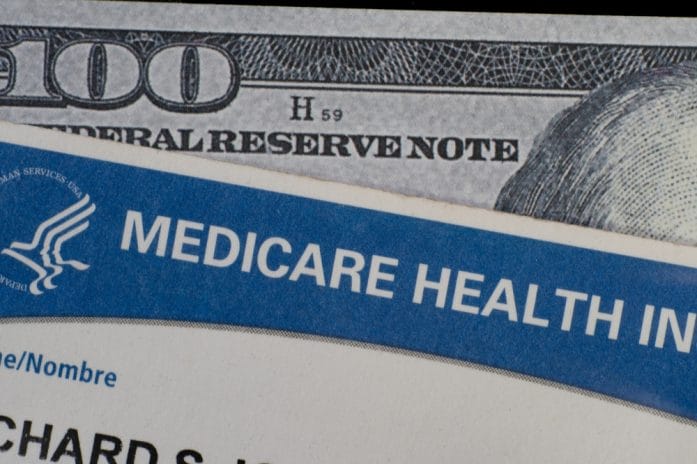
Healthcare is one of the biggest financial burdens for those who do not have enough money to get through retirement. Even with Medicare, out-of-pocket expenses for prescriptions, long-term care, and specialized treatments can quickly drain limited resources. Unexpected medical issues often lead retirees to dip into emergency savings or take on debt. Some may even delay essential care or skip medications to save money. Creating a realistic healthcare budget and considering supplemental insurance can make a critical difference in financial stability.

The Challenge of Maintaining Housing and Independence

When you do not have enough money to get through retirement, housing becomes one of the most immediate concerns. Many retirees face the prospect of downsizing, relocating, or relying on family members for help. Rising rent and property taxes can make staying in a longtime home unsustainable. Even for homeowners, maintenance costs and utilities can add up fast. Proactive planning—such as paying off a mortgage early or moving to a lower-cost area—can help preserve independence without sacrificing comfort.

The Emotional Toll of Financial Stress

The financial pressure of realizing you may not have enough money to get through retirement can be emotionally devastating. Worrying about bills, unexpected expenses, or becoming a burden to loved ones can take a serious toll on mental health. Many retirees experience anxiety, guilt, or even depression as financial challenges mount. These feelings are compounded by the sense of losing control after decades of independence. Seeking financial guidance early—and discussing concerns openly—can help reduce stress and create a more confident plan for the future.

The Need to Return to Work After Retiring

A growing number of retirees are reentering the workforce because they do not have enough money to get through retirement. While some enjoy the social and mental benefits of part-time work, others return out of financial necessity. Finding suitable employment can be difficult for older adults facing health issues or age discrimination. However, flexible jobs, consulting roles, and remote work opportunities are becoming more accessible. Earning supplemental income can help bridge the gap while preserving savings and maintaining a sense of purpose.

The Importance of Adjusting Your Lifestyle

When savings fall short, making lifestyle adjustments is often unavoidable. People who do not have enough money to get through retirement may need to cut back on travel, dining out, or entertainment. While these changes can feel discouraging, small adjustments can have a big impact over time. Prioritizing essential expenses and reducing nonessential costs can help stretch available funds further. Financial advisors can help retirees develop sustainable budgets that preserve quality of life without jeopardizing long-term security.

How to Regain Financial Control Before It’s Too Late

Even if you realize you may not have enough money to get through retirement, there are ways to take back control. The first step is to evaluate your current spending, debt, and income sources to identify where adjustments can be made. Consider delaying retirement, maximizing Social Security benefits, or exploring part-time work options to supplement income. Downsizing housing or moving to a lower-cost region can also provide lasting financial relief. The key is to act early and seek professional advice rather than waiting for circumstances to worsen.

Have you considered what would happen if your savings didn’t last through retirement? What steps are you taking now to secure your future? Share your thoughts in the comments below!

What to Read Next…

  • 9 Hidden Retirement-Plan Mistakes That Can Cost You Tens of Thousands
  • 12 Distinctive Advantages of Self-Directed Retirement Accounts
  • Is It Too Late to Start Saving Aggressively for a Comfortable Retirement?
  • 13 Secret Worries About Retirement That Keep You Awake at Night
  • 7 Surprising Expenses Nobody Expects After Retirement
Catherine Reed
Catherine Reed

Catherine is a tech-savvy writer who has focused on the personal finance space for more than eight years. She has a Bachelor’s in Information Technology and enjoys showcasing how tech can simplify everyday personal finance tasks like budgeting, spending tracking, and planning for the future. Additionally, she’s explored the ins and outs of the world of side hustles and loves to share what she’s learned along the way. When she’s not working, you can find her relaxing at home in the Pacific Northwest with her two cats or enjoying a cup of coffee at her neighborhood cafe.

Filed Under: Retirement Tagged With: Budgeting Tips, Financial Security, money management, Personal Finance, retirement planning, retirement savings, senior living

401k Fees Seem Excessive—Are You Getting Ripped Off?

October 4, 2025 by Catherine Reed Leave a Comment

401k Fees Seem Excessive—Are You Getting Ripped Off?

Image source: 123rf.com

If you’ve ever looked at your retirement account and wondered why your balance isn’t growing as fast as expected, you’re not alone. Many investors discover that 401 (k) fees seem excessive once they dig into the details of their plan. The problem is that these costs are often hidden in fine print, making it hard to know what you’re really paying. Over time, even small fees can drain tens of thousands of dollars from your nest egg. Understanding the types of fees and knowing what to watch out for is the first step to making sure you’re not being ripped off.

1. Administration Fees That Quietly Add Up

Most 401 (k) plans include administration fees to cover record-keeping, customer service, and other overhead costs. While these may seem reasonable, they can become a problem when they’re higher than industry averages. If your 401 (k) fees seem excessive, it may be due to bloated administration costs. Comparing your plan’s fees with national benchmarks is the best way to see if you’re paying too much. Don’t assume these charges are unavoidable—many employers can negotiate for lower rates.

2. Investment Management Fees That Reduce Returns

Every mutual fund or exchange-traded fund in a 401 (k) comes with an expense ratio, which is the annual fee charged to manage the investment. High-cost funds can take a bigger slice of your returns without offering better performance. When 401 (k) fees seem excessive, this is often one of the biggest culprits. Opting for low-cost index funds can make a significant difference over decades of investing. Always check whether your plan offers cheaper alternatives.

3. Revenue-Sharing Practices That Hide True Costs

Some 401 (k) plans use revenue sharing, where fund providers pay a portion of fees back to the plan administrators. While it may sound harmless, this often leads to higher fund expenses that fall directly on participants. This hidden system can be a major reason why 401 (k) fees seem excessive. Transparency is key, and employees should ask their HR departments for clear breakdowns. Knowing how revenue sharing works helps you identify whether you’re being overcharged.

4. Transaction Fees That Nickel-and-Dime You

In addition to annual costs, some plans charge transaction fees for things like loan processing, withdrawals, or fund transfers. While these might appear small, they can pile up over time if you’re not careful. If your 401 (k) fees seem excessive, it’s worth reviewing how often you’re being charged these smaller fees. Some employers cover these costs for workers, while others pass them along. Make sure you understand when and why you’re being billed.

5. Layered Fees That Are Hard to Spot

The complexity of 401 (k) fee structures often makes it difficult to see how much you’re really paying. You might be charged an administration fee, a fund expense ratio, and transaction costs all at once. These layers create the illusion of small, separate fees while actually draining a large portion of your returns. If your 401 (k) fees seem excessive, it’s usually because multiple charges are stacking on top of one another. Reviewing the total all-in cost is essential for a true picture.

6. Comparing Your Fees to National Averages

One of the easiest ways to spot issues is by comparing your plan’s fees to national benchmarks. On average, total 401 (k) costs typically range between 0.5% and 1% annually. If your 401 (k) fees seem excessive and are well above that range, you may be in a costly plan. Online calculators and retirement fee comparison tools can help. Armed with this knowledge, you can push for more competitive options.

7. The Long-Term Impact of High Fees

Even what looks like a small percentage can devastate your savings over time. For example, a 1.5% annual fee on a six-figure account can add up to thousands of dollars lost over a career. When 401 (k) fees seem excessive, the real damage often isn’t visible until retirement. That’s why it’s critical to evaluate fees sooner rather than later. Cutting just half a percent off your costs can mean years of additional financial security later.

8. How to Ask Your Employer About Lower Fees

Employees often forget they can ask their HR or benefits department about fee structures. If your 401k fees seem excessive, bringing up your concerns may help push for better options. Employers sometimes aren’t even aware of the details until workers raise questions. Companies also have a legal responsibility to ensure retirement plans are fair and reasonable. Don’t hesitate to advocate for yourself and your coworkers.

9. Switching to Lower-Cost Fund Options

If your employer’s plan offers multiple funds, choosing wisely can reduce your costs dramatically. Many plans include low-cost index funds that outperform actively managed funds after fees are considered. If your 401 (k) fees seem excessive, making smarter fund choices is one of the quickest fixes. Reviewing your investment mix at least once a year helps keep fees under control. Even small changes can free up significant growth for your retirement savings.

10. Considering an IRA Rollover for Lower Costs

When leaving a job, rolling your 401k into an IRA can give you access to more affordable investment options. If you’ve noticed that your 401 (k) fees seem excessive, this may be the best way to escape them entirely. IRAs typically offer lower-cost funds and more flexibility in investment choices. However, it’s important to weigh the pros and cons before making the switch. With the right rollover, you could save thousands in long-term fees.

Taking Control of Your Retirement Future

When 401 (k) fees seem excessive, the worst thing you can do is ignore them. Understanding how these costs are structured and where they’re hiding empowers you to take control of your retirement. Whether it’s comparing benchmarks, asking your employer for better options, or switching to lower-cost funds, small steps today can protect decades of savings. You worked hard to build your nest egg, so don’t let unnecessary fees drain it away.

Have you reviewed your retirement plan fees recently? What did you find, and how did you handle it? Share your insights in the comments below.

What to Read Next…

  • What Happens When You Leave Old 401(k)s Behind at Former Jobs
  • Why Some 401(k)s Trigger Extra Taxes After Death
  • 7 States Rewriting Rules Around 401(k) Withdrawals
  • What Retirees Regret About Rolling Over Old 401(k)s Too Quickly
  • Should You Cash Out Your 401(k) If You Need Help Now?
Catherine Reed
Catherine Reed

Catherine is a tech-savvy writer who has focused on the personal finance space for more than eight years. She has a Bachelor’s in Information Technology and enjoys showcasing how tech can simplify everyday personal finance tasks like budgeting, spending tracking, and planning for the future. Additionally, she’s explored the ins and outs of the world of side hustles and loves to share what she’s learned along the way. When she’s not working, you can find her relaxing at home in the Pacific Northwest with her two cats or enjoying a cup of coffee at her neighborhood cafe.

Filed Under: Retirement Tagged With: 401(k) fees, hidden costs, investment advice, money management, Planning, retirement planning, retirement savings

What Happens When Couples Ignore Retirement Planning

September 29, 2025 by Catherine Reed Leave a Comment

What Happens When Couples Ignore Retirement Planning

Image source: 123rf.com

Many couples avoid tough financial conversations because they seem stressful or unnecessary when retirement feels decades away. Unfortunately, delaying those talks can have lasting consequences that catch families by surprise. Without a clear plan, expenses pile up, savings fall short, and both partners may feel unprepared when it matters most. Retirement is not just about money—it’s about peace of mind, security, and the ability to live comfortably together. Here are some of the biggest issues that arise when couples ignore retirement planning.

1. Living With Financial Insecurity

When couples ignore retirement planning, they often underestimate how much money they’ll actually need. Without proper savings or investment strategies, even basic expenses like housing and healthcare can become overwhelming. Financial insecurity creates stress that affects not only retirement but also day-to-day life before it. Couples may find themselves relying heavily on credit cards or loans to cover gaps. This lack of stability makes it harder to enjoy retirement with confidence.

2. Disagreements About Lifestyle Choices

A major benefit of planning is aligning expectations about how retirement will look. If couples ignore retirement planning, one partner may expect frequent travel while the other assumes a quiet life at home. Without preparation, these differences often turn into heated disagreements about money and priorities. When finances don’t match lifestyle expectations, resentment can build. A shared plan helps ensure both partners enjoy the life they envision together.

3. Overreliance on Social Security

Some couples assume Social Security will cover most of their expenses. But when they ignore retirement planning, they don’t account for the limited nature of those benefits. Social Security is designed to supplement, not fully replace, income. Couples who rely solely on it may face difficult sacrifices. Proper planning helps prevent this common and avoidable shortfall.

4. Increased Healthcare Struggles

Healthcare costs rise significantly with age, and insurance doesn’t always cover everything. Couples who ignore retirement planning may not set aside funds for long-term care or supplemental policies. Without preparation, unexpected medical bills can drain savings quickly. Stress from healthcare expenses can overshadow what should be relaxing years. Couples who plan early are far better positioned to handle medical needs without panic.

5. Working Longer Than Expected

A common result of ignoring retirement is realizing too late that savings aren’t enough. Couples may be forced to keep working well into their seventies just to stay afloat. While some enjoy working, others find it physically exhausting or emotionally draining. The lack of choice in the matter often feels discouraging. Couples who ignore retirement planning frequently lose the freedom to decide when to stop working.

6. Strained Family Relationships

When finances fall short, couples sometimes turn to children or relatives for help. This can create tension, guilt, or conflict within families. Adult children may feel pressured to take on financial responsibilities for their parents. The situation can also limit opportunities for the next generation. Ignoring retirement planning doesn’t just affect couples—it can strain family relationships for years.

7. Missed Opportunities for Growth

Investments and retirement accounts work best when they have decades to grow. Couples who ignore retirement planning often miss out on compounding returns. Even small contributions made early can lead to significant long-term wealth. Waiting too long means losing opportunities that can’t be regained. Missing this growth is one of the hidden costs of procrastination.

8. Higher Debt Burdens

Without retirement savings, couples may lean on credit cards, personal loans, or even home equity. This creates debt that can linger well into later years. Carrying debt in retirement reduces financial freedom and increases stress. It may also limit options like downsizing or traveling. Couples who ignore retirement planning often find themselves paying off debt when they should be enjoying life.

9. Emotional Stress and Anxiety

The uncertainty of not knowing whether money will last creates emotional strain. Couples who ignore retirement planning often face sleepless nights worrying about the future. This stress can spill over into their relationship, leading to arguments or even resentment. Financial insecurity becomes a constant shadow over their daily lives. Proactive planning eases these worries by offering clarity and control.

10. Reduced Quality of Life

Ultimately, ignoring retirement has a direct impact on quality of life. Without planning, couples may sacrifice hobbies, experiences, or even basic comfort. Instead of enjoying freedom, they may feel limited and restricted by financial constraints. This reduced quality of life can turn retirement into a period of struggle rather than reward. Couples who prioritize planning ensure their later years are full of joy instead of regret.

Why Couples Can’t Afford to Wait

Ignoring retirement is one of the biggest financial risks couples can take. From debt and healthcare struggles to emotional stress, the consequences ripple far beyond money. When couples plan together, they not only secure their finances but also strengthen their relationship. Retirement planning gives partners the power to make choices, protect their families, and enjoy the life they’ve worked for. Starting today makes all the difference for tomorrow.

Have you seen couples struggle because they ignore retirement planning? Share your insights and advice in the comments below.

What to Read Next…

8 Shocking Costs of Delaying Retirement

9 Expenses That Quietly Rise After Retirement

The Retirement Rule That Sounds Smart—But Could Leave You Broke at 75

Are Retirement Calculators Exaggerating Safe Withdrawal Rates?

Could Being House Poor Leave You Broke in Retirement

Catherine Reed
Catherine Reed

Catherine is a tech-savvy writer who has focused on the personal finance space for more than eight years. She has a Bachelor’s in Information Technology and enjoys showcasing how tech can simplify everyday personal finance tasks like budgeting, spending tracking, and planning for the future. Additionally, she’s explored the ins and outs of the world of side hustles and loves to share what she’s learned along the way. When she’s not working, you can find her relaxing at home in the Pacific Northwest with her two cats or enjoying a cup of coffee at her neighborhood cafe.

Filed Under: Retirement Tagged With: couples finances, family money tips, ignore retirement planning, long term planning, Planning, retirement savings, retirement stress

7 Surprising Expenses Nobody Expects After Retirement

September 28, 2025 by Catherine Reed Leave a Comment

7 Surprising Expenses Nobody Expects After Retirement

Image source: 123rf.com

Many retirees look forward to the golden years as a time of financial freedom and relaxation. Yet what often catches people off guard are the surprising expenses that creep in once regular paychecks stop. Even with careful planning, unexpected costs can disrupt budgets and force retirees to dip deeper into their savings than intended. From healthcare to lifestyle changes, these surprises can pile up quickly. Here are seven surprising expenses nobody expects after retirement but should absolutely prepare for.

1. Rising Healthcare Needs

One of the most surprising expenses retirees face is the growing cost of healthcare. Medicare covers a lot but not everything, leaving retirees to pay for premiums, deductibles, prescriptions, and out-of-pocket treatments. Specialized care, such as vision, hearing aids, or dental work, often comes with hefty price tags. On top of that, medical inflation tends to outpace regular inflation, making future costs even harder to predict. Preparing for these expenses early can prevent healthcare from draining retirement savings too quickly.

2. Home Maintenance That Doesn’t Slow Down

Many people believe downsizing or paying off a mortgage means lower housing costs, but home upkeep often becomes one of the most surprising expenses in retirement. Roof repairs, plumbing issues, and appliance replacements don’t stop just because you’re retired. In fact, an older home may require even more attention as time goes on. Ignoring these problems only makes them more expensive down the road. Budgeting for yearly maintenance is essential to avoid financial stress later.

3. Supporting Adult Children or Grandchildren

Another surprising expense that sneaks into retirement plans is helping adult children or grandchildren financially. Whether it’s covering tuition, assisting with a down payment, or bailing someone out of a financial setback, retirees often feel compelled to step in. While it comes from a place of love, this generosity can erode retirement funds faster than expected. Many don’t anticipate just how often these requests may arise. Setting boundaries helps balance financial security with family support.

4. Travel That Costs More Than Planned

Retirement is the perfect time to travel, but it’s also one of the most underestimated and surprising expenses. Airfare, lodging, and meals can add up quickly, especially for extended trips or international travel. Even road trips come with costs like gas, accommodations, and car maintenance. Retirees often underestimate how much they’ll want to get away once they finally have free time. Planning a realistic travel budget ensures these adventures don’t create financial headaches later.

5. Inflation Eating Away at Savings

While inflation is expected, its impact often shows up as one of the most surprising expenses during retirement. The rising cost of groceries, utilities, and daily necessities can quietly chip away at a fixed income. Over the span of decades, this makes a significant difference in how long savings will last. Retirees may find their money doesn’t stretch as far as it once did. Building inflation into financial planning is crucial to avoid running out of funds too soon.

6. Long-Term Care and Assisted Living

One of the largest and most unexpected expenses for retirees is the cost of long-term care. Assisted living facilities, nursing homes, or in-home care can easily reach thousands of dollars per month. These services are often needed suddenly after illness or injury, giving families little time to prepare. Medicare does not cover most long-term care expenses, leaving retirees with few options other than relying on their savings or purchasing insurance. Ignoring this risk can leave both retirees and their loved ones financially vulnerable.

7. Taxes That Don’t Disappear

Many people assume taxes won’t be an issue once they retire, but this is another one of those surprising expenses that catches them off guard. Withdrawals from retirement accounts, Social Security benefits, and even part-time income may all be taxable. Without proper planning, retirees can end up paying more in taxes than they anticipated. These unexpected obligations can shrink retirement funds faster than expected. Understanding tax rules ahead of time helps minimize the surprise.

Preparing for the Unexpected Keeps Retirement Secure

Retirement should be a time of peace, but surprising expenses can quickly shake that sense of stability. Healthcare, home maintenance, family support, and long-term care are just a few of the costs that sneak up on retirees who aren’t prepared. By anticipating these challenges and building them into your financial plan, you can protect your savings and keep your golden years stress-free. Planning for surprises today means fewer financial worries tomorrow.

What surprising expenses have you or someone you know faced in retirement? Share your experiences in the comments below!

What to Read Next…

  • 8 Shocking Costs of Delaying Retirement
  • 9 Expenses That Quietly Rise After Retirement
  • The Retirement Rule That Sounds Smart—But Could Leave You Broke at 75
  • 7 Retirement Accounts With Fees So High They Cancel Out the Growth
  • Are Retirement Calculators Exaggerating Safe Withdrawal Rates?
Catherine Reed
Catherine Reed

Catherine is a tech-savvy writer who has focused on the personal finance space for more than eight years. She has a Bachelor’s in Information Technology and enjoys showcasing how tech can simplify everyday personal finance tasks like budgeting, spending tracking, and planning for the future. Additionally, she’s explored the ins and outs of the world of side hustles and loves to share what she’s learned along the way. When she’s not working, you can find her relaxing at home in the Pacific Northwest with her two cats or enjoying a cup of coffee at her neighborhood cafe.

Filed Under: Retirement Tagged With: hidden costs, Long-term care, Personal Finance, Planning, retirement planning, retirement savings, surprising expenses

Why Do People Borrow From Retirement for Non-Essentials

September 25, 2025 by Travis Campbell Leave a Comment

retirement

Image source: pexels.com

Borrowing from retirement accounts for non-essentials is a decision that can have long-term consequences. Many people are aware that their retirement funds are intended for the future, yet the temptation to tap into these savings for vacations, home improvements, or major purchases is strong. This behavior can undermine long-term financial security and even result in penalties or taxes. Understanding why people borrow from their retirement funds for non-essential expenses is crucial, especially as more Americans face financial decisions that can impact their futures. By exploring the motivations and risks, you can make smarter decisions about your own retirement savings.

1. Easy Access to Funds

One major reason people borrow from retirement for non-essentials is the convenience. Many 401(k) plans allow loans with minimal paperwork and quick approval. Unlike bank loans, there are usually no credit checks or lengthy applications. This makes it tempting to dip into a 401(k) or similar account for things like a new car, a kitchen remodel, or a trip abroad.

Because the process is so simple, it can feel less risky or serious. People may convince themselves that borrowing from retirement is just a short-term solution, forgetting the long-term impact on their savings and growth potential.

2. Underestimating the True Cost

Borrowing from retirement for non-essentials often seems harmless because you’re “borrowing from yourself.” However, many don’t realize the real costs involved. When you take money out, even temporarily, you miss out on potential investment gains. If the market rises while your funds are out, you lose compounding growth.

Additionally, if you leave your job before repaying the loan, you may be required to repay it quickly or face tax and penalty consequences. Many people only see the immediate benefits and overlook these hidden costs, making it easier to justify borrowing from retirement for non-essential expenses.

3. Social Pressure and Lifestyle Inflation

Keeping up with friends, family, or neighbors can be a powerful motivator. When people see others taking vacations, upgrading homes, or buying new vehicles, they may feel pressured to do the same. If they don’t have enough cash on hand, borrowing from retirement for non-essentials can seem like a reasonable way to maintain a certain lifestyle.

This kind of spending, known as lifestyle inflation, can erode retirement savings over time. The desire to fit in or avoid feeling left out can push people to make financial decisions that don’t align with their long-term goals.

4. Lack of Emergency Savings

Surprisingly, some people borrow from retirement for non-essentials simply because they don’t have enough saved elsewhere. If an unexpected expense comes up—like a car repair or a last-minute trip—they may not have an emergency fund to draw from. As a result, their retirement account becomes the fallback option, even for things that aren’t true emergencies.

This highlights the importance of building an emergency fund separate from retirement savings. Relying on retirement accounts for short-term needs can jeopardize your financial future and lead to a cycle of borrowing that’s hard to break.

5. Misunderstanding the Purpose of Retirement Accounts

Some people don’t fully understand the purpose of retirement accounts. They may see their 401(k) or IRA as just another savings account, rather than a dedicated fund for their future. This misunderstanding can make it easier to justify borrowing from retirement for non-essentials, since it doesn’t feel like a big deal.

Financial education plays a key role here. Knowing the specific goal of retirement savings—and the potential penalties or lost growth from early withdrawals—can help people resist the urge to tap these funds for non-essential expenses.

6. Overconfidence in Repayment Ability

Many borrowers believe they’ll quickly repay any money taken from retirement accounts. They may think, “I’ll pay it back with my next bonus,” or “It’s only for a few months.” This overconfidence can lead to risky decisions, especially if their circumstances change or if they forget about the loan altogether.

Life is unpredictable, and repaying a retirement loan isn’t always as easy as planned. If someone loses their job or faces an unexpected setback, the borrowed money may never be returned. This can result in penalties, taxes, and a smaller nest egg for the future.

7. Attractive Loan Terms

Retirement account loans often have lower interest rates than credit cards or personal loans. For some, this makes borrowing from retirement for non-essentials seem like a smart financial move. The idea of paying interest to yourself, rather than a bank, is appealing.

However, even with lower rates, the opportunity cost is significant. Money removed from retirement accounts doesn’t grow while it’s out, and the overall impact on your long-term savings can be greater than you expect.

How to Protect Your Retirement Savings

Borrowing from retirement for non-essentials might be tempting, but it rarely serves your best interests. Building a solid emergency fund is the first step in avoiding this pitfall. If you know you have cash set aside for unexpected expenses, you’ll be less likely to raid your retirement account.

It’s also helpful to set clear boundaries around your retirement savings. Remind yourself that these funds are meant for your future self, not for today’s wants. Have you ever considered borrowing from retirement for non-essentials? What stopped you, or what did you learn from the experience? Share your thoughts in the comments below!

What to Read Next…

  • The Benefits Of Taking Personal Loans And Their Impact On Credit Scores
  • How Many Of These 8 Retirement Mistakes Are You Already Making
  • Why Your Adult Children Might Fight Over The Family Car
  • Why Do More Adult Children Regret Accepting Early Inheritance
  • 6 Retirement Plans That Kick You Off Federal Aid Without Notice
Travis Campbell
Travis Campbell

Travis Campbell is a digital marketer/developer with over 10 years of experience and a writer for over 6 years. He holds a degree in E-commerce and likes to share life advice he’s learned over the years. Travis loves spending time on the golf course or at the gym when he’s not working.

Filed Under: Retirement Tagged With: 401(k), Lifestyle Inflation, loans, Personal Finance, Planning, Retirement, retirement savings

6 Outrageous Truths About Middle-Class Debt

September 22, 2025 by Catherine Reed Leave a Comment

6 Outrageous Truths About Middle-Class Debt

Image source: 123rf.com

The middle class has long been considered the backbone of the economy, but today it’s carrying a heavier financial burden than ever before. From mortgages to student loans, families are finding it harder to keep up with rising expenses while wages remain stagnant. Middle-class debt is no longer just about overspending on luxuries—it’s about survival in a world where basic needs cost more every year. These truths may be uncomfortable, but they highlight the reality facing millions of households. Here are six outrageous facts about the middle-class debt crisis that every family should know.

1. Mortgages Dominate Household Finances

For most families, the largest portion of middle-class debt comes from mortgages. Owning a home has always been part of the American dream, but today that dream often comes with decades of heavy payments. Rising property prices and higher interest rates have stretched homeowners thin. Many households spend far more than the recommended 30 percent of income on housing. With such a significant share of income tied up in mortgages, there’s little left for saving or investing.

2. Student Loans Keep Families in a Cycle

One of the most shocking contributors to middle-class debt is the rising cost of higher education. Parents take out loans to send their kids to college, while young adults borrow heavily to earn degrees that are increasingly required for decent-paying jobs. This dual burden keeps families trapped, with parents and children paying off student loans simultaneously. In some cases, grandparents even co-sign loans, spreading debt across generations. Education is supposed to open doors, but for many, it locks them into long-term financial obligations.

3. Credit Cards Fill the Gap Between Paychecks

Credit card debt is another glaring truth about middle-class debt, as many families use it to cover everyday expenses. Groceries, gas, and medical bills are often charged when paychecks don’t stretch far enough. While cards provide temporary relief, the interest rates make it easy to spiral into unmanageable debt. Minimum payments barely cover the interest, leaving balances to grow year after year. What feels like a short-term solution often becomes a long-term financial trap.

4. Medical Bills Push Families to the Edge

Healthcare costs are another outrageous source of middle-class debt, especially in households without comprehensive insurance. Even families with coverage face high deductibles, copays, and out-of-pocket expenses. Unexpected emergencies or chronic conditions can wipe out savings in an instant. When medical bills are put on credit cards or financed, they add another layer to already overwhelming debt. The financial strain of staying healthy has become one of the biggest risks for middle-class families.

5. Car Loans Stretch Longer Than Ever

Cars are essential for most families, but they’ve become another driver of middle-class debt. The average car loan now lasts six to seven years, locking families into long repayment periods. High monthly payments often compete with other expenses like housing and education. Depreciation means that most cars lose value faster than the loans are paid off, leaving families “underwater.” Reliable transportation is a necessity, but the financing that makes it possible keeps many households struggling.

6. Retirement Savings Take a Back Seat

Perhaps the most outrageous truth about middle-class debt is how it steals from the future. With so much income tied up in mortgages, student loans, credit cards, and medical bills, retirement savings often get neglected. Families may contribute just enough to meet employer matches but can’t build substantial funds. The result is a growing number of middle-class workers who expect to delay retirement or rely on Social Security alone. Debt today is quietly setting up financial insecurity for tomorrow.

Breaking Free from the Debt Trap

Middle-class debt has become more than a financial inconvenience—it’s a structural challenge that threatens stability for millions of families. The outrageous reality is that debt isn’t always the result of poor choices but of an economy where costs outpace wages. Still, families can take steps to protect themselves by budgeting carefully, avoiding unnecessary borrowing, and building emergency funds. Awareness is the first step toward change, both on a personal and societal level. By addressing the true costs of middle-class debt, households can reclaim control over their financial future.

Which of these truths about middle-class debt resonates most with your experience? Share your thoughts in the comments below.

What to Read Next…

7 Strange Truths About Middle-Class Spending Habits

Why Do Middle-Class Families End Up Paying the Most Taxes

10 Times Inflation Changed What Families Could Afford Overnight

6 Silent Money Leaks in the Average Household

Could Being House Poor Leave You Broke in Retirement

Catherine Reed
Catherine Reed

Catherine is a tech-savvy writer who has focused on the personal finance space for more than eight years. She has a Bachelor’s in Information Technology and enjoys showcasing how tech can simplify everyday personal finance tasks like budgeting, spending tracking, and planning for the future. Additionally, she’s explored the ins and outs of the world of side hustles and loves to share what she’s learned along the way. When she’s not working, you can find her relaxing at home in the Pacific Northwest with her two cats or enjoying a cup of coffee at her neighborhood cafe.

Filed Under: Debt Management Tagged With: car loans, Credit card debt, family finances, medical bills, middle-class debt, mortgages, retirement savings, student loans

Could A Divorce Completely Erase Retirement Savings

September 18, 2025 by Catherine Reed Leave a Comment

Could A Divorce Completely Erase Retirement Savings

Image source: 123rf.com

Divorce is one of the most financially disruptive events a person can face, and for many, the biggest concern is what happens to their retirement savings. Years of careful planning and contributions can be put at risk when assets are divided in court. While divorce doesn’t always erase retirement accounts entirely, it can dramatically reduce them and leave both parties with far less than expected for their future. Understanding how divorce impacts retirement savings is crucial to protecting your financial stability.

1. Retirement Savings Are Often Considered Marital Property

In most states, retirement savings accumulated during the marriage are considered marital property. This means they are subject to division just like a home, car, or joint bank account. Even if only one spouse contributed directly to the account, the law often views it as shared. As a result, a significant portion of your retirement savings may be awarded to your ex-spouse. This reality can be shocking for those who assumed the account belonged solely to them.

2. Division of Assets Varies by State

How retirement savings are split depends heavily on state law. Community property states generally divide marital assets 50/50, while equitable distribution states aim for what the court deems “fair,” which may not always be equal. The method of division can greatly influence how much of your account you keep. Understanding your state’s approach is key to setting realistic expectations. Without proper planning, you may lose more of your retirement savings than you anticipated.

3. The Role of Qualified Domestic Relations Orders

A Qualified Domestic Relations Order, or QDRO, is often required to divide retirement savings without triggering penalties or taxes. This legal document instructs the retirement plan administrator on how to split the assets. Without a QDRO, withdrawals may result in heavy fines that reduce the value of both parties’ shares. Having the proper paperwork ensures the division is handled efficiently and legally. Skipping this step can lead to costly mistakes.

4. Impact of Spousal Support on Retirement Contributions

Divorce settlements often include spousal support, which can affect your ability to contribute to retirement savings. If you are paying support, less income may be available to put toward your future. On the other hand, if you are receiving support, you may need to prioritize living expenses over long-term savings. Either way, retirement contributions often take a backseat during the adjustment period. This disruption can make it harder to reach your original financial goals.

5. Early Withdrawals Can Shrink Accounts

In some cases, divorcing couples tap into retirement savings early to cover legal fees, living costs, or debt settlements. These withdrawals usually come with taxes and penalties, reducing the account’s value significantly. While this may feel like a short-term solution, it creates long-term setbacks. The lost growth from pulling money out early can mean thousands less at retirement. This is one of the most damaging ways divorce can erase retirement savings.

6. Division of Pensions and Employer Plans

If you or your spouse has a pension or employer-sponsored plan, it too may be divided during divorce. These plans are often more complicated to split than 401(k)s or IRAs, requiring detailed legal agreements. Courts may award a portion of future benefits to an ex-spouse, reducing your expected retirement income. Many people fail to account for this until the settlement is finalized. Losing part of a pension can drastically alter retirement plans.

7. Rebuilding After Divorce Takes Time

Even if divorce doesn’t erase all your retirement savings, it can set you back years financially. Rebuilding lost assets requires disciplined saving and sometimes working longer than planned. Some people find they need to adjust expectations about retirement age, lifestyle, or location. The emotional toll of divorce can also make it harder to focus on financial recovery. Without a clear strategy, the damage to retirement savings can linger well into the future.

Protecting Your Retirement Savings During Divorce

Divorce can dramatically impact retirement savings, but awareness and preparation can limit the damage. Understanding state laws, using tools like QDROs, and avoiding costly early withdrawals are crucial steps in protecting your future. While it’s difficult to walk away from divorce with your retirement untouched, you can take measures to preserve as much as possible and rebuild what’s lost. With the right strategy, your retirement savings don’t have to disappear—they can be reshaped into a new foundation for the next chapter of your life.

Have you or someone you know experienced retirement savings being affected by divorce? Share your thoughts and experiences in the comments below.

What to Read Next…

7 Expensive Mistakes Made During Divorce Settlements

5 Dangerous Myths About Saving for Retirement

8 Brutal Ways Inflation Punishes Retirees More Than Anyone Else

Why Do Some People Treat Retirement Accounts Like Emergency Funds

Are Retirement Calculators Exaggerating Safe Withdrawal Rates?

Catherine Reed
Catherine Reed

Catherine is a tech-savvy writer who has focused on the personal finance space for more than eight years. She has a Bachelor’s in Information Technology and enjoys showcasing how tech can simplify everyday personal finance tasks like budgeting, spending tracking, and planning for the future. Additionally, she’s explored the ins and outs of the world of side hustles and loves to share what she’s learned along the way. When she’s not working, you can find her relaxing at home in the Pacific Northwest with her two cats or enjoying a cup of coffee at her neighborhood cafe.

Filed Under: Retirement Tagged With: asset division, divorce and finances, pensions, Planning, QDRO, rebuilding after divorce, retirement savings, spousal support

10 Financial Lies People Tell Themselves Before Retirement

September 15, 2025 by Catherine Reed Leave a Comment

10 Financial Lies People Tell Themselves Before Retirement

Image source: 123rf.com

Retirement is something most people look forward to, yet many approach it with dangerous misconceptions. These little lies we tell ourselves may bring comfort in the short term but can cause serious problems when the paycheck stops. From underestimating expenses to overestimating savings, financial blind spots often lead to stress during what should be a relaxing stage of life. The truth is that careful planning and honest assessments are the only way to secure a stable future. Here are ten common financial lies people tell themselves before retirement—and why believing them can cost you dearly.

1. “Social Security Will Cover Everything I Need”

Many people assume Social Security benefits will replace their income. In reality, the average benefit barely covers basic living expenses, let alone extras like travel or healthcare. Relying too heavily on this safety net sets retirees up for disappointment. Social Security is designed to supplement, not replace, retirement income. Without additional savings or investments, the gap between reality and expectations can be overwhelming.

2. “I’ll Spend Less Once I Stop Working”

It’s common to believe that retirement will naturally come with lower expenses. While some costs may drop, others—like healthcare, travel, and leisure activities—often rise. Many retirees discover they spend as much, if not more, than they did while working. Assuming expenses will shrink can lead to underfunding your retirement accounts. The truth is that lifestyle choices often drive spending higher than expected.

3. “I Can Always Work a Few Extra Years”

Some people count on extending their careers to make up for lack of savings. But unexpected health issues, layoffs, or caregiving responsibilities often cut careers short. Relying on the idea of working longer is one of the riskiest financial lies before retirement. Planning as if you’ll retire earlier than expected is safer. If you do manage to work longer, the extra income becomes a bonus instead of a lifeline.

4. “My Kids Will Help If I Need It”

Counting on adult children for financial support may feel reassuring, but it’s rarely a reliable plan. Your kids may be facing their own financial challenges, such as mortgages, student loans, or raising families. Relying on them can create stress and strain relationships. Retirement should be about independence, not burdening the next generation. Building your own safety net ensures you maintain control over your future.

5. “Healthcare Won’t Cost That Much”

One of the most dangerous assumptions is underestimating medical expenses. Medicare doesn’t cover everything, and out-of-pocket costs for prescriptions, treatments, and long-term care can be staggering. Many retirees end up shocked by how much of their income goes toward healthcare. Ignoring this reality is one of the most expensive financial lies before retirement. Planning for medical costs ahead of time prevents a painful budget squeeze later.

6. “My Investments Will Always Grow”

The stock market has historically gone up over time, but that doesn’t guarantee consistent gains year after year. Assuming steady growth leads some people to overestimate their retirement funds. Market downturns, inflation, and poor allocation choices can all chip away at your savings. Believing your investments will always grow is one of the riskiest financial lies before retirement. Diversifying and planning conservatively keeps expectations realistic.

7. “I Don’t Need to Save That Much”

It’s easy to underestimate how much money is truly needed for retirement. Many people set vague savings goals without factoring in decades of living expenses. Inflation alone can erode the purchasing power of what looks like a large nest egg today. Believing you don’t need to save much is one of the most common financial lies before retirement. The earlier and more consistently you save, the better your financial security will be.

8. “I’ll Downsize and Everything Will Be Cheaper”

Selling a large home and moving into a smaller one sounds like a money-saving strategy. But downsizing comes with costs, from moving expenses to higher property taxes in certain areas. Some retirees discover their new lifestyle isn’t as affordable as expected. Downsizing can be a smart move, but it’s not an automatic solution. Believing it will solve all financial challenges is one of the misleading financial lies before retirement.

9. “Debt Won’t Be a Problem Once I Retire”

Many people think retirement automatically comes with a clean slate. In reality, carrying debt into retirement is more common than ever. Mortgage payments, credit card balances, and personal loans can eat away at fixed income. Assuming debt won’t matter is one of the most damaging financial lies before retirement. Paying off as much as possible before you stop working can ease the strain.

10. “I Have Plenty of Time to Start Saving”

Procrastination is one of the biggest obstacles to retirement planning. Many people assume they’ll save more later, but life’s expenses often get in the way. The power of compounding works best with time, and waiting too long makes it harder to catch up. Believing you have plenty of time is one of the most dangerous financial lies before retirement. Starting early, even with small amounts, makes a huge difference in the long run.

Facing the Truth Leads to Freedom

The path to a secure retirement starts with honesty. Facing uncomfortable truths about expenses, savings, and future risks helps you prepare realistically. Believing financial lies may ease your worries temporarily, but they can create major challenges down the road. By taking control now, you set yourself up for the freedom and peace of mind you truly deserve in retirement.

Have you caught yourself believing any of these financial lies before retirement? Share your thoughts in the comments below.

What to Read Next…

Why Do Some People Treat Retirement Accounts Like Emergency Funds

What Happens When Retirement Plans Ignore Rising Taxes

Are Retirement Calculators Exaggerating Safe Withdrawal Rates?

What Happens When You Leave Old 401(k)s Behind at Former Jobs

6 Dangerous Assumptions People Make About Social Security

Catherine Reed
Catherine Reed

Catherine is a tech-savvy writer who has focused on the personal finance space for more than eight years. She has a Bachelor’s in Information Technology and enjoys showcasing how tech can simplify everyday personal finance tasks like budgeting, spending tracking, and planning for the future. Additionally, she’s explored the ins and outs of the world of side hustles and loves to share what she’s learned along the way. When she’s not working, you can find her relaxing at home in the Pacific Northwest with her two cats or enjoying a cup of coffee at her neighborhood cafe.

Filed Under: Retirement Tagged With: financial lies, financial mistakes, money management, Personal Finance, Retirement, retirement planning, retirement savings

10 Financial Shocks That Hit After a Major Illness

September 13, 2025 by Catherine Reed Leave a Comment

10 Financial Shocks That Hit After a Major Illness

Image source: 123rf.com

A major illness can turn life upside down, and the challenges extend far beyond the physical toll. Even with good insurance, families often face unexpected bills and money struggles that few are prepared for. These financial shocks hit quickly, drain savings, and sometimes create long-lasting debt. Knowing what to expect is the first step in protecting your household against these hidden costs. Here are ten common financial shocks that strike after a major illness.

1. Out-of-Pocket Medical Costs

One of the most immediate financial shocks comes from out-of-pocket medical expenses. Even with insurance, deductibles, copayments, and uncovered treatments can add up to thousands of dollars. Families often underestimate just how high these costs can climb during extended treatment. Routine medications and follow-up visits only add to the total. This sudden financial burden can wipe out emergency funds in a matter of weeks.

2. Lost Income From Missed Work

A major illness often means extended time away from work, leading to reduced paychecks or no income at all. Not every employer offers paid sick leave or short-term disability benefits. Even when they do, the payments rarely cover a full salary. This gap creates one of the hardest-hitting financial shocks for families. Bills don’t stop just because someone is sick, making lost wages one of the biggest challenges to overcome.

3. Travel and Lodging Expenses

Serious illnesses sometimes require care at specialty hospitals that are far from home. Families must pay for travel, hotel stays, and meals during treatment. These extra costs pile up quickly, especially when multiple family members want to be present. Insurance rarely covers these types of expenses. For many, the hidden cost of travel is a financial shock that drains credit cards fast.

4. Increased Childcare or Elder Care Needs

When a parent or caregiver falls ill, someone else must step in to care for children or aging relatives. Hiring extra childcare or elder care can become one of the most surprising financial shocks. The costs are ongoing and often more expensive than families expect. Even short-term arrangements can create significant strain on budgets. This added expense complicates an already difficult financial situation.

5. Home Modifications and Medical Equipment

A major illness sometimes requires changes at home, such as installing ramps, stair lifts, or accessible bathrooms. Medical equipment like hospital beds, wheelchairs, or oxygen machines may also be needed. Insurance coverage for these items is often limited, leaving families to cover much of the cost. These modifications can run into the tens of thousands of dollars. The sudden need for major adjustments adds another layer of financial shock.

6. Rising Insurance Premiums

After a major illness, many families see their health insurance premiums rise significantly. Employers may pass more of the cost to employees, or individuals may face higher rates when purchasing private coverage. These increases arrive just as finances are already stretched thin. Over time, rising premiums become one of the long-term financial shocks families must budget for. They represent a lasting consequence of an already difficult health crisis.

7. Mental Health and Counseling Costs

The stress of dealing with a major illness often extends to mental health. Counseling, therapy, or medication may be necessary for both the patient and family members. Insurance coverage for these services can be limited, leaving families to pay out of pocket. These costs are easy to overlook but add up quickly. The emotional strain paired with the financial shocks can feel overwhelming.

8. Debt From Credit Card Use

When savings run out, many families turn to credit cards to cover expenses. High interest rates make repayment difficult, and balances grow faster than expected. This type of debt is one of the most common financial shocks after a major illness. What starts as a temporary solution can spiral into long-term financial hardship. Without careful planning, families may struggle for years to pay down the debt.

9. Impact on Retirement Savings

To cover costs, some families dip into retirement accounts or stop making contributions altogether. This creates one of the longest-lasting financial shocks, since it reduces future security. Early withdrawals often come with penalties and taxes, further shrinking the amount available. Missing years of contributions also means missing years of growth. The impact can derail retirement plans for decades.

10. Legal and Administrative Expenses

Finally, financial shocks often appear in the form of legal and paperwork-related costs. Families may need to update wills, establish powers of attorney, or handle medical billing disputes. Hiring professionals to navigate these complexities adds unexpected expenses. Even small legal fees can feel overwhelming when paired with other financial shocks. These hidden costs remind families that illness affects every corner of life.

Preparing for the Unseen Costs of Illness

A major illness doesn’t just challenge health—it creates lasting financial shocks that can threaten long-term stability. While no one can predict every expense, awareness and preparation make a difference. Building emergency savings, reviewing insurance policies, and planning for caregiving needs help reduce the impact. Families who plan ahead recover financially faster and with less stress. Protecting both health and wealth is essential to moving forward after hardship.

Have you or someone you know faced unexpected financial shocks after a major illness? What strategies helped you manage them? Share your experiences in the comments.

What to Read Next…

  • 5 Overlooked Costs of Long-Term Care That Shock Families
  • Why Do High Earners Still Struggle With Emergency Savings
  • 8 Hidden Costs of Raising Children That Are Rarely Discussed
  • Could Pet Ownership Now Be More Expensive Than Raising Kids
  • 8 Unexpected Costs That Come With Aging Parents
Catherine Reed
Catherine Reed

Catherine is a tech-savvy writer who has focused on the personal finance space for more than eight years. She has a Bachelor’s in Information Technology and enjoys showcasing how tech can simplify everyday personal finance tasks like budgeting, spending tracking, and planning for the future. Additionally, she’s explored the ins and outs of the world of side hustles and loves to share what she’s learned along the way. When she’s not working, you can find her relaxing at home in the Pacific Northwest with her two cats or enjoying a cup of coffee at her neighborhood cafe.

Filed Under: Health & Wellness Tagged With: Credit card debt, family finances, financial shocks, healthcare planning, major illness costs, medical expenses, retirement savings

Why Do Some Retirees Run Out of Money Within a Decade

September 10, 2025 by Catherine Reed Leave a Comment

Why Do Some Retirees Run Out of Money Within a Decade

Image source: 123rf.com

Retirement is supposed to be a time of freedom, relaxation, and enjoying the fruits of a lifetime of hard work. Yet for many, that dream turns into financial stress when savings dry up much sooner than expected. Studies show a surprising number of retirees run out of money within a decade, leaving them dependent on Social Security or family support. Understanding why this happens is the first step toward avoiding the same mistakes and protecting your financial future.

1. Underestimating How Long Retirement Lasts

One of the biggest reasons retirees run out of money within a decade is failing to plan for longevity. Many people assume retirement will last 10 to 15 years, but living into your 80s or 90s is increasingly common. This means savings need to stretch across two or even three decades. Without realistic planning, retirees often spend too much in the early years, leaving little for later. A longer life expectancy requires a strategy that balances enjoyment today with sustainability tomorrow.

2. Rising Healthcare Costs Eat Away Savings

Healthcare costs are a major financial burden that often catches retirees off guard. Premiums, prescriptions, and unexpected medical procedures can quickly drain savings. While Medicare provides some coverage, it does not cover everything, leaving retirees with significant out-of-pocket expenses. For those who require long-term care, the costs can be devastating. Without proper planning for healthcare inflation, many retirees run out of money within a decade simply by trying to stay healthy.

3. Poor Investment Choices Reduce Growth

Another reason retirees run out of money within a decade is investing too conservatively or too aggressively. Some shift entirely to low-risk savings accounts that barely keep up with inflation, while others gamble on volatile stocks hoping for quick gains. Both approaches can be damaging without balance. The key is maintaining a diversified portfolio that generates steady growth while managing risk. Ignoring professional advice often leads to mistakes that shrink retirement accounts faster than expected.

4. Overspending in the Early Retirement Years

The excitement of newfound freedom often leads retirees to overspend in their first decade. Expensive vacations, home renovations, or helping adult children financially may feel rewarding but can wipe out savings quickly. Without a clear budget, many fail to realize how fast withdrawals are depleting their nest egg. By the time reality sets in, their money may already be dangerously low. A spending plan with limits is essential to prevent this all-too-common problem.

5. Inflation Slowly Erodes Purchasing Power

Even modest inflation can make a significant difference over 10 years. Retirees often forget that the cost of groceries, gas, and utilities steadily rises, eating into fixed incomes. What feels affordable in year one of retirement may become a strain by year ten. Without investments or income sources that keep up with inflation, savings lose value every year. This gradual squeeze is another reason many retirees run out of money within a decade.

6. Failing to Plan for Taxes in Retirement

Taxes don’t disappear when you stop working, and for retirees, they can be a silent budget killer. Withdrawals from traditional IRAs and 401(k)s are taxed as ordinary income, and Social Security benefits may also be taxable depending on total income. Many retirees underestimate how much of their withdrawals will go to the IRS each year. Without tax-efficient planning, retirement funds shrink faster than expected. This overlooked factor contributes significantly to why retirees run out of money within a decade.

7. Relying Too Heavily on Social Security

Social Security was never meant to be the sole source of retirement income, but many rely on it as their main safety net. The average monthly benefit often covers only a fraction of living expenses, especially when healthcare and housing costs rise. Retirees who expect Social Security to carry them through retirement often face financial shortfalls. Without supplemental savings, they quickly find themselves in difficult positions. This overreliance explains why some retirees run out of money within a decade despite working for decades beforehand.

Planning Ahead Means Protecting Peace of Mind

The reality that retirees run out of money within a decade should serve as a wake-up call, not a sentence. With careful planning, realistic expectations, and a willingness to adjust spending, it’s possible to enjoy retirement without fear of going broke. Building a sustainable strategy involves accounting for healthcare, inflation, taxes, and long lifespans while resisting the temptation to overspend early on. Retirement is meant to be a time of security and fulfillment. Smart financial habits ensure your money lasts as long as you do.

What do you think is the biggest financial challenge retirees face today? Share your perspective in the comments below!

What to Read Next…

6 Retirement Planning Shifts to Expect by 2035

7 Little-Known Costs of Living Longer Than Expected

Are Retirement Calculators Exaggerating Safe Withdrawal Rates?

6 Dangerous Assumptions People Make About Social Security

Why Do Some Retirees End Up Paying Taxes Twice on the Same Money

Catherine Reed
Catherine Reed

Catherine is a tech-savvy writer who has focused on the personal finance space for more than eight years. She has a Bachelor’s in Information Technology and enjoys showcasing how tech can simplify everyday personal finance tasks like budgeting, spending tracking, and planning for the future. Additionally, she’s explored the ins and outs of the world of side hustles and loves to share what she’s learned along the way. When she’s not working, you can find her relaxing at home in the Pacific Northwest with her two cats or enjoying a cup of coffee at her neighborhood cafe.

Filed Under: Retirement Tagged With: financial mistakes, healthcare costs, Inflation, money management, retirees, retirement planning, retirement savings, Social Security

  • « Previous Page
  • 1
  • 2
  • 3
  • 4
  • 5
  • 6
  • …
  • 9
  • Next Page »

FOLLOW US

Search this site:

Recent Posts

  • Can My Savings Account Affect My Financial Aid? by Tamila McDonald
  • 12 Ways Gen X’s Views Clash with Millennials… by Tamila McDonald
  • What Advantages and Disadvantages Are There To… by Jacob Sensiba
  • 10 Tactics for Building an Emergency Fund from Scratch by Vanessa Bermudez
  • Call 911: Go To the Emergency Room Immediately If… by Stephen Kanaval
  • 7 Weird Things You Can Sell Online by Tamila McDonald
  • 10 Scary Facts About DriveTime by Tamila McDonald

Copyright © 2026 · News Pro Theme on Genesis Framework