• Home
  • About Us
  • Getting Finances Done
    • Hiring Advisors
    • Debt Management
    • Spending Plan
  • Insurance
    • Life Insurance
    • Health Insurance
    • Disability Insurance
    • Homeowners/Renters Insurance
  • Contact Us
  • Our Editorial Commitment

The Free Financial Advisor

You are here: Home / Archives for Real estate

Here’s What it Cost To Buy A Home in 2025

May 13, 2025 by Travis Campbell Leave a Comment

Miniature house on old book with house key in girl hand over blurred tropical beach background, property and real estate investment business, house insurance
Image Source: 123rf.com

Buying a home has always been a significant milestone—and a major financial commitment. But in 2025, the landscape for homebuyers has shifted in ways that might surprise you. Whether you’re a first-time buyer, a seasoned investor, or just curious about the current market, understanding what it really costs to buy a home in 2025 is essential. With interest rates, home prices, and even the types of homes people buy all changing, it’s more important than ever to know what you’re getting into. Let’s break down the real costs, the hidden fees, and the smart moves you can make to get the most for your money. If you’re considering moving this year, this guide is for you.

1. The National Median Home Price in 2025

The first thing most buyers want to know is: what’s the average price of a home right now? In 2025, the national median home price will have reached approximately $420,000, according to the latest National Association of Realtors data. This is a significant jump from just a few years ago, reflecting both inflation and ongoing demand in many markets. While some regions—like the Midwest—still offer homes below the national median, hot markets on the coasts and in major cities are seeing prices well above $600,000. If you’re house hunting, it’s crucial to research your local market and set realistic expectations for your budget.

2. Mortgage Rates: Higher, But Not Sky-High

Mortgage rates have been a rollercoaster over the past few years. In 2025, the average 30-year fixed mortgage rate hovers around 6.5%. While this is higher than the historic lows of the early 2020s, it’s not as high as some feared. The difference in rates can mean hundreds of dollars more (or less) in your monthly payment, so it pays to shop around. Consider locking in your rate if you find a good deal, and don’t forget to factor in points, lender fees, and closing costs when comparing offers.

3. Down Payments: What’s Expected in 2025?

The traditional 20% down payment is still the gold standard, but in 2025, many buyers are putting down less. The average down payment for first-time buyers is now closer to 8-10%, thanks to various loan programs and assistance options. However, putting down less than 20% usually means paying for private mortgage insurance (PMI), which can add $100 or more to your monthly bill. If you can save up for a larger down payment, you’ll lower your monthly costs and improve your chances of getting a better mortgage rate.

4. Closing Costs: The Hidden Price Tag

It’s easy to focus on the sticker price of a home, but don’t forget about closing costs. In 2025, buyers can expect to pay between 2% and 5% of the home’s purchase price in closing costs. On a $420,000 home, that’s $8,400 to $21,000. These costs include loan origination fees, title insurance, appraisal, and taxes. Some buyers can negotiate with sellers to cover part of these costs, but in a competitive market, you may need to budget for the full amount yourself.

5. Homeowners’ Insurance and Property Taxes

Once you own your home, the costs don’t stop. Homeowners’ insurance and property taxes are ongoing expenses that vary widely depending on where you live. In 2025, the average annual homeowners insurance premium is about $1,500, but it can be much higher in areas prone to natural disasters. Property taxes also range from less than 1% to over 2% of your home’s value each year. Research these costs in your area and factor them into your monthly budget.

6. Maintenance and Repairs: The Unseen Expenses

Every homeowner knows that maintenance and repairs are part of the deal. Experts recommend budgeting at least 1% of your home’s value annually for upkeep. For a $420,000 home, that’s $4,200 annually. This covers everything from routine maintenance like HVAC servicing to unexpected repairs like a leaky roof. Setting aside a home maintenance fund can help you avoid financial surprises.

7. The Impact of Location and Lifestyle

Where you buy matters just as much as what you buy. In 2025, urban homes tend to cost more but may offer savings on commuting and amenities. Suburban and rural areas often have lower home prices but may come with higher transportation costs or fewer services. When choosing a location, consider your lifestyle, work situation, and long-term plans. Sometimes, paying a bit more for a home in a walkable neighborhood or near public transit can save you money (and stress) in the long run.

8. New Construction vs. Existing Homes

In 2025, new construction homes are more popular than ever but often come with a premium price tag. The average new home costs about 10-15% more than a comparable existing home. However, new builds may offer energy efficiency, lower maintenance costs, and modern amenities that can save you money over time. When deciding between new and existing homes, weigh the upfront cost against potential long-term savings.

9. First-Time Buyer Programs and Assistance

Don’t overlook the many programs designed to help first-time buyers. In 2025, there are more options than ever, from down payment assistance grants to special loan programs with lower interest rates. Check with your state or local housing authority, and explore federal options like FHA, VA, or USDA loans. These programs can make homeownership more accessible, especially if you’re struggling to save for a down payment or qualify for a conventional loan.

Making Your Move in 2025: Smart Strategies for Today’s Homebuyers

Buying a home in 2025 is a big investment, but with the right information and a clear plan, it’s absolutely achievable. Start by understanding the true cost to buy a home in 2025, from the purchase price to the hidden fees and ongoing expenses. Shop around for the best mortgage rates, explore assistance programs, and don’t be afraid to negotiate. Most importantly, choose a home and a location that fit your lifestyle and long-term goals. The market may be challenging, but with preparation and flexibility, you can find a home that works for you without breaking the bank.

What’s your experience with buying a home in 2025? Share your story or tips in the comments below!

Read More

8 Hidden Costs of Buying a Home

How Much House Can I Afford? Use This House Affordability Calculator

Travis Campbell
Travis Campbell

Travis Campbell is a digital marketer/developer with over 10 years of experience and a writer for over 6 years. He holds a degree in E-commerce and likes to share life advice he’s learned over the years. Travis loves spending time on the golf course or at the gym when he’s not working.

Filed Under: Real Estate Tagged With: 2025 housing market, first-time buyers, home buying, homeownership, mortgage rates, Personal Finance, Real estate

6 Ways HOA’s Get You Trapped Into Their Outrageous Fees

May 12, 2025 by Travis Campbell Leave a Comment

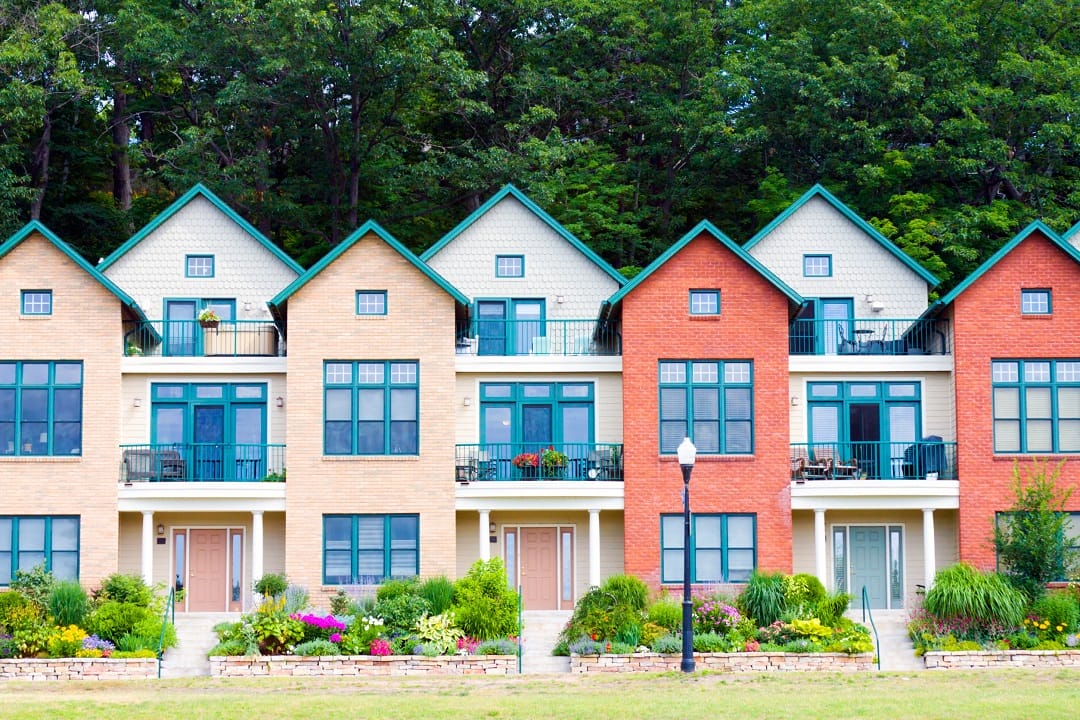
Apartment building with covered entrances against cloudy sky on a winter day
Image Source: 123rf.com

If you’ve ever dreamed of living in a picture-perfect neighborhood, you’ve probably considered a home in a community governed by a Homeowners Association (HOA). On the surface, HOAs promise manicured lawns, sparkling pools, and a sense of order. But behind those white picket fences, many homeowners discover a different reality: a maze of rules and, more alarmingly, a web of outrageous fees. These fees can sneak up on you, drain your wallet, and leave you feeling powerless. Understanding how HOAs operate—and how they can trap you financially—is crucial for anyone considering buying into an HOA community. Let’s pull back the curtain and explore the six sneaky ways HOAs get you stuck with their fees, so you can protect your hard-earned money and make smarter decisions.

1. Mandatory Membership and Non-Negotiable Dues

When you buy a home in an HOA community, membership isn’t optional—it’s a requirement. This means you’re automatically on the hook for monthly or annual dues, regardless of whether you use the amenities or agree with the board’s decisions. These fees can increase yearly, often outpacing inflation, and you have little say. According to the Foundation for Community Association Research, the average monthly HOA fee in the U.S. is about $250, but it can soar much higher in some areas. Before you sign on the dotted line, make sure you understand exactly what you’re committing to and how much those dues could rise over time.

2. Special Assessments That Hit When You Least Expect

You might not be prepared for special assessments even if you budget for regular HOA dues. These are one-time fees levied when the HOA needs extra cash for big projects—think roof replacements, pool repairs, or unexpected legal battles. Special assessments can run into the thousands, and you’re legally obligated to pay them. Many homeowners are blindsided by these charges, especially if the HOA hasn’t managed its reserve funds well. Always ask for the HOA’s financial statements and reserve study before buying to gauge the likelihood of future assessments.

3. Hidden Fees for Everyday Activities

HOAs are notorious for tacking on extra fees for things you might assume are included. Want to rent the clubhouse for a birthday party? There’s a fee. Need a parking permit for a guest? That’ll cost you. Some HOAs even charge for pool keys, mailbox replacements, or using the tennis courts. These hidden fees can add up quickly and catch new homeowners off guard. Review the HOA’s fee schedule carefully and ask current residents about any surprise charges they’ve encountered.

4. Fines for Rule Violations—Big and Small

One of the most frustrating ways HOAs get you trapped is through fines for breaking community rules, no matter how minor. Did you forget to bring in your trash can by 10 a.m.? That could be a $50 fine. Paint your front door the wrong shade of blue? Another fine. These penalties can escalate if not paid promptly, sometimes leading to legal action or even a lien on your property. According to Nolo, HOAs have broad authority to enforce rules and collect fines, so reading the community’s covenants, conditions, and restrictions (CC&Rs) before moving in is essential.

5. Legal Fees Passed Directly to Homeowners

If you ever find yourself in a dispute with your HOA—whether over a landscaping issue or a contested fine—you could be responsible for the association’s legal fees, not just your own. Many HOA agreements include clauses that allow the board to recover legal costs from homeowners, even if the dispute is minor. This can quickly turn a small disagreement into a financial nightmare. Before buying, review the HOA’s governing documents for legal fee provisions and consider consulting a real estate attorney to understand your risks.

6. Escalating Fees with Little Oversight

HOA boards are typically made up of volunteers, and while many are well-intentioned, some lack the financial expertise to manage large budgets. This can lead to poor decision-making, mismanagement of funds, and, ultimately, higher fees for everyone. Sometimes, boards may hire expensive management companies or contractors without proper oversight, passing those costs directly to homeowners. Attend HOA meetings, review budgets, and get involved in board elections to help keep your fees in check.

Don’t Let HOA Fees Catch You Off Guard

Living in an HOA community can offer perks, but going in with your eyes wide open is vital. Outrageous HOA fees can quickly make your dream home a financial burden if you’re not careful. The best defense is doing your homework: read all documents, ask tough questions, and talk to current residents. Remember, it’s tough to get out of these obligations once you’re in. By understanding how HOAs operate and where their fees come from, you can make a more informed decision and avoid getting trapped.

Have you ever been surprised by an HOA fee or assessment? Share your story or advice in the comments below!

Read More

15 Mistakes You’re Making Destroying Your Home’s Value

Home Insurance: The Smart Way to Protect Your Home and Finances

Travis Campbell
Travis Campbell

Travis Campbell is a digital marketer/developer with over 10 years of experience and a writer for over 6 years. He holds a degree in E-commerce and likes to share life advice he’s learned over the years. Travis loves spending time on the golf course or at the gym when he’s not working.

Filed Under: Real Estate Tagged With: HOA fees, HOA fines, home buying, homeowners association, Personal Finance, Real estate, special assessments

5 Things that Can Happen If You Buy A Home WIth A Solar Lease

May 12, 2025 by Travis Campbell Leave a Comment

solar panels on home
Image Source: unsplash.com

Buying a home is one of the biggest financial decisions you’ll ever make, and every detail matters—including whether the house comes with a solar lease. As solar panels become more popular, more homes on the market have existing solar leases attached. While lower energy bills and a greener lifestyle are appealing, a solar lease can introduce unexpected twists to your home buying journey. If you’re not careful, you could end up with more complications than you bargained for. Understanding the ins and outs of a solar lease is essential before you sign on the dotted line.

So, what exactly can happen if you buy a home with a solar lease? Let’s break down the five most important things you need to know, so you can make a confident, informed decision.

1. You May Inherit the Solar Lease—And Its Terms

When you buy a home with a solar lease, you’re not just getting the house—you’re also taking on the existing solar lease agreement. This means you’ll be responsible for the monthly payments, maintenance obligations, and any other terms set by the solar company. Unlike owning solar panels outright, a solar lease is a long-term contract, often lasting 15 to 25 years. Before you fall in love with that sun-powered home, ask the seller for a copy of the solar lease and read it carefully. Look for details about payment amounts, annual escalator clauses (which can increase your payments each year), and what happens if you want to buy out the lease early.

It’s also wise to check if the solar lease is transferable and whether the solar company requires a credit check or approval process for new homeowners. Some buyers have been caught off guard by strict transfer requirements or hidden fees. Understanding the lease terms is crucial to avoid surprises down the road.

2. Selling the Home Later Can Get Complicated

A solar lease can make selling your home more challenging. Potential buyers may hesitate to take on a lease they didn’t negotiate, especially if the terms aren’t favorable or the payments are high. Some buyers may even walk away from the deal if they’re uncomfortable with the solar lease, limiting your pool of interested buyers and potentially lowering your home’s resale value.

If you plan to sell in the future, be prepared to explain the benefits and obligations of the solar lease to prospective buyers. You might need to offer incentives, such as covering a portion of the remaining lease payments or negotiating with the solar company to transfer the lease smoothly. According to Consumer Reports, homes with solar leases can take longer to sell compared to those with owned solar panels.

3. Your Mortgage Approval Could Be Affected

Did you know that a solar lease can impact your ability to get a mortgage? Some lenders view solar leases as additional debt, which can affect your debt-to-income ratio and, in some cases, your loan approval. The lease payments may be factored into your monthly obligations, potentially reducing the amount you can borrow or even disqualifying you from certain loan programs.

It’s important to talk to your lender early in the process and provide them with all the details about the solar lease. Some lenders are more familiar with solar leases than others, so working with a mortgage professional who understands these agreements can make a big difference. If you’re using a government-backed loan, such as an FHA or VA loan, be aware that there may be additional requirements for homes with solar leases. The Federal Housing Administration has specific guidelines for properties with leased solar panels, so ensure you comply before moving forward.

4. You Might Not Get All the Energy Savings You Expect

One of the main reasons people are drawn to homes with solar panels is the promise of lower energy bills. However, the savings aren’t always as significant as you might hope with a solar lease. Lease payments can sometimes offset much of the energy savings, especially if the lease includes annual payment increases. Additionally, if your household’s energy usage is lower than the system’s output, you may not fully benefit from the solar power generated.

Reviewing the home’s past utility bills and comparing them to the solar lease payments is a good idea. Ask the seller for at least a year’s worth of energy statements to get a clear picture of the actual savings. Remember, the solar lease company’s projections may be optimistic, so rely on real numbers whenever possible. If you’re hoping to maximize your energy savings, consider whether buying a home with a solar lease is the best option for your financial goals.

5. Maintenance and Repairs May Not Be Your Responsibility—But Read the Fine Print

One potential advantage of a solar lease is that the solar company typically handles maintenance and repairs. This can save you time, money, and hassle if something goes wrong with the system. However, reading the lease carefully is important to understand exactly what’s covered. Some leases include comprehensive maintenance, while others may have exclusions or require you to pay for certain repairs.

If a storm or other event damages the solar panels, find out whether your homeowner’s insurance or the solar company is responsible for repairs. Clarify who pays for removal and reinstallation if you need to replace your roof. Knowing these details upfront can help you avoid unexpected costs and keep your home running smoothly.

Making a Smart Move with a Solar Lease

Buying a home with a solar lease isn’t necessarily a bad idea, but it does require extra diligence and a clear understanding of what you’re signing up for. You can decide whether it fits your financial goals and lifestyle by carefully reviewing the lease terms, talking to your lender, and weighing the pros and cons. Remember, a solar lease can offer benefits like predictable energy costs and professional maintenance, but it can also introduce selling, financing, and actual savings complications. The key is to go in with your eyes wide open and ask plenty of questions.

Have you ever bought or sold a home with a solar lease? Share your experiences or questions in the comments below!

Read More

First Time Home Buyer? Here’s Your Guide to the Home Loan Process

8 Hidden Costs of Buying a Home

Travis Campbell
Travis Campbell

Travis Campbell is a digital marketer/developer with over 10 years of experience and a writer for over 6 years. He holds a degree in E-commerce and likes to share life advice he’s learned over the years. Travis loves spending time on the golf course or at the gym when he’s not working.

Filed Under: Real Estate Tagged With: energy savings, home buying, homeownership, mortgages, Personal Finance, Real estate, solar lease, solar panels

What Does It Take to Be Considered Upper Middle Class in Atlanta, GA?

March 28, 2025 by Latrice Perez Leave a Comment

Skyline of downtown Atlanta, Georgia, USA
Image Source: 123rf.com

Determining what it takes to be considered upper middle class in Atlanta, Georgia, often involves analyzing several factors, including income levels, cost of living, and lifestyle expectations. While the term ‘upper middle class’ can be defined differently across various regions. Atlanta’s dynamic economy and unique cultural landscape create distinct criteria.

Here’s how income thresholds, educational attainment, and lifestyle choices all come together to shape the definition of upper middle class in this bustling Southern metropolis. By understanding these elements, individuals can gauge where they stand and how they might move upward on the socioeconomic ladder.

Defining Upper Middle Class

The term ‘upper middle class‘ frequently refers to households that fall between the middle and upper tiers of income and wealth. These households typically have significant disposable income, higher levels of education, and professional or managerial occupations.

In Atlanta, this status often translates into homeownership in desirable neighborhoods, investment in quality education, and an ability to enjoy leisure activities without excessive financial strain. By looking at household incomes, occupational roles, and overall net worth, researchers and economists can more accurately identify who belongs in this category. It’s not just about how much money you earn; it’s also about the social and cultural capital you possess.

Income Thresholds in Atlanta

According to various reports, the median household income in Georgia is around $71,355, placing middle-class incomes within a wide range. In Atlanta, the median household income is slightly higher due to the city’s status as an economic hub.

To be considered upper middle class in Atlanta, many experts suggest a household income starting around $100,000 and stretching upwards to $200,000 or more, depending on family size and other factors. This range allows for a comfortable lifestyle that includes savings, investments, and discretionary spending on travel or luxury goods. Still, it’s essential to note that cost of living can vary significantly from one neighborhood to another.

Cost of Living Considerations

While Atlanta is often cited as more affordable than other major U.S. cities, it’s still essential to consider local costs when determining upper middle class status. Housing expenses, in particular, can vary widely. Upscale areas such as Buckhead or Midtown can come with steep home prices and higher property taxes.

Moreover, commuting costs, especially if you live outside the city center, can add to monthly expenses. As a result, being upper middle class in Atlanta isn’t solely about hitting a certain income number—it’s also about managing local expenses effectively.

Educational Attainment and Occupation

Education plays a substantial role in achieving upper middle class status. Many individuals in this socioeconomic bracket hold bachelor’s or advanced degrees, which pave the way for professional or managerial positions. In Atlanta, industries such as finance, healthcare, technology, and entertainment offer lucrative career paths for those with specialized skills.

High-demand occupations, including IT managers, healthcare administrators, and financial analysts, often command salaries that align with upper middle class benchmarks. Moreover, these roles typically come with benefits like health insurance, retirement plans, and opportunities for career advancement.

Lifestyle Indicators

Luxury mansion with a beautiful landscaped garden. 3d render
Image Source: 123rf.com

Beyond income and education, lifestyle choices can be a clear indicator of upper middle class status in Atlanta. Individuals in this bracket often invest in real estate, whether through purchasing a primary residence in a sought-after neighborhood or through rental properties for additional income streams.

Travel is another lifestyle indicator—frequent vacations or international trips suggest discretionary income. Moreover, upper middle class households may also have memberships at fitness clubs, cultural institutions, or philanthropic organizations. Engaging in community events and supporting charitable causes further highlights the financial stability and social capital that come with this socioeconomic position.

Building Wealth in Atlanta

Accumulating wealth goes hand in hand with maintaining upper middle class status. Savvy financial planning, including a mix of retirement accounts, stock portfolios, and real estate investments, can help individuals and families grow their net worth over time. Atlanta’s thriving economy provides ample opportunities for entrepreneurship, side hustles, and networking, all of which can bolster one’s financial position.

However, the journey to wealth isn’t solely about making money; it also involves prudent spending, avoiding high-interest debt, and continuously seeking ways to diversify income. Even households with strong incomes can slip out of the upper middle class if they don’t manage their finances effectively.

Neighborhoods That Reflect Upper Middle Class Status

Atlanta is home to several neighborhoods that exemplify upper middle class living. Areas like Buckhead, Brookhaven, and Druid Hills are known for their upscale homes, excellent school districts, and robust community amenities. These neighborhoods often feature luxury retail centers, gourmet restaurants, and proximity to cultural landmarks such as museums and theaters.

While the cost of living in these areas can be higher, residents value the convenience and prestige associated with these locales. For many, owning property in such neighborhoods serves as both a lifestyle choice and a long-term investment strategy, further cementing their upper middle class standing.

Staying in the Upper Middle Class

Maintaining an upper middle class lifestyle requires ongoing effort and adaptation. Economic conditions can shift, and job markets can evolve, making continuous professional development a must. Life events such as marriage, children, or health issues can impact financial priorities. Staying in the upper middle class means reevaluating budgets, investment portfolios, and career goals periodically. Regular financial check-ups can help families adjust to changes and maintain their standard of living.

Moving Up the Socioeconomic Ladder

For those aspiring to join the ranks of the upper middle class, setting clear goals and investing in education are pivotal. Developing in-demand skills can open doors to higher-paying jobs, while networking in professional circles can uncover new opportunities. Additionally, disciplined saving and smart investment choices can accelerate wealth-building.

Homeownership in growing neighborhoods can also be a strategic move, as property values in certain parts of Atlanta continue to rise. Ultimately, the journey involves combining personal ambition, financial literacy, and a willingness to adapt to a rapidly changing economy.

Where Do You Stand?

Understanding what it takes to be considered upper middle class in Atlanta goes beyond a simple salary figure. It involves examining cost of living, educational attainment, career choices, and lifestyle preferences. While crossing into this socioeconomic tier can be challenging, the city’s vibrant economy and diverse opportunities make it an achievable goal for many.

By focusing on continuous growth—both professionally and financially—individuals and families can carve out a comfortable life that aligns with upper middle-class standards. Are you curious about whether you fit into this category? Reflect on your income, expenses, and long-term aspirations, and don’t hesitate to adjust your financial plan as needed.

Do you consider yourself part of the upper middle class in Atlanta, or are you striving to reach it? Share your experiences, tips, and questions in the comments below.

Read More:

13 Amusement Parks the Middle Class Can No Longer Afford

10 Vacation Spots That Are No Longer Worth The Time or Money

Latrice Perez

Latrice is a dedicated professional with a rich background in social work, complemented by an Associate Degree in the field. Her journey has been uniquely shaped by the rewarding experience of being a stay-at-home mom to her two children, aged 13 and 5. This role has not only been a testament to her commitment to family but has also provided her with invaluable life lessons and insights.

As a mother, Latrice has embraced the opportunity to educate her children on essential life skills, with a special focus on financial literacy, the nuances of life, and the importance of inner peace.

Filed Under: Personal Finance Tagged With: Atlanta, Cost of living, income thresholds, Planning, Real estate, upper middle class

8 Personal Finance Debates That Are Dividing the Internet

March 27, 2025 by Latrice Perez Leave a Comment

white paper with text The Big Debate on a black background with stationery
Image Source: 123rf.com

The realm of personal finance is no longer just about numbers—it’s become a battleground for opinions on budgeting, saving, and investing. Online communities are split over which strategies truly work, sparking heated debates that capture the attention of millions. These discussions range from traditional budgeting methods to modern digital investment trends. Many individuals feel strongly about their approach to money management, often leading to passionate, polarizing conversations. In this article, we explore eight of the most contentious personal finance debates that are dividing the internet today.

1. Budgeting: Traditional Spreadsheets vs. App-Based Solutions

Many finance enthusiasts argue over the best method for tracking expenses. Traditionalists swear by hand-crafted spreadsheets that offer complete control and customization. On the other hand, supporters of modern apps appreciate the automation and real-time updates they provide. This debate highlights the tension between simplicity and technological convenience. Ultimately, the best choice depends on your individual habits and preferences.

2. Saving Strategies: The 50/30/20 Rule or Customized Plans?

There is ongoing disagreement about whether standard saving rules like 50/30/20 fit every lifestyle. Some experts insist that these rules provide a solid framework for financial health. Others argue that rigid formulas fail to account for individual goals and unexpected expenses. Customized plans that adjust to personal circumstances are often seen as more flexible. The debate centers on whether one-size-fits-all solutions can truly address everyone’s financial needs.

3. Investing: Passive Index Funds vs. Active Trading

The investment community is divided between advocates of passive index funds and proponents of active trading strategies. Passive investors argue that low-cost index funds yield steady, long-term growth without the need for constant monitoring. In contrast, active traders believe that diligent market analysis can outperform average returns. Both sides present compelling data and personal success stories to support their approach. This divide forces new investors to choose between simplicity and the potential for higher rewards.

4. Credit: Debt or Living Debt-Free?

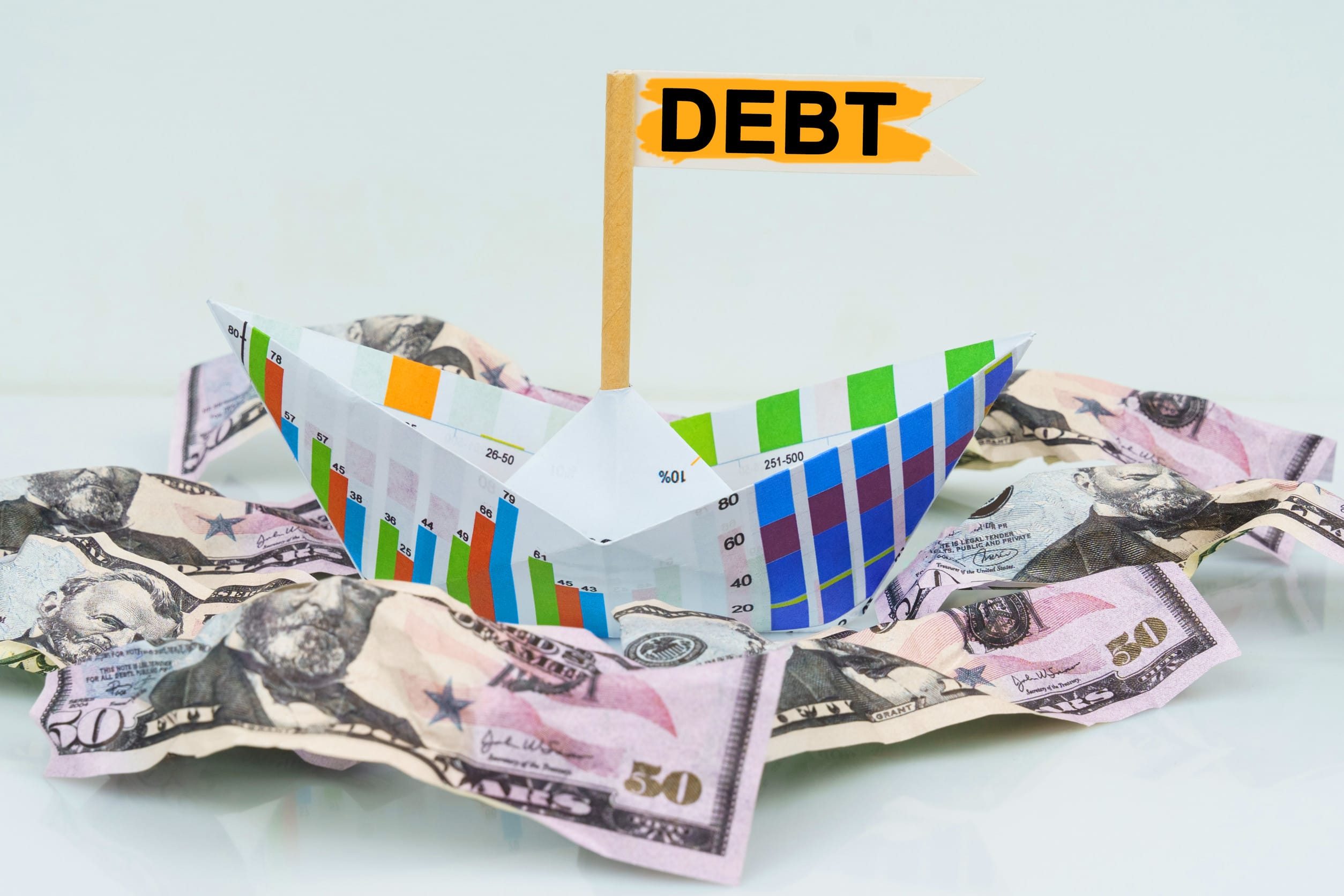
Business and finance concept. A paper boat from a business graph floats on a sea of money. The text is written on the flag - DEBT
Image Source: 123rf.com

Credit management is another hotly debated topic in personal finance. Some believe that strategic debt, when managed well, can boost your credit score and open financial doors. Others argue that any form of debt is a burden that prevents true financial freedom. The conversation often revolves around balancing short-term needs with long-term financial goals. Regardless of your stance, understanding the risks and benefits of debt is crucial for making informed decisions.

5. Emergency Funds: How Much Is Enough?

Experts often clash over the ideal size of an emergency fund. Conventional wisdom suggests that three to six months’ worth of living expenses is sufficient for most households. However, some argue that unpredictable economic conditions warrant a larger cushion. The debate intensifies as personal circumstances and job security vary widely among individuals. Ultimately, the “right” amount is a deeply personal decision influenced by risk tolerance and lifestyle factors.

6. Real Estate: Renting vs. Buying

The age-old debate of renting versus buying a home continues to divide opinions online. Proponents of buying argue that homeownership builds equity and represents a long-term investment. Renters, however, stress the flexibility and lower upfront costs that renting provides. This debate often touches on broader economic trends and personal financial priorities. The decision ultimately hinges on market conditions, lifestyle choices, and long-term goals.

7. Cryptocurrency: The Future of Money or a Risky Fad?

Cryptocurrency remains one of the most polarizing topics in personal finance. Some enthusiasts view it as the future of decentralized finance, capable of revolutionizing traditional banking. Critics, however, warn of its volatility and the lack of regulatory oversight, deeming it a speculative gamble. The passionate discourse reflects the rapid pace of technological change and the uncertainty of its long-term impact. Whether you embrace crypto or remain skeptical, the debate continues to evolve with the market.

8. Financial Independence: Early Retirement vs. Long-Term Work

The FIRE (Financial Independence, Retire Early) movement has ignited fierce discussions about the value of early retirement. Advocates argue that strategic saving and investing can allow one to leave the workforce decades earlier than traditional retirement ages. Detractors caution that early retirement may lead to boredom, financial insecurity, or missed opportunities for personal growth. Both camps offer valid points about the trade-offs between work, passion, and financial freedom. In the end, the decision is a personal one that must align with your values and life goals.

Personal Finance Battlefield

Personal finance is a deeply personal subject, and the debates surrounding it reflect diverse lifestyles and priorities. While the opinions may be divided, the most important takeaway is to educate yourself and choose strategies that align with your values. Open-mindedness and a willingness to adapt can help you navigate even the most contentious financial discussions. Remember, there is no one-size-fits-all solution—only the one that works best for you.

Which personal finance debate resonates with you the most? Share your thoughts and experiences in the comments below!

Read More:

10 Things You Should Never Ignore in Your Personal Finances

The Dark Side of Working in Finance—Burnout, Bonuses, and Big Risks

Latrice Perez

Latrice is a dedicated professional with a rich background in social work, complemented by an Associate Degree in the field. Her journey has been uniquely shaped by the rewarding experience of being a stay-at-home mom to her two children, aged 13 and 5. This role has not only been a testament to her commitment to family but has also provided her with invaluable life lessons and insights.

As a mother, Latrice has embraced the opportunity to educate her children on essential life skills, with a special focus on financial literacy, the nuances of life, and the importance of inner peace.

Filed Under: Personal Finance Tagged With: budgeting, credit management, cryptocurrency, emergency funds, financial independence, investing, Personal Finance, Real estate, saving strategies

Expert Advice: 6 Ways to Secure a Second Home Without Stressing Your Finances

August 20, 2024 by Amanda Blankenship Leave a Comment

can i afford a second home - New Home, real estate and moving concept - Funny young couple showings keys from new house

Purchasing a second home is a dream for many, offering a retreat or a potential investment opportunity. However, the financial implications can be daunting. 

Below you’ll find expert advice on how to secure a second home without straining your finances, ensuring that this significant investment enhances your financial well-being rather than becoming a burden.

1. Evaluate Your Financial Health First

Before diving into the process of buying a second home, it’s crucial to assess your current financial situation. This involves reviewing your savings, debt levels, and existing financial commitments. 

Ask yourself, “Can I afford a second home?” and consider consulting a financial advisor to get an objective view. Ensuring that your primary residence is financially secure and that you have an emergency fund in place is essential. By thoroughly evaluating your financial health, you can make informed decisions and avoid overextending yourself.

2. Consider Rental Income Potential

One way to ease the financial burden of a second home is to generate rental income from the property. Whether it’s a vacation rental or a long-term lease, this income can offset mortgage payments and other costs. 

Research the rental market in the area where you plan to buy and consider how often you’ll use the property versus how often it will be rented out. Ensure that rental income will cover expenses, including maintenance, taxes, and insurance. This approach can make owning a second home more financially viable.

3. Shop Around for the Best Mortgage Rates

Securing a favorable mortgage rate is critical when purchasing a second home. Interest rates can vary significantly, so it’s important to shop around and compare offers from different lenders. Consider working with a mortgage broker who can help you find the best deal based on your financial profile. 

Remember, the interest rate you secure will impact your monthly payments and the overall cost of the home. By securing a competitive rate, you can reduce financial strain and make the second home more affordable.

selective focus of man giving house shaped key chain to happy couple in new home

Bill Gassett, a home sales expert and owner of Maximum Real Estate Exposure recommends speaking to multiple lenders.

“With something as vital as getting the best mortgage terms it pays to speak to multiple lenders or work with a mortgage broker with access to several lending options. The rate and terms you receive will impact what you pay over the life of the loan. Even a ¼ point difference can make a significant difference.

When working with clients, I explain to them how working with my mortgage broker vs. walking into a local bank for a home loan can make a tremendous difference. On occasion, the buyers have received a ¾ percent lower rate!”

4. Choose the Right Location Carefully

Location plays a vital role in the long-term value and affordability of a second home. When selecting a location, consider not only the property’s appeal but also the cost of living, taxes, and potential for appreciation. A property in a high-demand area may offer better rental income and long-term value but could come with higher upfront costs. 

On the other hand, a more affordable location might require fewer financial sacrifices but offer lower potential returns. Balancing these factors will help ensure that you make the right decision when asking yourself, “Can I afford a second home?”

5. Budget for Maintenance and Hidden Costs

Owning a second home involves more than just mortgage payments. Maintenance, repairs, utilities, property management fees, and taxes can add up quickly. It’s essential to create a comprehensive budget that includes all potential expenses associated with the property. 

This will help you avoid unpleasant surprises and ensure that you’re financially prepared for the ongoing costs of maintaining a second home. Planning for these expenses upfront can prevent financial stress and ensure that your second home remains a source of enjoyment, not anxiety.

6. Leverage Tax Benefits and Deductions

There are several tax benefits associated with owning a second home, which can ease the financial burden. For instance, mortgage interest and property taxes on a second home may be deductible, similar to those on your primary residence. If you rent out the property, you may also be able to deduct expenses related to rental income. 

However, tax laws can be complex, so it’s advisable to consult with a tax professional to fully understand the deductions and benefits available to you. Leveraging these tax advantages can make owning a second home more affordable. 

So, Can I Afford A Second Home?

Purchasing a second home is a significant financial commitment, but with careful planning and strategic decision-making, it can be a rewarding investment. By evaluating your financial health, considering rental income potential, securing favorable mortgage rates, choosing the right location, budgeting for all costs, and leveraging tax benefits, you can secure a second home without overwhelming your finances. 

Amanda Blankenship

Amanda Blankenship is the Chief Editor for District Media.  With a BA in journalism from Wingate University, she frequently writes for a handful of websites and loves to share her own personal finance story with others. When she isn’t typing away at her desk, she enjoys spending time with her daughter, son, husband, and dog. During her free time, you’re likely to find her with her nose in a book, hiking, or playing RPG video games.

Filed Under: Real Estate Tagged With: can i afford a second home, Real estate, real estate investing, Real Estate Investments

Forget Traditional Home Ownership: 12 Alternative Housing Options That Can Give You Real Financial Freedom

June 10, 2024 by Toi Williams Leave a Comment

alternative housing options
123RF

Traditional home ownership, while a common goal, is not the only path to financial stability and independence. In fact, the burden of a mortgage and the associated costs of maintaining a traditional home can sometimes hinder financial freedom. For those looking to break free from conventional living arrangements and explore more flexible and cost-effective options, alternative housing provides a viable solution. Here are 12 alternative housing options that can offer real financial freedom and flexibility, allowing you to live on your own terms and achieve your financial goals.

1. Tiny Homes

123RF

Tiny homes have gained popularity as a minimalist and cost-effective housing solution. These compact, portable houses typically range from 100 to 400 square feet, offering a simplified lifestyle with lower maintenance and utility costs. By downsizing your living space, you can significantly reduce your living expenses and free up more money for other financial goals. Living in a tiny home encourages a minimalist lifestyle, focusing on the essentials and reducing clutter. This can lead to a greater sense of freedom and financial security, as the lower costs associated with tiny home living allow for more savings and less financial stress.

2. Houseboats

123RF

For those who love the water, houseboats offer a unique and adventurous living experience. Houseboats provide the freedom to live on the water, with the ability to relocate to different marinas or bodies of water as desired. This mobile lifestyle can lead to lower living costs compared to traditional homes, with fewer property taxes and maintenance fees. Houseboat living can also offer a sense of community among fellow boaters and the opportunity to enjoy waterfront views and activities. These alternative housing options provide a flexible and financially freeing lifestyle for those who crave adventure and a connection to nature.

3. RV Living

123RF

Living in a recreational vehicle (RV) provides the ultimate in mobility and freedom. RVs come in various sizes and styles, from small campers to luxury motorhomes, allowing you to choose a setup that fits your lifestyle and budget. This nomadic lifestyle enables you to travel and explore new places while keeping your living expenses low. RVs offer the flexibility to park at campgrounds, RV parks, or even on private land, often at a fraction of the cost of traditional housing. This alternative living arrangement is perfect for those seeking financial freedom and the ability to experience new adventures without the constraints of a fixed address.

4. Cohousing Communities

123RF

Cohousing communities are intentional neighborhoods where residents share common spaces and facilities while maintaining their own private homes. These communities emphasize collaboration, sustainability, and a strong sense of community. By sharing resources such as laundry facilities, gardens, and common areas, residents can reduce their individual living costs and environmental footprint. Cohousing offers the benefits of communal living, including shared responsibilities and social support, while still allowing for personal privacy. These alternative housing options can provide financial freedom through shared expenses and a cooperative approach to living.

5. Container Homes

123RF

Container homes are innovative and eco-friendly housing options built from repurposed shipping containers. These durable and modular structures can be customized to create unique and affordable living spaces. Container homes offer a cost-effective alternative to traditional construction, with lower material and labor costs. Living in a container home allows for significant savings on construction and maintenance, freeing up more funds for other financial goals. These alternative housing options are ideal for those who value sustainability, creativity, and financial freedom.

6. Yurts

123RF

Yurts are circular, tent-like structures with a history rooted in traditional Mongolian nomadic living. Modern yurts are made from durable materials and can be equipped with all the amenities of a traditional home. They offer a unique and affordable housing option, with lower construction and maintenance costs compared to conventional homes. Yurts provide a close connection to nature and a minimalist lifestyle, promoting financial freedom through reduced living expenses and a simpler way of life. This alternative housing option is perfect for those seeking an eco-friendly and cost-effective living solution.

7. Shared Housing

123RF

Shared housing involves renting a room or space in a larger home with other individuals or families. This arrangement allows for shared living expenses, such as rent, utilities, and maintenance costs, significantly reducing individual financial burdens. Shared housing can provide a sense of community and support, while still maintaining personal privacy. These alternative housing options are ideal for those looking to cut costs and achieve financial freedom without compromising on living space or amenities. It offers the flexibility to choose living arrangements that fit your budget and lifestyle needs.

8. Off-Grid Living

123RF

Off-grid living involves disconnecting from traditional utilities and relying on renewable energy sources, such as solar or wind power, for electricity. This self-sufficient lifestyle can reduce or eliminate utility bills, offering significant financial savings. Off-grid living often includes sustainable practices like rainwater collection, composting, and growing your own food. Living off the grid promotes independence and a reduced environmental impact, aligning with a minimalist and financially freeing lifestyle. This alternative housing option is perfect for those seeking to live sustainably and reduce their reliance on external systems.

9. Cooperative Housing

123RF

Cooperative housing, or co-ops, involves a group of individuals owning and managing a residential building collectively. Residents typically purchase shares in the co-op, which grants them the right to occupy a unit and participate in decision-making processes. This communal ownership model can lower housing costs and provide a strong sense of community. Cooperative housing offers financial freedom through shared expenses and democratic management, reducing the individual financial burden and promoting collective responsibility. It is an ideal alternative for those who value community living and want to invest in affordable housing.

10. Tiny Home Villages

123RF

Tiny home villages are communities of small, affordable homes that offer a supportive and collaborative living environment. These villages often include shared amenities like communal gardens, workshops, and social spaces, reducing the need for individual ownership of these facilities. Tiny home villages promote a minimalist lifestyle and financial freedom through reduced living expenses and shared resources. These alternative housing options are perfect for those seeking a tight-knit community and the financial benefits of living in a small, low-maintenance home. Tiny home villages offer a balance of independence and community support, making them an attractive choice for many.

11. Micro-Apartments

123RF

Micro-apartments are compact living spaces that typically range from 200 to 400 square feet. These small units are designed to maximize functionality and efficiency, providing affordable housing options in urban areas. Micro-apartments often include access to shared amenities like gyms, laundry facilities, and communal areas, reducing the need for individual investments in these features. Living in a micro-apartment allows for significant savings on rent and utilities, promoting financial freedom through lower living expenses. This alternative housing option is ideal for those who value simplicity and want to live affordably in a vibrant city environment.

12. Floating Homes

123RF

Floating homes are unique residential structures built on water, offering a distinctive and often cost-effective alternative to traditional housing. These homes are typically anchored in marinas or protected waterways and provide all the comforts of a traditional home with the added benefit of waterfront living. Floating homes offer financial freedom by eliminating the costs associated with land ownership and potentially reducing property taxes. This alternative housing option is perfect for those who seek a tranquil and adventurous lifestyle, enjoying the benefits of living on the water without the constraints of conventional home ownership.

Embracing Financial Freedom Through Alternative Housing

123RF

Exploring alternative housing options can open up new possibilities for financial freedom and a more flexible lifestyle. Whether you choose a tiny home, a houseboat, or a cooperative living arrangement, these innovative solutions offer the potential to reduce living costs, simplify your life, and achieve greater financial independence. By breaking free from the traditional home ownership model and embracing alternative housing, you can create a living situation that aligns with your financial goals and personal values. Start your journey towards financial freedom today by considering these unique and cost-effective housing options.

Toi Williams
Toi Williams

Toi Williams began her writing career in 2003 as a copywriter and editor and has authored hundreds of articles on numerous topics for a wide variety of companies. During her professional experience in the fields of Finance, Real Estate, and Law, she has obtained a broad understanding of these industries and brings this knowledge to her work as a writer.

Filed Under: Real Estate Tagged With: alternative housing, housing, Housing Costs, Real estate

12 Red Flags That Indicate a Bad Neighborhood

June 3, 2024 by Teri Monroe Leave a Comment

bad neighborhood
123rf

Living in a good neighborhood can significantly impact your quality of life, safety, and overall happiness. However, identifying whether a neighborhood is suitable can be challenging, especially if you’re new to the area. To help you make an informed decision, here are 12 red flags that may indicate a bad neighborhood.

1. High Crime Rates

high crime rate
123rf

One of the most obvious signs of a bad neighborhood is a high crime rate. Checking local crime statistics can provide a clear picture of the safety of the area. Frequent reports of burglaries, assaults, or vandalism should raise concerns. Utilizing apps and websites that track crime in real-time can also help you stay informed about the neighborhood’s safety trends.

2. Abandoned Buildings and Lots

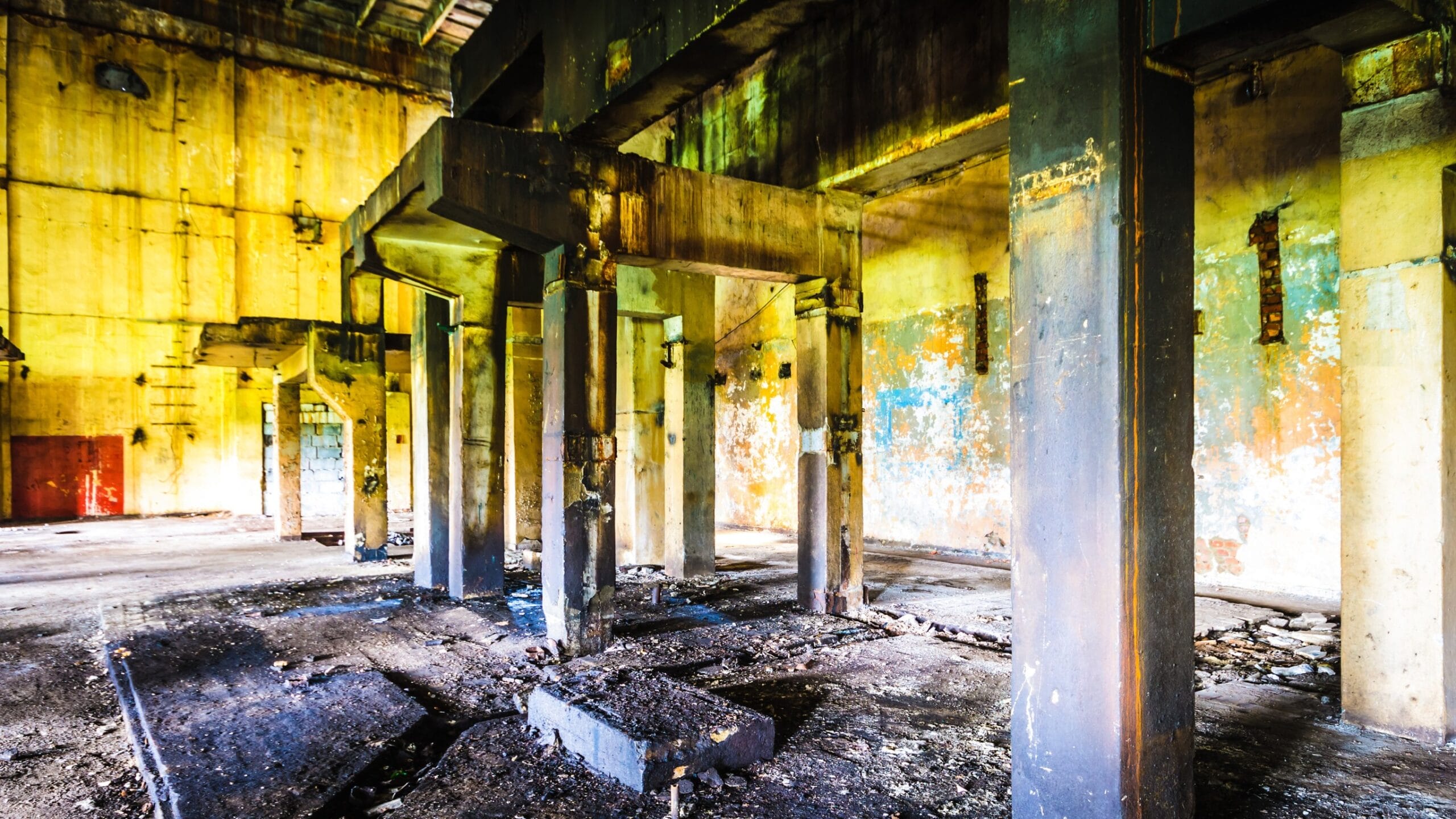
abandoned buildings
123rf

Abandoned buildings and empty lots can be a significant red flag. These areas often become hotspots for illegal activities and can attract undesirable elements. They also reflect poorly on the neighborhood’s economic health, suggesting a lack of investment and development. When exploring a potential new home, take note of any such properties and consider their impact on the community.

3. Poorly Maintained Properties

poorly maintained properties bad neighborhood
123rf

Well-maintained properties are a sign of a community that cares about its environment. Conversely, numerous homes in disrepair can indicate a lack of pride and investment in the area. Peeling paint, broken windows, and overgrown yards are not just eyesores but can also signal deeper issues. Consistent neglect might suggest that the residents or landlords are not invested in the neighborhood’s well-being.

4. Lack of Amenities

lack of amenities bad neighborhood
123rf

A thriving neighborhood typically offers a variety of amenities such as parks, libraries, community centers, and shops. The absence of these facilities can significantly impact your quality of life. If the nearest grocery store or pharmacy is miles away, it can be a major inconvenience. Additionally, a lack of recreational spaces can be particularly concerning for families with children.

5. Frequent Police Presence

frequent police presence bad neighborhood
123rf

While a visible police presence can be reassuring, an overabundance can suggest ongoing issues within the neighborhood. Constant police activity might indicate high crime rates or other persistent problems. It’s important to gauge whether the police presence feels protective or indicative of underlying troubles. Observing the nature of interactions between residents and law enforcement can provide further insights.

6. Low Property Values

research properties values
123rf

Significantly lower property values compared to neighboring areas can be a warning sign. This could reflect high crime rates, poor school performance, or a general lack of community investment. It’s essential to research recent property sales and trends to understand the market. A consistently declining real estate market can indicate deep-rooted issues within the neighborhood.

7. Poor School Performance

school performance
123rf

Schools are often a reflection of the community. Poorly performing schools can signal broader social and economic challenges within the neighborhood. Low graduation rates and test scores may indicate a lack of resources and support for students. For families, the quality of local schools is a crucial factor to consider when choosing a neighborhood.

8. Limited Public Transportation

public transportation
123rf

Effective public transportation can enhance the livability of a neighborhood. Limited access to buses, trains, or other forms of public transit can make commuting difficult and inconvenient. This can also reflect on the area’s development and infrastructure planning. A lack of reliable public transportation options can isolate residents and reduce overall mobility.

9. Excessive Noise Pollution

noise pollution
123rf

High levels of noise pollution can drastically affect your comfort and health. Frequent noise from traffic, industrial activities, or late-night disturbances can be unbearable. Before moving in, visit the neighborhood at different times of the day and week to assess the noise levels. Persistent noise issues can indicate a lack of community regulation and respect.

10. Graffiti and Vandalism

graffiti
123rf

While some graffiti can be seen as artistic expression, widespread vandalism often indicates neglect and disorder. Consistent tagging and damage to public property can be a sign of gang activity or general lawlessness. It also suggests that community pride and efforts to maintain public spaces might be lacking. Observing the cleanliness and upkeep of communal areas can give you a good idea of the neighborhood’s overall condition.

11. Infrequent Trash Collection

infrequent trash collection
123rf

Overflowing trash bins and littered streets can be a major red flag. This issue can lead to health hazards, pest infestations, and a generally unpleasant living environment. Inconsistent or infrequent trash collection services reflect poorly on the local governance and community organization. Cleanliness and sanitation are fundamental to a neighborhood’s livability.

12. High Turnover Rates

turnover in bad neighborhood
123rf

A high turnover rate among residents can indicate dissatisfaction with the neighborhood. Constant movement in and out of the area suggests that people are not settling down and investing in the community. This can lead to a lack of stability and continuity, making it difficult to establish a sense of community. Investigate how long current residents have lived in the area to get a sense of its stability.

Trust Your Instincts and Do Your Research

neighborhood
123rf

While these red flags are important to consider, it’s essential to trust your instincts and conduct thorough research. Visit the neighborhood multiple times, speak with current residents, and use online resources to gather as much information as possible. Remember, a neighborhood can greatly impact your lifestyle, so making an informed decision is crucial. By staying vigilant and aware of these warning signs, you can find a place that feels safe and welcoming for you and your family.

Photograph of Teri Monroe
Teri Monroe
Teri Monroe started her career in communications working for local government and nonprofits. Today, she is a freelance finance and lifestyle writer and small business owner. Teri holds a B.A. From Elon University.  In her spare time, she loves golfing with her husband, taking her dog Milo on long walks, and playing pickleball with friends.

Filed Under: Real Estate Tagged With: bad neighborhood, Home, House, Real estate

Can I Get A HELOC With Bad Credit: 12 Reasons Why You Shouldn’t

May 29, 2024 by Toi Williams Leave a Comment

HELOC wIth bad credit
via 123RF

Home Equity Lines of Credit (HELOCs) can be a tempting option for homeowners looking to tap into their home’s equity. However, if you have bad credit, obtaining a HELOC may not be the wisest financial decision. While it’s possible to get approved, there are significant risks and drawbacks to consider. Here are 12 reasons why you shouldn’t get a HELOC with bad credit.

1. Higher Interest Rates

via 123RF

With bad credit, lenders view you as a higher-risk borrower. This means you’ll likely face much higher interest rates compared to someone with good credit. Higher interest rates can significantly increase the cost of borrowing, making the HELOC more expensive in the long run. The additional cost in interest can outweigh the benefits of accessing your home’s equity, especially if you’re already struggling financially. It’s essential to calculate the total cost of borrowing and consider whether it’s worth the financial burden.

2. Increased Monthly Payments

via 123RF

Higher interest rates also lead to higher monthly payments. If you’re already dealing with financial difficulties, adding a large monthly payment to your budget can exacerbate your financial stress. Missing payments on your HELOC can lead to serious consequences, including damage to your credit score and potential foreclosure. It’s crucial to ensure you can comfortably afford the payments before taking on additional debt.

3. Risk of Foreclosure

via 123RF

A HELOC is secured by your home, meaning if you fail to make payments, the lender can foreclose on your property. With bad credit, your financial situation is already precarious, and taking on a HELOC increases the risk of losing your home if you can’t keep up with payments. Foreclosure not only results in the loss of your home but also severely damages your credit score, making it even harder to secure credit in the future. The risk of foreclosure should be a significant deterrent when considering a HELOC with bad credit.

4. Variable Interest Rates

via 123RF

Most HELOCs have variable interest rates, which means the interest rate can fluctuate over time. With bad credit, you may already be dealing with high interest rates, and an increase can make your payments even more unaffordable. Variable rates add a layer of unpredictability to your financial planning. If rates rise significantly, you might find yourself unable to meet the payment obligations, leading to financial distress.

5. Additional Fees and Costs

via 123RF

Obtaining a HELOC comes with various fees and costs, such as application fees, appraisal fees, and closing costs. With bad credit, lenders may charge higher fees to offset the risk, adding to the overall expense of the loan. These upfront costs can be a financial strain, especially if you’re already in a precarious financial situation. It’s important to consider whether you can afford these additional expenses before pursuing a HELOC.

6. Impact on Credit Score

via 123RF

Applying for a HELOC with bad credit can further impact your credit score. The application process involves a hard inquiry, which can lower your score. Additionally, taking on more debt can increase your debt-to-income ratio, negatively affecting your credit profile. If you struggle to make payments, missed or late payments will further damage your credit score, making it even more challenging to secure favorable credit in the future.

7. Limited Borrowing Power

via 123RF

With bad credit, you may not be able to borrow as much as you need. Lenders are likely to offer a smaller credit line to minimize their risk, which might not meet your financial needs. A smaller HELOC might not be worth the costs and risks, especially if it doesn’t provide sufficient funds for your intended purpose. Exploring other borrowing options that might offer more favorable terms could be a better strategy.

8. Negative Equity Risk

via 123RF

If the value of your home decreases, you could end up owing more than your home is worth, leading to negative equity. This is particularly risky if you have bad credit, as it limits your ability to refinance or sell your home. Negative equity can trap you in an unfavorable financial situation, making it difficult to move or improve your financial standing. Avoiding additional debt that could exacerbate this risk is a prudent decision.

9. Strain on Finances

via 123RF

Taking on a HELOC with bad credit can put a significant strain on your finances. The added debt and higher payments can stretch your budget thin, leaving little room for savings or emergency expenses. This financial strain can lead to increased stress and impact your overall quality of life. It’s important to consider whether the benefits of the HELOC outweigh the potential negative impact on your financial well-being.

10. Potential for Over-Borrowing

via 123RF

Access to a HELOC can tempt you to borrow more than you need, especially if you’re using it for discretionary spending. Over-borrowing can lead to a cycle of debt that’s difficult to escape, particularly if you’re already struggling with bad credit. It’s essential to borrow only what you need and have a clear plan for repayment. Discipline and careful planning are crucial to avoid falling into a debt trap.

11. Alternatives May Be Better

via 123RF

There are often better alternatives to a HELOC for those with bad credit. Personal loans, debt consolidation loans, or working with a credit counselor to manage your debts might provide more favorable terms and reduce the risks associated with a HELOC. Exploring these alternatives can help you find a solution that improves your financial situation without putting your home at risk.

12. Long-Term Financial Impact

via 123RF

The long-term financial impact of a HELOC with bad credit can be severe. Higher interest rates, increased debt load, and potential foreclosure can create lasting financial difficulties. It’s crucial to consider the long-term consequences and whether a HELOC is the best solution for your financial needs. Taking a comprehensive view of your financial health and considering all options can help you make a more informed decision that supports your long-term financial stability.

Consider Your Options Carefully

via 123RF

While a HELOC can be a valuable financial tool, it’s not always the best choice for those with bad credit. The risks and potential negative impacts often outweigh the benefits, making it crucial to explore other options. By considering alternatives and focusing on improving your credit score, you can find more favorable borrowing solutions that support your financial health. Remember, making informed decisions today can lead to a more secure and prosperous future.

Toi Williams
Toi Williams

Toi Williams began her writing career in 2003 as a copywriter and editor and has authored hundreds of articles on numerous topics for a wide variety of companies. During her professional experience in the fields of Finance, Real Estate, and Law, she has obtained a broad understanding of these industries and brings this knowledge to her work as a writer.

Filed Under: Real Estate Tagged With: bad credit, credit, homeownership, Real estate

House Devalued: 15 Mistakes You’re Unknowingly Making That Are Destroying Your Home’s Value

May 28, 2024 by Stephen Kanaval Leave a Comment

House Devalued: 15 Mistakes You're Unknowingly Making That Are Destroying Your Home's Value
via 123rf.com

When it comes to maintaining the value of your home, even small oversights can lead to significant financial losses. Understanding the common mistakes homeowners make can help you avoid devaluing your property. Here are 15 mistakes that might be destroying your home’s value without you even realizing it.

1. Neglecting Regular Maintenance

Person using power drill
via 123rf.com

Regular maintenance is crucial for preserving your home’s value. Overlooking minor repairs can lead to more significant issues over time, resulting in costly fixes. Things like leaky faucets, cracked tiles, and peeling paint might seem trivial, but they can detract from your home’s appeal.

Potential buyers often see these as signs of neglect, making them question what other issues might be lurking. Keeping up with routine maintenance shows that your home is well cared for, which can enhance its value.

2. Ignoring Curb Appeal

House with curb appeal
via Unsplash.com

First impressions matter, especially when it comes to real estate. Ignoring your home’s curb appeal can significantly impact its value. Overgrown lawns, unkempt gardens, and outdated exterior features can turn off potential buyers before they even step inside.

Investing in landscaping, maintaining a neat yard, and ensuring the exterior paint is fresh can make a substantial difference. A welcoming exterior suggests a well-maintained interior, attracting more interest and potentially higher offers.

3. Using Poor Quality Materials

On weathered old wooden surface lie the old, oily wrenches. Near scattered old rusty nuts.
via 123rf.com

When making renovations or repairs, using cheap, low-quality materials can backfire. While it might save you money initially, poor-quality materials can wear out quickly and need replacing sooner. This not only costs more in the long run but can also devalue your home if buyers notice subpar workmanship. It is better to use durable, high-quality materials that enhance the look and longevity of your home. Quality craftsmanship reflects positively on the overall value of your property.

4. Overpersonalizing Your Space

Funky home decour
via 123rf.com

While it’s important for your home to reflect your style, over-personalizing can deter potential buyers. Highly customized decor, bold paint colors, and unique design choices might not appeal to everyone.

Prospective buyers need to envision themselves living in the space, which can be difficult if your style is too dominant. Neutral tones and versatile designs make it easier for buyers to imagine their own belongings in your home, increasing its marketability.

5. Skipping Professional Help

Professional handyman
via 123rf.com

DIY projects can be a great way to save money, but some tasks are best left to professionals. Skipping professional help for complex jobs like electrical work, plumbing, or major renovations can result in substandard outcomes and safety hazards.

Poorly executed projects can significantly reduce your home’s value and necessitate costly repairs. Hiring qualified professionals ensures that work is done correctly and up to code, which can safeguard and even enhance your property’s value.

6. Neglecting the Roof

Roof
via 123rf.com

Your roof is one of the most critical components of your home, protecting it from the elements. Neglecting roof maintenance can lead to leaks, water damage, and structural issues. Regular inspections and timely repairs can prevent minor problems from becoming major headaches.

A well-maintained roof not only extends the lifespan of your home but also enhances its value. Prospective buyers often scrutinize the condition of the roof, so keeping it in good shape is essential.

7. Forgetting About Energy Efficiency

HVAC Unit
via 123rf.com

In today’s market, energy efficiency is a significant selling point. Homes that lack energy-efficient features like proper insulation, double-pane windows, and modern HVAC systems can be less attractive to buyers. These features not only lower utility bills but also indicate a home that’s up-to-date and well-maintained. Investing in energy-efficient upgrades can improve your home’s value and appeal, making it a more attractive option for environmentally conscious buyers.

8. Overbuilding for the Neighborhood

Perfect view from the garden at home
via 123rf.com

Adding luxury features or significant expansions might seem like a good way to increase your home’s value, but it can backfire if it makes your home the most expensive in the neighborhood. Overbuilding can make it difficult to recoup your investment when it’s time to sell.

Buyers might not be willing to pay a premium for features that are out of place in the area. It’s important to consider the value of surrounding homes and ensure your upgrades align with neighborhood standards.

9. Neglecting the Basement and Attic

Empty attic
via 123rf.com

Basements and attics often get overlooked, but they can add significant value to your home. Unfinished or poorly maintained spaces can be a turnoff for potential buyers. Transforming these areas into usable living spaces like a home office, gym, or additional bedroom can greatly increase your home’s value.

Even simple improvements, like proper insulation and flooring, can make a difference. Well-maintained basements and attics add to the overall livable square footage, making your home more appealing.

10. Ignoring Plumbing Issues

Bad plumbing
via 123rf.com

Leaky pipes, outdated plumbing, and low water pressure are red flags for potential buyers. Ignoring plumbing issues can lead to water damage, mold growth, and other serious problems. Regular inspections and timely repairs are essential for maintaining your home’s value. Upgrading to modern fixtures and ensuring your plumbing system is in good condition can prevent costly damages and reassure buyers that the home is well-maintained.

11. Poor Lighting Choices

Poor lighting
via 123rf.com

Lighting plays a crucial role in how your home is perceived. Poor lighting can make spaces feel smaller, darker, and less inviting. Investing in good lighting, including natural light solutions like skylights and well-placed windows, can enhance the ambiance of your home. Bright, well-lit spaces are more appealing and can make your home look larger and more welcoming. Good lighting can significantly impact the perceived value of your property.


12. Ignoring Safety Features

Smoke detector
via 123rf.com

Safety features are a significant consideration for homebuyers. Neglecting essential safety upgrades, such as smoke detectors, carbon monoxide alarms, and secure locks, can detract from your home’s value.

Ensuring that your home is safe and up to code can increase its appeal to families and safety-conscious buyers. Regularly updating and maintaining these features shows that you prioritize safety, which can positively influence your home’s market value.

13. Outdated Kitchens and Bathrooms

Old kitchen
via 123rf.com

Kitchens and bathrooms are often considered the most important rooms in a home. Outdated or poorly maintained kitchens and bathrooms can significantly devalue your property. Modernizing these spaces with new fixtures, appliances, and updated decor can make a big difference. Even small changes like new cabinet hardware or a fresh coat of paint can enhance the look and feel. Updated kitchens and bathrooms are major selling points and can greatly increase your home’s value.

14. Neglecting Landscaping

overgrown lawn
via 123rf.com

Landscaping is an integral part of your home’s curb appeal. Neglecting your yard, garden, or outdoor spaces can make your home look uninviting. Simple landscaping improvements, such as mowing the lawn, trimming bushes, and planting flowers, can enhance your home’s exterior.

Well-maintained landscaping creates a positive first impression and can significantly boost your home’s value. Outdoor spaces are increasingly important to buyers, so investing in your yard pays off.

15. Ignoring Market Trends

Red windowsill
via 123rf.com

Real estate markets are constantly evolving, and ignoring current trends can put you at a disadvantage. Keeping up with what buyers are looking for and making appropriate updates can help maintain your home’s value.

Whether it’s smart home technology, open floor plans, or eco-friendly features, staying informed and adaptable is key. Understanding market trends (or hiring a realtor who can keep you updated on any trends) and incorporating them into your home can make it more attractive to potential buyers and preserve its value.

Maintaining Your Home’s Value

Maintaining Your Home's Value
via 123rf.com

Maintaining your home’s value requires attention to detail and a proactive approach. By avoiding these common mistakes, you can ensure your home remains a valuable asset. Regular maintenance, thoughtful upgrades, and staying attuned to market trends are essential steps. If you’re considering selling, making these changes can help attract buyers and secure a better price. For more tips on maintaining and enhancing your home’s value, visit our blog and subscribe to our newsletter.

Stephen Kanaval
Stephen Kanaval

Stephen began his career as a Research Assistant at a reputable middle-market private equity firm, where he honed his skills in market research, financial analysis, and identifying investment opportunities. He then transitioned to full-time financial writing focusing on small-cap biotech innovation and digital payment solutions. Today, Stephen is a value-based retail investor and novice baseball statistician.

Filed Under: Real Estate Tagged With: Home values, Housing Prices, Real estate

  • « Previous Page
  • 1
  • …
  • 11
  • 12
  • 13
  • 14
  • 15
  • Next Page »

Follow Us

Search this site:

Recent Posts

  • Can My Savings Account Affect My Financial Aid? by Tamila McDonald
  • 12 Ways Gen X’s Views Clash with Millennials… by Tamila McDonald
  • What Advantages and Disadvantages Are There To… by Jacob Sensiba
  • 10 Tactics for Building an Emergency Fund from Scratch by Vanessa Bermudez
  • Call 911: Go To the Emergency Room Immediately If… by Stephen Kanaval
  • 7 Weird Things You Can Sell Online by Tamila McDonald
  • 10 Scary Facts About DriveTime by Tamila McDonald

Copyright © 2026 · News Pro Theme on Genesis Framework