• Home
  • About Us
  • Getting Finances Done
    • Hiring Advisors
    • Debt Management
    • Spending Plan
  • Insurance
    • Life Insurance
    • Health Insurance
    • Disability Insurance
    • Homeowners/Renters Insurance
  • Contact Us
  • Our Editorial Commitment

The Free Financial Advisor

You are here: Home / Archives for Housing Prices

Texas vs. Florida: Which No-Income-Tax State Actually Leaves You With More Money?

March 7, 2026 by Brandon Marcus Leave a Comment

Texas vs. Florida: Which No-Income-Tax State Actually Leaves You With More Money?
Image Source: Shutterstock.com

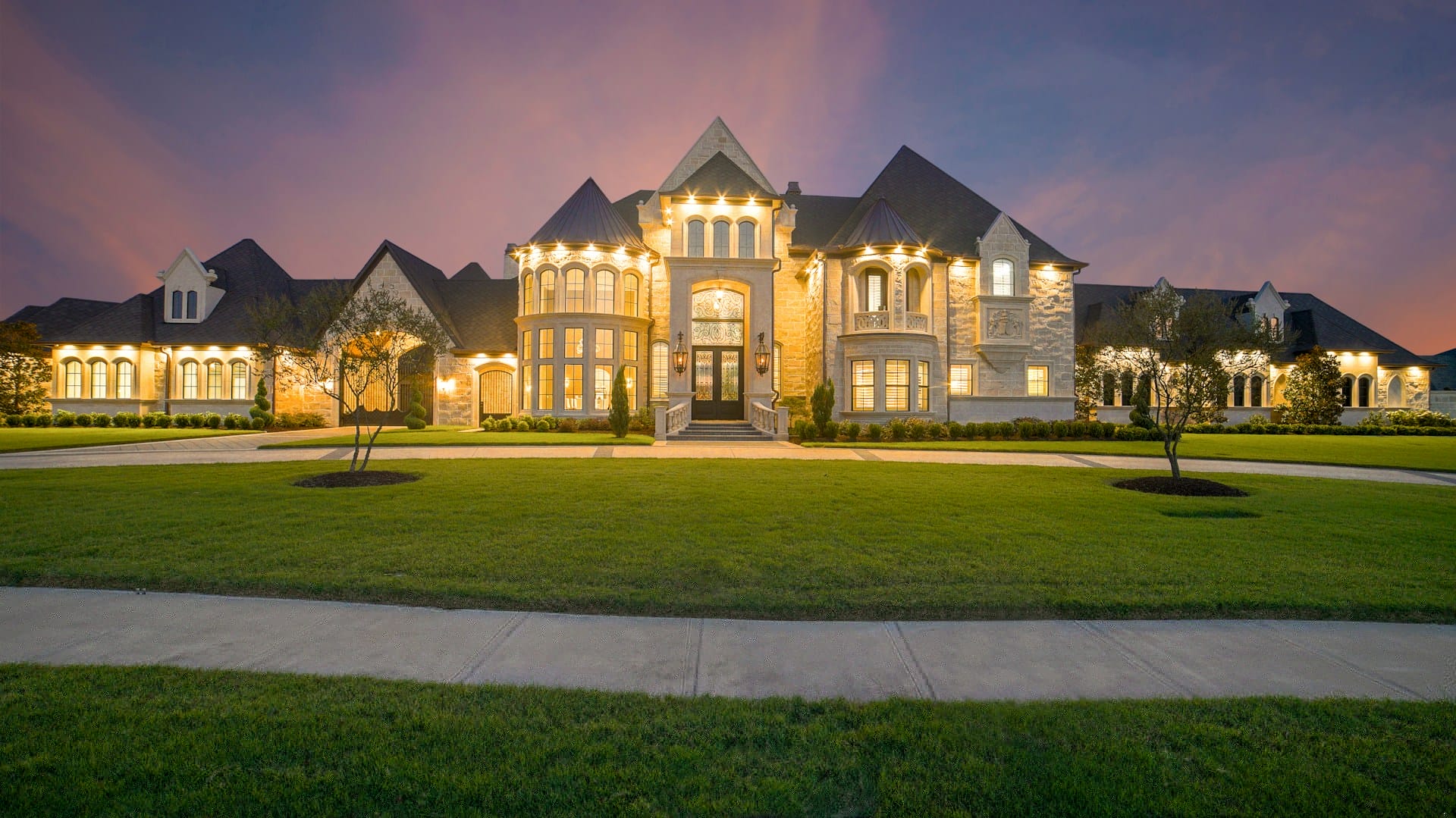
People love hearing that a state charges zero income tax because it sounds like an automatic win for the wallet, almost like finding extra cash inside a jacket pocket you forgot about last winter. Both Texas and Florida market themselves as tax-friendly places that let workers keep more of what they earn, and the absence of state income tax attracts professionals, retirees, and business owners who want lighter financial pressure. But the real story goes deeper than that simple headline, because governments still collect money through property taxes, sales taxes, insurance costs, and everyday living expenses that quietly shape total spending.

Both states bring sunshine, warm weather, and fast-growing communities, but lifestyle costs follow the sunshine like a shadow nobody talks about at relocation fairs. Housing markets in particular often decide whether the “tax-free” promise feels like a celebration or a financial trade-off that shows up in mortgage statements.

What Zero Income Tax Really Means for Paychecks

At first glance, workers expect bigger take-home pay when moving to states without income tax, and on paper that expectation sounds reasonable. Neither Texas nor Florida deducts state income tax from earnings, which gives employees the feeling of receiving a bonus every payday compared to states that collect such tax. However, payroll size does not automatically translate into wealth accumulation, because other expenses tend to adjust around local economic conditions.

Property taxes stand out as a major balancing force in Texas, where local governments rely heavily on property assessments to fund public services such as schools and infrastructure. Homeowners often pay property tax rates that rank among the highest in the United States, and this becomes noticeable when housing values rise. Florida keeps property taxes somewhat more moderate in many counties, though coastal real estate markets sometimes push home prices upward, which increases total property tax payments anyway.

Sales taxes also change daily life math. Texas collects state sales tax plus local sales taxes that can push the combined rate close to 8.25 percent in many areas. Florida’s statewide sales tax stays around 6 percent, but local add-ons in certain counties push purchases slightly higher depending on location. Someone who shops frequently or eats out often may notice the difference more than someone who spends mostly on housing.

Income levels matter too. Major metropolitan areas in both states offer strong job opportunities, yet salary competition and industry mix influence earnings. Technology and professional service jobs cluster in cities like Austin or Miami, creating pockets of high wages but also intense housing pressure. Workers moving purely for tax reasons sometimes discover that employers already adjust salaries based on local cost conditions.

Housing, Heat, and Hidden Expenses That Follow the Moving Truck

Housing remains the biggest financial decision in either state because rent or mortgage payments consume a large portion of monthly income. In Texas, expanding suburban development around cities like Dallas and Houston keeps some housing prices relatively accessible, but property taxes offset part of that affordability. Florida offers attractive coastal living, yet beachfront or waterfront homes carry premium pricing that pushes average household spending higher.

Insurance costs also deserve serious attention. Florida experiences frequent hurricane threats, and homeowners insurance policies often reflect that environmental risk. Texas faces its own weather challenges, including storms, flooding, and occasional severe events that drive up insurance premiums. Residents sometimes discover that insurance bills quietly swallow savings created by the absence of income tax.

Transportation costs add another layer. Texas cities tend to spread outward, encouraging driving and longer commute distances, which increases fuel spending and vehicle maintenance. Florida urban zones vary, with some regions supporting public transit while others require car ownership. Gasoline prices fluctuate nationally, but lifestyle design decides how much fuel someone burns each month.

Lifestyle, Jobs, and Personal Happiness Economics

Money matters, but lifestyle satisfaction shapes long-term financial decisions more than spreadsheet calculations alone. Florida attracts retirees and tourism-related employment because of beaches, recreation, and seasonal vacation culture. Healthcare and hospitality jobs dominate some regions, and these sectors often pay differently compared to technology or engineering industries.

Texas carries a strong business and energy sector reputation, particularly around oil, logistics, manufacturing, and technology startups. Cities such as Austin built strong cultural identities around music, entrepreneurship, and younger professional communities. Career mobility tends to feel slightly broader in Texas urban centers, though Florida continues expanding its corporate presence.

Food, entertainment, and daily lifestyle expenses vary by region rather than by state label. Dining prices in tourist-heavy Florida zones sometimes rise because visitors support local businesses year-round. Texas cities offer large restaurant cultures, but popular urban districts also price experiences competitively. Someone who cooks at home more often will probably care less about these differences.

Texas vs. Florida: Which No-Income-Tax State Actually Leaves You With More Money?
Image Source: Shutterstock.com


So, Which State Leaves More Money in the Pocket?

There is no universal winner because financial outcomes depend heavily on housing choice, job type, family size, and personal habits. High earners who rent rather than buy property may enjoy stronger advantages in Florida because of lower average property tax burdens in some regions. Homeowners who purchase expensive coastal property might find Texas competitive depending on local assessment rates.

Relocating purely for tax savings rarely guarantees wealth growth. Smart movers usually compare total cost of living, not just income tax status, before packing boxes. Checking insurance quotes, real estate trends, and commuting distance matters more than focusing on a single tax category.

Someone planning to move should test financial projections by listing monthly expenses in each state, comparing job opportunities, and considering long-term lifestyle goals. Visiting neighborhoods before relocating helps reveal hidden costs that online calculators sometimes miss. Watching local housing development patterns can also provide clues about future price pressure.

The Winner Depends on Personal Money Strategy

Between Texas and Florida, the smarter choice depends on how someone spends, earns, and lives rather than which state removes income tax. Texas often appeals to homeowners and business-oriented professionals who accept higher property tax trade-offs. Florida often attracts retirees, tourism workers, and people who value coastal lifestyle access alongside moderate overall taxation.

Neither state magically guarantees financial prosperity, but both offer opportunities to build comfortable lives when residents manage expenses carefully. The best decision comes from balancing career growth, housing affordability, and lifestyle happiness rather than chasing the headline about zero income tax alone.

So, if you had to choose between the warm Gulf breezes of Florida or the wide economic landscape of Texas, where do you think your paycheck would stretch farther, and what lifestyle matters most when deciding? We want to hear your opinion in our comments.

You May Also Like…

The $140,000 Oversight: The Missing Texas Tax Paperwork That Is Costing Homeowners Thousands This Week

Florida Escrow Payments Continue Rising as Insurance Costs Climb

Florida Condo Fees Continue Surging — Seniors Face Massive Assessments

The $3,000 Property Tax Reality Facing the Average U.S. Household

How The SALT Deduction Caps Squeezed Many Middle-Income Taxpayers

Brandon Marcus
Brandon Marcus

Brandon Marcus is a writer who has been sharing the written word since a very young age. His interests include sports, history, pop culture, and so much more. When he isn’t writing, he spends his time jogging, drinking coffee, or attempting to read a long book he may never complete.

Filed Under: tax tips Tagged With: Cost of living, Florida, Housing Prices, lifestyle comparison, money savings, no income tax, Personal Finance, relocation, state taxes, Texas, US states

House Devalued: 15 Mistakes You’re Unknowingly Making That Are Destroying Your Home’s Value

May 28, 2024 by Stephen Kanaval Leave a Comment

House Devalued: 15 Mistakes You're Unknowingly Making That Are Destroying Your Home's Value
via 123rf.com

When it comes to maintaining the value of your home, even small oversights can lead to significant financial losses. Understanding the common mistakes homeowners make can help you avoid devaluing your property. Here are 15 mistakes that might be destroying your home’s value without you even realizing it.

1. Neglecting Regular Maintenance

Person using power drill
via 123rf.com

Regular maintenance is crucial for preserving your home’s value. Overlooking minor repairs can lead to more significant issues over time, resulting in costly fixes. Things like leaky faucets, cracked tiles, and peeling paint might seem trivial, but they can detract from your home’s appeal.

Potential buyers often see these as signs of neglect, making them question what other issues might be lurking. Keeping up with routine maintenance shows that your home is well cared for, which can enhance its value.

2. Ignoring Curb Appeal

House with curb appeal
via Unsplash.com

First impressions matter, especially when it comes to real estate. Ignoring your home’s curb appeal can significantly impact its value. Overgrown lawns, unkempt gardens, and outdated exterior features can turn off potential buyers before they even step inside.

Investing in landscaping, maintaining a neat yard, and ensuring the exterior paint is fresh can make a substantial difference. A welcoming exterior suggests a well-maintained interior, attracting more interest and potentially higher offers.

3. Using Poor Quality Materials

On weathered old wooden surface lie the old, oily wrenches. Near scattered old rusty nuts.
via 123rf.com

When making renovations or repairs, using cheap, low-quality materials can backfire. While it might save you money initially, poor-quality materials can wear out quickly and need replacing sooner. This not only costs more in the long run but can also devalue your home if buyers notice subpar workmanship. It is better to use durable, high-quality materials that enhance the look and longevity of your home. Quality craftsmanship reflects positively on the overall value of your property.

4. Overpersonalizing Your Space

Funky home decour
via 123rf.com

While it’s important for your home to reflect your style, over-personalizing can deter potential buyers. Highly customized decor, bold paint colors, and unique design choices might not appeal to everyone.

Prospective buyers need to envision themselves living in the space, which can be difficult if your style is too dominant. Neutral tones and versatile designs make it easier for buyers to imagine their own belongings in your home, increasing its marketability.

5. Skipping Professional Help

Professional handyman
via 123rf.com

DIY projects can be a great way to save money, but some tasks are best left to professionals. Skipping professional help for complex jobs like electrical work, plumbing, or major renovations can result in substandard outcomes and safety hazards.

Poorly executed projects can significantly reduce your home’s value and necessitate costly repairs. Hiring qualified professionals ensures that work is done correctly and up to code, which can safeguard and even enhance your property’s value.

6. Neglecting the Roof

Roof
via 123rf.com

Your roof is one of the most critical components of your home, protecting it from the elements. Neglecting roof maintenance can lead to leaks, water damage, and structural issues. Regular inspections and timely repairs can prevent minor problems from becoming major headaches.

A well-maintained roof not only extends the lifespan of your home but also enhances its value. Prospective buyers often scrutinize the condition of the roof, so keeping it in good shape is essential.

7. Forgetting About Energy Efficiency

HVAC Unit
via 123rf.com

In today’s market, energy efficiency is a significant selling point. Homes that lack energy-efficient features like proper insulation, double-pane windows, and modern HVAC systems can be less attractive to buyers. These features not only lower utility bills but also indicate a home that’s up-to-date and well-maintained. Investing in energy-efficient upgrades can improve your home’s value and appeal, making it a more attractive option for environmentally conscious buyers.

8. Overbuilding for the Neighborhood

Perfect view from the garden at home
via 123rf.com

Adding luxury features or significant expansions might seem like a good way to increase your home’s value, but it can backfire if it makes your home the most expensive in the neighborhood. Overbuilding can make it difficult to recoup your investment when it’s time to sell.

Buyers might not be willing to pay a premium for features that are out of place in the area. It’s important to consider the value of surrounding homes and ensure your upgrades align with neighborhood standards.

9. Neglecting the Basement and Attic

Empty attic
via 123rf.com

Basements and attics often get overlooked, but they can add significant value to your home. Unfinished or poorly maintained spaces can be a turnoff for potential buyers. Transforming these areas into usable living spaces like a home office, gym, or additional bedroom can greatly increase your home’s value.

Even simple improvements, like proper insulation and flooring, can make a difference. Well-maintained basements and attics add to the overall livable square footage, making your home more appealing.

10. Ignoring Plumbing Issues

Bad plumbing
via 123rf.com

Leaky pipes, outdated plumbing, and low water pressure are red flags for potential buyers. Ignoring plumbing issues can lead to water damage, mold growth, and other serious problems. Regular inspections and timely repairs are essential for maintaining your home’s value. Upgrading to modern fixtures and ensuring your plumbing system is in good condition can prevent costly damages and reassure buyers that the home is well-maintained.

11. Poor Lighting Choices

Poor lighting
via 123rf.com

Lighting plays a crucial role in how your home is perceived. Poor lighting can make spaces feel smaller, darker, and less inviting. Investing in good lighting, including natural light solutions like skylights and well-placed windows, can enhance the ambiance of your home. Bright, well-lit spaces are more appealing and can make your home look larger and more welcoming. Good lighting can significantly impact the perceived value of your property.

12. Ignoring Safety Features

Smoke detector
via 123rf.com

Safety features are a significant consideration for homebuyers. Neglecting essential safety upgrades, such as smoke detectors, carbon monoxide alarms, and secure locks, can detract from your home’s value.

Ensuring that your home is safe and up to code can increase its appeal to families and safety-conscious buyers. Regularly updating and maintaining these features shows that you prioritize safety, which can positively influence your home’s market value.

13. Outdated Kitchens and Bathrooms

Old kitchen
via 123rf.com

Kitchens and bathrooms are often considered the most important rooms in a home. Outdated or poorly maintained kitchens and bathrooms can significantly devalue your property. Modernizing these spaces with new fixtures, appliances, and updated decor can make a big difference. Even small changes like new cabinet hardware or a fresh coat of paint can enhance the look and feel. Updated kitchens and bathrooms are major selling points and can greatly increase your home’s value.

14. Neglecting Landscaping

overgrown lawn
via 123rf.com

Landscaping is an integral part of your home’s curb appeal. Neglecting your yard, garden, or outdoor spaces can make your home look uninviting. Simple landscaping improvements, such as mowing the lawn, trimming bushes, and planting flowers, can enhance your home’s exterior.

Well-maintained landscaping creates a positive first impression and can significantly boost your home’s value. Outdoor spaces are increasingly important to buyers, so investing in your yard pays off.

15. Ignoring Market Trends

Red windowsill
via 123rf.com

Real estate markets are constantly evolving, and ignoring current trends can put you at a disadvantage. Keeping up with what buyers are looking for and making appropriate updates can help maintain your home’s value.

Whether it’s smart home technology, open floor plans, or eco-friendly features, staying informed and adaptable is key. Understanding market trends (or hiring a realtor who can keep you updated on any trends) and incorporating them into your home can make it more attractive to potential buyers and preserve its value.

Maintaining Your Home’s Value

Maintaining Your Home's Value
via 123rf.com

Maintaining your home’s value requires attention to detail and a proactive approach. By avoiding these common mistakes, you can ensure your home remains a valuable asset. Regular maintenance, thoughtful upgrades, and staying attuned to market trends are essential steps. If you’re considering selling, making these changes can help attract buyers and secure a better price. For more tips on maintaining and enhancing your home’s value, visit our blog and subscribe to our newsletter.

Stephen Kanaval
Stephen Kanaval

Stephen began his career as a Research Assistant at a reputable middle-market private equity firm, where he honed his skills in market research, financial analysis, and identifying investment opportunities. He then transitioned to full-time financial writing focusing on small-cap biotech innovation and digital payment solutions. Today, Stephen is a value-based retail investor and novice baseball statistician.

Filed Under: Real Estate Tagged With: Home values, Housing Prices, Real estate

Are Housing Prices Finally Dropping?

June 27, 2022 by Tamila McDonald Leave a Comment

>?

Currently, inflation is running rampant, harming the budgets of most households. Plus, the Federal Reserve raised rates again, and by a higher margin than most expected. In both cases, that can make buying a home harder, which many would assume would drive down demand. While a housing market crash isn’t necessarily on the horizon, most people wouldn’t be surprised if the home prices were shifting downward. But is that actually what’s happening? If you’re wondering, “Are housing prices finally dropping?” here’s what you need to know.

Are Housing Prices Dropping?

In many parts of the country, housing prices are starting to decline. With mortgage rates rising due to increases in the Federal Reserve rates, sellers may have to take a different approach to find buyers. By reducing prices, it makes properties more enticing, which could lead to a quicker sale.

However, that doesn’t mean housing prices are universally dropping. During a four-week period that ended in late May, about one-in-five sellers dropped their asking price. While conditions have changed since, that shows that not all sellers are going to alter their listings even as the market changes.

In time, the decline in prices may become more common. However, that also depends on your location. For example, prices were still rising in the Seattle area as of early June 2022. However, the available inventory was also trending upwards, and sales were slowing, so a change is potentially on the horizon.

Generally, whether housing prices are falling near you depends on supply vs. demand. In some areas, the increasing interest rates dramatically altered demand, leading to far higher supply. In those regions, prices will typically fall faster than in hot housing markets that are only seeing slight changes in demand or have had a demand vs. supply imbalance so severe that it will take time to level out.

Is Demand for Homes Shifting?

In a broad sense, demand for homes is declining. Higher interest rates and high inflation are pulling aspiring buyers out of the market in some cases. Essentially, both of those factors made transitioning to a new house far more expensive. Plus, many potential homebuyers will hesitate to make a big financial commitment with inflation as it is currently.

Additionally, the number of active listings isn’t necessarily growing substantially in some areas. Many aspiring sellers are aware that conditions aren’t ideal for quick, high-profit home sales. As a result, those who viewed selling as optional aren’t rushing to list. Instead, listings are mainly comprised of those who feel a sense of urgency about selling their property.

Declining inventory can also shift demand. While inventory levels were low previously, it was partially because borrowing was so affordable. Buyers were quick to jump on houses with potential, largely because of concerns that they wouldn’t have options if they waited.

Now, if decline in inventory is related to hesitant would-be sellers deciding that waiting for conditions to improve is a better choice, this alters the market in a different way. It could reduce the availability of homes that buyers find enticing, which could also impact demand.

Are Housing Inventories Declining?

Whether you see a decline in housing inventory is mainly based on where you live. Among the 400 largest housing markets, inventories rose in about 332 of them as of early June. In fact, many of them are increasing by 40 to 55 percent. While that seems like good news for buyers, it isn’t entirely what it seems.

Even in areas with inventory growth in that range, many of them have levels far below what was there pre-pandemic. As a result, many regions technically have an incredibly limited supply, preventing conditions from full favoring buyers.

Additionally, not every city is seeing increases. In the top 400 markets, around 68 housing markets either have declining inventory or are approximately the same. Further, those numbers don’t account for smaller markets, which could be going either way.

Even if conditions remain the same for months, if not longer, that doesn’t guarantee that inventory levels will rise quickly. As mentioned above, some sellers have the luxury of time, so they aren’t hopping into the market. Instead, they’re waiting to see if conditions improve before listing.

However, some sellers can’t afford to wait, which will lead to new listings. In areas where sales continue to slow, that could pump up inventory levels significantly. However, it may take longer than you’d expect to reach pre-pandemic inventory, so keep that in mind.

Will Prices Drop If the Federal Reserve Raises Rates Again?

The likelihood that the Federal Reserve will raise rates again – potentially multiple times through 2022 and into 2023 – is high. Usually, rate increases are a means of limiting inflation, making borrowing less enticing and encouraging saving. As a result, it alters economic activity, which can keep prices in check.

If the Federal Reserve raises rates again, it will undoubtedly impact the housing market. When mortgages get more expensive, it reduces the number of potential buyers. In turn, it can create a buyer’s market, leading sellers to lower prices as a means of securing a sale.

However, every housing market is different. Additionally, price reductions depend on the action of sellers and available market inventory. Whether a seller can afford to wait to list until conditions improve may influence inventory levels, potentially keeping them below pre-pandemic levels for far longer than most would hope. Plus, the supply vs. demand equation may favor sellers in some markets regardless of raising rates, which could keep prices either steady or may leave them generally trending upward in specific areas.

Ultimately, prices will potentially decline on average, or growth will stagnate in many markets if the Federal Reserve raises rates again. Whether that works out well for a potential buyer mainly depends on their location, as that ultimately plays a big role in the prices they’ll see and whether they’ll benefit from a decline.

Are you hoping that housing prices will finally start dropping, or would inflation and higher interest rates prevent you from buying a house at this time? Do you think a housing crash is on the horizon and want to see if you can capitalize on that? Share your thoughts in the comments below.

Read More:

  • Is It Time to Sell All of The Stocks in My Portfolio?
  • When Are Manufactured Homes a Good Investment?
  • Is Paying Points a Good Way to Reduce Your Mortgage Rate?


Tamila McDonald
Tamila McDonald

Tamila McDonald is a U.S. Army veteran with 20 years of service, including five years as a military financial advisor. After retiring from the Army, she spent eight years as an AFCPE-certified personal financial advisor for wounded warriors and their families. Now she writes about personal finance and benefits programs for numerous financial websites.

Filed Under: Real Estate Tagged With: housing market crash, Housing Prices

Here’s What Homes Cost in 5 States Around The Country in 2022

January 24, 2022 by Tamila McDonald Leave a Comment

cost of homes

In the United States, the median home value comes in at $320,662. While most wouldn’t consider that cheap, it isn’t anywhere near what you may have to pay in some parts of the country. However, that doesn’t mean there aren’t areas where paying that amount would only happen with a luxury-style home, as the average for the state is actually far lower. In the end, where you buy a home makes a big difference when it comes to pricing. If you’re wondering how much, here’s a look at what homes cost in five states around the country.

1. Iowa

When it comes to lower-cost housing, Iowa is one of the least expensive places to buy a home. Even though home values have risen by 12.2 percent within the past year, the cost of a house is much lower than many would expect. In Iowa, the average home value comes in at $178,608, putting it more than $142,000 below the national average.

2. Texas

Texas has also seen home values rise quickly in the past year. Overall, the year-over-year change is a startling 21.6 percent, leading many to assume that prices in the area would be hard to manage.

In reality, the average home value in Texas is $276,048. That’s still more than $44,000 under the national average, making the properties seem downright affordable by comparison.

3. New York

While real estate in New York City is notoriously expensive, that doesn’t mean home values are out of control in the rest of the state. In fact, even with home values rising 13.7 percent over the past year, New York isn’t as high cost as you might expect.

The average home value in New York sits at $374,717. While that’s still about $54,000 above the national average, it’s likely isn’t as high as you’d expect.

4. California

In the land of higher-cost real estate, California firmly has a position near the top. Typically, the state is sitting just one place behind the highest cost state (if you don’t count the District of Columbia).

Certain cities are notoriously pricy, such as San Francisco, which comes in with an average home value above $1.5 million. However, not all areas have those kinds of price tags, so the state average is fortunately far below that amount.

Still, California home values have risen by 20.1 percent in the past year, causing the average home value to come in at $734,612. That’s $413,950 above the national average.

5. Hawaii

If you’re wondering which state has the highest housing prices, look no further than Hawaii. It usually tops the charts when it comes to real estate purchase costs, outpacing every other state in the nation.

The average home value in Hawaii is a shocking $821,263. That’s more than half a million above the national average. In fact, you could have four average-value Iowa homes or two average-value New York homes for that amount with a notable amount of room to spare.

Are you surprised by how different the cost of homes is in each of the states above? Have housing prices encouraged you to relocate to another state to make homeownership more affordable? Share your thoughts in the comments below.

Read More:

  • 7 First Home Buying Tips
  • Applying for a Mortgage
  • When Are Manufactured Homes a Good Investment?


Tamila McDonald
Tamila McDonald

Tamila McDonald is a U.S. Army veteran with 20 years of service, including five years as a military financial advisor. After retiring from the Army, she spent eight years as an AFCPE-certified personal financial advisor for wounded warriors and their families. Now she writes about personal finance and benefits programs for numerous financial websites.

Filed Under: Personal Finance Tagged With: Costs of Buying a Home, Housing Prices

Follow Us

Search this site:

Recent Posts

  • Can My Savings Account Affect My Financial Aid? by Tamila McDonald
  • 12 Ways Gen X’s Views Clash with Millennials… by Tamila McDonald
  • What Advantages and Disadvantages Are There To… by Jacob Sensiba
  • 10 Tactics for Building an Emergency Fund from Scratch by Vanessa Bermudez
  • Call 911: Go To the Emergency Room Immediately If… by Stephen Kanaval
  • 7 Weird Things You Can Sell Online by Tamila McDonald
  • 10 Scary Facts About DriveTime by Tamila McDonald

Copyright © 2026 · News Pro Theme on Genesis Framework