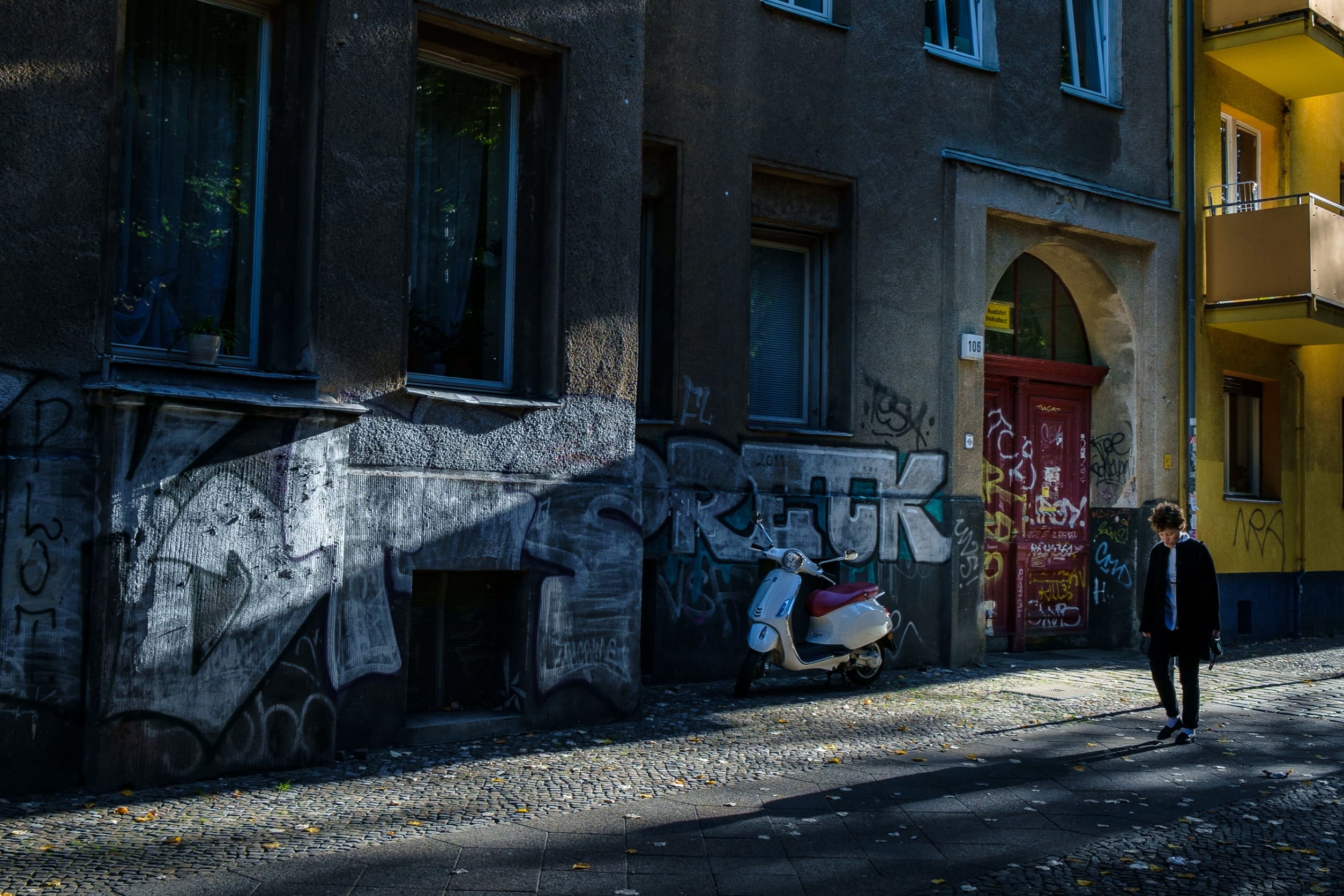
Living in a good neighborhood can significantly impact your quality of life, safety, and overall happiness. However, identifying whether a neighborhood is suitable can be challenging, especially if you’re new to the area. To help you make an informed decision, here are 12 red flags that may indicate a bad neighborhood.
1. High Crime Rates
One of the most obvious signs of a bad neighborhood is a high crime rate. Checking local crime statistics can provide a clear picture of the safety of the area. Frequent reports of burglaries, assaults, or vandalism should raise concerns. Utilizing apps and websites that track crime in real-time can also help you stay informed about the neighborhood’s safety trends.
2. Abandoned Buildings and Lots
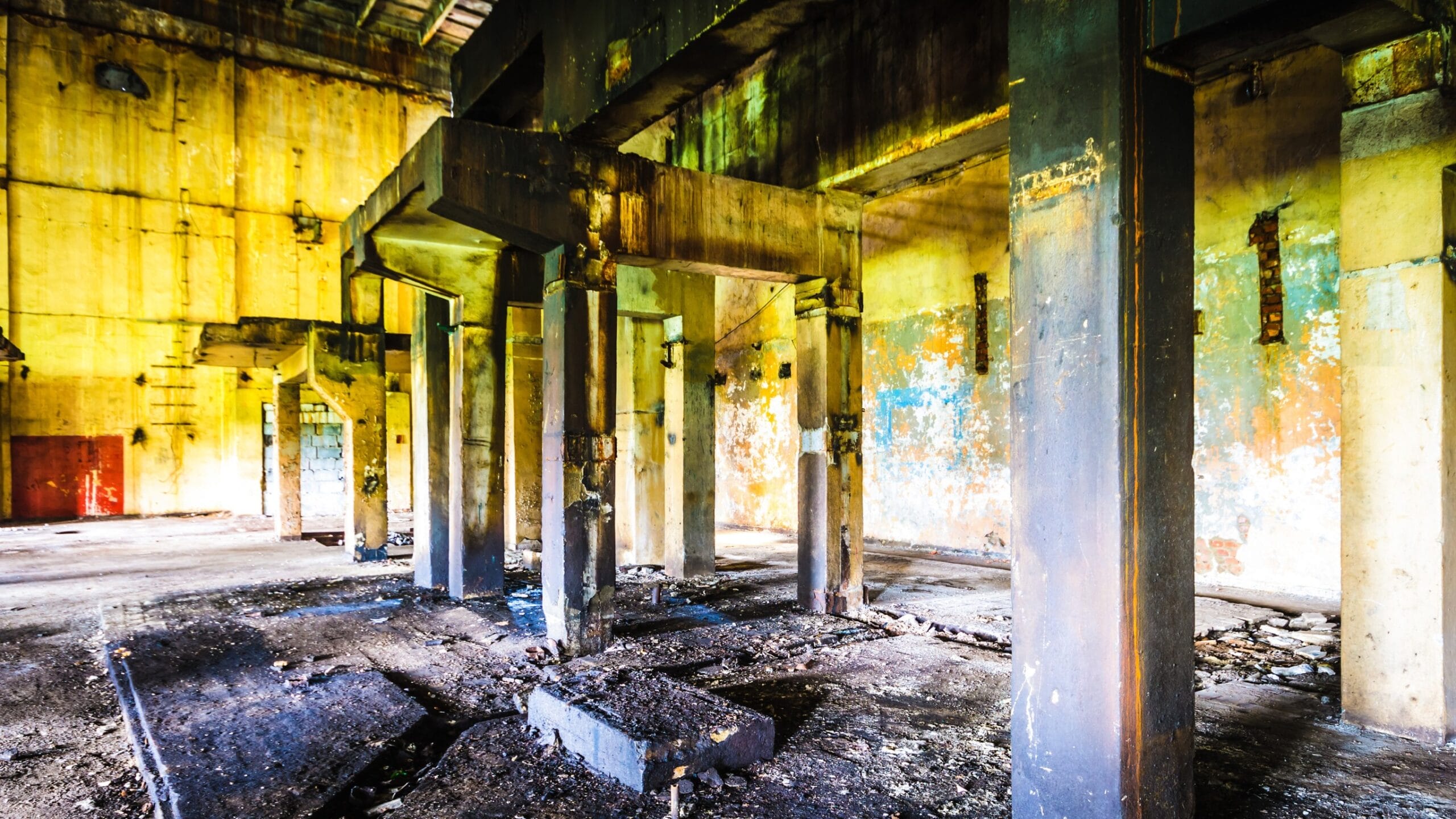
Abandoned buildings and empty lots can be a significant red flag. These areas often become hotspots for illegal activities and can attract undesirable elements. They also reflect poorly on the neighborhood’s economic health, suggesting a lack of investment and development. When exploring a potential new home, take note of any such properties and consider their impact on the community.
3. Poorly Maintained Properties
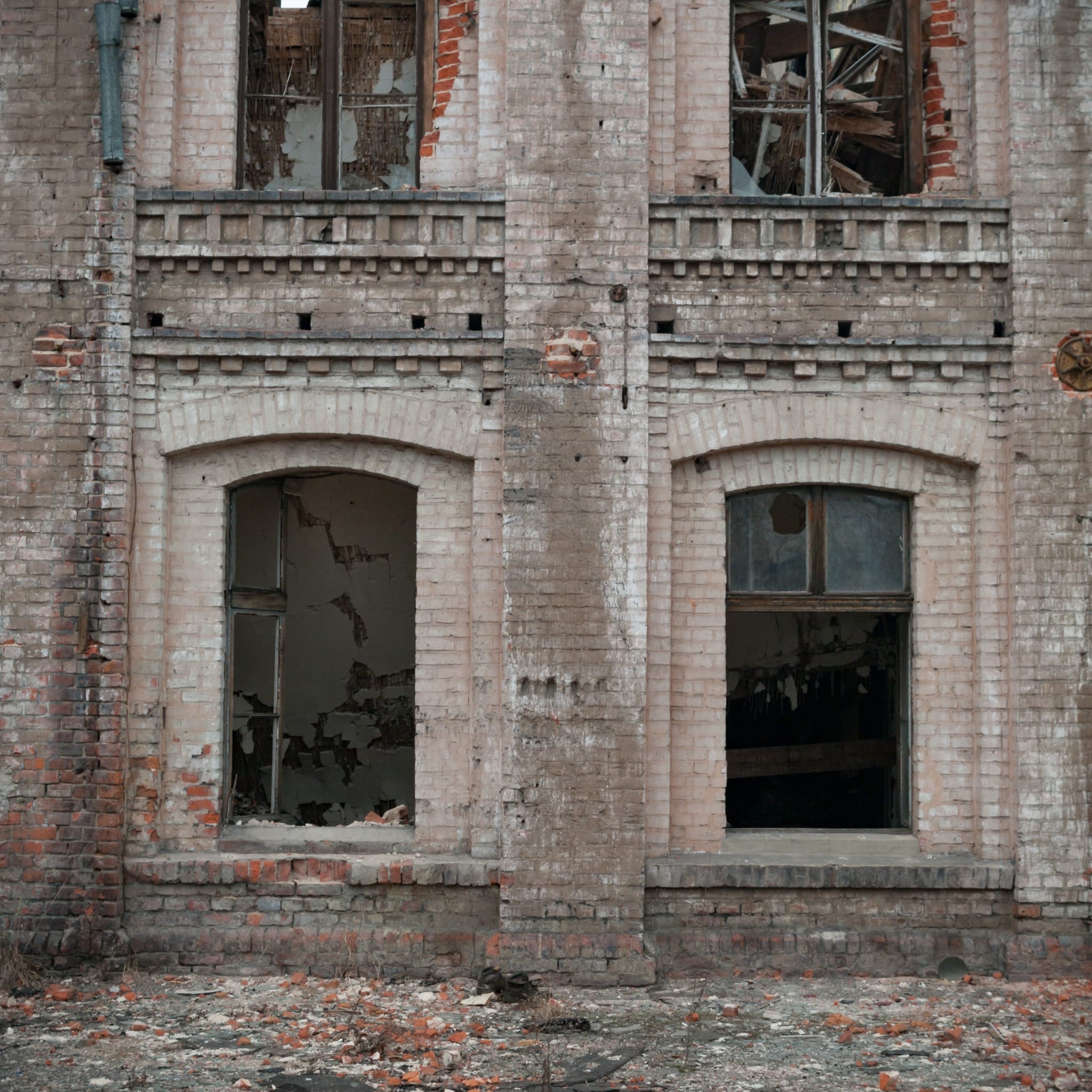
Well-maintained properties are a sign of a community that cares about its environment. Conversely, numerous homes in disrepair can indicate a lack of pride and investment in the area. Peeling paint, broken windows, and overgrown yards are not just eyesores but can also signal deeper issues. Consistent neglect might suggest that the residents or landlords are not invested in the neighborhood’s well-being.
4. Lack of Amenities
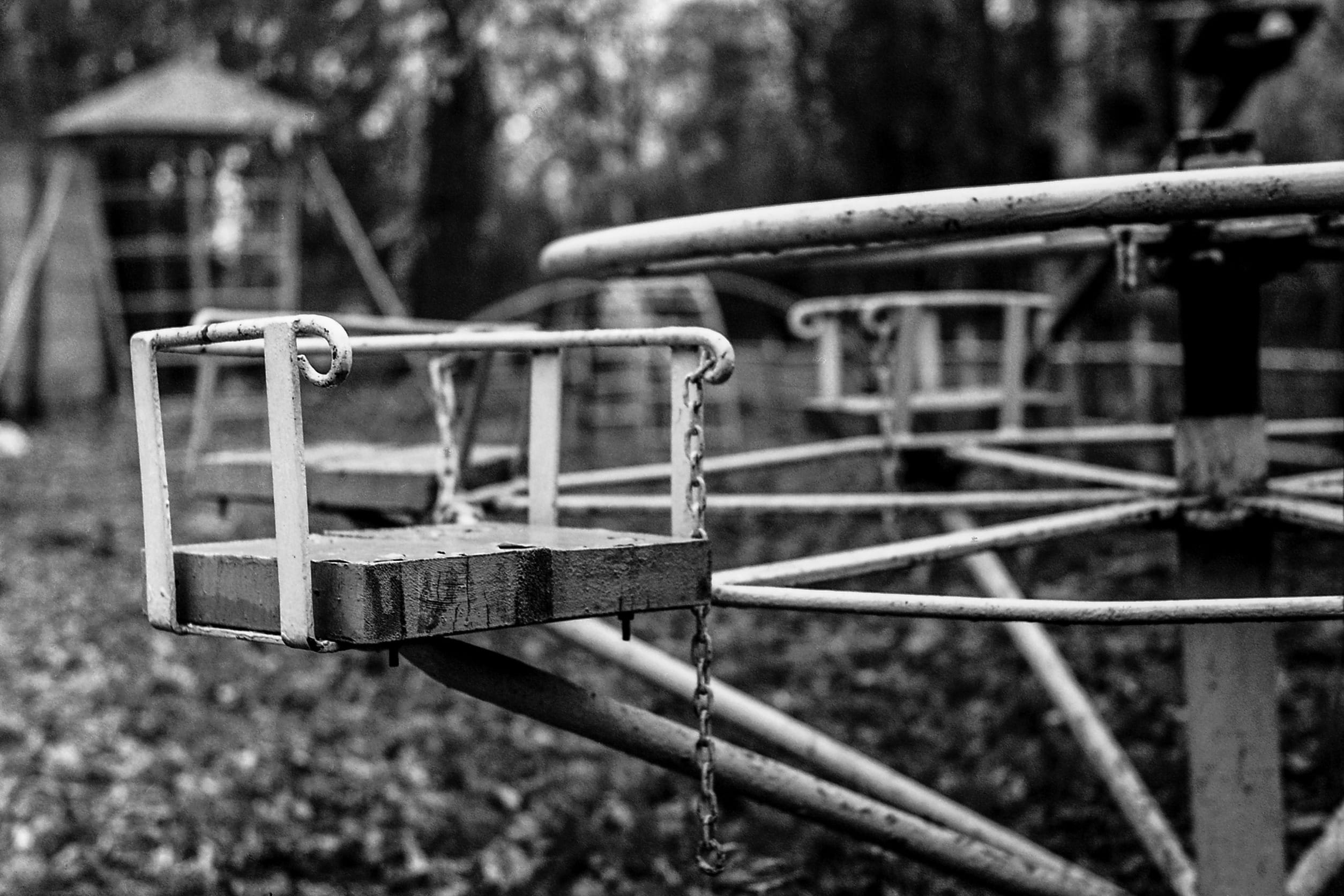
A thriving neighborhood typically offers a variety of amenities such as parks, libraries, community centers, and shops. The absence of these facilities can significantly impact your quality of life. If the nearest grocery store or pharmacy is miles away, it can be a major inconvenience. Additionally, a lack of recreational spaces can be particularly concerning for families with children.
5. Frequent Police Presence
While a visible police presence can be reassuring, an overabundance can suggest ongoing issues within the neighborhood. Constant police activity might indicate high crime rates or other persistent problems. It’s important to gauge whether the police presence feels protective or indicative of underlying troubles. Observing the nature of interactions between residents and law enforcement can provide further insights.
6. Low Property Values

Significantly lower property values compared to neighboring areas can be a warning sign. This could reflect high crime rates, poor school performance, or a general lack of community investment. It’s essential to research recent property sales and trends to understand the market. A consistently declining real estate market can indicate deep-rooted issues within the neighborhood.
7. Poor School Performance

Schools are often a reflection of the community. Poorly performing schools can signal broader social and economic challenges within the neighborhood. Low graduation rates and test scores may indicate a lack of resources and support for students. For families, the quality of local schools is a crucial factor to consider when choosing a neighborhood.
8. Limited Public Transportation
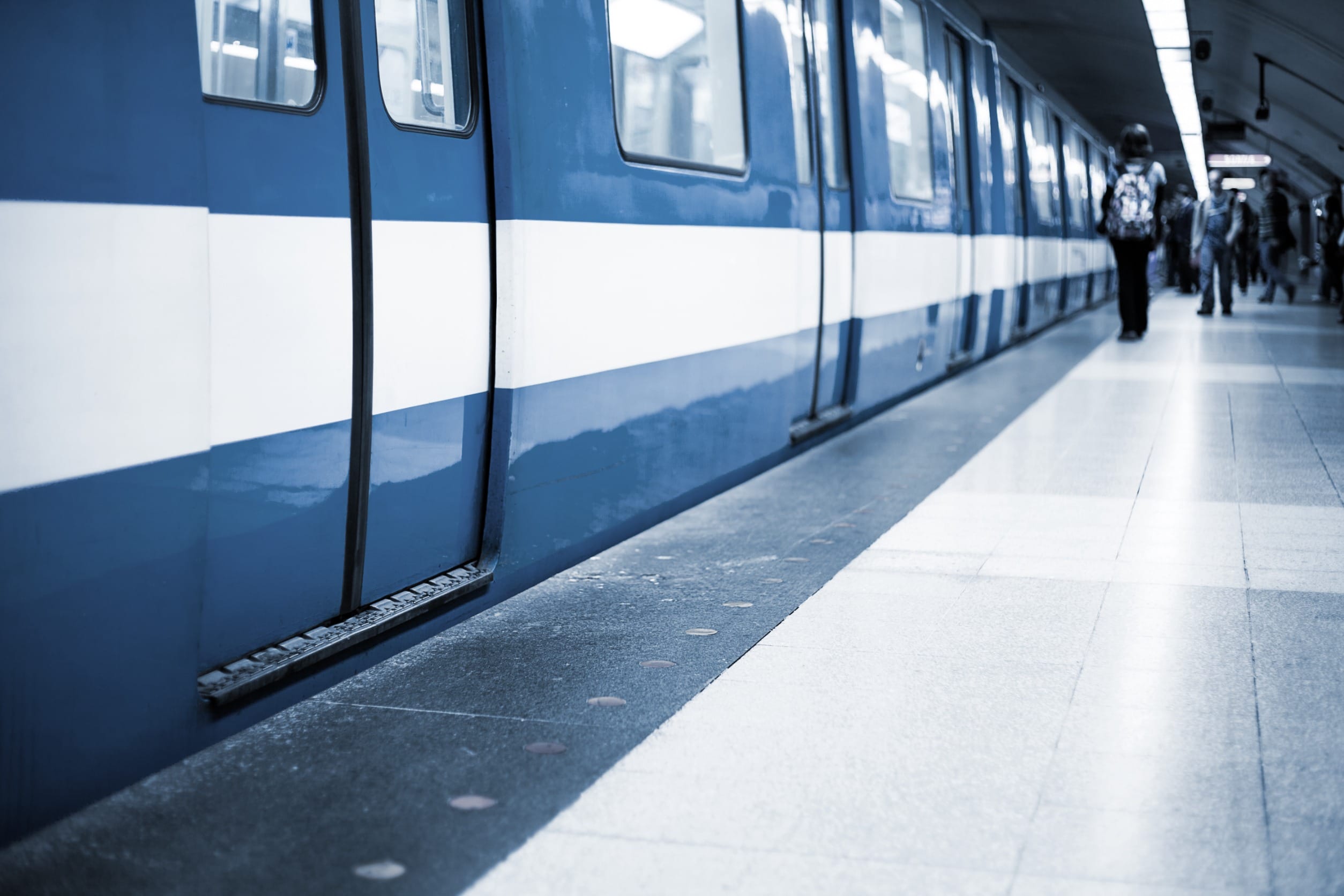
Effective public transportation can enhance the livability of a neighborhood. Limited access to buses, trains, or other forms of public transit can make commuting difficult and inconvenient. This can also reflect on the area’s development and infrastructure planning. A lack of reliable public transportation options can isolate residents and reduce overall mobility.
9. Excessive Noise Pollution

High levels of noise pollution can drastically affect your comfort and health. Frequent noise from traffic, industrial activities, or late-night disturbances can be unbearable. Before moving in, visit the neighborhood at different times of the day and week to assess the noise levels. Persistent noise issues can indicate a lack of community regulation and respect.
10. Graffiti and Vandalism
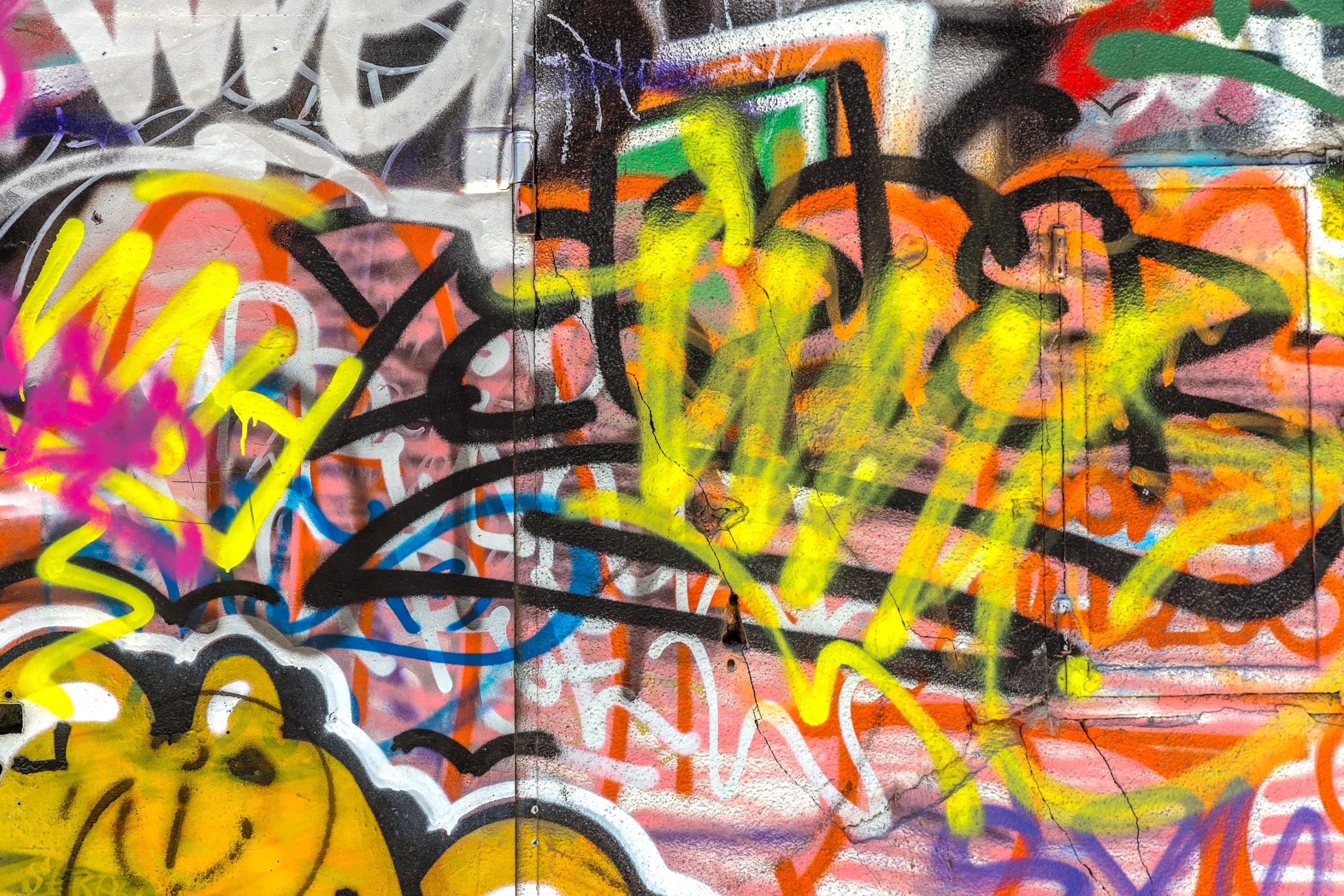
While some graffiti can be seen as artistic expression, widespread vandalism often indicates neglect and disorder. Consistent tagging and damage to public property can be a sign of gang activity or general lawlessness. It also suggests that community pride and efforts to maintain public spaces might be lacking. Observing the cleanliness and upkeep of communal areas can give you a good idea of the neighborhood’s overall condition.
11. Infrequent Trash Collection
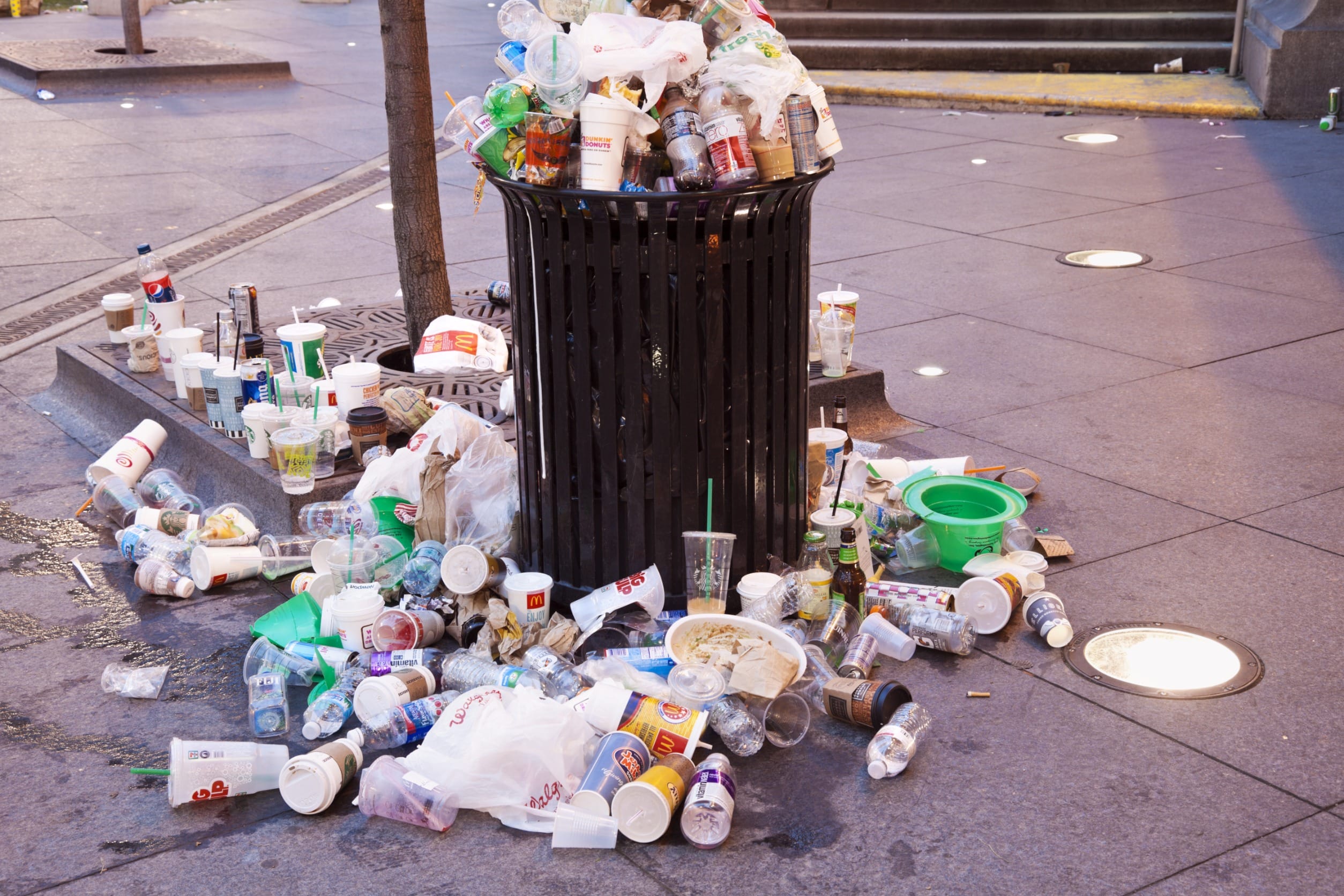
Overflowing trash bins and littered streets can be a major red flag. This issue can lead to health hazards, pest infestations, and a generally unpleasant living environment. Inconsistent or infrequent trash collection services reflect poorly on the local governance and community organization. Cleanliness and sanitation are fundamental to a neighborhood’s livability.
12. High Turnover Rates
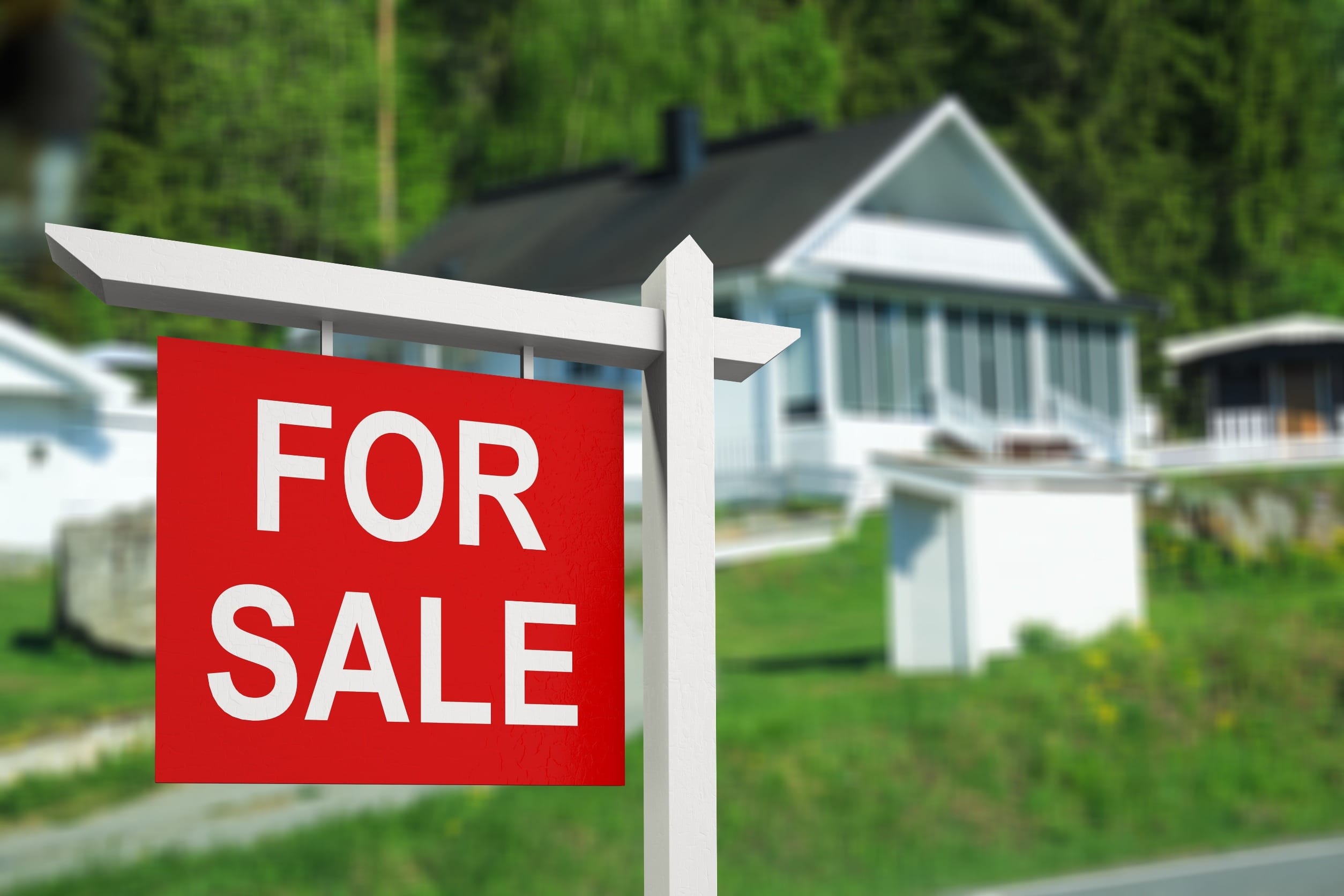
A high turnover rate among residents can indicate dissatisfaction with the neighborhood. Constant movement in and out of the area suggests that people are not settling down and investing in the community. This can lead to a lack of stability and continuity, making it difficult to establish a sense of community. Investigate how long current residents have lived in the area to get a sense of its stability.
Trust Your Instincts and Do Your Research
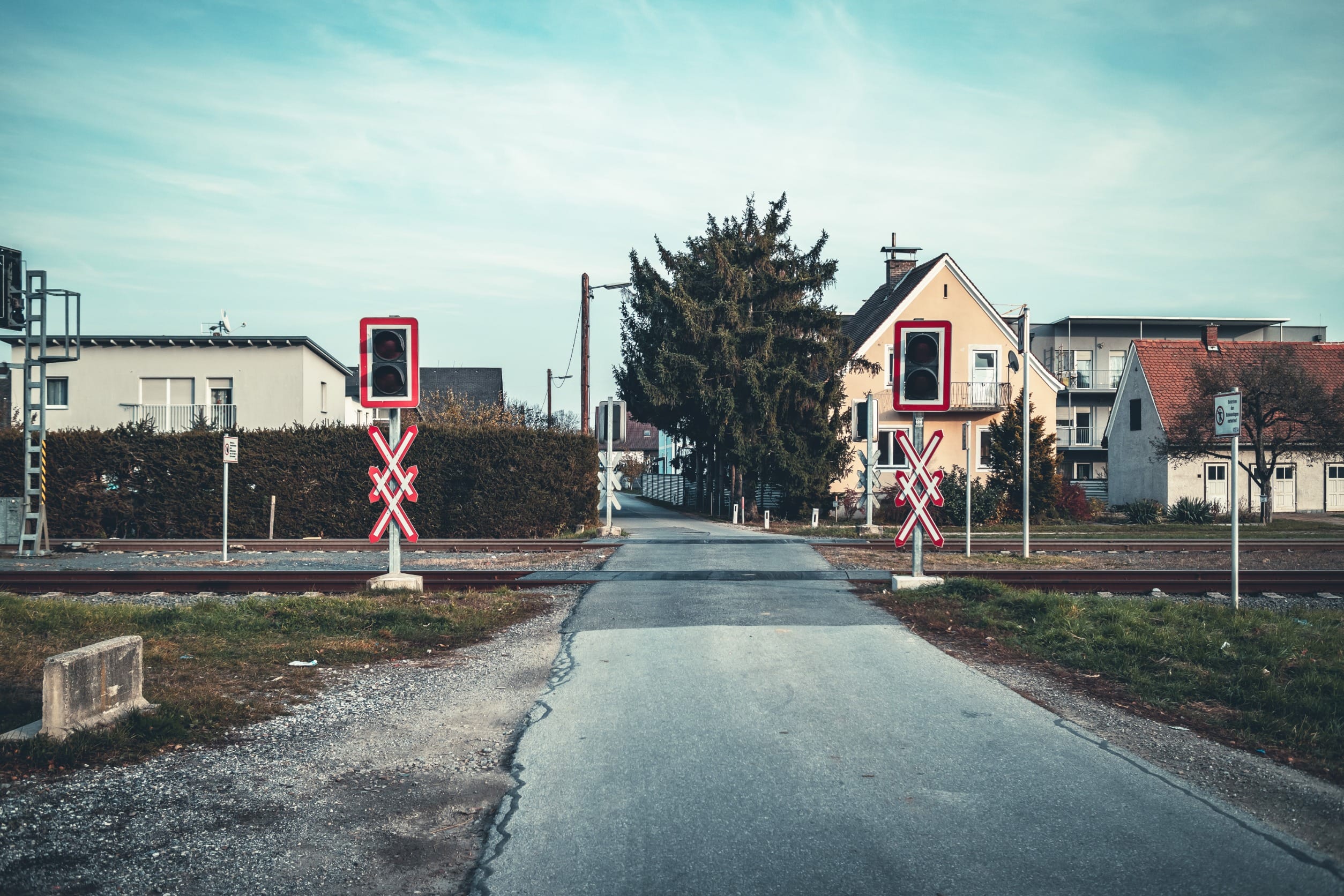
While these red flags are important to consider, it’s essential to trust your instincts and conduct thorough research. Visit the neighborhood multiple times, speak with current residents, and use online resources to gather as much information as possible. Remember, a neighborhood can greatly impact your lifestyle, so making an informed decision is crucial. By staying vigilant and aware of these warning signs, you can find a place that feels safe and welcoming for you and your family.
