• Home
  • About Us
  • Getting Finances Done
    • Hiring Advisors
    • Debt Management
    • Spending Plan
  • Insurance
    • Life Insurance
    • Health Insurance
    • Disability Insurance
    • Homeowners/Renters Insurance
  • Contact Us
  • Our Editorial Commitment

The Free Financial Advisor

You are here: Home / Archives for Medicare Part B

The 2026 Medicare Premium Shock: Why Your Part B Bill Just Jumped by 9.7%

February 27, 2026 by Brandon Marcus Leave a Comment

The 2026 Medicare Premium Shock: Why Your Part B Bill Just Jumped by 9.7%
Image Source: Pexels.com

A 9.7% jump in a bill that already strains fixed incomes does not qualify as a small adjustment. It qualifies as a wake-up call for millions who need Medicare for their daily lives.

The 2026 increase in Medicare Part B premiums forces millions of Americans to take a harder look at their healthcare budgets, their Social Security checks, and the uncomfortable math of retirement. This change does not sit quietly in the background. It lands right in the middle of monthly cash flow, and it demands attention.

What Exactly Is Changing in 2026?

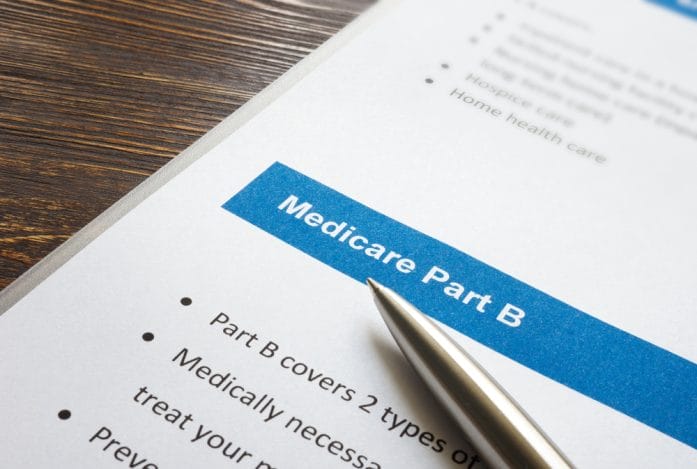
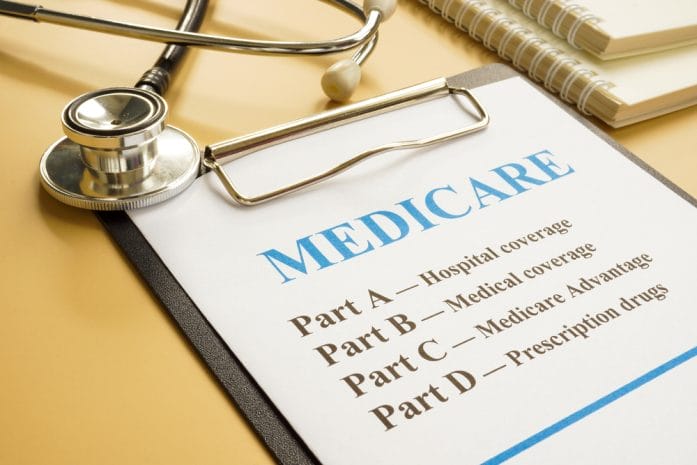
Medicare Part B covers doctor visits, outpatient care, preventive services, durable medical equipment, and many of the routine healthcare needs that keep older Americans stable and independent. Unlike Part A, which most people receive without a premium because they paid Medicare taxes during their working years, Part B requires a monthly premium. In 2026, that standard premium will rise by 9.7%, marking one of the more noticeable increases in recent years.

The Centers for Medicare & Medicaid Services sets these premiums each year based on projected healthcare spending and other financial factors within the Medicare program. When healthcare costs climb, Part B premiums usually follow. Medicare law requires beneficiaries to cover roughly 25% of Part B costs through premiums, with the federal government covering the rest. When spending projections rise, that 25% share rises too.

Higher-income beneficiaries will continue to pay more through Income-Related Monthly Adjustment Amounts, commonly called IRMAA. Those surcharges sit on top of the standard premium and can push monthly costs significantly higher for retirees with larger incomes. That structure has not changed, but the higher base premium means IRMAA brackets now start from a bigger number.

The Real Reasons Behind the 9.7% Increase

Healthcare inflation drives much of this story. Hospitals, physician groups, outpatient centers, and pharmaceutical companies all face higher labor costs, supply expenses, and administrative demands. Those higher costs ripple outward into Medicare’s projections. When Medicare anticipates higher spending for outpatient services, it adjusts Part B premiums accordingly.

New and expensive treatments also play a role. Advanced biologic drugs, specialty medications, and cutting-edge outpatient therapies come with high price tags. Medicare Part B covers certain physician-administered drugs, and when those costs rise, the program’s overall spending rises as well. Lawmakers and policymakers continue to debate drug pricing reform, but until structural changes lower those costs, beneficiaries feel the impact.

Policy decisions can also influence premiums. When lawmakers expand coverage, adjust payment formulas, or add benefits, Medicare must fund those changes. Even when those updates improve care or access, they can raise short-term costs. The 2026 increase reflects a mix of healthcare inflation, projected service use, and ongoing shifts in how providers deliver care.

The 2026 Medicare Premium Shock: Why Your Part B Bill Just Jumped by 9.7%
Image Source: Pexels.com

How This Hits Social Security Checks

Most people enrolled in Medicare Part B have their premiums deducted directly from their Social Security payments. That arrangement simplifies billing, but it also makes every increase feel immediate. When Part B premiums climb by 9.7%, that deduction grows before the remaining benefit reaches a bank account.

The Social Security Administration coordinates with Medicare to manage those deductions. If a cost-of-living adjustment for Social Security benefits does not outpace the premium increase, retirees can feel as though they stand still or even slide backward. Even when Social Security announces a COLA, healthcare costs often eat up a large share of that raise.

The “hold harmless” provision protects many beneficiaries from seeing their Social Security checks shrink from one year to the next due to Part B premium increases. However, that rule does not protect everyone. Higher-income beneficiaries subject to IRMAA, new enrollees, and those who do not receive Social Security benefits can still feel the full impact of the increase without that buffer.

What You Can Do Right Now to Protect Your Budget

No one can wave away a 9.7% increase, but proactive planning can soften the blow. Start with a detailed review of monthly expenses. Identify fixed costs, variable spending, and areas where adjustments can create breathing room. Healthcare premiums often rise gradually over time, so building flexibility into a budget now can prevent future stress.

Consider working with a fee-only financial planner who understands retirement income strategies. A thoughtful withdrawal plan from retirement accounts can help manage taxable income and potentially reduce exposure in future years. Tax-efficient strategies such as spreading out large distributions or coordinating Roth conversions over multiple years can keep income below surcharge thresholds.

Explore programs that offer assistance. Individuals with limited income and assets may qualify for Medicare Savings Programs or Extra Help for prescription drug costs. State Health Insurance Assistance Programs provide free counseling to help beneficiaries understand options and make informed decisions.

Medicare’s Long-Term Pressure

The 2026 increase does not stand alone. Medicare faces long-term financial pressure as the population ages and healthcare costs continue to rise. More than 65 million people rely on Medicare today, and that number will grow as more baby boomers reach eligibility.

Policymakers continue to debate reforms that address drug pricing, payment models, and program financing. Some proposals aim to cap out-of-pocket costs or expand benefits, while others focus on sustainability and cost control. Each policy choice carries trade-offs, and premium levels often reflect those broader decisions.

For retirees, the lesson remains clear: healthcare costs will likely keep rising over time. Planning for those increases must become a core part of retirement strategy rather than an afterthought. Ignoring the trend invites unnecessary stress later.

A 9.7% Reminder That Planning Matters More Than Ever

A nearly 10% increase in Medicare Part B premiums sends a clear message about the cost of healthcare in retirement. This change may feel frustrating, but it also offers an opportunity to reassess budgets, tax strategies, and long-term plans. Careful review of income levels, plan options, and spending habits can turn a surprise increase into a manageable adjustment.

Healthcare will always command a significant share of retirement dollars. Those who stay informed, revisit their choices each year, and adjust strategies as needed will navigate these shifts with more confidence and less disruption.

How will this 9.7% jump influence the way retirement planning unfolds in the years ahead? How is it changing your life? Let’s talk about it in our comments.

You May Also Like…

Social Security 2026 COLA: Why Your 2.8% Raise Disappeared After Medicare Deductions

The Medicare Part B Increase That’s Reducing Social Security Checks By About $185/Month in 2026

The Sunshine State Squeeze: Why Florida Retirees are Seeing Smaller Social Security Checks This Week

The COLA Theft: Why Half of Your Social Security Raise Just Vanished into Medicare This Morning

Medicare Now Covers Mental Health Sessions Without Cost-Sharing—Are You Using It Yet?

Brandon Marcus
Brandon Marcus

Brandon Marcus is a writer who has been sharing the written word since a very young age. His interests include sports, history, pop culture, and so much more. When he isn’t writing, he spends his time jogging, drinking coffee, or attempting to read a long book he may never complete.

Filed Under: Lifestyle Tagged With: 2026 Medicare premiums, budgeting, government policy, health insurance, healthcare costs, Inflation, IRMAA, Medicare, Medicare Part B, retirement planning, senior finances, Social Security

Social Security 2026 COLA: Why Your 2.8% Raise Disappeared After Medicare Deductions

February 9, 2026 by Brandon Marcus Leave a Comment

Social Security 2026 COLA: Why Your 2.8% Raise Disappeared After Medicare Deductions
Image source: shutterstock.com

Every fall, millions of retirees wait for the Social Security Administration to announce the next year’s cost‑of‑living adjustment, hoping the increase will help them keep pace with rising prices. For 2026, the COLA came in at 2.8 percent — a modest but meaningful bump meant to reflect cooling inflation and a stabilizing economy.

On paper, it should have offered a little breathing room. But for many retirees, that raise seemed to evaporate before it ever reached their bank account. The reason wasn’t a miscalculation or a glitch. It was Medicare. More specifically, the annual increase in Medicare Part B premiums, which quietly siphons away a portion of every Social Security check.

The Raise That Looked Bigger Than It Felt

A 2.8 percent COLA may not sound dramatic, but it’s still a meaningful adjustment for retirees who rely heavily on Social Security. The COLA is designed to help benefits keep pace with inflation, using the Consumer Price Index for Urban Wage Earners and Clerical Workers as its benchmark.

In 2026, inflation had cooled compared to the spikes earlier in the decade, which is why the COLA landed in the high‑2 percent range. For many retirees, that number initially felt encouraging — a sign that their benefits would stretch a little further. But the reality is that Social Security benefits don’t operate independently. They’re directly tied to Medicare premiums, and when those premiums rise faster than the COLA, retirees feel the impact immediately. That’s exactly what happened this year, turning what looked like a helpful raise into a disappointing surprise.

Medicare Part B: The Quiet Culprit Behind Shrinking Checks

Medicare Part B premiums are automatically deducted from Social Security payments for most beneficiaries, which means any increase in those premiums reduces the net amount retirees receive. In 2026, Part B premiums rose again, continuing a long‑running trend driven by higher healthcare costs, increased utilization, and the expansion of medical services covered by Medicare.

Even a moderate premium increase can offset a significant portion of a COLA, especially for retirees with smaller monthly benefits. For some, the entire 2.8 percent raise was absorbed before it ever reached their pocket. This dynamic often catches people off guard because the COLA announcement tends to dominate headlines, while Medicare premium changes receive far less attention. Yet the two are inseparable, and understanding their relationship is key to understanding why your raise didn’t feel like a raise at all.

Social Security 2026 COLA: Why Your 2.8% Raise Disappeared After Medicare Deductions
Image source: shutterstock.com

The Hold Harmless Rule: Helpful, But Not Always Comforting

One of the most misunderstood aspects of Social Security and Medicare is the “hold harmless” provision. This rule protects most beneficiaries from seeing their net Social Security payment decrease due to rising Medicare Part B premiums. In other words, your check won’t go down — but it also might not go up.

When the COLA is modest and Medicare premiums rise, the hold harmless rule ensures that the premium increase is capped at the amount of the COLA. That sounds reassuring, and in many ways it is, but it also means that your entire COLA can be consumed by Medicare. In years with modest COLAs, like 2026, this rule becomes especially relevant. Many retirees technically received a raise, but because the raise was used to cover higher premiums, their take‑home amount stayed exactly the same.

Why Healthcare Costs Keep Outpacing Social Security Increases

The tension between Social Security increases and Medicare premiums isn’t new, and it isn’t going away. Healthcare costs have been rising faster than general inflation for decades, driven by factors such as medical technology, prescription drug prices, and the growing demand for services as the population ages.

Even when overall inflation cools, healthcare inflation often remains stubbornly high. This creates a mismatch between the COLA and Medicare premiums, which reflect the specific costs of healthcare. Retirees will continue to face the same challenge year after year: COLAs that look helpful on paper but feel underwhelming in practice. The 2026 COLA is simply the latest example of this long‑running trend.

What Retirees Can Do to Protect Their Income

While retirees can’t control the COLA or Medicare premiums, they can take steps to better manage the impact. One option is to review Medicare Advantage and Part D plans annually during open enrollment. Switching plans can sometimes reduce out‑of‑pocket costs.

Another strategy is to explore programs that help lower‑income beneficiaries pay for Medicare premiums. Retirees can also benefit from budgeting with the assumption that COLAs will be modest and that healthcare costs will continue rising.

For those still approaching retirement, delaying Social Security can increase monthly benefits and provide a larger buffer against future premium increases. None of these strategies eliminate the challenge entirely. But they can help retirees maintain more control over their financial picture.

Your Vanishing Raise

The 2026 COLA wasn’t a disappointment because it was too small — it was a disappointment because Medicare premiums rose faster. This pattern has played out many times before. It will likely continue as long as healthcare costs outpace general inflation. Social Security is designed to keep pace with inflation, but Medicare is tied to a different set of economic forces, and the two don’t always move in harmony. When they collide, retirees feel the impact immediately. The key is staying informed, planning ahead, and recognizing that the COLA is only one piece of a much larger financial puzzle.

What impact did the 2026 COLA have on your Social Security check after Medicare deductions? Share your stories, tips, and insights in our comments section.

You May Also Like…

The COLA Theft: Why Half of Your Social Security Raise Just Vanished into Medicare This Morning

Could Your 2025 COLA Push You Into a Higher Tax Bracket—Without a Pay Raise?

The Medicare Part B Increase That’s Reducing Social Security Checks By About $185/Month in 2026

Are You Overpaying Medicare? How One Small Withdrawal Can Trigger a Two-Year Surcharge

The Sunshine State Squeeze: Why Florida Retirees are Seeing Smaller Social Security Checks This Week

Brandon Marcus
Brandon Marcus

Brandon Marcus is a writer who has been sharing the written word since a very young age. His interests include sports, history, pop culture, and so much more. When he isn’t writing, he spends his time jogging, drinking coffee, or attempting to read a long book he may never complete.

Filed Under: Lifestyle Tagged With: COLA 2026, cost-of-living adjustment, fixed income, Inflation, Medicare Part B, Medicare premiums, Personal Finance, retirees, retirement income, senior finances, Social Security

The Medicare Part B Increase That’s Reducing Social Security Checks By About $185/Month in 2026

February 1, 2026 by Brandon Marcus Leave a Comment

The Medicare Part B Increase That's Reducing Social Security Checks by $185/Month in 2026
Image source: shutterstock.com

If you’re retired, planning to retire, or even just watching your future finances with one wary eye, here’s a headline that deserves your attention. A potential Medicare Part B premium increase in 2026 could translate into Social Security checks shrinking by as much as $185 per month for some Americans, and that kind of hit isn’t just a budgeting inconvenience, it’s a lifestyle shift.

This isn’t about fearmongering or flashy numbers; it’s about understanding how Medicare and Social Security are financially intertwined in ways most people never learn until it hurts.

How Medicare Part B Quietly Eats Into Your Social Security

Medicare Part B premiums are automatically deducted from Social Security checks for most beneficiaries, which means you don’t “feel” the bill, you just feel the smaller deposit. That setup makes increases feel sneaky, because there’s no invoice, no warning email, and no dramatic moment when you swipe a card. When premiums rise, your Social Security income effectively falls, even if your benefit technically stayed the same.

Eventually, that creates a psychological disconnect where people think Social Security is shrinking, when in reality Medicare is just taking a bigger bite. This is especially painful for retirees on fixed incomes who already budget down to the dollar. The system is convenient, but convenience comes at the cost of transparency, and that’s where a lot of the frustration begins.

Why Some People Could See a $185 Monthly Hit in 2026

The $185 figure is approximate and varies, and it’s important to note that it doesn’t come from a universal premium hike for everyone but from how Medicare Part B interacts with income-based surcharges known as IRMAA (Income-Related Monthly Adjustment Amount).

Higher-income retirees already pay more for Part B, and if premiums rise while IRMAA brackets also adjust, the combined increase can be massive. That’s how some beneficiaries could realistically see their Social Security checks reduced by around $185 per month. It’s not because of one single change, but because of stacked increases.

For people near income thresholds, even small financial shifts can push them into higher premium tiers. Add rising healthcare costs and inflation pressures, and the math starts working against you fast.

The “Hold Harmless” Rule—and Why It Won’t Save Everyone

There’s a rule called the “hold harmless” provision that protects many beneficiaries from seeing their Social Security checks drop due to Medicare premium increases.

Sounds comforting, right? The problem is that not everyone qualifies for this protection, especially higher-income retirees and people subject to IRMAA surcharges. For example, new enrollees, people who don’t have premiums deducted from Social Security, and higher earners often fall outside this safety net. That creates a two-tier reality where some people are shielded while others absorb the full financial impact.

What This Means for Retirement Planning Right Now

The financial decisions you make now shape how vulnerable you’ll be when these increases land. Income planning suddenly matters more than just investment returns, because your reported income can directly change your healthcare costs. Smart retirees are starting to think in terms of income thresholds, tax strategies, and timing withdrawals to avoid jumping into higher Medicare brackets. It’s a lot to keep in mind, but it all adds up.

Remember, this isn’t about gaming the system. Instead, it’s about understanding it well enough to avoid accidental penalties. Talking to a financial advisor who understands Medicare is becoming just as important as having one who understands investing.

The Medicare Part B Increase That's Reducing Social Security Checks by $185/Month in 2026
Image source: shutterstock.com

The Real Story Behind That $185 Number

The most important thing to understand is that not everyone will see a steep reduction, but some absolutely could, and that distinction matters. This isn’t a universal policy change or a flat-rate increase hitting every retiree equally. It’s the result of how Medicare pricing, income-based adjustments, and Social Security deductions overlap.

For higher-income retirees or those near IRMAA thresholds, the financial impact can feel sudden and brutal. For others, the change might be modest or barely noticeable. The real issue isn’t the exact number. It’s how unpredictable and opaque the system feels to the people living inside it.

The Wake-Up Call No One Wants, But Everyone Needs

This potential Medicare Part B increase is about how fragile fixed-income security can really be. A system designed to provide stability can still deliver financial shocks if you’re not prepared for how its many complex parts connect.

Social Security and Medicare don’t operate in isolation. They’re financially intertwined in ways that directly affect real lives and real budgets.

Are you already factoring Medicare premium increases into your retirement planning, or would a surprise $185 hit completely derail your monthly budget?

You May Also Like…

The Sunshine State Squeeze: Why Florida Retirees are Seeing Smaller Social Security Checks This Week

The COLA Theft: Why Half of Your Social Security Raise Just Vanished into Medicare This Morning

11 Roth Conversion “Cliffs” in 2025 That Accidentally Hike Your Medicare IRMAA

Medicare Now Covers Mental Health Sessions Without Cost-Sharing—Are You Using It Yet?

Why Some Seniors Are Being Dropped From Their Medicare Plans Silently

Brandon Marcus
Brandon Marcus

Brandon Marcus is a writer who has been sharing the written word since a very young age. His interests include sports, history, pop culture, and so much more. When he isn’t writing, he spends his time jogging, drinking coffee, or attempting to read a long book he may never complete.


Filed Under: social security Tagged With: financial planning for retirees, government policy, healthcare costs, IRMAA, Medicare Part B, Medicare premiums, retirement income, retirement planning, senior finances, Social Security, Social Security benefits

  • « Previous Page
  • 1
  • 2

Follow Us

Search this site:

Recent Posts

  • Can My Savings Account Affect My Financial Aid? by Tamila McDonald
  • 12 Ways Gen X’s Views Clash with Millennials… by Tamila McDonald
  • What Advantages and Disadvantages Are There To… by Jacob Sensiba
  • 10 Tactics for Building an Emergency Fund from Scratch by Vanessa Bermudez
  • Call 911: Go To the Emergency Room Immediately If… by Stephen Kanaval
  • 7 Weird Things You Can Sell Online by Tamila McDonald
  • 10 Scary Facts About DriveTime by Tamila McDonald

Copyright © 2026 · News Pro Theme on Genesis Framework