• Home
  • About Us
  • Toolkit
  • Getting Finances Done
    • Hiring Advisors
    • Debt Management
    • Spending Plan
  • Insurance
    • Life Insurance
    • Health Insurance
    • Disability Insurance
    • Homeowners/Renters Insurance
  • Contact Us
  • Privacy Policy
  • Risk Tolerance Quiz

The Free Financial Advisor

You are here: Home / Archives for affordability

Are Mortgage Rates Really Going To Stay Under 7%? Here’s What You Should Know

August 22, 2025 by Catherine Reed Leave a Comment

Are Mortgage Rates Really Going To Stay Under 7%? Here's What You Should Know

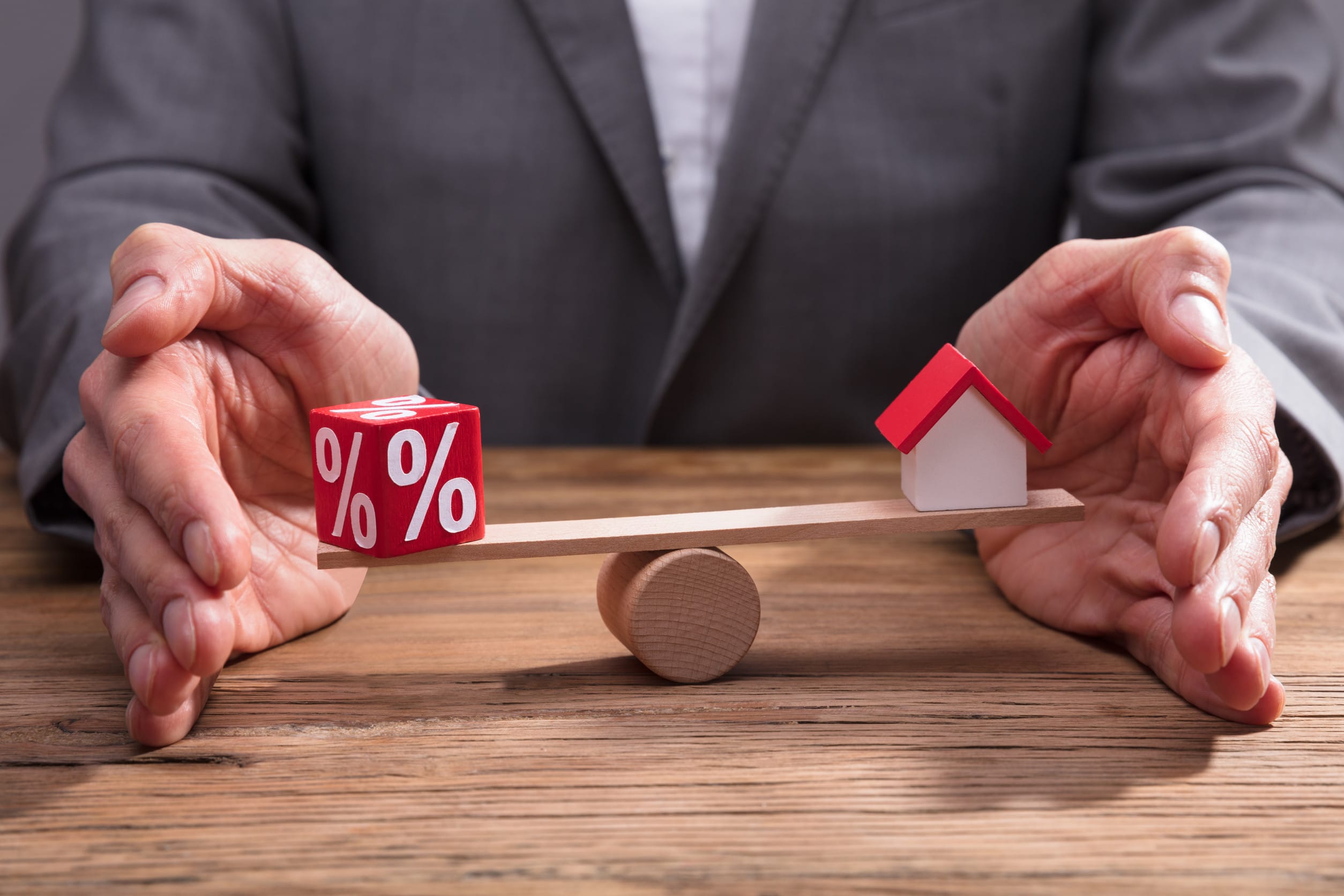
Image source: 123rf.com

For anyone considering buying a home, mortgage rates are one of the biggest factors shaping affordability. After years of fluctuations, potential buyers are now asking whether mortgage rates will actually stay under 7% for the foreseeable future. This question matters because even a small change in rates can dramatically impact monthly payments and long-term costs. While rates under 7% may sound like relief compared to recent spikes, there are still many uncertainties to keep in mind. Let’s break down what homeowners and buyers need to know about this evolving situation.

1. The Federal Reserve’s Influence on Mortgage Rates

Mortgage rates don’t move on their own—they’re heavily influenced by Federal Reserve policy decisions. When the Fed raises or lowers interest rates, it impacts borrowing costs across the board, including mortgages. If inflation remains steady, the Fed may slow down rate hikes, keeping mortgage rates closer to or below 7%. On the flip side, if inflation heats up again, borrowing costs could climb quickly. Understanding this connection helps buyers anticipate where mortgage rates might head next.

2. Economic Growth Plays a Big Role

The overall health of the economy is another major factor in determining mortgage rates. When growth is strong, demand for credit rises, often pushing rates higher. If the economy cools, rates typically stabilize or drop to encourage borrowing. Right now, many analysts believe slower growth could keep mortgage rates from climbing past 7%. Buyers should keep an eye on economic indicators like job growth, consumer spending, and inflation reports for clues.

3. Housing Market Demand and Supply Matter

Mortgage rates also respond to conditions in the housing market itself. When demand for homes is high, lenders may keep rates elevated to manage risk and profitability. If demand cools, rates often stabilize to attract more buyers. In today’s environment, tight housing supply is keeping home prices high even as rates remain near 7%. This combination makes affordability a challenge, even if rates don’t climb higher.

4. Why “Under 7%” Isn’t Always a Bargain

At first glance, mortgage rates staying under 7% might seem like good news. But historically, that number is still high compared to the low rates seen during the past decade. For many buyers, the difference between 6.5% and 7% is hundreds of dollars per month. That’s why focusing solely on whether rates are below 7% can be misleading. Buyers need to look at the full picture, including home prices and personal budgets, to understand affordability.

5. How Credit Scores Affect What You Pay

Even if national averages for mortgage rates stay under 7%, individual borrowers may pay more. Lenders set rates based on credit scores, debt-to-income ratios, and down payments. A buyer with excellent credit may lock in a rate well below 7%, while someone with weaker credit could still face higher rates. This means improving your credit score can be just as important as timing the market. Taking control of personal finances gives buyers more flexibility in a changing environment.

6. The Impact of Global Events on Mortgage Rates

Global financial conditions also ripple into U.S. mortgage markets. Events like international conflicts, trade shifts, or global recessions can push rates up or down unexpectedly. Investors often react by moving money into or out of bonds, which directly affects mortgage rates. If global uncertainty increases, it could actually help keep rates under 7% for a longer period. This interconnectedness makes predicting future rates more complex than just watching domestic trends.

7. Strategies for Buyers in Today’s Market

Since no one can perfectly predict mortgage rates, buyers should focus on preparation and flexibility. Locking in a rate when it’s favorable can provide peace of mind, especially in uncertain times. Others may consider adjustable-rate mortgages if they expect rates to fall further in the future. Comparing lenders and loan options is more important than ever to avoid overpaying. With the right strategy, buyers can make smart decisions even if mortgage rates hover near 7%.

Navigating the Uncertainty with Confidence

Mortgage rates will always fluctuate, but understanding the factors behind those changes helps buyers feel more in control. While staying under 7% is possible, it doesn’t guarantee affordability or stability in the housing market. By focusing on personal financial readiness and paying attention to economic signals, families can make better choices. The key is being prepared for both opportunities and challenges that come with today’s market. With knowledge and planning, the uncertainty surrounding rates becomes easier to manage.

Do you think mortgage rates will stay under 7%, or are you preparing for higher costs ahead? Share your thoughts in the comments below.

Read More:

6 Professionals You Can Call If You Need Mortgage Advice

How Much Home Can You Really Afford? Hint: Don’t Believe The Mortgage Company

Catherine Reed
Catherine Reed

Catherine is a tech-savvy writer who has focused on the personal finance space for more than eight years. She has a Bachelor’s in Information Technology and enjoys showcasing how tech can simplify everyday personal finance tasks like budgeting, spending tracking, and planning for the future. Additionally, she’s explored the ins and outs of the world of side hustles and loves to share what she’s learned along the way. When she’s not working, you can find her relaxing at home in the Pacific Northwest with her two cats or enjoying a cup of coffee at her neighborhood cafe.

Filed Under: Finance Tagged With: affordability, home buying, Housing Market, interest rates, mortgage rates, Planning, Real estate

Why New Home Construction Could Plummet by 40% This Year

July 15, 2025 by Travis Campbell Leave a Comment

home construction

Image Source: pexels.com

Building a new home is a big dream for many people. But this year, that dream might get harder to reach. New home construction could drop by as much as 40%. This isn’t just a number. It affects families, builders, and anyone hoping to buy a house soon. If you’re thinking about building or buying, you need to know what’s happening. Here’s why this matters and what you can do about it.

1. High Interest Rates Are Freezing Buyers

Interest rates are up, and that’s making mortgages expensive. When rates go up, monthly payments go up too. Many buyers can’t afford the extra cost. Some people who planned to build are now waiting. Others are priced out completely. Builders see fewer buyers, so they slow down or stop new projects. This is a big reason why new home construction could plummet by 40% this year. If you’re thinking about building, check current rates and see how they affect your budget.

2. Construction Costs Keep Rising

Building a house costs more than it did a few years ago. Lumber, concrete, and other materials are expensive. Labor costs are up, too. Builders have to charge more to cover these costs. Some buyers can’t pay the higher prices, so they back out. Others decide to wait for prices to drop. This cycle means fewer new homes get built. If you’re planning a build, get quotes from several builders. Ask about ways to save on materials or design. Even small changes can help lower your costs.

3. Supply Chain Problems Aren’t Over

You might think supply chain issues are old news, but they’re still here. Builders can’t always get what they need when they need it. Delays in getting windows, appliances, or even nails can stop a project for weeks. Some builders are tired of waiting and are taking on fewer jobs. Others are raising prices to cover the risk of delays. If you’re building, ask your builder about supply chain risks. Find out what’s in stock and what might be delayed. Planning ahead can help you avoid surprises.

4. Fewer Workers in the Industry

There aren’t enough skilled workers to build all the homes people want. Many workers left construction during the last recession and never came back. Others are retiring. New workers aren’t joining fast enough. This shortage means projects take longer and cost more. Some builders can’t find enough workers, so they build fewer homes. If you’re hiring a builder, ask about their crew. Make sure they have enough people to finish your project on time.

5. Homeowners Are Staying Put

People who already own homes with low mortgage rates don’t want to move. Selling and buying a new home would mean paying a much higher rate. So, they stay where they are. This means fewer existing homes for sale, and less demand for new homes. Builders see this and slow down construction. If you’re hoping to buy, look at both new and existing homes. You might find a better deal by being flexible.

6. Tougher Lending Standards

Banks are being careful about who they lend to. They want to avoid risky loans. This means it’s harder to get a mortgage, especially for new construction. Some buyers can’t get approved, even if they have good credit. Builders also have a harder time getting loans to start new projects. If you’re planning to build, get pre-approved for a loan before you start. This can save you time and stress later.

7. Local Regulations Slow Things Down

Building a new home isn’t just about money and materials. Local rules and permits can slow things down. Some cities have strict zoning laws or long approval times. This makes it harder and slower to start new projects. Builders may decide it’s not worth the hassle. If you’re building, check local rules early. Talk to your city or county office. Knowing the process can help you plan better.

8. Uncertain Economic Outlook

People are worried about the economy. Some fear a recession. Others worry about job security. When people feel uncertain, they put off big decisions like building a house. Builders see this and slow down new projects. If you’re unsure about your job or finances, it’s smart to wait. But if you’re ready, you might find less competition and better deals.

9. Investors Are Pulling Back

Investors used to buy new homes to rent or flip. Now, many are waiting. High interest rates and uncertain prices make investing risky. With fewer investors, builders lose a big group of buyers. This means fewer new homes get built. If you’re a first-time buyer, this could mean less competition from investors. But it also means fewer new homes to choose from.

10. Affordability Crisis Hits Hard

Many people simply can’t afford a new home right now. Prices are high, and wages haven’t kept up. This affordability crisis means fewer buyers and less demand for new construction. Builders respond by cutting back. If you’re struggling with affordability, look for programs that help first-time buyers.

What This Means for Your Next Move

New home construction could plummet by 40% this year. This affects buyers, sellers, and anyone in the housing market. If you’re thinking about building, plan carefully. Watch interest rates, check your budget, and talk to builders about risks. If you’re buying, be flexible and look at all your options. The market is changing fast, but with the right information, you can make smart choices.

Have you thought about building a new home this year? What challenges are you seeing in your area? Share your thoughts in the comments.

Read More

Signs Your Home Has Become a Financial Liability

Home Security Mistakes That Attract Break-Ins

Travis Campbell
Travis Campbell

Travis Campbell is a digital marketer/developer with over 10 years of experience and a writer for over 6 years. He holds a degree in E-commerce and likes to share life advice he’s learned over the years. Travis loves spending time on the golf course or at the gym when he’s not working.

Filed Under: Personal Finance Tagged With: affordability, construction costs, home buying, Housing Market, interest rates, new home construction, Real estate, supply chain

Here’s What is Cost To Buy A Home in 2000

May 17, 2025 by Travis Campbell Leave a Comment

hand holding key against house background

Image Source: 123rf.com

Buying a home is one of the biggest financial decisions most people will ever make. But have you ever wondered what buying a home in 2000 actually cost? Whether you’re a first-time buyer, a seasoned homeowner, or just curious about how the real estate market has changed, understanding the cost to buy a home in 2000 can offer a valuable perspective. It’s not just about nostalgia—comparing past and present home prices can help you make smarter decisions today. It’s fascinating to see how much the market has shifted in just a few decades. Let’s take a trip down memory lane and break down what it really cost to buy a home in 2000, and what that means for you now.

1. The National Median Home Price in 2000

Back in 2000, the national median home price was about $119,600, according to the U.S. Census Bureau. That number might sound shockingly low compared to today’s prices, but it’s important to remember that wages, interest rates, and the overall economy were very different. The cost of buying a home in 2000 was much more accessible for many families, especially when compared to the rapid price increases seen in the years since. This figure is a great starting point if you’re comparing your current home search to what your parents or older siblings experienced.

2. Mortgage Rates Made a Big Difference

Interest rates played a considerable role in the cost of buying a home in 2000. At the start of the millennium, the average 30-year fixed mortgage rate hovered around 8%. While that’s higher than the historic lows we’ve seen in recent years, it was actually considered reasonable at the time. Higher rates meant higher monthly payments, even lower home prices. For example, a $120,000 mortgage at 8% interest would result in a monthly payment of about $880 (excluding taxes and insurance). Understanding how mortgage rates impact affordability is crucial, whether you’re looking back or planning your next move.

3. Down Payments and Loan Options

In 2000, the standard down payment was typically 20%, though some buyers qualified for FHA loans with as little as 3% down. A typical buyer must save around $24,000 for a median-priced home. The cost to buy a home in 2000 wasn’t just about the sticker price but also about how much cash you needed upfront. While there were fewer low-down-payment options than today, programs for first-time buyers were becoming more common. If you’re saving for a home now, it’s helpful to know that buyers in 2000 faced similar challenges when scraping together a down payment.

4. Closing Costs and Other Fees

Beyond the purchase price and down payment, buyers in 2000 also had to budget for closing costs. These typically ranged from 2% to 5% of the home’s price, covering things like loan origination fees, title insurance, and inspections. A $120,000 home meant an additional $2,400 to $6,000 out of pocket. The cost to buy a home in 2000 included these “hidden” expenses, which often caught first-time buyers by surprise. Today, closing costs remain a significant part of the home-buying process, so planning for them early is wise.

5. Regional Price Differences

Like today, the cost of buying a home in 2000 varied widely depending on where you lived. Home prices in the Midwest and South were often well below the national median, sometimes under $100,000. Meanwhile, buyers in places like California or the Northeast faced much steeper prices, with some markets already pushing past $200,000 for a modest home. These regional differences highlight why it’s important to look beyond national averages and consider your local market when considering affordability.

6. The Impact of Inflation

It’s easy to look at the cost to buy a home in 2000 and feel a pang of envy, but don’t forget about inflation. Adjusted for inflation, that $119,600 median price is roughly equivalent to about $210,000 in today’s dollars. While homes were still more affordable by many measures, the gap isn’t quite as dramatic as it first appears. This perspective can help you set realistic expectations and appreciate the long-term value of real estate as an investment.

7. Wages and Affordability

One of the most important factors in the cost of buying a home in 2000 was how much people earned. The median household income in 2000 was about $42,000. That means the typical home costs about 2.8 times the average annual income. By comparison, today’s home prices are often five or six times the median income, making affordability a much bigger challenge. If you’re feeling squeezed by today’s market, you’re not alone—wages simply haven’t kept pace with rising home prices.

8. What You Got for Your Money

Homes built or bought in 2000 were often smaller and had fewer amenities than many new builds today. The average new home was about 2,000 square feet, with three bedrooms and two bathrooms. The cost to buy a home in 2000 got you a comfortable, functional space, but not necessarily the open floor plans, granite countertops, or smart home features that are common now. If you’re house hunting today, it’s worth considering what features matter most to you and where you might be willing to compromise.

Looking Back to Move Forward

Reflecting on the cost to buy a home in 2000 isn’t just an exercise in nostalgia—it’s a powerful reminder of how much the housing market has changed, and how important it is to plan carefully. While prices have risen and affordability has become more challenging, understanding the past can help you make smarter decisions for your future. Whether you’re saving for your first home or thinking about moving up, knowing what it cost to buy a home in 2000 can inspire you to set realistic goals and stay focused on what matters most.

How does your experience compare to the cost of buying a home in 2000? Share your thoughts or stories in the comments below!

Read More

8 Hidden Costs of Buying a Home

How Much House Can I Afford? Use This House Affordability Calculator

Travis Campbell
Travis Campbell

Travis Campbell is a digital marketer/developer with over 10 years of experience and a writer for over 6 years. He holds a degree in E-commerce and likes to share life advice he’s learned over the years. Travis loves spending time on the golf course or at the gym when he’s not working.

Filed Under: Real Estate Tagged With: affordability, first-time buyers, home buying, Housing Market, Inflation, mortgage rates, real estate history

How Green Bay Quietly Became America’s Best Place to Live

March 31, 2025 by Latrice Perez Leave a Comment

Wisconsin

Image Source: 123rf.com

In 2024, Green Bay, Wisconsin, garnered national attention by being named the best place to live in the United States. This recognition may have surprised some, but for residents and those familiar with the city, it was a testament to Green Bay’s unique blend of affordability, quality of life, and community spirit. Let’s explore the factors that contributed to this accolade.

Affordable Cost of Living

One of Green Bay’s most appealing attributes is its affordable cost of living. Housing prices are significantly lower than the national average, making homeownership accessible to many. This affordability extends to everyday expenses, allowing residents to enjoy a comfortable lifestyle without the financial strain experienced in larger metropolitan areas. ​

Strong Job Market

Green Bay boasts a robust job market with opportunities across various sectors, including manufacturing, healthcare, and education. The city’s economic stability provides residents with reliable employment options, contributing to low unemployment rates and a thriving local economy. ​Green Bay Press-Gazette

High Quality of Life

The city’s commitment to maintaining a high quality of life is evident in its well-maintained parks, recreational facilities, and community events. Residents have access to numerous outdoor activities, cultural attractions, and a vibrant downtown area, fostering a strong sense of community and well-being. ​

Excellent Healthcare and Education

Healthcare

Image Source: 123rf.com

Green Bay offers access to top-notch healthcare facilities and a strong educational system. The presence of reputable hospitals and clinics ensures residents receive quality medical care, while local schools and universities provide excellent educational opportunities for students of all ages.

Community Engagement and Safety

The city’s low crime rates and active community engagement contribute to a safe and welcoming environment. Neighborhoods are known for their friendly atmosphere, where residents take pride in their community and participate in local initiatives, enhancing the overall living experience. ​

Green Bay’s Well-Deserved Recognition

Green Bay’s ascent to the top spot as America’s best place to live in 2024 is a reflection of its affordability, economic stability, quality of life, and strong community values. For those seeking a balanced and fulfilling lifestyle, Green Bay stands out as a city that quietly offers the best of what life has to offer.​

What aspects of Green Bay do you believe contributed most to its recognition as America’s best place to live? Share your thoughts and experiences in the comments below—we’d love to hear from you!

Read More:

Retire in Style: The 12 Most Gorgeous (and Pricey) Places to Settle Down

Here Are 10 Places You Can Get Free Mortgage Advice

Latrice Perez

Latrice is a dedicated professional with a rich background in social work, complemented by an Associate Degree in the field. Her journey has been uniquely shaped by the rewarding experience of being a stay-at-home mom to her two children, aged 13 and 5. This role has not only been a testament to her commitment to family but has also provided her with invaluable life lessons and insights.

As a mother, Latrice has embraced the opportunity to educate her children on essential life skills, with a special focus on financial literacy, the nuances of life, and the importance of inner peace.

Filed Under: Lifestyle Tagged With: affordability, best place to live, community engagement, Education, Green Bay, healthcare, job market, quality of life

FOLLOW US

Search this site:

Recent Posts

  • Can My Savings Account Affect My Financial Aid? by Tamila McDonald
  • 12 Ways Gen X’s Views Clash with Millennials… by Tamila McDonald
  • What Advantages and Disadvantages Are There To… by Jacob Sensiba
  • Call 911: Go To the Emergency Room Immediately If… by Stephen Kanaval
  • 10 Tactics for Building an Emergency Fund from Scratch by Vanessa Bermudez
  • 7 Weird Things You Can Sell Online by Tamila McDonald
  • 10 Scary Facts About DriveTime by Tamila McDonald

Copyright © 2026 · News Pro Theme on Genesis Framework