• Home
  • About Us
  • Toolkit
  • Getting Finances Done
    • Hiring Advisors
    • Debt Management
    • Spending Plan
  • Insurance
    • Life Insurance
    • Health Insurance
    • Disability Insurance
    • Homeowners/Renters Insurance
  • Contact Us
  • Privacy Policy
  • Risk Tolerance Quiz

The Free Financial Advisor

You are here: Home / Archives for Housing Market

Your House Is Holding You Back: Why So Many People Are Re‑Thinking Homeownership

March 21, 2026 by Brandon Marcus Leave a Comment

Your House Is Holding You Back: Why So Many Owners Are Re‑Thinking Homeownership

Image Source: Shutterstock.com

Owning a home used to symbolize freedom, stability, and the ultimate adult milestone. Now, it feels more like a giant golden anchor chained to monthly bills, repairs, and property taxes that somehow grow faster than a teenager’s appetite. Homes demand time, money, and constant attention, and suddenly, what seemed like security starts to feel like a cage. The dream of owning a place to call your own has collided with the reality of rising costs, market volatility, and the sheer effort of maintenance that never ends.

The shift is real: more owners are questioning whether holding onto a house actually holds them back. From financial constraints to lifestyle limitations, the traditional advantages of ownership are facing scrutiny. People are realizing that flexibility, mobility, and smart financial choices sometimes outweigh the pride of owning a home outright. In 2026, homeownership isn’t just about buying a property—it’s about weighing freedom against responsibility, and more people are reassessing what they truly value.

The Price Tag That Keeps Climbing

Owning a home comes with a mountain of costs that go far beyond the mortgage. Property taxes, insurance, utilities, and regular maintenance pile up faster than anyone expects. Even routine repairs can turn into unexpected money pits, and suddenly what seemed like a manageable monthly payment balloons into a relentless drain on cash flow. The combination of rising interest rates and inflation has only made this more pronounced, leaving many homeowners reconsidering the long-term viability of staying put.

The financial pressure often outweighs the benefits of building equity. Some households are finding that renting provides flexibility and access to more modern, better-located spaces without the ongoing financial drain. Selling a house in today’s market can also unlock a significant amount of capital, which can be redirected toward investments, paying off debt, or experiences that bring immediate value. While owning remains a symbol of stability, the reality is that it sometimes locks money away in an asset that isn’t as liquid or convenient as people assume.

Lifestyle Limitations: When Your Home Dictates Your Life

A house ties more than just your finances—it anchors your lifestyle choices. Want to move closer to a new job, explore a different city, or downsize for simplicity? Homes often complicate these decisions. Selling, buying, and relocating is an involved process that can take months, sometimes years, depending on market conditions. Many owners feel stuck, realizing that the very asset meant to provide security now limits opportunities.

Additionally, daily responsibilities pile up. Lawn care, cleaning, repairs, and local regulations consume time and energy that could be directed elsewhere. Homeowners frequently underestimate the cumulative toll of ongoing upkeep, which can sap both finances and lifestyle flexibility. Renting, by contrast, often frees people from these tasks, allowing them to focus on experiences and goals beyond property management. For many, the question becomes: is the pride of ownership worth the constant commitments it demands?

The Investment Mirage: Equity Isn’t Always Easy Money

Homes are often advertised as foolproof investments, a guaranteed path to wealth. The reality is far more nuanced. While equity can grow, it depends on market trends, property location, and timing. Economic shifts, fluctuating demand, and neighborhood changes can all impact resale value. Owners can find themselves tied to properties that don’t appreciate as expected, or worse, sell for less than anticipated after years of upkeep and financial investment.

Furthermore, equity is not immediately accessible without selling or refinancing, limiting liquidity. Unlike investments in stocks or bonds that can be converted into cash quickly, homes often require long-term commitment and strategic timing. Some owners are discovering that being “house rich but cash poor” can prevent them from seizing other opportunities or addressing immediate financial needs. The reality of equity is more complex and less guaranteed than the idyllic portrayal often marketed to prospective buyers.

Market Volatility: The Stress of Timing and Risk

Real estate markets are no longer predictable safe havens. Prices fluctuate, demand shifts, and local economies can change rapidly. Homeowners face the stress of monitoring trends, anticipating interest rate shifts, and timing sales to optimize returns. The risk of holding onto a property too long—or selling too soon—can create tension that overshadows the supposed security of ownership.

This volatility also impacts long-term planning. People hoping for steady appreciation may find themselves in stagnant or declining markets, forcing difficult decisions about when to sell, refinance, or invest further in the property. Those who prioritize flexibility increasingly see renting or alternative investment strategies as a safer way to maintain options and respond to changing circumstances without being tied to a single location.

Your House Is Holding You Back: Why So Many Owners Are Re‑Thinking Homeownership

Image Source: Shutterstock.com

Flexibility and Freedom: Why Some Are Letting Go

A growing number of homeowners are choosing mobility over permanence. Renting, short-term leases, or alternative living arrangements offer freedom to relocate, change careers, and pursue personal goals without being tethered to a property. In some cases, liquidating a house allows for debt repayment, investment diversification, or creating a financial cushion that enhances overall security.

For many, the decision isn’t about abandoning ownership entirely—it’s about redefining priorities. A home is no longer automatically the ultimate measure of success; financial freedom, flexibility, and lifestyle satisfaction are increasingly valued as markers of wealth. Letting go of a house doesn’t mean losing stability—it can mean gaining options and reclaiming control over how money and time are spent.

Redefining Home: Moving Beyond Traditional Ownership

Owning a home used to symbolize reaching the finish line. Now, it increasingly represents a starting point for new decisions about freedom, flexibility, and financial strategy. Whether it’s downsizing, renting, or exploring alternative living arrangements, more people are recognizing that true security isn’t tied to walls and a roof—it’s tied to the ability to act, adapt, and invest in personal priorities.

The conversation around homeownership is shifting, and it challenges assumptions about what it means to “settle down.” Modern owners weigh not just equity and pride but also mobility, opportunity, and lifestyle choices. The house may still be a valuable asset, but it no longer defines success in the same way. The key is making intentional choices that align with personal goals and long-term happiness.

Are traditional notions of ownership worth the trade-offs, or is flexibility and financial freedom the new dream? Share your strategies, experiences, or insights in the comments.

You May Also Like…

The “Homeowner Lie”: Why Your House is Actually a Liability, Not an Investment in 2026

Avoid These Pitfalls: First-Time Homeownership Mistakes That Can Cost You

Heritage Insurance Approved: 9.6% Premium Drop for Seminole County Homeowners

Florida Homeowners Are Seeing Insurance Rates Decreasing In 2026

The $2,000 Average National Homeowner Premium — Highest Share of Mortgage Payment Ever

Brandon Marcus
Brandon Marcus

Brandon Marcus is a writer who has been sharing the written word since a very young age. His interests include sports, history, pop culture, and so much more. When he isn’t writing, he spends his time jogging, drinking coffee, or attempting to read a long book he may never complete.

Filed Under: Real Estate Tagged With: financial freedom, home buying, homeownership, house costs, housing flexibility, Housing Market, lifestyle changes, mortgage, Personal Finance, property ownership, real estate 2026, real estate trends, Wealth Building

Nevada’s Low Median Property Tax — Weighing Investment Appeal

March 21, 2026 by Brandon Marcus Leave a Comment

Nevada’s Low Median Property Tax — Weighing Investment Appeal

Image Source: Unsplash.com

Nevada has earned a reputation that makes wallets perk up and calculators sweat with excitement. The Silver State isn’t just about bright lights in Las Vegas and desert landscapes stretching for miles—it also offers one of the lowest median property tax rates in the nation. That fact alone draws a wave of attention from investors, first-time homebuyers, and anyone who secretly dreams of owning property without being buried in taxes. Low property taxes can turn a purchase from a financial headache into a strategic advantage, but the full story deserves a closer look.

This tax environment doesn’t just whisper promises—it shouts potential savings that accumulate year after year. For people considering rental properties or vacation homes, those small percentages compound into meaningful returns. But before diving in, it’s worth examining what low property taxes actually mean for communities, services, and the long-term value of a property. It’s a delicate dance between affordability, growth, and the perks of living or investing in a state where money stretches further than it does in many neighboring markets.

Nevada’s Tax Advantage: A Magnet for Investors

Nevada’s median property tax rate hovers well below the national average, often landing around 0.60% of assessed home value. That’s remarkably low compared to states like New Jersey or Illinois, where rates climb well above 2%. For investors, the math becomes clear: a lower tax bill translates directly into higher net returns on rental properties and less overhead for long-term ownership. That kind of financial breathing room can make property investments in Nevada feel like a smarter bet from day one.

Lower property taxes also attract buyers from states with heavier tax burdens. Individuals relocating for work or lifestyle often consider the cumulative cost of owning a home, and Nevada’s numbers shine in those comparisons. That influx of buyers supports local housing markets while keeping property values competitive without eroding affordability. Yet the low taxes don’t automatically guarantee instant riches—other costs, like homeowners insurance or maintenance, remain part of the equation. Evaluating all these factors helps balance optimism with a realistic outlook.

The Flip Side: What Low Taxes Mean for Services

A property tax rate that feels like a gift often has tradeoffs. Lower revenue streams for local governments can influence public services, from schools to infrastructure. While Nevada has found creative ways to fund these essentials, potential investors should consider the long-term impact. Lower taxes might attract buyers today, but how does that environment affect community amenities, emergency services, or road maintenance over the next decade?

Investors with rental properties may also feel these indirect effects. Communities with robust infrastructure and appealing public services often support higher rental demand and long-term property appreciation. Evaluating neighborhoods beyond tax rates alone ensures a clearer picture of sustainable investment potential. Low taxes are enticing, but combining them with strategic location choices maximizes both current cash flow and long-term property value growth.

Hot Markets vs. Hidden Gems: Where Taxes Make the Difference

Nevada’s urban centers, like Las Vegas and Reno, offer vibrant markets with strong demand, while smaller towns provide opportunities at a different scale. In either case, low property taxes amplify the potential for positive cash flow, especially in rental-heavy markets. Investors can calculate projected rental income and subtract property taxes, insurance, and maintenance to see where true profits lie. The numbers often favor areas where growth is steady, taxes remain low, and the housing market is resilient.

Hidden gem towns may offer lower purchase prices and the same favorable tax rates, creating potential for significant gains if the area experiences development or population growth. These markets can reward patience, strategic insight, and careful selection of properties that combine affordability with growth potential. Understanding the tax advantage in context allows investors to weigh immediate savings against the bigger picture of community, infrastructure, and long-term market trends.

Nevada’s Low Median Property Tax — Weighing Investment Appeal

Image Source: Unsplash.com

Financing Benefits: Stretching Every Dollar

Low property taxes don’t just boost investment returns—they also impact financing calculations for homeowners. Lower monthly obligations can reduce debt-to-income ratios, making it easier to secure competitive mortgage rates. That factor alone can influence affordability, allowing buyers to target higher-quality properties or diversify investments across multiple units. By keeping recurring costs manageable, low taxes help balance budgets without sacrificing opportunity.

Financial planners often emphasize that every percentage point saved in property taxes compounds over time. Consider a property purchased for $400,000 with a 0.60% tax rate versus a property at 1.50% elsewhere. The difference adds up to thousands of dollars annually, which could be reinvested into additional properties, renovations, or other financial goals. This kind of compounding advantage is part of what makes Nevada particularly attractive for long-term wealth building.

Balancing Risk and Reward

Low property taxes make Nevada a tempting playground for investors, but no strategy should rely on a single metric. Evaluating location, market trends, local services, and long-term appreciation potential remains essential. The tax advantage can tip the scales, but it works best when combined with a holistic view of real estate dynamics. Smart buyers assess property potential not only for immediate savings but also for sustainable growth and community value.

Ultimately, Nevada’s low median property tax acts like a magnet for financial strategy. It opens doors to higher returns, improved cash flow, and potentially stronger long-term wealth accumulation. The key lies in pairing this advantage with careful research, thoughtful property selection, and a clear plan for both short-term gains and future growth. That combination transforms a simple tax benefit into a real competitive edge in the real estate landscape.

Are low property taxes enough to make Nevada the ideal investment spot for you, or do other factors carry equal weight in decision-making? Share insights, experiences, or strategies in the comments and explore how different approaches play out across the Silver State’s unique market.

You May Also Like…

Why Nevada’s Tax Laws Are Great for Retirees—but Terrible for Young Families

How Utilities Affect Colorado’s Low Property Tax Rate

The $3,000 Property Tax Reality Facing the Average U.S. Household

Why Nashville Property Tax Bills Keep Rising Even With Tennessee’s Rate Cap Proposal

How Are Property Taxes Determined Each Year?

Brandon Marcus
Brandon Marcus

Brandon Marcus is a writer who has been sharing the written word since a very young age. His interests include sports, history, pop culture, and so much more. When he isn’t writing, he spends his time jogging, drinking coffee, or attempting to read a long book he may never complete.

Filed Under: Real Estate Tagged With: home buying, Housing Market, investment strategy, low taxes, Nevada housing, Nevada real estate, Personal Finance, Planning, property tax, Real Estate Investment, rental properties, tax incentives, Wealth Building

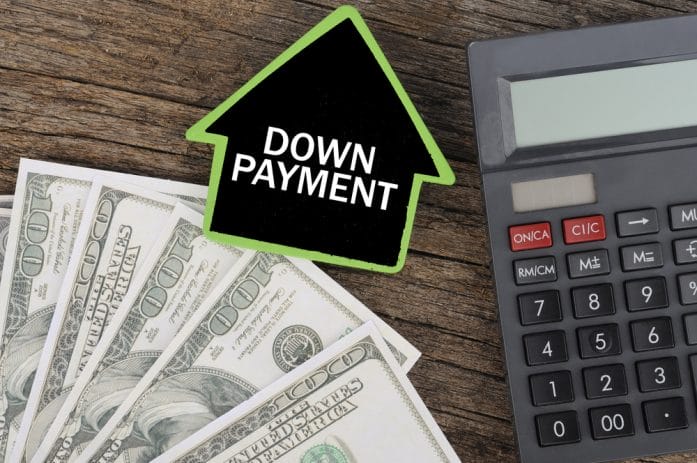
Using a 401(k) for a Down Payment: The Pros and Risks in 2026

March 20, 2026 by Brandon Marcus Leave a Comment

Using a 401(k) for a Down Payment: The Pros and Risks in 2026

Image Source: Shutterstock.com

A house key can feel heavier than gold, especially in a market that refuses to sit still. Prices keep climbing, savings accounts feel painfully slow, and suddenly that 401(k) starts looking less like “retirement someday” and more like “solution right now.” The idea grabs attention for a reason: it promises speed, access, and a shortcut to homeownership.

But this move doesn’t come with a simple yes-or-no answer. It carries real benefits and real consequences, and both deserve a clear spotlight before any decision takes shape. If you’re contemplating making this move, there are certain things you should keep in mind.

The Allure of Fast Cash: Why a 401(k) Feels Like a Shortcut

A 401(k) sits quietly for years, growing in the background while contributions stack up and investments ride the market. Then the moment arrives when a down payment looms, and suddenly that account feels like a lifeline. Accessing those funds can eliminate the need to scrape together cash from multiple sources or delay a purchase for years. For buyers staring at rising home prices, speed becomes everything, and a 401(k) loan or withdrawal can deliver that speed in a way traditional savings often cannot.

A 401(k) loan allows borrowing from the account without triggering taxes or penalties, as long as repayment follows the rules. That structure creates a tempting scenario where the borrower essentially pays interest back to themselves instead of a bank. It feels efficient, almost clever, especially when compared to high-interest personal loans or draining emergency savings. Many plans allow borrowing up to 50% of the vested balance or $50,000, whichever comes first, which can cover a meaningful portion of a down payment.

Still, this convenience comes with strings that deserve attention. Repayment typically happens within five years, and missed payments can convert the loan into a taxable distribution. That shift adds income taxes and potentially a 10% early withdrawal penalty for those under 59½. The appeal of quick access doesn’t erase the reality that retirement funds serve a long-term purpose, and pulling from them changes the trajectory of future growth.

Skipping the Loan Altogether: The Temptation of Early Withdrawals

Some buyers don’t want the burden of repayment hanging over their heads, which makes a direct withdrawal feel like the cleaner option. Cash comes out, the down payment gets funded, and no monthly obligation follows. That simplicity attracts attention, especially for buyers already juggling a mortgage, insurance, and other housing costs. But this path introduces immediate financial consequences that can’t be ignored.

Withdrawals from a traditional 401(k) before age 59½ usually trigger income taxes on the full amount plus a 10% penalty. That means a $20,000 withdrawal could shrink significantly after taxes take their share. Certain exceptions exist, but buying a primary residence does not qualify for penalty-free withdrawals from a 401(k) the way it might for an IRA. That distinction catches many people off guard and turns what looked like a straightforward move into a costly one.

Even beyond taxes, a withdrawal permanently removes money from the account. That money no longer grows, compounds, or benefits from market rebounds. Over decades, that missing chunk can translate into tens of thousands of dollars—or more—lost from retirement savings. The short-term win of securing a home can quietly evolve into a long-term setback, and that tradeoff deserves serious thought.

The Hidden Cost: What Happens to Long-Term Growth

Retirement accounts rely on time more than anything else. Contributions matter, investment choices matter, but time does the heavy lifting through compounding. Pulling money out interrupts that process in a way that often feels invisible in the moment. The balance drops, but the bigger story lies in what that balance could have become over 20 or 30 years.

Imagine a scenario where $30,000 leaves a 401(k) in 2026. If that amount had earned an average annual return of 6% to 7%, it could grow into well over $100,000 by retirement. That gap doesn’t show up on a bank statement today, but it becomes very real later. Many people underestimate this effect because it unfolds slowly and quietly, without the urgency of a monthly bill or immediate consequence.

A loan softens this blow slightly because the money returns to the account over time. Still, repayments often happen with after-tax dollars, which introduces a subtle inefficiency. Contributions also may pause during repayment, especially if cash flow tightens, which further reduces long-term growth. Every dollar diverted away from consistent investing chips away at the compounding engine that retirement planning depends on.

Risk Meets Reality: Job Changes and Unexpected Twists

Life rarely follows a neat, predictable script, and that reality matters when a 401(k) loan enters the picture. Many plans require full repayment of the loan if employment ends, whether through a job change, layoff, or other transition. That requirement can create pressure at exactly the wrong time, turning a manageable loan into a sudden financial burden.

If repayment doesn’t happen within the required window, the remaining balance often converts into a distribution. That shift triggers taxes and potentially penalties, adding stress to an already uncertain situation. The risk doesn’t feel urgent when everything runs smoothly, but it becomes very real when circumstances change quickly. Anyone considering this move needs to factor in not just today’s job stability but also the possibility of unexpected shifts.

Even without job changes, life events can complicate repayment. Medical expenses, family obligations, or shifts in income can tighten budgets and make loan payments harder to maintain. A 401(k) loan doesn’t offer the same flexibility as some other forms of borrowing, and that rigidity can create challenges when priorities shift. Planning for these scenarios upfront can prevent unpleasant surprises later.

Strategic Moves: When It Might Actually Make Sense

Despite the risks, using a 401(k) for a down payment doesn’t automatically signal a bad decision. Certain situations can make this strategy more reasonable, especially when alternatives carry higher costs or greater risks. For example, avoiding private mortgage insurance by increasing a down payment can save significant money over time. In that case, tapping a 401(k) might support a broader financial strategy rather than undermine it.

A 401(k) loan can also make sense for buyers with stable employment, strong cash flow, and a clear repayment plan. The ability to access funds without immediate taxes or penalties offers a level of flexibility that other options don’t match. When handled carefully, this approach can bridge the gap between current savings and homeownership without derailing long-term goals.

Still, this strategy works best alongside a disciplined plan to rebuild retirement savings quickly. Increasing contributions after repayment, maintaining consistent investing, and avoiding repeated withdrawals can help offset the impact. Treating the 401(k) as a temporary tool rather than a permanent funding source keeps the bigger financial picture intact. Thoughtful planning turns this move from a gamble into a calculated decision.

Using a 401(k) for a Down Payment: The Pros and Risks in 2026

Image Source: Shutterstock.com

What Actually Matters

A 401(k) can open the door to a home faster than almost any other option, but that door swings both ways. Quick access to cash feels powerful, yet it comes with tradeoffs that stretch far into the future. Every dollar pulled today carries a story that continues for decades, and that story deserves attention before any move happens.

Balancing short-term goals with long-term security requires more than a quick calculation. It demands a clear understanding of risks, a realistic view of future income, and a commitment to rebuilding what gets used. The right choice depends on individual circumstances, not just market conditions or urgency. A home purchase should strengthen financial stability, not quietly weaken it over time.

So here’s the real question: does tapping a 401(k) move the entire financial picture forward, or does it solve one problem while creating another? Share your thoughts, strategies, or experiences—what approach feels smartest in today’s market, and why?

You May Also Like…

How to Save for a Down Payment When You’re Broke

Think Twice Before Maxing Out a 401(k) If You Carry High-Interest Debt

10 Hidden 401(k) Fees That Can Eat Into Your Retirement Savings

Social Security, 401(k)s, and Market Swings: Why Retirement Feels Riskier Than Ever

Regulation Shakeup: 6 Laws That Could Impact Your 401(k) Next Year

Brandon Marcus
Brandon Marcus

Brandon Marcus is a writer who has been sharing the written word since a very young age. His interests include sports, history, pop culture, and so much more. When he isn’t writing, he spends his time jogging, drinking coffee, or attempting to read a long book he may never complete.

Filed Under: Personal Finance Tagged With: 401(k), down payment, first-time homebuyer, home buying, Housing Market, investing, Mortgage Tips, Personal Finance, Planning, real estate 2026, retirement savings, Wealth Building

The “Homeowner Lie”: Why Your House is Actually a Liability, Not an Investment in 2026

March 16, 2026 by Brandon Marcus Leave a Comment

The "Homeowner Lie": Why Your House is Actually a Liability, Not an Investment in 2026

Image Source: Shutterstock.com

A house rarely behaves like a money-printing machine, yet millions treat it like one. The cultural script around homeownership pushes a powerful promise: buy a house, sit tight, and watch wealth grow. Parents repeat the idea. Television shows celebrate it. Real estate ads practically shout it from rooftops. Yet the financial reality behind those front doors often tells a far more complicated story. Houses cost money every year, they demand constant upkeep, and they tie huge amounts of cash into a single, illiquid asset.

In 2026, with higher borrowing costs and rising maintenance expenses, the classic narrative of the “home as an investment” deserves a serious reality check. None of this means houses hold no value. Shelter matters. Stability matters. Pride in a place matters. But the financial conversation needs a fresh lens that separates lifestyle choices from cold investment math.

The Myth That Turned a Roof Into a Retirement Plan

The belief that homeownership builds wealth did not appear by accident. Governments, banks, and the real estate industry spent decades promoting the idea that buying property created the safest financial move on the board. Mortgage tax benefits, subsidized lending programs, and decades of rising prices cemented that narrative. People watched neighbors sell homes for big gains and assumed the same outcome would follow for everyone. Television renovation shows turned kitchen remodels into profit machines, and glossy listings created the impression that houses only move upward in value. The narrative felt simple and comforting, so it stuck.

Yet a closer look at the numbers reveals a much messier picture. Housing appreciation rarely behaves evenly across time, location, or property type. Some markets surge for years, while others stagnate for decades. During the 2008 Global Financial Crisis, millions of homeowners discovered that property values could drop dramatically and stay depressed for years. Many people owed more on their mortgages than their homes could sell for. Even when prices climb again, those gains often disappear once selling costs, interest payments, taxes, and maintenance expenses enter the equation. The “investment” label starts to wobble when the full cost picture finally appears.

The Hidden Costs That Eat Your “Profit”

Homeownership carries expenses that quietly drain wealth year after year. Mortgage interest alone absorbs an enormous chunk of money, especially after interest rates surged through the early 2020s. Analysts frequently highlight how higher rates dramatically increase lifetime borrowing costs even when the purchase price stays the same. That extra interest never returns to the homeowner’s pocket. It simply rewards the lender for the privilege of borrowing money.

Property taxes add another constant financial weight. Local governments adjust those taxes upward when home values rise or when municipal budgets expand. Insurance premiums have also climbed sharply in many regions due to climate risks and rebuilding costs. A roof replacement can cost tens of thousands of dollars. Heating systems fail. Foundations crack. Pipes burst. Landscaping demands attention. Every year delivers new expenses that landlords simply pass along to tenants but homeowners must cover directly.

Maintenance alone often consumes one to three percent of a home’s value annually, according to estimates widely used in real estate planning. A $400,000 property could easily demand $4,000 to $12,000 each year in repairs and upkeep. That money rarely boosts resale value dollar for dollar. Many upgrades simply maintain livability rather than increase market price. When someone finally sells the house, real estate commissions and closing costs can take another five to ten percent off the final price. The “profit” shrinks quickly once the calculator starts running.

The "Homeowner Lie": Why Your House is Actually a Liability, Not an Investment in 2026

Image Source: Shutterstock.com

The Investment Problem Nobody Talks About

True investments typically produce income or growth without constant cash injections. Stocks generate dividends. Bonds pay interest. Businesses produce profits. A house behaves differently because it consumes money instead of producing it. That distinction matters more than most people realize.

Financial economists often point out that housing functions as a “consumption asset.” People buy it primarily for living space, not financial yield. When someone compares housing to investments like the S&P 500, the difference becomes clear. Stocks represent ownership in companies that generate revenue and expand operations. Over long periods, corporate earnings drive returns. Houses, by contrast, depend largely on local supply and demand conditions. A home cannot invent a new product line or expand into global markets.

Liquidity creates another problem. Selling a house takes time, paperwork, negotiations, inspections, and substantial transaction fees. Investors who need cash quickly cannot easily slice off a bedroom and sell it the way someone might sell a handful of shares. Real estate locks capital in place for years, sometimes decades. That rigidity makes housing a difficult tool for flexible financial planning. Many households carry most of their wealth inside a single property, which creates enormous concentration risk.

The Opportunity Cost Hiding in Plain Sight

Money tied up in a home cannot work elsewhere. That reality introduces the powerful concept of opportunity cost. A large down payment could otherwise fund retirement accounts, diversified investments, or a business venture. Over long time horizons, those alternatives can generate significant growth through compounding returns.

Consider the long-term performance difference between housing appreciation and diversified stock markets. Historical data compiled by organizations like Federal Reserve researchers often shows that broad equity markets outpace housing over multi-decade periods after adjusting for inflation. Housing prices do rise over time, but they rarely deliver the same growth trajectory as productive businesses operating inside the economy. That gap grows even larger once maintenance, taxes, and transaction costs enter the calculation.

Flexibility also plays a powerful financial role. Renting allows relocation for better job opportunities, lifestyle changes, or shifting economic conditions. Homeownership can trap households in specific locations due to transaction costs and market timing. A job opportunity across the country might require selling a property at the wrong moment in the housing cycle. That lost career mobility carries its own financial consequences that rarely appear in simple home-buying calculators.

So What Should Smart Homeowners Actually Do?

Declaring housing a liability does not mean everyone should avoid buying property. The smarter approach involves adjusting expectations and making decisions with clearer financial eyes. Treating a house primarily as a lifestyle purchase removes the pressure to force it into an investment role it cannot reliably fulfill.

Prospective buyers benefit from running brutally honest numbers before signing any mortgage documents. Calculating the full cost of ownership should include insurance, taxes, repairs, utilities, furnishings, and transaction expenses. A house might still make sense if stability, privacy, and long-term living plans align with the purchase. Those benefits carry real value even if they never show up on an investment spreadsheet. People who view housing as shelter first and financial speculation second often make calmer, smarter choices.

Diversification also deserves serious attention. Financial planners frequently recommend spreading wealth across multiple asset classes rather than concentrating everything inside a single property. Retirement accounts, index funds, and other investments can complement homeownership rather than compete with it. That approach allows a household to enjoy the comforts of a home while still participating in broader economic growth.

The Real Question Behind the “Dream Home”

The traditional story around homeownership promises wealth, stability, and financial security all wrapped into one tidy package. Reality refuses to cooperate with that simple narrative. Houses demand constant spending, carry significant risks, and often behave more like expensive consumption items than traditional investments.

That does not strip housing of value. A home can anchor a family, create a sense of belonging, and provide stability in a chaotic world. Those benefits hold enormous emotional and social weight. Financial clarity simply helps separate the lifestyle choice from the wealth-building strategy. Once that distinction becomes clear, smarter decisions naturally follow.

Does the classic dream of homeownership still make sense in today’s economic landscape, or does it deserve a major rethink? Share all of your thoughts, strategies, or personal experiences in the comments.

You May Also Like…

5 Signs You’re Ready to Buy a Home — And 3 Signs to Wait

Priced Out? 5 Zip Codes Where Starter Homes are Still Under $200k

6 Things People Should Always Ask Before Buying a Home

The 60-Day Window to Contest Homeowner Cancellation Based on Satellite Images

Florida Homeowners Are Seeing Insurance Rates Decreasing In 2026

Brandon Marcus
Brandon Marcus

Brandon Marcus is a writer who has been sharing the written word since a very young age. His interests include sports, history, pop culture, and so much more. When he isn’t writing, he spends his time jogging, drinking coffee, or attempting to read a long book he may never complete.

Filed Under: Lifestyle Tagged With: financial literacy, homeownership, housing affordability, Housing Costs, Housing Market, investing basics, mortgage rates, Personal Finance, property taxes, real estate myths, real estate trends, Wealth Building

Should You Refinance at 5.9%? Use This 3-Step “Break-Even” Test Before You Sign

March 15, 2026 by Brandon Marcus Leave a Comment

Should You Refinance at 5.9%? Use This 3-Step "Break-Even" Test Before You Sign

Image Source: Shutterstock.com

A mortgage refinance can look irresistible when a lender flashes a shiny number like 5.9%. The pitch sounds simple: lower rate, lower payment, instant win. Yet that headline rate hides an important truth that many homeowners overlook. Refinancing only works when the math works, and the math rarely reveals itself in the quick sales pitch that arrives through email or a friendly phone call.

A refinance can absolutely cut thousands of dollars from a loan over time, but it can also quietly burn cash through fees, extended timelines, and interest resets. That reality makes one tool incredibly valuable: the break-even test. This quick three-step check exposes whether a refinance delivers real savings or simply rearranges numbers while lenders collect their fees. Anyone thinking about signing refinance paperwork should run this test first, because the right answer rarely appears on the first page of a loan estimate.

The 5.9% Temptation: Why That Number Grabs So Much Attention

A mortgage rate that begins with a five grabs attention instantly because rates spent long stretches of recent years well above that level. Many homeowners locked loans above six or seven percent, so a 5.9% offer sparks excitement right away. Lenders understand this reaction perfectly, and they design marketing around that emotional response. The number sounds like a victory before the calculator even appears.

However, a refinance reshapes the entire loan structure, not just the interest rate. Closing costs, lender fees, appraisal charges, and title expenses often pile up between $2,000 and $6,000, and sometimes climb higher depending on the property and the lender. A homeowner who jumps at the new rate without examining those costs can unknowingly trade short-term relief for long-term expense. The loan clock often resets to 30 years during a refinance as well, which stretches the repayment timeline and increases the total interest paid over decades.

That situation does not mean refinancing at 5.9% makes no sense. In many cases, the move delivers a huge advantage, especially for borrowers stuck with higher rates or costly adjustable loans. A refinance can reduce monthly payments, create breathing room in a household budget, or help eliminate mortgage insurance earlier than expected. The key lies in understanding when the refinance truly pays off and when it simply rearranges numbers in a way that benefits the lender more than the homeowner.

Step One: Calculate the True Monthly Savings

The first step focuses on a simple question: how much money actually stays in your pocket each month after refinancing? That number requires a careful comparison between the current mortgage payment and the proposed new payment. Many loan quotes emphasize the lower interest rate but quietly adjust the loan term or loan balance, which can distort the comparison.

A homeowner should examine the full monthly payment under each scenario. That payment includes principal, interest, and sometimes mortgage insurance. Property taxes and insurance usually remain unchanged, so they do not factor into the savings calculation unless the refinance removes mortgage insurance. Once the numbers line up side by side, the monthly difference becomes clear.

Imagine a homeowner who currently pays $2,100 per month and receives a refinance quote that drops the payment to $1,900. That $200 monthly savings looks attractive immediately. However, that number only tells half the story because the refinance also carries upfront costs. Without accounting for those costs, the savings figure remains incomplete.

This step requires accuracy, not optimism. Some refinance offers highlight extremely low introductory payments that later increase, especially with adjustable-rate loans. A homeowner should always examine the long-term payment structure and avoid focusing only on the first few years. A reliable monthly savings number creates the foundation for the next step in the break-even test.

Step Two: Add Up Every Dollar of Refinance Costs

Refinancing never happens for free, even when lenders advertise “no closing costs.” Those offers simply shift the fees into the loan balance or increase the interest rate slightly. Every refinance contains costs somewhere, and the break-even test demands a full accounting of those expenses. Common refinance costs include lender origination fees, credit report fees, appraisal charges, title searches, and recording fees. Some loans also include discount points, which allow borrowers to pay extra upfront in exchange for a lower rate. Those points can make sense in certain situations, but they dramatically increase the initial investment in the refinance.

A homeowner should gather the official loan estimate and total every fee listed on that document. The estimate breaks down each charge clearly, which allows borrowers to see exactly how much cash the refinance requires. Some homeowners choose to roll these costs into the loan balance instead of paying them upfront, but the break-even test still counts the full amount because the loan ultimately repays that money with interest.

Suppose the refinance costs reach $4,000. That number now sits on the table next to the monthly savings figure from the first step. These two numbers combine to reveal the most important number in the entire decision process: the break-even timeline.

Should You Refinance at 5.9%? Use This 3-Step "Break-Even" Test Before You Sign

Image Source: Shutterstock.com

Step Three: Find the Break-Even Point Before the Loan Pays Off

The break-even point shows how long it takes for the monthly savings to recover the upfront refinance costs. The math stays refreshingly simple. Divide the total refinance cost by the monthly savings amount, and the result reveals the number of months required to break even. Using the earlier example, a homeowner who spends $4,000 on refinancing and saves $200 per month would reach the break-even point after 20 months. At that moment, the refinance finally begins generating real financial benefit. Every payment after that point creates true savings.

However, the break-even timeline only matters if the homeowner plans to keep the property long enough to reach it. Someone who expects to move in a year or two would never recover the refinance costs in this example. That borrower would actually lose money despite the attractive interest rate.

Long-term homeowners often benefit the most from refinancing because they remain in the property long enough to capture years of savings after the break-even point. Someone planning to stay for ten years could enjoy nearly eight years of pure financial benefit once the initial costs disappear. The break-even test transforms the refinance decision from a guess into a strategy.

How To Make A Smart Refinance Decision

A 5.9% refinance can deliver real financial momentum when the numbers align properly. Lower interest rates reduce borrowing costs, and lower payments free up money that can support savings, investments, or debt reduction. Yet the smartest homeowners resist the urge to chase a headline rate without running the numbers.

The three-step break-even test offers a quick reality check that protects homeowners from expensive missteps. Calculate the real monthly savings, total every refinance cost, and determine how long the loan needs to recover those expenses. This simple process reveals whether the refinance supports long-term goals or simply creates an illusion of savings.

Does the break-even test change how a 5.9% refinance looks right now? Convey your thoughts, strategies, or personal experiences in the comments and spark the next smart mortgage conversation.

You May Also Like…

Is Your Mortgage Broker Being Transparent? 3 Questions to Ask Before Refinancing

The Texas Mortgage Shock: Why Your Monthly Payment Just Jumped $400 Without Warning

Escrow Shock: Why Some Mortgage Payments Suddenly Jumped $300 or More

Escrow Shortages Are Adding $100–$300 to Monthly Mortgage Payments

Insurance Now Accounts for 9% of Typical Monthly Mortgage Payment

Brandon Marcus
Brandon Marcus

Brandon Marcus is a writer who has been sharing the written word since a very young age. His interests include sports, history, pop culture, and so much more. When he isn’t writing, he spends his time jogging, drinking coffee, or attempting to read a long book he may never complete.

Filed Under: Lifestyle Tagged With: break-even test, Home Loans, homeowner advice, Housing Market, interest rates, mortgage refinance, mortgage strategy, Mortgage Tips, Personal Finance, Planning, refinance calculator, refinance rates

5 Signs You’re Ready to Buy a Home — And 3 Signs to Wait

March 15, 2026 by Brandon Marcus Leave a Comment

5 Signs You’re Ready to Buy a Home — And 3 Signs to Wait

Image Source: Shutterstock.com

A house key changes everything. One small piece of metal can unlock a new chapter filled with backyard barbecues, late-night furniture assembly, and that quiet thrill of knowing the walls belong to you. Homeownership sits high on many goal lists, but timing decides whether the experience feels empowering or overwhelming.

Plenty of people chase the idea of owning a home long before the numbers, habits, or lifestyle line up. Others hesitate even though their finances and goals scream green light. The truth rarely lives in emotional impulses or dramatic market headlines. It lives in everyday patterns—how money flows, how long plans stick, and how comfortably life fits inside a budget.

Some signals quietly shout that the moment has arrived. Other signals wave a giant red flag and beg for patience. The difference matters because a home purchase often ranks among the largest financial decisions anyone makes.

1. The Budget Finally Feels Like a Well-Oiled Machine

Money chaos and homeownership never make a happy couple. A steady, predictable budget changes that equation completely. Someone who tracks spending, pays bills on time, and sets aside savings every month demonstrates the discipline that mortgages demand.

Mortgage lenders usually look for a healthy debt-to-income ratio, which means monthly debt payments should remain manageable compared to total income. When credit cards, student loans, and car payments stay under control, lenders feel confident approving larger financial commitments. That stability also helps homeowners sleep better at night because surprises never derail the plan.

A solid emergency fund strengthens the situation even more. Most financial experts recommend saving three to six months of living expenses before signing mortgage paperwork. That cushion protects homeowners when job changes, medical bills, or surprise repairs appear without warning. A smooth budget also reveals an important truth: if monthly expenses already feel manageable while saving aggressively, a mortgage payment likely fits into the same rhythm. Financial discipline signals readiness far more clearly than a sudden rush of excitement about open houses.

2. You Plan to Stay Put for a While

Buying a home works best when life stays relatively stable for several years. Real estate involves closing costs, moving expenses, inspections, taxes, and ongoing maintenance. Those costs add up quickly, which means a short stay rarely delivers financial benefits. Many housing experts recommend planning to stay at least five years in a home before buying. That timeline allows property values to grow and spreads those upfront costs across a longer period. Without that window, homeowners may struggle to build meaningful equity.

Long-term plans also shape lifestyle decisions around location, commuting, and community. Someone who feels confident about career direction, family plans, and preferred neighborhoods gains a major advantage during the home search. Stability turns the purchase into a thoughtful investment rather than a temporary pit stop.

Anyone who expects major life changes soon should pause before committing. Relocation opportunities, career shifts, or uncertain personal plans often make renting the smarter move for now. A clear vision of the next five years gives a home purchase strong footing.

3. Your Credit Score Shows Serious Strength

Credit scores act like a financial report card for mortgage lenders. Higher scores unlock lower interest rates, and even a small difference in interest can save thousands over the life of a loan. Many conventional mortgage programs look for credit scores around 620 or higher, though better rates usually appear above 700. Someone who regularly pays bills on time, keeps credit card balances low, and avoids unnecessary debt naturally builds stronger credit.

Improving credit also takes time, which means future buyers benefit from starting early. Paying down balances, correcting errors on credit reports, and limiting new credit applications can gradually push scores upward. That effort pays off when lenders calculate interest rates. A strong credit profile signals responsible financial behavior, which lenders reward with better loan options. Better rates translate directly into lower monthly payments, which frees up money for renovations, furnishings, or future investments.

5 Signs You’re Ready to Buy a Home — And 3 Signs to Wait

Image Source: Shutterstock.com

4. The Down Payment Fund Looks Real and Ready

Saving for a down payment often feels like climbing a financial mountain. That savings goal demands patience, planning, and consistent contributions over time. Traditional advice often points toward a 20 percent down payment because that amount removes private mortgage insurance and lowers monthly costs. However, many loan programs allow smaller down payments, sometimes as low as 3 to 5 percent for qualified buyers.

Even with those flexible programs, larger savings still offer major advantages. A bigger down payment reduces the loan amount, cuts interest costs, and strengthens loan approval odds. It also provides breathing room when unexpected home repairs pop up after move-in.

A fully funded down payment account shows serious preparation. When that fund sits comfortably alongside emergency savings and closing cost estimates, the dream of homeownership shifts from possibility to practical reality.

5. The Monthly Mortgage Payment Fits Comfortably

Mortgage calculators reveal an important truth very quickly. A realistic monthly payment includes principal, interest, property taxes, insurance, and sometimes homeowners association fees. Financial planners often suggest keeping housing costs under roughly 28 percent of gross monthly income. That guideline leaves room for other expenses without squeezing daily life. When the numbers fit inside that range, homeowners enjoy stability rather than stress.

Potential buyers should test those numbers honestly. Running sample budgets that include utilities, maintenance, and property taxes helps reveal the true cost of ownership. That full picture prevents unpleasant surprises after closing day.

Comfortable payments also protect long-term financial goals. Retirement savings, travel plans, and everyday enjoyment should never vanish under the weight of a mortgage. A home should support life, not consume it.

Now, not everyone is ready to purchase a home, and that is okay. But it’s important to be honest about where you are at. Here are three signs that now is not the appropriate time to be planting your flag in the world of real estate.

3 Signs to Wait

1. Your Savings Account Looks Alarmingly Empty

Buying a home with minimal savings often leads straight to financial anxiety. Down payments represent only part of the equation. Closing costs, inspections, moving expenses, furniture, and repairs demand additional cash. A nearly empty savings account leaves homeowners vulnerable to even minor surprises. A leaking roof, broken appliance, or plumbing issue can appear during the first week in a new home. Without savings, those problems quickly transform into credit card debt.

Financial experts often suggest building a healthy cash reserve before buying. Emergency savings plus moving costs and repair funds create a financial safety net that protects both the home and the homeowner. Anyone who struggles to save consistently should treat that challenge as a signal to pause. Strengthening savings habits now will make homeownership far less stressful later.

2. Debt Payments Already Crowd the Budget

Debt quietly shrinks financial flexibility. High balances on credit cards, personal loans, or car payments eat away at the income needed to handle mortgage payments comfortably. 3Lenders carefully review debt-to-income ratios when evaluating mortgage applications. If existing debt consumes too much of monthly income, loan approval becomes difficult or expensive. High debt levels can also push interest rates upward.

Even if approval happens, heavy debt creates ongoing pressure. Homeowners may feel trapped between large mortgage payments and other financial obligations. That tension can turn a dream purchase into a constant worry.

Reducing debt before buying delivers powerful benefits. Lower balances improve credit scores, strengthen loan approval chances, and free up monthly cash flow. Waiting long enough to shrink debt often leads to a much smoother homebuying experience.

3. The Career Path Still Feels Uncertain

Stable income plays a major role in successful homeownership. Someone who expects frequent job changes, relocations, or income fluctuations may face serious challenges after signing a mortgage. Career uncertainty also affects geographic stability. A new job opportunity across the country could appear just months after closing on a home. Selling quickly might lead to financial losses due to transaction costs and market conditions.

Young professionals, freelancers, and entrepreneurs sometimes experience unpredictable income patterns. While those paths can lead to exciting opportunities, they also complicate mortgage commitments.

Waiting until career plans settle often proves wise. Greater stability provides clearer income projections, stronger lender confidence, and far more peace of mind after moving into a new home.

Timing Beats Emotion Every Time

Excitement often drives the dream of homeownership, but solid preparation keeps that dream enjoyable long after the moving trucks leave. A strong budget, steady savings, healthy credit, and stable life plans usually signal the right moment to buy. At the same time, empty savings accounts, heavy debt, and uncertain career paths deserve serious attention before signing any contracts. Waiting rarely feels glamorous, yet patience often protects finances and reduces stress.

A thoughtful approach transforms homeownership into a rewarding long-term move instead of a rushed leap into the unknown. The best home purchases happen when enthusiasm meets preparation in the same moment.

Which of these signs stands out the most right now? Drop thoughts, strategies, or personal experiences in the comments and share what helped guide the decision to buy—or wait.

You May Also Like…

The $124 Trillion Hand-Off: How the Great Wealth Transfer is Quietly Saving the Real Estate Market

A $400,000 Home in New Jersey Costs $6,876 More Per Year Than in South Carolina

Homebuyers Are Losing Pre-Approvals After Routine Credit Checks — Here’s What Changed

Why Every Year You Save, Homes Get Further Out of Reach

Florida’s 3.35% Non-Renewal Rate: Why Hundreds of Thousands Lost Home Insurance Last Year

Brandon Marcus
Brandon Marcus

Brandon Marcus is a writer who has been sharing the written word since a very young age. His interests include sports, history, pop culture, and so much more. When he isn’t writing, he spends his time jogging, drinking coffee, or attempting to read a long book he may never complete.

Filed Under: Real Estate Tagged With: budgeting, buying a house, first-time homebuyer, home buying, home ownership, Housing Market, Mortgage Tips, Personal Finance, Planning, property investment, Real estate, real estate advice

Priced Out? 5 Zip Codes Where Starter Homes are Still Under $200k

March 15, 2026 by Brandon Marcus Leave a Comment

Priced Out? 5 Zip Codes Where Starter Homes are Still Under $200k

Image Source: Shutterstock.com

Sticker shock dominates the housing market right now. Scroll through listings in many cities and the price tags look like someone accidentally added an extra zero. Yet pockets of opportunity still exist, hiding in plain sight across the country. Plenty of communities continue to offer starter homes under $200,000, which sounds almost mythical in an era where the national median home price sits far higher.

That affordability does not happen by accident. Many of these areas combine historic housing stock, revitalizing neighborhoods, and strong local pride. Buyers willing to look beyond the most obvious hotspots often discover real value, plus the chance to own a home without signing up for a lifetime of stress. A handful of ZIP codes stand out for keeping entry-level housing within reach while still offering community, character, and room for growth.

48227 – Detroit, Michigan: Where Comebacks Meet Bargain Prices

Detroit refuses to sit quietly on the sidelines of the American housing conversation. The city’s reputation still leans heavily on old headlines, yet large swaths of Detroit now pulse with renovation energy, new small businesses, and neighborhood pride. ZIP code 48227 sits on the city’s west side and continues to offer an impressive supply of starter homes well below $200,000.

Detroit ranks among the U.S. cities with the most listings under $200,000, with the city’s median list price around $90,000 in many areas. That number alone explains why first-time buyers and investors keep scanning Detroit listings with serious interest. Buyers frequently find classic brick homes with solid bones, wide porches, and large yards—features that feel almost luxurious compared to the micro-homes popping up in expensive markets.

Neighborhood momentum adds another appealing layer. Local organizations continue to invest in block-by-block improvements, community gardens, and housing rehabilitation projects. That grassroots activity creates the kind of neighborhood stability that many buyers crave. Starter homes here often require cosmetic upgrades, but that trade-off gives new homeowners the chance to build sweat equity instead of simply paying a premium upfront.

Savvy buyers often focus on homes that already show basic structural stability: updated roofs, functioning plumbing, and newer furnaces. Those elements reduce renovation headaches and keep budgets under control. Buyers who pair a modest purchase price with smart upgrades often transform these houses into comfortable long-term homes while keeping monthly costs surprisingly manageable.

44310 – Akron, Ohio: The Quiet Overachiever of Affordable Living

Akron rarely dominates flashy real estate headlines, yet the city consistently delivers one thing many markets cannot: affordability that still makes sense for everyday living. ZIP code 44310 in particular offers a blend of historic homes, established neighborhoods, and steady local demand.

Akron ranks among the cities with the highest number of homes listed under $200,000. That price point keeps starter homes firmly within reach for buyers who might feel completely shut out of markets in larger metropolitan areas. Many properties in this ZIP code feature traditional two-story layouts, finished basements, and generous lots.

Affordability alone does not define Akron’s appeal. The city maintains strong ties to regional employers, healthcare systems, and universities, which helps stabilize the housing market. Buyers often discover neighborhoods filled with mature trees, walkable streets, and long-term homeowners who take pride in their properties.

Smart shoppers in this ZIP code often prioritize homes that offer cosmetic potential rather than major structural repairs. A house with dated flooring and older paint colors might look uninspiring during the first tour, yet those cosmetic details often create negotiation leverage. Fresh paint, updated lighting, and simple landscaping upgrades can quickly transform these homes into comfortable starter properties without blowing the renovation budget.

38127 – Memphis, Tennessee: Southern Charm Without the Million-Dollar Price Tag

Memphis delivers culture, music history, and food that deserves its own fan club. Yet many neighborhoods still offer starter homes at prices that feel refreshingly grounded. ZIP code 38127, located in the northern section of the city, continues to attract attention from budget-conscious buyers.

The housing stock in this area includes classic ranch homes, brick cottages, and mid-century properties that offer solid layouts and manageable maintenance costs. Many houses feature spacious yards and detached garages, which feel like luxuries compared to the tight footprints common in expensive markets.

Buyers exploring Memphis often benefit from taking time to study neighborhood dynamics carefully. Some blocks show clear signs of revitalization, while others remain in earlier stages of recovery. Buyers who focus on streets with visible upkeep, owner-occupied homes, and community involvement often land in the sweet spot between affordability and stability. Pairing a budget-friendly purchase with strategic upgrades can dramatically boost property value. Kitchen updates, energy-efficient windows, and simple curb appeal improvements frequently deliver strong returns in markets like Memphis where buyers continue to search for reasonably priced homes.

14215 – Buffalo, New York: Historic Homes with Real Personality

Buffalo rewards buyers who appreciate character. The city’s architecture reads like a living museum of American home styles, and ZIP code 14215 offers many of those homes at prices that remain surprisingly accessible. Local pride fuels Buffalo’s housing resurgence. Community revitalization efforts, new restaurants, and small business growth continue to reshape many neighborhoods. Buyers who once overlooked Buffalo now recognize its combination of affordability and quality of life.

Starter homes in this ZIP code often benefit from Buffalo’s tradition of sturdy construction. Many properties built decades ago feature solid foundations and durable materials that hold up well over time. Buyers who invest in insulation upgrades, modern heating systems, and modest interior updates often create comfortable homes that retain historic charm while offering modern convenience.

Patience pays off here. Monitoring listings over several weeks allows buyers to spot homes that enter the market at realistic prices rather than inflated expectations. Buffalo’s market rewards thoughtful shoppers who move quickly once a strong opportunity appears.

44105 – Cleveland, Ohio: Big City Potential on a Starter Budget

Cleveland combines big-city amenities with a housing market that still leaves room for first-time buyers. ZIP code 44105 offers a particularly strong entry point for people determined to break into homeownership without taking on overwhelming debt. The housing landscape in this ZIP code features traditional single-family homes, brick colonials, and compact starter properties that work well for first-time buyers. Many homes also include basements and detached garages, which add flexibility for storage or future improvements.

Cleveland’s ongoing revitalization continues to reshape perceptions of the city. New entertainment districts, improved public spaces, and expanding healthcare employment contribute to steady demand for housing. Buyers who secure affordable homes today often position themselves for future appreciation as neighborhoods continue evolving.

Successful buyers here often approach the search with a renovation mindset. Properties that look slightly dated often deliver the strongest value because cosmetic updates dramatically improve livability without requiring structural overhauls.

Priced Out? 5 Zip Codes Where Starter Homes are Still Under $200k

Image Source: Shutterstock.com

The Real Secret to Finding Affordable Homes

Affordable starter homes still exist, but they rarely appear in the most obvious places. Buyers who expand their search beyond trendy neighborhoods often uncover housing markets that reward patience and curiosity. Cities like Detroit, Akron, Memphis, Buffalo, and Cleveland continue to prove that homeownership does not require a seven-figure bank account.

These ZIP codes highlight an important strategy: focus on solid fundamentals rather than flashy listings. A structurally sound home in a stable neighborhood often delivers far greater long-term value than a trendy property carrying a sky-high price tag. Smart buyers also keep renovation budgets realistic and prioritize upgrades that improve safety, efficiency, and livability first.

Housing markets constantly evolve, which means today’s overlooked ZIP code may become tomorrow’s hot neighborhood. Buyers who step into these affordable markets early often enjoy the dual benefits of manageable mortgage payments and rising property value over time.

Which affordable housing markets deserve more attention right now, and what strategies help uncover hidden real estate bargains? Share thoughts, insights, or homebuying experiences in the comments.

You May Also Like…

The $124 Trillion Hand-Off: How the Great Wealth Transfer is Quietly Saving the Real Estate Market

Why Wealthy Families Are Moving Cash Out of Traditional Banks Before Jan 31st

13 Eye-Opening Truths About Real Estate Crowdfunding Ventures

A Beginner’s Guide to Selling on the Real Estate Market

Why Home Insurance Claims Can Raise Premiums Without Payouts

Brandon Marcus
Brandon Marcus

Brandon Marcus is a writer who has been sharing the written word since a very young age. His interests include sports, history, pop culture, and so much more. When he isn’t writing, he spends his time jogging, drinking coffee, or attempting to read a long book he may never complete.

Filed Under: Real Estate Tagged With: affordable cities, affordable housing, budget homes, cheap homes USA, first-time homebuyers, home buying tips, housing affordability, Housing Market, property market, real estate investing, real estate trends, starter homes

The 620 Rule: How Some 2026 Buyers Can Get a Conventional Loan With Just 3% Down (And the Expensive Catch)

March 1, 2026 by Brandon Marcus Leave a Comment

The 620 Rule: How Some 2026 Buyers Can Get a Conventional Loan With Just 3% Down (And the Expensive Catch)

Image Source: Pexels.com

Homeownership is not getting easier in 2026, but some buyers are finding a small crack in the door if they carry a credit score around 620. That number sits right in the middle of opportunity and risk, and lenders watch it closely when deciding who gets a conventional loan with a tiny 3 percent down payment.

The conversation starts with credit because lenders care deeply about reliability. A 620 credit score sits just above the range many lenders classify as subprime. People reaching this level show enough history of paying bills responsibly, but not yet enough perfection to feel totally safe to investors funding the mortgage.

The 620 rule does not guarantee approval, but it signals where many automated underwriting systems start feeling comfortable. Borrowers still need a stable income, manageable debt, and a clean recent payment record. People thinking about jumping into homeownership should remember that hitting 620 is more like clearing the first hurdle rather than crossing the finish line.

The 3% Down Payment Temptation That Sounds Too Good to Ignore

The idea of buying a house with only 3 percent down feels exciting because it keeps cash in the bank. Someone purchasing a $300,000 home may only need about $9,000 upfront, not including closing costs. That number feels realistic for many younger buyers and people rebuilding savings after rent payments ate most of their income.

Programs allowing low down payments usually target first-time buyers or people who have not owned property for several years. These programs aim to open the housing market to people who want stability but cannot yet gather a 20 percent down payment. The 3 percent structure helps people move faster into homeownership instead of waiting years while home prices keep rising.

However, low down payments come with trade-offs. Mortgage insurance almost always enters the picture when the buyer puts less than 20 percent down. That insurance protects the lender, not the buyer, and adds monthly cost to the payment.

Buyers should also remember that 3 percent down loans often demand stronger documentation of income and employment stability. Lenders want to see steady work history, typically at least two years in the same industry or career path. Someone switching jobs frequently might need to provide extra proof of income consistency.

The 620 Rule: How Some 2026 Buyers Can Get a Conventional Loan With Just 3% Down (And the Expensive Catch)

Image Source: Pexels.com

The Cost That Follows

The expensive truth about the 620 rule lives inside the pricing structure of the loan rather than the approval headline. People might qualify for the loan, yet still face higher interest rates compared to borrowers holding higher credit scores.

Interest rate differences can feel small but grow massive over time. A half percentage point difference on a 30-year mortgage can cost tens of thousands of dollars in additional interest payments. That is why many financial advisors encourage buyers to push their credit score higher before locking a loan.

Market conditions also matter. If mortgage rates climb in 2026, the buyer using the 620 program could pay a double penalty: one from lower credit pricing and another from general interest rate trends. Housing finance experts keep watching how inflation and central bank policy influence borrowing costs.

Why Lenders Still Like the 620 Range

Financial institutions do not randomly choose 620 as a starting point. Historical loan performance data shows borrowers above this threshold tend to default less often than borrowers below it. That pattern gives banks confidence while keeping credit access somewhat open.

Government-supported mortgage liquidity systems also play a role. Organizations like Fannie Mae and Freddie Mac purchase qualified loans from lenders. This system gives banks money back to lend again, keeping housing markets moving. Still, approval does not happen automatically. Underwriters review debt-to-income ratios, employment verification, and sometimes even spending behavior patterns reflected in bank statements. Someone spending aggressively on luxury purchases while carrying heavy credit card debt may face tougher scrutiny.

Buyers should think of the 620 threshold as a starting checkpoint, not a promise. Improving credit score from 620 to 660 or higher can unlock noticeably better pricing tiers.

Smart Moves Buyers Can Try Before Applying

Anyone planning to use this program in 2026 can take several practical steps. First, paying down revolving credit card balances often improves utilization ratios quickly. Credit utilization below 30 percent usually helps scoring models.

Second, avoiding new large purchases before mortgage approval matters more than many people expect. Financing a car or opening new credit accounts right before applying can temporarily hurt credit scores.

Third, saving a small emergency buffer beyond the 3 percent down payment helps emotional and financial stability. Homeownership brings surprise costs such as maintenance, property taxes, and insurance adjustments.

The Reality Check Nobody Should Skip

The 620 rule feels hopeful, but it does not erase housing affordability pressure. Home prices remain high in many regions, and competition for starter homes stays intense. Low down payment programs help entry-level buyers, yet they do not guarantee long-term affordability if wages fail to keep pace.

People should calculate the total monthly cost of ownership instead of focusing only on down payment size. Taxes, insurance, maintenance, and mortgage insurance all belong in the budget conversation. Buying a home should feel stable rather than stressful. If monthly payments stretch finances too thin, waiting and improving credit may actually create more freedom later.

Opportunity With Responsibility Attached

The 620 rule opens a doorway, not a free pass into homeownership. Some 2026 buyers can indeed secure conventional loans with only 3 percent down, especially when working through programs tied to major mortgage finance organizations.

The catch lives in long-term cost, not in the approval process itself. Higher interest rates, mortgage insurance, and credit-based pricing can quietly increase total loan expense over time.

What would you do if you qualified for a 3 percent down loan at 620—jump in, or keep building credit a little longer before buying your first home? Let’s discuss real estate in our comments.

You May Also Like…

6 Expenses That Quietly Multiply After Buying a Home

13 Eye-Opening Truths About Real Estate Crowdfunding Ventures

10 Amazing Opportunities in Global Real Estate Markets Now

Avoid These Pitfalls: First-Time Homeownership Mistakes That Can Cost You

Escrow Shortages Are Adding $100–$300 to Monthly Mortgage Payments

Brandon Marcus
Brandon Marcus

Brandon Marcus is a writer who has been sharing the written word since a very young age. His interests include sports, history, pop culture, and so much more. When he isn’t writing, he spends his time jogging, drinking coffee, or attempting to read a long book he may never complete.

Filed Under: Lifestyle Tagged With: 3% down payment, 620 credit score loan, conventional mortgage, Fannie Mae programs, first-time homebuyer, Freddie Mac loans, home buying tips, Housing Market, mortgage 2026, mortgage rates 2026

7 Sun Belt Retirement Towns Seeing Significant Price Corrections

February 25, 2026 by Brandon Marcus Leave a Comment

These Are 7 Sun Belt Retirement Towns Seeing Significant Price Corrections

Image Source: Pexels.com

Have you ever wondered where retirement dreams meet market reality without the panic of overpaying? Across the Sun Belt, some of the most popular retirement havens are finally giving buyers a little breathing room after years of wild price climbs.

The pandemic-era housing surge pushed many warm-weather towns into territory that made longtime locals shake their heads, but the last few years brought something different: price corrections, slower growth, and more reasonable entry points for people planning their golden years. Let’s walk through seven retirement-friendly Sun Belt cities where housing costs have softened, giving buyers and investors something to think about while the palm trees keep waving under that big, warm sky.

1. The Desert Favorite Feeling the Cool Down: Phoenix, Arizona

Phoenix, Arizona remains one of the most talked-about retirement destinations in the Southwest because it mixes sunshine, golf courses, and surprisingly strong urban amenities. During the pandemic housing frenzy, home prices in Phoenix climbed fast as remote workers and retirees chased warm winters and open space. But market data later showed price growth slowing and even reversing slightly as inventory increased and demand softened.

Buyers looking at Phoenix today often find sellers willing to negotiate more than they were two years ago. Median home prices pulled back from their peak, though the city still holds value because of job growth, infrastructure development, and year-round livability. Retirees who want desert landscapes, mountain views, and active community living may notice more homes sitting on the market longer than before.

2. Sin City’s Housing Glitter Losing Some Shine: Las Vegas, Nevada

Las Vegas, Nevada surprised many analysts when home prices surged sharply during 2021 and 2022. Remote work migration and investment purchases pushed demand high, but the market later softened as mortgage rates climbed and speculative buying cooled. Reports showed home prices sliding from peak pandemic levels, giving buyers a chance to reenter a market that once felt unreachable.

Retirees like Las Vegas because of entertainment options, medical facilities, and relatively affordable property taxes compared to some coastal states. Still, buyers should check homeowners association rules since many retirement-style communities operate under strict governance structures. Inventory growth helped stabilize pricing, and some sellers started offering closing cost assistance or modest price reductions.

The city keeps attracting people who want lively surroundings instead of quiet suburbia. Anyone thinking about retiring here should test drive summer living by spending a few weeks in the city during July or August, just to feel how dry heat and air conditioning rhythm shape daily comfort.

3. The Texas Tech Hub Where Prices Took a Bigger Breath: Austin, Texas

Austin, Texas became one of the hottest housing markets in America during the pandemic technology boom. New residents moved in from expensive coastal cities, pushing home values upward at a remarkable speed. But market correction arrived when interest rates increased and tech hiring slowed, causing one of the sharper price adjustments among major U.S. cities.

Housing reports suggested Austin experienced double-digit percentage price declines from peak levels in some segments, especially in higher-priced homes. That correction did not mean Austin lost appeal. Rather, the market simply returned closer to long-term historical trends after the explosive surge. Retirees who enjoy music scenes, university culture, and medical research centers still watch Austin closely.

People shopping for retirement property in Austin should focus on location relative to highways since traffic congestion can influence lifestyle quality. Neighborhoods near parks and walking trails tend to hold value better because they attract buyers looking for relaxed daily routines without sacrificing urban access.

These Are 7 Sun Belt Retirement Towns Seeing Significant Price Corrections

Image Source: Pexels.com

4. Florida’s Gulf Coast Gem Watching the Market Breathe Easier: Tampa

Tampa, Florida attracted massive migration during the early 2020s as people chased waterfront living and warmer winters. Home prices climbed quickly, then began leveling as supply increased and borrowing costs rose. Market analysts described Tampa’s housing situation as a cooling phase rather than a crash because prices stayed higher than pre-pandemic levels.

The city remains attractive for retirees because of its medical centers, waterfront recreation, and cultural activity. However, property insurance costs deserve serious attention since coastal and hurricane-prone regions often experience rising premiums. Some homeowners discovered that monthly insurance payments can matter just as much as mortgage interest rates.

Shoppers interested in Tampa retirement homes should compare inland neighborhoods with coastal properties. Inland areas sometimes offer lower risk exposure and more predictable long-term expenses while still keeping beaches reachable within a short drive.

5. Luxury Waterfront Living Getting Realistic: Sarasota

Sarasota, Florida sits among Florida’s retirement crown jewels, famous for art communities, beaches, and upscale residential developments. Luxury home segments here experienced noticeable price pressure after 2022 as buyers became more cautious about high-end property purchases.

Real estate agents reported more price reductions on luxury listings compared to earlier boom years. Inventory expanded, giving buyers more negotiation power in segments that once moved almost instantly. Many retirees who want cultural experiences alongside coastal relaxation continue considering Sarasota.

6. The Theme Park City Where Growth Slowed Down a Little: Orlando

Orlando, Florida experienced one of the most balanced corrections in the Sun Belt housing market. Home prices stopped climbing at pandemic-speed rates and began showing stabilization. Some neighborhoods recorded small year-over-year price declines, especially in mid-tier housing.

Orlando keeps drawing retirees because of entertainment, medical services, and relatively strong rental demand if homeowners want supplemental income. The city also offers suburban-style communities where life moves slower than the busy tourist corridors.

Buyers should research homeowners association rules because master-planned communities are common around Orlando. Walking paths, community pools, and recreational facilities often come bundled with monthly fees, so retirement budgeting should include those numbers.

7. High-End Paradise Facing Market Reality: Naples

Naples, Florida represents luxury coastal retirement living at its finest, but even paradise feels economic pressure sometimes. The luxury real estate market there saw price softening after rapid appreciation during the pandemic boom. Some sellers adjusted asking prices to attract serious buyers rather than waiting for ultra-premium offers.

Naples remains one of the wealthier retirement destinations in the country, offering golf communities, pristine beaches, and high-quality dining. Yet insurance, maintenance, and property tax costs deserve careful evaluation because coastal luxury often comes with expensive long-term upkeep.

Where Sun Belt Retirement Markets Are Catching Their Breath

Across these seven cities, the message stays similar. The Sun Belt housing market did not collapse, but it did slow down after extraordinary pandemic-era growth. Supply started catching up with demand, interest rate increases reduced speculative buying, and buyers gained more negotiating power.

Retirement planners should remember that price correction does not automatically mean cheap housing; it means the market is finding a more sustainable balance. Warm weather, medical access, community design, and long-term cost stability matter more than chasing the absolute lowest listing price. If you are thinking about retiring in a sunny region, watch inventory trends, check insurance costs, and visit neighborhoods during different seasons.

If you could retire in one warm, growing, but financially reasonable city, would you choose desert mountains, coastal beaches, or a lively urban hub? Let’s talk about our retirement plans in the comments below.

You May Also Like…

Social Security, 401(k)s, and Market Swings: Why Retirement Feels Riskier Than Ever

The Sunshine State Squeeze: Why Florida Retirees are Seeing Smaller Social Security Checks This Week

Hidden 401(k) Fees Are Still Shrinking Retirement Balances

7 Medical Costs That Can Wreck Retirement Even With Solid Savings

Why More Retirees Are Being Flagged for “Excess Assets” by Benefit Programs

Brandon Marcus
Brandon Marcus

Brandon Marcus is a writer who has been sharing the written word since a very young age. His interests include sports, history, pop culture, and so much more. When he isn’t writing, he spends his time jogging, drinking coffee, or attempting to read a long book he may never complete.

Filed Under: Retirement Tagged With: 2024 real estate, Arizona homes, Florida real estate, Housing Market, market cooling, price correction, Real estate, retirement living, retirement towns, Sun Belt housing, Texas housing

Homebuyers Are Losing Pre-Approvals After Routine Credit Checks — Here’s What Changed

February 21, 2026 by Brandon Marcus Leave a Comment

Homebuyers Are Losing Pre-Approvals After Routine Credit Checks — Here’s What Changed

Image Source: Unsplash.com

A mortgage pre-approval used to feel like a golden ticket. Now, for a growing number of buyers, it feels more like a fragile promise written in pencil.

Across the country, lenders have started pulling credit again right before closing, and some buyers who felt confident weeks earlier suddenly find themselves scrambling. A routine credit check that once felt like a formality now carries real consequences. Pre-approvals vanish. Loan terms change. Deals fall apart.

So what changed? The answer sits at the crossroads of tighter underwriting, volatile interest rates, and a more cautious lending environment.

The Pre-Approval Isn’t a Finish Line Anymore

A pre-approval means a lender reviewed your income, assets, debts, and credit profile and determined how much money they feel comfortable lending you. It does not mean you secured the loan. That distinction matters more now than it did a few years ago.

During the ultra-low interest rate era, lenders competed aggressively for business. Many borrowers qualified easily because lower rates kept monthly payments manageable. When rates surged in 2022 and stayed elevated through 2023 and 2024, affordability shrank fast.

When rates climb, even a small shift in debt or credit score can push a borrower over a lender’s limits. A pre-approval issued at one rate might not hold up if the rate changes before you lock it. Lenders know that risk, so they double-check everything before they wire hundreds of thousands of dollars. That final credit pull, which usually happens just before closing, now carries more weight because margins feel tighter and risk tolerance feels lower.

Why Lenders Pull Credit Again Before Closing

Many buyers feel shocked when they learn that lenders check credit more than once. In reality, lenders have always verified credit again before closing to make sure nothing significant changed. What feels different today involves how quickly small changes can derail a file.

Most lenders rely on FICO scoring models, and those scores respond immediately to new debt, missed payments, or rising balances. If you open a new credit card to buy furniture, finance a car, or even increase your utilization on existing cards, your score can drop within weeks. That drop can change your interest rate tier or push your debt-to-income ratio above program limits.

Underwriters also verify employment and review updated bank statements. If your income changes, if you switch jobs, or if large unexplained deposits show up, the lender will ask questions. In a market where investors and regulators scrutinize loan quality closely, lenders do not shrug off inconsistencies. They act on them.

Higher Rates Raised the Stakes for Everyone

When interest rates hovered near historic lows, borrowers could absorb minor credit score changes without dramatic impact. A slightly lower score might bump a rate by a fraction, but the overall payment often stayed manageable.

Lenders calculate debt-to-income ratio by dividing your total monthly debt payments by your gross monthly income. Many conventional loan programs cap that ratio around 43% to 50%, depending on compensating factors. If your minimum credit card payment rises because you added new charges, that ratio rises too. A file that once sat at 44% might jump to 47% overnight. That difference can kill an approval.

Add in some inflation, and you see why more buyers face surprises. Higher living costs push people to lean on credit more often. At the same time, lenders evaluate risk with a sharper pencil.

Homebuyers Are Losing Pre-Approvals After Routine Credit Checks — Here’s What Changed

Image Source: Pixabay.com

Buy Now, Pay Later and Other Modern Curveballs

The lending landscape evolved in ways that many buyers do not fully understand. Buy Now, Pay Later accounts, which companies like Affirm and Klarna offer, gained popularity over the last few years. These installment plans can appear on credit reports or show up in bank statement reviews. Even if they do not always report like traditional loans, underwriters can count them as liabilities when they see recurring payments.

Gig work and side hustles also complicate income documentation. Lenders require a stable history, usually two years, for self-employment or contract income. If you recently shifted from salaried employment to freelance work, your lender might pause the file until you prove consistent earnings.

Student loan repayment changes have also created confusion. When federal student loan payments resumed after pandemic pauses, many borrowers saw monthly obligations return to their credit reports. That reappearance increased debt-to-income ratios for some buyers who qualified comfortably while payments sat at zero.

The Furniture Trap and Other Costly Mistakes

Nothing tempts a soon-to-be homeowner like new furniture. Showrooms run promotions, credit card companies dangle zero-interest offers, and moving trucks inspire shopping sprees. That excitement can wreck a mortgage file in days.

When you finance furniture, open a new credit line, or co-sign a loan for someone else, your lender sees the change almost immediately. New accounts lower your average credit age. Higher balances raise your utilization ratio. Both factors can lower your score. Even if you pay cash, large withdrawals from your bank account can reduce verified reserves below lender requirements.

These precautions might sound restrictive, but they protect your leverage. You worked hard to earn that pre-approval. Guard it like you would guard the keys to your future house.

Smart Moves That Keep Your Approval Intact

You cannot control interest rate swings, but you can control your financial behavior. Start by keeping your credit card balances low, ideally below 30% of each card’s limit. Lower utilization supports stronger scores.

Make every payment on time. One late payment can cause serious damage, especially when you approach closing. Set up automatic payments if you worry about missing due dates.

Communicate with your lender constantly. If something changes in your employment, income, or finances, say so immediately. Surprises hurt more than transparency. A good loan officer can often adjust strategy early, but no one can fix a problem they discover the day before closing.

You should also avoid large cash deposits unless you can document their source clearly. Lenders must verify that funds come from acceptable sources. Undocumented deposits raise red flags and trigger delays.

The Real Message Behind the Credit Re-Check

The second credit pull does not exist to trip you up. It exists because lenders operate in a market that punishes risk quickly. Investors who buy mortgage-backed securities demand quality loans. Regulators expect strict compliance. Lenders respond by tightening processes and re-verifying everything before they close.

That environment does not mean homeownership slipped out of reach. It means buyers need sharper awareness. The pre-approval starts the race, but disciplined financial behavior wins it.

If you plan to buy, treat your credit profile like a living thing that needs steady care. Monitor your credit reports. Understand your debt-to-income ratio. Ask questions when you feel unsure. You can navigate this market successfully, but you cannot coast through it.

The Approval Is a Promise You Have to Protect

A pre-approval carries power, but it also carries responsibility. You hold that power steady by keeping your financial life calm and predictable from contract to closing. In today’s lending climate, stability equals strength.

Homebuying already tests patience and nerves. Losing an approval days before closing creates stress that no one wants to endure. You can reduce that risk dramatically with careful planning, disciplined spending, and honest communication with your lender.

Have you or someone you know faced a surprise during the final credit check, and what steps did you take to fix it? Hop into the comments to talk about it.

You May Also Like…

Colorado Escrow Payments Continue Climbing — Homeowners Face Higher Monthly Costs

The 60-Day Window to Contest Homeowner Cancellation Based on Satellite Images

Why Every Year You Save, Homes Get Further Out of Reach

13 Eye-Opening Truths About Real Estate Crowdfunding Ventures

Heritage Insurance Approved: 9.6% Premium Drop for Seminole County Homeowners

Brandon Marcus
Brandon Marcus

Brandon Marcus is a writer who has been sharing the written word since a very young age. His interests include sports, history, pop culture, and so much more. When he isn’t writing, he spends his time jogging, drinking coffee, or attempting to read a long book he may never complete.

Filed Under: credit score Tagged With: credit score, debt-to-income ratio, FICO score, Home Loans, homebuying, Housing Market, lenders, mortgage pre-approval, mortgage rates, Personal Finance, Planning, Real estate

  • « Previous Page
  • 1
  • 2
  • 3
  • 4
  • …
  • 6
  • Next Page »

FOLLOW US

Search this site:

Recent Posts

  • Can My Savings Account Affect My Financial Aid? by Tamila McDonald
  • 12 Ways Gen X’s Views Clash with Millennials… by Tamila McDonald
  • What Advantages and Disadvantages Are There To… by Jacob Sensiba
  • 10 Tactics for Building an Emergency Fund from Scratch by Vanessa Bermudez
  • Call 911: Go To the Emergency Room Immediately If… by Stephen Kanaval
  • 7 Weird Things You Can Sell Online by Tamila McDonald
  • 10 Scary Facts About DriveTime by Tamila McDonald

Copyright © 2026 · News Pro Theme on Genesis Framework