
• Home
  • About Us
  • Toolkit
  • Getting Finances Done
    • Hiring Advisors
    • Debt Management
    • Spending Plan
  • Insurance
    • Life Insurance
    • Health Insurance
    • Disability Insurance
    • Homeowners/Renters Insurance
  • Contact Us
  • Risk Tolerance Quiz
  • Our Editorial Commitment

The Free Financial Advisor

You are here: Home / Archives for housing flexibility

Your House Is Holding You Back: Why So Many People Are Re‑Thinking Homeownership

March 21, 2026 by Brandon Marcus Leave a Comment

Your House Is Holding You Back: Why So Many Owners Are Re‑Thinking Homeownership
Image Source: Shutterstock.com

Owning a home used to symbolize freedom, stability, and the ultimate adult milestone. Now, it feels more like a giant golden anchor chained to monthly bills, repairs, and property taxes that somehow grow faster than a teenager’s appetite. Homes demand time, money, and constant attention, and suddenly, what seemed like security starts to feel like a cage. The dream of owning a place to call your own has collided with the reality of rising costs, market volatility, and the sheer effort of maintenance that never ends.

The shift is real: more owners are questioning whether holding onto a house actually holds them back. From financial constraints to lifestyle limitations, the traditional advantages of ownership are facing scrutiny. People are realizing that flexibility, mobility, and smart financial choices sometimes outweigh the pride of owning a home outright. In 2026, homeownership isn’t just about buying a property—it’s about weighing freedom against responsibility, and more people are reassessing what they truly value.

The Price Tag That Keeps Climbing

Owning a home comes with a mountain of costs that go far beyond the mortgage. Property taxes, insurance, utilities, and regular maintenance pile up faster than anyone expects. Even routine repairs can turn into unexpected money pits, and suddenly what seemed like a manageable monthly payment balloons into a relentless drain on cash flow. The combination of rising interest rates and inflation has only made this more pronounced, leaving many homeowners reconsidering the long-term viability of staying put.

The financial pressure often outweighs the benefits of building equity. Some households are finding that renting provides flexibility and access to more modern, better-located spaces without the ongoing financial drain. Selling a house in today’s market can also unlock a significant amount of capital, which can be redirected toward investments, paying off debt, or experiences that bring immediate value. While owning remains a symbol of stability, the reality is that it sometimes locks money away in an asset that isn’t as liquid or convenient as people assume.

Lifestyle Limitations: When Your Home Dictates Your Life

A house ties more than just your finances—it anchors your lifestyle choices. Want to move closer to a new job, explore a different city, or downsize for simplicity? Homes often complicate these decisions. Selling, buying, and relocating is an involved process that can take months, sometimes years, depending on market conditions. Many owners feel stuck, realizing that the very asset meant to provide security now limits opportunities.

Additionally, daily responsibilities pile up. Lawn care, cleaning, repairs, and local regulations consume time and energy that could be directed elsewhere. Homeowners frequently underestimate the cumulative toll of ongoing upkeep, which can sap both finances and lifestyle flexibility. Renting, by contrast, often frees people from these tasks, allowing them to focus on experiences and goals beyond property management. For many, the question becomes: is the pride of ownership worth the constant commitments it demands?

The Investment Mirage: Equity Isn’t Always Easy Money

Homes are often advertised as foolproof investments, a guaranteed path to wealth. The reality is far more nuanced. While equity can grow, it depends on market trends, property location, and timing. Economic shifts, fluctuating demand, and neighborhood changes can all impact resale value. Owners can find themselves tied to properties that don’t appreciate as expected, or worse, sell for less than anticipated after years of upkeep and financial investment.

Furthermore, equity is not immediately accessible without selling or refinancing, limiting liquidity. Unlike investments in stocks or bonds that can be converted into cash quickly, homes often require long-term commitment and strategic timing. Some owners are discovering that being “house rich but cash poor” can prevent them from seizing other opportunities or addressing immediate financial needs. The reality of equity is more complex and less guaranteed than the idyllic portrayal often marketed to prospective buyers.

Market Volatility: The Stress of Timing and Risk

Real estate markets are no longer predictable safe havens. Prices fluctuate, demand shifts, and local economies can change rapidly. Homeowners face the stress of monitoring trends, anticipating interest rate shifts, and timing sales to optimize returns. The risk of holding onto a property too long—or selling too soon—can create tension that overshadows the supposed security of ownership.

This volatility also impacts long-term planning. People hoping for steady appreciation may find themselves in stagnant or declining markets, forcing difficult decisions about when to sell, refinance, or invest further in the property. Those who prioritize flexibility increasingly see renting or alternative investment strategies as a safer way to maintain options and respond to changing circumstances without being tied to a single location.
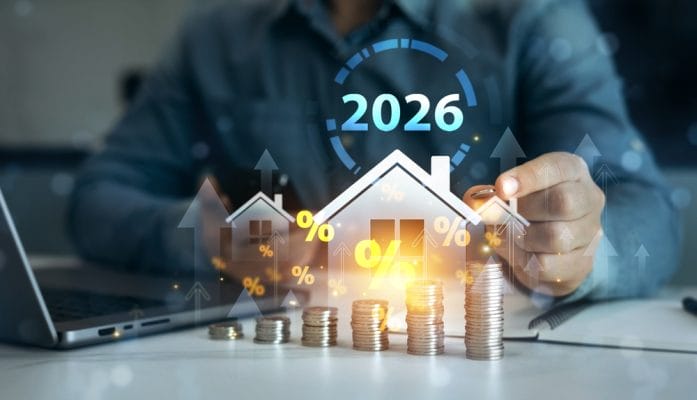
Your House Is Holding You Back: Why So Many Owners Are Re‑Thinking Homeownership
Image Source: Shutterstock.com

Flexibility and Freedom: Why Some Are Letting Go

A growing number of homeowners are choosing mobility over permanence. Renting, short-term leases, or alternative living arrangements offer freedom to relocate, change careers, and pursue personal goals without being tethered to a property. In some cases, liquidating a house allows for debt repayment, investment diversification, or creating a financial cushion that enhances overall security.

For many, the decision isn’t about abandoning ownership entirely—it’s about redefining priorities. A home is no longer automatically the ultimate measure of success; financial freedom, flexibility, and lifestyle satisfaction are increasingly valued as markers of wealth. Letting go of a house doesn’t mean losing stability—it can mean gaining options and reclaiming control over how money and time are spent.

Redefining Home: Moving Beyond Traditional Ownership

Owning a home used to symbolize reaching the finish line. Now, it increasingly represents a starting point for new decisions about freedom, flexibility, and financial strategy. Whether it’s downsizing, renting, or exploring alternative living arrangements, more people are recognizing that true security isn’t tied to walls and a roof—it’s tied to the ability to act, adapt, and invest in personal priorities.

The conversation around homeownership is shifting, and it challenges assumptions about what it means to “settle down.” Modern owners weigh not just equity and pride but also mobility, opportunity, and lifestyle choices. The house may still be a valuable asset, but it no longer defines success in the same way. The key is making intentional choices that align with personal goals and long-term happiness.

Are traditional notions of ownership worth the trade-offs, or is flexibility and financial freedom the new dream? Share your strategies, experiences, or insights in the comments.

You May Also Like…

The “Homeowner Lie”: Why Your House is Actually a Liability, Not an Investment in 2026

Avoid These Pitfalls: First-Time Homeownership Mistakes That Can Cost You

Heritage Insurance Approved: 9.6% Premium Drop for Seminole County Homeowners

Florida Homeowners Are Seeing Insurance Rates Decreasing In 2026

The $2,000 Average National Homeowner Premium — Highest Share of Mortgage Payment Ever

Brandon Marcus
Brandon Marcus

Brandon Marcus is a writer who has been sharing the written word since a very young age. His interests include sports, history, pop culture, and so much more. When he isn’t writing, he spends his time jogging, drinking coffee, or attempting to read a long book he may never complete.


Filed Under: Real Estate Tagged With: financial freedom, home buying, homeownership, house costs, housing flexibility, Housing Market, lifestyle changes, mortgage, Personal Finance, property ownership, real estate 2026, real estate trends, Wealth Building

Renting Long Term as a Financial Strategy

March 17, 2026 by Brandon Marcus Leave a Comment

Renting Long Term as a Financial Strategy
Image Source: Shutterstock.com

Homeownership appears to be the ultimate goal for millions, but renting long term could actually become a surprisingly smart financial move. While owning a house certainly carries prestige, stability, and the promise of building equity, it also brings property taxes, maintenance headaches, and enormous upfront costs that can crush flexibility and freedom. Renting, on the other hand, allows a family or individual to redirect money toward investments, savings, or other financial goals while keeping the freedom to move when life changes.

Long-term renting transforms what many consider a temporary situation into a deliberate strategy. Those who embrace renting strategically often discover a combination of financial control and lifestyle mobility that homeownership cannot match. While monthly rent payments do not create direct equity in a home, they do create predictable expenses that can free up cash flow for smarter moves elsewhere. This approach also allows households to avoid exposure to market fluctuations, steep home repairs, or sudden drops in property value.

Cash Flow Freedom: The Rent Advantage

Long-term renting often provides a predictable and manageable monthly expense, which can open opportunities for cash flow that many homeowners overlook. Mortgage payments can fluctuate, insurance premiums can rise, and property taxes can catch families off guard. Rent payments, by contrast, are usually fixed for a lease term, making budgeting simpler and less stressful. This predictability allows households to plan larger investments or build savings without constantly adjusting to new financial demands.

Beyond predictability, long-term renting allows households to redirect funds that would otherwise go toward maintenance, renovations, or property taxes into other financial strategies. Emergency funds can grow faster, investment accounts can accumulate more interest, and discretionary spending can remain flexible. In essence, renting turns money that would be tied up in a home into liquid assets that can work more dynamically. Over time, these decisions can create a substantial financial buffer that supports both short-term stability and long-term wealth building.

Avoiding the Maintenance Minefield

Owning a home brings control and pride, but it also brings responsibility. Leaky roofs, aging HVAC systems, plumbing disasters, and landscaping costs can pop up at the most inconvenient times. Even minor repairs can drain hundreds of dollars, while major repairs can wipe out a year’s worth of careful budgeting. Long-term renters, in contrast, hand those headaches over to landlords, allowing the household to preserve both time and money.

Avoiding maintenance costs does not just reduce stress—it increases financial predictability. Without unexpected repair bills, a household can allocate funds toward retirement accounts, emergency savings, or other investments that compound over time. Additionally, renting provides the freedom to relocate without concern for selling a property in a declining market or negotiating costly repairs before moving. This combination of lower risk and increased flexibility makes renting a strategic alternative, especially for households looking to maximize financial efficiency without sacrificing lifestyle quality.

Renting Long Term as a Financial Strategy
Image Source: Shutterstock.com

Strategic Mobility: Follow Opportunities, Not Mortgages

One of the most underappreciated advantages of long-term renting is mobility. Career shifts, new job opportunities, lifestyle changes, and even family dynamics can make geographic flexibility highly valuable. Homeownership, while stable, can lock people into locations with market-dependent exit costs that often reduce the financial gain of selling a property. Renting allows households to pivot quickly without enduring the uncertainty and cost of a housing transaction.

Mobility also opens doors for financial optimization. Renters can chase lower-cost markets, capitalize on emerging job hubs, or adjust their living situation as their financial goals evolve. For example, moving from a high-rent area to a more affordable city could free up thousands of dollars annually, which can be redirected into investments, student loans, or retirement planning. Renting long term, when treated strategically, offers households a way to align their living situation directly with evolving financial objectives.

Opportunity Cost: Money Working Harder

Homeownership often diverts funds into an illiquid asset that grows slowly over time. While homes historically appreciate, that growth is inconsistent and tied to unpredictable market factors. Long-term renting allows households to take funds that would be tied up in down payments, property taxes, and maintenance and redirect them toward higher-performing investments. A diversified portfolio of stocks, bonds, or retirement accounts can provide compounded growth that outpaces typical home appreciation over the same period.

Moreover, renting frees cash to pursue opportunities that might otherwise remain out of reach. Travel, education, side businesses, or personal development can all benefit from liquidity that homeowners may not enjoy. Households that embrace renting strategically recognize that money’s potential goes beyond walls and roofs; when money moves, it can grow, create options, and support a dynamic lifestyle in ways that a fixed asset often cannot.

Psychological Benefits: Less Stress, More Control

Renting long term also offers intangible yet powerful psychological benefits. Without the constant worry over rising property taxes, mortgage fluctuations, or unexpected repairs, households can enjoy a sense of financial control that reduces stress and fosters confidence. Stability emerges from predictability, not ownership, and knowing that monthly payments remain manageable provides a sense of security often overlooked in the traditional homeownership narrative.

This mental clarity allows households to focus on broader financial goals rather than micromanaging home-related contingencies. Stress reduction can also improve decision-making and support better long-term planning. By removing some of the emotional weight of homeownership, renting creates room for households to act strategically, capitalize on opportunities, and maintain financial flexibility while still enjoying the comfort of a stable living situation.

Renting Long Term as a Strategic Choice

When approached thoughtfully, long-term renting can be more than a temporary solution—it can be a deliberate financial strategy. Predictable expenses, avoidance of maintenance costs, mobility, opportunity cost advantages, and psychological benefits all combine to create a compelling case for households considering the best use of their financial resources. Renting allows money to flow where it can perform, rather than being locked into a single, illiquid asset.

Treating renting as a strategy requires intentional planning. Households should calculate annual costs, compare investment alternatives, and examine how mobility could create financial leverage. With this approach, renting transforms into a tool, not a limitation, offering freedom and flexibility while actively supporting wealth-building goals.

Could renting long term be the smartest move your household makes in the next decade? How might reallocating funds from ownership into investments, savings, or flexible living reshape your finances? If you have some ideas, share them below in our comments.

You May Also Like…

7 Outrageous Costs Hidden in Apartment Leases

The 10 Best Animals for Apartment and Tiny House Living

The Surprising Costs Of Renting Apartments In Atlanta

5 Ways To Ensure Your Safety If You Live In A Street Level Apartment

Avoid These Pitfalls: First-Time Homeownership Mistakes That Can Cost You

Brandon Marcus
Brandon Marcus

Brandon Marcus is a writer who has been sharing the written word since a very young age. His interests include sports, history, pop culture, and so much more. When he isn’t writing, he spends his time jogging, drinking coffee, or attempting to read a long book he may never complete.

Filed Under: Finance Tagged With: Cost of living, housing flexibility, housing strategy, investment alternatives, lifestyle choices, long term planning, money management, Personal Finance, Planning, rent vs buy, Renting, Wealth Building

FOLLOW US

Search this site:

Recent Posts

  • Can My Savings Account Affect My Financial Aid? by Tamila McDonald
  • 12 Ways Gen X’s Views Clash with Millennials… by Tamila McDonald
  • What Advantages and Disadvantages Are There To… by Jacob Sensiba
  • 10 Tactics for Building an Emergency Fund from Scratch by Vanessa Bermudez
  • Call 911: Go To the Emergency Room Immediately If… by Stephen Kanaval
  • 7 Weird Things You Can Sell Online by Tamila McDonald
  • 10 Scary Facts About DriveTime by Tamila McDonald

Copyright © 2026 · News Pro Theme on Genesis Framework