• Home
  • About Us
  • Toolkit
  • Getting Finances Done
    • Hiring Advisors
    • Debt Management
    • Spending Plan
  • Insurance
    • Life Insurance
    • Health Insurance
    • Disability Insurance
    • Homeowners/Renters Insurance
  • Contact Us
  • Privacy Policy
  • Risk Tolerance Quiz

The Free Financial Advisor

You are here: Home / Archives for homeownership

7 Things I Wish I Knew Before Buying My First House

June 26, 2025 by Travis Campbell Leave a Comment

home buying

Image Source: pexels.com

Buying your first house is a milestone that’s both thrilling and overwhelming. The process is packed with excitement, but it’s also full of potential pitfalls that can catch even the most prepared buyers off guard. If you’re dreaming of homeownership, you probably have visions of picking out paint colors and hosting backyard barbecues. But before you get the keys, some crucial lessons can save you money, stress, and regret. Learning from others’ experiences can help you avoid common mistakes and make smarter decisions. Here are seven things I wish I knew before buying my first house, so you can walk into your new home with confidence.

1. The True Cost of Homeownership

When you’re budgeting for your first house, it’s easy to focus on the down payment and the monthly mortgage. But the true cost of homeownership goes far beyond that. Property taxes, homeowners insurance, private mortgage insurance (PMI), and maintenance costs can add up quickly. Many first-time buyers are surprised by how much they spend on repairs, lawn care, and unexpected fixes. For example, a study found that homeowners spend an average $13,667 annually on maintenance and repairs. Before buying, ensure you have a realistic budget that includes these hidden expenses.

2. The Importance of a Thorough Home Inspection

A home inspection isn’t just a formality—it’s your best defense against costly surprises. Skipping or rushing through this step can lead to expensive regrets down the road. A good inspector will check everything from the roof to the foundation, plumbing, electrical systems, and more. Don’t be afraid to ask questions or request additional inspections for things like mold or pests. You can negotiate repairs or a lower price if the inspection uncovers issues. Remember, walking away is better than inheriting a money pit.

3. How Your Credit Score Impacts Your Mortgage

Your credit score plays a huge role in the mortgage process. A higher score can mean a lower interest rate, which could save you thousands over the life of your loan. Before you start house hunting, check your credit report for errors and work on improving your score if needed. Pay down debts, avoid opening new credit accounts, and make all payments on time. Even a small increase in your score can make a big difference in your monthly payment and overall affordability.

4. The Value of Shopping Around for a Mortgage

Not all mortgages are created equal. Many first-time buyers make the mistake of accepting the first offer they receive. Shopping around with different lenders can help you find better rates, lower fees, and more favorable terms. Don’t just compare interest rates—look at closing costs, loan types, and lender reviews. The Consumer Financial Protection Bureau recommends getting quotes from at least three lenders to ensure you’re getting the best deal. Taking the time to compare can save you thousands over the life of your loan.

5. Why Location Matters More Than You Think

You’ve probably heard the phrase “location, location, location,” but it’s more than just a cliché. The neighborhood you choose will impact your daily life, commute, and even your home’s future value. Research local schools, crime rates, amenities, and future development plans. Visit the area at different times of day to get a feel for traffic and noise. Remember, you can change a house, but you can’t change its location. Prioritizing location can pay off in both quality of life and long-term investment.

6. The Emotional Rollercoaster of Homebuying

Buying your first house is an emotional journey. There will be highs—like finding “the one”—and lows, such as losing out on a bid or facing unexpected delays. It’s easy to get attached to a property or feel pressured to make quick decisions. Try to keep your emotions in check and stick to your budget and priorities. Having a trusted real estate agent and support system can help you navigate the ups and downs. Remember, patience and perspective are your best friends during this process.

7. The Power of Negotiation

Many first-time buyers don’t realize how much is negotiable in a real estate transaction. From the purchase price to closing costs, repairs, and even move-in dates, there’s often room to negotiate. Don’t be afraid to ask for what you want or to walk away if the deal doesn’t feel right. A good agent can help you craft strong offers and counteroffers. Negotiation isn’t just about saving money—it’s about making sure the deal works for you.

Walking Into Homeownership with Eyes Wide Open

Buying your first house is a major life event, and it’s easy to get swept up in the excitement. But taking the time to understand the true cost of homeownership, the impact of your credit score, and the importance of location can make all the difference. By learning from others’ experiences and being proactive about inspections, negotiations, and mortgage shopping, you’ll set yourself up for a smoother, more rewarding journey. Homeownership isn’t just about finding a place to live—it’s about making informed choices that support your financial future.

What’s one thing you wish you’d known before buying your first house? Share your story in the comments!

Read More

How to Date Your Bank

5 Biggest Refinance Concerns

Travis Campbell
Travis Campbell

Travis Campbell is a digital marketer/developer with over 10 years of experience and a writer for over 6 years. He holds a degree in E-commerce and likes to share life advice he’s learned over the years. Travis loves spending time on the golf course or at the gym when he’s not working.

Filed Under: Investing Tagged With: budgeting, first-time homebuyer, home buying tips, homeownership, mortgage, Personal Finance, Real estate

How to Save for a Down Payment When You’re Broke

June 26, 2025 by Travis Campbell Leave a Comment

down payment

Image Source: pexels.com

Dreaming of owning a home but feeling like your empty wallet is holding you back? You’re not alone. For many, saving for a down payment can feel impossible, especially when you’re living paycheck to paycheck. Rising home prices and everyday expenses make the goal seem even further out of reach. But here’s the good news: with the right strategies, even those starting from zero can make real progress. If you’re determined to break out of the rent cycle and build a future, this guide is for you. Let’s dive into practical, actionable steps to help you save for a down payment when you’re broke.

1. Get Real About Your Down Payment Goal

Before you start saving, you need to know exactly what you’re aiming for. Many people assume they need 20% down, but that’s not always the case. Some loans require as little as 3% down, and there are even programs for first-time buyers that offer assistance. Use online calculators to estimate how much you’ll need based on your target home price and loan type. Setting a clear, realistic goal makes the process less overwhelming and helps you track your progress.

2. Track Every Dollar

When you’re broke, every cent counts. Start by tracking your income and expenses for at least a month. Use a budgeting app or a simple spreadsheet—whatever works for you. The goal is to see exactly where your money is going. You might be surprised by how much you spend on small, everyday purchases. Once you have a clear picture, you can identify areas to cut back and redirect those funds toward your down payment savings. This step is crucial for anyone serious about saving for a down payment when you’re broke.

3. Slash Unnecessary Expenses

Cutting costs doesn’t mean giving up everything you love, but it requires honest evaluation. Look for subscriptions you rarely use, dining out habits, or impulse purchases that add up over time. Even small changes, like making coffee at home or canceling a streaming service, can free up extra cash. Redirect these savings directly into a separate account dedicated to your down payment. Remember, every little bit helps when you’re trying to save for a down payment with limited resources.

4. Boost Your Income with Side Hustles

Increasing your income can make a big difference if your budget is already tight. Consider picking up a side hustle, freelancing, or gig work. Options like dog walking, food delivery, or online tutoring can fit around your main job and bring in extra cash. Even a few hundred dollars a month can add up over time. The key is to dedicate all side hustle earnings specifically to your down payment fund, so you see real progress.

5. Automate Your Savings

One of the best ways to save for a down payment when you’re broke is to make saving automatic. Set up a separate savings account and arrange for a small, regular transfer every payday. Consistency is more important than the amount, even if it’s just $10 or $20. Automating your savings removes the temptation to spend and helps you build momentum. Over time, you’ll be surprised at how quickly your down payment fund grows.

6. Take Advantage of Down Payment Assistance Programs

Many states and local governments offer down payment assistance programs for first-time homebuyers. These programs can provide grants, low-interest loans, or matched savings to help you reach your goal faster. Eligibility requirements vary, so research what’s available in your area. The U.S. Department of Housing and Urban Development (HUD) is a great place to start your search. Leveraging these resources can make saving for a down payment when you’re broke much more achievable.

7. Sell Unused Items

Chances are, you have things around your home you no longer need—clothes, electronics, furniture, or collectibles. Selling these items online or at a garage sale can give your savings a quick boost. Not only does this declutter your space, but it also turns unused stuff into cash for your down payment. Make it a goal to regularly review what you can sell and add those earnings to your savings account.

8. Get Creative with Living Arrangements

If you’re serious about saving for a down payment when you’re broke, consider more drastic changes to your living situation. Moving in with family, getting a roommate, or downsizing to a smaller apartment can significantly reduce your monthly expenses. While these options may not be ideal long-term, they can help you save thousands in a short period. The sacrifice now can pay off big when you’re finally ready to buy your own place.

Turning Small Steps into Big Results

Saving for a down payment when you’re broke isn’t easy, but it’s absolutely possible with determination and the right strategies. By setting a clear goal, tracking your spending, cutting costs, boosting your income, and taking advantage of available resources, you can make steady progress—even if you’re starting from zero. Remember, every dollar saved brings you one step closer to homeownership. Stay focused, celebrate small wins, and keep your eyes on the prize.

What’s the most creative way you’ve found to save for a down payment? Share your tips and stories in the comments!

Read More

Find the Right Amount of Life Insurance in 10 Minutes

5 Biggest Refinance Concerns

Travis Campbell
Travis Campbell

Travis Campbell is a digital marketer/developer with over 10 years of experience and a writer for over 6 years. He holds a degree in E-commerce and likes to share life advice he’s learned over the years. Travis loves spending time on the golf course or at the gym when he’s not working.

Filed Under: saving money Tagged With: budgeting, down payment, first-time homebuyer, homeownership, Personal Finance, saving money, side hustles

Why Renting Might Actually Make You Richer Than Buying in 2025

May 30, 2025 by Travis Campbell Leave a Comment

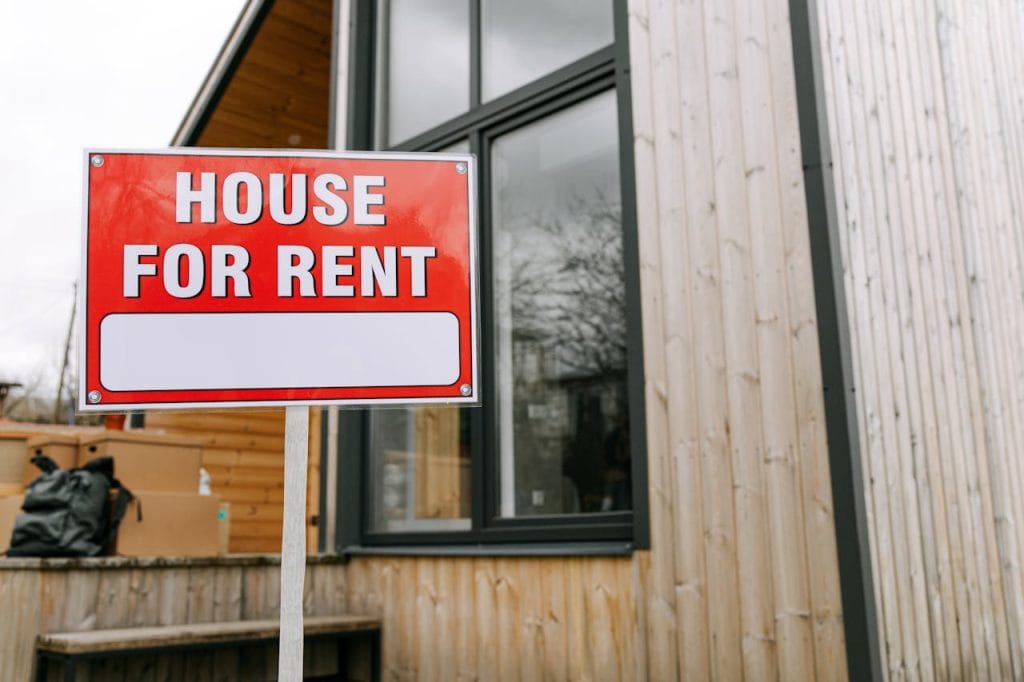
renting a house

Image Source: pexels.com

For years, the idea that “renting is throwing money away” has echoed through financial advice circles. But in 2025, the landscape has shifted, and more people are questioning whether buying a home is really the golden ticket to wealth. With rising interest rates, unpredictable housing markets, and new investment opportunities, the old rules don’t always apply. If you’ve ever felt pressured to buy a home just because it’s “the smart thing to do,” you’re not alone. The truth is, renting might actually make you richer than buying—if you play your cards right. Let’s break down why renting could be the savvy financial move this year.

1. Flexibility Means More Financial Freedom

Renting gives you the kind of flexibility that homeownership just can’t match. If your job changes, your family grows, or you want to try living in a new city, you can move without the hassle of selling a house. This flexibility can save you thousands in moving costs, real estate commissions, and the stress of being tied down. In 2025, with remote work and career pivots more common than ever, being able to adapt quickly is a real financial advantage. Renting lets you seize new opportunities without being anchored by a mortgage or the unpredictable local housing market.

2. Lower Upfront and Ongoing Costs

Buying a home comes with a mountain of upfront expenses—think down payments, closing costs, inspections, and moving fees. Even after you move in, you’re on the hook for property taxes, homeowners’ insurance, and maintenance. On the other hand, renters typically pay a security deposit and first month’s rent, then enjoy predictable monthly payments. In many markets, the total cost of renting is still lower than owning, especially when you factor in the hidden costs of homeownership.

3. Invest the Difference and Watch It Grow

Here’s where renting can really make you richer: by investing the money you save. Instead of tying up tens of thousands in a down payment, renters can put that cash to work in the stock market, retirement accounts, or other investments. Over time, the returns from these investments can outpace the equity you’d build in a home, especially if the housing market cools or stagnates. With the S&P 500 delivering strong long-term returns, renters who invest wisely can build wealth faster than many homeowners.

4. No Surprise Repairs or Maintenance Headaches

Homeownership comes with a never-ending list of repairs and maintenance tasks, from leaky roofs to broken appliances. These costs can add up quickly and often strike when you least expect them. As a renter, you’re usually off the hook for these expenses—your landlord handles repairs, and you can budget with confidence. This peace of mind saves you money and frees up your time and energy for things that matter more. In 2025, with the cost of materials and labor still high, avoiding surprise expenses is a big win for renters.

5. Protection from Market Volatility

The housing market in 2025 is anything but predictable. Prices in some areas are soaring, while others are seeing declines or stagnation. If you buy at the wrong time, you could end up with negative equity or a home that’s hard to sell. Renting shields you from these risks. You’re not exposed to market downturns, and you can move on if the neighborhood changes or your needs shift. This protection from volatility can help you build wealth steadily, without the rollercoaster ride of home values.

6. More Cash Flow for Life’s Priorities

Renting often means lower monthly payments compared to owning, especially when you factor in all the hidden costs of homeownership. This extra cash flow can be used for travel, education, starting a business, or simply enjoying life. In 2025, with inflation impacting everyday expenses, having more disposable income is a real advantage. Renting gives you the freedom to allocate your money where it matters most, rather than sinking it all into a mortgage.

7. Access to Amenities Without the Price Tag

Many rental communities offer amenities like pools, gyms, security, and maintenance—perks that would cost homeowners thousands to install and maintain. As a renter, you can enjoy these benefits without the hefty price tag or the hassle of upkeep. This not only saves you money but also enhances your quality of life. In 2025, with lifestyle inflation on the rise, getting more for your money is a smart move.

Rethinking Wealth: Renting as a Path to Financial Growth

The idea that renting is a waste of money is outdated, especially in 2025. Renting can actually make you richer than buying by freeing up your cash, reducing your risks, and giving you the flexibility to invest in your future. The key is to be intentional: invest the money you save, make smart financial choices, and focus on what truly matters to you. Whether you’re saving for retirement, building an emergency fund, or chasing your dreams, renting can be a powerful tool for financial growth.

Have you found renting to be a better financial move than buying? Share your story or thoughts in the comments below!

Read More

Is Selling Your Home the Best Choice?

How Much Should You Be Paying for Rent?

Travis Campbell
Travis Campbell

Travis Campbell is a digital marketer/developer with over 10 years of experience and a writer for over 6 years. He holds a degree in E-commerce and likes to share life advice he’s learned over the years. Travis loves spending time on the golf course or at the gym when he’s not working.

Filed Under: Real Estate Tagged With: financial freedom, homeownership, investing, Personal Finance, Real estate, Renting, Wealth Building

Why Your House Isn’t Actually an Asset (And What To Do About It)

May 29, 2025 by Travis Campbell Leave a Comment

home

Image Source: pexels.com

Buying a house is the ultimate financial milestone for many people—a symbol of stability, success, and smart investing. But what if everything you’ve been told about your home being your greatest asset isn’t quite true? The idea that your house is an asset is so ingrained in our culture that questioning it feels almost rebellious. Yet, understanding your home’s real financial role can make a huge difference in your long-term wealth. If you’re counting on your house to fund your retirement or as your financial safety net, it’s time to look closer. Let’s break down why your house isn’t actually an asset in the way you might think—and what you can do to build true financial security.

1. Your House Doesn’t Generate Income

When you think about assets, you probably imagine things that put money in your pocket—stocks that pay dividends, rental properties that bring in monthly rent, or businesses that generate profits. Your primary residence, however, doesn’t do any of that. Instead, it costs you money every month in the form of mortgage payments, property taxes, insurance, and maintenance. True assets generate income, while your house is more like a liability that requires ongoing expenses. If you want your home to become a real asset, consider ways to make it generate income, such as renting out a room or converting part of it into an Airbnb.

2. Home Equity Is Locked Up

It’s easy to look at your home’s rising value and feel wealthier, but that equity is locked up until you sell or borrow against it. Unlike stocks or bonds, you can’t just cash out a portion of your home’s value when you need it. This illiquidity means your house doesn’t offer the same flexibility as other investments. If you’re banking on home equity for emergencies or retirement, you might find yourself in a tough spot if the market turns or if selling isn’t an option. To make your finances more flexible, focus on building liquid assets like savings accounts, brokerage accounts, or retirement funds.

3. Ongoing Costs Eat Into Returns

Owning a home comes with a long list of ongoing costs—property taxes, insurance, repairs, utilities, and sometimes HOA fees. These expenses can add up to thousands of dollars each year, quietly eroding any appreciation your home might gain. When you factor in these costs, the actual return on your home investment is often much lower than you’d expect. In fact, some studies show that the long-term return on residential real estate barely outpaces inflation after accounting for all expenses.

4. Market Fluctuations Can Hurt

The housing market isn’t immune to ups and downs. While home values generally rise over time, there are periods when prices stagnate or even fall. If you need to sell during a downturn, you could lose money or be forced to stay put longer than you’d like. Unlike more diversified investments, your home’s value is tied to local market conditions, which can be unpredictable. To protect yourself, avoid relying solely on your house for your net worth and diversify your investments across different asset classes.

5. Selling Isn’t Always Simple

Turning your house into cash isn’t as easy as selling a stock or withdrawing from a savings account. The process can take months, involve hefty transaction costs, and depend on finding the right buyer at the right time. Plus, if you’re selling to downsize or access equity, you’ll still need somewhere to live, often at a cost that eats into your proceeds. Planning ahead and understanding the true liquidity of your home can help you avoid surprises when you need access to cash.

6. Emotional Attachment Clouds Judgment

It’s easy to become emotionally attached to your home, seeing it as more than just a financial asset. This attachment can lead to decisions that aren’t in your best financial interest, like over-improving the property or refusing to sell when it makes sense. Recognizing the difference between your home as a place to live and as part of your financial plan is crucial. Try to approach decisions about your house with the same objectivity you’d use for any other investment.

7. What To Do Instead: Build Real Assets

If your house isn’t the asset you thought it was, what should you do? Focus on building real assets that generate income and offer liquidity. Invest in stocks, bonds, or real estate that you rent out. Grow your retirement accounts and keep an emergency fund. Use your home as a stable place to live, but don’t rely on it as your primary source of wealth. By shifting your mindset, you’ll create a more resilient financial future.

Rethink Your Financial Foundation

Understanding that your house isn’t actually an asset in the traditional sense can be a game-changer for your financial planning. By focusing on building true assets—those that generate income and offer flexibility—you’ll set yourself up for greater security and freedom. Your home can still be a wonderful place to live and a part of your net worth, but it shouldn’t be the cornerstone of your financial strategy. Start building a foundation that works for you, not just for your mortgage lender.

What’s your take? Has your view of your house as an asset changed over time? Share your thoughts in the comments below!

Read More

The Art and Science of Underwriting Multifamily Properties

7 Financial Tips for First-Time Home Renovators

Travis Campbell
Travis Campbell

Travis Campbell is a digital marketer/developer with over 10 years of experience and a writer for over 6 years. He holds a degree in E-commerce and likes to share life advice he’s learned over the years. Travis loves spending time on the golf course or at the gym when he’s not working.

Filed Under: Real Estate Tagged With: assets, home equity, homeownership, investing, liabilities, Personal Finance, Planning, Real estate

10 Real Estate “Deals” That Can Turn Into Absolute Disasters

May 28, 2025 by Travis Campbell Leave a Comment

real estate

Image Source: pexels.com

Buying real estate is often seen as a path to wealth, but not every “deal” is as good as it looks. Many buyers, from first-timers to seasoned investors, have learned the hard way that some opportunities can quickly turn into financial nightmares. With home prices rising and competition fierce, it’s easy to overlook red flags in the rush to close. The consequences can be severe: lost savings, legal battles, and years of stress. Understanding the risks behind seemingly attractive real estate deals is crucial for anyone hoping to protect their finances and make smart decisions.

This guide breaks down ten common real estate “deals” that can become absolute disasters. Each section highlights real-world examples, key statistics, and practical advice to help you avoid costly mistakes.

1. The “Too Good to Be True” Foreclosure

Foreclosures often promise big discounts, but the reality can be harsh. Many foreclosed homes are sold “as is,” hiding expensive problems like mold, structural damage, or missing appliances. Foreclosed properties required significant repairs before they could be safely occupied. Buyers may also face unpaid property taxes or liens, which become their responsibility after purchase. Before jumping in, always budget for unexpected repairs and conduct a thorough inspection—even if it means walking away from a “bargain.”

2. The Unpermitted Renovation Trap

Homes with unpermitted additions or renovations can seem like a steal, but they often come with hidden costs. Unpermitted work may not meet safety codes, leading to insurance denials or forced demolition. In some cities, home sales involve unpermitted improvements, putting buyers at risk of fines or legal action. Always check local records and require proof of permits before closing. If you discover unpermitted work, negotiate repairs or walk away.

3. The “Hot Market” Overbid

In competitive markets, buyers sometimes waive inspections or bid far above the asking price to secure a home. This can backfire if the property appraises for less than the purchase price, leaving buyers to cover the difference out of pocket. Buyers paid more than the appraised value, often stretching their finances thin. Overbidding can also lead to regret if the market cools and home values drop. Stick to your budget and never skip essential due diligence, no matter how hot the market feels.

4. The Hidden HOA Headache

Properties in homeowners associations (HOAs) can come with strict rules and rising fees. Some HOAs have the power to foreclose on homes for unpaid dues, and special assessments can cost thousands. In 2024, the average HOA fee in the U.S. reached $148 per month, with some communities imposing surprise assessments for repairs or upgrades. Review HOA documents carefully, ask about upcoming projects, and talk to current residents before buying into any association.

5. The “As-Is” Money Pit

“As-is” listings often attract bargain hunters, but these homes can hide major issues. Sellers are not required to fix anything, and some states allow them to skip disclosure of known problems. Always hire a qualified inspector and be prepared to walk away if the risks outweigh the rewards.

6. The Timeshare Trap

Timeshares are marketed as affordable vacation options, but can be nearly impossible to resell. Annual maintenance fees often rise faster than inflation, and some owners pay thousands just to exit their contracts. The Federal Trade Commission warns that many timeshare resale companies are scams, preying on desperate sellers. If you’re considering a timeshare, research the true costs and resale market first—or better yet, consider alternatives like vacation rentals.

7. The “Turnkey” Rental Mirage

Turnkey rental properties promise instant income, but reality can differ. Some sellers inflate rental income projections or hide vacancy rates. Turnkey investors reported earning less than half the promised returns. Research local rental demand, verify tenant leases, and inspect the property in person. Don’t rely solely on the seller’s numbers—do your own math.

8. The Land with No Access

Vacant land can seem like a cheap investment, but a lack of legal access can make it worthless. Some parcels are “landlocked,” meaning there’s no public road or legal easement. You can’t build, sell, or even visit your property without access. Always verify access rights with the county and get everything in writing before buying land.

9. The Pre-Construction Promise

Buying pre-construction can lock in a lower price, but delays and cancellations are common. New home contracts were canceled due to financing issues or builder delays. Some buyers lose deposits or face years of waiting. Research the builder’s track record, read the contract carefully, and have a backup plan if things go wrong.

10. The Out-of-State Investment Gamble

Investing in real estate far from home can be risky, especially if you rely on unfamiliar property managers or contractors. Scams and mismanagement are common, and resolving issues from a distance is harder. If you’re considering this route, visit the area in person, build a trusted local team, and start small.

Smart Moves for Safer Real Estate Deals

Real estate deals can be life-changing, but the wrong move can lead to disaster. The most common thread among these pitfalls is a lack of due diligence, rushing into a deal without fully understanding the risks. Whether you’re buying a foreclosure, considering a timeshare, or investing out of state, take your time, ask tough questions, and consult professionals when needed. Protect your finances by treating every “deal” with healthy skepticism and thorough research.

Have you ever faced a real estate deal that turned out differently than you expected? Share your story in the comments—your experience could help others avoid a costly mistake.

Read More

The Art and Science of Underwriting Multifamily Properties

10 Reasons It’s Too Late for Boomers to Change Their Retirement Strategies

Travis Campbell
Travis Campbell

Travis Campbell is a digital marketer/developer with over 10 years of experience and a writer for over 6 years. He holds a degree in E-commerce and likes to share life advice he’s learned over the years. Travis loves spending time on the golf course or at the gym when he’s not working.

Filed Under: Real Estate Tagged With: financial advice, home buying, homeownership, property investment, Real estate, real estate deals, real estate risks

Renting Forever? Why That Might Be Smarter Than You Think

May 25, 2025 by Travis Campbell Leave a Comment

renting

Image Source: pexels.com

For decades, the “American Dream” has been synonymous with homeownership. We’re told that buying a house is the ultimate sign of financial success and stability. But what if that dream doesn’t fit your reality—or your goals? In today’s fast-changing world, more people are asking whether renting forever might actually be the smarter move. If you’ve ever felt pressured to buy a home or wondered if you’re missing out by renting, you’re not alone. Let’s dig into why renting forever could be a savvy, strategic choice for your finances and your lifestyle.

1. Flexibility to Move When Life Changes

One of the biggest perks of renting forever is the freedom it gives you to adapt to life’s twists and turns. Whether you land a new job in another city, want to be closer to family, or simply crave a change of scenery, renting makes it easy to pack up and go. On the other hand, homeowners often face the stress and expense of selling a property before they can move. This flexibility is especially valuable in today’s job market, where remote work and career pivots are more common than ever. Renting means you’re never tied down by a mortgage or the unpredictability of the housing market.

2. Lower Upfront and Ongoing Costs

Buying a home isn’t just about the down payment. There are closing costs, property taxes, homeowners’ insurance, maintenance, and sometimes HOA fees. According to Bankrate, closing costs alone can run 2% to 5% of the home’s purchase price. Renters, by contrast, typically pay a security deposit and first month’s rent, much less upfront. Plus, renters aren’t on the hook for surprise repairs or big-ticket replacements like a new roof or HVAC system. This can free up cash for investing, travel, or other priorities.

3. No Maintenance Headaches

Let’s be honest: homeownership comes with a never-ending to-do list. From mowing the lawn to fixing leaky faucets, the responsibility for upkeep falls squarely on your shoulders. Renters, however, can simply call the landlord or property manager when something breaks. This not only saves money but also time and stress. If you value your weekends and want to avoid the hassle of home repairs, renting forever can be a huge relief.

4. More Predictable Monthly Expenses

When you rent, your monthly housing costs are usually fixed for the length of your lease. On the other hand, homeowners can be hit with unexpected expenses—emergency repairs, rising property taxes, or fluctuating insurance premiums. This predictability makes budgeting easier and can help you avoid financial surprises. For those who prefer stability and control over their finances, renting offers peace of mind.

5. Opportunity to Invest Elsewhere

One of the most compelling arguments for renting forever is the ability to invest your money elsewhere. Instead of tying up a large chunk of your net worth in a single asset (your home), you can diversify by putting your savings into stocks, bonds, or other investments. Historically, the stock market has outperformed real estate over the long term, according to NerdWallet. By renting, you can take advantage of compound growth and potentially build more wealth than you would through home appreciation alone.

6. Avoiding Market Risk and Housing Bubbles

Real estate markets can be unpredictable. Home values don’t always go up; buying at the wrong time can leave you underwater on your mortgage. The 2008 housing crisis is a stark reminder that homeownership isn’t a guaranteed path to wealth. Renters are insulated from these market swings. If rents rise, you can always move to a more affordable place. If home values drop, you’re not stuck with a depreciating asset. Renting forever means you can sidestep the risks of housing bubbles and market downturns.

7. Access to Amenities and Prime Locations

Many rental communities offer amenities that would be costly or impossible to replicate as a homeowner—think pools, gyms, security, and maintenance staff. Renting can also give you access to prime locations, like city centers or waterfronts, that might be out of reach if you were buying. This can enhance your quality of life and even shorten your commute, saving you time and money.

8. Less Pressure to “Keep Up with the Joneses”

Homeownership often comes with social pressure to upgrade, renovate, or keep up appearances. This can lead to overspending and financial stress. On the other hand, renters are less likely to feel compelled to remodel the kitchen or landscape the yard just to fit in. By renting forever, you can focus on what truly matters to you, rather than chasing someone else’s idea of success.

9. Freedom from Long-Term Debt

A mortgage is a long-term commitment—often 30 years or more. That’s decades of debt hanging over your head. Renting forever means you’re not locked into a massive loan, and you have the freedom to adjust your housing situation as your needs and finances change. This can be especially appealing if you value financial independence and want to avoid the stress of long-term debt.

Rethinking the “Forever Renter” Stigma

It’s time to challenge the outdated notion that renting forever is a sign of failure or financial weakness. It can be a smart, strategic choice that offers flexibility, freedom, and financial advantages. The key is to make intentional decisions based on your goals, not societal pressure. Whether saving for retirement, building wealth through investments, or simply enjoying a low-maintenance lifestyle, renting forever might be the smarter path.

Have you chosen to rent instead of buy? What benefits—or challenges—have you experienced? Share your story in the comments below!

Read More

How to Manage Your Finances with Peace of Mind and Being Happy

When Are Manufactured Homes a Good Investment?

Travis Campbell
Travis Campbell

Travis Campbell is a digital marketer/developer with over 10 years of experience and a writer for over 6 years. He holds a degree in E-commerce and likes to share life advice he’s learned over the years. Travis loves spending time on the golf course or at the gym when he’s not working.
Filed Under: Real Estate Tagged With: homeownership, housing, investing, Lifestyle, Personal Finance, Planning, Real estate, Renting

The Truth About Property Taxes That Real Estate Agents Avoid Telling You

May 24, 2025 by Travis Campbell Leave a Comment

handing over keys

Image Source: pexels.com

If you’re thinking about buying a home, you’ve probably heard plenty about mortgage rates, down payments, and the thrill of house hunting. But there’s one topic that rarely gets the spotlight it deserves: property taxes. Real estate agents might mention them in passing, but they often gloss over the details—sometimes because they don’t want to scare you off, and sometimes because they simply don’t know all the ins and outs themselves. Yet, property taxes can greatly impact your monthly budget, your long-term investment, and even your ability to keep your home. Understanding the truth about property taxes isn’t just smart—it’s essential for every homeowner and homebuyer. Let’s pull back the curtain and talk about what real estate agents often avoid telling you.

1. Property Taxes Can Rise Faster Than You Expect

One of the biggest misconceptions about property taxes is that they’re fixed or predictable. Property taxes can increase significantly from year to year, sometimes outpacing inflation and wage growth. Local governments periodically reassess property values, and if your home’s value goes up or your area needs more funding for schools, roads, or emergency services, your tax bill can jump. This is especially true in hot real estate markets, where home values can skyrocket in just a few years. Many buyers are caught off guard when their monthly escrow payments suddenly increase, straining their budgets. According to the Tax Foundation, property tax rates and increases vary widely by state and county, so it’s crucial to research local trends before buying.

2. Your Property Tax Bill Isn’t Just About Your Home’s Value

It’s easy to assume that your property tax bill is based solely on your home’s market value, but that’s only part of the story. Local governments use a formula that often includes the assessed value of your property, the local tax rate (also called the millage rate), and sometimes special assessments for things like schools, parks, or infrastructure projects. These extra assessments can add hundreds or even thousands of dollars to your annual bill. Some areas also have “parcel taxes” or “levies” that fund specific community needs. Real estate agents may not always break down these details, but you can usually find them on your county assessor’s website or by asking your local tax office.

3. Exemptions and Appeals Are Your Secret Weapons

Many real estate agents don’t mention that you might be eligible for property tax exemptions or reductions, but you have to apply for them. Common exemptions include those for seniors, veterans, people with disabilities, and sometimes first-time homebuyers. These can lower your taxable value and save you hundreds each year. Additionally, if you believe your property has been over-assessed, you have the right to appeal. The process can be a bit bureaucratic, but it’s worth it if you think you’re paying too much. According to NerdWallet, successful appeals can reduce your tax bill for years to come.

4. Property Taxes Can Affect Your Home’s Resale Value

When you’re ready to sell, high property taxes can make your home less attractive to buyers. Savvy shoppers compare home prices and the ongoing ownership costs, including property taxes. If your home is in a district with rising taxes or special assessments, it could limit your pool of potential buyers or force you to lower your asking price. On the flip side, homes in areas with stable or lower property taxes often sell faster and for higher prices. This is a key reason to pay attention to local tax trends, not just for your budget, but for future resale prospects.

5. Escrow Isn’t a Magic Shield

Many homeowners pay their property taxes through an escrow account managed by their mortgage lender. While this can make budgeting easier, it’s not a magic shield against rising costs. If your property taxes go up, your lender will adjust your monthly payment to cover the difference, sometimes with little warning. This can lead to “escrow shortages” and unexpected increases in your mortgage payment. It’s important to review your annual escrow statement and keep an eye on local tax changes so you’re not caught off guard.

6. New Construction and Renovations Can Trigger Reassessments

Thinking about buying a brand-new home or planning a major renovation? Be prepared for a possible property tax reassessment. New construction is often assessed at a higher value than older homes, and significant improvements—like adding a pool, finishing a basement, or building an addition—can prompt your local assessor to raise your home’s value. This means your property taxes could jump after you move in or complete your project. Always factor potential tax increases into your renovation budget or new home purchase.

7. Property Taxes Fund More Than You Think

It’s easy to grumble about property taxes, but remembering what they pay for is worth it. In most communities, property taxes fund public schools, police and fire departments, libraries, parks, and road maintenance. Some areas also use property taxes to support hospitals, transit systems, and affordable housing initiatives. Understanding where your money goes can help you appreciate the value you’re getting—and give you a voice in local budget decisions. If you’re concerned about rising taxes, get involved in local government meetings or budget hearings.

The Real Cost of Homeownership: Don’t Let Property Taxes Surprise You

Property taxes are a crucial part of the true cost of homeownership, and ignoring them can lead to financial headaches down the road. Understanding how property taxes work, staying informed about local trends, and taking advantage of exemptions or appeals can protect your budget and make smarter real estate decisions. Don’t let property taxes be the hidden surprise that derails your homeownership dreams—be proactive, ask questions, and plan ahead.

What’s your experience with property taxes? Have you ever been surprised by a tax increase or found a way to lower your bill? Share your story in the comments below!

Read More

How Are Property Taxes Determined Each Year?

Are There Taxes That Have to Be Paid on Yearly Bonuses?

Travis Campbell
Travis Campbell

Travis Campbell is a digital marketer/developer with over 10 years of experience and a writer for over 6 years. He holds a degree in E-commerce and likes to share life advice he’s learned over the years. Travis loves spending time on the golf course or at the gym when he’s not working.

Filed Under: Real Estate Tagged With: budgeting, home buying, homeownership, Personal Finance, property taxes, Real estate, real estate advice, taxes

The $100,000 Home Buying Mistake No One Warned You About

May 22, 2025 by Travis Campbell Leave a Comment

home buying

Image Source: pexels.com

Buying a home is one of the most exciting—and nerve-wracking—financial decisions you’ll ever make. For many, it’s the ultimate symbol of stability and success. But what if I told you there’s a $100,000 home buying mistake that almost no one talks about? This isn’t about picking the wrong neighborhood or getting a bad mortgage rate. It’s a hidden pitfall that can quietly drain your wealth and leave you with serious regrets. Understanding this mistake could save you a small fortune, whether you’re a first-time buyer or a seasoned homeowner. Let’s break down what you need to know so you don’t fall into this costly trap.

1. Overlooking the True Cost of Homeownership

Most buyers focus on the sticker price of a home and their monthly mortgage payment. But the real cost of homeownership goes far beyond that. Property taxes, homeowners’ insurance, maintenance, repairs, and HOA fees can add up to thousands of dollars each year. Zillow says the average homeowner spends over $9,000 annually on these “hidden” costs. Over a decade, that’s nearly $100,000—money that could have been invested elsewhere. If you don’t budget for these expenses, you might find yourself house-poor, struggling to keep up with bills, and unable to enjoy the home you worked so hard to buy.

2. Underestimating Maintenance and Repairs

It’s easy to fall in love with a home’s curb appeal or updated kitchen, but every house requires ongoing maintenance, no matter how new. Roofs need replacing, HVAC systems break down, and appliances wear out. The U.S. News & World Report recommends setting aside at least 1% of your home’s value each year for maintenance and repairs. For a $400,000 home, that’s $4,000 annually. Skip this step, and you could be hit with a $10,000 roof replacement or a $7,000 HVAC repair at the worst possible time. These costs sneak up on homeowners who don’t plan ahead, making their dream home a financial headache.

3. Ignoring the Impact of Property Taxes

Property taxes are one of the most overlooked aspects of homeownership, yet they can dramatically affect your long-term finances. These taxes vary widely by location and can increase over time, sometimes outpacing your income growth. In some states, property taxes can add thousands to your annual expenses. If you don’t factor this into your budget, you might find yourself struggling to keep up as rates rise. Before buying, research local tax rates and ask your real estate agent for historical data. This simple step can help you avoid a nasty surprise and keep your home buying mistake from ballooning into a six-figure loss.

4. Failing to Account for Opportunity Cost

Here’s where the $100,000 home buying mistake really comes into play: opportunity cost. When you tie up a large chunk of your savings in a down payment and ongoing home expenses, that money isn’t working for you elsewhere. If you had invested $100,000 in the stock market instead of putting it all into your home, you could have seen significant returns over time. According to NerdWallet, the average annual return for the S&P 500 is about 10% before inflation. Over 10 years, that $100,000 could grow to more than $259,000. You might be missing out on wealth-building opportunities that could change your financial future by not considering opportunity cost.

5. Letting Emotions Drive Your Purchase

Buying a home is an emotional experience, but letting your heart overrule your head can lead to costly mistakes. Maybe you stretch your budget for a house with a dreamy backyard or ignore red flags because you’re afraid of missing out. Emotional decisions often lead to overpaying, skipping inspections, or settling for a home that doesn’t truly fit your needs. Step back, set clear financial boundaries, and remember that the right home should fit your life and your budget, not just your Pinterest board. Avoiding this emotional trap can help you sidestep the $100,000 home buying mistake and make a decision you’ll be happy with for years to come.

6. Overextending on Your Mortgage

Buying as much house as your lender will allow is tempting, but just because you qualify for a big mortgage doesn’t mean you should take it. Overextending yourself can leave you vulnerable to financial shocks like job loss, medical emergencies, or unexpected repairs. Lenders don’t always consider your full financial picture, including future goals like retirement or college savings. Stick to a mortgage payment that’s comfortable and leaves room for other priorities. This discipline can help you avoid becoming house-poor and keep you from making a $100,000 home buying mistake that could haunt you for years.

7. Skipping a Thorough Home Inspection

A home inspection might seem like a formality, but skipping it is a gamble that can cost you big. Inspectors can uncover hidden issues like foundation problems, mold, or outdated electrical systems—repairs that can run into the tens of thousands. Don’t waive your inspection contingency even if you’re buying in a hot market. Spending a few hundred dollars upfront can save you from a six-figure mistake down the road. Protect yourself by hiring a reputable inspector and reviewing their findings carefully before closing the deal.

Protect Your Wealth: Make Smart Home Buying Choices

The $100,000 home buying mistake isn’t just one misstep—it’s a series of overlooked costs, emotional decisions, and missed opportunities that add up over time. By understanding the true cost of homeownership, planning for maintenance, researching property taxes, considering opportunity cost, and making rational decisions, you can confidently protect your wealth and enjoy your new home. Remember, buying a home is a major milestone, but it shouldn’t come at the expense of your financial future.

Have you ever faced an unexpected homeownership cost or made a home buying mistake? Share your story in the comments below!

Read More

The $100K Mistake Newlyweds Make Without Realizing It

10 Bad Ideas for Preventing Unnecessary Spending in Your Family

Travis Campbell
Travis Campbell

Travis Campbell is a digital marketer/developer with over 10 years of experience and a writer for over 6 years. He holds a degree in E-commerce and likes to share life advice he’s learned over the years. Travis loves spending time on the golf course or at the gym when he’s not working.

Filed Under: Home Improvement Tagged With: home buying, homeownership, mortgage, Personal Finance, Planning, property taxes, Real estate

10 Reasons Why Gen Z and Millennials Are Ditching Big Cities for Small-Town Life

May 17, 2025 by Travis Campbell Leave a Comment

Cars on road amidst old shops at historic city with clear blue sky in background

Image Source: 123rf.com

If you’ve scrolled through TikTok or Instagram lately, you’ve probably noticed a growing trend: more and more Gen Z and Millennials are packing up their city apartments and heading for the charm of small-town life. This shift isn’t just about escaping sky-high rents or crowded subways—it’s a lifestyle movement that’s gaining serious momentum. With remote work on the rise and priorities shifting, young adults are rethinking what “success” and “happiness” really mean. For many, the answer lies far from the hustle and bustle of big cities. You’re in the right place if you’re curious about why so many are making this leap. Here are ten compelling reasons why Gen Z and Millennials are trading skyscrapers for small-town skylines—and why you might want to consider it, too.

1. Lower Cost of Living

One of the biggest reasons Gen Z and Millennials are leaving big cities is the dramatically lower cost of living in small towns. Rent, groceries, and even entertainment are often much more affordable, allowing young people to save money or invest in experiences that matter to them. According to CNBC, many Americans are moving to smaller communities to escape the financial pressures of urban life. This financial freedom can mean less stress and more opportunities to build wealth or pursue passions.

2. Remote Work Flexibility

The rise of remote work has been a game-changer, especially for Gen Z and Millennials. No longer tied to a physical office, many are choosing to live where they feel happiest, not just where the jobs are. Small towns offer the perfect blend of peace and productivity, with fewer distractions and more space to create a comfortable home office. This flexibility is empowering a new generation to prioritize lifestyle over location.

3. Better Work-Life Balance

Big cities are notorious for their fast pace and long commutes, which can quickly lead to burnout. In contrast, small-town life often means shorter commutes, less traffic, and more time for hobbies, family, and self-care. This improved work-life balance is a major draw for young adults who value mental health and personal fulfillment as much as career success.

4. Stronger Sense of Community

It’s easy to feel anonymous in a big city, but small towns are known for their tight-knit communities. Gen Z and Millennials are seeking genuine connections and a sense of belonging, which small towns often provide in abundance. Whether it’s chatting with neighbors at the local coffee shop or volunteering at community events, these interactions foster meaningful relationships and a support network that’s hard to find in urban environments.

5. Access to Nature and Outdoor Activities

Access to green spaces and outdoor adventures is a top priority for many young people. Small towns often offer beautiful parks, hiking trails, and lakes right outside your door. This proximity to nature supports physical health and boosts mental well-being. According to the American Psychological Association, spending time in nature can reduce stress and improve mood—something city dwellers often miss out on.

6. Slower Pace and Less Stress

The constant noise and rush of city life can be overwhelming. Small towns offer a slower, more relaxed pace that appeals to those looking to escape the chaos. This slower lifestyle allows for more mindful living, less stress, and a greater appreciation for the little things, like a quiet morning walk or a friendly wave from a neighbor.

7. Opportunities for Entrepreneurship

Believe it or not, small towns can be fertile ground for new businesses. With less competition and lower startup costs, Gen Z and Millennials are finding it easier to launch side hustles or full-fledged companies. Many small towns actively support local entrepreneurs through grants, networking events, and business incubators, making it an attractive option for those with big dreams and creative ideas.

8. Safer, Family-Friendly Environments

Safety is a top concern for many young adults, especially those thinking about starting families. Small towns often boast lower crime rates and a more family-friendly atmosphere than big cities. This peace of mind allows residents to focus on building their futures without constant worry, making small-town life especially appealing for those planning to settle down.

9. More Affordable Homeownership

For many Millennials and Gen Zers, owning a home in a big city feels out of reach. In small towns, however, homeownership is much more attainable. Lower property prices and less competition mean that buying a house—and building equity—is a realistic goal. This financial stability is a key reason why so many are moving.

10. Authentic Local Culture

Small towns are rich in local traditions, festivals, and unique businesses, giving each community its flavor. Gen Z and Millennials are increasingly drawn to these authentic experiences, preferring them over the chain stores and generic attractions of big cities. Embracing local culture supports small businesses and creates a deeper sense of place and identity.

Rethinking the American Dream: Why Small-Town Life Is the New Big City

The migration of Gen Z and Millennials to small towns isn’t just a passing trend—it’s a reimagining of what the American Dream can look like. With the primary SEO keyword “small-town life” at the heart of this movement, young adults are discovering that happiness, success, and fulfillment don’t require a city skyline. Instead, small-town life offers affordability, community, and a chance to live on your own terms. Whether you’re craving a slower pace, dreaming of homeownership, or simply seeking a stronger sense of belonging, small-town life might just be the fresh start you’ve been searching for.

What about you? Are you considering a move to small-town life, or have you already made the leap? Share your story or thoughts in the comments below!

Read More

9 Cities Where Millennials Are Moving and Why

10 Happenings That Suggest White Flight Is Happening in Your Town

Travis Campbell
Travis Campbell

Travis Campbell is a digital marketer/developer with over 10 years of experience and a writer for over 6 years. He holds a degree in E-commerce and likes to share life advice he’s learned over the years. Travis loves spending time on the golf course or at the gym when he’s not working.

Filed Under: Trends Tagged With: community, Cost of living, gen z, homeownership, Millennials, moving trends, remote work, small-town life, Work–life balance

12 Clues That You’re Truly House Poor Even Though You’re Still Spending

May 14, 2025 by Travis Campbell Leave a Comment

home and coins

Image Source: 123rf.com

Buying a home is a milestone many dream of, but what happens when your dream home starts to feel more like a financial trap? The term “house poor” describes homeowners who spend so much on their mortgage and related costs that there’s little left for anything else. It’s a surprisingly common situation, especially as housing prices soar and people stretch their budgets to get the home they want. Even if you’re still spending on daily luxuries or the occasional treat, you might be house poor without realizing it. Recognizing the signs early can help you regain control of your finances and enjoy your home without the stress. Here are 12 clues that you’re truly house poor, even if your lifestyle hasn’t changed as much as you think.

1. Your Mortgage Eats Up Most of Your Income

If more than 30% of your gross monthly income goes toward your mortgage, you’re likely house poor. Financial experts, including Bankrate, recommend keeping housing costs below this threshold. When your mortgage, property taxes, and insurance take up such a large chunk, it leaves little room for savings or other expenses.

2. You’re Dipping Into Savings for Everyday Bills

Are you regularly pulling from your emergency fund or savings just to cover groceries, utilities, or gas? This is a classic sign of being house poor. Your home should be a source of stability, not a reason to drain your safety net.

3. Credit Card Balances Keep Growing

If you’re relying on credit cards to bridge the gap between paychecks, it’s a red flag. High-interest debt can quickly spiral out of control, especially when you’re already stretched thin by housing costs. This is a common pitfall for house-poor homeowners.

4. You Can’t Afford Home Maintenance

Owning a home means dealing with repairs and upkeep. If you’re putting off fixing that leaky roof or broken appliance because you simply can’t afford it, your budget is too tight. Skipping maintenance can lead to bigger, costlier problems down the road.

5. Vacations and Getaways Are Off the Table

Remember when you could plan a weekend trip or a family vacation without stress? If travel is now a distant memory because your mortgage takes priority, it’s a sign your home is costing you more than you can comfortably afford.

6. You’re Saying “No” to Social Events

When invitations to dinners, birthdays, or outings make you anxious about spending, it’s time to take a closer look at your finances. Being house poor often means cutting back on social activities, even if you’re still spending in other areas.

7. Retirement Contributions Have Stalled

If you’ve reduced or stopped contributing to your retirement accounts to keep up with your mortgage, you’re sacrificing your future for your present. This is a dangerous trade-off that can have long-term consequences.

8. You’re Constantly Stressed About Money

Financial stress is a major indicator of being house poor. If you’re losing sleep, arguing with your partner, or feeling anxious every time a bill arrives, your home may be at the root of your worries.

9. You’re Skipping Health or Car Insurance

Cutting back on essential insurance to make ends meet is a risky move. If you’re tempted to drop coverage or raise deductibles just to free up cash, your housing costs are too high for your income.

10. You’re Not Building an Emergency Fund

A healthy emergency fund is crucial for financial security. If you can’t set aside money each month because your mortgage eats up your cash flow, you’re house poor—even if you’re still spending on non-essentials.

11. You’re Living Paycheck to Paycheck

If there’s nothing left at the end of the month after paying your bills, you’re in a precarious position. Living paycheck to paycheck, especially with a hefty mortgage, leaves you vulnerable to unexpected expenses or income loss.

12. You Regret Your Home Purchase

Finally, if you find yourself wishing you’d bought a smaller home or chosen a different neighborhood just to have more financial freedom, that’s a clear sign. Regret is a powerful indicator that your home is more of a burden than a blessing.

Reclaiming Your Financial Freedom Starts at Home

Being house poor doesn’t mean you have to sell your home tomorrow, but it does mean it’s time for a financial reset. Start by tracking your spending, creating a realistic budget, and looking for ways to cut costs—whether that’s refinancing, renting out a room, or simply saying no to unnecessary expenses. Remember, your home should support your life, not limit it. By recognizing the signs of being house poor and taking proactive steps, you can regain control and start building the financial future you deserve.

Have you ever felt house poor, or do you have tips for others in the same boat? Share your experiences in the comments below!

Read More

What to Do When You Are One Month Behind on Your Mortgage

Why Are Fixed Expenses Difficult to Reduce?

Travis Campbell
Travis Campbell

Travis Campbell is a digital marketer/developer with over 10 years of experience and a writer for over 6 years. He holds a degree in E-commerce and likes to share life advice he’s learned over the years. Travis loves spending time on the golf course or at the gym when he’s not working.

Filed Under: Personal Finance Tagged With: budgeting, Debt, emergency fund, financial stress, homeownership, house poor, Lifestyle, mortgage, Personal Finance, Planning, spending

  • « Previous Page
  • 1
  • …
  • 5
  • 6
  • 7
  • 8
  • Next Page »

FOLLOW US

Search this site:

Recent Posts

  • Can My Savings Account Affect My Financial Aid? by Tamila McDonald
  • 12 Ways Gen X’s Views Clash with Millennials… by Tamila McDonald
  • What Advantages and Disadvantages Are There To… by Jacob Sensiba
  • 10 Tactics for Building an Emergency Fund from Scratch by Vanessa Bermudez
  • Call 911: Go To the Emergency Room Immediately If… by Stephen Kanaval
  • 7 Weird Things You Can Sell Online by Tamila McDonald
  • 10 Scary Facts About DriveTime by Tamila McDonald

Copyright © 2026 · News Pro Theme on Genesis Framework