• Home
  • About Us
  • Toolkit
  • Getting Finances Done
    • Hiring Advisors
    • Debt Management
    • Spending Plan
  • Insurance
    • Life Insurance
    • Health Insurance
    • Disability Insurance
    • Homeowners/Renters Insurance
  • Contact Us
  • Privacy Policy
  • Risk Tolerance Quiz

The Free Financial Advisor

You are here: Home / Archives for Trends

8 Things That Were Mocked Decades Ago but Are Now Genius Ideas

November 10, 2025 by Travis Campbell Leave a Comment

remote work

Image source: shutterstock.com

People from each successive generation find amusement in the things that their elders treated with complete seriousness. Time can change public perception so that what people once considered unusual or pointless ends up being a brilliant discovery. Modern society demonstrates that new ideas develop through the process of questioning and finding solutions. People in the public made fun of early adopters of new technology until the advantages became visible to all. The following list examines eight concepts that were initially dismissed as foolish yet have since proven to be brilliant innovations, demonstrating how being innovative before others can lead to success.

1. Remote Work

In the 1990s, “working from home” sounded like an excuse to slack off. Companies believed productivity required fluorescent lights and cubicles. Fast forward to today, and remote work has become one of the most widely accepted genius ideas in modern employment. Technology caught up, internet speeds improved, and employees proved they could deliver results without commuting. The shift also saved businesses money and gave workers a better work-life balance.

Now, flexible work arrangements are a recruiting advantage. Even traditional corporations recognize that location independence can boost morale and retention. Remote work went from fringe to mainstream, reshaping how we think about careers and productivity.

2. Electric Cars

For decades, electric vehicles were dismissed as impractical toys. Early models lacked range, and charging networks were nonexistent. Yet visionaries persisted, betting on cleaner energy and smarter design. Their persistence turned skepticism into admiration. Electric cars are now a cornerstone of sustainable transportation and one of the clearest examples of genius ideas that started as jokes.

Governments and consumers have rallied behind the shift. With better batteries and lower costs, electric cars are no longer a novelty—they’re a necessity. The same critics who once laughed now drive them to work.

3. Plant-Based Meat

When veggie burgers first hit grocery stores, they were rubbery and bland. Meat lovers mocked them relentlessly. But food science evolved, and plant-based meat transformed into a serious alternative. Today, it’s not just for vegetarians—many people choose it for health or environmental reasons. That shift from punchline to practical option is exactly what defines genius ideas that were once misunderstood.

Major chains serve plant-based options, and investors have poured billions into the industry. What started as a niche experiment is now a major movement in global food culture.

4. Thrift Shopping

There was a time when secondhand shopping carried stigma. People assumed that used clothes meant financial struggle. But as sustainability gained traction, thrifting became a badge of creativity and eco-consciousness. Now, it’s a global trend driven by style and ethics rather than necessity.

Social media helped the shift. Vintage finds and upcycles outfits turned into fashion statements. Thrift shopping now saves money, reduces waste, and sparks individuality—all signs of an idea that aged beautifully.

5. Minimalist Living

Owning less once looked like deprivation. In the 1980s and 1990s, success was measured by accumulation. But as people grew tired of clutter and debt, minimalism gained respect. It’s one of those genius ideas that quietly changed how people view wealth and happiness.

Minimalist living doesn’t mean giving up comfort—it means focusing on what matters. The mindset shift has influenced home design, travel, and even digital habits. Less became more, and simplicity became desirable again.

6. Online Dating

When dating websites first appeared, they were the butt of endless jokes. Meeting someone through a screen felt strange, even desperate. But over time, technology has normalized connection in every part of life. Now, online dating is the most common way couples meet. It’s efficient, data-driven, and, in many cases, more honest than old-fashioned setups.

Apps and algorithms replaced awkward introductions. What began as a social taboo became one of the most successful genius ideas of the digital age. It changed how people form relationships and even how families begin.

7. Home Solar Power

Installing solar panels once seemed like a hobby for fringe environmentalists. The equipment was bulky and expensive, and payback took decades. But as costs dropped and efficiency improved, solar energy became both affordable and smart. Homeowners now view it as an investment that reduces bills and enhances property value.

Solar power is also a quiet revolution in self-reliance. Generating your own electricity means less dependence on utilities and fossil fuels. What was mocked as impractical now powers millions of homes worldwide.

8. Cryptocurrency

Bitcoin once sounded like a nerdy internet experiment. Critics called it a fad, a scam, or worse. Yet the idea of decentralized money reshaped global finance. While volatility remains, blockchain technology has proven its staying power. It’s another reminder that genius ideas often start as misunderstood innovations.

Cryptocurrency inspired new ways to store value, send money, and build digital systems without middlemen. Even governments and major banks now explore how to integrate it responsibly. What seemed laughable became a catalyst for financial transformation.

Why Being Early Still Matters

The initial skepticism of these new ideas eventually gave way to recognition of their value as practical solutions. The pattern suggests that skepticism serves as a defensive mechanism, preventing people from moving forward. People who identify potential before others do take risks to create the future. History rewards those who choose to appear foolish in their pursuit of energy, lifestyle, or technological advancement.

People who explore unorthodox ideas need to understand that mocking behavior often signifies they have discovered something revolutionary. The current generation of revolutionary ideas requires time to prove its worth. People will view which development as the most important achievement of our era when they review history from the future.

What to Read Next…

  • 8 Everyday Services That Are Slowly Becoming Subscription Only
  • 10 Smart Purchases That Are Slowly Making You Broke
  • 8 Things Rich People Never Finance And You Shouldn’t Either
  • 7 Tactics Grocery Stores Use To Keep You From Thinking About Price
  • Why ChatGPT May Be Generating Fake Financial Advice And Getting Away With It
Travis Campbell
Travis Campbell

Travis Campbell is a digital marketer/developer with over 10 years of experience and a writer for over 6 years. He holds a degree in E-commerce and likes to share life advice he’s learned over the years. Travis loves spending time on the golf course or at the gym when he’s not working.

Filed Under: Trends Tagged With: finance, history, innovation, Lifestyle, technology, trends

10 Slang Terms That Prove Just How Fast Language Is Dying

November 3, 2025 by Travis Campbell Leave a Comment

chat

Image source: shutterstock.com

Language continues to evolve at an increasingly rapid pace in the present day. Social media platforms and texting services create new slang words that become popular within a short period of time. The short-lived nature of new words in language makes them disappear as quickly as they emerge, but certain terms manage to survive long enough to confuse people who do not follow current trends. The rapid language transformation pattern leaves people uncertain about whether language is facing extinction or undergoing natural development. The ability to understand modern slang terms reveals how our communication patterns both create and disrupt established language rules. The following ten slang terms demonstrate how language evolves at a rapid pace.

1. Sus

Short for “suspicious” or “suspect,” “sus” became popular thanks to the game Among Us and quickly spread across social media. People now use it to call out anything that seems off, sketchy, or untrustworthy. The rise of “sus” shows how quickly slang terms can replace longer, more traditional words. This kind of shortcut might save time, but it can also obscure meaning for anyone unfamiliar with the context.

2. Yeet

“Yeet” started as a dance move before morphing into a catch-all word for throwing something with force or excitement. Now, it’s used in almost any context involving energy or enthusiasm. The flexible nature of “yeet” highlights how slang terms can lose their original meaning and become catchphrases. It’s a clear sign of how fast language is dying, as words become trendy for a moment and then shift or fade without warning.

3. Ghosted

To be “ghosted” means someone suddenly cuts off all communication with you, usually in a dating or friendship context. The term quickly replaced older phrases, such as “giving someone the cold shoulder.” Its popularity underlines how slang terms can make serious actions sound casual, sometimes even trivializing hurtful behavior. This trend highlights how rapidly language is evolving, as new words often strip emotional nuance.

4. FOMO

Standing for “fear of missing out,” FOMO describes the anxiety people feel when they think others are having fun without them. This acronym, like many modern slang terms, is rooted in digital culture. The popularity of FOMO shows how our language adapts to reflect new social pressures, but it also signals how quickly new phrases can enter and exit our vocabulary.

5. Stan

“Stan” blends “stalker” and “fan,” describing someone who is an obsessive supporter of a celebrity or trend. What started as an Eminem song reference is now common online. The rapid adoption of “stan” demonstrates how digital culture can breathe new life into a single word—sometimes with meanings the original creators never intended. It’s another example of how rapidly language is evolving, as words are repurposed and redefined at a rapid pace.

6. Flex

To “flex” means to show off, usually in a way that’s meant to impress. Originally rooted in hip-hop culture, “flex” now pops up everywhere from Instagram captions to everyday conversation. Its spread into mainstream language shows how slang terms can quickly become part of the everyday lexicon, often losing their edge or original context.

7. Cap/No Cap

“Cap” means a lie, while “no cap” emphasizes honesty. These terms have become popular ways to call out truth or deception in a conversation. Their rise illustrates how slang terms can condense complex ideas into a single word or phrase. However, with each new term, older words and phrases are pushed aside, further fueling the sense that language is dying—or at least evolving rapidly.

8. Salty

Calling someone “salty” means they’re bitter or upset, often over something minor. This playful insult has roots in gaming but is now widely used. “Salty” is a perfect example of how slang terms can take on new meaning depending on context. It’s a reminder that language can lose subtlety when words are repurposed and recycled at such a fast pace.

9. Lit

“Lit” originally described something that was literally on fire. Now, it means anything exciting, fun, or excellent. This dramatic shift in meaning illustrates just how rapidly language is evolving, as familiar words are transformed to fit new trends. “Lit” is everywhere, from parties to product ads, but its overuse has already made it feel dated to some people.

10. Slaps

If a song “slaps,” it means it’s really good or has a strong beat. This slang term, like many others, started in music circles before spreading online. The quick rise and fall of words like “slaps” highlight the short shelf-life of many slang terms today. They can make communication lively but also confusing for anyone not up to date with the latest lingo.

The Fast-Paced Future of Language

Slang terms function as more than casual expressions because they reveal our social behaviors and cultural values. The rapid emergence and disappearance of slang terms create an illusion that language is disappearing, as permanent meanings transform into short-lived fashion trends. The evolution of language into a new chapter or its decline into extinction depends on how you view this situation.

The process of keeping up with slang terms requires constant effort, yet demonstrates how people use language to express their creativity and flexibility in communication.

Which new slang term have you encountered that left you speechless or brought a smile to your face? Share your thoughts in the comments section.

What to Read Next…

  • How Many Of These 8 Middle Class Habits Are Keeping You Poor
  • 6 Online Freebies That End In Identity Theft
  • 8 Everyday Services That Are Slowly Becoming Subscription Only
  • 7 Ways Your Neighbor Could Be Spying On You Without Breaking The Law
  • 8 Email Habits That Make You A Target For Identity Theft After 40
Travis Campbell
Travis Campbell

Travis Campbell is a digital marketer/developer with over 10 years of experience and a writer for over 6 years. He holds a degree in E-commerce and likes to share life advice he’s learned over the years. Travis loves spending time on the golf course or at the gym when he’s not working.

Filed Under: Trends Tagged With: Communication, digital culture, language, linguistics, Slang

10 Reasons Why Gen Z and Millennials Are Ditching Big Cities for Small-Town Life

May 17, 2025 by Travis Campbell Leave a Comment

Cars on road amidst old shops at historic city with clear blue sky in background

Image Source: 123rf.com

If you’ve scrolled through TikTok or Instagram lately, you’ve probably noticed a growing trend: more and more Gen Z and Millennials are packing up their city apartments and heading for the charm of small-town life. This shift isn’t just about escaping sky-high rents or crowded subways—it’s a lifestyle movement that’s gaining serious momentum. With remote work on the rise and priorities shifting, young adults are rethinking what “success” and “happiness” really mean. For many, the answer lies far from the hustle and bustle of big cities. You’re in the right place if you’re curious about why so many are making this leap. Here are ten compelling reasons why Gen Z and Millennials are trading skyscrapers for small-town skylines—and why you might want to consider it, too.

1. Lower Cost of Living

One of the biggest reasons Gen Z and Millennials are leaving big cities is the dramatically lower cost of living in small towns. Rent, groceries, and even entertainment are often much more affordable, allowing young people to save money or invest in experiences that matter to them. According to CNBC, many Americans are moving to smaller communities to escape the financial pressures of urban life. This financial freedom can mean less stress and more opportunities to build wealth or pursue passions.

2. Remote Work Flexibility

The rise of remote work has been a game-changer, especially for Gen Z and Millennials. No longer tied to a physical office, many are choosing to live where they feel happiest, not just where the jobs are. Small towns offer the perfect blend of peace and productivity, with fewer distractions and more space to create a comfortable home office. This flexibility is empowering a new generation to prioritize lifestyle over location.

3. Better Work-Life Balance

Big cities are notorious for their fast pace and long commutes, which can quickly lead to burnout. In contrast, small-town life often means shorter commutes, less traffic, and more time for hobbies, family, and self-care. This improved work-life balance is a major draw for young adults who value mental health and personal fulfillment as much as career success.

4. Stronger Sense of Community

It’s easy to feel anonymous in a big city, but small towns are known for their tight-knit communities. Gen Z and Millennials are seeking genuine connections and a sense of belonging, which small towns often provide in abundance. Whether it’s chatting with neighbors at the local coffee shop or volunteering at community events, these interactions foster meaningful relationships and a support network that’s hard to find in urban environments.

5. Access to Nature and Outdoor Activities

Access to green spaces and outdoor adventures is a top priority for many young people. Small towns often offer beautiful parks, hiking trails, and lakes right outside your door. This proximity to nature supports physical health and boosts mental well-being. According to the American Psychological Association, spending time in nature can reduce stress and improve mood—something city dwellers often miss out on.

6. Slower Pace and Less Stress

The constant noise and rush of city life can be overwhelming. Small towns offer a slower, more relaxed pace that appeals to those looking to escape the chaos. This slower lifestyle allows for more mindful living, less stress, and a greater appreciation for the little things, like a quiet morning walk or a friendly wave from a neighbor.

7. Opportunities for Entrepreneurship

Believe it or not, small towns can be fertile ground for new businesses. With less competition and lower startup costs, Gen Z and Millennials are finding it easier to launch side hustles or full-fledged companies. Many small towns actively support local entrepreneurs through grants, networking events, and business incubators, making it an attractive option for those with big dreams and creative ideas.

8. Safer, Family-Friendly Environments

Safety is a top concern for many young adults, especially those thinking about starting families. Small towns often boast lower crime rates and a more family-friendly atmosphere than big cities. This peace of mind allows residents to focus on building their futures without constant worry, making small-town life especially appealing for those planning to settle down.

9. More Affordable Homeownership

For many Millennials and Gen Zers, owning a home in a big city feels out of reach. In small towns, however, homeownership is much more attainable. Lower property prices and less competition mean that buying a house—and building equity—is a realistic goal. This financial stability is a key reason why so many are moving.

10. Authentic Local Culture

Small towns are rich in local traditions, festivals, and unique businesses, giving each community its flavor. Gen Z and Millennials are increasingly drawn to these authentic experiences, preferring them over the chain stores and generic attractions of big cities. Embracing local culture supports small businesses and creates a deeper sense of place and identity.

Rethinking the American Dream: Why Small-Town Life Is the New Big City

The migration of Gen Z and Millennials to small towns isn’t just a passing trend—it’s a reimagining of what the American Dream can look like. With the primary SEO keyword “small-town life” at the heart of this movement, young adults are discovering that happiness, success, and fulfillment don’t require a city skyline. Instead, small-town life offers affordability, community, and a chance to live on your own terms. Whether you’re craving a slower pace, dreaming of homeownership, or simply seeking a stronger sense of belonging, small-town life might just be the fresh start you’ve been searching for.

What about you? Are you considering a move to small-town life, or have you already made the leap? Share your story or thoughts in the comments below!

Read More

9 Cities Where Millennials Are Moving and Why

10 Happenings That Suggest White Flight Is Happening in Your Town

Travis Campbell
Travis Campbell

Travis Campbell is a digital marketer/developer with over 10 years of experience and a writer for over 6 years. He holds a degree in E-commerce and likes to share life advice he’s learned over the years. Travis loves spending time on the golf course or at the gym when he’s not working.

Filed Under: Trends Tagged With: community, Cost of living, gen z, homeownership, Millennials, moving trends, remote work, small-town life, Work–life balance

10 Offbeat Collecting Obsessions from the 90’s That Only True Enthusiasts Remember

May 29, 2024 by Stephen Kanaval Leave a Comment

Tape deck

via unsplash.com

The 90’s were a golden age for collectors, with unique and quirky items capturing the imaginations of enthusiasts everywhere. From niche hobbies to pop culture phenomena, here are ten offbeat collecting obsessions from the 90’s that only true enthusiasts remember.

1. Pogs

Pogs

via unsplash.com

Pogs, also known as milk caps, became a massive craze in the early 90’s. These small, circular cardboard discs were collected and used in a game that involved stacking and flipping them. The appeal lay in the endless variety of designs, featuring everything from cartoons to sports teams.

Collectors would trade and battle for rare and valuable Pogs, making it a social activity as well as a hobby. Despite their fall from popularity, Pogs remain a nostalgic symbol of the decade.

2. Beanie Babies

Beanie babies

via 123rf.com

Beanie Babies, the small stuffed animals filled with plastic pellets, sparked one of the most memorable collecting frenzies of the 90’s. Each Beanie Baby came with a unique name and birthdate, and limited editions created a sense of urgency and exclusivity.

Collectors scoured stores and traded feverishly to complete their collections. The phenomenon was so intense that some people saw Beanie Babies as investment opportunities, believing their value would skyrocket over time. Today, they are fondly remembered by those who hunted for the rarest plush toys.

3. Tamagotchis

Tamagotchi

via unsplash.com

Tamagotchis, the digital pets from Japan, became a must-have item in the mid 90’s. These tiny, egg shaped devices housed virtual pets that needed constant care, including feeding, playing, and cleaning up after them. The challenge of keeping a Tamagotchi alive made them incredibly engaging and addictive.

Obsessed collectors sought different versions and colors, and rare Tamagotchis became highly coveted. The digital pet craze introduced many to the world of electronic collectibles and set the stage for future virtual pets.

4. Garbage Pail Kids Cards

Garbage pail kids

via 123rf.com

Garbage Pail Kids cards, a parody of the popular Cabbage Patch Kids dolls, featured grotesque and humorous characters with names like Adam Bomb and Leaky Lindsay. Launched in the 80’s, they maintained a cult following into the 90’s. Collectors loved the edgy, rebellious nature of the cards, and completing a full set was a badge of honor.

Despite being banned in some schools, the cards remained a popular and sought-after collectible, remembered for their unique blend of humor and gross-out art.

5. Polly Pocket

Polly Pocket

via 123rf.com

Polly Pocket, the tiny dolls that came with compact, portable playsets, captivated young collectors in the 90’s. Each set featured intricate details and miniature accessories, making them endlessly appealing to children and collectors alike.

The portability of Polly Pocket playsets allowed for easy transportation and display, adding to their charm. Enthusiasts often collected different themes and rare editions, creating a diverse and colorful collection. Polly Pocket remains a beloved memory for those who grew up during the 90’s.

6. Pokemon Cards

Pokemon

via unsplash.com

Pokemon cards burst onto the scene in the late 90’s and quickly became a global sensation. The trading card game, based on the popular video game and TV series, featured hundreds of cards with different Pokemon characters, each with unique abilities. Collectors sought to build powerful decks and find rare holographic cards, like Charizard and Blastoise.

The competitive nature of the game and the social aspect of trading made Pokemon cards a cornerstone of the 90’s collecting culture. Their enduring popularity speaks to the lasting impact of the franchise.

7. Furby

Furby

via pixabay.com

Furby, the electronic pet with lifelike movements and speech, became a holiday sensation upon its release in 1998. These owl-like creatures could learn words and interact with their owners, making them feel almost alive. Collectors were fascinated by the different colors and patterns, and rare Furbies became highly prized.

The interactive nature of Furbies made them a groundbreaking collectible. Today, Furbies are remembered for their unique place in the history of electronic toys.

8. Spice Girls Merchandise

Spice Girls record

via unsplash.com

The Spice Girls, the iconic British girl group of the 90’s, sparked a merchandise frenzy that transcended mere fandom. Fans eagerly sought out an array of items, from dolls and posters to lunchboxes and clothing, all adorned with images of their favorite Spice Girl. The sheer diversity of available products allowed collectors to amass extensive and varied collections, each piece a tangible connection to the group’s larger-than-life persona.

Embodying the empowering message of  Girl Power, the Spice Girls captivated a generation, making their merchandise not just popular but highly coveted. Collecting Spice Girls memorabilia became more than a hobby; it was a vibrant celebration of the band’s cultural impact and a testament to their enduring influence. Each item, whether a limited-edition doll or a vintage concert poster, served as a cherished memento of the group’s revolutionary spirit and the joy they brought to millions of fans worldwide.

9. Lisa Frank Stationery

Trapper Keeper

via 123rf.com

Lisa Frank’s vibrant and whimsical stationery items were a staple for 90’s kids. Featuring bright colors and fantastical designs with unicorns, dolphins, and rainbows, Lisa Frank products were both functional and collectible.

School supplies like folders, notebooks, and stickers adorned with Lisa Frank art became must-have items. Collectors enjoyed the variety and the joy that came with each new design. The brand’s unique aesthetic made it a beloved part of 90’s nostalgia.

10. McDonald’s Happy Meal Toys

Happy Meals

via unsplash.com

McDonalds Happy Meal toys were more than just a fast food gimmick. They became collectible items in their own right. Each new series of toys, often tied to popular movies or TV shows, sparked a collecting frenzy. Kids and adults alike sought to complete their sets, sometimes visiting multiple locations to find the missing pieces.

The thrill of the hunt and the variety of toys made Happy Meal collectibles a cherished part of 90’s childhood. Today, these toys are fondly remembered and often revisited by those who grew up during that era.

Nostalgia Never Dies

Retro

via pixabay.com

The 90’s were a time of unique and memorable collecting obsessions that still hold a special place in the hearts of enthusiasts. From Pogs to Pokemon cards, these collectibles not only provided entertainment but also fostered social connections and lasting memories. If you enjoyed this trip down memory lane, share it with friends and fellow collectors. Rediscovering these offbeat hobbies reminds us of the joy of collecting and the cultural impact of the ’90s. Happy collecting!

Stephen Kanaval
Stephen Kanaval

Stephen began his career as a Research Assistant at a reputable middle-market private equity firm, where he honed his skills in market research, financial analysis, and identifying investment opportunities. He then transitioned to full-time financial writing focusing on small-cap biotech innovation and digital payment solutions. Today, Stephen is a value-based retail investor and novice baseball statistician.

Filed Under: Trends Tagged With: 90s Nostalgia, retro design, toys

15 Health Fads Gen Z Is Into That Doctors Warn Against

May 29, 2024 by Vanessa Bermudez Leave a Comment

health fads

Canva

It seems like every day, there’s a new health trend popping up on social media that promises miraculous results. While it’s great to see Gen Z taking an interest in health and wellness, not all trends are created equal. In fact, some popular fads might be doing more harm than good. Let’s dive into 15 health crazes that are getting tons of hype online but have doctors raising their eyebrows.

1. Extreme Juice Cleanses

Extreme Juice Cleanses

123rf

Juice cleanses involve drinking only fruit and vegetable juices for several days in a row to “detox” the body. While it sounds refreshing, doctors warn that these extreme cleanses lack essential proteins and fats. They can lead to muscle loss, fatigue, and a yo-yo effect on weight. Plus, your liver and kidneys naturally detox your body every day, so these cleanses aren’t as necessary as they might seem. Constantly subjecting your body to these drastic changes can disrupt your metabolism and overall health.

2. DIY Intravenous Vitamin Drips

DIY Intravenous Vitamin Drips

Canva

Popular among celebrities and influencers, DIY IV vitamin drips claim to boost everything from your immune system to your skin glow. However, these at-home kits can be risky. Using IV drips without medical supervision might lead to infections, vein damage, or even worse, dosage errors. Vitamins are best absorbed through food, and most people don’t need an IV unless medically advised. Doctors definitely caution against turning your living room into a makeshift clinic.

3. Activated Charcoal Detoxes

Activated Charcoal Detoxes

Canva

Activated charcoal is touted for its ability to bind toxins and cleanse your body. Sounds cool, right? But, ingesting charcoal regularly can also bind beneficial nutrients and medications, making them less effective. It can lead to gastrointestinal problems and nutritional deficiencies if used frequently. While it’s okay for occasional use in medical emergencies, making it a regular part of your diet isn’t advisable.

4. Essential Oils for Everything

Essential Oils for Everything

Canva

Essential oils are a big hit for their natural healing properties. Whether it’s for anxiety, headaches, or even hormonal imbalances, there’s an oil for that. However, doctors warn against using them as a replacement for conventional medicine. Some oils can cause severe skin irritations or allergic reactions when not used correctly. They should complement treatment, not replace evidence-based medical therapies.

5. Sunscreen Skipping for Vitamin D

Sunscreen Skipping for Vitamin D

Canva

We all need vitamin D, and sunlight is a great source. But skipping sunscreen to get more vitamin D is a dangerous trade. Prolonged exposure without protection increases the risk of skin cancer. Doctors recommend using sunscreen and getting vitamin D from your diet or supplements instead. It’s important to balance sun exposure with skin protection.

6. High-Intensity Fasting

High-Intensity Fasting

Canva

Intermittent fasting has its benefits, but extreme fasting regimens are cropping up that push the limits. Some involve abstaining from food for days, believing it will reset their systems. However, such long fasting periods can lead to nutrient deficiencies, dehydration, and even cardiac issues. It’s essential to approach fasting cautiously and ideally under guidance if you’re going all in on these longer breaks.

7. The Keto Diet at Extreme Levels

TikTok Fitness Challenges

123rf

The ketogenic diet is all about low carbs and high fats. It’s gained a following for weight loss and energy boosts, but extreme keto can lead to problems. Severely restricting carbs can cause headaches, fatigue, and nutritional deficiencies. Long-term, it can also stress the kidneys and liver. Balance is key in any diet, and cutting out an entire food group can lead to more harm than good.

8. TikTok Fitness Challenges

TikTok Fitness Challenges

123rf

It’s fun to join in on viral fitness challenges that pop up on TikTok. However, jumping into intense workouts without proper form or preparation can lead to injuries. Not all exercises are suitable for every fitness level, and some challenges can be outright dangerous. Fitness should be about gradual progression and safety, not instant virality and risking your health.

9. Raw Water

Raw Water

Canva

Drinking “raw” or unfiltered water is a new trend that claims to offer health benefits by preserving natural minerals. However, this practice can expose you to bacteria, viruses, and parasites that are typically removed during water treatment. Doctors strongly advise against drinking untreated water due to the risk of serious illnesses.

10. Sleep Hacking

Sleep Hacking

Canva

The quest for the perfect sleep has led to a trend called sleep hacking, which involves manipulating your sleep schedule to reduce the hours you spend sleeping. This might sound like a great way to add more hours to your day, but it can seriously mess with your body’s natural rhythms. Sleep deprivation can impair cognitive function, mood, and overall health. It’s best to aim for 7-9 hours of quality sleep a night rather than trying to hack it.

11. Herbal Weight Loss Supplements

Herbal Weight Loss Supplements

123rf

The allure of quick weight loss solutions brings many to herbal supplements. While some might be harmless, others can have dangerous side effects and interact with medications. The effectiveness of these supplements is often unproven, and they can be a waste of money at best and harmful at worst. Always check with a healthcare provider before starting any new supplement regimen.

12. Overdoing Probiotics

Overdoing Probiotics

Canva

Probiotics are great for gut health, but more isn’t always better. Some believe that taking high doses of probiotics can quickly fix their gut issues. This can lead to an imbalance in gut bacteria and, sometimes, gastrointestinal distress. Stick to the recommended doses and opt for a diet rich in natural probiotics like yogurt and sauerkraut.

13. Alkaline Diets

Alkaline Diets

Canva

The alkaline diet is based on the idea that replacing acid-forming foods with alkaline foods can improve your health. However, your body naturally maintains a stable pH, and dietary changes have little effect on this. Overemphasizing alkaline foods can lead to missing out on essential nutrients found in more acidic foods like lean meats and whole grains.

14. Teeth Whitening with Household Products

Teeth Whitening with Household Products

Canva

DIY teeth whitening with baking soda, lemon juice, or charcoal has become popular online. While it might seem like a cost-effective solution, these methods can wear away enamel and lead to long-term dental issues. It’s safer and more effective to stick to products that are specifically designed for teeth whitening and approved by dental professionals.

15. Digital Detoxes to the Extreme

Digital Detoxes to the Extreme

Canva

In an attempt to escape digital overload, some opt for extreme digital detoxes, cutting off all digital communication for extended periods. While taking breaks from digital devices is healthy, doing so abruptly and for too long can disrupt daily responsibilities and stress relationships. Moderation is key, and finding a balanced approach to technology use is healthier in the long run.

Keeping It Real: Balancing Health Hype and Facts

keeping it healthy

Canva

Navigating the world of health trends can feel like walking through a minefield of misinformation. While it’s exciting to explore new practices, it’s crucial to approach them with a healthy dose of skepticism and consult healthcare professionals. Remember, just because something is trending doesn’t mean it’s beneficial. Stay informed, stay safe, and here’s to your health done right!

Vanessa Bermudez
Vanessa Bermudez
Vanessa Bermudez is a content writer with over eight years of experience crafting compelling content across a diverse range of niches. Throughout her career, she has tackled an array of subjects, from technology and finance to entertainment and lifestyle. In her spare time, she enjoys spending time with her husband and two kids. She’s also a proud fur mom to four gentle giant dogs.

Filed Under: Trends Tagged With: Doctor Advice, Gen Z Wellness, Health Fads, Health Trends, Medical Warnings

These 11 Things Were Once Thought of as Stupid, But Are Now Highly Respected

May 28, 2024 by Stephen Kanaval Leave a Comment

These 11 Things Were Once Thought of as Stupid, But Are Now Highly Respected

via 123rf.com

History is full of surprising turns, where ideas once dismissed as foolish later gained immense respect and recognition. Here are eleven such instances that have seen a remarkable transformation in public perception.

1. Electric Cars

Electric vehicle

via 123rf.com

Electric cars were initially mocked for their limited range and sluggish speed. Early adopters faced ridicule for their commitment to what many saw as an impractical technology. Fast forward to today, and electric vehicles (EVs) are at the forefront of the automotive industry.

Innovations by companies like Tesla have made EVs not only viable but also desirable, boasting impressive performance and range. Governments worldwide are now promoting EVs as a critical component in combating climate change. The shift in perception from impractical to essential is nothing short of remarkable.

2. Yoga and Meditation

Yoga woman

via 123rf.com

Once considered fringe practices associated with hippies and alternative lifestyles, yoga and meditation have now entered the mainstream. Initially met with skepticism and even derision, these practices are now widely recognized for their substantial health benefits. Medical studies have validated the positive impacts of yoga and meditation on mental and physical health. In fact, yoga is expected to grow into more than a $100 billion industry by 2030, according to Grandview Research.

Major corporations offer meditation sessions and yoga classes to employees as part of wellness programs. The acceptance and respect these practices have garnered underscore a significant cultural shift toward holistic health.

3. Organic Farming

Organic farming better

via 123rf.com

Organic farming was once viewed as an inefficient and nostalgic return to pre-industrial agriculture. Critics argued it could never meet the demands of modern society. However, as concerns about sustainability and food safety grew, organic farming gained newfound respect.

Consumers are now willing to pay a premium for organic produce, recognizing its benefits for health and the environment. Supermarkets have expanded their organic sections, and farmers’ markets have flourished, reflecting the broad acceptance and admiration for organic farming methods.

4. Video Gaming

Video games

via 123rf.com

Video gaming, often dismissed as a trivial pastime for kids, has evolved into a respected and profitable industry. Initially criticized for promoting laziness and antisocial behavior, video games are now recognized for their potential in education, social connection, and even professional careers.

Esports has grown into a multi-billion-dollar industry, with professional gamers earning substantial incomes and attracting massive audiences. Educational games are used in schools to enhance learning, demonstrating the medium’s versatility and value.

5. Cryptocurrency

Cryptocurrency

via 123rf.com

When Bitcoin was introduced, it was widely dismissed as a fad or a tool for illicit activities. Early investors were often labeled as reckless gamblers. Today, cryptocurrency has gained significant traction and legitimacy. Major financial institutions are investing in blockchain technology, and countries are exploring digital currencies.

Cryptocurrencies are now seen as a revolutionary development in the financial sector, offering new opportunities for investment and innovation. This is evident by both Bitcoin and Ethereum ETFs being approved in 2024. The journey from a niche interest to a respected financial instrument is a testament to the transformative power of technology.

6. Telecommuting

Remote work

via 123rf.com

The concept of working from home was once ridiculed as unproductive and unprofessional. Many employers believed that employees could not be trusted to work without direct supervision. The COVID-19 pandemic, however, forced a reevaluation of telecommuting.
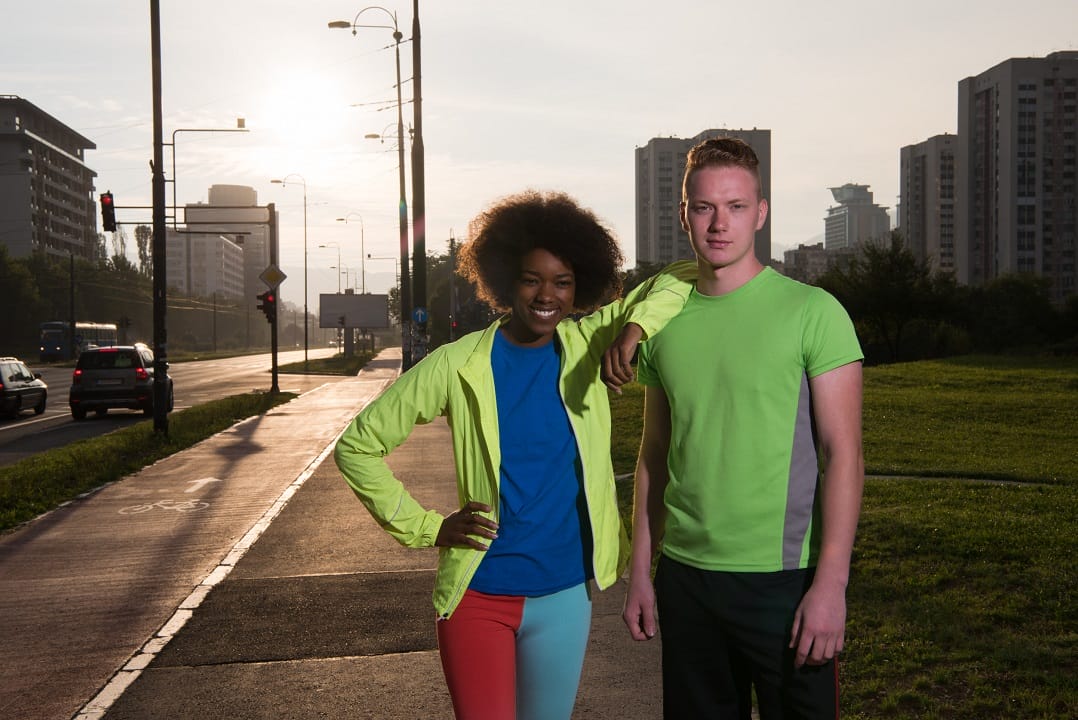
Remote work has now become a standard practice, praised for its flexibility and potential to improve work-life balance. Companies have reported maintaining or even increasing productivity, leading to a permanent shift in workplace culture. Telecommuting is now regarded as a viable and often preferred work arrangement.

7. Mental Health Awareness

Mental health

via 123rf.com

Discussions around mental health were once taboo, and seeking help was often stigmatized. People suffering from mental health issues were frequently misunderstood and marginalized. Over the past few decades, there has been a significant shift in how mental health is perceived. Awareness campaigns and public figures speaking out have played crucial roles in normalizing these discussions.

Today, mental health is recognized as a critical aspect of overall well-being, with increased access to resources and support. The transformation in societal attitudes towards mental health is profound and ongoing.

8. Sustainable Fashion

No fast fashion

via 123rf.com

Eco-friendly fashion was once considered a niche market, with garments perceived as unattractive and expensive. Critics doubted its potential to influence mainstream fashion. However, as environmental concerns have taken center stage, sustainable fashion has gained immense respect.

Leading fashion brands are now adopting sustainable practices, and consumers are increasingly demanding ethical products. The industry has seen innovations in materials and production methods, making sustainable fashion not only viable but also fashionable. The shift from skepticism to admiration highlights the growing importance of sustainability.

9. Social Media Influencer

social media influencer

via 123rf.com

Initially dismissed as fame-seekers with no real talent, social media influencers have proven their worth in the digital age. Critics doubted their ability to impact traditional marketing and advertising. Today, influencers are highly sought after for their ability to connect with audiences and drive consumer behavior. Brands collaborate with influencers to reach target demographics in authentic and engaging ways. The respect garnered by influencers underscores the evolving landscape of marketing and the power of digital presence.

10. Plant-Based Diets

plant based diets

via 123rf.com

Not too long ago, vegetarian and vegan diets were ridiculed and considered extreme. Critics argued that these diets were nutritionally inadequate and socially inconvenient. With growing awareness of the environmental and health benefits, plant-based diets have gained widespread acceptance and respect.

Restaurants and food manufacturers have responded by offering a variety of plant-based options. Scientific research supports the health benefits of these diets, and many athletes and celebrities advocate for them. The transformation in the perception of plant-based diets reflects broader shifts in dietary trends and environmental consciousness.

11. Online Education

Online education

via 123rf.com

Online education was initially seen as inferior to traditional classroom learning. Skeptics questioned the effectiveness and credibility of online degrees. However, technological advancements and the COVID-19 pandemic have revolutionized online education. Virtual learning platforms now offer high-quality, accessible education to millions worldwide.

Prestigious universities provide online courses, and employers increasingly recognize online qualifications. The respect for online education has grown as it demonstrates its ability to adapt to changing educational needs and circumstances.

Embracing Change

Embracing Change

via 123rf.com

As you can see, what was once considered foolish or impractical can evolve into something highly respected and integral to our lives. Embracing change and being open to new ideas can lead to remarkable advancements and shifts in societal values. If you found this article insightful, share it with others and explore how these changes can impact your life. Stay curious, and don’t dismiss new ideas too quickly, they might just be the next big thing.

Stephen Kanaval
Stephen Kanaval

Stephen began his career as a Research Assistant at a reputable middle-market private equity firm, where he honed his skills in market research, financial analysis, and identifying investment opportunities. He then transitioned to full-time financial writing focusing on small-cap biotech innovation and digital payment solutions. Today, Stephen is a value-based retail investor and novice baseball statistician.

Filed Under: Trends Tagged With: bitcoin, Electric Vehicles, Internet, trends

9 Fashion Trends Gen Z Loves That Millennials Just Can’t Understand

May 20, 2024 by Toi Williams Leave a Comment

fashion trends Gen Z loves

123RF

Fashion trends are always evolving, often reflecting the unique tastes and cultural influences of each generation. As Gen Z comes into their own, they are embracing bold and eclectic styles that sometimes leave Millennials puzzled. From reimagined vintage pieces to avant-garde looks, these trends highlight a distinct departure from the fashion norms of the previous generation. Many of these unique styles can be easily found on a trusted eCommerce clothing website, making them more accessible than ever. Let’s dive into 11 fashion trends Gen Z loves that Millennials just can’t seem to understand.

1. Y2K Revival 

123RF

One of the fashion trends Gen Z loves is the Y2K aesthetic, characterized by bold colors, metallics, and tech-inspired designs reminiscent of the late ’90s and early 2000s. This trend includes butterfly clips, baby tees, and low-rise jeans, all making a major comeback. For Millennials, who lived through the era the first time around, these styles might feel too nostalgic or even cringe-worthy, as they evoke memories of awkward teenage years.

The appeal of Y2K fashion for Gen Z lies in its playful and experimental nature. This generation is not afraid to mix and match styles, creating unique looks that celebrate individuality and creativity. For them, Y2K fashion is a fresh and exciting exploration of past trends, while Millennials often see it as a fashion faux pas best left in the past.

2. Oversized Everything

123RF

Another of the fashion trends Gen Z loves is oversized clothing, from baggy jeans to giant hoodies and oversized blazers. This trend emphasizes comfort and a relaxed silhouette, moving away from the form-fitting styles that were popular with Millennials. The oversized look is often paired with chunky sneakers and bold accessories, creating a laid-back yet fashion-forward vibe.

Millennials, who embraced skinny jeans and fitted tops, might struggle with the appeal of drowning in fabric. For them, oversized clothes can seem unflattering and impractical. However, Gen Z’s approach is all about making a statement and prioritizing comfort, challenging conventional ideas of what stylish means.

3. E-Girl and E-Boy Aesthetics

123RF

The E-Girl and E-Boy aesthetics are heavily influenced by internet culture, particularly platforms like TikTok. This style features elements like dyed hair, bold makeup, graphic tees, and layered accessories. It’s a blend of goth, anime, and punk influences, creating a unique and edgy look that stands out.

Millennials, who might be more accustomed to classic or minimalist styles, can find this trend bewildering. The dramatic makeup and eclectic fashion choices are a far cry from the polished looks many Millennials prefer. For Gen Z, however, these aesthetics represent a form of self-expression and a way to connect with online communities.

4. Gender-Fluid Fashion

123RF

Gen Z is at the forefront of embracing gender-fluid fashion, breaking away from traditional gender norms. This trend includes clothing that is not specifically designed for men or women, such as skirts for men, oversized suits for women, and generally androgynous styles. The goal is to celebrate individuality and inclusivity in fashion.

Millennials grew up with more defined gender roles in fashion, making the shift towards gender-fluid clothing less intuitive. However, Gen Z’s commitment to inclusivity and self-expression through fashion reflects broader societal changes and a push towards acceptance and diversity.

5. Sustainable and Thrifted Fashion

123RF

Sustainability is a major concern for Gen Z, and this is reflected in their fashion choices. Thrifting and upcycling clothes are not just fashion trends Gen Z loves but lifestyle choices for many in this generation. They prefer second-hand shopping and supporting eco-friendly brands to reduce their environmental impact.

Millennials, while increasingly aware of sustainability issues, were more accustomed to fast fashion during their formative years. The idea of thrifting or upcycling might not come as naturally to them. For Gen Z, however, these practices are a way to make fashion more ethical and personal, creating unique styles that also benefit the planet.

6. Chunky Sneakers

123RF

Chunky sneakers, often referred to as “dad shoes,” have become a staple in Gen Z’s wardrobe. These bold, oversized shoes are paired with everything from dresses to baggy jeans, adding a touch of retro flair to modern outfits. The exaggerated proportions and eye-catching designs are a stark departure from the sleek, minimalist sneakers favored by Millennials.

Millennials might find chunky sneakers clunky and unappealing, preferring more streamlined and versatile footwear. For Gen Z, the appeal lies in the statement-making aspect of these shoes, embracing boldness and individuality over subtlety and conformity.

7. Cottagecore

123RF

Cottagecore is a whimsical trend that romanticizes rural and pastoral life. This aesthetic includes flowy dresses, floral prints, and vintage-inspired pieces that evoke a simpler, idyllic lifestyle. Gen Z has embraced cottagecore as a form of escapism and a way to connect with nature.

Millennials, who experienced the rise of urban chic and athleisure, might find the overtly romantic and rustic elements of cottagecore puzzling. However, for Gen Z, this trend represents a desire for authenticity and a break from the fast-paced digital world, offering a nostalgic retreat into a more serene and picturesque lifestyle.

8. Neon Colors and Bold Patterns

123RF

Gen Z is not afraid to stand out, and this is evident in their love for neon colors and bold patterns. Bright, eye-catching hues and daring prints are common fashion trends Gen Z loves, reflecting a sense of fun and experimentation. From neon green tops to psychedelic patterns, these styles are all about making a statement.

Millennials, who often favored muted tones and understated elegance, might find the vibrant colors and bold patterns overwhelming. For Gen Z, however, these trends are a way to express their creativity and confidence, embracing a more playful and adventurous approach to fashion.

9. Visible Socks and Sandals

123RF

What was once considered a major fashion faux pas has become a popular trend among Gen Z: wearing visible socks with sandals. This combination, often associated with tourists or older generations, has been reimagined as a quirky and comfortable style choice. It’s all about embracing irony and challenging conventional fashion norms.

Millennials, who grew up with strict fashion rules, might struggle to see the appeal of this look. However, for Gen Z, visible socks and sandals are a fun and rebellious way to showcase personal style and comfort, blurring the lines between what’s traditionally considered stylish and what’s not.

Bridging the Fashion Gap

123RF

Fashion trends reflect the cultural and social dynamics of each generation. While the fashion trends Gen Z loves might seem puzzling to Millennials, they represent a shift towards greater self-expression, inclusivity, and sustainability. By understanding these trends, we can appreciate the evolving landscape of fashion and perhaps find common ground in the creativity and individuality that each generation brings to the table. Embracing these differences can lead to a richer and more diverse fashion world for everyone.

[Read more…]

Toi Williams
Toi Williams

Toi Williams began her writing career in 2003 as a copywriter and editor and has authored hundreds of articles on numerous topics for a wide variety of companies. During her professional experience in the fields of Finance, Real Estate, and Law, she has obtained a broad understanding of these industries and brings this knowledge to her work as a writer.

Filed Under: Trends Tagged With: Clothing, gen z, Lifestyle, trends

11 Dining Etiquette Rules That Have Disappeared Over the Decades

May 16, 2024 by Amanda Blankenship Leave a Comment

11 Dining Etiquette Rules That Have Disappeared Over the Decades

123RF

Dining etiquette has evolved significantly over the years. While some traditional practices have remained steadfast, others have faded into obscurity. This article explores eleven dining etiquette rules that have vanished from modern dining experiences.

1. Formal Dress Codes for Dinner

1. Formal Dress Codes for Dinner

123RF

In the past, attending a dinner party often meant dressing in formal attire. Men wore suits and ties, while women donned elegant dresses and gloves. Today, casual wear is more acceptable, even in some upscale restaurants. The shift towards a more relaxed dress code reflects changes in societal norms and a desire for comfort. As casual dining becomes more prevalent, the formal dress code continues to decline.

2. The Use of Finger Bowls

2. The Use of Finger Bowls

DALL-E

Finger bowls, once a staple in formal dining settings, have largely disappeared. These small bowls filled with water were used to rinse fingers between courses. The practice symbolized cleanliness and refinement. However, as dining has become more casual, finger bowls have become less common. Modern diners rely more on napkins and hand sanitizers, making finger bowls a rare sight.

3. Strict Rules for Using Utensils

3. Strict Rules for Using Utensils

123RF

There was a time when knowing the precise use of each utensil was crucial. The complex arrangement of forks, knives, and spoons could be daunting. Nowadays, dining etiquette has relaxed, and the emphasis on perfect utensil use has diminished. Many restaurants have simplified their table settings, making dining a less intimidating experience. This change reflects a broader trend towards simplicity and ease.

4. No Elbows on the Table

4. No Elbows on the Table

DALL-E

One of the oldest dining etiquette rules was the prohibition of elbows on the table. This rule was strictly enforced, especially in formal settings. Today, while some still observe this rule, it’s generally not as rigidly applied. The casualization of dining culture has led to a more relaxed attitude towards table manners. People now prioritize comfort and conversation over strict adherence to old rules.

5. The Expectation to Finish Everything on Your Plate

5. The Expectation to Finish Everything on Your Plate

DALL-E

In the past, leaving food on your plate was considered impolite and wasteful. This rule was rooted in a time when food was scarce and every bite counted. Today, the focus has shifted to portion control and mindful eating. Many diners are more concerned about overconsumption and waste reduction. As a result, the expectation to clean your plate has significantly diminished.

6. Formal Toasting Procedures

6. Formal Toasting Procedures

DALL-E

Toasting once followed a strict protocol, with specific sequences and phrases to be used. This practice was especially common in formal dinners and special occasions. Nowadays, toasting has become more spontaneous and informal. People are more likely to raise a glass and offer a simple “cheers” without following a set script. This relaxed approach reflects broader changes in social customs.

7. Silent Service from Waitstaff

7. Silent Service from Waitstaff

123RF

There was a time when waitstaff were expected to be nearly invisible, serving guests with minimal interaction. This rule has largely disappeared as dining has become more interactive and personable. Today, engaging waitstaff who can provide recommendations and converse with diners are highly valued. The shift towards a more personalized dining experience has rendered the silent service model obsolete.

8. The Use of Calling Cards

8. The Use of Calling Cards

123RF

Calling cards were once used to announce a guest’s arrival at a dinner party. This formal practice was part of a broader etiquette framework that emphasized social hierarchies. Modern dining has moved away from such formalities, with digital communication replacing physical cards. The disappearance of calling cards is indicative of a larger trend towards informality and convenience.

9. Specific Seating Arrangements

9. Specific Seating Arrangements

123RF

Strict seating arrangements, often based on social status or gender, were once a key aspect of formal dining. Hosts would carefully plan where each guest would sit to ensure proper etiquette. Today, seating is generally more flexible, with less emphasis on strict arrangements. This change reflects a more egalitarian approach to social interactions and a focus on making guests feel comfortable.

10. The Obligation to Make Small Talk

10. The Obligation to Make Small Talk

123RF

Small talk was once considered an essential skill at the dining table. Guests were expected to engage in light, polite conversation throughout the meal. While conversation is still important, the pressure to maintain constant small talk has lessened. People now value more meaningful and relaxed interactions. This shift aligns with broader changes in social dynamics and communication styles.

11. The Ritual of Smoking After Dinner

11. The Ritual of Smoking After Dinner

123RF

Smoking after dinner was a common practice, often accompanied by a selection of cigars and liqueurs. This ritual was part of the post-dinner experience, especially in high society. With increased awareness of the health risks associated with smoking, this practice has largely disappeared. Modern dining experiences emphasize health and well-being, contributing to the decline of post-dinner smoking rituals.

Dining Etiquette Rules Have Evolved

Dining Etiquette Rules Have Evolved

123RF

Dining etiquette has evolved significantly over the decades, reflecting broader social and cultural shifts. While some traditional practices have faded, new norms have emerged to suit contemporary lifestyles. Understanding these changes can enhance your dining experience and help you navigate modern social settings with ease.

If you found this article interesting, share it with friends and join the conversation on changing dining habits. For more insights and tips, subscribe to our newsletter and stay updated on the latest trends in dining and etiquette.

Amanda Blankenship

Amanda Blankenship is the Chief Editor for District Media.  With a BA in journalism from Wingate University, she frequently writes for a handful of websites and loves to share her own personal finance story with others. When she isn’t typing away at her desk, she enjoys spending time with her daughter, son, husband, and dog. During her free time, you’re likely to find her with her nose in a book, hiking, or playing RPG video games.

Filed Under: Trends Tagged With: Eating Out, Etiquette, Lifestyle

FOLLOW US

Search this site:

Recent Posts

  • Can My Savings Account Affect My Financial Aid? by Tamila McDonald
  • 12 Ways Gen X’s Views Clash with Millennials… by Tamila McDonald
  • What Advantages and Disadvantages Are There To… by Jacob Sensiba
  • Call 911: Go To the Emergency Room Immediately If… by Stephen Kanaval
  • 10 Tactics for Building an Emergency Fund from Scratch by Vanessa Bermudez
  • 7 Weird Things You Can Sell Online by Tamila McDonald
  • 10 Scary Facts About DriveTime by Tamila McDonald

Copyright © 2026 · News Pro Theme on Genesis Framework