• Home
  • About Us
  • Getting Finances Done
    • Hiring Advisors
    • Debt Management
    • Spending Plan
  • Insurance
    • Life Insurance
    • Health Insurance
    • Disability Insurance
    • Homeowners/Renters Insurance
  • Contact Us
  • Our Editorial Commitment

The Free Financial Advisor

You are here: Home / Archives for downsizing

Why So Many Boomer Homes Are Sitting Unsold in Today’s Market

July 21, 2025 by Travis Campbell Leave a Comment

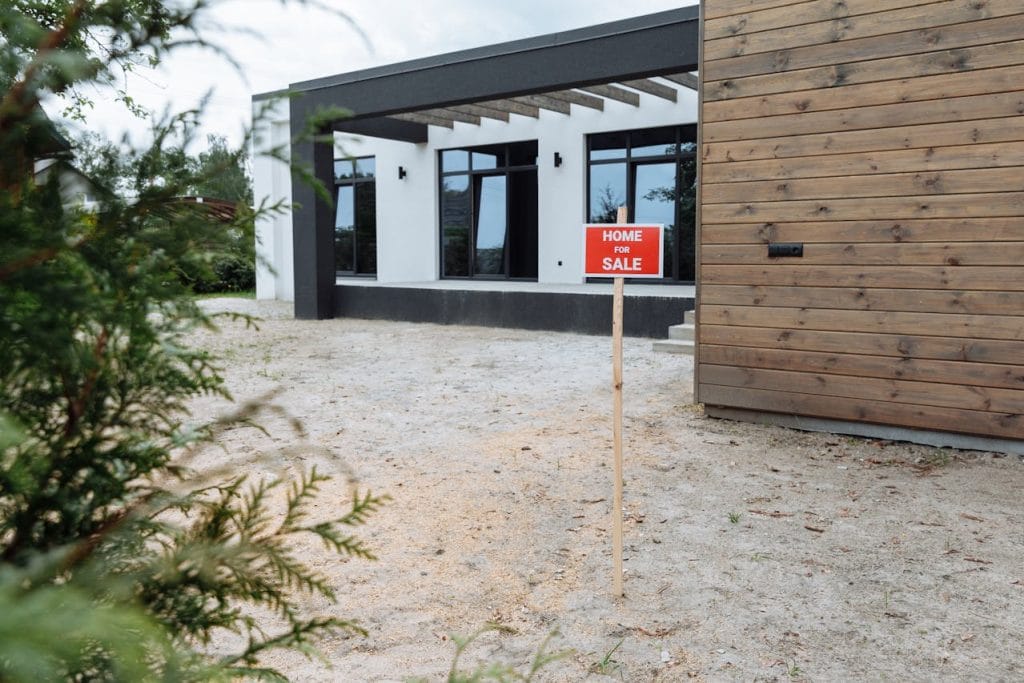
home for sale
Image Source: pexels.com

The real estate market is shifting, and it’s not just about high prices or low inventory. Many homes owned by baby boomers are sitting unsold, even as buyers keep searching for the right place. This trend matters for anyone thinking about buying, selling, or inheriting property. If you’re a boomer hoping to downsize, or a younger buyer looking for a deal, you might wonder why these homes aren’t moving. The reasons are more practical than you might think. Here’s what’s really going on with boomer homes in today’s market.

1. Outdated Features Turn Off Modern Buyers

Many boomer homes haven’t been updated in years. Buyers today want open floor plans, modern kitchens, and energy-efficient windows. When they walk into a house with shag carpet, old appliances, or closed-off rooms, they see a project, not a home. Renovations cost money and time. Most buyers want a move-in-ready home. If a home looks stuck in the past, it’s likely to sit on the market. Sellers who don’t update or at least freshen up their homes will struggle to attract offers.

2. Location Isn’t Always Ideal Anymore

Neighborhoods change. What was once a great spot for raising a family might not appeal to today’s buyers. Some boomer homes are in suburbs far from city centers, jobs, or trendy areas. Younger buyers often want walkability, short commutes, and access to restaurants or entertainment. If a home is in a location that feels isolated or inconvenient, it’s a tough sell. Even a beautiful house can sit unsold if the location doesn’t fit current lifestyles.

3. Price Expectations Are Out of Sync

Many boomers expect to get top dollar for their homes. They remember what their neighbors sold for last year or what their real estate agent promised. But the market has cooled in some areas. Mortgage rates are higher, and buyers are more cautious. If a home is priced too high, it won’t get offers. Sellers who refuse to adjust their price often end up waiting months with no bites. Pricing a home right is key, especially in a changing market.

4. Homes Are Too Big for Today’s Needs

Boomer homes are often large, with four or five bedrooms and big yards. Many buyers today don’t want that much space. They want something smaller, easier to maintain, and more energy efficient. Big homes mean higher utility bills, more cleaning, and more upkeep. For young families or retirees, that’s not appealing. If a home feels like too much work, buyers will keep looking for something that fits their lifestyle.

5. Maintenance Has Been Deferred

Some boomer homes have hidden problems. Maybe the roof is old, the HVAC system is outdated, or the foundation needs work. These issues add up. Buyers notice when a home hasn’t been well-maintained. They worry about surprise costs after moving in. Even small things, like peeling paint or worn carpets, can make a home feel neglected. Sellers who invest in basic repairs and maintenance have a better chance of selling quickly.

6. Competition From New Construction

New homes are popping up everywhere. Builders offer modern layouts, energy efficiency, and warranties. Buyers like the idea of being the first to live in a home. It’s hard for an older house to compete, especially if it needs updates. In many markets, new construction is drawing buyers away from existing homes. Sellers need to make their homes stand out or risk being overlooked.

7. Emotional Attachment Slows the Process

Selling a family home is emotional. Many boomers have lived in their homes for decades. They raised kids there, celebrated holidays, and built memories. Letting go is hard. Some sellers drag their feet, hoping for the “right” buyer or the “perfect” price. This can lead to homes sitting on the market for months. Being realistic and ready to move on helps speed up the process.

8. The Market Is More Complex Than Before

Today’s real estate market is complicated. There are more rules, more paperwork, and more competition. Buyers are cautious, and financing can be tricky. Boomers who haven’t sold a home in years may feel overwhelmed. They might not know how to market their home or negotiate with buyers. Working with a knowledgeable agent and staying flexible can make a big difference.

9. Downsizing Isn’t Always Easy

Many boomers want to downsize, but finding the right place isn’t simple. Smaller homes and condos are in high demand, and prices can be steep. Some sellers hold off listing their home until they find a new place, which slows everything down. Others worry about moving costs or leaving their community. These concerns can keep homes off the market or delay sales.

10. Inheritance and Estate Issues

Some boomer homes are tied up in inheritance or estate issues. When a homeowner passes away, it can take months or even years to settle the estate. Heirs may disagree about what to do with the property. Sometimes, no one wants to take on the responsibility of selling. These homes can sit vacant, waiting for legal matters to be resolved.

Moving Forward: What Sellers and Buyers Can Do

Boomer homes sitting unsold is a real issue, but it’s not unsolvable. Sellers can make small updates, price their homes realistically, and stay open to feedback. Buyers can look past cosmetic flaws and see the potential in older homes. Both sides benefit from working with experienced real estate professionals who understand today’s market. The key is to stay flexible and focus on what matters most—finding the right fit for your needs.

What challenges have you faced when buying or selling a boomer home? Share your story in the comments.

Read More

Why Some Boomers Are Selling Their Homes Without Telling Their Families

10 Things Boomers Still Pay For That No One Else Does

Travis Campbell
Travis Campbell

Travis Campbell is a digital marketer/developer with over 10 years of experience and a writer for over 6 years. He holds a degree in E-commerce and likes to share life advice he’s learned over the years. Travis loves spending time on the golf course or at the gym when he’s not working.

Filed Under: Real Estate Tagged With: boomer homes, downsizing, home buying, home selling, home updates, Housing Market, market trends, Real estate

Why Some Boomers Are Selling Their Homes Without Telling Their Families

July 19, 2025 by Travis Campbell Leave a Comment

home sell
Image Source: pexels.com

Many families are surprised to learn that their parents or older relatives have sold the family home without saying a word. It’s a trend that’s growing, and it’s leaving some adult children confused, hurt, or even angry. Why would boomers make such a big decision in secret? The answer isn’t simple, but it matters to anyone with aging parents or loved ones. Understanding the reasons behind these quiet sales can help families avoid misunderstandings and plan better for the future. If you’re a boomer or you have one in your life, this is something you need to know.

1. Protecting Their Independence

Many boomers value their independence. They’ve spent decades making their own choices, and they want to keep doing that. Selling their homes without telling family is one way to stay in control. Some worry that if they mention the idea, their kids will try to talk them out of it or pressure them to keep the house for sentimental reasons. Others fear being seen as unable to manage their own affairs. By handling the sale quietly, they avoid debates and keep the process on their terms. This desire for independence is a big reason why some boomers are selling their homes without involving family.

2. Avoiding Family Drama

Family discussions about money and property can get tense fast. Some Baby Boomers have witnessed friends or relatives engage in ugly fights over real estate. They want to avoid that at all costs. Selling their homes without telling anyone can seem like the easiest way to skip the drama. No arguments about who gets what, no guilt trips, and no one feeling left out. It’s a clean break. For some, it’s about keeping peace in the family, even if it means making a tough call alone. This approach isn’t always popular, but it’s one way to avoid conflict.

3. Downsizing Without Guilt

Boomers often feel pressure to keep the family home for the next generation. Maybe it’s the house where everyone grew up, or it holds special memories. But maintaining a big house can be expensive and exhausting. Some boomers want to downsize, but they don’t want to feel guilty about it. By selling their homes quietly, they avoid emotional conversations and the weight of family expectations. They can move to a place that fits their needs now, not the needs of their adult children. This helps them focus on their own well-being, which is important as they age.

4. Financial Pressures and Privacy

Money is a sensitive topic, especially for older adults. Some boomers are facing financial challenges—rising healthcare costs, limited retirement savings, or unexpected expenses. Selling their homes can free up cash or reduce monthly bills. But talking about money can feel embarrassing or stressful. Some don’t want their families to worry, judge, or try to intervene. They may also want to keep their financial decisions private. By selling their homes without telling anyone, they can handle their finances quietly and avoid uncomfortable questions.

5. Planning for the Next Chapter

For many boomers, selling their homes is about starting fresh. Maybe they want to travel, move closer to friends, or try a new lifestyle. Some are looking for a community with more support or activities. They see selling their homes as a step toward a new adventure. Telling family might bring resistance or second-guessing. By making the move quietly, they can focus on what they want next, not what others expect. This can be empowering, especially for those who have spent years putting others first.

6. Avoiding Burdening Their Children

Some boomers worry about leaving a big house or complicated estate for their kids to deal with later. They’ve seen how hard it can be to clean out a family home after someone passes away. By selling their homes now, they can simplify things for their children. No one has to sort through decades of belongings or argue over who gets what. It’s a practical move, even if it feels sudden. This approach can save time, money, and stress for everyone involved.

7. Fear of Losing Control

Some boomers worry that if they tell their families about selling their homes, they’ll lose control of the process. Maybe their kids will try to take over, or other relatives will get involved. This fear can be strong, especially if there’s a history of family members stepping in without being asked. By keeping the sale private, boomers can make decisions at their own pace. They can choose the timing, the price, and the next steps without outside pressure. This sense of control is important for many people as they age.

8. Changing Views on Homeownership

The notion that one must keep the family home forever is fading. More boomers see their homes as assets, not just sentimental places. They’re willing to sell if it means a better quality of life or more freedom. This shift in thinking makes it easier to let go, even if it surprises the family. Selling their homes is no longer seen as a failure or a loss—it’s a smart move for many. And as more people talk about it, the stigma is fading.

Moving Forward Together

Selling their homes without telling family isn’t about keeping secrets. It’s about making choices that feel right for this stage of life. Open conversations can help, but so can respect for each person’s wishes. If you’re worried about a loved one making big decisions alone, start talking early. Ask what matters most to them. Listen without judgment. And remember, selling a home is a big step, but it’s also a chance for a new beginning.

Have you or someone you know gone through this? How did it affect your family? Share your thoughts in the comments.

Read More

7 Reasons Your Parents Want You To Put Their Homes and Cars In Your Name

10 Little-Known Tricks That Help Investors Snag Homes Before You Even See Them

Travis Campbell
Travis Campbell

Travis Campbell is a digital marketer/developer with over 10 years of experience and a writer for over 6 years. He holds a degree in E-commerce and likes to share life advice he’s learned over the years. Travis loves spending time on the golf course or at the gym when he’s not working.

Filed Under: Finance Tagged With: aging parents, Boomers, downsizing, family communication, Planning, Real estate, Retirement, selling their homes

The “Tiny House” Movement’s Hidden Expenses

July 14, 2025 by Travis Campbell Leave a Comment

tiny home
Image Source: pexels.com

Thinking about joining the tiny house movement? You’re not alone. The idea of living simply, saving money, and reducing your footprint is appealing. Tiny homes look affordable and easy to maintain. But there’s more to the story. Many people jump in, only to find costs they didn’t expect. If you’re considering a tiny house, it’s important to know what you’re really signing up for. Here’s what you need to watch out for before you downsize.

1. Land Isn’t Free

You need somewhere to put your tiny house. That sounds obvious, but it’s a big deal. Many people think they can just park their home anywhere. In reality, zoning laws and land prices can make this tricky. Some cities don’t allow tiny homes at all. Others require you to buy land, which can cost as much as a regular house lot. Even if you find a spot, you might have to pay for utilities, permits, or even special insurance. If you plan to move your tiny house, you’ll need to pay for parking or storage. These costs add up fast and can be a shock if you’re not ready for them.

2. Utility Hookups and Off-Grid Costs

Tiny houses need water, electricity, and sewage solutions. Hooking up to city utilities isn’t always possible or cheap. You might need to pay for a septic system, well, or solar panels. These systems can cost thousands of dollars. Off-grid living sounds simple, but it takes planning and money. Solar panels, batteries, composting toilets, and water tanks all have upfront costs. And they need regular maintenance. If you’re not careful, you could spend more on utilities than you expected. The tiny house movement often skips over these details, but they matter.

3. Building Codes and Permits

Building a tiny house isn’t as simple as building a shed. Most places have strict building codes. You’ll need permits, inspections, and sometimes even a licensed contractor. These rules protect you, but they also cost money. Permits can run from a few hundred to several thousand dollars. If your house doesn’t meet code, you might have to pay to fix it or even move it. Some people try to skip permits, but that can lead to fines or legal trouble. It’s better to plan for these costs up front.

4. Quality Materials and Custom Work

Tiny houses use less material, but they need to be built well. Cheap materials won’t last. You need insulation, strong framing, and weatherproofing. Many tiny homes are custom-built, which means higher labor costs. You might want built-in furniture or clever storage. These features look great, but they aren’t cheap. If you cut corners, you’ll pay for it later in repairs. Quality matters more in a small space because every inch counts. The tiny house movement often shows beautiful interiors, but those finishes come at a price.

5. Moving and Transportation Fees

One of the big draws of the tiny house movement is mobility. But moving a tiny house isn’t like towing a camper. You need a heavy-duty truck or a professional mover. Transporting a tiny house can cost thousands of dollars, especially if you’re crossing state lines. You might need special permits or escorts for wide loads. And every move puts stress on your house, which can lead to repairs. If you plan to move often, budget for these costs. They’re easy to overlook but hard to avoid.

6. Insurance Surprises

Insuring a tiny house isn’t always easy. Many insurance companies don’t know how to classify them. Are they homes, RVs, or something else? You might need a special policy, which can be expensive. If your house is on wheels, you’ll need RV insurance. If it’s on a foundation, you might need homeowners’ insurance. Some companies won’t cover tiny homes at all. It’s important to shop around and get quotes before you buy. Otherwise, you could end up uninsured or paying more than you planned.

7. Storage and Downsizing Costs

Living in a tiny house means getting rid of stuff. That sounds simple, but it can be hard. You might need to rent a storage unit for things you can’t part with. Storage fees add up over time. You might also need to buy new, smaller furniture or appliances. Downsizing takes time and sometimes money. If you rush, you could end up regretting what you gave away or spending more to replace things later. The tiny house movement celebrates minimalism but getting there isn’t always free.

8. Resale Value and Market Risks

Tiny houses are still new in the real estate world. That means resale can be tough. There’s no guarantee you’ll get your money back if you decide to sell. The market for tiny homes is small and can change quickly. Some people find it hard to sell their tiny house at all. If you finance your home, you might owe more than it’s worth. This is a risk that’s easy to miss when you’re excited about the tiny house movement. Think about your long-term plans before you buy.

9. Lifestyle Adjustments and Hidden Costs

Tiny living isn’t for everyone. You might need to pay for gym memberships, storage, or even hotel stays if you have guests. Entertaining is harder in a small space. You might eat out more or spend money on activities outside the home. These lifestyle changes can add up. The tiny house movement focuses on freedom, but it also means giving up some comforts. Be honest about what you need to be happy.

Think Before You Downsize

The tiny house movement offers a lot, but it’s not always as cheap as it looks. Hidden expenses can turn a dream into a headache. If you’re serious about tiny living, do your homework. Talk to people who’ve done it. Make a budget that includes land, utilities, permits, and all the extras. Tiny living can work, but only if you know what you’re getting into.

Have you thought about joining the tiny house movement? What hidden costs surprised you? Share your thoughts in the comments.

Read More

5 Biggest Refinance Concerns

Why Junior’s Education Might Be Less Expensive Than Expected

Travis Campbell
Travis Campbell

Travis Campbell is a digital marketer/developer with over 10 years of experience and a writer for over 6 years. He holds a degree in E-commerce and likes to share life advice he’s learned over the years. Travis loves spending time on the golf course or at the gym when he’s not working.

Filed Under: Smart Spending Tagged With: budgeting, downsizing, hidden costs, homeownership, Personal Finance, Real estate, tiny homes, tiny house movement

Tiny Home Features That Quietly Lower Your Resale Value

July 5, 2025 by Travis Campbell Leave a Comment

tiny home
Image Source: pexels.com

Tiny homes have captured the imagination of minimalists, adventurers, and budget-conscious buyers alike. The promise of a simpler life, lower costs, and a smaller environmental footprint is undeniably appealing. But if you’re thinking about building or buying a tiny home, it’s easy to overlook how certain features can quietly chip away at your small home’s resale value. Not every clever design or quirky addition will pay off when it’s time to sell. Understanding which features can hurt your investment is crucial, especially in a market where buyers are already selective. Let’s break down the most common tiny home features that can quietly lower your resale value—and what you can do instead.

1. Highly Customized Built-Ins

Built-in furniture and storage solutions are a hallmark of tiny home design. While custom nooks, hidden drawers, and fold-out desks can maximize space, overdoing it with highly personalized built-ins can actually harm your tiny home’s resale value. Buyers want flexibility to make the space their own. If your built-ins are too specific—like a desk sized for your laptop or a closet designed for your exact wardrobe—they may not suit the next owner’s needs. Instead, opt for modular or removable furniture that offers adaptability. This way, your tiny home appeals to a broader range of buyers, making it easier to sell.

2. Loft-Only Sleeping Arrangements

Lofts are a popular way to save space in tiny homes, but relying solely on a loft for sleeping can be a dealbreaker for many buyers. Climbing a ladder every night isn’t practical for everyone, especially older adults, families with young children, or anyone with mobility issues. A tiny home’s resale value can take a hit if buyers see the sleeping setup as inconvenient or unsafe. If you love the idea of a loft, consider also including a main-floor sleeping option, like a convertible sofa or Murphy bed. This small change can make your home more accessible and attractive to a wider audience.

3. Composting Toilets Only

Composting toilets are eco-friendly and conserve water, but they may not be suitable for everyone. Many buyers are unfamiliar with how they work or simply prefer a traditional flush toilet. If your tiny home only has a composting toilet, you may limit your pool of potential buyers and reduce the resale value of your tiny home. If possible, design your bathroom to accommodate a standard toilet or, at the very least, provide the plumbing hookups for one. This gives future owners the flexibility to choose what works best for them, making your home more marketable.

4. Overly Bold or Niche Decor

Personal style is important, but going too bold or niche with your decor can turn off buyers. Bright colors, unusual wallpaper, or themed interiors (think “beach shack” or “retro diner”) might reflect your personality, but they can make it harder for buyers to envision themselves living there. Neutral colors and simple finishes tend to have broader appeal and can help maintain your tiny home’s resale value. If you want to add personality, do it with easily changeable items like throw pillows or artwork, rather than permanent fixtures.

5. Lack of Standard Utilities

Some tiny homes are designed to be completely off-grid, featuring solar panels, rainwater collection systems, and propane appliances. While this appeals to a certain segment of buyers, most people want the option to connect to standard utilities. A lack of hookups for water, electricity, or sewage can significantly lower your tiny home’s resale value. Even if you love living off the grid, consider installing the infrastructure for standard utilities. This small investment can make your home more attractive to a larger group of buyers and increase your chances of a quick sale.

6. Poor Insulation and Climate Control

Tiny homes are often built with cost savings in mind, but skimping on insulation or climate control can be a costly mistake. Poor insulation means higher energy bills and uncomfortable living conditions, which can be a red flag for buyers. If your tiny home is drafty in winter or sweltering in summer, expect its resale value to drop. Invest in quality insulation and consider adding features like mini-split HVAC systems or energy-efficient windows. These upgrades not only make your home more comfortable but also more appealing to future buyers.

7. Limited Storage Space

Storage is always at a premium in tiny homes, but too little can be a dealbreaker. If buyers can’t see where they’ll put their clothes, kitchenware, or outdoor gear, they may walk away. While it’s tempting to maximize living space at the expense of storage, a lack of practical storage solutions can quietly lower your tiny home’s resale value. Think about adding under-bed drawers, overhead cabinets, or even a small outdoor shed. The more versatile your storage, the more attractive your home will be to buyers who want to downsize without sacrificing organization.

8. Unpermitted Additions or DIY Work

Many tiny home owners love to tinker and customize, but unpermitted additions or obvious DIY work can deter buyers and lower the resale value of your tiny home. Potential buyers worry about safety, code compliance, and future headaches. Always check local regulations before making changes, and keep documentation for any permitted work. If you’re not confident in your skills, hire a professional for major projects. A well-documented, code-compliant tiny home is much easier to sell and commands a higher price.

Smart Choices for a Stronger Tiny Home Resale Value

Every design decision you make in your tiny home can impact its resale value, sometimes in ways you might not expect. By focusing on flexibility, accessibility, and broad appeal, you can protect your investment and make your home more attractive to future buyers. Avoiding overly personal touches, ensuring standard utilities, and investing in quality construction are all smart moves. Remember, the goal is to create a space that feels like home to you—without closing the door on potential buyers down the road.

What tiny home features have you seen that helped or hurt resale value? Share your thoughts in the comments!

Read More

The Definition of Irony (or Why You Should Know What You’re Doing)

5 Biggest Refinance Concerns

Travis Campbell
Travis Campbell

Travis Campbell is a digital marketer/developer with over 10 years of experience and a writer for over 6 years. He holds a degree in E-commerce and likes to share life advice he’s learned over the years. Travis loves spending time on the golf course or at the gym when he’s not working.

Filed Under: Home Hacks Tagged With: downsizing, home design, Home Improvement, home resale, home value, property investment, Real estate, tiny homes

8 Unexpected Joys of Downsizing Your Home (Besides Saving Cash)

June 27, 2025 by Travis Campbell Leave a Comment

home
Image Source: pexels.com

Thinking about downsizing your home? Most people focus on the obvious financial perks—lower mortgage payments, reduced utility bills, and less money spent on upkeep. But the real magic of downsizing goes far beyond your bank account. Whether you’re an empty nester, a young professional, or just craving a simpler life, downsizing your home can open the door to a host of unexpected joys. If you’re on the fence, here are eight surprising reasons why a smaller space might be the best move you’ve ever made.

1. More Time for What Matters

When you’re not cleaning, maintaining, or organizing a large house, you suddenly find yourself with extra hours in your week. Downsizing your home means less time spent on chores and more time for hobbies, family, and relaxation. Imagine swapping a Saturday of yard work for a morning hike or a coffee date with friends. The freedom to reclaim your time is one of the most rewarding aspects of living with less space.

2. A Fresh Start with Less Clutter

Downsizing your home forces you to evaluate what you truly need and love. Letting go of excess belongings can be liberating, both physically and emotionally. You’ll find that a smaller space encourages you to keep only what adds value to your life. This process can lead to a more organized, peaceful environment and a sense of clarity that spills over into other areas of your life. Research shows that decluttering can even reduce stress and boost your mood.

3. Stronger Relationships

Living in closer quarters naturally brings people together. Downsizing your home can foster more meaningful connections with your partner, children, or roommates. Shared spaces encourage conversation, collaboration, and quality time. You might find yourself cooking together more often, playing games, or simply enjoying each other’s company without the distractions of a sprawling house.

4. Easier Maintenance and Repairs

A smaller home means fewer things that can break, leak, or need fixing. When something does go wrong, it’s usually easier and less expensive to address the issue. Downsizing your home can make routine maintenance less overwhelming and help you stay on top of repairs. This peace of mind allows you to focus on enjoying your home rather than constantly worrying about what needs to be fixed next.

5. Greater Flexibility and Mobility

With fewer possessions and a smaller footprint, it’s easier to adapt to life’s changes. Downsizing your home can make moving for a new job, traveling for extended periods, or even retiring in a new location much simpler. You’re not tied down by a house full of stuff or the burden of a large property. This flexibility can be especially valuable as your needs and priorities evolve over time.

6. A Smaller Environmental Footprint

Downsizing your home isn’t just good for you—it’s good for the planet. Smaller homes use less energy for heating, cooling, and lighting. You’ll likely consume less water and produce less waste, too. By living more efficiently, you reduce your environmental impact and contribute to a more sustainable future. It’s a win-win for your conscience and the world around you.

7. Enhanced Creativity and Resourcefulness

A compact living space challenges you to think creatively about storage, organization, and design. Downsizing your home often leads to clever solutions and multi-purpose furniture. You’ll become more resourceful, finding new ways to make the most of every square foot. This creativity can be surprisingly fun and satisfying, turning your home into a personalized, efficient haven.

8. A Sense of Accomplishment and Control

Downsizing your home is a bold decision that requires planning and commitment. Once you’ve made the transition, you’ll likely feel a strong sense of accomplishment. You’ve taken control of your living situation, prioritized your values, and created a space that truly works for you. This empowerment can boost your confidence and inspire positive changes in other areas of your life.

Embracing the Freedom of Less

Downsizing your home isn’t just about saving money—it’s about gaining freedom, clarity, and a deeper sense of satisfaction. The unexpected joys of a smaller space can transform your daily life, helping you focus on what truly matters. Whether you’re seeking more time, stronger relationships, or a lighter environmental footprint, downsizing your home offers benefits that go far beyond your wallet.

Have you experienced any unexpected joys from downsizing your home? Share your stories or tips in the comments below!

Read More

Why Junior’s Education Might Be Less Expensive Than Expected

Find the Right Amount of Life Insurance in 10 Minutes

Travis Campbell
Travis Campbell

Travis Campbell is a digital marketer/developer with over 10 years of experience and a writer for over 6 years. He holds a degree in E-commerce and likes to share life advice he’s learned over the years. Travis loves spending time on the golf course or at the gym when he’s not working.

Filed Under: Home Hacks Tagged With: decluttering, downsizing, financial freedom, home organization, Lifestyle, minimalism, moving tips, simple living

The New Minimalism: How Downsizing Could Save You $50K

May 31, 2025 by Travis Campbell Leave a Comment

minimalism
Image Source: pexels.com

Rising costs, shrinking paychecks, and the relentless pressure to “keep up” have squeezed many Americans. If you’ve ever looked around your home and wondered if all that space and stuff is worth it, you’re not alone. The new minimalism isn’t just about decluttering; it’s about making smarter choices that can impact your finances. Downsizing your living space could be the key to unlocking tens of thousands of dollars in savings, freeing up cash for what truly matters. Here’s how embracing a smaller lifestyle can help you save up to $50,000, and why this shift is gaining momentum nationwide.

1. Housing Costs: The Biggest Slice of the Budget

For most households, housing is the single largest expense. The average American spends about 30% of their income on housing, but that number can climb much higher in expensive cities. In 2024, the median U.S. home price hovered around $420,000, while the average rent for a two-bedroom apartment reached $1,320 monthly. Moving to a smaller home or apartment can slash these costs dramatically.

Consider this: downsizing from a 2,500-square-foot home to a 1,200-square-foot condo could reduce your mortgage or rent by $800 monthly or more. Over five years, that’s nearly $50,000 in savings—before factoring in lower property taxes and insurance. Moving to a smaller unit in the same neighborhood can yield similar results for renters, especially as landlords continue to raise rents on larger spaces.

2. Utility Bills: Less Space, Less Waste

A bigger home means higher utility bills. Heating, cooling, and lighting extra rooms you rarely use adds up quickly. The U.S. Energy Information Administration reports that the average household spends about $2,000 annually on utilities. Downsizing can cut that figure by 25% or more, especially if you move into a newer, energy-efficient space.

For example, a family that moves from a large, older house to a modern, compact apartment could save $500 or more annually on electricity and gas alone. Over five years, that’s another $2,500 in your pocket. Smaller spaces also encourage smarter energy habits, like using less water and being more mindful of consumption.

3. Maintenance and Upkeep: Time and Money Saved

Owning a large home means more time and money spent on maintenance. Lawn care, repairs, cleaning, and routine upkeep can easily cost homeowners $3,000 to $5,000 annually. Downsizing to a smaller property or a condo with shared amenities can cut these costs in half.

Take the example of a couple who sold their suburban house and moved into a downtown condo. Thanks to the building’s maintenance team, they eliminated lawn care expenses, reduced cleaning time, and paid lower repair bills. Over five years, their maintenance savings alone topped $10,000. That money can be redirected toward travel, retirement, or other priorities.

4. Decluttering: Turning Stuff Into Savings

Downsizing forces you to confront your belongings. The average American household contains over 300,000 items, many of which go unused. Before a move, selling furniture, electronics, and other possessions can generate thousands of extra dollars. Online marketplaces and local consignment shops make it easier than ever to turn clutter into savings.

One family in Seattle downsized from a four-bedroom house to a two-bedroom apartment and sold over $7,000 worth of items they no longer needed. Not only did this boost their moving fund, but it also made their new space feel more open and manageable. The process of decluttering can be emotionally freeing and financially rewarding.

5. Lifestyle Shifts: More Freedom, Less Stress

The new minimalism isn’t just about saving money and gaining freedom. Smaller living spaces often mean shorter commutes, more walkable neighborhoods, and less time spent on chores. This shift can lead to lower transportation costs, reduced stress, and more time for hobbies or family.

For instance, moving closer to work or public transit can save hundreds per month on gas, parking, and car maintenance—many who downsize report feeling lighter, happier, and more in control of their finances. The psychological benefits of minimalism—less clutter, fewer obligations, and a greater focus on experiences—are just as valuable as the financial ones.

6. The Ripple Effect: How Downsizing Adds Up

When you combine lower housing payments, reduced utility bills, cheaper maintenance, and the proceeds from decluttering, the savings from downsizing can easily reach $50,000 over five years. These numbers aren’t just theoretical; they reflect real choices made by families nationwide. The National Association of Realtors notes a growing trend of Americans moving to smaller homes, especially as remote work and changing lifestyles make location and space more flexible.

Downsizing isn’t just for retirees or empty nesters. Young professionals, families, and even digital nomads embrace the new minimalism to achieve financial goals faster. The key is to approach the process thoughtfully: research neighborhoods, calculate true costs, and be honest about what you really need.

Rethinking Space: Your Path to Financial Flexibility

The new minimalism offers a powerful way to reclaim your budget and your peace of mind. Downsizing isn’t about sacrifice—it’s about making intentional choices that align with your values and goals. Reducing your housing footprint can save up to $50,000, cut stress, and open up new growth opportunities.

If you’re feeling weighed down by your current space or expenses, consider what a smaller, simpler lifestyle could do for you. What would you do with an extra $50,000? Share your thoughts and experiences in the comments below—your story could inspire someone else to take the first step toward financial freedom.

Read More

Is Selling Your Home the Best Choice?

8 Hidden Costs of Buying a Home

Travis Campbell
Travis Campbell

Travis Campbell is a digital marketer/developer with over 10 years of experience and a writer for over 6 years. He holds a degree in E-commerce and likes to share life advice he’s learned over the years. Travis loves spending time on the golf course or at the gym when he’s not working.

Filed Under: Frugal Living Tagged With: decluttering, downsizing, financial freedom, Housing Costs, minimalism, Personal Finance, saving money

7 Ways Retirement Can Be Cheaper Than You Can Imagine

March 29, 2025 by Latrice Perez 1 Comment

Happy retiree couple
Image Source: 123rf

Many people approach retirement with apprehension, fearing that their savings won’t suffice to maintain a comfortable lifestyle. However, retirement often brings about changes that can lead to significant cost reductions. By understanding these potential savings, you can plan for a retirement that’s both enjoyable and financially sustainable.

1. Downsizing Your Living Space

As children move out and the need for large living spaces diminishes, downsizing becomes a practical option. Moving to a smaller, more manageable home can reduce mortgage payments, utility bills, and maintenance costs. Additionally, selling a larger home may free up equity that can be used to bolster retirement savings or fund other expenses. Retirees often seek single-story, low-maintenance properties that align with their evolving needs.

2. Reduced Transportation Expenses

Without the daily commute to work, retirees often find that their transportation expenses decrease. Costs associated with fuel, vehicle maintenance, and work-related travel diminish significantly. Some retirees may even choose to become a one-car household or rely more on public transportation, further reducing expenses. This shift not only saves money but also contributes to a more relaxed lifestyle.

3. Lower Tax Obligations

Retirement can lead to changes in your tax situation. With a potentially lower income, you may fall into a lower tax bracket, reducing your overall tax liability. Additionally, certain states offer tax breaks for retirees, such as exemptions on pension income or Social Security benefits. Strategic tax planning, including the use of Roth IRAs, can further optimize your tax situation in retirement.

4. Decreased Spending on Professional Attire and Work-Related Costs

The end of your professional career means no longer needing to invest in work attire, lunches, and other job-related expenses. These savings can accumulate over time, providing more financial flexibility. Additionally, the reduced need for dry cleaning and other maintenance associated with professional clothing contributes to lower monthly expenditures.

5. Opportunities for Senior Discounts

Many businesses offer discounts to seniors on a variety of services and products, including dining, entertainment, and travel. Taking advantage of these discounts can lead to substantial savings over time. It’s worthwhile to inquire about senior discounts wherever you go, as they are often not advertised prominently. These savings can make leisure activities more accessible and enjoyable during retirement.

6. Potential for Home Sharing or Renting Out Space

Some retirees choose to rent out a portion of their home or take on roommates to generate additional income. This arrangement can offset housing costs and provide companionship. Websites that match individuals seeking housing with those offering space have made this option more accessible. However, it’s important to consider the implications on privacy and ensure compatibility with potential tenants.

7. Relocating to a More Affordable Area

Relocating to a region with a lower cost of living can stretch your retirement dollars further. Many retirees opt for areas where housing, healthcare, and daily expenses are more affordable. Additionally, some countries offer favorable exchange rates and lower living costs, making international relocation an appealing option for adventurous retirees. Careful research and planning are essential to ensure the new location meets your lifestyle and healthcare needs.

Doesn’t Have to Be a Financial Strain

Retiree
Image Source: 123rf

Retirement doesn’t have to be a time of financial strain. By exploring and implementing these strategies, you can reduce expenses and make your retirement savings last longer. Understanding the potential for decreased costs in various aspects of life allows for a more relaxed and fulfilling retirement experience.

Have you discovered other ways to cut costs in retirement? Share your insights and experiences in the comments below to help others navigate their retirement planning effectively.

Read More:

8 Reasons Your Kids Don’t Want To Be Your Retirement Plan

Need To Get Your Retirement In Order: Start By Reading These 5 Retirement Planning Books

Latrice Perez

Latrice is a dedicated professional with a rich background in social work, complemented by an Associate Degree in the field. Her journey has been uniquely shaped by the rewarding experience of being a stay-at-home mom to her two children, aged 13 and 5. This role has not only been a testament to her commitment to family but has also provided her with invaluable life lessons and insights.

As a mother, Latrice has embraced the opportunity to educate her children on essential life skills, with a special focus on financial literacy, the nuances of life, and the importance of inner peace.

Filed Under: Personal Finance Tagged With: affordable living, cost-cutting strategies, downsizing, retirement savings, senior discounts

Retirement Costs to Consider

January 5, 2022 by Jacob Sensiba Leave a Comment


Retirement Costs to Consider

You save for years and years…decades and decades. When you’re saving for retirement, an important consideration to keep in mind when you set your nest egg goal is your retirement costs.

When determining and estimating retirement costs, you need to consider what the average expenses are in general and for the retired folks in your area/state. Once you figure out the generalities, you must adapt them to your situation.

Some items to consider:

  • Travel – Will you stay in your current home? Will you move to a warmer state or a state without an income tax? Do you have family spread around the country? Will you take vacations on an annual basis? If you’re planning on traveling every year, possibly multiple times a year, it’s important to factor those costs into your monthly/annual budget – so you can save for it.
  • Healthcare costs – When you get older, your body doesn’t typically work as it has in the past. You are also more susceptible to illness (as we’ve seen over the past two years). As a result, your healthcare costs go up.
  • Housing – There are a few things to consider when determining your housing costs. Will you stay put or will you move? If you move, will you downsize? If you move, will you move to a different state? Does that state have income taxes? What do you anticipate energy costs will be?

Typical retirement costs

People 65 and older have spent an average of $4,847. On average, utilities, public services, and fuel cost an additional $3,743.

On average, Americans spend $10,160 per year on transportation. Retirees spend a little less. Anywhere between $4,963 and $6,618.

The general American population spends $5,204 on healthcare. Retirees spend between $6,792 and $6,619.

American retirees spend $6,303 on food. They also spend, on average, $2,282 on entertainment.

Expect to spend between 55%-80% of current expenses in retirement.

There are 9 states without a state income tax – Alaska, Florida, South Dakota, Tennessee, Texas, Washington, and Wyoming.

These are the states with the cheapest monthly utilities – Idaho ($343.71), Utah ($350.17), Montana ($359.03), Washington ($369.18), and Nevada ($3376.93).

Conversely, here are the top 5 most expensive ones – Hawaii ($730.86), Alaska ($527.96), Rhode Island ($521.98), Connecticut ($496.07), and New York ($477.31).

Related reading:

Managing High Inflation in Retirement

5 Solutions for Managing Money After Retirement

Retiring Out of State

Disclaimer:

**Securities offered through Securities America, Inc., Member FINRA/SIPC. Advisory services offered through Securities America Advisors, Inc. Securities America and its representatives do not provide tax or legal advice; therefore, it is important to coordinate with your tax or legal advisor regarding your specific situation. Please see the website for full disclosures: www.crgfinancialservices.com

Jacob Sensiba
Jacob Sensiba

Jacob Sensible is a financial advisor with decades of experience in the financial planning industry.  His journey into finance began out of necessity, stepping up to support his grandfather during a health crisis. This period not only grounded him in the essentials of stock analysis, investment strategies, and the critical roles of insurance and trusts in asset preservation but also instilled a comprehensive understanding of financial markets and wealth management.  Jacob can be reached at: jake.sensiba@mygfpartner.com.

mygfpartner.com/jacob-sensiba-wisconsin-financial-advisor/

Filed Under: budget tips, money management, Personal Finance, Retirement, risk management Tagged With: downsizing, expenses, food, housing, Income tax, Retirement, retirement plan, retirement planning, transportation, utilities

  • « Previous Page
  • 1
  • 2

Follow Us

Search this site:

Recent Posts

  • Can My Savings Account Affect My Financial Aid? by Tamila McDonald
  • 12 Ways Gen X’s Views Clash with Millennials… by Tamila McDonald
  • What Advantages and Disadvantages Are There To… by Jacob Sensiba
  • 10 Tactics for Building an Emergency Fund from Scratch by Vanessa Bermudez
  • Call 911: Go To the Emergency Room Immediately If… by Stephen Kanaval
  • 7 Weird Things You Can Sell Online by Tamila McDonald
  • 10 Scary Facts About DriveTime by Tamila McDonald

Copyright © 2026 · News Pro Theme on Genesis Framework