• Home
  • About Us
  • Toolkit
  • Getting Finances Done
    • Hiring Advisors
    • Debt Management
    • Spending Plan
  • Insurance
    • Life Insurance
    • Health Insurance
    • Disability Insurance
    • Homeowners/Renters Insurance
  • Contact Us
  • Risk Tolerance Quiz
  • Our Editorial Commitment

The Free Financial Advisor

You are here: Home / Archives for credit score

5 Reasons You Should Never Co-Sign a Loan (Not Even for Family)

October 11, 2025 by Catherine Reed Leave a Comment

5 Reasons You Should Never Co-Sign a Loan (Not Even for Family)
Image source: shutterstock.com

When a friend or family member asks you to co-sign a loan, it might sound like a simple favor—a quick signature to help them get approved. But agreeing to co-sign a loan is one of the riskiest financial decisions you can make, even with someone you trust completely. The reality is that you’re not just vouching for their character—you’re legally guaranteeing the debt. If they fail to pay, the responsibility shifts entirely to you. Before putting your name on any dotted line, it’s crucial to understand exactly what’s at stake.

1. You’re 100% Responsible If They Don’t Pay

The biggest reason you should never co-sign a loan is that you become legally obligated for the entire balance if the borrower defaults. Lenders don’t care about who was “supposed” to make the payments—they only care about who can. Once you co-sign, you’re just as liable as the primary borrower, meaning your credit, income, and assets are on the line. Even one missed payment can harm your credit score and make future borrowing more difficult. In the worst cases, lenders can pursue collection efforts or even lawsuits against you.

2. Your Credit Score Can Take a Major Hit

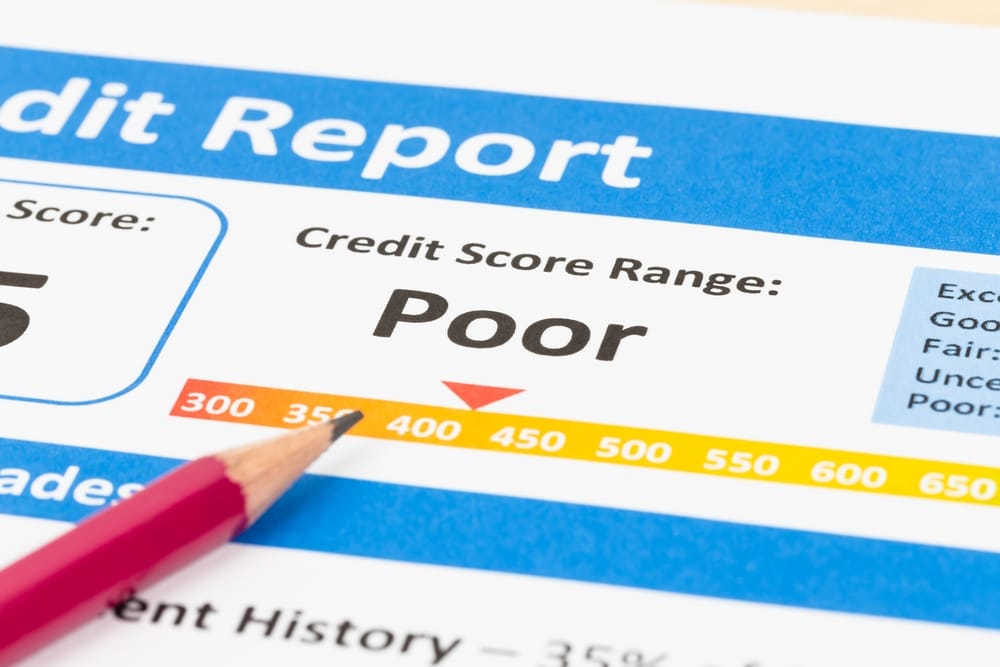
When you co-sign a loan, it immediately appears on your credit report as if it were your own debt. That means your credit utilization, debt-to-income ratio, and payment history are all affected. If the borrower misses a payment or pays late, your score suffers just as much as theirs. Even if they pay on time, having that additional loan on your report can make lenders view you as a higher risk. Over time, this can impact your ability to qualify for mortgages, auto loans, or even credit cards.

3. Family and Friendships Can Fall Apart Over Money

One of the most painful consequences of agreeing to co-sign a loan is the potential damage it can cause to relationships. When financial struggles arise, even the closest bonds can quickly sour. You might feel resentful if the borrower stops making payments or hides financial problems from you. They might feel embarrassed, defensive, or avoid communication altogether. Money issues can strain emotional trust in ways that are hard to repair—especially when debt collectors start calling.

4. Your Own Borrowing Power Shrinks

Lenders consider all outstanding debts you’re tied to—including those you co-sign—when evaluating new credit applications. Even if the borrower never misses a payment, that co-signed loan still counts as your liability in the eyes of banks and credit unions. This can reduce how much you’re approved to borrow for your own needs, like buying a home or refinancing existing loans. You might find yourself rejected for credit or offered higher interest rates because of someone else’s financial situation. Co-signing essentially ties your financial future to another person’s behavior.

5. It’s Nearly Impossible to Remove Yourself Later

Once you co-sign a loan, getting your name off it is far more complicated than most people realize. Unless the borrower refinances the loan solely in their name—or pays it off completely—you remain legally attached to it. Some lenders may promise a “release” after a certain number of on-time payments, but these clauses are rare and not guaranteed. Even selling the collateral, like a car, doesn’t automatically clear your obligation if the sale doesn’t cover the loan balance. In many cases, co-signers stay trapped for years, long after they intended to help.

The Safer Alternatives to Co-Signing

If someone close to you needs financial help, there are better ways to assist without risking your credit or peace of mind. Offering a smaller personal loan you can afford to lose, helping them budget, or referring them to a reputable credit counselor can make a real difference. Some banks even allow secured loans where the borrower uses savings or assets as collateral instead of a co-signer. These approaches encourage responsibility while protecting your finances. Remember: helping doesn’t mean jeopardizing your own stability.

Protecting Your Finances Means Protecting Your Future

It’s natural to want to help loved ones, but co-signing a loan can quickly turn a kind gesture into long-term regret. The financial consequences—credit damage, strained relationships, and lost opportunities—are often far greater than the borrower or co-signer expects. Saying no doesn’t make you selfish; it makes you smart and cautious about your financial health. You can still offer support in meaningful, practical ways that don’t put your financial future at risk. When it comes to debt, trust isn’t enough—protection matters more.

Have you ever been asked to co-sign a loan for someone? How did you handle the situation? Share your thoughts and experiences in the comments below!

What to Read Next…

  • 5 Financial Nightmares That Start With Cosigning a Loan
  • Why Do People Ignore the Risks of Cosigning Loans
  • 5 Sneaky Financial Costs of Cosigning a Loan
  • 8 Financial Risks of Buying Property With Siblings
  • 5 Cosigning Mistakes That Could Wreck Your Credit for Years
Catherine Reed
Catherine Reed

Catherine is a tech-savvy writer who has focused on the personal finance space for more than eight years. She has a Bachelor’s in Information Technology and enjoys showcasing how tech can simplify everyday personal finance tasks like budgeting, spending tracking, and planning for the future. Additionally, she’s explored the ins and outs of the world of side hustles and loves to share what she’s learned along the way. When she’s not working, you can find her relaxing at home in the Pacific Northwest with her two cats or enjoying a cup of coffee at her neighborhood cafe.

Filed Under: Personal Finance Tagged With: co-sign a loan, credit score, Debt Management, family money, financial advice, loans, money mistakes, Personal Finance

Why Paying Only the Minimum on Your Credit Cards Is a Financial Death Trap

October 11, 2025 by Travis Campbell Leave a Comment

credit card
Image source: shutterstock.com

Credit cards can be helpful tools, but only if you use them wisely. The temptation to pay just the minimum on your credit cards each month is strong, especially when money feels tight. But this approach can quietly sabotage your finances, trapping you in a cycle of debt that’s difficult to escape. Understanding why paying only the minimum is such a financial death trap can help you make smarter choices and protect your financial future. Let’s break down the main reasons why this strategy can be so dangerous and what you can do instead.

1. Interest Charges Snowball Quickly

The primary reason paying only the minimum on your credit cards is a financial death trap is the way interest accumulates. Credit card companies often charge high annual percentage rates (APRs), sometimes upwards of 20%. When you pay only the minimum, most of your payment goes toward interest, not your actual balance. This means your debt barely shrinks month to month, and you end up paying much more than you originally borrowed.

Over time, this snowball effect can turn a manageable balance into a long-term burden. Your debt continues to grow, making it harder to pay off and even tougher to get ahead financially. The longer you carry a balance, the more you pay—not just in interest, but in lost opportunities to use your money for more productive goals.

2. Minimum Payments Stretch Out Your Debt for Years

Credit card statements often show how long it will take to pay off your balance if you stick to the minimum payment. It’s usually shocking—sometimes 10, 15, or even 20 years to pay off a relatively small balance. That’s because your minimum payment is typically a small percentage of your balance, often just 2–3%.

This slow progress is a cornerstone of the financial death trap. What feels like an affordable monthly payment is actually a way to keep you in debt for as long as possible. You’ll pay far more in interest over time, and your financial flexibility will suffer as a result.

3. Your Credit Score Can Suffer

Carrying a high balance relative to your credit limit can hurt your credit score. This metric, known as your credit utilization ratio, accounts for a significant portion of your score. If you’re only making minimum payments, your balance stays high, keeping your ratio elevated. Lenders see this as risky behavior and may offer you less favorable terms in the future.

Lower credit scores can impact your ability to get approved for loans, mortgages, or even rental housing. They can also lead to higher insurance premiums. By falling into the financial death trap of paying only the minimum, you may be limiting your options down the road.

4. It Limits Your Financial Freedom

When you’re stuck making minimum payments, a chunk of your income is spoken for every month. That’s money you can’t use for savings, investing, or other important financial goals. If an emergency arises, you might not have the resources to handle it, which could lead to even more debt.

This cycle can feel never-ending. Instead of building wealth or enjoying life, you’re constantly worried about how to keep up with your credit card payments. This lack of freedom is a key reason why paying only the minimum on your credit cards is a financial death trap.

5. It Encourages Bad Financial Habits

Paying just the minimum can create a false sense of security. You might think you’re managing your debt responsibly, but in reality, you’re just treading water. This mindset can make it easier to justify new purchases, leading to even higher balances and more interest over time.

Breaking this habit is essential if you want to take control of your finances. There are many strategies for getting out of the financial death trap, such as using the debt avalanche or debt snowball methods, or seeking help from a certified credit counselor. The key is to recognize the danger and take action before the problem grows.

6. Missed Opportunities for Financial Growth

Every dollar spent on credit card interest is a dollar you can’t invest in your future. Whether it’s saving for retirement, building an emergency fund, or investing in your education, high-interest debt holds you back. By paying only the minimum, you’re sacrificing your ability to build wealth and achieve your long-term goals.

Instead, focus on paying more than the minimum whenever you can. Even small extra payments make a big difference over time. You’ll pay less interest, get out of debt faster, and open up more opportunities for financial growth.

How to Escape the Financial Death Trap

Understanding why paying only the minimum on your credit cards is a financial death trap is the first step toward a healthier relationship with credit. Start by reviewing your statements and making a plan to pay down your balances faster. Even a small increase in your monthly payment can save you thousands in interest over time.

Consider setting up automatic payments, creating a strict budget, or consolidating your debt if it makes sense for your situation. The goal is to break free from the cycle and regain control of your money. Have you ever been caught in the minimum payment trap? What steps have you taken to get out? Share your experience in the comments below!

What to Read Next…

  • 5 Things That Instantly Decrease Your Credit Score By 50 Points
  • 7 Credit Card Features Disappearing Without Any Notice
  • The Benefits Of Taking Personal Loans And Their Impact On Credit Scores
  • Why Are More Seniors Ditching Their Credit Cards Completely
  • Why Credit Limits Are Being Lowered Without Consent
Travis Campbell
Travis Campbell

Travis Campbell is a digital marketer/developer with over 10 years of experience and a writer for over 6 years. He holds a degree in E-commerce and likes to share life advice he’s learned over the years. Travis loves spending time on the golf course or at the gym when he’s not working.

Filed Under: credit cards Tagged With: Credit card debt, credit score, debt payoff, interest rates, minimum payments, Personal Finance

7 Best Practices for Using Credit Cards Like the Rich Do

October 10, 2025 by Travis Campbell Leave a Comment

Credit
Image source: shutterstock.com

Ever wondered how wealthy people seem to benefit from credit cards without falling into debt? The difference isn’t just about having more money—it’s about using credit cards strategically. When managed wisely, credit cards can unlock perks, improve your financial standing, and even help build wealth. But if you use them carelessly, they can just as quickly become a burden.

Credit card best practices aren’t a secret reserved for the rich. Anyone can learn to use credit cards in a way that boosts their finances instead of draining them. In this article, we’ll break down the seven best practices for using credit cards like the rich do. You’ll learn practical steps to maximize rewards, avoid common pitfalls, and make your cards work for you.

Ready to approach credit cards like a pro? Let’s dive in.

1. Pay the Full Balance Every Month

This is the golden rule of credit card best practices. Wealthy individuals almost never carry a balance. Instead, they pay off their cards in full every month. Why? Because interest rates on credit cards are notoriously high. If you only pay the minimum, those interest charges add up fast, eroding any rewards you might earn.

By clearing your balance each month, you avoid interest entirely. This habit protects your credit score and keeps your financial life stress-free. Set up automatic payments if you can, so you never miss a due date.

2. Maximize Rewards and Perks

The rich pay attention to credit card rewards programs, and so should you. From cash back to travel points, the right card can offer significant benefits. But don’t just chase sign-up bonuses. Look for ongoing perks that match your lifestyle—like airport lounge access, purchase protections, or extended warranties.

To get the most out of these programs, use your card for regular expenses you’d pay anyway, like groceries or gas. Then, redeem your rewards strategically. Some cards offer better value for travel bookings, while others shine with statement credits or gift cards.

3. Monitor Spending Closely

Wealthy cardholders don’t leave their statements unchecked. They review their transactions regularly to spot any unauthorized charges or errors. This not only protects against fraud but also helps keep spending in check.

Many credit cards offer budgeting tools or instant alerts. Use them to categorize expenses and set limits. Staying aware is a key part of credit card best practices. If you notice a problem, report it right away to avoid liability.

4. Choose Cards That Fit Your Lifestyle

Not all credit cards are created equal. The rich tend to be selective, choosing cards that align with their spending habits and financial goals. For example, frequent travelers might opt for a premium travel card, while big families could benefit from generous cash-back cards for groceries and gas.

Before applying, compare features like annual fees, interest rates, and reward structures. Make sure the card’s benefits outweigh any costs.

5. Leverage Introductory Offers—But Don’t Overspend

Introductory bonuses can be tempting. The rich take advantage of these offers, but they never let them dictate their spending. If a card offers a big sign-up bonus for spending a certain amount in the first few months, make sure those purchases fit your normal budget.

Don’t buy things you don’t need just to earn points. Instead, time big planned purchases—like insurance payments or home improvements—to coincide with these offers. This way, you benefit from the bonus without going overboard.

6. Protect Your Credit Score

Your credit score affects everything from loan approvals to insurance rates. The rich know this and treat their credit with care. Key credit card best practices include keeping your credit utilization low—ideally under 30% of your total available credit. This shows lenders you’re responsible and can boost your score over time.

Also, don’t open too many new cards at once. Each application triggers a hard inquiry, which can temporarily lower your score. Space out new applications and keep old accounts open, as a longer credit history works in your favor.

7. Use Credit Cards for Security and Convenience

Credit cards offer better fraud protection than debit cards or cash. The wealthy often use their cards for online shopping, travel, and large purchases. If a fraudulent charge appears, it’s easier to dispute and resolve with a credit card.

Some cards even offer zero liability for unauthorized transactions. Using credit cards wisely means you get peace of mind and added convenience—without the risks of carrying cash.

Building Wealth With Smart Credit Card Habits

Practicing these credit card best practices doesn’t require a huge bank account. It’s about discipline, awareness, and making your cards work for you—not the other way around. By paying in full, maximizing rewards, monitoring spending, and protecting your credit score, you set yourself up for financial success. Over time, these habits help you save money, earn valuable perks, and avoid costly mistakes.

Don’t be afraid to compare new card offers or switch when your needs change. Start treating your credit cards like tools for building wealth, not just spending.

How do you use your credit cards to get ahead financially? Share your favorite tips or questions in the comments below!

What to Read Next…

  • 7 Credit Card Features Disappearing Without Any Notice
  • 6 Credit Card Perks That Come With Under The Radar Stringent Conditions
  • Why Are More Seniors Ditching Their Credit Cards Completely
  • 5 Things That Instantly Decrease Your Credit Score By 50 Points
  • What Are Banks Really Doing With Your Personal Spending Data
Travis Campbell
Travis Campbell

Travis Campbell is a digital marketer/developer with over 10 years of experience and a writer for over 6 years. He holds a degree in E-commerce and likes to share life advice he’s learned over the years. Travis loves spending time on the golf course or at the gym when he’s not working.

Filed Under: credit cards Tagged With: credit cards, credit score, Debt Management, Personal Finance, rewards programs, Wealth Building

10 Uncommon Tactics for Boosting Your Credit Score Rapidly

October 9, 2025 by Travis Campbell Leave a Comment

credit score
Image source: shutterstock.com

Improving your credit score quickly can open doors to better loan rates, higher credit limits, and more financial freedom. While most people know the basics—like paying bills on time and keeping balances low—there are less common strategies that can make a big impact. Understanding these lesser-known tactics can help you gain a competitive edge and achieve results more quickly. Whether you’re trying to qualify for a mortgage or just want to lower your interest rates, a higher credit score is a valuable tool. Let’s look at ten uncommon ways to boost your credit score rapidly and set yourself up for financial success.

1. Request Higher Credit Limits on Existing Cards

One effective way to boost your credit score rapidly is to request a higher credit limit on your existing credit cards. This approach can improve your credit utilization ratio, which is the percentage of your available credit you’re actually using. If your income has increased or you’ve had your card for over six months, contact your issuer and request a limit increase. Just avoid spending more simply because you have extra room.

2. Become an Authorized User (Strategically)

Many people know about becoming an authorized user, but few take a strategic approach. Ask a family member or close friend with a long, positive credit history and low card balances to add you as an authorized user. Their good payment record will appear on your credit report, giving your credit score a rapid boost—sometimes in as little as 30 days.

3. Use a Rapid Rescore Service

If you’re in the middle of a loan application, some lenders offer a service called Rapid Rescore. This can update your credit file within a few days after you pay down debts or correct errors. It’s not something you can request directly—you’ll need to work with a lender. This tactic is especially useful if you need to boost your credit score rapidly to qualify for a better mortgage or refinance rate.

4. Open a Credit Builder Loan

Credit builder loans aren’t just for people with no credit. Even if you have some credit history, opening a small loan at a credit union or community bank and making on-time payments can add positive activity to your credit file. These loans work by holding the loan amount in a savings account while you make payments. When you’ve paid it off, you get the funds—and a better credit score.

5. Remove Authorized User Status from Problem Accounts

If you were added as an authorized user to a card with missed payments or high balances, it could be hurting your credit score. Contact the card issuer and request removal. This can quickly erase negative information from your credit report and help your credit score recover more rapidly than waiting for late payments to age off naturally.

6. Dispute Old, Small Collection Accounts

Small collection accounts, especially those that are a few years old, can drag down your credit score. Dispute any errors or inaccuracies related to these accounts. Sometimes, the collection agency won’t bother to verify, and the account will be removed. Even if the debt is valid, you can often negotiate a “pay for delete” agreement, where the agency removes the account in exchange for payment.

7. Time Your Payments to Lower Your Reported Balances

Most card issuers report your balance to the credit bureaus on your statement closing date, not your payment due date. If you pay down your balance right before the statement closes, the lower balance is reported, improving your credit utilization ratio. This can give your credit score a rapid boost, especially if you usually carry a balance from month to month.

8. Diversify Your Credit Mix with a New Type of Account

Your credit mix—meaning the variety of credit accounts you have—makes up about 10% of your credit score. Adding a different type of account, such as a personal loan if you only have credit cards, can help. But don’t open new accounts too often; only do this if you know you can manage the payments responsibly.

9. Use Experian Boost or Similar Tools

Services like Experian Boost can add positive payment history from utilities and streaming services to your credit report. This tactic is best for those with limited credit history or thin credit files. It’s free, easy to use, and can often raise your credit score rapidly, especially if you’ve consistently paid your bills on time.

10. Ask Creditors to Remove Recent Late Payments

If you have just one or two late payments, contact your creditor and request a “goodwill adjustment.” Explain your situation and ask if they’ll remove the late payment from your credit report as a courtesy. This approach isn’t guaranteed, but if you have a strong payment history, many creditors will accommodate the request. Removing even a single late payment can have a significant impact on your credit score rapidly.

Taking Charge of Your Credit Score Rapidly

Boosting your credit score rapidly doesn’t have to involve risky moves or waiting years for improvement. With these uncommon tactics, you can take control and see results in a matter of weeks or months. Focus on the strategies that match your situation and always keep your long-term financial health in mind.

What uncommon strategies have you used to boost your credit score rapidly? Share your experience in the comments below!

What to Read Next…

  • 5 Things That Instantly Decrease Your Credit Score By 50 Points
  • The Benefits Of Taking Personal Loans And Their Impact On Credit Scores
  • Why Are More Seniors Ditching Their Credit Cards Completely?
  • Why Credit Limits Are Being Lowered Without Consent
  • Why Some Credit Reports Are Withholding Important Data
Travis Campbell
Travis Campbell

Travis Campbell is a digital marketer/developer with over 10 years of experience and a writer for over 6 years. He holds a degree in E-commerce and likes to share life advice he’s learned over the years. Travis loves spending time on the golf course or at the gym when he’s not working.

Filed Under: credit score Tagged With: credit cards, credit improvement, credit score, credit tips, Debt Management, Personal Finance

8 Major Myths About Debt Forgiveness That Are Totally False

October 6, 2025 by Travis Campbell Leave a Comment

broke
Image source: pexels.com

Debt forgiveness is a term that gets thrown around a lot, but there’s a ton of confusion about what it actually means. Many people worry about the possible consequences, while others aren’t sure if they even qualify. These misunderstandings can lead to missed opportunities or poor financial decisions. If you’re weighed down by debt, it’s important to know what’s true and what’s not before you make any big moves. Let’s clear up some of the biggest myths about debt forgiveness so you can make smart choices and take control of your finances.

1. Debt Forgiveness Erases Your Debt Instantly

One of the biggest myths about debt forgiveness is that your debt simply vanishes overnight. The process is rarely that quick or simple. In reality, debt forgiveness often involves negotiation, paperwork, and sometimes months of waiting. Lenders may agree to forgive part of your debt, but you still may need to pay a portion or complete certain requirements. Whether you’re looking at student loans, credit cards, or medical bills, expect a process—not a magic wand.

2. Only People With Low Income Qualify

Some think debt forgiveness is only for those with very low income, but that’s not always the case. Many programs consider factors like debt-to-income ratio, financial hardship, or specific circumstances such as disability or unemployment. For example, federal student loan forgiveness programs often have eligibility criteria that go beyond income alone. If you’re struggling, it’s worth checking the requirements before assuming you don’t qualify.

3. Debt Forgiveness Destroys Your Credit Forever

Some forms of debt forgiveness can indeed impact your credit score, but the effect is rarely permanent. The way debt forgiveness shows up on your credit report depends on the type of debt and the agreement with your lender. In many cases, your score will recover over time, especially if you manage your finances responsibly after the debt is forgiven. Don’t let this myth keep you from pursuing options that could help you get back on track.

4. All Forgiven Debt Is Tax-Free

Here’s where things get tricky. Most forgiven debt is considered taxable income by the IRS, unless you meet certain exceptions. For example, if you have student loans forgiven under Public Service Loan Forgiveness, you won’t pay taxes on the forgiven amount. But if a credit card company cancels your debt, you could get a 1099-C form at tax time. Always check with a tax professional to understand how debt forgiveness could affect your taxes.

5. Debt Forgiveness Is Only for Student Loans

While student loan forgiveness gets a lot of attention, it’s not the only type of debt that can be forgiven. Credit card companies, medical providers, and some mortgage lenders offer programs to reduce or forgive debt. The rules vary, and not every lender offers this option, but it’s a mistake to think debt forgiveness is only for students. If you’re facing overwhelming bills, explore all your options.

6. You Have to Pay for Debt Forgiveness Help

Many people fall for scams that promise debt forgiveness for a fee. The truth is, you don’t need to pay third parties to apply for legitimate programs. Most federal and state debt forgiveness programs are free to apply for. If a company asks for money up front, it’s a red flag.

7. Debt Forgiveness Means You Failed Financially

There’s a lot of shame and stigma around debt, but needing debt forgiveness doesn’t mean you’ve failed. Life happens—medical emergencies, job loss, and other unexpected events can put anyone in a tough spot. Taking steps to address your debt is a responsible, not a shameful, action. In fact, debt forgiveness is designed to help individuals regain control over their finances and get back on their feet.

8. Debt Forgiveness Offers a Permanent Solution

While debt forgiveness can provide major relief, it’s not a cure-all for financial problems. Unless you address the habits or circumstances that led to debt in the first place, you could end up in the same situation again. Think of debt forgiveness as a tool, not a permanent fix. Pair it with budgeting, financial planning, and support to make lasting changes for your financial health.

Moving Forward With Debt Forgiveness

Debt forgiveness isn’t a one-size-fits-all solution, but understanding the facts can help you decide if it’s right for you. Don’t let myths and misinformation stop you from seeking help or exploring your options. If you’re considering debt forgiveness, research your options, consult with a professional, and create a plan that suits your needs.

Remember, taking the first step toward financial stability starts with knowing the truth about debt forgiveness.

Have you ever considered debt forgiveness or gone through the process of debt forgiveness? Share your experience or questions in the comments below!

What to Read Next…

  • 5 Emergency Repairs That Could Force You Into Debt Overnight
  • The Benefits of Taking Personal Loans and Their Impact on Credit Scores
  • 5 Things That Instantly Decrease Your Credit Score by 50 Points
  • Why Are So Many Seniors Being Sued Over Student Loans They Didn’t Take Out?
  • Are Budgeting Apps Designed to Push You Into Debt?
Travis Campbell
Travis Campbell

Travis Campbell is a digital marketer/developer with over 10 years of experience and a writer for over 6 years. He holds a degree in E-commerce and likes to share life advice he’s learned over the years. Travis loves spending time on the golf course or at the gym when he’s not working.

Filed Under: Debt Management Tagged With: credit score, debt forgiveness, debt relief, myths, Personal Finance, student loans, taxes

6 Foolish Mistakes That Can Lead to High APRs When Buying a Used Car

October 4, 2025 by Travis Campbell Leave a Comment

car dealer
Image source: pexels.com

Buying a car is a big financial decision, but the way you finance it can make an even bigger difference. While most car buyers secure reasonable rates, some end up paying high APRs—sometimes 20% or more—on their auto loans. That’s a huge amount of extra money over the life of the loan. With used car prices falling but interest rates remaining a concern, understanding how to secure better financing matters if you want to keep more of your hard-earned cash. Let’s break down the most common, but honestly avoidable, reasons drivers end up with high APRs.

1. Ignoring Their Credit Score

Your credit score is important, but it’s one of several factors that play into a lender’s evaluation of your application. Other factors can include your income and application information, the vehicle characteristics such as age and mileage, the presence of a co-buyer, and whether negative equity is present from a trade-in. Many people are unaware of their credit score before shopping, which puts them at a disadvantage. Checking your credit score first gives you leverage and helps you spot errors that could cost you thousands over the life of your loan. Don’t let ignorance be expensive.

2. Focusing Only on Monthly Payments

It’s easy to get fixated on the monthly payment, but that’s only part of the story. Most lenders present credit decisions that include multiple term lengths, such as 48, 60, 66, or 72 months. Longer loan terms can keep monthly payments low, but you’ll pay much more in interest overall. Always ask for the total loan cost, not just the monthly bite. Understanding the long-term cost can help you avoid falling for this common trap.

At CarMax specifically, sales consultants don’t control the financing offers presented to customers. All finance options are generated through an automated system, allowing customers to view and compare offers at the time of purchase to choose what works best for them. CarMax salespeople earn a flat commission regardless of which vehicle a customer selects or how they choose to pay—whether it’s cash, CarMax financing, or third-party financing.

3. Not Shopping Around for Better Loan Offers

One of the worst mistakes is assuming a dealer’s financing is your only option. It’s not. Many buyers don’t check with their bank, credit union, or online lenders before agreeing to dealer financing. Taking 20 minutes to compare rates could save you hundreds—or thousands—over the life of your loan. Pre-approval from other lenders also gives you bargaining power.

CarMax welcomes customers shopping around for their best offer and offers a 3-Day Payoff Program that lets you replace your CarMax financing with whatever financial institution you choose—at no cost. You can also bring your own financing to buy any car they sell.

4. Misunderstanding Subprime Financing

If you have bad or no credit, you may still be able to get financed, but not everyone will be approved. Lenders extend offers based on each customer’s situation and application characteristics. If you do qualify with poor credit, expect higher rates. Don’t confuse approval with affordability. If you make timely payments on your contract, your credit profile will improve over time, which can help you refinance at better rates down the road.

5. Skipping the Fine Print

Loan paperwork is boring but essential. Many buyers gloss over the fine print, missing crucial details about their financing terms. Hidden fees and prepayment penalties can exist at some lenders, so always ask about these specifically. Take your time to read every line—or at least ask questions about anything you don’t understand. A little extra attention can prevent years of regret.

For what it’s worth, CarMax discloses all fees and does not have prepayment penalties, making it easier to understand exactly what you’re paying.

6. Not Knowing Your Options After Purchase

Some buyers think once they sign, they’re stuck with their rate forever. That’s not always true. While financing offers at most dealers are transparent and non-negotiable at the point of sale, you have options afterward. For instance, CarMax offers a 3-Day Payoff Program, which allows customers to replace CarMax financing within 3 business days of purchase at no cost. This gives you time to shop around even after you’ve driven off the lot.

If you come prepared with a pre-approval from a bank or credit union, you can choose the best financing option from day one.

How to Secure Better Auto Financing

High APR auto loans aren’t inevitable. Here’s how to improve your financing options:

  • Check and improve your credit score. Review your credit reports and fix any errors. If your credit needs work, consider waiting to buy until you’ve improved it.
  • Make a larger down payment. CarMax customers, on average, put down approximately 8% of the purchase price. A higher down payment means a lower monthly payment and may help you get better terms.
  • Choose a less expensive vehicle. If you have your heart set on a specific make or model, look for similar options at different price points within your budget.
  • Consider a newer car with lower miles. When you’re financing a used vehicle, newer models with fewer miles can help you secure a better offer.
  • Consider adding a co-buyer. A co-buyer may help you receive more favorable terms. Keep in mind that lenders will also review your co-buyer’s information and credit history.
  • Shop around before you buy. Compare rates from credit unions, banks, and online lenders. Credit unions often offer better deals than big banks or dealerships.
  • Read the loan terms carefully. Understand the total cost of the loan, not just the monthly payment. Don’t be afraid to walk away if the deal doesn’t make sense.
  • Know what affects your rate. Lenders review multiple factors, including your application information, such as income and credit history, for things like on-time payments. Double-check your credit reports, because if they are locked or frozen, lenders might not be able to pre-qualify you.

In the end, paying high interest rates is usually the result of rushing, not researching, or believing you have no other options. Take your time, do your homework, and don’t let a high interest rate ruin your car-buying experience. What strategies have you used to secure better auto loan rates? Share your story in the comments below!

What to Read Next…

  • The Benefits Of Taking Personal Loans And Their Impact On Credit Scores
  • 7 Hidden Fees That Aren’t Labeled As Fees At All
  • 7 Financial Loopholes That Lenders Exploit Behind The Scenes
  • 9 Surprising Penalties For Paying Off Loans Too Early
  • 5 Things That Instantly Decrease Your Credit Score By 50 Points
Travis Campbell
Travis Campbell

Travis Campbell is a digital marketer/developer with over 10 years of experience and a writer for over 6 years. He holds a degree in E-commerce and likes to share life advice he’s learned over the years. Travis loves spending time on the golf course or at the gym when he’s not working.

Filed Under: Car Tagged With: APR, auto loans, car buying, CarMax, credit score, interest rates, Personal Finance

5 Shocking Truths About Debt Collectors

September 29, 2025 by Travis Campbell Leave a Comment

debt
Image source: pexels.com

Most people hope to avoid dealing with debt collectors, but the reality is that millions of Americans face them every year. Understanding how debt collectors operate is crucial if you want to protect your rights and financial well-being. There’s more to the debt collection industry than what you see in movies or hear from friends. Some of the truths are surprising, and knowing them can help you make better decisions when facing collection calls. If you’ve ever wondered what really goes on behind the scenes, these five facts about debt collectors may change how you handle your debts.

1. Debt Collectors Don’t Always Own Your Debt

One of the biggest misconceptions about debt collectors is that they’re always working for the original lender. In reality, many debt collectors purchase debts from banks, credit card companies, or other lenders for a fraction of the amount owed. This means they’re not collecting on behalf of the original company—they now own your debt entirely.

Why does this matter? When a collector buys your debt, their main goal is to collect more than they paid. Sometimes, they’re willing to settle for less than the original balance. If a debt collector contacts you, ask if they own the debt or are merely collecting on behalf of someone else. This can open the door to negotiations and may help you resolve your debt for less than you expected.

2. They Must Follow Strict Laws

Debt collectors are not allowed to harass, threaten, or deceive you. The Fair Debt Collection Practices Act (FDCPA) sets out clear rules about what collectors can and cannot do. For example, they can’t call you before 8 a.m. or after 9 p.m., and they can’t contact you at work if you ask them not to. They also can’t use abusive language or lie about the amount you owe.

If a collector breaks these rules, you have the right to report them to the Consumer Financial Protection Bureau or your state attorney general. It’s important to know your rights so you can stand up for yourself.

3. Old Debts Don’t Disappear, but Collectors Can’t Sue Forever

Just because a debt is old doesn’t mean it goes away. Debt collectors may still contact you years after you stopped making payments. However, they can’t sue you forever. Every state has a statute of limitations for debt collection lawsuits, usually ranging from three to six years for most debts, though it can be longer for some types.

Once the statute of limitations expires, a debt collector can’t successfully sue you for the debt. But here’s a shocking truth: if you make a payment or even acknowledge the debt in writing, you may restart the clock. Always check the age of your debt before agreeing to anything. Understanding the rules about the statute of limitations is crucial when dealing with debt collectors.

4. Debt Collectors Can Impact Your Credit for Years

One of the most serious consequences of unpaid debts is the effect on your credit report. Debt collectors report unpaid accounts to credit bureaus, and these accounts can stay on your credit report for up to seven years from the date of your first missed payment. This negative mark can make it harder to qualify for loans, rent an apartment, or even get a job.

Even if you pay off a collection account, it may still appear on your credit report as a paid collection. While this is better than an unpaid one, the presence of collections can still lower your credit score.

5. Some Debt Collectors Bend the Truth

Not all debt collectors play by the rules. Some may exaggerate, misrepresent, or even fabricate details to convince you to pay. They might claim you owe more than you do, threaten legal action they can’t take, or imply that you’ll be arrested. These tactics are illegal, but they’re still used by some collectors hoping you don’t know your rights.

If a collector says anything that seems off, ask for everything in writing. You have the right to request a written validation notice that details the debt, the amount owed, and your rights under the law. If a collector refuses to provide this, or if their claims don’t match your records, proceed with caution. Don’t let intimidation tactics pressure you into paying money you may not owe.

Take Control When Dealing with Debt Collectors

Dealing with debt collectors can feel overwhelming, but knowledge is your best defense. Understanding these shocking truths about debt collectors gives you the confidence to handle their calls and letters. Remember, you have rights, and collectors must follow the law. Don’t be afraid to ask questions, request written proof, and take your time before making any payments or agreements.

If you’re struggling with debt collectors, consider reaching out to a non-profit credit counselor or legal aid. Taking proactive steps can help you regain control of your finances and reduce stress. Have you ever had a surprising experience with a debt collector? Share your story or questions in the comments below.

What to Read Next…

  • 5 Emergency Repairs That Could Force You Into Debt Overnight
  • 5 Things That Instantly Decrease Your Credit Score By 50 Points
  • Why Are So Many Seniors Being Sued Over Student Loans They Didn’t Take Out?
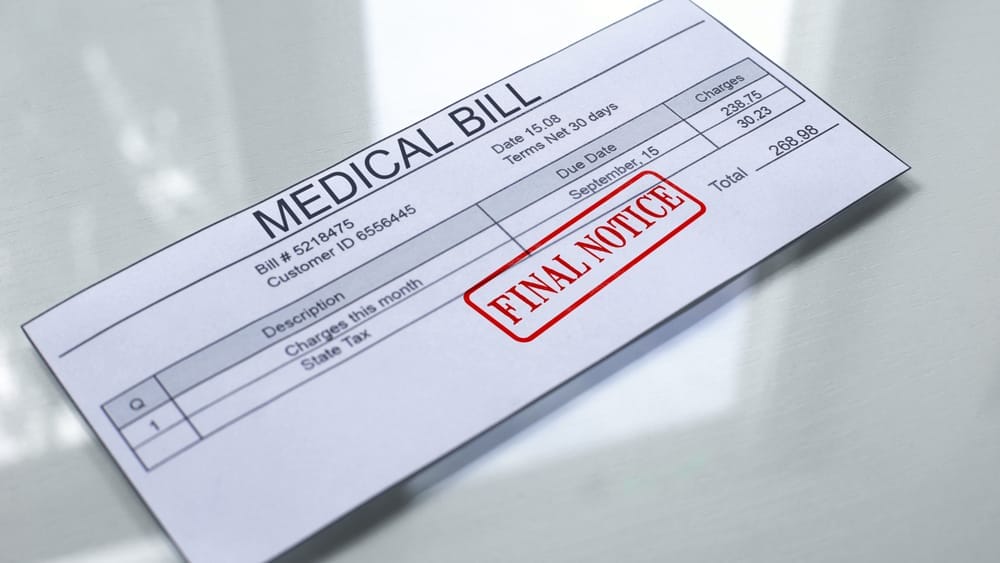
  • Can An Unpaid Medical Bill Really Lead To Property Seizure?
  • What Happens If Your Spouse Has Secret Debt You Didn’t Know About?
Travis Campbell
Travis Campbell

Travis Campbell is a digital marketer/developer with over 10 years of experience and a writer for over 6 years. He holds a degree in E-commerce and likes to share life advice he’s learned over the years. Travis loves spending time on the golf course or at the gym when he’s not working.

Filed Under: Debt Management Tagged With: consumer rights, credit score, Debt Collectors, Debt Management, financial advice

What Happens When Small Debts Spiral Out of Control

September 28, 2025 by Catherine Reed Leave a Comment

What Happens When Small Debts Spiral Out of Control
Image source: 123rf.com

It’s easy to brush off small debts as harmless. A $50 credit card balance, a forgotten medical bill, or a store card payment might not feel like a big deal. The problem is that these small debts often snowball into major financial problems if left unaddressed. Late fees, interest charges, and collection activity can quickly turn manageable balances into overwhelming burdens. Here’s what really happens when small debts spiral out of control and why it’s so important to take them seriously.

1. Interest Charges Grow Faster Than Expected

One of the first things that happens when small debts spiral out of control is the buildup of interest. What starts as a tiny balance grows quickly as interest compounds month after month. Credit cards, in particular, often carry rates above 20 percent, making it nearly impossible to catch up with minimum payments. Even a small purchase can double in cost if left unpaid long enough. This snowball effect turns something minor into a major stressor.

2. Late Fees Add to the Problem

Another hidden danger of small debts is the addition of late fees. Missing even a single payment can trigger penalties that increase the debt’s cost. For example, a $25 late fee on a $50 balance immediately increases the total amount owed by half. Repeated late payments keep stacking fees on top of the balance, creating a vicious cycle. Suddenly, the original debt looks insignificant compared to the added charges.

3. Credit Scores Start to Drop

When small debts spiral out of control, your credit score is one of the first casualties. Even a minor account reported as late can drag down your score for years. This can impact your ability to secure approval for larger loans, such as mortgages or auto financing. A lower score also means higher interest rates on future borrowing. Ignoring small debts can have long-term consequences that extend far beyond the original balance.

4. Collection Agencies Step In

If small debts remain unpaid for a long enough period, creditors often turn them over to collection agencies. This step exacerbates the situation, making it more stressful and damaging. Collection agencies are persistent, frequently contacting you and sometimes employing aggressive tactics. Once in collections, debts can also appear as separate negative marks on your credit report. What once seemed like a minor nuisance now becomes a constant source of financial anxiety.

5. Legal Action Becomes a Risk

In some cases, creditors or collection agencies may pursue legal action for unpaid small debts. Court judgments can lead to wage garnishment or bank account levies, further complicating your financial situation. While this may seem extreme for a small balance, it occurs more frequently than people expect. Once a judgment is issued, the debt becomes even harder to escape. Taking early action can prevent it from ever reaching this stage.

6. Stress and Anxiety Increase

Beyond the financial consequences, small debts that spiral out of control create significant emotional strain. Constant reminders, collection calls, and fear of legal action can weigh heavily on your mental health. Stress about money often spills into other areas of life, including relationships and work performance. The psychological toll is one of the most overlooked costs of ignoring small debts. Addressing them quickly helps restore peace of mind.

7. Opportunities Get Limited

When small debts spiral out of control, they don’t just affect your current finances—they limit future opportunities too. Poor credit may prevent you from renting certain apartments, landing specific jobs, or securing affordable insurance rates. What began as a $100 bill can ultimately block you from major life milestones. The opportunity cost of ignoring small debts is far greater than the debt itself. Thinking long-term highlights why these balances deserve attention.

Taking Small Debts Seriously Protects Your Future

Small debts may not seem urgent, but letting them spiral out of control can lead to financial and emotional challenges that persist for years. Interest, late fees, and credit damage all exacerbate the problem, while stress and lost opportunities exacerbate it further. Treating every debt seriously, regardless of its size, is crucial to maintaining financial stability. By tackling them early, you protect not only your wallet but also your future freedom.

Have you ever seen small debts spiral out of control in your own life? Share your experiences and lessons learned in the comments below!

What to Read Next…

  • 7 Strange Truths About Middle-Class Spending Habits
  • 6 Silent Money Leaks in the Average Household
  • 9 Financial Mistakes People Make in Their 30s That Haunt Them in Their 60s
  • Why Do People Get Trapped by “Buy Now Pay Later” Schemes
  • 5 Unsettling Truths About Payday Loan Companies
Catherine Reed
Catherine Reed

Catherine is a tech-savvy writer who has focused on the personal finance space for more than eight years. She has a Bachelor’s in Information Technology and enjoys showcasing how tech can simplify everyday personal finance tasks like budgeting, spending tracking, and planning for the future. Additionally, she’s explored the ins and outs of the world of side hustles and loves to share what she’s learned along the way. When she’s not working, you can find her relaxing at home in the Pacific Northwest with her two cats or enjoying a cup of coffee at her neighborhood cafe.

Filed Under: Debt Management Tagged With: credit score, debt collections, Debt Management, financial stress, late fees, Personal Finance, small debts

Could Being Too Trusting With Roommates Destroy Your Credit

September 28, 2025 by Travis Campbell Leave a Comment

credit
Image source: pexels.com

Sharing a living space with roommates can be a smart way to save money, especially in expensive cities. But have you ever wondered if being too trusting of roommates could destroy your credit? Many people dive into roommate situations without considering the financial risks. If you take on bills or leases together, your credit score may be at risk. It’s easy to assume everyone will pay their share, but that’s not always how things go. Understanding the risks can help you avoid a major credit headache down the road.

1. Joint Leases Mean Shared Responsibility

One of the biggest ways being too trusting of roommates could destroy your credit is through joint leases. When you and your roommates sign a lease together, you’re all equally responsible for paying the rent. If one person falls behind or skips out, the landlord can come after any or all of you for the full amount. This can quickly spiral out of control if you’re not careful.

Missed rent payments can show up on your credit report as late or unpaid, especially if the landlord sends the debt to collections. Even if you paid your share, the whole group is on the hook. If you’re not monitoring what everyone is doing, your credit could take a hit because of someone else’s mistake or poor planning.

2. Utility Bills in Your Name

It’s common for one roommate to set up utility accounts in their own name, with the expectation that everyone else will pay their portion. This arrangement seems simple, but it can backfire. If your roommates don’t pay you back on time, you’re responsible for the entire bill.

Unpaid utility bills can be sent to collection agencies, resulting in negative marks on your credit report. Even worse, you might not find out until it’s too late. Being too trusting with roommates in this situation puts your credit at risk, especially if you’re not tracking payments or setting clear expectations.

One way to protect yourself is to use payment apps or shared expense trackers. That way, you can see who has paid and who hasn’t. Don’t be afraid to remind your roommates if they’re late—your credit score is at stake.

3. Co-Signing or Lending Money

Sometimes, roommates might ask you to co-sign for a loan, credit card, or even a car. It’s tempting to help out, especially if you’re close. However, co-signing means you’re legally responsible for the debt if the borrower is unable to make payments. If your roommate falls behind, your credit score will suffer.

Lending money to roommates can also be a risky endeavor. If a roommate doesn’t pay you back, you may be left covering bills or rent yourself. This could result in missed payments or additional debt on your part. Always think carefully before mixing friendship and finances.

4. Not Setting Clear Financial Boundaries

Many roommate problems start with a lack of clear financial boundaries. Maybe you trust your roommates to pay on time, but you’ve never actually discussed how bills will be split, when payments are due, or what happens if someone is short.

Without written agreements or regular check-ins, misunderstandings can quickly turn into missed payments. If you’ve put your name on the lease or utility accounts, being too trusting of roommates can destroy your credit if things go wrong. Make sure to set up a system for tracking expenses and create a written agreement if possible. This doesn’t mean you don’t trust your roommates—it just protects everyone involved.

5. Ignoring Red Flags or Warning Signs

Sometimes, your gut tells you something is off. Perhaps a roommate is consistently late with payments, avoids discussing finances, or lacks a steady income. Ignoring these red flags can put your credit at major risk.

If you notice patterns of irresponsibility, address them early. It’s better to have an awkward conversation than to see your credit score drop because you were too trusting.

Protecting Your Credit in Shared Living Situations

Being overly trusting of roommates can damage your credit, but you can take steps to protect yourself. Start by communicating openly about finances before you move in together. Put agreements in writing, even if it’s just a shared spreadsheet or a group message outlining who pays what and when. Monitor all shared bills and rent, and don’t hesitate to follow up if something seems off.

Your credit score is an important part of your financial future. By staying proactive and setting clear expectations, you can enjoy the benefits of shared living without compromising your credit. Have you ever had a roommate situation affect your credit? Share your experiences and tips in the comments below!

What to Read Next…

  • What Happens To Your Credit Score If Your Cell Provider Changes Ownership
  • The Benefits Of Taking Personal Loans And Their Impact On Credit Scores
  • 5 Things That Instantly Decrease Your Credit Score By 50 Points
  • Why Are More Seniors Ditching Their Credit Cards Completely
  • Why Credit Limits Are Being Lowered Without Consent
Travis Campbell
Travis Campbell

Travis Campbell is a digital marketer/developer with over 10 years of experience and a writer for over 6 years. He holds a degree in E-commerce and likes to share life advice he’s learned over the years. Travis loves spending time on the golf course or at the gym when he’s not working.

Filed Under: credit cards Tagged With: credit score, financial boundaries, Personal Finance, Renting, roommates, shared living, utilities

Why Do People Ignore the Risks of Cosigning Loans

September 27, 2025 by Catherine Reed Leave a Comment

Why Do People Ignore the Risks of Cosigning Loans
Image source: 123rf.com

Cosigning a loan often feels like an act of love or friendship, a way to help someone get approved when their credit history isn’t strong enough. Yet what many people fail to realize is that cosigning ties their financial future directly to someone else’s decisions. The risks of cosigning loans are real, and they can cause lasting damage to your credit, savings, and peace of mind. Despite this, countless individuals agree without fully considering the consequences. So why do people ignore the risks of cosigning loans, and what happens when they do?

1. Emotional Pressure Clouds Judgment

One of the biggest reasons people overlook the risks of cosigning loans is emotional obligation. Parents want to help their children, friends want to support each other, and partners want to build trust. In these moments, the emotional connection outweighs logical financial thinking. Saying “no” feels selfish or uncaring, even if it’s the wisest move. This emotional pressure blinds people to the serious responsibilities they’re taking on.

2. A False Sense of Security in Trust

Trust is a wonderful quality, but it can cause people to underestimate the risks of cosigning loans. Many assume their loved one will make every payment on time because they’re responsible or because they promised. Unfortunately, life happens—job loss, emergencies, or poor money management can derail even the best intentions. Once payments are missed, the cosigner is legally responsible. Trust may be important, but it doesn’t pay the bills when things go wrong.

3. Misunderstanding the Legal Responsibility

Another reason people ignore the risks of cosigning loans is that they don’t fully understand the legal implications. Cosigners often think they’re just vouching for the borrower without realizing they’re equally responsible for the debt. Lenders treat the cosigner and borrower as one and the same when it comes to repayment. This means missed payments hurt both parties’ credit scores, and debt collection efforts target both. Without grasping this reality, cosigners put themselves at unnecessary risk.

4. Optimism Bias Leads to Overconfidence

Many people suffer from optimism bias, believing bad things won’t happen to them. This mindset makes it easy to dismiss the risks of cosigning loans. They convince themselves that the borrower will succeed, the loan will be repaid, and there won’t be any problems. Overconfidence blinds them to warning signs or potential obstacles. Unfortunately, this misplaced optimism often ends in financial disappointment.

5. Lack of Awareness About Credit Impact

People frequently ignore how the risks of cosigning loans extend beyond repayment. The loan appears on the cosigner’s credit report as if it were their own. This increases their debt-to-income ratio, which can hurt their ability to qualify for mortgages, car loans, or even credit cards. Even if the borrower makes every payment, the cosigner’s borrowing power is limited. The subtle but significant impact on credit is often overlooked until it’s too late.

6. Belief That Saying Yes Is Harmless

Cosigning is often treated casually, like signing a recommendation letter instead of a legally binding agreement. This misunderstanding causes people to downplay the risks of cosigning loans. Borrowers may even assure cosigners they’ll “never have to pay a dime.” The problem is that this assumption ignores the very reason lenders require a cosigner in the first place—because the borrower is considered a risk. What feels like a harmless favor can quickly turn into a major financial burden.

7. Overlooking Long-Term Consequences

The risks of cosigning loans extend well beyond the life of the loan. If payments are missed, collections and lawsuits can follow, damaging both finances and relationships. Even if the borrower does repay, the cosigner may be tied up in the loan for years, affecting future financial choices. Long-term consequences are often ignored in favor of short-term thinking. This lack of foresight is one of the most dangerous traps of cosigning.

Helping Without Putting Yourself at Risk

People ignore the risks of cosigning loans because emotions, trust, and misunderstandings cloud their judgment. But saying “yes” isn’t the only way to help someone. Alternatives like offering financial advice, helping improve credit, or lending a smaller sum directly can provide support without risking your entire financial future. Protecting yourself doesn’t mean you don’t care—it means you’re making smart choices that keep everyone safer in the long run.

Have you ever faced the risks of cosigning loans firsthand? Share your experiences and lessons learned in the comments below!

What to Read Next…

  • What Happens When You Trust the Wrong People With Money
  • 6 Times Helping Family Financially Ends in Regret
  • 9 Financial Mistakes People Make in Their 30s That Haunt Them in Their 60s
  • 5 Silent Costs of Ignoring Credit Monitoring
  • Could A Credit Freeze Save You From Financial Ruin
Catherine Reed
Catherine Reed

Catherine is a tech-savvy writer who has focused on the personal finance space for more than eight years. She has a Bachelor’s in Information Technology and enjoys showcasing how tech can simplify everyday personal finance tasks like budgeting, spending tracking, and planning for the future. Additionally, she’s explored the ins and outs of the world of side hustles and loves to share what she’s learned along the way. When she’s not working, you can find her relaxing at home in the Pacific Northwest with her two cats or enjoying a cup of coffee at her neighborhood cafe.

Filed Under: Debt Management Tagged With: borrowing money, credit score, Debt Management, financial advice, loan mistakes, Personal Finance, risks of cosigning loans

  • « Previous Page
  • 1
  • …
  • 3
  • 4
  • 5
  • 6
  • 7
  • …
  • 12
  • Next Page »

FOLLOW US

Search this site:

Recent Posts

  • Can My Savings Account Affect My Financial Aid? by Tamila McDonald
  • 12 Ways Gen X’s Views Clash with Millennials… by Tamila McDonald
  • What Advantages and Disadvantages Are There To… by Jacob Sensiba
  • 10 Tactics for Building an Emergency Fund from Scratch by Vanessa Bermudez
  • Call 911: Go To the Emergency Room Immediately If… by Stephen Kanaval
  • 7 Weird Things You Can Sell Online by Tamila McDonald
  • 10 Scary Facts About DriveTime by Tamila McDonald

Copyright © 2026 · News Pro Theme on Genesis Framework