• Home
  • About Us
  • Getting Finances Done
    • Hiring Advisors
    • Debt Management
    • Spending Plan
  • Insurance
    • Life Insurance
    • Health Insurance
    • Disability Insurance
    • Homeowners/Renters Insurance
  • Contact Us
  • Our Editorial Commitment

The Free Financial Advisor

You are here: Home / Archives for credit improvement

A 30-Point Credit Score Increase Took 10 Months — Here’s What Actually Changed

September 9, 2026 by Brandon Marcus Leave a Comment

A 30-Point Credit Score Increase Took 10 Months — Here’s What Actually Changed
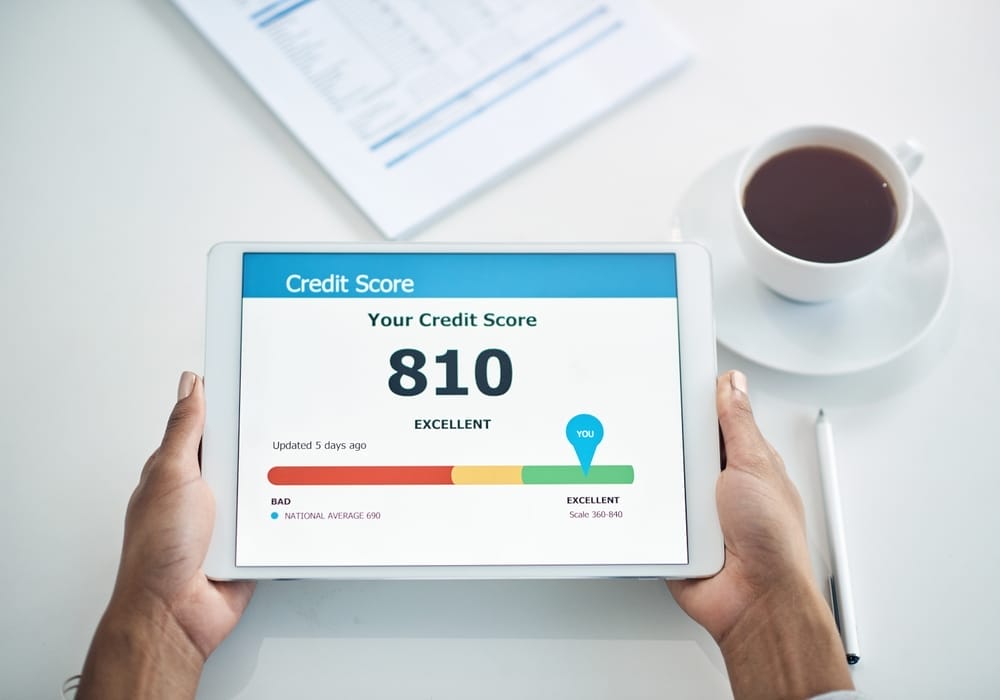
A 30-point credit score increase can take months of consistent on-time payments, lower credit card balances, careful applications, and regular credit report checks – Shutterstock

A 30-point credit score increase sounds impressive until the calendar enters the picture. In this case, the improvement took 10 months, and that slow pace reveals something important about credit scores: meaningful progress usually comes from a string of small, repeatable decisions rather than one dramatic financial makeover.

There was no secret button, magic credit-repair service, or suspicious promise to “boost your score overnight.” The changes came from doing the things credit scoring models actually notice, then giving the credit reports time to reflect those changes. That may sound less exciting than a miracle hack, but it is also far more useful because the same habits can keep helping long after the initial score increase.

The Biggest Change Wasn’t a New Credit Card

Payment history carries enormous weight in FICO scoring, which makes consistency much more valuable than constantly hunting for new accounts or financial tricks. A person who starts paying every account on time gives the credit reporting system something much more useful than a one-time burst of activity: a growing record of reliable payments. The CFPB similarly recommends paying loans and other credit accounts on time every time, and getting current quickly after a missed payment.

That does not mean an old late payment disappears simply because someone starts behaving better with credit. Accurate negative information can remain on a credit report for years, although recent problems generally carry more weight than older ones. The practical lesson feels almost comically simple: stop adding new problems, keep every account current, and let time become part of the recovery plan.

The Credit Card Balance Quietly Mattered

Credit utilization can create some of the most noticeable score movement because scoring models consider how much revolving credit someone uses compared with the available limit. A person can pay a credit card in full every month and still see a temporary score dip if a high balance gets reported before the payment arrives. That little reporting-calendar wrinkle explains why someone can feel financially responsible while the score seems to disagree.

Lowering the reported balance can help without requiring someone to stop using credit cards altogether. The CFPB cautions against getting close to credit limits and notes that carrying a balance does not help build a good score. In practical terms, the goal is not to perform a monthly card-payment magic trick but to keep revolving balances comfortably below their limits while continuing to pay on time.

Ten Months Gave the Credit File Time to Change

Credit scores do not operate like a bank account where a deposit immediately produces a visible balance. Creditors regularly report account information to the major credit reporting companies, and scoring models use that information to calculate scores, so changes can appear gradually as new balances and payment records arrive. That makes patience less of a motivational poster and more of a genuine part of the process.

The same principle applies to credit history itself, because scoring models consider how long accounts have existed and how long someone has managed credit responsibly. Closing an older card simply because it sits unused can also backfire if the move leaves the person with less available credit or changes the overall credit profile. The 10-month timeline therefore matters because it represents repeated reporting cycles, not 10 months of staring at a score and hoping it behaves.

The Credit Report Deserved a Look, Too

Not every disappointing score comes from a bad financial habit, and that makes checking the actual credit report one of the most useful steps in the process. The CFPB says consumers should look for incorrect account information, accounts that do not belong to them, inaccurate late payments, duplicate debts, incorrect balances, and incorrect credit limits. Those mistakes can affect the information that scoring models use, which means correcting an error can matter far more than buying another shiny credit-building product.

A dispute should target information that genuinely contains an error rather than accurate negative information someone simply wishes would disappear. Consumers can dispute inaccurate information with both the credit reporting company and the business that supplied the information, and the CFPB says consumers do not need to pay a credit-repair company to exercise that right. That distinction matters because legitimate credit improvement looks a lot less glamorous than the advertisements suggest, but it also leaves the consumer with something much more valuable: a cleaner report and better habits that can continue working.

The Real Win Was Making the Score Boring

A 30-point improvement over 10 months illustrates why credit repair often looks uneventful from the outside. The meaningful changes usually involve paying on time, keeping card balances under control, avoiding unnecessary applications, preserving useful older accounts, and checking reports for mistakes. None of those actions makes for a particularly thrilling financial makeover montage, but together they address several of the factors that scoring models actually evaluate.

The bigger lesson involves expectations, because a credit score does not need constant attention to improve, but it does need consistent behavior. There is no universal number of points a particular action will produce, and one person’s 30-point increase could look completely different from another person’s because scoring models evaluate the entire credit profile. A score that gradually moves upward after months of steady payments and lower balances may feel underwhelming week to week, but that boring progress can be exactly what a stronger credit history looks like in real life.

What credit habit has made the biggest difference in your own score, and how long did it take before the improvement finally showed up?

You May Also Like…

Your Credit Score Dropped. How Long Will It Take to Get Those Points Back?

8 Credit Score Levels Lenders Are Flagging as Higher-Risk for Mortgage Approval

Doing Everything Right? 7 Ways Your Credit Score Can Still Fall

You Have Thousands in Home Equity and Credit Card Debt. Should You Tap the House?

A Personal Loan Could Make Credit Card Debt Cheaper, But Only If the Math Works

Brandon Marcus
Brandon Marcus

Brandon Marcus is a writer who has been sharing the written word since a very young age. His interests include sports, history, pop culture, and so much more. When he isn’t writing, he spends his time jogging, drinking coffee, or attempting to read a long book he may never complete.
Filed Under: credit score Tagged With: credit cards, credit improvement, credit reports, credit score, credit utilization, Debt, Personal Finance, Planning

10 Uncommon Tactics for Boosting Your Credit Score Rapidly

October 9, 2025 by Travis Campbell Leave a Comment

credit score
Image source: shutterstock.com

Improving your credit score quickly can open doors to better loan rates, higher credit limits, and more financial freedom. While most people know the basics—like paying bills on time and keeping balances low—there are less common strategies that can make a big impact. Understanding these lesser-known tactics can help you gain a competitive edge and achieve results more quickly. Whether you’re trying to qualify for a mortgage or just want to lower your interest rates, a higher credit score is a valuable tool. Let’s look at ten uncommon ways to boost your credit score rapidly and set yourself up for financial success.

1. Request Higher Credit Limits on Existing Cards

One effective way to boost your credit score rapidly is to request a higher credit limit on your existing credit cards. This approach can improve your credit utilization ratio, which is the percentage of your available credit you’re actually using. If your income has increased or you’ve had your card for over six months, contact your issuer and request a limit increase. Just avoid spending more simply because you have extra room.

2. Become an Authorized User (Strategically)

Many people know about becoming an authorized user, but few take a strategic approach. Ask a family member or close friend with a long, positive credit history and low card balances to add you as an authorized user. Their good payment record will appear on your credit report, giving your credit score a rapid boost—sometimes in as little as 30 days.

3. Use a Rapid Rescore Service

If you’re in the middle of a loan application, some lenders offer a service called Rapid Rescore. This can update your credit file within a few days after you pay down debts or correct errors. It’s not something you can request directly—you’ll need to work with a lender. This tactic is especially useful if you need to boost your credit score rapidly to qualify for a better mortgage or refinance rate.

4. Open a Credit Builder Loan

Credit builder loans aren’t just for people with no credit. Even if you have some credit history, opening a small loan at a credit union or community bank and making on-time payments can add positive activity to your credit file. These loans work by holding the loan amount in a savings account while you make payments. When you’ve paid it off, you get the funds—and a better credit score.

5. Remove Authorized User Status from Problem Accounts

If you were added as an authorized user to a card with missed payments or high balances, it could be hurting your credit score. Contact the card issuer and request removal. This can quickly erase negative information from your credit report and help your credit score recover more rapidly than waiting for late payments to age off naturally.

6. Dispute Old, Small Collection Accounts

Small collection accounts, especially those that are a few years old, can drag down your credit score. Dispute any errors or inaccuracies related to these accounts. Sometimes, the collection agency won’t bother to verify, and the account will be removed. Even if the debt is valid, you can often negotiate a “pay for delete” agreement, where the agency removes the account in exchange for payment.

7. Time Your Payments to Lower Your Reported Balances

Most card issuers report your balance to the credit bureaus on your statement closing date, not your payment due date. If you pay down your balance right before the statement closes, the lower balance is reported, improving your credit utilization ratio. This can give your credit score a rapid boost, especially if you usually carry a balance from month to month.

8. Diversify Your Credit Mix with a New Type of Account

Your credit mix—meaning the variety of credit accounts you have—makes up about 10% of your credit score. Adding a different type of account, such as a personal loan if you only have credit cards, can help. But don’t open new accounts too often; only do this if you know you can manage the payments responsibly.

9. Use Experian Boost or Similar Tools

Services like Experian Boost can add positive payment history from utilities and streaming services to your credit report. This tactic is best for those with limited credit history or thin credit files. It’s free, easy to use, and can often raise your credit score rapidly, especially if you’ve consistently paid your bills on time.

10. Ask Creditors to Remove Recent Late Payments

If you have just one or two late payments, contact your creditor and request a “goodwill adjustment.” Explain your situation and ask if they’ll remove the late payment from your credit report as a courtesy. This approach isn’t guaranteed, but if you have a strong payment history, many creditors will accommodate the request. Removing even a single late payment can have a significant impact on your credit score rapidly.

Taking Charge of Your Credit Score Rapidly

Boosting your credit score rapidly doesn’t have to involve risky moves or waiting years for improvement. With these uncommon tactics, you can take control and see results in a matter of weeks or months. Focus on the strategies that match your situation and always keep your long-term financial health in mind.

What uncommon strategies have you used to boost your credit score rapidly? Share your experience in the comments below!

What to Read Next…

  • 5 Things That Instantly Decrease Your Credit Score By 50 Points
  • The Benefits Of Taking Personal Loans And Their Impact On Credit Scores
  • Why Are More Seniors Ditching Their Credit Cards Completely?
  • Why Credit Limits Are Being Lowered Without Consent
  • Why Some Credit Reports Are Withholding Important Data
Travis Campbell
Travis Campbell

Travis Campbell is a digital marketer/developer with over 10 years of experience and a writer for over 6 years. He holds a degree in E-commerce and likes to share life advice he’s learned over the years. Travis loves spending time on the golf course or at the gym when he’s not working.

Filed Under: credit score Tagged With: credit cards, credit improvement, credit score, credit tips, Debt Management, Personal Finance

Follow Us

Search this site:

Recent Posts

  • Can My Savings Account Affect My Financial Aid? by Tamila McDonald
  • 12 Ways Gen X’s Views Clash with Millennials… by Tamila McDonald
  • What Advantages and Disadvantages Are There To… by Jacob Sensiba
  • 10 Tactics for Building an Emergency Fund from Scratch by Vanessa Bermudez
  • Call 911: Go To the Emergency Room Immediately If… by Stephen Kanaval
  • 7 Weird Things You Can Sell Online by Tamila McDonald
  • 10 Scary Facts About DriveTime by Tamila McDonald

Copyright © 2026 · News Pro Theme on Genesis Framework