• Home
  • About Us
  • Toolkit
  • Getting Finances Done
    • Hiring Advisors
    • Debt Management
    • Spending Plan
  • Insurance
    • Life Insurance
    • Health Insurance
    • Disability Insurance
    • Homeowners/Renters Insurance
  • Contact Us
  • Risk Tolerance Quiz
  • Our Editorial Commitment

The Free Financial Advisor

You are here: Home / Archives for credit score

The Medical Bill Mistake That Can Cripple Your Credit for a Decade

December 8, 2025 by Brandon Marcus Leave a Comment

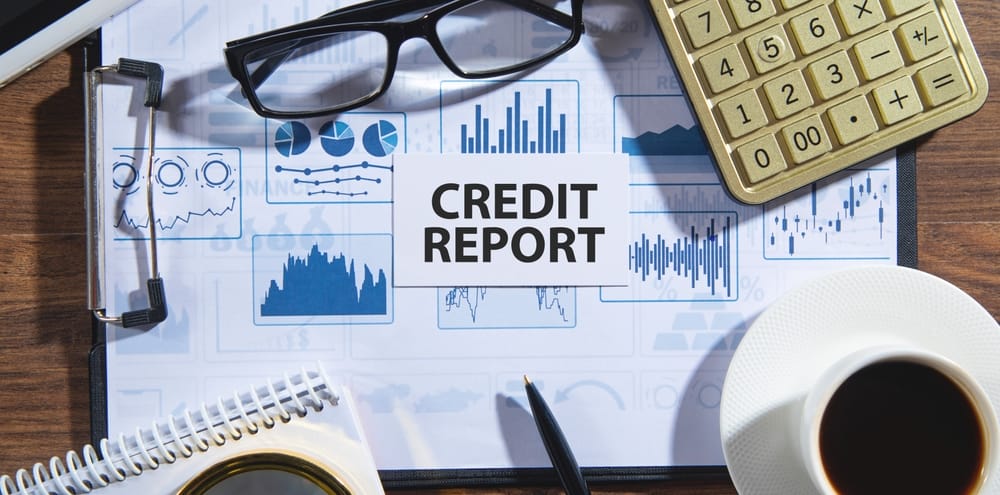
One Medical Bill Mistake That Can Cripple Your Credit for a Decade
Image Source: Pixabay.com

Medical bills have a sneaky way of turning ordinary people into financial thrill-seekers. One minute you’re walking out of the hospital with a prescription and a smile, the next you’re staring at a statement that reads like a foreign language and wondering if you accidentally adopted a small country. It’s not just the outrageous amounts that get people—it’s the subtle mistakes, overlooked paperwork, and billing snafus that can quietly snowball into years of credit damage.

Many people assume that paying something late or disputing a charge is minor, but when medical billing errors hit the credit bureaus, they can haunt you for a decade. Understanding how this happens, and how to fight back, is essential for anyone who wants to keep their financial life intact while navigating the complex world of healthcare.

Why Medical Bills Are Unlike Other Debts

Medical bills are unique because they often come unexpectedly, leaving little time for preparation or negotiation. Unlike a mortgage or car payment, which you plan for in advance, a surprise ER visit or sudden procedure can arrive with costs that rival a small down payment. Mistakes in coding, double-billing, or misapplied insurance payments make it easy to assume you owe more than you actually do. When these errors go unnoticed, they can be reported to credit agencies as delinquent debt, even if you intended to pay the correct amount on time. This is why medical bills require more attention and follow-up than almost any other type of expense.

How A Simple Billing Error Becomes A Credit Nightmare

Even minor errors on a medical bill can escalate quickly if left unchecked. A wrong date, an incorrect patient code, or a missed insurance adjustment can result in the bill being sent to collections. Once in collections, your credit report will show a negative mark, which can linger for up to ten years. Many people only discover this issue when they try to apply for a mortgage, car loan, or even a new credit card. What starts as a small oversight can turn into a decade-long headache that affects almost every area of financial life.

Insurance Confusion Makes Mistakes More Likely

Even when you have insurance, understanding what is covered and what isn’t can be like decoding a secret language. Policies are filled with deductibles, co-pays, out-of-network charges, and confusing terminology that even the most diligent patient can misinterpret. Hospitals and clinics sometimes submit claims incorrectly, leaving patients responsible for balances they should never have owed. Waiting for insurance adjustments without checking the statements can allow incorrect amounts to be reported to collections. Staying on top of every line item and communicating directly with both your insurer and provider is essential to prevent these errors from damaging your credit.

The Collections Trap Is Fast And Relentless

Once a medical bill enters collections, the damage can escalate faster than most people realize. Collection agencies report delinquent accounts to credit bureaus regularly, meaning even a small mistake can have an outsized impact. Unlike other types of debt, you often don’t receive multiple reminders before your account is reported. Many people are caught off guard, believing that “a few weeks late” won’t matter. By the time you discover the issue, the collections mark can already be reflected on your credit report, triggering higher interest rates, loan denials, and stress that lasts for years.

How To Spot And Fix Billing Mistakes Quickly

The key to preventing a decade of credit trouble is vigilance. Review every statement carefully, compare it to your insurance Explanation of Benefits, and verify that each charge is legitimate. If something looks wrong, contact the billing department immediately and request a corrected invoice. Keep meticulous records of every call, email, and response from the provider and insurance company. Prompt action can prevent a billing error from snowballing into a collection account and protect your credit score from unnecessary damage.

Negotiating And Disputing With Confidence

Even when a medical bill is accurate, there’s room for negotiation or dispute. Hospitals and collection agencies often have policies that allow for payment plans, financial assistance, or even reduced balances for prompt resolution. Disputing incorrect charges formally with your insurance or provider can halt collections and remove negative entries from your credit report. Being organized, polite, and persistent can yield better outcomes than you might expect. Taking control early transforms what could be a financial disaster into a manageable situation.

One Medical Bill Mistake That Can Cripple Your Credit for a Decade
Image Source: Pixabay.com

Why Regular Credit Checks Are Critical

Checking your credit report regularly is one of the smartest defenses against long-term damage from medical bills. Errors can appear on your report without your knowledge, sometimes months after the initial mistake. Regular monitoring allows you to spot discrepancies quickly and take action before they affect loan applications or interest rates. Many people delay checking their credit until they need a large loan, by which point errors can be entrenched. Staying proactive helps you correct mistakes before they spiral into decade-long issues.

Protecting Yourself From Future Mistakes

Education and organization are your best allies in preventing medical billing mistakes from ruining your credit. Keep a folder of all bills, insurance statements, and correspondence. Know the key dates for claims, payments, and insurance responses. Develop a habit of reviewing every charge, even small ones, and never assume an error will correct itself. By creating a system for vigilance, you reduce the risk of surprises that can linger for years. Financial peace of mind comes from consistent attention, not hope that everything is fine.

Take Action Before It’s Too Late

Medical bills may seem like just another part of adult life, but one small mistake can ripple through your financial world for a decade. Vigilance, record-keeping, and proactive communication are the keys to keeping your credit safe. Don’t wait until a loan denial or mortgage application shocks you into action—review, dispute, and negotiate before the damage is done. Have you or someone you know experienced a medical billing error that impacted credit? Share your thoughts, stories, or tips in the comments section below—we’d love to hear from you.

You May Also Like…

8 Shocking Costs of Ignoring Small Medical Bills

How Can Medical Bills Wipe Out Savings Faster Than a Market Crash

7 Outrageous Truths About Medical Debt

Could Ignoring Medical Debt Destroy Your Financial Future

Are Your Medical Wishes Legally Enforceable Across State Lines?


Brandon Marcus
Brandon Marcus

Brandon Marcus is a writer who has been sharing the written word since a very young age. His interests include sports, history, pop culture, and so much more. When he isn’t writing, he spends his time jogging, drinking coffee, or attempting to read a long book he may never complete.


Filed Under: Health & Wellness Tagged With: bill mistakes, bills, credit, credit repair, credit report, credit score, debt collection, doctor, doctors, health insurance, hospitals, medical bills, medical debt, medical expenses, spending mistakes

7 Signs Your Identity Has Been Stolen and What to Do Immediately

December 4, 2025 by Brandon Marcus Leave a Comment

Here Are Some Signs Your Identity Has Been Stolen And What To Do Immediately
Image Source: Shutterstock.com

Identity theft is one of those things that feels like it only happens in movies or to “other people”—until suddenly, your bank account looks like a crime scene. One moment you’re casually scrolling through your emails, the next you’re staring at a credit report that looks like someone went on a shopping spree with your name on it. It’s stressful, confusing, and honestly a little terrifying.

The good news is that there are warning signs that can alert you before the situation gets completely out of control. Recognizing them fast—and knowing what to do—can save you a lot of time, money, and headaches.

1. Unexplained Charges On Your Accounts

One of the most obvious signs of identity theft is charges on your credit or debit accounts that you didn’t make. It could be a $15 subscription you never signed up for, a luxury item from a store you’ve never visited, or even a cash withdrawal you didn’t authorize. These little transactions often escalate if ignored, allowing thieves to rack up significant amounts before you notice. Always check your statements regularly, not just for big purchases but for small, suspicious ones too. If you spot anything unusual, report it immediately to your bank or credit card provider.

2. Receiving Bills For Accounts You Didn’t Open

Another red flag is receiving bills or collection notices for accounts you never applied for. Maybe it’s a new credit card, a loan, or even a utility account in your name, and suddenly your mailbox feels like a plot twist you didn’t sign up for.

These accounts are often opened by criminals using stolen personal information, and ignoring them can hurt your credit score. Contact the company immediately to report fraud and ask for the account to be closed. You should also check your credit report to ensure no other unfamiliar accounts have popped up.

3. Being Denied Credit Unexpectedly

If your credit application is suddenly rejected despite having a solid financial history, it could be a sign someone else has damaged your credit. Fraudulent accounts, missed payments, or unexpected inquiries can tank your score without you realizing it. This can make things like renting an apartment, getting a loan, or even signing up for utilities a real nightmare. Pulling your credit report from all three major bureaus can help you spot discrepancies. If you find any suspicious activity, contact the creditors immediately and consider placing a fraud alert on your report.

4. Receiving Strange Notifications Or Emails

Alerts and emails about accounts you didn’t set up or password changes you didn’t request are clear warning signs. Hackers often try to gain control of your digital life by sending messages that look like legitimate alerts from banks, credit cards, or online platforms. Clicking links in these emails can make matters worse, so always go directly to the official website or contact the company directly.

Set up two-factor authentication for extra protection and change your passwords immediately. Awareness and caution are key, because a single careless click can open the door to further theft.

5. Friends Or Family Mention Suspicious Activity

Sometimes other people notice signs of theft before you do. They might receive messages, requests, or even bills in your name that seem unusual. While it can be embarrassing to admit that your identity is being misused, their alerts can be your first line of defense. Take every report seriously, even if it seems minor. Investigate thoroughly and take immediate action to prevent the situation from escalating.

6. Missing Mail Or Important Documents

Identity thieves often intercept mail to access sensitive information like bank statements, tax documents, or credit card offers. If bills, statements, or packages start disappearing or you notice that official letters never arrive, treat it as a serious warning sign. Missing mail can allow criminals to open new accounts, make unauthorized charges, or steal your personal data. Notify your local post office and consider adding extra security measures, like a locked mailbox or mail hold when you’re away. Monitoring mail is a surprisingly effective and low-tech way to catch identity theft early.

7. Unfamiliar Accounts Showing Up Online

In today’s digital age, identity theft often happens online first. New accounts, social media profiles, or online purchases that you never initiated could be created using your information. Hackers can exploit your personal data in creative ways that aren’t immediately visible on your credit report. Regularly search your name online and set up alerts to monitor suspicious activity. If you notice any unfamiliar accounts, report them immediately to the platform and take steps to secure your digital presence.

Here Are Some Signs Your Identity Has Been Stolen And What To Do Immediately
Image Source: Shutterstock.com

Stay Alert And Act Fast

Identity theft is scary, but recognizing the warning signs early can give you the upper hand. From unexplained charges to unfamiliar accounts and missing mail, the clues are often right in front of you if you pay attention. Acting quickly is essential: contact banks, credit bureaus, and relevant companies, change passwords, and monitor your accounts closely. Your goal is to stop the thief in their tracks before they can do more damage.

Have you ever experienced identity theft, or noticed something suspicious that turned out to be a red flag? Share your stories, tips, or questions in the comments section below.

You May Also Like…

7 Ways to Prevent Your Bank Information From Being Stolen by People You Know

8 Silent Costs of Ignoring Identity Theft

7 Ways Identity Scammers Copy Your Signature Remotely

8 Beauty Scams That Fooled Everyone — And Still Do

The “Love Bombing” Tactic Scammers Use to Gain Financial Control in a New Relationship


Brandon Marcus
Brandon Marcus

Brandon Marcus is a writer who has been sharing the written word since a very young age. His interests include sports, history, pop culture, and so much more. When he isn’t writing, he spends his time jogging, drinking coffee, or attempting to read a long book he may never complete.

Filed Under: safety Tagged With: bills, credit, credit repair, credit score, identity, identity theft, identity thieves, stealing identity, stolen identity, unexplained charges

8 Times “0% Interest” Credit Cards Turn Into Financial Traps

November 6, 2025 by Travis Campbell Leave a Comment

Credit card
Image source: shutterstock.com

Zero percent interest credit cards sound like a great deal. Every person would want to avoid paying interest charges when making purchases or transferring their balances. These cards function properly as debt payment tools and purchase financing options, preventing customers from incurring additional fees. 0% interest credit cards often contain hidden traps that can either cost you money or damage your credit rating. Understanding financial pitfalls enables investors to make more informed investment decisions through sound investment choices. The following eight common mistakes with these offers will help you prevent them from becoming problematic tools.

1. Letting the Promo Period Lull You Into Overspending

The appeal of a 0% interest credit card can make it easy to justify bigger purchases. Since there’s no interest for a set period, you might feel safe buying more than you usually would. But it’s still money you have to repay. When the promotional period ends, any balance left starts accruing interest—often at a much higher rate than you expect. This is one of the most common financial traps that catches people off guard.

It’s easy to lose track of how much you owe when you’re not seeing monthly interest charges. Stay mindful of your spending. Treat your 0% interest credit card as if it’s a regular card and stick to your budget.

2. Missing a Payment Means Losing the 0% Rate

Most 0% interest credit cards come with strict terms and conditions. Miss a single payment, and you could lose that promotional rate entirely. The card issuer may bump you up to the regular APR immediately, and often retroactively apply interest to your existing balance. That can turn a manageable debt into one that quickly grows out of control.

Set up automatic payments or reminders to ensure you never miss a due date. Even a minor mistake can be costly.

3. Ignoring Balance Transfer Fees

It’s common to use a 0% interest credit card to transfer balances from higher-rate cards. However, most balance transfers come with a fee—typically 3% to 5% of the amount transferred. For a $5,000 transfer, that’s $150 to $250 up front. While you’ll save on interest, these fees can eat into your savings, especially if you don’t pay down the balance quickly.

Before moving debt, calculate whether the balance transfer fee outweighs the interest you’d pay on your current card. Sometimes, it’s not the money-saver it seems.

4. Overlooking the Regular APR

When the 0% interest period ends, your remaining balance will start accruing interest at the card’s regular APR. Many people get caught by surprise here, as these rates are often 15% to 25% or more. If you haven’t paid off your balance in full, interest charges can add up fast, turning your interest-free period into a costly mistake.

Always check the regular APR before applying for a 0% interest credit card and have a plan to pay off your balance before the promo ends.

5. Failing to Read the Fine Print

Every 0% interest credit card comes with terms and conditions that can hide important details. Some cards only offer the promotional rate for certain types of transactions—like purchases, but not balance transfers, or vice versa. Others may charge deferred interest, meaning if you don’t pay off the balance by the end of the promo period, you’ll owe interest on the entire original amount, not just what’s left.

Take the time to read the card’s terms before signing up.

6. Adding New Purchases to a Transferred Balance

After transferring a balance to a 0% interest credit card, it’s tempting to keep using the card for new purchases. But new purchases may not qualify for the 0% rate. They could accrue interest right away, even if your transferred balance doesn’t. Additionally, payments are typically applied to the balance with the lowest interest rate first, allowing higher-interest charges to accumulate.

To avoid this financial trap, use your 0% interest credit card solely for its intended purpose and avoid adding new charges until you’ve paid off the transferred amount.

7. Damaging Your Credit Score

Applying for multiple 0% interest credit cards in a short time can hurt your credit score. Each application triggers a hard inquiry, and too many can signal to lenders that you’re in financial trouble. Additionally, maxing out your new card (even for a balance transfer) increases your credit utilization ratio, which can negatively impact your credit score.

Be selective about applying for new credit. If you’re working to improve your credit, focus on responsible use and making timely payments, rather than chasing every 0% offer.

8. Not Having a Repayment Plan

A 0% interest credit card is only a good deal if you pay off your balance before the promotional period ends. Without a clear plan, it’s easy to let the balance linger, only to be hit with high interest later. This is one of the most common financial traps for cardholders.

Set a monthly payment goal that ensures your balance is paid off before the promotion expires. Use online calculators or budgeting tools to stay on track.

Smart Moves With 0% Interest Credit Cards

0% interest credit cards can be valuable tools for managing debt or financing large purchases, but only if you use them with care. Financial agreements between consumers function as actual expenses, which become costly when consumers fail to manage them properly. Always read the fine print, track your spending, and have a payoff plan in place. Knowing the possibilities of system failure enables you to obtain benefits without creating financial responsibilities.

Have you ever fallen into a 0% interest credit card trap? Share your experience or tips in the comments below!

What to Read Next…

  • 7 Credit Card Features Disappearing Without Any Notice
  • 6 Credit Card Perks That Come With Under The Radar Stringent Conditions
  • 7 Hidden Fees That Aren’t Labeled As Fees At All
  • 5 Things That Instantly Decrease Your Credit Score By 50 Points
  • Why Are More Seniors Ditching Their Credit Cards Completely
Travis Campbell
Travis Campbell

Travis Campbell is a digital marketer/developer with over 10 years of experience and a writer for over 6 years. He holds a degree in E-commerce and likes to share life advice he’s learned over the years. Travis loves spending time on the golf course or at the gym when he’s not working.

Filed Under: credit cards Tagged With: Balance transfer, credit cards, credit score, Debt, interest rates, Personal Finance

8 Credit Score Secrets That Most Never Hear About

October 24, 2025 by Travis Campbell Leave a Comment

credit score
Image source: shutterstock.com

Your credit score is more than just a number. It can affect your mortgage rate, ability to rent an apartment, or even land a job. But while most people know the basics—pay your bills on time, keep balances low—there are lesser-known tactics that can make a real difference. These aren’t just tips you’ll find on every finance blog. They’re practical, often overlooked strategies that can help you take charge of your financial future. If you’re serious about boosting your credit score, these secrets are worth knowing.

1. Credit Utilization Gets Calculated Per Card and Overall

Most people have heard that keeping your credit card balances low is good for your credit score. But did you know that credit utilization is looked at both per card and across all your cards? If you max out one card but leave the others untouched, your score could still dip. Aim to keep each card’s balance below 30% of its limit, and try to do the same for your total credit usage. This simple move can have a big impact on your credit score, sometimes within just a month or two.

2. Old Accounts Hold More Power Than You Think

It’s tempting to close old credit cards you don’t use anymore. However, the length of credit history is a major factor in your credit score. Those older accounts give your score a boost simply by showing you’ve managed credit for a long time. If there’s no annual fee, consider keeping old cards open. Use them occasionally for small purchases to prevent closure due to inactivity.

3. Credit Inquiries Aren’t All Equal

Not all credit inquiries hit your credit score the same way. “Hard” inquiries—like when you apply for a loan or new card—can lower your score a bit. But “soft” inquiries—like checking your own score or getting pre-approved offers—don’t affect your score at all. So, feel free to check your own credit regularly. It’s smart to keep tabs on your credit report and make sure everything looks right.

4. Timing Your Payments Can Make a Difference

Most people pay their credit card bill by the due date, but did you know the balance reported to the credit bureaus is often your statement balance? If you pay down your balance before your statement closes, a lower amount gets reported. This can instantly lower your credit utilization and give your credit score a quick lift. Even if you pay in full every month, timing matters.

5. You Can Piggyback on Someone Else’s Good Credit

Becoming an authorized user on a family member’s or friend’s credit card can help your credit score—if the primary user has good habits. Their positive payment history and low credit utilization can show up on your credit report, sometimes improving your score quickly. But make sure you trust the person and that the card issuer reports authorized user activity to the credit bureaus. It’s a smart shortcut, but it comes with risks if the account isn’t managed well.

6. Not All Debts Are Treated the Same

Did you know installment loans—like mortgages and auto loans—impact your credit score differently than credit cards? Revolving debt (credit cards) has a bigger effect on your credit utilization ratio, which is a key score factor. Paying down your cards can often boost your credit score faster than paying off an installment loan. If you’re focused on improving your credit score, prioritize lowering credit card balances first.

7. Errors on Your Credit Report Are More Common Than You Think

Many people never check their credit reports, assuming everything is correct. Yet, errors are surprisingly common and can drag down your credit score. Regularly review your reports from all three bureaus. If you spot a mistake, dispute it right away. You’re entitled to a free report from each bureau every year at AnnualCreditReport.com. Fixing even one error can mean a big jump in your credit score.

8. Rent and Utility Payments Can Help—If Reported

Traditionally, rent and utility payments didn’t show up on credit reports. That’s changing thanks to new services that let you report these payments to the credit bureaus. If you’re paying rent on time, consider signing up for a service that will add this history to your report. This is especially helpful for people with thin credit files.

Take Charge of Your Credit Score Today

Improving your credit score doesn’t have to be a mystery. With these eight credit score secrets, you have actionable steps that go beyond the usual advice. Understanding how credit utilization, account age, and even things like rent payments affect your score gives you an edge. Don’t forget to check your credit report for errors and time your payments for the best impact.

Building a strong credit score is about knowing the rules—and sometimes the exceptions. Start with one or two of these strategies, and you might see your credit score climb sooner than you think.

What’s the most surprising thing you’ve learned about your credit score? Share your experience or tips in the comments!

What to Read Next…

  • 5 Things That Instantly Decrease Your Credit Score By 50 Points
  • The Benefits Of Taking Personal Loans And Their Impact On Credit Scores
  • Why Some Credit Reports Are Withholding Important Data
  • Why Are More Seniors Ditching Their Credit Cards Completely
  • Are These 6 Helpful Budget Tips Actually Ruining Your Finances
Travis Campbell
Travis Campbell

Travis Campbell is a digital marketer/developer with over 10 years of experience and a writer for over 6 years. He holds a degree in E-commerce and likes to share life advice he’s learned over the years. Travis loves spending time on the golf course or at the gym when he’s not working.

Filed Under: credit score Tagged With: credit cards, credit report, credit score, credit utilization, Debt Management, Financial Tips, Personal Finance

What Really Happens If You Ignore a Debt Collector’s Voicemail

October 21, 2025 by Travis Campbell Leave a Comment

debt
Image source: shutterstock.com

Getting a call from a debt collector can make anyone anxious. Often, people choose to let these calls go to voicemail, hoping the problem will just go away if they ignore it. But what really happens if you ignore a debt collector’s voicemail? Understanding the consequences is important for your financial health and peace of mind. Ignoring these messages might seem harmless, but it can lead to more complicated issues down the line. If you’re tempted to just delete that message and move on, it’s worth knowing what to expect. Let’s break down the real impact of ignoring a debt collector’s voicemail.

1. The Calls Don’t Stop—They Multiply

If you ignore a debt collector’s voicemail, the most immediate thing you’ll notice is that the calls keep coming. Debt collectors are persistent because their job is to recover money owed. They will likely continue to call, sometimes even increasing the frequency. You might start getting calls at different times of the day or from different phone numbers. Ignoring one voicemail rarely means the collector gives up. In fact, it often signals to them that they need to try harder to reach you.

Debt collectors may also use other forms of contact, like sending letters or emails. The longer you go without responding, the more creative they might get in their attempts to reach you.

2. Your Credit Score Could Take a Hit

One of the biggest consequences of ignoring a debt collector’s voicemail is the potential impact on your credit score. If the debt is legitimate and remains unpaid, the collection agency can report it to the credit bureaus. This can drag down your credit score significantly, making it harder to get approved for loans, credit cards, or even some jobs. The longer the debt sits in collections, the worse the impact can be.

Even if you’re not planning to borrow money soon, a bad credit score can affect your financial options. Some landlords, insurance companies, and employers check credit as part of their screening process. Simply ignoring a voicemail won’t stop the consequences from showing up on your credit report.

3. You Might Miss Out on Important Information

Debt collectors are required by law to provide certain information about your debt, such as the amount owed and your rights under the Fair Debt Collection Practices Act (FDCPA). If you ignore their voicemails, you could miss out on details that might actually help you. For example, the collector might offer a payment plan or a settlement amount that’s lower than what you owe. Or, the debt might not even be yours—mistakes happen, and ignoring the call means missing your chance to dispute it.

By not listening to or responding to the voicemail, you also forfeit your opportunity to request written verification of the debt. This is a key step in protecting yourself from scams or errors.

4. Legal Action Becomes More Likely

Another risk of ignoring a debt collector’s voicemail is the possibility of legal action. While not every unpaid debt results in a lawsuit, the odds increase the longer you ignore the collector. If the debt is significant, the agency might decide to sue you in civil court. If you don’t respond to the court summons, you could end up with a default judgment against you. This can lead to wage garnishment, bank account levies, or liens on your property.

Even smaller debts can sometimes lead to lawsuits, depending on the collector and state laws. Ignoring the voicemail doesn’t prevent legal action—it can actually make it more likely, since the collector hasn’t heard from you and assumes you’re not willing to work things out.

5. The Debt Collector Might Contact Others

When you ignore a debt collector’s voicemail, they may try to reach you through other means. This can include contacting people close to you, like family members or employers, in an attempt to locate you. While collectors are limited in what they can say, their calls can still be embarrassing or stressful. Ignoring the calls increases the chances they’ll try to track you down through your contacts, which can create awkward situations.

If you’re worried about privacy, responding directly to the collector can help keep the matter more contained.

How to Handle a Debt Collector’s Voicemail the Smart Way

Now that you know what really happens if you ignore a debt collector’s voicemail, it’s clear that silence can make things worse. It’s almost always better to address the issue head-on, even if you can’t pay the debt right away. Start by listening to the voicemail and taking note of the details. Verify that the debt is legitimate before making any payments. You have the right to ask for written verification, and you can negotiate payment terms if needed.

Remember, you don’t have to deal with collectors alone. There are reputable organizations, like the National Foundation for Credit Counseling, that offer free or low-cost advice. Taking action may feel uncomfortable, but it’s the best way to protect your finances and peace of mind. Ignoring a debt collector’s voicemail doesn’t erase the problem—it usually makes it bigger and harder to solve.

Have you ever ignored a debt collector’s voicemail? What happened as a result? Share your experience or tips in the comments below!

What to Read Next…

  • 5 Things That Instantly Decrease Your Credit Score By 50 Points
  • The Benefits Of Taking Personal Loans And Their Impact On Credit Scores
  • What Happens To Your Credit Score If Your Cell Provider Changes Ownership
  • Why Are So Many Seniors Being Sued Over Student Loans They Didn’t Take Out
  • Can An Unpaid Medical Bill Really Lead To Property Seizure
Travis Campbell
Travis Campbell

Travis Campbell is a digital marketer/developer with over 10 years of experience and a writer for over 6 years. He holds a degree in E-commerce and likes to share life advice he’s learned over the years. Travis loves spending time on the golf course or at the gym when he’s not working.

Filed Under: Debt Management Tagged With: consumer rights, credit score, debt collection, Debt Management, Personal Finance

Why Closing an Old, Unused Credit Card Can Wreck Your Credit Score

October 17, 2025 by Travis Campbell Leave a Comment

credit card
Image source: pexels.com

Thinking about closing an old, unused credit card? You might assume it’s a smart move—one less card to worry about, right? But before you call your issuer, it’s important to understand how this decision can affect your financial health. Your credit score is more sensitive to changes than many realize, and closing a credit card can have ripple effects. For many people, keeping old accounts open is actually better for their credit profile. Let’s look at why closing an old, unused credit card can wreck your credit score and what you should consider before making a move.

1. Credit Utilization Ratio Gets Worse

Your credit utilization ratio is a key factor in your credit score. This ratio compares your total credit card balances to your total available credit. When you close an old, unused credit card, you reduce your available credit, which can cause your utilization rate to jump—even if your spending stays the same. For example, if you have $5,000 in total credit limits and carry $1,000 in balances, your utilization is 20%. Close a card with a $2,000 limit, and suddenly your utilization jumps to 33%.

Credit scoring models like FICO prefer utilization below 30%, and ideally under 10%. Higher utilization can signal to lenders that you’re a riskier borrower, which can drag down your score. That’s why keeping old cards open, even if you don’t use them, can actually help keep your credit utilization—and your credit score—in better shape.

2. Shortens Your Credit History

Length of credit history is another important piece of your credit score. Lenders like to see that you’ve managed credit responsibly over time. When you close an old credit card, you risk shortening the average age of your accounts. This can especially hurt if the card you’re closing is your oldest account.

While closed accounts may stay on your credit report for several years, they eventually drop off, and your average account age can take a hit. A shorter credit history can make you look less experienced with credit, which can lower your credit score. The longer your credit history, the better your score tends to be.

3. Fewer Accounts Mean Less Credit Diversity

Credit scoring models reward diversity in the types of credit you use. This could include credit cards, installment loans, mortgages, and more. By closing an old, unused credit card, you reduce the number of revolving accounts on your credit report. Less diversity can be a negative if you don’t have many other accounts.

Maintaining a mix of credit types shows lenders you can handle different forms of borrowing. Even if you don’t use your old card much, just having it open contributes to your overall credit profile. If you’re considering a major loan in the future, like a mortgage, keeping more accounts open could help your case.

4. Potential Loss of Positive Payment History

Positive payment history is the backbone of a strong credit score. If you’ve had an old card for years and always paid on time, that account is helping your score. Closing it won’t erase the history right away, but eventually, closed accounts fall off your credit report—usually after 7-10 years.

When that happens, you lose the benefit of those on-time payments in your credit score calculation. If your other accounts are newer or have less positive history, your credit score could dip when the old account disappears. In short, closing an old, unused credit card means you’re eventually giving up a valuable piece of your financial track record.

5. Unintended Effects on Future Credit Applications

Planning to apply for a loan, car financing, or even a new apartment? Closing an old credit card can lower your credit score just when you need it to be at its best. Lenders and landlords often use your score to judge your reliability. Even a small drop can make a difference in the terms you’re offered—or whether you’re approved at all.

Many people don’t realize that the impact of closing a card can stay with them for months or even years. If you’re thinking about making a big financial move, keeping your old, unused credit card open could work in your favor.

How to Handle Old, Unused Credit Cards Wisely

Now that you know why closing an old, unused credit card can wreck your credit score, you might be wondering what to do with those dormant accounts. If the card doesn’t have an annual fee and isn’t posing a security risk, consider leaving it open. You can use it for a small recurring charge (like a streaming subscription) to keep it active, then pay it off in full every month. This way, you maintain a healthy credit utilization ratio and preserve your long credit history.

If you’re worried about fraud or can’t resist the temptation to overspend, look for ways to secure the card, like lowering the credit limit or keeping the card in a safe place. The bottom line: keeping your old, unused credit card open is often the smarter choice for your credit score.

Have you ever closed an old credit card and noticed a change in your credit score? Share your experience or questions in the comments below!

What to Read Next…

  • 5 Things That Instantly Decrease Your Credit Score By 50 Points
  • The Benefits Of Taking Personal Loans And Their Impact On Credit Scores
  • 7 Credit Card Features Disappearing Without Any Notice
  • Why Are More Seniors Ditching Their Credit Cards Completely
  • 6 Credit Card Perks That Come With Under The Radar Stringent Conditions
Travis Campbell
Travis Campbell

Travis Campbell is a digital marketer/developer with over 10 years of experience and a writer for over 6 years. He holds a degree in E-commerce and likes to share life advice he’s learned over the years. Travis loves spending time on the golf course or at the gym when he’s not working.

Filed Under: credit cards Tagged With: credit cards, Credit history, credit management, credit score, credit utilization, Personal Finance

6 Aggressive (But Legal) Tactics Hospitals Use to Collect on Medical Debt

October 17, 2025 by Travis Campbell Leave a Comment

medical debt
Image source: shutterstock.com

Medical debt is a growing concern for millions of Americans. Even with insurance, high deductibles and surprise bills can leave patients struggling to pay. Hospitals, faced with their own financial pressures, have developed aggressive—but legal—tactics to collect on these debts. Understanding these methods can help you protect your finances and know your rights. If you or someone you love has ever received an unexpected hospital bill, it’s important to see how far hospitals will go to collect what they’re owed. Here are six common hospital debt collection tactics you should know about.

1. Sending Unpaid Bills to Collections Quickly

One of the most common hospital debt collection tactics is fast-tracking unpaid bills to outside collection agencies. Hospitals may send your bill to collections in as little as 90 days after the service date. Collection agencies are persistent. They call, send letters, and may even report the debt to credit bureaus. This can hurt your credit score for years, making it harder to get loans or even rent an apartment. If you receive a bill, don’t ignore it. Contact the hospital’s billing department as soon as possible to discuss payment options or to dispute errors.

2. Suing Patients in Court

Some hospitals take legal action against patients who haven’t paid their medical debt. Lawsuits can result in court judgments, which may allow hospitals to garnish your wages or put liens on your property. While not every hospital sues, it’s a tactic that’s been used more frequently in recent years, especially by larger health systems. These lawsuits often catch patients off guard, especially if they never received clear billing statements. If you’re served with court papers for hospital debt, consult a legal aid organization or attorney right away.

3. Wage Garnishment and Bank Account Seizure

After winning a lawsuit, hospitals can use the court’s authority to garnish your wages or seize funds from your bank account to collect on medical debt. Garnishment means a portion of your paycheck is taken before you even see it. Bank account seizures can drain your savings with little warning. State laws vary, but most allow some level of protection for basic income and assets. Still, these aggressive tactics can disrupt your financial stability and make it even harder to pay off other bills.

4. Placing Liens on Property

Some hospitals will place a lien on your home or other assets if you owe significant medical debt. A lien is a legal claim that gives the hospital the right to a portion of the proceeds if you sell your property. This tactic can make it difficult to refinance or sell your home until the debt is paid. Property liens are more common in states with fewer consumer protections, and they can linger on your record for years. It’s crucial to respond to any legal notices or warnings about liens to avoid long-term consequences.

5. Denying Non-Emergency Care

While hospitals are required to provide emergency care regardless of ability to pay, some may deny non-emergency services if you have outstanding medical debt. This can include routine checkups, elective procedures, or follow-up visits. Hospitals may also require you to pay a portion of your debt before scheduling new appointments. This tactic puts patients in a tough position: get the care they need, or pay down debt first. If you’re facing this situation, ask about financial assistance programs or payment plans.

6. Aggressive Billing and Communication Tactics

Hospitals and their collectors often use persistent, and sometimes intimidating, communication strategies to collect on medical debt. You might receive multiple calls a day, frequent letters, or even threats of legal action. While federal law prohibits harassment, collectors can still be relentless. Some hospitals even outsource collections to agencies with a reputation for being tough. If you feel overwhelmed, know that you have rights under the Fair Debt Collection Practices Act. You can ask collectors to stop calling or request all communication in writing.

Protecting Yourself from Hospital Debt Collection Tactics

Medical debt can feel overwhelming, but you’re not powerless. Start by reading all hospital bills carefully and checking for errors. Mistakes happen, and billing errors can add hundreds or thousands to your total. If you can’t pay in full, negotiate a payment plan or ask about charity care. Many hospitals have financial assistance programs, but you often need to apply and provide documentation. Don’t assume you’re out of options if you get a collection notice or lawsuit. Seek help from a nonprofit credit counselor or legal aid group.

Staying informed about hospital debt collection tactics helps you make better decisions and protects your credit and assets.

Have you ever faced aggressive hospital debt collection tactics? Share your experience or questions in the comments below.

What to Read Next…

  • Can An Unpaid Medical Bill Really Lead To Property Seizure?
  • 5 Emergency Repairs That Could Force You Into Debt Overnight
  • 7 Financial Assumptions That Collapse After One Health Emergency
  • 10 Money Mistakes People Make After Losing A Spouse
  • Why Are So Many Seniors Being Sued Over Student Loans They Didn’t Take Out?
Travis Campbell
Travis Campbell

Travis Campbell is a digital marketer/developer with over 10 years of experience and a writer for over 6 years. He holds a degree in E-commerce and likes to share life advice he’s learned over the years. Travis loves spending time on the golf course or at the gym when he’s not working.

Filed Under: Debt Management Tagged With: consumer rights, credit score, debt collection, financial assistance, hospital bills, lawsuits, medical debt

Why Paying Off a Collection Account Can Actually Lower Your Credit Score

October 14, 2025 by Travis Campbell Leave a Comment

collections
Image source: shutterstock.com

Paying off a collection account might seem like a smart move for your finances. After all, taking care of debt usually feels like a step in the right direction. But when it comes to your credit score, the reality can be more complicated. Many people are surprised to learn that paying off a collection account can actually lower your credit score—at least temporarily. Understanding why this happens is important if you’re trying to improve your credit profile or planning a big purchase. Let’s break down the reasons behind this counterintuitive outcome and how you can navigate the process more wisely.

1. Credit Scoring Models Treat Paid and Unpaid Collections Differently

The way your credit score is calculated depends on the scoring model being used. Some newer models, like FICO 9 and VantageScore 3.0 and above, ignore paid collection accounts. But many lenders still use older models, such as FICO 8, which don’t make a distinction between paid and unpaid collections. In these cases, paying off a collection account won’t immediately improve your score—and it might even cause a temporary drop if the account’s status is updated.

This means that even if you pay off your debt, your credit score might not reflect your responsible action right away. If you’re applying for a loan or mortgage and the lender uses an older credit scoring model, your efforts could go unnoticed in your credit report.

2. Recent Activity Can Reactivate Negative Items

When you pay off a collection account, the collection agency usually updates the account status on your credit report. Scoring models can interpret this update as “recent activity.” Since recent negative activity has a stronger impact on your credit score than older negative items, this status change can cause your score to dip, even though the debt is now paid.

It’s frustrating, but this is how the system currently works. The simple act of updating the collection account can make it appear more relevant in the eyes of the scoring algorithm, at least in the short term.

3. The Collection Account Remains on Your Credit Report

Paying off a collection account doesn’t erase it from your credit history. The account will typically stay on your credit report for up to seven years from the original date of delinquency, whether it’s paid or not. This lingering negative mark continues to affect your credit score until it naturally drops off your report.

Many people assume that paying off a collection will remove it from their records, but that’s not the case. While the account status will change to “paid collection,” the fact that you had a collection account at all is what matters most to credit scoring models.

4. Settling for Less Than the Full Amount May Still Hurt Your Score

Sometimes, collection agencies will accept a settlement for less than the full amount owed. While this can save you money, it doesn’t always help your credit as much as paying in full. The account may be marked as “settled” rather than “paid in full,” which can signal to future lenders that you didn’t satisfy the original debt agreement.

This distinction can still impact your credit score negatively, especially if a lender is reviewing your full credit report. They may see the “settled” status as a sign of past financial trouble, even if the account is no longer outstanding.

5. Multiple Collections and Payment Timing Complicate Things

If you have more than one collection account, the impact of paying off a single account can be diluted. Multiple collections signal ongoing financial distress, regardless of whether one or two are paid off. Timing also plays a role—if you pay off a collection right before applying for new credit, the recent update could lower your score just when you need it to be higher.

Planning when and how to pay off collection accounts is important. Waiting until just before a major loan application might not be the best move. Instead, consider paying them off well in advance to allow your credit score time to recover from any short-term dip.

How to Approach Paying Off Collection Accounts

The reality that paying off a collection account can actually lower your credit score is frustrating, but it shouldn’t stop you from tackling your debt. Over time, paid collections have less impact on your credit than unpaid ones, especially as they age. If your goal is to improve your credit, focus on building a positive payment history on your current accounts and keeping your credit utilization low.

Before you pay, ask the collection agency if they’ll agree to a “pay for delete” arrangement, where they remove the account from your credit report once it’s settled. Not all agencies will do this, but it’s worth a try. Also, check which credit scoring model your potential lender uses, so you know what to expect.

Have you ever seen your credit score drop after paying off a collection account? Share your experience and tips in the comments below!

What to Read Next…

  • 5 Things That Instantly Decrease Your Credit Score By 50 Points
  • The Benefits Of Taking Personal Loans And Their Impact On Credit Scores
  • Why Some Credit Reports Are Withholding Important Data
  • Why Are More Seniors Ditching Their Credit Cards Completely
  • Why Credit Limits Are Being Lowered Without Consent
Travis Campbell
Travis Campbell

Travis Campbell is a digital marketer/developer with over 10 years of experience and a writer for over 6 years. He holds a degree in E-commerce and likes to share life advice he’s learned over the years. Travis loves spending time on the golf course or at the gym when he’s not working.

Filed Under: credit score Tagged With: credit report, credit score, credit tips, debt collection, debt payoff, Personal Finance

7 Signs Your Credit Card Debt Is Dangerously Out of Control

October 13, 2025 by Travis Campbell Leave a Comment

credit card
Image source: pexels.com

Credit card debt can sneak up on anyone. A few extra purchases here, a missed payment there, and suddenly it feels overwhelming. If you’re not careful, credit card debt can spiral out of control and threaten your financial well-being. It’s easy to ignore the red flags, but the consequences—like high interest, damaged credit, and constant stress—are real. Recognizing the signs early is the first step to regaining control. Let’s look at the most common warning signs that your credit card debt might be dangerously out of control.

1. You’re Only Making Minimum Payments

If you find yourself making just the minimum payment on your credit card each month, it’s a clear warning sign. While it might keep your account current, it barely makes a dent in your balance. Most of your payment goes toward interest, not the principal. Over time, your credit card debt grows instead of shrinking. This habit can lock you into years of payments and thousands of dollars in extra interest. If this sounds familiar, it’s time to re-examine your budget and look for ways to pay more than the minimum.

2. Your Cards Are Maxed Out or Near Their Limits

Maxing out your credit cards or getting close to your credit limits is a major indicator of out-of-control debt. Not only does this increase your credit utilization ratio, which can hurt your credit score, but it also leaves you with little room for emergencies. Credit card debt at or near the limit often means you’re spending more than you earn. If you’re regularly bumping up against your credit limits, your financial stability is at risk.

3. You’re Using One Card to Pay Another

Are you moving balances from one card to another just to keep up with payments? This is a sign that your credit card debt is no longer manageable. Balance transfers and cash advances may offer temporary relief, but they don’t solve the underlying problem. These moves often come with high fees and increased interest rates. If you’re shuffling money between cards, it’s time to hit pause and seek help before things get worse.

4. You’re Hiding Purchases or Statements

If you feel the need to hide your credit card statements or purchases from your spouse, partner, or family, that’s a red flag. Secrecy around finances often means guilt or fear about your spending habits. It’s a sign you’re not comfortable with your current level of credit card debt. Open communication and honest budgeting are essential to regain control. If you’re hiding the truth, it’s a sign to face your debt head-on.

5. You’re Getting Calls from Collectors

When you start missing payments, your creditors may turn your debt over to collection agencies. Getting frequent calls or letters from collectors is a clear sign that your credit card debt has become unmanageable. Not only does this add stress to your daily life, but it can also seriously damage your credit score. Ignoring these calls won’t make them go away. Instead, it’s important to address the issue directly and seek solutions, such as negotiating a payment plan or working with a reputable credit counseling service.

6. Your Credit Score Is Dropping

A falling credit score is often one of the first signs that your credit card debt is out of control. Missed payments, high balances, and frequent credit applications can all drag your score down. A lower credit score makes it harder to qualify for loans, rent an apartment, or even get a job in some cases. If you notice your credit score slipping, check your credit report for high balances and missed payments. Many free resources, like AnnualCreditReport.com, allow you to monitor your credit and spot problems early.

7. You’re Feeling Constant Stress Over Your Finances

Financial stress can affect every part of your life. If you’re losing sleep, arguing with loved ones, or feeling anxious about opening your mail, your credit card debt may be the cause. Persistent worry about how you’ll pay your bills or whether you can cover emergencies is a sign that things have gotten out of hand. Ignoring these feelings won’t make them go away. It’s important to acknowledge the stress and take steps to reduce your credit card debt before it impacts your health and relationships.

How to Take Back Control of Your Credit Card Debt

If you recognize any of these warning signs in your own life, don’t panic—but don’t ignore them either. The sooner you address your credit card debt, the easier it will be to fix. Start by tracking your expenses, creating a realistic budget, and looking for ways to cut unnecessary spending. Consider reaching out to a nonprofit credit counseling agency or exploring debt relief options if you need extra help. Remember, you’re not alone—many people have faced and overcome credit card debt.

What warning signs have you noticed in your own financial life? Share your experiences or tips in the comments below!

What to Read Next…

  • 7 Credit Card Features Disappearing Without Any Notice
  • 5 Things That Instantly Decrease Your Credit Score By 50 Points
  • The Benefits Of Taking Personal Loans And Their Impact On Credit Scores
  • Are Budgeting Apps Designed To Push You Into Debt
  • 7 Hidden Fees That Aren’t Labeled As Fees At All
Travis Campbell
Travis Campbell

Travis Campbell is a digital marketer/developer with over 10 years of experience and a writer for over 6 years. He holds a degree in E-commerce and likes to share life advice he’s learned over the years. Travis loves spending time on the golf course or at the gym when he’s not working.

Filed Under: credit cards Tagged With: budgeting, Credit card debt, credit score, Debt Management, financial stress, minimum payments, Personal Finance

Will I Ever Be Able to Afford a House With My Current Student Loan Burden?

October 12, 2025 by Catherine Reed Leave a Comment

Will I Ever Be Able to Afford a House With My Current Student Loan Burden?
Image source: shutterstock.com

For many young adults, homeownership feels like a distant dream that keeps getting pushed further away. You work hard, pay your bills, and try to save—but every month, that persistent student loan payment reminds you how much stands in the way of buying a home. The frustration is real, especially as housing prices and interest rates rise faster than your paycheck. Yet, despite the weight of your student loan burden, owning a home may still be possible with strategy, patience, and the right financial game plan.

1. Understanding How Lenders View Your Student Loan Burden

When applying for a mortgage, lenders don’t necessarily disqualify you for having student debt. What matters most is your debt-to-income ratio (DTI), which compares your total monthly debt payments to your income. A high DTI makes lenders nervous because it suggests less room in your budget for mortgage payments. Most prefer ratios below 43%, though some programs allow higher numbers for strong credit profiles. Understanding how your student loan burden affects DTI helps you know where to focus—either by raising income, lowering expenses, or refinancing debt.

2. Exploring Loan Programs That Understand Student Debt

Several home loan options are designed with borrowers carrying a student loan burden in mind. FHA loans, for example, allow more flexibility in credit scores and DTI ratios. Freddie Mac’s Home Possible and Fannie Mae’s HomeReady programs also cater to borrowers with modest incomes or educational debt, offering lower down payments and reduced mortgage insurance. Some states even have first-time homebuyer grants that specifically help those with student loans. Researching these programs can turn what feels impossible into something within reach.

3. Refinancing or Consolidating Loans for Breathing Room

If your student loan burden is eating up a large share of your paycheck, refinancing could be a smart move. Refinancing replaces one or more loans with a new one that may offer a lower interest rate or better terms. Those savings can improve your DTI ratio and free up cash for your down payment fund. However, tread carefully if you have federal loans—refinancing with a private lender means giving up protections like income-driven repayment and forgiveness options. Always compare potential savings with what you’d lose in benefits before making the switch.

4. Boosting Your Credit Profile While Managing Debt

A strong credit score can balance out a heavy student loan burden when you apply for a mortgage. Lenders see responsible debt management—on-time payments, low credit utilization, and stable income—as proof that you’re financially reliable. Improving your credit can also unlock better interest rates, saving you thousands over the life of your loan. Simple habits like automating payments and reducing credit card balances make a big difference over time. Even if your student debt remains, a strong credit profile can help you compete for better mortgage terms.

5. Building a Down Payment Without Burning Out

Saving for a down payment while managing a student loan burden can feel like an impossible balancing act. The key is consistency, not perfection. Automate small transfers into a high-yield savings account each payday, and look into programs that accept lower down payments. If your employer offers student loan assistance or homebuying benefits, take advantage of both. Remember, lenders like to see savings stability as much as the amount itself—it shows discipline and financial awareness.

6. Considering Income-Driven Repayment Plans Strategically

Federal student loan borrowers have access to income-driven repayment (IDR) plans that adjust monthly payments based on income and family size. Using one strategically can make your student loan burden more manageable while you work toward homeownership. A lower payment improves your DTI ratio, potentially making it easier to qualify for a mortgage. However, some lenders still use a percentage of your total loan balance in their DTI calculation, even if your actual payment is lower. Ask prospective lenders how they treat IDR plans before applying, so there are no surprises.

7. Exploring Forgiveness, Assistance, and Side Income Options

If your student loan burden feels insurmountable, relief might come from programs you haven’t explored yet. Federal forgiveness programs like Public Service Loan Forgiveness (PSLF) can eliminate remaining balances for qualifying careers. Some states offer student debt repayment assistance for teachers, nurses, and other public workers. In addition, taking on a flexible side income—such as freelance work or tutoring—can accelerate savings and improve your financial ratios. Every dollar that reduces debt or boosts savings brings you closer to affording that down payment.

8. Rethinking the Timeline Without Giving Up the Goal

For some, the most realistic solution is adjusting expectations—not abandoning them. Owning a home with a student loan burden might take longer, but that extra time allows you to strengthen your credit, grow your savings, and reduce debt stress. Renting for a few more years while investing strategically can help you build wealth in the meantime. The key is to view the delay as preparation, not failure. Homeownership is still achievable—it just requires a longer runway and smarter planning.

Turning Debt into a Stepping Stone

Your student loan burden doesn’t have to define your financial future or deny you the chance to own a home. With the right mix of patience, research, and financial strategy, that debt can become a stepping stone instead of a stumbling block. Owning a home may not happen overnight, but it’s absolutely possible for borrowers who take consistent, informed steps toward stability. Your dream home is still on the horizon—it just requires a plan that works for your reality, not someone else’s timeline.

Do you think your student loan burden has held you back from buying a home? Share your experience and what strategies you’ve tried in the comments below!

What to Read Next…

  • These Are 9 Of The Worst Financial Mistakes College Students Make
  • 8 Outrageous Truths About Student Loan Repayments
  • How Can Student Loans Quietly Shape Life Decisions for Decades
  • 9 Outrageous Truths About Student Loan Interest
  • 8 Ways You Should Never Use Student Loan Money For
Catherine Reed
Catherine Reed

Catherine is a tech-savvy writer who has focused on the personal finance space for more than eight years. She has a Bachelor’s in Information Technology and enjoys showcasing how tech can simplify everyday personal finance tasks like budgeting, spending tracking, and planning for the future. Additionally, she’s explored the ins and outs of the world of side hustles and loves to share what she’s learned along the way. When she’s not working, you can find her relaxing at home in the Pacific Northwest with her two cats or enjoying a cup of coffee at her neighborhood cafe.

Filed Under: Personal Finance Tagged With: credit score, Debt Management, first-time homebuyer, homeownership, mortgage approval, Planning, student loan burden

  • « Previous Page
  • 1
  • 2
  • 3
  • 4
  • 5
  • 6
  • …
  • 12
  • Next Page »

FOLLOW US

Search this site:

Recent Posts

  • Can My Savings Account Affect My Financial Aid? by Tamila McDonald
  • 12 Ways Gen X’s Views Clash with Millennials… by Tamila McDonald
  • What Advantages and Disadvantages Are There To… by Jacob Sensiba
  • 10 Tactics for Building an Emergency Fund from Scratch by Vanessa Bermudez
  • Call 911: Go To the Emergency Room Immediately If… by Stephen Kanaval
  • 7 Weird Things You Can Sell Online by Tamila McDonald
  • 10 Scary Facts About DriveTime by Tamila McDonald

Copyright © 2026 · News Pro Theme on Genesis Framework