
• Home
  • About Us
  • Getting Finances Done
    • Hiring Advisors
    • Debt Management
    • Spending Plan
  • Insurance
    • Life Insurance
    • Health Insurance
    • Disability Insurance
    • Homeowners/Renters Insurance
  • Contact Us
  • Our Editorial Commitment

The Free Financial Advisor

You are here: Home / Archives for budgeting

9 Embarrassing Money Problems No One Talks About (But Everyone Has)

March 31, 2025 by Latrice Perez Leave a Comment

Asian man calculating finances about future expenses or investments at home While the coins are arranged like a graph ahead of the concept of Savings and accounts
Image Source: 123rf.com

Money is a topic often shrouded in secrecy and discomfort. While many openly discuss successes, the challenges and missteps are frequently left in the shadows. Yet, these financial faux pas are more common than we might think. By bringing them to light, we can foster understanding and find solutions together. Here are nine embarrassing money problems that many experience but seldom talk about.

1. Card Declined at Checkout

Few moments rival the embarrassment of having a credit or debit card declined during a purchase. Whether due to insufficient funds, an expired card, or a bank’s fraud prevention measures, the situation can leave individuals flustered and scrambling for alternatives. To mitigate this risk, regularly monitor account balances, set up alerts for low funds, and ensure cards are up-to-date. Carrying a backup payment method can also provide a safety net in such scenarios.​

2. Struggling to Split Bills Equally

Social outings often involve splitting expenses, but when one’s budget is tight, contributing an equal share can be challenging. This can lead to awkwardness, especially if friends are unaware of the financial strain. Open communication about budget constraints and suggesting alternative, more affordable activities can help maintain social connections without financial discomfort.​

3. Borrowing Money from Friends or Family

Turning to loved ones for financial assistance can be a humbling experience. While it’s natural to seek support during tough times, the dynamics of personal relationships can complicate financial transactions. To navigate this, approach the conversation with honesty, propose a clear repayment plan, and consider drafting a written agreement to ensure mutual understanding and preserve the relationship’s integrity.​

4. Inability to Afford Social Events

Social Events
Image Source: 123rf.com

Receiving invitations to events that require financial expenditure—such as weddings, vacations, or concerts—can be stressful when funds are limited. The desire to participate clashes with the reality of one’s budget. It’s important to assess financial priorities and, when necessary, politely decline invitations. Offering to celebrate in a more budget-friendly manner can also demonstrate thoughtfulness without compromising financial stability.​

5. Overdrafting Bank Accounts

Accidentally spending more than what’s available in your bank account can lead to overdraft fees and financial strain. This often results from not tracking expenses closely or unexpected automatic withdrawals. Regularly reviewing account activity, setting up low-balance alerts, and maintaining a buffer can help prevent overdrafts and the associated embarrassment.​

6. Being Unable to Cover a Bill

Realizing that you’re not going to have enough money to pay a bill can induce anxiety and shame. If you ever struggle to make a payment, it’s best to contact the company or service provider and explain your situation. They may be able to offer a payment plan or extension to help you manage the expense. ​

7. Hiding Purchases from a Partner

Concealing spending habits or purchases from a significant other can strain relationships and lead to trust issues. This behavior, often termed “financial infidelity,” can stem from guilt or fear of judgment. Fostering open communication about finances, setting mutual budget goals, and establishing discretionary spending allowances can help address this issue and build trust.​

8. Not Having Enough Money to Cover a Bill

Realizing that you’re not going to have enough money to pay a bill can be an awkward and shame-inducing situation. But if you ever struggle to make a payment, it’s best to contact the company or service provider and explain your situation. They may be able to offer a payment plan or extension to help you manage the expense.

9. Feeling Guilty About Spending

Experiencing guilt after making purchases, even when affordable, can indicate deeper emotional associations with money. This guilt can diminish the joy of spending and lead to anxiety. Reflecting on spending triggers, setting a balanced budget that includes discretionary funds, and seeking professional guidance if needed can help in developing a healthier relationship with money.​

These Money Problems Are Common

Embarrassing money problems are more common than many admit. By acknowledging and discussing these challenges, we can reduce the stigma and find collective solutions. Open conversations about finances not only foster personal growth but also strengthen relationships and communities.​

Have you faced any of these financial challenges? Share your experiences and insights in the comments below to help others navigate similar situations.

Read More:

The Hidden Loophole That Lets Banks Take More of Your Money

Can Money Fix a Broken Relationship?

Latrice Perez

Latrice is a dedicated professional with a rich background in social work, complemented by an Associate Degree in the field. Her journey has been uniquely shaped by the rewarding experience of being a stay-at-home mom to her two children, aged 13 and 5. This role has not only been a testament to her commitment to family but has also provided her with invaluable life lessons and insights.

As a mother, Latrice has embraced the opportunity to educate her children on essential life skills, with a special focus on financial literacy, the nuances of life, and the importance of inner peace.


Filed Under: Personal Finance Tagged With: budgeting, financial challenges, Financial Wellness, money management, Personal Finance

The Real Cost of Living in South Carolina—And What’s Changing in 2025

March 31, 2025 by Latrice Perez Leave a Comment

Waterfront park in downtown Charleston, South Carolina.
Image Source: 123rf.com

South Carolina has long been recognized for its affordability, but recent changes in 2025 are reshaping the cost of living landscape. This article examines key factors such as housing, utilities, and healthcare costs that contribute to the overall expense of living in the state. Residents and potential newcomers must consider these elements when planning their budgets. By understanding these costs, you can make informed decisions about relocation and lifestyle adjustments in South Carolina.

Housing Costs

Housing remains a significant expense in South Carolina, with the median home price now around $377,900. Although this represents a modest increase of 1.7% from the previous year, it still offers affordability compared to many other states. Rental prices have also adjusted, providing a range of options for different budgets. The steady rise in housing costs reflects both demand and limited supply in key areas.

Utilities

White cable plugged into power outlet and LED light bulb on purple background. Top view
Image Source: 123rf.com

Utility expenses in South Carolina are about 8% higher than the national average, largely due to increased energy consumption during hot summers. Residents face higher bills for electricity, water, and gas, impacting monthly budgets. Upgrades to infrastructure and energy efficiency improvements are underway, which may help stabilize these costs over time. Understanding utility expenses is crucial for accurate budgeting in the state.

Healthcare

Healthcare costs in South Carolina average around $6,677 per capita annually. This figure is influenced by the availability of medical services and insurance coverage options. Efforts to improve healthcare access and quality are ongoing, which could affect future expenses. For many residents, affordable healthcare is a key component of the overall cost of living.

Living In South Carolina

The cost of living in South Carolina in 2025 is shaped by rising housing prices, increased utility expenses, and evolving healthcare costs. While the state remains affordable relative to many regions, these factors are important for budgeting and financial planning. Understanding these trends helps residents and newcomers adapt to the changing economic landscape.

What do you like most about South Carolina? Is it a state you’d want to live in? Share your thoughts and experiences about living in South Carolina in the comments below.

Read More:

13 States Where You Can Legally Live Off the Grid

Why Digital Real Estate is the Goldmine No One Talks About

Latrice Perez

Latrice is a dedicated professional with a rich background in social work, complemented by an Associate Degree in the field. Her journey has been uniquely shaped by the rewarding experience of being a stay-at-home mom to her two children, aged 13 and 5. This role has not only been a testament to her commitment to family but has also provided her with invaluable life lessons and insights.

As a mother, Latrice has embraced the opportunity to educate her children on essential life skills, with a special focus on financial literacy, the nuances of life, and the importance of inner peace.

Filed Under: Lifestyle Tagged With: budgeting, healthcare, Housing Costs, South Carolina cost of living, utilities

10 Frivolous Expenditures That Keep You in Perpetual Credit Card Debt

March 30, 2025 by Latrice Perez Leave a Comment

Hands holding dollar bills and paper bags. Shopping concept
Image Source: 123rf.com

Managing personal finances can be challenging, especially when seemingly small expenses add up over time. This article examines ten common frivolous expenditures that contribute to relentless credit card debt. Each section provides insights into how these expenses affect your financial health. By understanding these habits, you can make smarter decisions to regain control over your money.

1. Daily Gourmet Coffees

Stopping by your favorite coffee shop each day may seem like a minor indulgence, but the costs accumulate quickly. A single specialty coffee can cost around $5, and that adds up over the course of a year. Many consumers are unaware of the total annual expense until they calculate it. Switching to home-brewed coffee can result in substantial savings. A simple change in routine can significantly reduce your overall spending.

2. Unused Gym Memberships

Many people sign up for gym memberships with good intentions but rarely use them. Studies show that a significant percentage of memberships go unused, wasting money each month. The recurring fees can add up to hundreds or even thousands of dollars a year. Evaluating your fitness habits and considering alternatives like pay-per-visit gyms or home workouts can help. Cutting out these unnecessary expenses can free up funds for more important financial goals.

3. Subscription Services

The rise of subscription services—from streaming platforms to meal kits—has made it easy to oversubscribe. Each monthly fee might seem trivial, but collectively they can strain your budget. Regularly reviewing these subscriptions can reveal services you no longer use. Canceling redundant subscriptions can lead to noticeable savings. This practice encourages you to only pay for what truly adds value to your life.

4. Impulse Online Shopping

The convenience of online shopping tempts many to make spontaneous purchases. Flash sales and one-click orders contribute to unnecessary spending. Such impulse buys often result in items that go unused or unappreciated. Implementing a waiting period before making online purchases can curb these habits. This strategy allows you to differentiate between immediate wants and long-term needs.

5. Frequent Dining Out

Regularly eating out or ordering takeout may be enjoyable, but it is considerably more expensive than cooking at home. The cumulative cost of restaurant meals can severely strain your budget over time. Planning meals and preparing food at home can reduce this recurring expense. Home cooking also offers the benefits of healthier eating habits. Simple meal planning can lead to both financial savings and improved well-being.

6. High-End Electronics Upgrades

Continuously upgrading to the latest electronics can be a costly habit. New devices often entice consumers to replace perfectly functioning gadgets. Unless an upgrade is essential, prolonging the life of your current electronics is a wiser financial decision. Avoiding unnecessary upgrades can prevent a significant drain on your finances. Thoughtful purchasing decisions here contribute to a healthier budget overall.

7. Luxury Apparel and Accessories

Designer clothing and accessories often come with premium price tags. Regularly splurging on luxury items can lead to a dangerous cycle of debt. Evaluating whether these purchases align with your long-term financial goals is crucial. Shopping during sales or considering more affordable brands can be beneficial. Making mindful decisions about apparel spending is key to avoiding financial strain.

8. Frequent Bar Hopping

bar hopping
Image Source: 123rf.com

Nights out at bars with friends can be fun, but they quickly add up in expenses. Cover charges, drinks, and transportation costs all contribute to a hefty bill over time. This habit often goes unchecked until it noticeably affects your budget. Setting a limit on entertainment expenses can help manage your finances better. A shift in social habits can lead to both savings and improved financial stability.

9. Lottery Tickets and Gambling

The allure of easy money through lottery tickets and gambling is hard to resist for many. However, the odds are extremely low, making it a risky financial habit. Regular spending on these activities rarely yields positive returns. Allocating that money toward savings or debt repayment is a much smarter choice. Recognizing the long-term impact of these expenditures is crucial for financial health.

10. Overpriced Beauty Treatments

Frequent visits to high-end salons and spas can become a significant drain on your finances. While self-care is important, these treatments often come at a premium. Seeking more affordable alternatives or spacing out treatments can reduce this expense. Balancing personal care with financial prudence is essential for long-term stability. A conscious approach to beauty spending helps keep your budget in check.

Improve Your Financial Well-Being

Identifying and addressing these frivolous expenditures can significantly improve your financial well-being. Redirecting money from unnecessary spending to savings or debt repayment is key to breaking the cycle of perpetual credit card debt. Each small change contributes to a larger financial turnaround. Adopting mindful spending habits is a crucial step toward a more secure future.

What spending habit have you managed to cut back on? Share your story in the comments below!

Read More:

“The ‘Spending Freeze’ Challenge: Could You Survive a Month Without Shopping?

10 Bad Ideas for Preventing Unnecessary Spending in Your Family

Latrice Perez

Latrice is a dedicated professional with a rich background in social work, complemented by an Associate Degree in the field. Her journey has been uniquely shaped by the rewarding experience of being a stay-at-home mom to her two children, aged 13 and 5. This role has not only been a testament to her commitment to family but has also provided her with invaluable life lessons and insights.

As a mother, Latrice has embraced the opportunity to educate her children on essential life skills, with a special focus on financial literacy, the nuances of life, and the importance of inner peace.

Filed Under: Personal Finance Tagged With: budgeting, Credit card debt, financial advice, money management, Personal Finance

8 Personal Finance Debates That Are Dividing the Internet

March 27, 2025 by Latrice Perez Leave a Comment

white paper with text The Big Debate on a black background with stationery
Image Source: 123rf.com

The realm of personal finance is no longer just about numbers—it’s become a battleground for opinions on budgeting, saving, and investing. Online communities are split over which strategies truly work, sparking heated debates that capture the attention of millions. These discussions range from traditional budgeting methods to modern digital investment trends. Many individuals feel strongly about their approach to money management, often leading to passionate, polarizing conversations. In this article, we explore eight of the most contentious personal finance debates that are dividing the internet today.

1. Budgeting: Traditional Spreadsheets vs. App-Based Solutions

Many finance enthusiasts argue over the best method for tracking expenses. Traditionalists swear by hand-crafted spreadsheets that offer complete control and customization. On the other hand, supporters of modern apps appreciate the automation and real-time updates they provide. This debate highlights the tension between simplicity and technological convenience. Ultimately, the best choice depends on your individual habits and preferences.

2. Saving Strategies: The 50/30/20 Rule or Customized Plans?

There is ongoing disagreement about whether standard saving rules like 50/30/20 fit every lifestyle. Some experts insist that these rules provide a solid framework for financial health. Others argue that rigid formulas fail to account for individual goals and unexpected expenses. Customized plans that adjust to personal circumstances are often seen as more flexible. The debate centers on whether one-size-fits-all solutions can truly address everyone’s financial needs.

3. Investing: Passive Index Funds vs. Active Trading

The investment community is divided between advocates of passive index funds and proponents of active trading strategies. Passive investors argue that low-cost index funds yield steady, long-term growth without the need for constant monitoring. In contrast, active traders believe that diligent market analysis can outperform average returns. Both sides present compelling data and personal success stories to support their approach. This divide forces new investors to choose between simplicity and the potential for higher rewards.

4. Credit: Debt or Living Debt-Free?

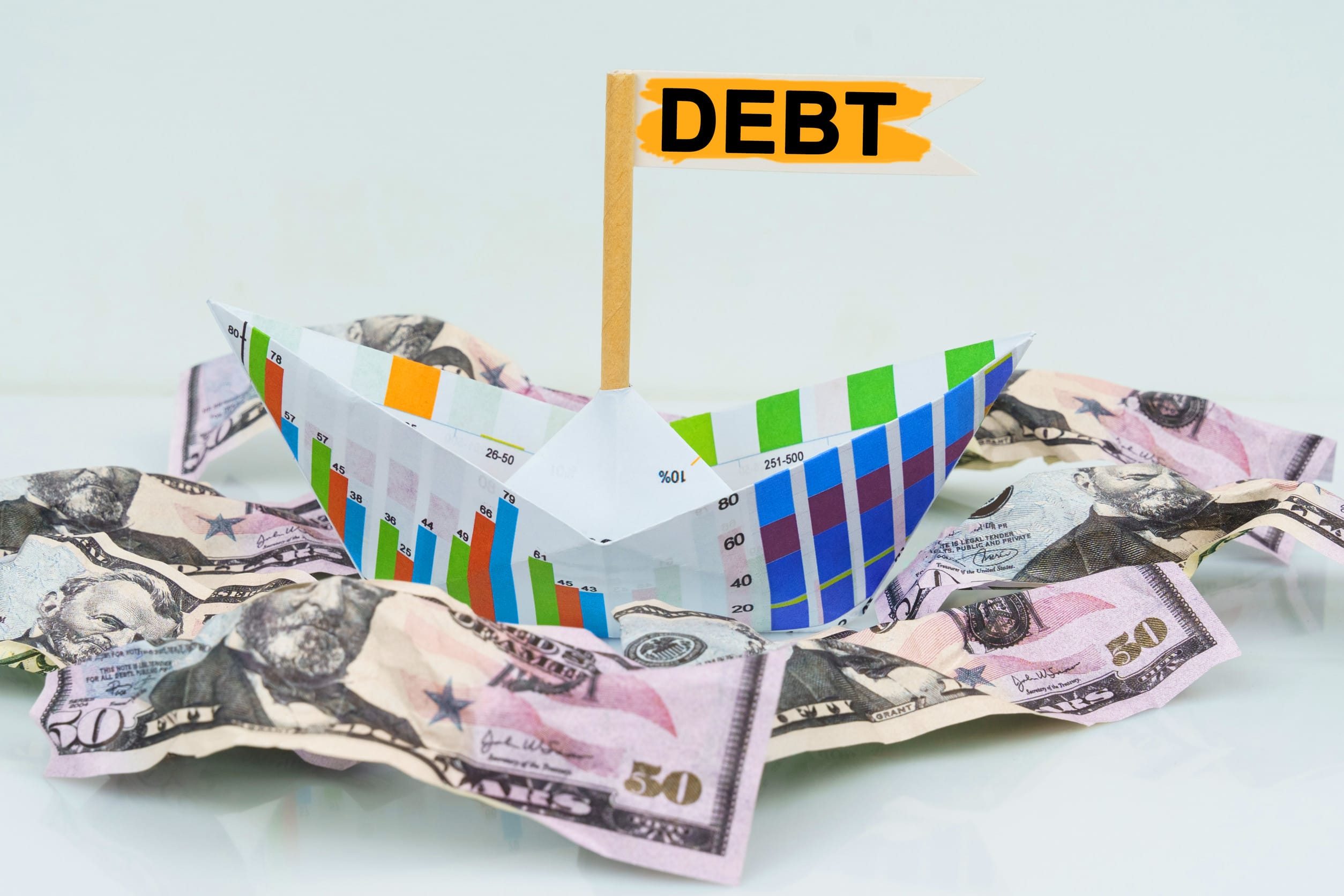
Business and finance concept. A paper boat from a business graph floats on a sea of money. The text is written on the flag - DEBT
Image Source: 123rf.com

Credit management is another hotly debated topic in personal finance. Some believe that strategic debt, when managed well, can boost your credit score and open financial doors. Others argue that any form of debt is a burden that prevents true financial freedom. The conversation often revolves around balancing short-term needs with long-term financial goals. Regardless of your stance, understanding the risks and benefits of debt is crucial for making informed decisions.

5. Emergency Funds: How Much Is Enough?

Experts often clash over the ideal size of an emergency fund. Conventional wisdom suggests that three to six months’ worth of living expenses is sufficient for most households. However, some argue that unpredictable economic conditions warrant a larger cushion. The debate intensifies as personal circumstances and job security vary widely among individuals. Ultimately, the “right” amount is a deeply personal decision influenced by risk tolerance and lifestyle factors.

6. Real Estate: Renting vs. Buying

The age-old debate of renting versus buying a home continues to divide opinions online. Proponents of buying argue that homeownership builds equity and represents a long-term investment. Renters, however, stress the flexibility and lower upfront costs that renting provides. This debate often touches on broader economic trends and personal financial priorities. The decision ultimately hinges on market conditions, lifestyle choices, and long-term goals.

7. Cryptocurrency: The Future of Money or a Risky Fad?

Cryptocurrency remains one of the most polarizing topics in personal finance. Some enthusiasts view it as the future of decentralized finance, capable of revolutionizing traditional banking. Critics, however, warn of its volatility and the lack of regulatory oversight, deeming it a speculative gamble. The passionate discourse reflects the rapid pace of technological change and the uncertainty of its long-term impact. Whether you embrace crypto or remain skeptical, the debate continues to evolve with the market.

8. Financial Independence: Early Retirement vs. Long-Term Work

The FIRE (Financial Independence, Retire Early) movement has ignited fierce discussions about the value of early retirement. Advocates argue that strategic saving and investing can allow one to leave the workforce decades earlier than traditional retirement ages. Detractors caution that early retirement may lead to boredom, financial insecurity, or missed opportunities for personal growth. Both camps offer valid points about the trade-offs between work, passion, and financial freedom. In the end, the decision is a personal one that must align with your values and life goals.

Personal Finance Battlefield

Personal finance is a deeply personal subject, and the debates surrounding it reflect diverse lifestyles and priorities. While the opinions may be divided, the most important takeaway is to educate yourself and choose strategies that align with your values. Open-mindedness and a willingness to adapt can help you navigate even the most contentious financial discussions. Remember, there is no one-size-fits-all solution—only the one that works best for you.

Which personal finance debate resonates with you the most? Share your thoughts and experiences in the comments below!

Read More:

10 Things You Should Never Ignore in Your Personal Finances

The Dark Side of Working in Finance—Burnout, Bonuses, and Big Risks

Latrice Perez

Latrice is a dedicated professional with a rich background in social work, complemented by an Associate Degree in the field. Her journey has been uniquely shaped by the rewarding experience of being a stay-at-home mom to her two children, aged 13 and 5. This role has not only been a testament to her commitment to family but has also provided her with invaluable life lessons and insights.

As a mother, Latrice has embraced the opportunity to educate her children on essential life skills, with a special focus on financial literacy, the nuances of life, and the importance of inner peace.

Filed Under: Personal Finance Tagged With: budgeting, credit management, cryptocurrency, emergency funds, financial independence, investing, Personal Finance, Real estate, saving strategies

9 Ways People Can Immediately Tell That You’re Broke

March 13, 2025 by Latrice Perez Leave a Comment

Man with empty pockets
Image Source: 123rf.com

Struggling financially is nothing to be ashamed of, but whether we like it or not, people can often spot when someone is broke. It’s not always about the car you drive or the clothes you wear—there are small behaviors, habits, and subtle social cues that reveal financial struggles almost instantly. Even if you try to mask it, people pick up on the signs that money is tight. If you recognize yourself in any of these, it may be time to rethink your financial habits and work toward a more stable future.

1. You Always Have an Excuse to Avoid Going Out

When money is tight, social events start feeling like financial landmines. You might find yourself constantly making excuses to avoid going out—whether it’s dinner, drinks, or even casual hangouts that might involve spending. Instead of saying, “I can’t afford it,” you might claim you’re too busy, too tired, or just not in the mood.

People catch on when you consistently dodge outings, especially when you never suggest budget-friendly alternatives. If you’re always the one bailing on plans, people assume money is the issue.

2. Your Card Gets Declined in Public

Few things scream “I’m broke” louder than a declined card at a checkout line or restaurant. Whether it’s due to insufficient funds, a maxed-out credit limit, or an overdraft block, it’s an awkward and telling moment. Even if you try to play it off by pretending it’s a mistake, the embarrassment sticks.

People notice when this happens repeatedly, especially if you scramble to use another card or ask a friend to cover for you. Financial mishaps happen to everyone occasionally, but frequent declines suggest deeper money problems.

3. You Constantly Complain About Money

Talking about finances is normal, but if every conversation revolves around how expensive things are, how unfair bills feel, or how you’re always broke, people take notice. Complaining about money all the time signals to others that you are struggling, even if you never outright say it.

Friends and coworkers may sympathize at first, but over time, constant money talk makes it obvious that your financial situation isn’t great. People who are financially stable don’t usually dwell on these things in every conversation.

4. Your Clothes and Shoes Are Worn Out

You don’t need to wear designer brands to look put together, but if your clothes are consistently faded, stretched out, or falling apart, people notice. Worn-out shoes, frayed collars, and outdated outfits can make it clear that replacing them isn’t in your budget.

Dressing well doesn’t require a lot of money, but when you’re broke, replacing even basic wardrobe items can feel like an unnecessary expense. If your appearance looks consistently neglected, people assume finances are the reason.

5. You Avoid Talking About Travel or Big Purchases

When people talk about vacations, new gadgets, or recent shopping trips, those who are broke often go silent or quickly change the subject. If you never mention upcoming trips, home upgrades, or even small splurges, people can tell that extra spending isn’t an option for you.

Even if no one expects you to take extravagant vacations, avoiding conversations about any kind of spending can make it clear that money is tight. People who are financially comfortable usually have at least one recent purchase or experience to talk about.

6. You Frequently Borrow Small Amounts of Money

Asking to borrow money from friends, coworkers, or even family—especially small amounts—raises red flags. Whether it’s asking for five bucks for coffee, needing a ride because you can’t afford gas, or delaying your share of a group payment, people take note.

Frequent borrowing, even in small amounts, signals that you are living paycheck to paycheck. Over time, people become reluctant to lend or start to avoid situations where they might have to cover for you.

7. You Struggle with Unexpected Expenses

When an emergency expense pops up—like a car repair, medical bill, or a last-minute fee—and you panic or scramble for cash, it’s a clear sign that you have no financial cushion. People who are financially stable usually have some savings or access to emergency funds.

If you always have to borrow money, ask for extensions, or desperately search for a solution every time something unexpected happens, it becomes obvious that money is a major issue. Others might not say anything, but they take mental notes when they see you in constant financial distress.

8. You Never Offer to Pay or Split the Bill

People Dining Out
Image Source: 123rf.com

When dining out, grabbing coffee, or even sharing rides, people notice if you never offer to pay your share. If someone always has to cover for you, it becomes clear that you can’t afford the extra expense. Even if you try to subtly let others take the lead, repeated avoidance makes it obvious.

Being broke doesn’t mean you have to pay for everyone, but not contributing at all—especially in group settings—stands out. People eventually assume that you’re financially struggling or just taking advantage of others’ generosity.

9. You Seem Stressed Every Time Money is Mentioned

People can sense financial stress even when it’s not explicitly stated. If you get tense, frustrated, or overly defensive whenever money is brought up, it’s a sign that things aren’t going well financially.

This can show up in conversations about salaries, budgeting, or even casual talks about spending habits. If you always react negatively or shut down discussions about money, it’s a clear indicator that finances are a major source of stress in your life.

The Signs Are Hard to Hide, But Change is Possible

Most people don’t set out to make it obvious that they’re broke, but financial struggles have a way of showing up in daily habits and interactions. The good news is that recognizing these signs can be the first step toward improving your situation. Cutting unnecessary expenses, creating a budget, and looking for ways to increase income can make a huge difference.

Have you ever noticed these signs in yourself or others? What steps have you taken to improve your financial situation? Share your thoughts in the comments below.

Read More:

12 Private Clubs Only the Wealthy Can Afford

12 Ways Your “Poverty Mentality” Is Hurting Your Financial Future

Latrice Perez

Latrice is a dedicated professional with a rich background in social work, complemented by an Associate Degree in the field. Her journey has been uniquely shaped by the rewarding experience of being a stay-at-home mom to her two children, aged 13 and 5. This role has not only been a testament to her commitment to family but has also provided her with invaluable life lessons and insights.

As a mother, Latrice has embraced the opportunity to educate her children on essential life skills, with a special focus on financial literacy, the nuances of life, and the importance of inner peace.
Filed Under: Personal Finance Tagged With: broke signs, budgeting, debt problems, financial struggles, Financial Wellness, low income life, money habits, money management, Personal Finance, saving money

The $100K Mistake Newlyweds Make Without Realizing It

March 6, 2025 by Latrice Perez Leave a Comment

Newlywed Mistakes
Image Source: 123rf.com

Marriage brings excitement, new beginnings, and financial decisions that can have long-term consequences. Many couples unknowingly make costly mistakes that seem minor at first but add up to significant financial losses over time. One misstep, in particular, can cost newlyweds upwards of $100,000—sometimes without them even realizing it until it’s too late. Understanding this mistake and how to avoid it can set the foundation for long-term financial stability and success.

1. Combining Finances Without a Clear Plan

Many newlyweds jump into a joint financial system without discussing goals, spending habits, or expectations. Merging finances without a clear plan can lead to unnecessary debt, missed savings opportunities, and financial disagreements. Couples who fail to align their money management strategies often overspend or mismanage resources, leading to financial losses that could have been avoided. A lack of communication about money can also cause tension and resentment, potentially damaging both finances and the marriage itself.

2. Buying a Home Too Soon

The excitement of starting a life together often pushes newlyweds into buying a home before they’re financially prepared. Rushing into homeownership without a solid financial foundation can lead to costly mortgage mistakes, high interest rates, and unexpected home maintenance expenses. Many couples fail to consider hidden costs like property taxes, homeowners insurance, and repairs, leading to financial strain. Renting for a while allows newlyweds to build savings, improve credit scores, and better assess their long-term housing needs. A rushed home purchase can result in a financial loss of over $100K in depreciation, high-interest payments, and resale losses.

3. Underestimating the Impact of Debt

If either spouse brings significant debt into the marriage, ignoring or downplaying its impact can be a costly mistake. Student loans, credit card debt, and personal loans can eat into savings and limit financial growth. Couples who fail to create a debt repayment strategy often end up paying thousands in unnecessary interest over time. Refinancing high-interest debts, consolidating loans, and making extra payments can prevent financial setbacks. Without a proactive plan, debt accumulation can snowball, making it harder to build wealth and reach financial goals.

4. Not Taking Advantage of Tax Benefits

Tax Benefits
Image Source: 123rf.com

Many couples fail to adjust their tax strategy after marriage, missing out on valuable deductions and credits. Filing jointly often provides tax advantages, but without proper planning, couples might pay more than necessary. Some newlyweds don’t update their W-4 forms or fail to claim tax benefits like deductions for student loan interest or mortgage interest. A lack of tax planning can result in missed refunds or unexpected tax bills that drain savings. Consulting a tax professional early in the marriage can prevent costly errors and maximize financial benefits.

5. Skipping Estate Planning and Beneficiary Updates

Newlyweds often neglect estate planning, assuming it’s something they can handle later. However, failing to update beneficiaries on insurance policies, retirement accounts, and wills can lead to financial complications. If something happens to one spouse, outdated beneficiaries can result in assets going to unintended recipients, causing legal and financial headaches. Establishing a will, setting up a trust, and ensuring all accounts reflect the correct beneficiaries can prevent future financial losses. Avoiding this mistake protects both spouses and ensures that assets are distributed according to their wishes.

6. Overspending on the Wedding and Honeymoon

Many couples start their marriage in debt due to extravagant wedding and honeymoon expenses. The wedding industry markets luxury experiences, making it easy for couples to overspend without considering long-term financial consequences. Some newlyweds take out loans or max out credit cards to pay for a dream wedding, only to struggle with debt afterward. Instead of beginning their marriage with a financial cushion, they end up paying off wedding expenses for years. Setting a realistic budget and prioritizing financial health over one-time celebrations can prevent unnecessary financial strain.

7. Failing to Invest Early

Many newlyweds delay investing because they assume they have plenty of time to start later. However, missing out on early investment opportunities can lead to significant losses in long-term wealth accumulation. Investing even small amounts early in the marriage can result in exponential growth over time due to compound interest. Couples who prioritize spending over investing often lose out on six-figure wealth potential by the time they retire. Automating investments into retirement accounts, index funds, or real estate can ensure steady financial growth and long-term security.

8. Ignoring Insurance Needs

Many newlyweds assume their existing insurance policies are sufficient, failing to update or add necessary coverage. Life, health, and disability insurance are crucial to protecting financial stability in case of unexpected events. Without proper coverage, one medical emergency or accident can drain savings and put a couple in significant debt. Reviewing insurance policies and ensuring adequate coverage prevents major financial setbacks in the future. Smart insurance planning safeguards against financial loss and protects both spouses.

9. Overlooking Financial Compatibility

Financial incompatibility is one of the leading causes of divorce, yet many couples avoid discussing money early in marriage. Differences in spending habits, savings goals, and financial priorities can create long-term conflict if not addressed. Couples who fail to set clear financial expectations often end up making costly mistakes that impact their financial future. Regular financial check-ins, shared budgeting tools, and open conversations about money can prevent misunderstandings. Aligning financial values strengthens both the relationship and financial success.

10. Not Seeking Professional Financial Advice

Many newlyweds assume they can manage finances without professional guidance, but this can lead to costly mistakes. A financial advisor can help with debt repayment strategies, tax planning, investing, and long-term wealth building. Without expert advice, couples may miss opportunities for financial growth and end up paying unnecessary fees or taxes. A professional can also help couples navigate joint finances and create a plan tailored to their goals. Investing in financial guidance early can prevent six-figure losses over time.

Minor Mistakes Can Lead to Major Losses

The financial mistakes newlyweds make often seem minor at first but can lead to major losses over time. Rushing into homeownership, underestimating debt, missing tax benefits, and failing to invest early can cost couples over $100,000 in lost opportunities. By communicating openly about money, planning strategically, and seeking professional advice, couples can set themselves up for long-term financial success.

What financial lessons did you learn early in marriage? Were you able to overcome any financial mistakes you made? Share your experiences in the comments below.

Read More:

Why Some Couples Are Stalling Divorce for Financial Survival

9 Things You’ll Regret Not Putting in Your Prenup

Latrice Perez

Latrice is a dedicated professional with a rich background in social work, complemented by an Associate Degree in the field. Her journey has been uniquely shaped by the rewarding experience of being a stay-at-home mom to her two children, aged 13 and 5. This role has not only been a testament to her commitment to family but has also provided her with invaluable life lessons and insights.

As a mother, Latrice has embraced the opportunity to educate her children on essential life skills, with a special focus on financial literacy, the nuances of life, and the importance of inner peace.

Filed Under: Marriage & Money Tagged With: budgeting, Debt Management, financial mistakes, homeownership, investing, money and marriage, newlywed finances, retirement planning, tax benefits, Wealth Building

No Budget No Money: 7 Reasons You Have No Idea Where Your Money Went

March 5, 2025 by Latrice Perez Leave a Comment

No Budget
Image Source: 123rf.com

Ever found yourself staring at an empty bank account, wondering where all your hard-earned money disappeared? Without a structured budget, it’s easy to lose track of spending, leading to financial stress and uncertainty. Let’s delve into seven often-overlooked reasons why your money seems to vanish without a trace.

1. Mental Accounting: The Invisible Money Trap

Many people subconsciously assign different values to money based on its source or intended use—a concept known as mental accounting. For instance, you might treat a tax refund as “fun money” while considering your regular paycheck strictly for bills. This compartmentalization can lead to irrational spending and a distorted view of your financial situation. Without a budget to provide a holistic view, these mental accounts can cause money to slip through the cracks unnoticed.​

2. Lifestyle Creep: The Silent Wallet Drainer

As your income increases, it’s natural to enhance your lifestyle. However, without mindful spending, this can escalate into lifestyle creep, where non-essential luxuries become perceived necessities. Over time, these incremental upgrades—like dining out more frequently or opting for premium services—can consume your income, leaving little room for savings. A budget helps identify and control these subtle spending escalations.​

3. Rounding Down: The Little Lie You Tell Yourself That Costs You Big

Ever grab lunch for $12.75 and tell yourself it was “about ten bucks”? Or round a $47 shopping trip down to “around 40”? This mental trick—where you subconsciously downplay how much you’re actually spending—adds up fast. Over time, constantly underestimating expenses creates a distorted view of your finances, making it feel like money is disappearing into thin air. Without a budget tracking every penny, you could be losing hundreds (or even thousands) simply because your brain is rounding in the wrong direction.

4. Social Pressures: Keeping Up with Appearances

Social media and peer influence can pressure individuals into spending to match others’ lifestyles. This often leads to unnecessary expenses on trendy items, vacations, or dining experiences. Without a budget, it’s challenging to recognize and resist these external pressures, resulting in overspending and financial strain.​

5. Lack of Financial Literacy: Navigating Without a Map

Piggy bank on books
Image Source: 123rf.com

Understanding personal finance is crucial for effective money management. Without basic financial literacy, individuals may struggle with concepts like interest rates, investment options, or debt management. This knowledge gap can lead to poor financial decisions and an inability to track spending effectively. A budget serves as a practical tool to apply financial principles and monitor progress.

6. Irregular Expenses: The Budget Busters

Expenses like annual subscriptions, car repairs, or medical bills can catch you off guard if they’re not anticipated. Without a budget that accounts for these irregular costs, such expenses can disrupt your financial stability. Planning for these contingencies ensures you’re prepared and prevents sudden financial shortfalls.​

7. Emotional Spending: The Hidden Cost of Feelings

Emotions significantly influence spending habits. Whether it’s retail therapy after a tough day or celebrating a success with an extravagant purchase, emotional spending can lead to unplanned outlays. Without a budget to keep your emotions in check, these expenditures can accumulate, leaving you puzzled about where your money went.​

Recognizing Spending Pitfalls

Not knowing where your money goes is a common issue, but it’s one that can be addressed with awareness and proactive measures. By recognizing these subtle spending pitfalls and implementing a structured budget, you can regain control over your finances, reduce stress, and work towards your financial goals with confidence.

Where is your money going? Do you have a budget that helps you keep track of your expenses? Tell us about it in the comments below.

Read More:

7 Signs Your Budget Is Running Your Life—and How to Take Back Control

Your Friend Makes More Money Than You—Now What? Dealing with Financial Jealousy

Latrice Perez

Latrice is a dedicated professional with a rich background in social work, complemented by an Associate Degree in the field. Her journey has been uniquely shaped by the rewarding experience of being a stay-at-home mom to her two children, aged 13 and 5. This role has not only been a testament to her commitment to family but has also provided her with invaluable life lessons and insights.

As a mother, Latrice has embraced the opportunity to educate her children on essential life skills, with a special focus on financial literacy, the nuances of life, and the importance of inner peace.

Filed Under: Budgeting Tagged With: budgeting, financial literacy, impulse spending, Lifestyle creep, mental accounting, Personal Finance

Millionaire Secrets: 7 Weird Money Habits That Actually Work

March 3, 2025 by Latrice Perez Leave a Comment

Millionaire Secrets
Image Source: 123rf.com

Most people assume millionaires live lavishly, but many wealthy individuals follow unconventional money habits to build and protect their fortunes. Their secret? They don’t think about money the same way the average person does. Instead of spending like they’re rich, they embrace unique strategies that seem odd but are surprisingly effective. If you want to grow your wealth, consider adopting these seven millionaire money habits.

They Avoid Lifestyle Inflation at All Costs

When most people earn more, they immediately upgrade their lifestyle—bigger homes, fancier cars, and expensive vacations. Millionaires resist this temptation and keep their expenses low, even when they can afford more. Many self-made millionaires drive older cars, live in modest homes, and avoid unnecessary luxuries. By maintaining a simple lifestyle, they free up more money to invest and grow their wealth.

They Treat Every Dollar Like an Employee

Instead of thinking of money as something to spend, millionaires view each dollar as an employee that should be working for them. This means they prioritize investing over splurging. They put money into stocks, real estate, and businesses that generate passive income. Every dollar is given a job—whether it’s earning interest, compounding in investments, or funding a future project.

They Set “No-Spend” Days Regularly

Many wealthy people schedule days or even weeks where they spend nothing beyond absolute necessities. This practice helps them stay mindful of their expenses and break unnecessary spending habits. It also forces creativity—finding free entertainment, cooking at home, and using what they already have instead of buying more. This habit builds financial discipline and prevents impulse spending.

They Negotiate Everything

Millionaires don’t just accept the first price they’re given—they negotiate. From real estate deals to credit card interest rates, they challenge prices to maximize savings. Even in everyday purchases, they ask for discounts or perks. While negotiating may feel uncomfortable at first, it can save thousands of dollars over time. If you don’t ask, you’ll never know what savings you might get.

They Read More Than They Watch TV

A surprising habit among millionaires is their dedication to reading. Many successful people, like Warren Buffett and Elon Musk, credit much of their knowledge to reading books. Instead of wasting hours on entertainment, they consume information that helps them grow—financial books, biographies of successful people, and industry news. By learning continuously, they make smarter financial decisions and spot opportunities others miss.

They Buy Quality (But Less Often)

Buy Quality
123rf.com

Rather than chasing trends or buying cheap, millionaires focus on quality purchases that last. They prefer durable goods over disposable ones, saving money in the long run. Whether it’s clothing, appliances, or cars, they research before buying and invest in things that provide long-term value. This prevents constant replacements and reduces wasteful spending.

They Automate Their Savings and Investments

Many millionaires remove the temptation to spend by automating their finances. They set up automatic transfers to savings accounts, retirement funds, and investments before they even touch their money. This “pay yourself first” strategy ensures that they consistently build wealth without relying on willpower. Over time, small automated contributions turn into significant financial gains.

Shift Your Mindset

You don’t need to be a millionaire to adopt these habits—you just need to shift your mindset. By treating money as a tool for wealth-building, resisting lifestyle inflation, and making intentional financial choices, you can start accumulating wealth the same way self-made millionaires do. The key isn’t how much you make—it’s how you manage it.

Do you have any millionaire habits that are helping you to shift your mindset? Are you already on your way to becoming a millionaire? Let us know how you’re doing it in the comments below.

Read More:

The Secrets of Self-Made Millionaire Women: 6 Tips You Can Steal

FireAid Concert Raises a Staggering $100 Million for LA Wildfire Relief—Here’s How It Happened

Latrice Perez

Latrice is a dedicated professional with a rich background in social work, complemented by an Associate Degree in the field. Her journey has been uniquely shaped by the rewarding experience of being a stay-at-home mom to her two children, aged 13 and 5. This role has not only been a testament to her commitment to family but has also provided her with invaluable life lessons and insights.

As a mother, Latrice has embraced the opportunity to educate her children on essential life skills, with a special focus on financial literacy, the nuances of life, and the importance of inner peace.

Filed Under: money management Tagged With: budgeting, financial mindset, financial success, millionaire habits, money tips, Personal Finance, saving money, smart investing, Wealth Building

Faith vs. Finances: Should You Let Religion Influence Your Money Moves?

March 3, 2025 by Latrice Perez Leave a Comment

Faith and Finances
Image Source: 123rf.com

For many people, religion plays a significant role in their financial decisions, shaping how they save, spend, and give. While faith-based financial principles promote generosity, ethical investing, and debt avoidance, they can also create challenges when real-world financial pressures collide with religious beliefs. The question is: should religion dictate how you handle your money, or is there a balance between faith and financial practicality?

Ethical Spending and Investing

One of the strongest arguments for allowing religion to guide financial choices is the emphasis on ethical spending and investing. Many religious traditions discourage profiting from harmful industries, such as gambling, alcohol, or exploitative business practices. For some, ensuring that money aligns with their values means choosing investments and careers that reflect their faith. Ethical investing is not just a moral choice but can also be a financially sound one, as socially responsible businesses tend to perform well in the long run.

The Tithing Dilemma

Tithing and charitable giving are also deeply rooted in many religious teachings, with some faiths encouraging members to give a fixed percentage of their income to religious institutions or charitable causes. While generosity is a positive financial habit, blindly following tithing expectations without considering personal financial health can lead to strain. Striking a balance between giving and maintaining financial stability is crucial. Some faith-based financial experts suggest adjusting contributions based on individual circumstances rather than adhering to rigid percentages.

The Debate on Debt

Debt
Image Source: 123rf.com

Debt is another area where faith and finances intersect. Many religious teachings warn against excessive borrowing, with some traditions outright forbidding interest-based loans. While avoiding debt is a sound financial strategy, modern life often requires borrowing for essentials like education, homeownership, or business investments. The key is to apply religious principles wisely—minimizing unnecessary debt while recognizing when borrowing is a strategic move for financial growth.

Faith vs. Financial Reality

One potential downside of strictly following religious financial advice is the risk of prioritizing spiritual beliefs over financial reality. Some individuals avoid necessary financial planning, assuming that faith alone will provide for their needs. While belief in divine provision can be a source of comfort, practical financial planning, budgeting, and investing remain essential for long-term stability.

Finding the Balance

Ultimately, faith can serve as a valuable guide for financial decisions, but it should not replace sound financial strategies. The most effective approach is one that combines religious values with practical money management. Whether through ethical investing, balanced giving, or mindful spending, integrating faith into finances should enhance, not hinder, financial well-being.

Do you feel that you have a balance when it comes to your faith and finances? How do you decide what is best for you and your financial obligations based on your faith? Tell us more in the comments below.

Read More:

Think You’re Safe? 8 Cult-Like Groups Hiding in Plain Sight

Buddhism in California: 10 Interesting Facts About The City of Ten Thousand Buddhas

Latrice Perez

Latrice is a dedicated professional with a rich background in social work, complemented by an Associate Degree in the field. Her journey has been uniquely shaped by the rewarding experience of being a stay-at-home mom to her two children, aged 13 and 5. This role has not only been a testament to her commitment to family but has also provided her with invaluable life lessons and insights.

As a mother, Latrice has embraced the opportunity to educate her children on essential life skills, with a special focus on financial literacy, the nuances of life, and the importance of inner peace.

Filed Under: religion Tagged With: budgeting, debt-free living, ethical investing, faith and finances, financial balance, money management, religious beliefs, tithing

The ‘Silent Killer’ of Your Budget: 10 Pointless Expenses That Are Keeping You Poor

February 25, 2025 by Latrice Perez Leave a Comment

Leaky Budget
Image Source: 123rf.com

You may think you have a solid budget, but small, unnoticed expenses can quietly drain your finances. These silent budget killers don’t always stand out like a big shopping spree or a luxury vacation, but over time, they chip away at your financial goals. The worst part? You probably don’t even realize they’re happening. By identifying these hidden costs, you can take control of your money and start saving more without changing your lifestyle drastically. Here are ten sneaky expenses that could be draining your budget.

Subscription Overload

Streaming services, cloud storage, fitness apps, and subscription boxes may seem inexpensive individually, but they add up fast. Many people forget to cancel trials or keep multiple subscriptions they rarely use. Even that $9.99 monthly fee can total over $100 annually per service. Take inventory of your subscriptions and cancel anything you don’t actively use. Consider rotating between services instead of keeping them all year-round.

Bank Fees You Don’t Notice

Overdraft charges, ATM fees, and account maintenance fees can silently eat away at your money. Some banks charge for paper statements, minimum balance violations, or even inactivity. These costs may seem small, but they add up over time. Review your bank’s fee structure and switch to a fee-free account if possible. Online banks often have fewer charges and better interest rates.

Unused Gym Memberships

Signing up for a gym membership feels like an investment in your health, but if you rarely go, it’s just wasted money. Many gyms make cancellation difficult, hoping you’ll keep paying even if you stop going. Instead of wasting money, consider a pay-per-visit gym or free workout options like home fitness apps and outdoor activities. If you truly value the gym, commit to going regularly to get your money’s worth.

Convenience Fees and Delivery Costs

Food delivery services, convenience store markups, and ride-sharing fees add unnecessary costs to your daily spending. It’s easy to justify a $5 delivery charge here and there, but over time, these costs skyrocket. Cooking at home, planning grocery trips, and using public transport can save you hundreds of dollars per year. Be mindful of when convenience is worth the extra price.

Extended Warranties and Insurance Overload

Retailers often push extended warranties, but most products rarely break within the covered period. Similarly, paying for unnecessary insurance—like excessive rental car coverage—can drain your budget. Before agreeing to extra protection, check if you’re already covered by a manufacturer’s warranty, credit card benefits, or existing insurance policies.

Energy Vampires at Home

Energy Vampires
123rf.com

Everyone has some energy vampires at home. Leaving electronics plugged in, running outdated appliances, or cranking up the heat or air conditioning unnecessarily can spike your utility bills. Even small habits like leaving lights on or overusing space heaters add up. Invest in energy-efficient appliances, unplug unused devices, and use smart thermostats to control costs.

Impulse Shopping and Retail Tricks

Retailers use psychological pricing, limited-time offers, and strategic store layouts to encourage impulse purchases. Ever grabbed something extra at the checkout line? Those small purchases accumulate over time. Shopping with a list, setting a budget, and avoiding emotional spending can help you cut back. Try a “48-hour rule” where you wait before making non-essential purchases.

Coffee and Snacks on the Go

A daily coffee habit or frequent vending machine trips may seem like minor indulgences, but they drain your wallet over time. A $5 coffee each weekday adds up to over $1,200 a year. Making coffee at home, bringing snacks from home, or setting a budget for treats can keep these costs in check.

Unused Gift Cards and Loyalty Points

Billions of dollars in unused gift cards and loyalty points go to waste each year. It’s easy to forget about that $25 gift card in your wallet or the airline miles that could cover a flight. Check your balance regularly and use your rewards before they expire. Selling or trading unwanted gift cards is another way to recoup value.

Late Fees and Interest Charges

Missing payment due dates results in unnecessary fees and higher interest rates on credit cards. Even a single late payment can hurt your credit score. Automate bill payments or set reminders to avoid penalties. Paying off credit card balances in full each month prevents costly interest charges.

Stop the Silent Budget Leaks

A leaky budget can feel like a mystery, but once you spot these hidden costs, you can take back control. By cutting unnecessary expenses, canceling unused subscriptions, and being mindful of everyday spending, you’ll free up more money for the things that truly matter. The key is awareness—once you recognize these financial leaks, you can start plugging them for good.

Do any of these budget leaks resonate with you? Which one has been the biggest budget buster for you? Let’s talk about it below.

Read More:

7 Signs Your Budget Is Running Your Life—and How to Take Back Control

10 Cheap Home Decor items on amazon to Transform Your Space on a Budget

Latrice Perez

Latrice is a dedicated professional with a rich background in social work, complemented by an Associate Degree in the field. Her journey has been uniquely shaped by the rewarding experience of being a stay-at-home mom to her two children, aged 13 and 5. This role has not only been a testament to her commitment to family but has also provided her with invaluable life lessons and insights.

As a mother, Latrice has embraced the opportunity to educate her children on essential life skills, with a special focus on financial literacy, the nuances of life, and the importance of inner peace.
Filed Under: budget tips Tagged With: banking fees, budgeting, financial mistakes, hidden expenses, money tips, Personal Finance, saving money, Smart Spending, subscriptions

  • « Previous Page
  • 1
  • …
  • 44
  • 45
  • 46
  • 47
  • 48
  • Next Page »

Follow Us

Search this site:

Recent Posts

  • Can My Savings Account Affect My Financial Aid? by Tamila McDonald
  • 12 Ways Gen X’s Views Clash with Millennials… by Tamila McDonald
  • What Advantages and Disadvantages Are There To… by Jacob Sensiba
  • 10 Tactics for Building an Emergency Fund from Scratch by Vanessa Bermudez
  • Call 911: Go To the Emergency Room Immediately If… by Stephen Kanaval
  • 7 Weird Things You Can Sell Online by Tamila McDonald
  • 10 Scary Facts About DriveTime by Tamila McDonald

Copyright © 2026 · News Pro Theme on Genesis Framework