• Home
  • About Us
  • Getting Finances Done
    • Hiring Advisors
    • Debt Management
    • Spending Plan
  • Insurance
    • Life Insurance
    • Health Insurance
    • Disability Insurance
    • Homeowners/Renters Insurance
  • Contact Us
  • Our Editorial Commitment

The Free Financial Advisor

You are here: Home / Archives for budgeting

12 Things Baby Boomers Can Teach Us About Frugality

May 21, 2024 by Vanessa Bermudez Leave a Comment

frugal baby boomer
123rf

Have you ever wondered how your grandparents managed to stretch every dollar, repair anything broken, and still save enough for a rainy day? Growing up in the wake of World War II and during the transformative 60s, Boomers learned how to make the most of what they had. Today, as we navigate through our own financial challenges, there’s a lot we can learn from their thriftiness. From the joys of a well-tended vegetable garden to the art of a perfectly timed thrift store find, let’s explore 12 standout lessons on frugality that Boomers can pass down to younger generations. 

1. Value Quality Over Quantity

high-quality shoes
123rf

Baby Boomers often emphasize the importance of buying quality items that last rather than cheap products that need frequent replacing. This approach not only saves money in the long run but also reduces waste. Investing in a well-made pair of shoes, for instance, might cost more upfront but can avoid the need for frequent replacements.

2. Embrace Home Cooking

elderly couple cooking at home
123rf

Eating out was a rarity rather than a routine for many Baby Boomers. They know that cooking at home saves a substantial amount of money compared to dining at restaurants. Home-cooked meals are not only cheaper but healthier, allowing for better control over ingredients and portion sizes, which is also a savvy way to stretch your food budget further.

3. Avoid Debt Whenever Possible

boomer avoiding debt
123rf

Baby Boomers generally view debt with skepticism. Except for significant investments like a home, they prefer to live within their means. This aversion to debt discourages frivolous spending on credit and encourages saving up for big purchases. Living debt-free means less stress and more financial freedom.

4. Make Do and Mend

an old man repairing a broken chair
123rf

The ‘make do and mend’ mindset of Baby Boomers is a stark contrast to today’s disposable culture. Repairing clothing, fixing appliances, and upcycling furniture not only saves money but also teaches valuable skills. This attitude helps cultivate a resourceful mindset and an appreciation for what one already possesses.

5. Use It Up, Wear It Out

squeezing toothpaste
123rf

Baby Boomers are masters of using items until they truly can’t be used anymore. From squeezing the last bit of toothpaste out of the tube to repurposing leftovers into new meals, they waste very little. This practice is not only frugal but also environmentally sustainable.

6. Grow Your Own Food

an old man planting vegetables
123rf

Many Boomers have a knack for gardening, a skill that provides fresh produce right from the backyard. Growing your own fruits and vegetables can significantly reduce the grocery bill. It’s also a rewarding hobby that ensures you know exactly where your food comes from.

7. Shop Secondhand

an elderly couple thrift shopping
123rf

Baby Boomers aren’t strangers to thrift stores and garage sales, where one can find everything from clothing to furniture at a fraction of the retail price. Shopping secondhand is not only economical but can also be a fun treasure hunt, making it an enjoyable way to save.

8. Plan for the Long Term

retirement plan
123rf

Long-term planning is a cornerstone of the Boomer approach to finances. Whether it’s retirement planning, investing in real estate, or buying life insurance, Boomers think ahead. Early and strategic planning can pave the way for financial stability and comfort later in life.

9. Appreciate Free Entertainment

free entertainment
123rf

Baby Boomers often enjoy simple pleasures and free local entertainment, such as community concerts, library events, or parks. They know that fun doesn’t have to come with a hefty price tag. In today’s world, where entertainment expenses can quickly add up, there’s wisdom in rediscovering these cost-free joys.

10. Be Energy Conscious
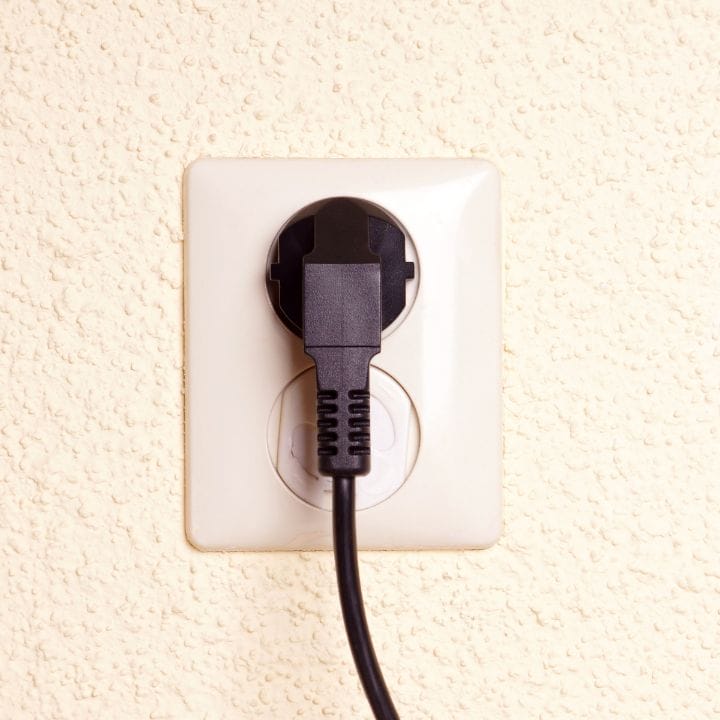
saving energy
123rf

Energy efficiency is another area where Boomers excel. From turning off lights when leaving a room to investing in energy-efficient appliances, they know that being mindful of energy use reduces utility bills.

11. Collect and Use Coupons Wisely

coupons
123rf

While this list focuses on saving without coupons, it’s worth noting that Boomers are adept at using coupons strategically for additional savings. They collect coupons for only those items they were already planning to buy, avoiding the trap of buying unnecessary items just because they’re on sale.

12. Pass Down and Share

passing down old clothes
123rf

Baby Boomers often pass down clothing, toys, books, and tools to the next generation or share them within their community. This practice not only saves money but strengthens community ties and supports a cycle of giving and receiving.

The Art of Frugality

baby boomer money tips
123rf

By adopting some of these tried-and-true frugality lessons from the Baby Boomer generation, people of all ages can learn to manage their finances more effectively, reduce waste, and lead a more prosperous life without spending more. In embracing these habits, we can all find ways to be financially savvy and environmentally conscious, ensuring a legacy of sustainability and thrift.

Read More

12 Crucial Money Lessons Baby Boomers Passed Down to Their Millennial Kids

9 Reasons Baby Boomers Are Healthier Than Other Generations

Vanessa Bermudez
Vanessa Bermudez
Vanessa Bermudez is a content writer with over eight years of experience crafting compelling content across a diverse range of niches. Throughout her career, she has tackled an array of subjects, from technology and finance to entertainment and lifestyle. In her spare time, she enjoys spending time with her husband and two kids. She’s also a proud fur mom to four gentle giant dogs.

Filed Under: money management Tagged With: baby boomers, budgeting, frugality, Personal Finance, saving money

Bankruptcy Blues: 14 Financial Mistakes We Can’t Believe People Still Make

December 19, 2023 by Tamila McDonald Leave a Comment

financial mistakes

In today’s fast-paced financial world, managing personal finances effectively is more important than ever. With a myriad of options and pitfalls, it’s easy to fall into common traps that can lead to financial distress or even bankruptcy.

Below are 14 critical financial mistakes that are surprisingly common yet entirely avoidable. By understanding these pitfalls and learning how to steer clear of them, you can take control of your financial health and secure a more stable and prosperous future.

1. Ignoring a Budget

Surprisingly, many people still navigate their finances without a budget. A budget isn’t just a tool; it’s a crucial part of financial planning, helping you understand where your money goes. Without it, overspending becomes a silent financial killer, often leading to debt accumulation.

2. Relying on Credit Cards for Emergencies

Using credit cards as a safety net is a risky move. While they offer immediate relief, the high interest rates can quickly turn a manageable situation into a debt crisis. It’s wiser to create a dedicated emergency fund for unexpected expenses.

3. Not Saving for Retirement Early

Starting late on retirement savings is a common error with significant consequences. The power of compound interest means that starting early can significantly boost your retirement funds. Delaying this only increases the financial burden and reduces potential gains.

4. Living Beyond Your Means

Living a lifestyle that exceeds your income is a fast track to financial woes. This habit often leads to a cycle of debt and financial stress. It’s crucial to align your lifestyle with your actual income, not your aspirational one.

5. Ignoring Insurance

Many overlook the importance of insurance until it’s too late. Whether it’s health, life, or property insurance, being uninsured can lead to devastating financial losses in times of crisis. Insurance is an essential tool for risk management.

6. Paying Only the Minimum on Credit Cards

Paying just the minimum on credit cards prolongs debt and accrues massive interest. This practice can turn a short-term loan into a long-term financial burden. It’s always best to pay off as much as you can afford monthly.

7. No Emergency Fund

The lack of an emergency fund is a glaring oversight. Life is full of unexpected events, and without a financial buffer, these can lead to debt or worse. An emergency fund provides a safety net, keeping you financially secure during tough times.

8. Taking on Too Much Debt

Excessive debt is a major precursor to bankruptcy. It’s important to use debt wisely and avoid overburdening your financial future. Responsible borrowing involves understanding your repayment capacity and avoiding unnecessary loans.

9. Neglecting Credit Scores

Many underestimate the impact of a poor credit score. It can lead to higher interest rates on loans and credit cards, affecting your financial health. Regularly monitoring and improving your credit score using tools like My FICO is vital for financial flexibility.

10. Co-signing Loans Without Caution

Co-signing a loan is a generous gesture but can be fraught with risks. If the primary borrower defaults, you’re on the hook. Always consider the implications and your ability to pay if things don’t go as planned.

11. Falling for Get-Rich-Quick Schemes

The allure of quick wealth can be tempting, but these schemes often lead to financial ruin. Real wealth is built over time through consistent saving and smart investing. Avoid any plan that promises high returns with little or no risk.

12. Not Diversifying Investments

Putting all your financial eggs in one basket is a risky strategy. Diversification reduces risk by spreading investments across various asset classes. This approach can protect you from significant losses in any single investment.

13. Overlooking Small Expenses

It’s easy to dismiss small expenses, but they add up. Regular small purchases can quietly eat into your budget, leaving less for savings and investments. Tracking and managing these expenses can lead to significant long-term savings.

14. Failing to Plan for Taxes

Taxes are an unavoidable part of financial life. Not planning for them can lead to unexpected liabilities and penalties. Effective tax planning can help you understand your obligations and minimize your tax burden.

Leave The Idea Of Bankruptcy Behind

Navigating the complex world of personal finance can be challenging, but avoiding these 14 mistakes can make a significant difference. From the basics of budgeting to the nuances of investment diversification, each aspect plays a critical role in securing your financial future and helping you leave the ideal of bankruptcy behind.

Remember, financial wellness isn’t just about avoiding bankruptcy; it’s about building a stable life where your money works for you.

Tamila McDonald
Tamila McDonald

Tamila McDonald is a U.S. Army veteran with 20 years of service, including five years as a military financial advisor. After retiring from the Army, she spent eight years as an AFCPE-certified personal financial advisor for wounded warriors and their families. Now she writes about personal finance and benefits programs for numerous financial websites.

Filed Under: Personal Finance Tagged With: bankruptcy, budgeting, Credit card debt, credit scores, emergency fund, financial mistakes, investments, Planning, tax planning

Save Money: 4 Items To Buy Online

November 10, 2014 by Joe Saul-Sehy Leave a Comment

Online Purchases
According to the Economic Policy Institute, the average family budget for a two-parent and two-child family runs $48,166 in Marshall County, Mississippi, to $94,676 in New York City. Meanwhile, costs like childcare in Washington D.C. for just one child run $1,318. The institute found even in solid economic conditions, low-wage jobs would not cover basic family needs. Annual wages for a full-time minimum wage worker run $15,080 which makes it difficult, if not impossible, to live in even an inexpensive area.

While you may not be able to control the cost of living in your area or your wages, there are ways you can save money. Shop online for often overlooked necessities like groceries and eyeglasses, and dramatically slash your budget. Here’s a look at items you should always buy online to beat brick and mortar stores at their own game.

Groceries

A weekly grocery bill for an average family of four runs about $200, according to the USDA Center for Nutrition Policy and Promotion. Spending just short of $800 a month just on groceries is a serious budget breaker. Trim your costs by buying groceries online with sites like Amazon or Walmart. Amazon offers a subscription service where you can sign-up to receive orders on everything from paper towels to cereal to arrive at a set date and time of your choosing. Aside from convenience, signing up for a subscription can lower your order costs.

Walmart offers a wide range of products and brands like Betty Crocker and Campbell’s at prices that will beat most competitors. You’ll also get free shipping on orders of $50 or more and save yourself the time and trouble of dragging the kids to the grocery store and unloading when you get home.

Eyeglasses

Shopping for new frames at your eye doctors could cost hundreds of dollars for a designer brand. Even discount eyewear retailers like LensCrafters will usually charge around $100 for glasses. Meanwhile, sites like ZenniOptical.com offer prescription frames starting at just $6.95 for men, women and children. The lower cost means less stress over picking out frames and even keeping a back-up on hand for active kids prone to breaking their eyewear. The downside is returns can be tricky with Zenni only offering 50 percent of the value upon return.

Tires

It can be intimidating to order tires online and know what to do once you hit “buy.” But online retailers can take care of all the logistics for you. Such retailers can connect you with recommended tire shops to install them. Tires are shipped for free and arrive fast so you can get up and running quickly. Online tire outlets are also likely to offer ongoing promotions and discounts to save you even more money than walking into a store.

Electronics

Skip the high pressure from salesmen and order electronics online at a discount. Shop online for electronics from stores like Costco and BJ’s Wholesale. You will need to buy a membership at $55 or more a year just to shop, but the savings can still add up. If you don’t care about name brands, buy the generic house brand instead. Wholesale retailers are also likely to carry Sony TVs next to affordable Vizio flat screens for hundreds of dollars less. Costco in particular is great, their customer service is fantastic and their return policy is first rate.

Photo of Joe Saul-Sehy
Joe Saul-Sehy

Joe is a former financial advisor and media representative for American Express and Ameriprise. He was the “Money Man” at Detroit television WXYZ-TV, appearing twice weekly. He’s also appeared in Bride, Best Life, and Child magazines, the Los Angeles Times, Chicago Sun-Times, Detroit News and Baltimore Sun newspapers and numerous other media outlets.  Joe holds B.A Degrees from The Citadel and Michigan State University.

joesaulsehy.com/

Filed Under: budget tips, Featured, Lists Tagged With: budget tips, budgeting

  • « Previous Page
  • 1
  • …
  • 46
  • 47
  • 48

Follow Us

Search this site:

Recent Posts

  • Can My Savings Account Affect My Financial Aid? by Tamila McDonald
  • 12 Ways Gen X’s Views Clash with Millennials… by Tamila McDonald
  • What Advantages and Disadvantages Are There To… by Jacob Sensiba
  • 10 Tactics for Building an Emergency Fund from Scratch by Vanessa Bermudez
  • Call 911: Go To the Emergency Room Immediately If… by Stephen Kanaval
  • 7 Weird Things You Can Sell Online by Tamila McDonald
  • 10 Scary Facts About DriveTime by Tamila McDonald

Copyright © 2026 · News Pro Theme on Genesis Framework