• Home
  • About Us
  • Getting Finances Done
    • Hiring Advisors
    • Debt Management
    • Spending Plan
  • Insurance
    • Life Insurance
    • Health Insurance
    • Disability Insurance
    • Homeowners/Renters Insurance
  • Contact Us
  • Our Editorial Commitment

The Free Financial Advisor

You are here: Home / Archives for budgeting

House Poor: 8 Real-Life Struggles of Overpaying For A House

February 14, 2025 by Latrice Perez Leave a Comment

House sitting on coins
Image Source: 123rf.com

Being “house poor” is a financial term that refers to a situation where a significant portion of your income—more than 30%, or in some extreme cases, 50% or more—is spent on housing costs. This can include rent or mortgage payments, property taxes, utilities, and home maintenance. While owning a home can feel like a dream come true, being house poor means you’re left with little financial flexibility, and everyday expenses can become a burden. If you find yourself in this position, here are eight challenges you’ll likely face and why it’s crucial to take action.

1. Limited Ability to Save for the Future

When the majority of your income is tied up in housing costs, there’s little room left for saving. Without savings, you’re not building an emergency fund, contributing to retirement accounts, or setting aside money for your future goals—like buying a car, funding your children’s education, or traveling. If a financial emergency arises, you’ll have no cushion to fall back on, which can lead to a cycle of borrowing or taking on debt.

2. Increased Financial Stress

Constantly worrying about how you’ll cover your housing expenses can lead to stress and anxiety. The weight of knowing that a huge chunk of your income goes toward one category—housing—can leave you feeling financially suffocated. You may struggle with day-to-day decisions, and even small financial setbacks can feel catastrophic when you don’t have room in your budget to absorb them.

3. Limited Flexibility in Your Budget

When over 50% of your income is dedicated to housing, your budget for everything else shrinks dramatically. You’ll likely have little room for other essential expenses such as healthcare, insurance, groceries, or transportation. This lack of flexibility means you may need to sacrifice or cut back on spending in other areas, making it harder to live comfortably or enjoy life’s little luxuries.

4. Difficulty Handling Unexpected Costs

Life is unpredictable, and unexpected costs will inevitably arise—whether it’s a medical emergency, a car repair, or an unexpected home repair. With such a high percentage of your income going to housing, you may struggle to pay for these costs without resorting to credit cards or loans, which can lead to even more debt. Being house poor means you have little margin for error when it comes to financial surprises.

5. Hindered Personal Growth and Opportunities

When you’re financially stretched, it can be difficult to pursue personal growth opportunities like further education, career advancement, or a new job. Many people in house poor situations find themselves stuck in their current job or career path because they need the income to cover their housing costs. Without the ability to invest in personal development or seize new opportunities, it can feel like you’re in a financial rut with little room to move forward.

6. Inability to Invest in Other Assets

Investments
Image Source: 123rf.com

Investing in assets like stocks, bonds, or real estate can help grow your wealth over time. However, when a large portion of your income is tied up in housing, you may not have enough money to invest in other areas. Without these additional investments, it’s harder to build wealth or create passive income streams that could provide more financial freedom and security in the future.

7. Potential for Financial Strain on Relationships

Money is a leading cause of stress in relationships, and when one partner is under financial strain due to being house poor, it can cause tension in the relationship. Whether it’s disagreement about finances, missed payments, or the inability to enjoy things together, the stress of living paycheck to paycheck can lead to arguments and create an emotional burden for both partners. Without the financial freedom to spend on experiences together, you might feel isolated or disconnected.

8. Limited Room for Enjoying Life’s Pleasures

One of the greatest challenges of being house poor is the constant feeling that you can’t enjoy life to the fullest. Whether it’s eating out, taking vacations, or indulging in small luxuries, your financial obligations to housing prevent you from experiencing those joys. Over time, the stress and resentment of not being able to enjoy life can negatively affect your mental and emotional well-being, leading to dissatisfaction.

Is There a Way Out?

Living in a house that consumes a significant portion of your income can feel like a trap. While homeownership is a worthwhile goal for many, becoming house poor can significantly hinder your ability to live comfortably and build long-term wealth. If you’re struggling with an extremely high mortgage payment, it might be time to consider adjusting your financial priorities. Whether it’s downsizing, refinancing, or finding ways to boost your income, taking proactive steps can relieve the financial strain and allow you to regain control of your finances.

Did you overpay for your home? How stressful has this experience been for you and have you found a way out? Tell us more in the comments below.

Read More:

How Much Income Do I Need For a 300k Mortgage in 2025?

15 Warning Signs You Should Refinance Your Mortgage

Latrice Perez

Latrice is a dedicated professional with a rich background in social work, complemented by an Associate Degree in the field. Her journey has been uniquely shaped by the rewarding experience of being a stay-at-home mom to her two children, aged 13 and 5. This role has not only been a testament to her commitment to family but has also provided her with invaluable life lessons and insights.

As a mother, Latrice has embraced the opportunity to educate her children on essential life skills, with a special focus on financial literacy, the nuances of life, and the importance of inner peace.


Filed Under: Real Estate Tagged With: budgeting, financial freedom, Financial Security, house poor, Housing Costs, mortgage stress, Personal Finance, Planning, Wealth Building

10 Ways Companies Are Quietly Raising Their Prices on You

February 14, 2025 by Latrice Perez Leave a Comment

Raising Prices
Image Source: 123rf.com

It’s no secret that prices for goods and services are constantly increasing, but what’s more alarming is how companies are quietly raising prices without us even realizing it. Often, they use sneaky tactics to inflate prices slowly over time, making it harder for consumers to notice the rising costs until it’s too late. From shrinking product sizes to hiding fees, these methods can leave you paying more for less without a clear explanation. Here are 10 ways companies are quietly raising their prices—and what you can do to avoid getting caught in the price hike trap.

1. Shrinkflation: Smaller Portions, Same Price

One of the most common tactics companies use is shrinkflation, which occurs when they reduce the size of a product while keeping the price the same. This can happen with everything from snacks to household items. While you’re paying the same price, you’re getting less for your money, making it feel like a slow, invisible price increase.

Companies love this strategy because it’s not as obvious to consumers. You might not immediately notice that a bag of chips has shrunk by a few ounces, but over time, it adds up to a significant price increase without you realizing it.

2. Hidden Fees and Charges

Have you noticed more fees popping up when you buy concert tickets, book travel, or even shop online? Companies are increasingly adding “service” fees, processing charges, and delivery fees on top of the original price. While these fees might seem small individually, they can significantly raise the total cost of a product or service.

Often, these fees are buried deep in the checkout process, making it easy to overlook until the final bill. They can even be presented in such a way that consumers don’t question the added costs.

3. Subscription Models Instead of One-Time Payments

Many companies have shifted to subscription models, even for products and services that traditionally had one-time fees. Think of things like streaming services, software, or even razors and groceries. While subscriptions seem more affordable at first, they often accumulate into a much higher total over time.

These subscription models also make it easier for companies to increase prices without a major outcry. A slight increase in a subscription fee is less noticeable on a recurring monthly basis than it would be as a lump-sum price hike.

4. Dynamic Pricing Based on Demand

Dynamic pricing, or surge pricing, is commonly used in industries like transportation and travel. Companies like Uber, Lyft, and airlines adjust their prices based on demand, meaning that during peak times (such as holidays or rush hours), prices skyrocket. While dynamic pricing isn’t inherently bad, it can catch consumers off guard when they’re forced to pay significantly more than expected.

This pricing model is often unpredictable and can make it feel like prices are steadily rising, even if companies don’t openly admit to increasing rates. Consumers may feel like they have no choice but to pay for services during peak demand, leading to a hidden price hike.

5. Price Increases After “Free Trial” Periods

Free Trial
Image Source: 123rf.com

Subscription services like streaming platforms, apps, and online tools often entice you with a “free trial” period. Once the trial is over, the price jumps to a full rate, sometimes with a significant increase. What makes it worse is that many people forget to cancel the trial, unknowingly allowing the price increase to kick in.

The key to this price-hike tactic is that the company doesn’t always make it clear that you’ll be charged more after the trial ends. Consumers can end up paying a higher rate without any prior warning.

6. Branding Changes with Price Hikes

A subtle method used by companies is changing the branding of a product or service and quietly raising the price at the same time. When a company introduces a “new and improved” version of an item, it may justify the higher price by emphasizing the changes, even if the product itself hasn’t substantially changed in value.

This makes it harder for consumers to notice the price hike, as they associate the price increase with the so-called “improvement.” It’s a clever strategy that helps companies reframe the price raise as part of an upgrade rather than a simple price increase.

7. Loyalty Programs That Encourage Spending More

While loyalty programs are designed to reward frequent customers, they often encourage you to spend more money than you intended to in order to receive rewards. Companies will often offer points or discounts that can only be used when you make additional purchases, pushing you to spend more in the long run.

Rather than providing genuine savings, these programs can lead you to pay more for items you don’t necessarily need just to earn a reward. In many cases, the rewards are so small that they don’t make a real difference to your overall spending.

8. Charm Pricing: The Subtle Trick to Make Prices Appear Cheaper

Charm pricing is a psychological pricing tactic where companies set prices just below a round number—think $9.99 instead of $10. The idea is that consumers perceive $9.99 as significantly cheaper than $10, even though the difference is only a penny. This subtle trick influences how we view prices, making us more likely to make a purchase based on the perception of a bargain.

Over time, these small adjustments across many products can add up, leading to a notable increase in the total cost of your shopping. By setting prices just below the next whole number, companies continue to exploit this pricing strategy without consumers realizing how it impacts their spending.

9. Inflating ‘Sale’ Prices

Have you ever noticed that an item is “on sale” for a price that seems too good to be true, only to find out that the sale price is actually the same as the regular price in other stores? Companies often inflate the original price on an item just so they can offer it at a “discounted” price. This creates the illusion of savings, while, in reality, you’re paying the same price as before.

These inflated sale prices can trick consumers into thinking they’re getting a deal, but in fact, they’re just paying the regular price for an item that’s been marked up to make the discount look significant.

10. Increasing Prices Slowly Over Time

One of the sneakiest tactics companies use is raising prices in small increments over time. You might not notice a $0.25 increase on a cup of coffee or a $1 increase on your favorite snack, but when it happens repeatedly over several months or years, it can lead to a significant price hike. By gradually increasing prices, companies avoid a major backlash and keep consumers complacent with the small changes.

It’s important to pay attention to small price increases, as they can have a larger financial impact than expected when combined over time. Staying aware of these increases can help you make smarter purchasing decisions and avoid feeling blindsided.

Awareness Can Avoid Price Traps

Companies are becoming increasingly creative with how they raise prices, often using tactics that fly under the radar. By staying informed and being aware of the ways in which businesses are manipulating prices, you can avoid getting caught in these hidden traps. Keep an eye on your monthly expenses, question sudden price increases, and be mindful of the little changes companies make over time. By doing so, you can save money and make smarter financial choices, even in an environment where prices are steadily rising.

What are some of the price traps you’ve found when shopping in some of your favorite stores? Have you fallen for some of them? Let’s discuss them in the comments below.

Read More:

Several Ways to Get Cash Back-Try One Of These 3 Sites

14 Things That Are Never a Good Deal at Warehouse Stores

Latrice Perez

Latrice is a dedicated professional with a rich background in social work, complemented by an Associate Degree in the field. Her journey has been uniquely shaped by the rewarding experience of being a stay-at-home mom to her two children, aged 13 and 5. This role has not only been a testament to her commitment to family but has also provided her with invaluable life lessons and insights.

As a mother, Latrice has embraced the opportunity to educate her children on essential life skills, with a special focus on financial literacy, the nuances of life, and the importance of inner peace.

Filed Under: Personal Finance Tagged With: budgeting, consumer awareness, Consumer Protection, Financial Tips, Hidden Fees, price hikes, price increases, rising prices, shopping tricks

Penniless At 50: 8 Things You Should Have Done By 30 to Be Rich Now!

February 12, 2025 by Latrice Perez Leave a Comment

50 and Penniless
Image Source: 123rf.com

It’s not uncommon to find yourself in a financial rut by the time you hit 50, especially if you’re just starting to consider your wealth-building strategies now. Whether you’re dealing with debt, limited savings, or missed opportunities, the reality can feel overwhelming. But the truth is, the earlier you start planning your financial future, the better off you’ll be.

If you’re feeling “penniless at 50,” you’re not alone, but it’s important to look back and understand what you could have done differently—starting from your 30s. Here are 8 key things you should have done by 30 to have built a strong financial foundation for your future—and how you can still make moves today.

1. Started Investing Early

By the time you reach your 50s, the key to wealth is often compound interest. The earlier you begin investing, the more time your money has to grow. If you had started investing in your 30s, even small amounts would have had the chance to grow exponentially by the time you hit 50. Whether it’s through stocks, bonds, or retirement accounts like 401(k)s or IRAs, putting your money to work early is one of the most important financial moves you can make.

If you’re starting late, don’t panic. Even though you’ve missed out on years of growth, it’s never too late to begin. Start investing now to give yourself the best shot at building a retirement fund for the future.

2. Built an Emergency Fund

One of the best things you could have done by 30 was to create an emergency fund. Life throws curveballs, and an emergency fund provides a financial cushion for when things go wrong, whether it’s a medical emergency, a car repair, or unexpected job loss. If you had started building that fund in your 30s, you would have less financial stress now, especially if you’ve been hit with unexpected events over the years.

It’s never too late to start. Begin small, and aim for at least three to six months’ worth of living expenses. This fund will give you financial freedom and security, no matter your age.

3. Saved for Retirement Religiously

Retirement may feel like a distant concern in your 30s, but the reality is that the sooner you start saving, the better. Contributing to a retirement account such as a 401(k) or an IRA while you’re in your 30s would have given you a huge advantage. The younger you are when you start saving, the more time your money has to grow, and the easier it will be to retire comfortably.

If you missed that opportunity, don’t despair—take action today. Start contributing to your retirement account, and if you’re able, catch up on contributions. Many retirement accounts allow for “catch-up” contributions after 50, so take advantage of these provisions to make up for lost time.

4. Developed Multiple Income Streams

Money on top of a keyboard
Image Source: 123rf.com

Relying on one income source can limit your wealth potential. By 30, you could have started developing multiple income streams to build your wealth. This could include side businesses, freelance work, or passive income sources like rental properties or dividends from investments. Having multiple income sources makes you less reliant on a single paycheck and can help grow your wealth much faster.

It’s not too late to develop multiple streams of income—whether it’s through a part-time business, an investment, or learning new skills to make more money at your job. Focus on income diversity and find ways to generate additional revenue in your 50s to build up your wealth.

5. Controlled Your Spending

By 30, you should have developed the discipline to control your spending. Living below your means and avoiding lifestyle inflation would have allowed you to save and invest more. Many people get stuck in the cycle of upgrading their lifestyle every time they get a raise, but this often leads to living paycheck to paycheck with little to show for it.

If you didn’t start saving and budgeting by 30, it’s time to get serious about your finances or be filled with even more regret. Track your spending, identify areas to cut back, and prioritize saving and investing. It’s not about depriving yourself but about making smarter choices for long-term financial freedom.

6. Avoided Bad Debt

Having a mortgage or a reasonable car loan is one thing, but high-interest credit card debt, payday loans, or other forms of bad debt can drain your finances. By 30, you should have started paying off high-interest debts quickly and avoided unnecessary loans. Good debt (like a mortgage) can help you build wealth, but bad debt holds you back from financial independence.

It’s not too late to tackle your debt. Pay off high-interest loans as quickly as possible, and work on improving your credit score. The less debt you carry, the more you can allocate toward savings and investments.

7. Created a Financial Plan

A solid financial plan helps you stay focused on your goals and achieve financial independence. By 30, you should have already set clear goals for your finances: saving for retirement, buying a home, paying off debt, or starting a business. A financial plan is essential for tracking your progress and making sure you’re staying on course.

Even if you’re behind, start developing a financial plan now. Identify your goals and map out a strategy to achieve them. Working with a financial planner or using budgeting tools can help you stay organized and motivated.

8. Learned About Taxes and Tax Strategies

Many people wait until they’re much older to learn about the impact taxes have on their income, investments, and savings. By 30, you should have started educating yourself on tax strategies that can help you minimize taxes and increase savings. Whether it’s through tax-advantaged accounts like a 401(k) or learning how to invest in a tax-efficient manner, understanding taxes is a key to building wealth.

If you missed out on this in your 30s, it’s not too late to start. Read up on tax strategies or consult with a tax professional to maximize your savings going forward.

It’s Never Too Late to Take Control

Being penniless at 50 may feel overwhelming, but it doesn’t mean it’s too late to take action. While you can’t go back and start building wealth at 30, you can certainly take steps today to improve your financial future. Start by reviewing the things you should have done by 30 and focus on building habits that will help you catch up and secure your financial independence. It’s never too late to make the necessary changes that will set you on the path to financial freedom.

Are you 50 or older and have no savings? What steps are you taking to ensure your financial future? Tell us more in the comments below.

Read More:

9 Tough Decisions You’ll Have to Make When Your Parents Can’t Afford to Retire

Cold Hard Facts: 12 Unexpected Complications of Electric Scooters

Latrice Perez

Latrice is a dedicated professional with a rich background in social work, complemented by an Associate Degree in the field. Her journey has been uniquely shaped by the rewarding experience of being a stay-at-home mom to her two children, aged 13 and 5. This role has not only been a testament to her commitment to family but has also provided her with invaluable life lessons and insights.

As a mother, Latrice has embraced the opportunity to educate her children on essential life skills, with a special focus on financial literacy, the nuances of life, and the importance of inner peace.

Filed Under: Personal Finance Tagged With: budgeting, Debt Management, financial advice, financial freedom, investing, money management, Planning, Retirement, saving tips, Wealth Building

7 Signs Your Budget Is Running Your Life—and How to Take Back Control

February 4, 2025 by Latrice Perez Leave a Comment

Budget
Image Source: 123rf.com

When it comes to personal finance, having a budget is essential. It helps you plan, save, and ensure you’re making the most of your money. But if you’re not careful, your budget can take on a life of its own, controlling your decisions rather than guiding them. Sometimes, a budget can go from being a helpful tool to a source of stress and limitation. If you feel like your budget is running your life, it might be time to reassess and take back control. Here are seven signs that your budget may be overstepping its bounds, and what you can do to regain your financial freedom.

1. You’re Constantly Stressing About Every Dollar

While budgeting is meant to give you peace of mind, if you find yourself stressing about every single dollar, it might be a sign that your budget is becoming too rigid. If every purchase feels like a mini-crisis or you’re afraid to spend on anything that isn’t “essential,” your budget might not be serving you the way it should.

Financial stress can take a toll on your mental health, and it’s important to remember that a budget should support your goals, not make you anxious. To take back control, try adjusting your categories to allow for some flexibility, like including “fun money” or an “emergency fund” to cushion life’s little indulgences. Your budget should work with you, not against you.

2. You’re Avoiding Social Events Due to Money Concerns

If you’re saying “no” to invitations or skipping social events because you’re worried about how they’ll impact your budget, that’s a red flag. A well-balanced budget should allow for occasional fun and socializing—it’s a part of life! By denying yourself experiences, you risk not just overspending but also missing out on important connections and memories. Revisit your budget and see where you can allocate funds for socializing or entertainment. If your budget is too restrictive, it might be time to adjust your priorities to allow for a healthier balance between saving and enjoying life.

3. You’re Sacrificing Necessities to Stick to Your Budget

Budgets are meant to help you manage your money, but if you’re cutting back on basic needs to stick to your budget, something is wrong. Skimping on essentials like groceries, health care, or housing can lead to bigger problems down the line. If your budget is making you sacrifice your well-being, it’s time to rethink it. Instead of eliminating crucial expenses, reallocate funds from less important categories or reduce discretionary spending. A healthy budget allows you to balance short-term needs with long-term goals, so don’t let it push you into unhealthy compromises.

4. You’re Focusing Too Much on the Small Stuff

While it’s important to track your spending, obsessing over minor expenses like a coffee here or a snack there can keep you from seeing the bigger picture. If you’re too focused on small expenditures, you might be missing out on making bigger, more impactful financial decisions. When you’re so focused on trimming the little things, you might overlook larger opportunities for saving or investing. To regain control, shift your focus to bigger financial goals—like paying off high-interest debt or building an emergency fund—while still being mindful of unnecessary spending. This approach will help you avoid getting lost in the weeds and allow you to see your progress more clearly.

5. You Feel Guilty Every Time You Spend Money

If you feel guilty every time you make a purchase, no matter how small, it’s a sign that your budget may be too restrictive. Feeling guilty can lead to unhealthy financial behaviors, like over-saving or avoiding necessary purchases. A good budget allows for both saving and spending, helping you make informed decisions without guilt. If guilt is creeping into your spending habits, it’s time to reevaluate your budget. Try to set aside a designated amount for guilt-free spending—this way, you can enjoy life while still staying on track with your financial goals.

Stop Saving Money
Image Source: 123rf.com

6. You’ve Stopped Saving for the Future

One of the key purposes of a budget is to help you save for the future. However, if your budget is so tight that you’re unable to contribute to savings, you might be overdoing it. Saving for retirement, an emergency fund, or a big purchase should still be a priority, even if it’s just a small amount each month. Instead of feeling like your budget is forcing you to give up your future financial goals, look for areas where you can cut back to reallocate funds into savings. A successful budget should allow you to live well today while preparing for tomorrow.

7. You Feel Like You Have No Room to Breathe Financially

The ultimate sign that your budget is controlling you is feeling like you can’t breathe financially. If your finances feel suffocating, you’re likely overshooting your goals or being too strict. While having a goal to be financially responsible is great, a budget that makes you feel trapped isn’t doing its job. Take a step back and adjust your budget to allow for more flexibility and breathing room. Look at areas where you can give yourself permission to relax without abandoning your financial goals entirely.

There’s Room For Improvement

If you recognize any of these signs in your current budget, don’t panic—there’s plenty of room for improvement. A budget should empower you to reach your financial goals without causing stress. By making small adjustments, you can create a healthier balance between saving, spending, and living freely. Take back control and make your budget work for you, not the other way around.

Have you ever felt like you were no longer controlling your money because of your budget? What changes did you make to get more control and still save? Let us know in the comments below.

Read More:

Budgeting for One: Smart and Fun Ways to Manage Your Finances Solo

Budgeting For Irregular Income: Freelancers And Gig Workers

Latrice Perez

Latrice is a dedicated professional with a rich background in social work, complemented by an Associate Degree in the field. Her journey has been uniquely shaped by the rewarding experience of being a stay-at-home mom to her two children, aged 13 and 5. This role has not only been a testament to her commitment to family but has also provided her with invaluable life lessons and insights.

As a mother, Latrice has embraced the opportunity to educate her children on essential life skills, with a special focus on financial literacy, the nuances of life, and the importance of inner peace.

Filed Under: budget tips Tagged With: budgeting, Debt Management, financial control, financial freedom, financial goals, Financial Health, money management, Personal Finance, saving money, spending tips

How Can You Develop Better Money Habits Without Sacrificing Fun?

November 22, 2024 by Latrice Perez Leave a Comment

better money habits
123rf

Many people believe that building better money habits means cutting out all the fun in life. However, it’s entirely possible to improve your financial situation while still enjoying the things you love. With a few smart strategies, you can save money, spend wisely, and still make room for enjoyment. Here’s how to create better money habits without giving up your favorite activities.

Set a Fun Budget

The first step to developing better money habits is to create a budget that includes room for fun. Many people skip this step, thinking they need to eliminate all extra expenses, but that’s not sustainable. By allocating a set amount for entertainment, you can enjoy guilt-free spending while keeping your finances in check. A fun budget helps you maintain a balance between saving and enjoying life.

Focus on Low-Cost Activities

Improving your money habits doesn’t mean you have to stay home all the time. There are plenty of activities that cost little or nothing but still offer a great time. Consider exploring free events in your area, having a picnic, or hosting a game night with friends. Focusing on these low-cost options can help you stick to your budget while having fun.

Make Saving a Rewarding Experience

Many people struggle with saving because it feels restrictive. To develop better money habits, try making saving a more enjoyable experience. For example, set small, achievable savings goals and celebrate when you reach them. You can also use a savings app that rewards you with visuals and progress tracking, making the process more engaging.

Practice Mindful Spending

Mindful spending is about making intentional choices with your money instead of impulsive purchases. Before buying something, take a moment to consider if it aligns with your financial goals and values. This doesn’t mean you can’t treat yourself, but it encourages more thoughtful decisions. By practicing mindful spending, you can develop better money habits while still enjoying occasional splurges.

Find Joy in Hobbies That Don’t Break the Bank

You can develop better money habits by choosing hobbies that are affordable yet fulfilling. Instead of pricey activities, explore options like hiking, crafting, or cooking new recipes at home. These hobbies provide enjoyment without putting a strain on your budget. You’ll find that pursuing inexpensive interests can be just as satisfying as costly ones.

Building a Balanced Financial Lifestyle

Creating better money habits doesn’t have to be about depriving yourself. It’s about finding the right balance between saving and spending in a way that aligns with your goals. By setting a fun budget, exploring low-cost activities, and practicing mindful spending, you can enjoy life while building a strong financial foundation. The key is to make intentional choices that allow you to have both financial stability and a good time.

Latrice Perez

Latrice is a dedicated professional with a rich background in social work, complemented by an Associate Degree in the field. Her journey has been uniquely shaped by the rewarding experience of being a stay-at-home mom to her two children, aged 13 and 5. This role has not only been a testament to her commitment to family but has also provided her with invaluable life lessons and insights.

As a mother, Latrice has embraced the opportunity to educate her children on essential life skills, with a special focus on financial literacy, the nuances of life, and the importance of inner peace.

Filed Under: money management Tagged With: better money habits, budgeting, enjoy life, Mindful Spending, Planning, saving tips

Ready to Take Control of Your Finances? Start with These 10 Fun Activities!

October 11, 2024 by Latrice Perez Leave a Comment

money management activities for adults
123rf

Taking control of your finances doesn’t have to be a drudgery. With the right money management activities for adults, you can transform your financial habits while having fun. These 10 engaging activities are designed not only to educate but also to entertain, helping you to build a stronger, more positive relationship with your money. Let’s dive into some creative ways to enhance your financial literacy and stability.

Host a Budgeting Dinner Party

Combine socializing with budgeting by hosting a dinner party where discussions revolve around money management strategies. Each guest can bring a dish and their favorite budgeting tip to share. This collaborative environment encourages learning from each other’s experiences and can lead to discovering new ways to save or invest. It’s a relaxed setting to discuss financial goals and challenges without the pressure.

Play Financial Board Games

money management activities for adults
123rf

Board games like Monopoly or The Game of Life can highlight financial principles in a playful, engaging manner. You can also find games specifically designed to enhance financial understanding and decision-making skills. These games teach critical aspects of money management such as investing, saving, and emergency planning in a fun, competitive way. Playing regularly with friends or family makes learning about finances an enjoyable routine.

Join a Book Club Focused on Finance

Start or join a book club with a focus on financial literacy books. Reading titles like “Rich Dad Poor Dad” or “The Total Money Makeover” and discussing them can provide deep insights and different perspectives on personal finance. This not only builds your knowledge but also keeps you motivated and accountable. It’s a great way to tackle complex financial concepts in a supportive group setting.

Create DIY Financial Art

Visualize your financial goals by creating DIY art projects that represent your aspirations, such as dream boards or savings trackers. This creative activity makes the abstract concept of financial planning more tangible and personal. You can use this as a daily reminder of your financial targets and as a motivating factor to continue pushing towards them. Plus, it adds a personalized touch to your home decor!

Attend a Finance Workshop

Look for interactive workshops or seminars in your area that focus on money management activities for adults. These sessions often include hands-on activities and group discussions that make learning dynamic and engaging. Attending these workshops can also help you network with like-minded individuals who are also looking to improve their financial health. It’s a practical way to gain valuable advice and new strategies.

Plan a No-Spend Weekend Challenge

Challenge yourself with a no-spend weekend. Plan activities that require no money, such as hiking, visiting free museums, or a movie night at home. This not only saves money but also sparks creativity in finding free entertainment options. It’s a fun challenge that can lead to more mindful spending habits.

Develop a Financial Vision Board Online

Use online platforms to create a digital financial vision board. Include your long-term financial goals, inspirational quotes, and milestones. This activity helps keep your financial aspirations in clear view and can be easily updated as your goals evolve. It’s a modern take on visualizing and achieving your financial dreams.

Try a Money Management App Challenge

Download a budgeting or money management app and set a challenge for yourself or with friends to save a certain amount of money within a set period. These apps often include fun features like savings goals, budgeting tools, and spending trackers. Competing against friends or tracking your progress makes it an engaging way to improve your financial habits.

Organize a Swap Meet

Organize a community swap meet where people can trade items like books, clothes, and other goods without spending money. This promotes a sense of community, reduces waste, and helps everyone save money. It’s an enjoyable way to declutter and find new treasures without impacting your wallet.

Participate in a Financial Webinar

Enroll in a financial webinar that offers interactive, engaging content on managing personal finances. Many webinars are led by financial experts and provide actionable tips in a live, interactive setting. This can be a great way to learn advanced money management techniques and ask real-time questions from financial professionals.

Your Financial Fun Journey

Engaging in these fun money management activities for adults can revolutionize the way you handle your finances. By incorporating enjoyment into your financial education, you’re more likely to stick with good habits and make informed decisions. Start with one or two activities and gradually incorporate more into your routine as you grow more comfortable and skilled at managing your finances.

Latrice Perez

Latrice is a dedicated professional with a rich background in social work, complemented by an Associate Degree in the field. Her journey has been uniquely shaped by the rewarding experience of being a stay-at-home mom to her two children, aged 13 and 5. This role has not only been a testament to her commitment to family but has also provided her with invaluable life lessons and insights.

As a mother, Latrice has embraced the opportunity to educate her children on essential life skills, with a special focus on financial literacy, the nuances of life, and the importance of inner peace.

Filed Under: budget tips Tagged With: budgeting, financial education, financial literacy, money management activities for adults, Personal Finance, saving money

How You Spend and Give Your Money: The Impact of Charitable Donations on Your Finances

July 26, 2024 by Latrice Perez Leave a Comment

123rf

Charitable donations are a meaningful way to support causes you care about while also potentially benefiting your financial situation. Understanding the impact of charitable giving on your finances can help you make informed decisions and maximize the benefits of your generosity. Here’s how charitable donations can influence your financial health.

Emotional and Social Benefits

Giving to charity provides emotional and social benefits that go beyond monetary value. Donating to causes you care about can enhance your sense of purpose and fulfillment. Additionally, charitable giving fosters a sense of community and connection, knowing that your contributions are making a positive difference in the world.

Tax Deductions

One of the financial benefits of charitable donations is the potential for tax deductions. In many countries, donations to registered charities are tax-deductible, which can reduce your taxable income. To take advantage of these deductions, ensure you keep accurate records of your donations and understand the specific tax laws in your region.

Impact on Budgeting

Including charitable donations in your budget is essential for maintaining financial stability. Allocating a specific percentage of your income to charitable giving ensures that your donations are planned and sustainable. This approach prevents impulsive giving that might strain your finances and allows you to support your chosen causes consistently.

Long-Term Financial Planning

123rf

Charitable donations can be an integral part of long-term financial planning. By incorporating giving into your financial goals, you can create a balanced plan that reflects your values. Consider setting up a donor-advised fund or including charitable bequests in your estate planning to leave a lasting legacy while managing your finances prudently.

Potential Financial Strain

While charitable giving is admirable, it’s essential to be mindful of your financial limitations. Overcommitting to donations can lead to financial strain, affecting your ability to cover essential expenses and save for the future. Evaluate your financial situation regularly to ensure your giving aligns with your budget and long-term financial goals.

Encouraging Financial Discipline

Regular charitable donations can encourage financial discipline and mindful spending. By prioritizing charitable giving, you become more intentional with your finances, ensuring that your spending aligns with your values. This practice can lead to better financial management and a more purposeful approach to your personal finances.

Benefits to the Community

Your charitable donations can have a significant impact on the community and the causes you support. Funding essential programs and services can lead to positive social change and improve the lives of those in need. Understanding the broader impact of your donations can motivate you to continue giving and inspire others to contribute.

Leveraging Employer Matching Programs

Many employers offer matching gift programs, where they match the charitable donations made by their employees. Leveraging these programs can double the impact of your donations without additional cost to you. Check with your employer to see if they offer such programs and how you can participate.

Choosing the Right Charities

Selecting the right charities to support is crucial for ensuring your donations are used effectively. Research organizations to understand their mission, impact, and financial practices. Choose charities that align with your values and have a track record of transparency and effectiveness in using donations for their intended purpose.

Charitable Donations and Finances

Charitable donations can have a profound impact on both your finances and the causes you support. By understanding the financial benefits and potential challenges, you can make informed decisions that reflect your values and financial goals. Thoughtful and planned giving ensures that your contributions make a meaningful difference while maintaining your financial health.

Latrice Perez

Latrice is a dedicated professional with a rich background in social work, complemented by an Associate Degree in the field. Her journey has been uniquely shaped by the rewarding experience of being a stay-at-home mom to her two children, aged 13 and 5. This role has not only been a testament to her commitment to family but has also provided her with invaluable life lessons and insights.

As a mother, Latrice has embraced the opportunity to educate her children on essential life skills, with a special focus on financial literacy, the nuances of life, and the importance of inner peace.

Filed Under: charitable giving Tagged With: budgeting, Charitable Donations, Community Impact, Employer Matching Programs, Financial Discipline, Mindful Spending, Planning, Tax Deductions

The Real Cost of Emotional Spending: How It Affects Your Wallet and Well-being

July 19, 2024 by Latrice Perez Leave a Comment

123rf

Emotional spending, also known as retail therapy, is a common response to stress, sadness, or even boredom. While it might offer temporary relief, the long-term consequences can be detrimental to both your financial health and overall well-being. Understanding the impact of emotional spending is crucial to breaking the cycle and making healthier financial decisions.

The Psychology Behind Emotional Spending

Emotional spending often stems from the desire to alleviate negative feelings or reward oneself. Shopping can trigger the release of dopamine, a feel-good hormone, providing a temporary boost in mood. However, this short-term satisfaction can lead to a habit of using shopping as a coping mechanism, resulting in unnecessary purchases and financial strain.

Financial Consequences of Emotional Spending

One of the most significant impacts of emotional spending is the strain it places on your finances. Unplanned and impulsive purchases can quickly add up, leading to increased credit card debt and depleted savings. Over time, this can hinder your ability to achieve financial goals, such as buying a home, saving for retirement, or creating an emergency fund.

Impact on Mental Health

123rf

While emotional spending might offer a brief sense of relief, it often leads to feelings of guilt, regret, and anxiety. The temporary high is followed by the realization of financial imprudence, which can exacerbate stress and negatively affect mental health. This cycle can create a feedback loop, where negative emotions lead to more spending, further deepening financial and emotional distress.

Identifying Triggers

To manage emotional spending, it’s essential to identify your triggers. Common triggers include stress, loneliness, boredom, and even happiness. By recognizing the situations or emotions that prompt you to spend, you can develop healthier coping strategies and reduce the urge to make impulsive purchases.

Developing Healthy Coping Mechanisms

Replacing emotional spending with healthier coping mechanisms is crucial for long-term well-being. Activities such as exercise, meditation, journaling, or talking to a friend can provide emotional relief without the financial cost. Finding alternative ways to cope with emotions helps break the cycle of using shopping as a source of comfort.

Creating a Budget

Establishing a budget can help you take control of your finances and reduce emotional spending. Allocate funds for essential expenses, savings, and discretionary spending. By setting limits and tracking your spending, you can make more informed financial decisions and avoid impulsive purchases that lead to regret.

Practicing Mindful Spending

Mindful spending involves being intentional and aware of your purchases. Before making a purchase, ask yourself if it’s necessary, if it fits within your budget, and how it will impact your financial goals. Practicing mindfulness can help you make better spending decisions and reduce the tendency to shop for emotional reasons.

Seeking Professional Help

If emotional spending is significantly impacting your finances and well-being, seeking professional help might be beneficial. Financial advisors can provide guidance on managing your money, while therapists can help address the underlying emotional issues driving your spending habits. Combining financial and emotional support can lead to a more balanced and healthy approach to spending.

Building a Support System

Having a support system in place can make it easier to manage emotional spending. Share your financial goals and challenges with trusted friends or family members who can offer encouragement and accountability. Support from others can help you stay focused on your goals and resist the urge to spend impulsively.

Emotional Spending

Emotional spending can have far-reaching effects on both your wallet and your well-being. By understanding the psychological drivers, identifying triggers, and developing healthier coping strategies, you can break the cycle of impulsive spending. Taking control of your finances and emotions not only improves your financial health but also enhances your overall quality of life.

Latrice Perez

Latrice is a dedicated professional with a rich background in social work, complemented by an Associate Degree in the field. Her journey has been uniquely shaped by the rewarding experience of being a stay-at-home mom to her two children, aged 13 and 5. This role has not only been a testament to her commitment to family but has also provided her with invaluable life lessons and insights.

As a mother, Latrice has embraced the opportunity to educate her children on essential life skills, with a special focus on financial literacy, the nuances of life, and the importance of inner peace.

Filed Under: budget tips Tagged With: budgeting, Coping Mechanisms, Emotional Spending, Financial Health, Financial Wellness, mental health, Mindful Spending, Retail Therapy

12 Things You Should Always Do to Save Money

May 29, 2024 by Vanessa Bermudez Leave a Comment

saving money
Canva

Whether you’re trying to stretch your paycheck a bit further, save for a rainy day, or cut down on unnecessary expenses, knowing where to start can be the biggest hurdle. But fear not because saving money doesn’t have to be a daunting task. In fact, with a few clever tweaks to your daily habits and a bit of discipline, you can significantly increase your savings without sacrificing all the fun. Here are twelve straightforward and effective strategies that will help you maximize your financial resources and ensure your wallet stays healthy.

1. Track Your Expenses Religiously

Track Your Expenses Religiously
Canva

Knowing where your money goes is the first step to saving it. Start by tracking every single expense. (Yes, even that morning coffee.) Budgeting apps make this super easy by linking to your bank account and categorizing your spending for you. You’ll quickly see which habits are draining your wallet and where you can cut back. It’s like having a financial health monitor right at your fingertips!

2. Automate Your Savings

Automate Your Savings
Canva

Out of sight, out of mind, right? Setting up automatic transfers to your savings account can keep you from accidentally spending what you intended to save. Decide on an amount that automatically goes into savings each payday. It’s effortless, consistent, and you’ll be surprised how quickly your nest egg grows. This is a fantastic way to build savings without even noticing.

3. Embrace the 48-Hour Rule

Embrace the 48-Hour Rule
Canva

Impulse buys can be budget killers. Next time you want to make a non-essential purchase, give it 48 hours. If you still think it’s necessary after two days, go for it. Often, this cooling-off period helps diminish the “need,” and you might decide you’re better off without the item. This rule is a lifesaver for keeping impulsive spending in check.

4. Unsubscribe from Marketing Emails

Unsubscribe from Marketing Emails
Canva

Retailers know exactly how to tempt us with flashy emails and “limited-time offers.” Do your wallet a favor and unsubscribe from marketing emails. This reduces the temptation to spend on things you didn’t even know you “needed” until that email popped up. Fewer temptations mean fewer impulse buys and your savings account will thank you.

5. Pack Lunch and Brew Your Own Coffee

Pack Lunch and Brew Your Own Coffee
Canva

It’s shocking how much you can save by packing a lunch and brewing your own coffee instead of buying them daily. If you spend $10 on lunch and $5 on coffee each workday, that adds up to $75 a week. That’s over $3,000 a year! Preparing food at home is not only cheaper, but it’s often healthier, too. Get creative with your meals and coffee drinks, and watch the savings pile up.

6. Shop Second-Hand

Shop Second-Hand
Canva

Second-hand doesn’t mean second best. Thrift stores, online resale shops like eBay, and apps like Depop and Poshmark offer fantastic items at a fraction of the retail price. Whether you’re looking for clothes, furniture, or gadgets, you can often find high-quality items in mint condition. Plus, it’s better for the planet, talk about a win-win!

7. Cancel Unused Subscriptions

Cancel Unused Subscriptions
Canva

Take a good look at your subscriptions and memberships. Are you really watching all those streaming services? Using that gym membership? Monthly subscriptions can slip under the radar because they renew automatically. Cancel anything you’re not using regularly and redirect those funds to your savings.

8. Use Public Transport or Carpool

Use Public Transport or Carpool
Canva

If possible, opt for public transportation, biking, or carpooling instead of driving solo. This can drastically reduce your spending on gas, parking, and vehicle maintenance. Plus, it’s better for the environment and can add a little extra exercise to your routine if you’re walking or biking part of the way.

9. DIY as Much as Possible

DIY as Much as Possible
Canva

Why pay someone else when you can do it yourself? From home repairs to gifts, there are tutorials online for almost anything. Learning a new skill can be fun, and using it to save money is even better. You’ll feel a great sense of accomplishment and keep your money in the bank.

10. Be Energy Wise

Be Energy Wise
Canva

Reducing your energy use isn’t just good for the planet, it’s good for your wallet, too. Switch off lights when you leave a room, unplug devices that aren’t in use, and consider energy-efficient appliances. These small changes can lead to significant savings on your utility bills.

11. Take Advantage of Discounts and Cash-Back Offers

Take Advantage of Discounts and Cash-Back Offers
Canva

Always look for discounts, coupons, and cash-back opportunities before making a purchase. Apps and websites like Rakuten offer cash back on purchases from a wide range of retailers. Also, don’t be shy about asking for a discount; the worst they can say is no.

12. Plan Your Purchases

Plan Your Purchases
Canva

Spontaneity can be costly. Plan your purchases, especially big-ticket items, around sales periods like Black Friday or after the holiday season. Doing your research and waiting for the best price can lead to big savings. Planning ahead also helps you avoid buying on impulse and ensures you get the best deal available.

Keep It Simple, Save Big

Keep It Simple, Save Big
Canva

Remember, saving money isn’t about depriving yourself; it’s about making smarter choices that align with your financial goals. Start small, stay consistent, and soon, you’ll find that saving becomes second nature. Here’s to a healthier bank account and all the peace of mind that comes with it! Happy saving!

Vanessa Bermudez
Vanessa Bermudez
Vanessa Bermudez is a content writer with over eight years of experience crafting compelling content across a diverse range of niches. Throughout her career, she has tackled an array of subjects, from technology and finance to entertainment and lifestyle. In her spare time, she enjoys spending time with her husband and two kids. She’s also a proud fur mom to four gentle giant dogs.

Filed Under: Personal Finance Tagged With: budgeting, Money Saving tips, Planning, Smart Spending, Thrifty Living

10 Things You Should Never Ignore in Your Personal Finances

May 21, 2024 by Vanessa Bermudez Leave a Comment

a couple checking their finances
123rf

Managing personal finances can sometimes feel like navigating a ship through stormy seas. With fluctuating economies, changing job markets, and endless financial advice streaming through our devices, it’s easy to feel overwhelmed. However, certain financial elements deserve unwavering attention, no matter the climate. Here’s a list of ten critical aspects you should never ignore in your personal finances, whether you’re a seasoned investor or just starting to budget.

1. Emergency Fund

emergency funds
123rf

An emergency fund isn’t just a nice cushion; it’s a necessity. This fund helps cover unexpected expenses like medical bills, car repairs, or sudden job loss. Ideally, aim to save three to six months’ worth of living expenses. Starting small is fine, what’s important is that you start. An emergency fund can mean the difference between a minor financial hiccup and a full-blown crisis.

2. Retirement Savings

retirement savings
123rf

It’s never too early or too late to think about retirement. Ignoring retirement savings can lead to significant stress later in life. Take advantage of employer-sponsored retirement plans like a 401(k), especially if they match contributions. If you’re self-employed or don’t have access to a 401(k), consider setting up an IRA. Consistently contributing, even small amounts, can greatly benefit you due to compound interest over time.

3. Credit Score

credit score
123rf

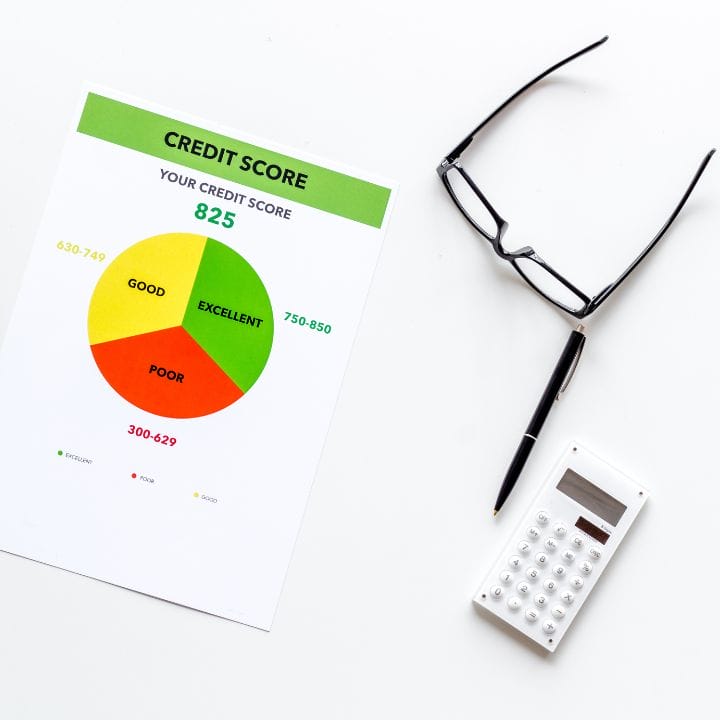
Your credit score is the gateway to your financial health. It affects your ability to secure loans, the interest rates you pay, and even your job prospects. Regularly check your credit report for errors that might be dragging your score down. Paying bills on time, reducing your credit utilization, and avoiding unnecessary debt are crucial steps in maintaining a healthy credit score.

4. Debt Management

debt management
123rf

Debt isn’t inherently bad, but mismanaging it is. High-interest debt, such as credit card debt, can cripple your financial progress. Prioritize paying off high-interest debts first while maintaining minimum payments on others. Consider strategies like debt consolidation or balance transfers if you’re juggling multiple debts, but always read the fine print.

5. Budgeting

budgeting
123rf

A budget is your financial blueprint. Without it, you’re navigating blind. Budgeting helps you understand where your money goes, highlighting areas where you can save. It also prevents overspending and helps you reach your financial goals faster. There are plenty of budgeting tools and apps that can simplify this process, so pick one that fits your lifestyle.

6. Insurance Coverage

insurance coverage
123rf

Insurance is essential protection against financial disaster. Regularly review your health, auto, and home insurance to ensure they meet your current needs. Life and disability insurance are also crucial, especially if others depend on your income. As your life circumstances change, adjust your coverage to ensure you’re not underinsured or overpaying for unnecessary coverage.

7. Investments

investment
123rf

Investing is a powerful tool for building wealth, but it requires attention and adjustment. Diversify your investments to mitigate risk and aim for a mix that reflects your age, financial goals, and risk tolerance. Regularly review and rebalance your portfolio to align with your financial objectives, especially as market conditions change.

8. Tax Planning

taxes
123rf

No one loves taxes, but understanding them can save you a lot of money. Make use of tax-advantaged savings accounts and deductions. If you’re unsure, consulting a tax professional can be a worthwhile investment, especially if you have multiple income streams or a complex financial situation. Keeping abreast of new tax laws can also help you optimize your tax outcomes.

9. Financial Goals

financial goal
123rf

Setting financial goals gives you something to strive towards and helps measure your progress. Whether it’s buying a home, saving for a dream vacation, or preparing for retirement, having clear, measurable goals can motivate you to make financially sound decisions and track your achievements.

10. Regular Financial Check-Ups

a couple reviewing their finances
123rf

Just like you need regular health check-ups, your finances need periodic reviews. A yearly financial review can help you adjust your spending, update goals, and catch potential problems before they explode. Life’s changes, like marriage, kids, and new jobs, necessitate a look at and possibly a revision of your financial plan.

Start Your Financial Planning Today!

insurance coverage
123rf

Ignoring these ten aspects of your personal finances can lead to problems down the road. However, by giving them the attention they deserve, you can build a more secure financial future that’s robust enough to handle whatever life throws your way. It’s all about taking those first steps, staying consistent, and not being afraid to seek advice when needed.

Read More

Ways to Help Make Your Business Finances More Secure

How to Ensure Your Savings Thrive in a Low-Interest World

Vanessa Bermudez
Vanessa Bermudez
Vanessa Bermudez is a content writer with over eight years of experience crafting compelling content across a diverse range of niches. Throughout her career, she has tackled an array of subjects, from technology and finance to entertainment and lifestyle. In her spare time, she enjoys spending time with her husband and two kids. She’s also a proud fur mom to four gentle giant dogs.

Filed Under: Personal Finance Tagged With: budgeting, finances, Money, personal finances, savings, spending

  • « Previous Page
  • 1
  • …
  • 45
  • 46
  • 47
  • 48
  • Next Page »

Follow Us

Search this site:

Recent Posts

  • Can My Savings Account Affect My Financial Aid? by Tamila McDonald
  • 12 Ways Gen X’s Views Clash with Millennials… by Tamila McDonald
  • What Advantages and Disadvantages Are There To… by Jacob Sensiba
  • 10 Tactics for Building an Emergency Fund from Scratch by Vanessa Bermudez
  • Call 911: Go To the Emergency Room Immediately If… by Stephen Kanaval
  • 7 Weird Things You Can Sell Online by Tamila McDonald
  • 10 Scary Facts About DriveTime by Tamila McDonald

Copyright © 2026 · News Pro Theme on Genesis Framework