• Home
  • About Us
  • Toolkit
  • Getting Finances Done
    • Hiring Advisors
    • Debt Management
    • Spending Plan
  • Insurance
    • Life Insurance
    • Health Insurance
    • Disability Insurance
    • Homeowners/Renters Insurance
  • Contact Us
  • Privacy Policy
  • Risk Tolerance Quiz

The Free Financial Advisor

You are here: Home / Archives for auto insurance

Could Canceling Insurance Be Worse Than Never Having It

September 8, 2025 by Travis Campbell Leave a Comment

insurance

Image source: pexels.com

When budgets get tight, insurance premiums often look like easy expenses to cut. Maybe you’ve had coverage for years and never filed a claim. It’s tempting to think, “I can drop this for a while and pick it up again later.” But could canceling insurance be worse than never having it at all? This question matters more than most people realize. Insurance is designed to protect you from big financial shocks, but canceling a policy at the wrong time—or for the wrong reasons—can leave you more exposed than if you’d never bought it. Let’s break down why canceling insurance can sometimes be a bigger risk than simply going without.

1. Lapse in Coverage Can Raise Your Future Premiums

One of the most significant consequences of canceling insurance is that it creates a gap in your coverage history. Many insurers see this as a red flag. If you cancel your auto, health, or home insurance and later try to buy it again, you might face higher premiums. Even a short lapse can indicate to companies that you might be a higher-risk customer, or that you’re trying to avoid paying for coverage only when you need it most.

With the primary SEO keyword “canceling insurance,” it’s important to understand that a break in your policy can follow you for years. In some cases, you may even be denied coverage or have limited options, especially if your circumstances have changed since you first bought the policy.

2. Losing Important Protections at the Worst Time

Insurance is designed to protect you from the unexpected. When you cancel coverage, you lose those protections instantly. If a car accident, house fire, or medical emergency occurs during your lapse, you’re on the hook for every dollar. This can be financially devastating. For example, canceling insurance on your home right before a major storm could leave you with massive repair bills and no safety net.

It’s easy to underestimate the risks, especially if you’ve never had to file a claim. But emergencies don’t wait for your finances to improve or for you to reinstate your policy. The very point of insurance is to be there when you least expect to need it.

3. Pre-Existing Condition Exclusions and Waiting Periods

If you cancel health, life, or disability insurance, you may face new hurdles when you try to get coverage again. Many health and life insurance policies have rules about pre-existing conditions. If you develop a health issue during your uninsured period, your new insurer might exclude it from your policy or charge you much higher rates.

Some types of insurance also have waiting periods before benefits kick in. Canceling insurance and then reapplying later could mean you’re not covered for certain events right away. This is especially critical for people with chronic health problems or older adults who may not qualify for the same rates or coverage as they did before.

4. Impact on Credit and Legal Requirements

Some forms of insurance, like auto or homeowners, may be required by law or by your lender. Canceling insurance can put you in violation of these rules. For example, driving without insurance in most states can lead to fines, license suspension, or even jail time. If you have a mortgage, your lender may force insurance on your property at a much higher cost if you let your own policy lapse.

In some cases, a gap in coverage can even affect your credit. Lenders and insurance companies report lapses, missed payments, or forced policies to credit bureaus. This can make it harder to get loans, rent an apartment, or secure affordable insurance in the future.

5. False Sense of Security from Prior Coverage

There’s a psychological trap that comes with canceling insurance. If you’ve been covered for years, you might feel like you’re still protected for a while, even after you cancel. This false sense of security can lead to risky decisions or a delay in reinstating coverage. Unlike never having insurance, where you know you’re exposed, canceling insurance can lull you into thinking you’re safer than you really are.

It’s also easy to forget about smaller policies—like renters’ or pet insurance—until you need them. That’s when the regret sets in, and by then, it’s too late.

What to Consider Before Canceling Insurance

Before you make the decision to cancel insurance, ask yourself what protections you’re losing and what risks you’re taking on. If you’re struggling with premiums, reach out to your insurer. Many companies offer flexible payment plans, discounts, or adjustments to your coverage that can help you keep some protection in place, even if you need to trim costs.

If you’re thinking about canceling insurance, also consider how it might affect your ability to get future coverage and what it could mean for your financial stability. Sometimes, adjusting your policy—rather than dropping it altogether—is the smarter move.

Have you ever canceled insurance and regretted it? Or do you think going without is worth the risk? Share your experiences and thoughts in the comments below.

What to Read Next…

  • The Insurance You Bought For Legacy Planning Might Expire Before You Do
  • 8 Insurance Riders That Sound Helpful But Add No Value
  • What Insurance Fine Print Could Void Your Entire Claim
  • 7 Insurance Policies That Stop Making Sense After Age 65
  • Why Some Life Insurance Policies Stop Paying Just When You Need Them Most
Travis Campbell
Travis Campbell

Travis Campbell is a digital marketer/developer with over 10 years of experience and a writer for over 6 years. He holds a degree in E-commerce and likes to share life advice he’s learned over the years. Travis loves spending time on the golf course or at the gym when he’s not working.

Filed Under: Insurance Tagged With: auto insurance, health insurance, Insurance, insurance lapse, Personal Finance, Planning, Risk management

7 Hidden Costs of Owning “Cheap” Cars

September 1, 2025 by Travis Campbell Leave a Comment

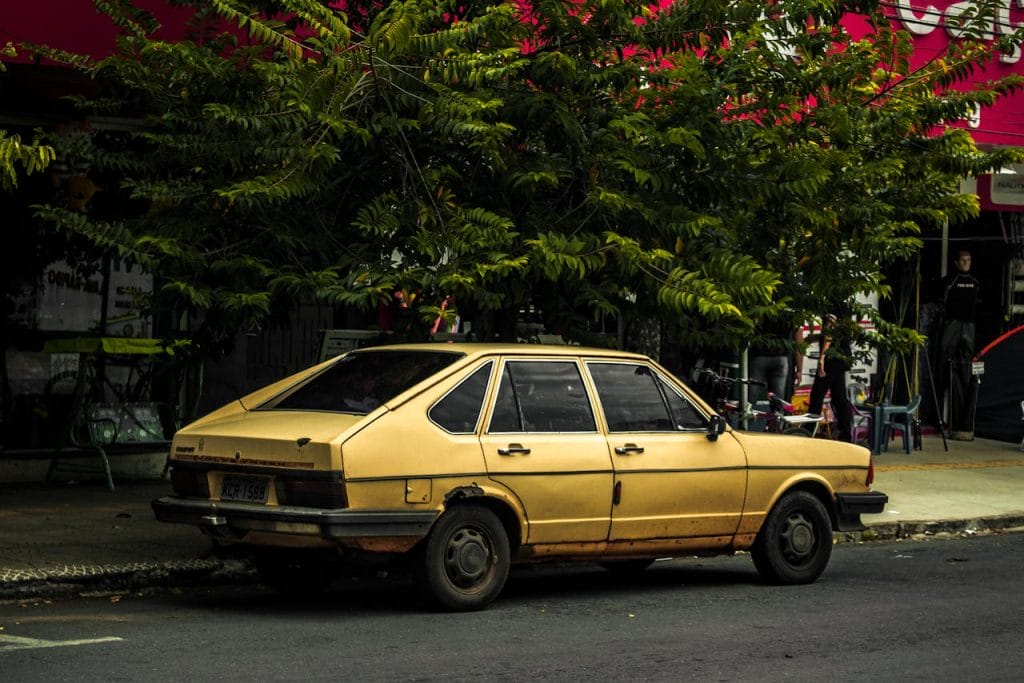
Buying a cheap car seems like a smart way to save money. After all, the sticker price is low, and you avoid hefty monthly payments. But the true cost of ownership goes far beyond what you pay upfront. Over time, that bargain might drain your wallet in ways you didn’t expect. If you’re trying to make wise financial decisions, it’s crucial to understand the hidden costs of owning cheap cars. Knowing these hidden expenses helps you budget realistically and avoid nasty surprises down the road.

Let’s break down the seven most common hidden costs that can turn a “cheap” car into a long-term money pit. If you’re considering buying a budget vehicle, keep these factors in mind before signing any paperwork.

1. Frequent Repairs and Maintenance

The most obvious hidden cost of owning cheap cars is repairs. Older vehicles or high-mileage bargains often need constant fixing. Wear and tear parts—like brakes, alternators, and radiators—fail more often as cars age. Even minor repairs add up, and major fixes like transmission or engine work can quickly eclipse your initial savings.

Plus, cheap cars may lack a warranty, so you pay out of pocket. While a newer used car might only need oil changes and basic upkeep, a bargain-basement vehicle could spend more time at the mechanic than on the road.

2. Poor Fuel Efficiency

Many cheap cars are older models with outdated engines. They often burn more gas than newer vehicles, especially if they’re not well-maintained. Over months and years, poor fuel efficiency can significantly increase your total cost of ownership. With gas prices fluctuating, these extra fill-ups can add hundreds of dollars to your annual expenses.

Before you buy, compare the fuel economy ratings of any car you’re considering. Sometimes, spending a bit more upfront on a newer, more efficient car saves you money in the long run.

3. Higher Insurance Premiums

Insurance costs don’t always drop just because your car is cheap. In fact, owning cheap cars can sometimes mean higher premiums. Some older models lack modern safety features, making them riskier in the eyes of insurers. Others have higher theft rates, which also pushes up costs.

It’s a good idea to get an insurance quote before you buy. Factor those premiums into your budget—sometimes a slightly more expensive car can come with lower insurance costs due to better safety ratings.

4. Safety Risks and Medical Costs

Cheap cars often lack advanced safety features like airbags, anti-lock brakes, or electronic stability control. If you’re in an accident, you face a higher risk of injury. Medical bills and lost wages from time off work can be far more expensive than a higher car payment would have been.

Your safety is priceless. Before buying, check the car’s crash test ratings and safety features. Investing in a safer vehicle can help protect both your health and your finances.

5. Failing Emissions and Inspection Tests

Many states require regular emissions or safety inspections. Older, cheap cars are more likely to fail these tests. If your car doesn’t pass, you may face costly repairs or even be unable to legally drive it until issues are fixed. In some cases, persistent failures could mean junking the car entirely, wiping out any savings from your initial purchase.

Always research local regulations and estimate the cost of likely repairs before buying a budget car. A cheap car that can’t pass inspection is no bargain at all.

6. Limited Resale Value

Cheap cars lose value fast. When it’s time to upgrade, you may find your vehicle is worth little or nothing in trade-in value. This is especially true for makes and models known for reliability issues. While you might plan to drive your cheap car into the ground, unexpected repairs or life changes could force you to sell sooner than expected.

Depreciation isn’t always top of mind when buying a low-cost car, but it’s a real part of the cost of ownership. Consider how long you’ll realistically keep the vehicle and how much you might be able to recoup later.

7. Financing and Interest Costs

If you don’t have cash up front, you may need to finance your cheap car. But lenders often charge higher interest rates for older vehicles or cars with high mileage. The total interest paid over the life of the loan can turn a cheap deal into an expensive one.

Some lenders may even refuse to finance very old or high-mileage cars, forcing you to seek out loans with less favorable terms. If you need to finance, shop around and compare rates carefully. Sometimes, a slightly more expensive car with better financing options actually saves you money overall.

Smart Alternatives to Cheap Cars

Owning cheap cars can seem like the fastest route to financial freedom, but these hidden costs add up fast. Before you buy, consider alternatives like certified pre-owned vehicles, which often come with warranties and better reliability. Car-sharing services or public transportation might also be smarter options if you’re on a tight budget.

Ultimately, the key is to factor in the true cost of ownership—not just the sticker price. By understanding the risks and doing your homework, you’ll be better prepared to make a choice that fits your needs and your wallet.

Have you ever owned a budget vehicle? What hidden costs surprised you the most? Share your experiences in the comments below!

What to Read Next…

  • What That New Car Smell Might Be Hiding Legally
  • 9 Cities Where Car Theft Is Becoming a Daily Occurrence
  • 5 Emergency Repairs That Could Force You Into Debt Overnight
  • 7 Hidden Fees That Aren’t Labeled as Fees at All
  • 10 Ways You’re Wasting Money Just Trying to Keep Up Appearances
Travis Campbell
Travis Campbell

Travis Campbell is a digital marketer/developer with over 10 years of experience and a writer for over 6 years. He holds a degree in E-commerce and likes to share life advice he’s learned over the years. Travis loves spending time on the golf course or at the gym when he’s not working.

Filed Under: Car Tagged With: auto insurance, car ownership, car repairs, cheap cars, Personal Finance, used cars

Could Skipping Insurance Be the Biggest Money Mistake of All

August 30, 2025 by Travis Campbell Leave a Comment

insurance

Image source: pexels.com

It’s easy to see insurance as just another monthly bill. When you’re trying to save money, those premiums can look like a tempting place to cut costs. But is skipping insurance really a smart way to keep more cash in your pocket? For many people, this decision can be the biggest money mistake of all. Without the right protection, one accident, illness, or disaster can wipe out years of hard work and savings. Let’s break down why skipping insurance is a risk that just isn’t worth taking.

1. The High Cost of Medical Emergencies

Health insurance often feels expensive, especially if you’re healthy. But medical emergencies are unpredictable and can be financially devastating. A single hospital stay or surgery can cost tens of thousands of dollars. If you’re uninsured, you’ll have to pay those bills out of pocket. Skipping insurance might save you money every month, but it exposes you to massive financial risk. Even a short trip to the emergency room can lead to debt that follows you for years. The primary SEO keyword here is “skipping insurance,” and nowhere does it matter more than with your health.

2. Auto Accidents and Liability Woes

Driving without car insurance isn’t just risky—it’s illegal in most states. If you cause an accident, you could be responsible for medical bills, repairs, and even lawsuits. These costs can easily run into the hundreds of thousands. Skipping insurance on your car might seem harmless until the unexpected happens. Not only could you lose your license, but you could also face wage garnishments or have your assets seized. Auto insurance doesn’t just protect your car; it shields your finances from ruin.

3. Home and Renters Insurance: Your Assets at Stake

Whether you own a home or rent an apartment, property insurance protects your belongings and your financial security. Fires, theft, storms, and other disasters don’t give warning. Without insurance, replacing your possessions or repairing your home could drain your savings. For renters, the cost of insurance is usually low, but the protection it offers is huge. Skipping insurance here means risking everything you own. Homeowners, meanwhile, could lose not just their house but their investment and future stability.

4. Life Insurance: Protecting Your Loved Ones

If you have people who depend on you financially, life insurance is essential. It can be uncomfortable to think about, but what would happen to your family if you weren’t there to provide for them? Skipping insurance in this area could leave your loved ones struggling to pay bills, cover funeral expenses, or keep their home. Even a small policy can make a big difference. It’s about making sure your family is secure, no matter what life throws your way.

5. The Ripple Effect of Skipping Insurance

One of the biggest dangers of skipping insurance is the domino effect it can create. An unexpected event—like a car accident, house fire, or major illness—doesn’t just cause a one-time expense. It can lead to lost wages, ruined credit, and years of financial hardship. You might be forced to dip into retirement savings, sell assets, or take on high-interest debt. The stress and uncertainty can affect your health, your relationships, and your long-term goals. Skipping insurance can turn a bad day into a financial disaster with lasting consequences.

6. Insurance as a Foundation for Financial Planning

Insurance isn’t just a safety net—it’s a key part of any solid financial plan. It lets you take risks and build wealth without the fear that everything could be wiped out overnight. When you’re insured, you can invest, start a business, or buy a home with more confidence. Skipping insurance means putting your financial future in jeopardy. It’s hard to move forward when you’re one crisis away from starting over. Including insurance in your budget is an investment in your own peace of mind.

7. Alternatives and the Realities of Self-Insurance

Some people consider “self-insuring” by setting aside money for emergencies instead of buying coverage. While having an emergency fund is smart, most people can’t save enough to cover a major loss. Insurance pools risk across many people, making big expenses manageable. For example, a single broken leg can cost $7,500 or more—far more than most emergency funds can handle. Skipping insurance and relying on savings alone is a gamble that could backfire.

How Skipping Insurance Can Undermine Your Financial Goals

In the end, skipping insurance might seem like a way to save money, but it’s often the biggest money mistake you can make. The costs of not having coverage can be far greater than any premium you’ll pay. Insurance is about protecting what you’ve worked so hard to build, from your health and home to your family and future. It’s not just about avoiding disaster—it’s about creating a stable foundation for everything you want to achieve.

If you’re unsure which types of insurance are right for you, there are many resources available. Take a close look at your needs and make informed decisions—your financial well-being depends on it.

Have you or someone you know ever faced financial trouble from skipping insurance? Share your story or thoughts in the comments below!

What to Read Next…

  • 7 Insurance Policies That Stop Making Sense After Age 65
  • 8 Insurance Riders That Sound Helpful But Add No Value
  • What Insurance Fine Print Could Void Your Entire Claim
  • The Insurance Clause That Could Nullify Your Entire Estate Plan
  • The Insurance You Bought for Legacy Planning Might Expire Before You Do
Travis Campbell
Travis Campbell

Travis Campbell is a digital marketer/developer with over 10 years of experience and a writer for over 6 years. He holds a degree in E-commerce and likes to share life advice he’s learned over the years. Travis loves spending time on the golf course or at the gym when he’s not working.

Filed Under: Insurance Tagged With: auto insurance, health insurance, Insurance, money mistakes, Personal Finance, Planning, Risk management

9 Cities Where Car Theft Is Becoming a Daily Occurrence

July 25, 2025 by Travis Campbell Leave a Comment

car theft

Image Source: unsplash.com

Car theft is not just a big-city problem anymore. It’s happening in places you might not expect, and it’s happening more often. If you own a car, this matters. You work hard for your vehicle, and losing it can throw your life off track. Insurance rates go up, and you might have to pay out of pocket for a rental or repairs. Knowing where car theft is rising can help you protect yourself and your car. Here are nine cities where car theft is now a daily risk, plus some tips to keep your vehicle safe.

1. Oakland, California

Oakland has seen a sharp rise in car thefts. Thieves target both older and newer cars. Some people leave their cars running while grabbing coffee or food, making them easy targets. Parking on the street overnight is risky. If you live here, always lock your car and never leave valuables inside. Consider a steering wheel lock or a GPS tracker. Even a simple alarm can make a difference.

2. Denver, Colorado

Denver’s car theft numbers have jumped in the last few years. Many thefts happen in apartment parking lots and public garages. Thieves often look for cars with key fobs left inside. If you park in a lot, choose a spot near lights or cameras. Don’t leave your keys in the car, even for a minute. If you have a garage, use it. Denver police recommend etching your VIN on windows to make your car less attractive to thieves.

3. Albuquerque, New Mexico

Albuquerque has one of the highest car theft rates in the country. Many stolen cars are used for other crimes or stripped for parts. Thieves often work in teams and move fast. If you live in Albuquerque, park in well-lit areas and use anti-theft devices. Don’t leave your registration or title in the car. If your car is stolen, report it right away. Quick action can help police recover your vehicle.

4. Seattle, Washington

Seattle’s car theft problem is growing. Thieves target neighborhoods with lots of street parking. Older Hondas and Toyotas are common targets because they’re easy to steal and sell for parts. If you drive one of these models, consider extra security. Park in a garage if you can. If not, use a steering wheel lock. Seattle police also suggest installing a kill switch or immobilizer.

5. Memphis, Tennessee

Memphis has seen a big increase in car thefts, especially in the last year. Many thefts happen at night in residential areas. Thieves often break windows to grab valuables, then steal the car. If you live in Memphis, don’t leave anything in plain sight. Lock your doors and roll up your windows. If you have a home security camera, aim it at your driveway. Even a fake camera can scare off some thieves.

6. Chicago, Illinois

Chicago’s car theft numbers are up, especially in certain neighborhoods. Thieves use technology to hack keyless entry systems. They can unlock and start your car in seconds. If you have a keyless car, keep your fob in a signal-blocking pouch at home. Park in busy areas with lots of foot traffic. If you see someone acting suspiciously near cars, call the police.

7. Houston, Texas

Houston is a hotspot for car theft, with many cases reported every day. Thieves often target trucks and SUVs, which are easy to resell or ship overseas. Many thefts happen at shopping centers and gas stations. If you drive a truck or SUV, use a visible anti-theft device. Don’t leave your car running while you run inside a store. Houston police recommend parking close to entrances and under lights.

8. Portland, Oregon

Portland’s car theft rate has climbed, especially in the last two years. Many thefts happen in broad daylight. Thieves often look for unlocked cars or cars with windows cracked open. If you live in Portland, double-check your locks before walking away. Don’t leave spare keys in or near your car. Some people use window decals to warn thieves about alarms or trackers. It’s a small step, but it can help.

9. St. Louis, Missouri

St. Louis has a long-standing car theft problem, and it’s getting worse. Thieves often target cars parked on the street overnight. Many stolen cars are used in other crimes or are abandoned. If you live in St. Louis, park in a garage if possible. If not, park under a streetlight. Use a steering wheel lock or alarm. St. Louis police also suggest joining a neighborhood watch group. Working together can help keep your area safer.

Staying Ahead of Car Thieves

Car theft is a real problem in these cities, but you can lower your risk. Simple steps like locking your doors, parking in well-lit areas, and using anti-theft devices make a difference. Stay alert to what’s happening in your neighborhood. Share tips with friends and family. If you see something suspicious, report it. Protecting your car is about being aware and taking action. The more you know, the safer you and your vehicle will be.

Have you noticed more car thefts in your city? What steps are you taking to keep your car safe? Share your thoughts in the comments.

Read More

Why Amazon Packages Are Now Being Stolen by Bots

The Silent Theft: How to Spot a Relative Stealing from Your Elderly Parents

Travis Campbell
Travis Campbell

Travis Campbell is a digital marketer/developer with over 10 years of experience and a writer for over 6 years. He holds a degree in E-commerce and likes to share life advice he’s learned over the years. Travis loves spending time on the golf course or at the gym when he’s not working.

Filed Under: safety Tagged With: auto insurance, car theft, city safety, crime prevention, stolen cars, urban safety, vehicle security

Several Car Brands Are Quietly Cutting Safety Features for 2025 Models

July 15, 2025 by Travis Campbell 1 Comment

car brands

Image Source: pexels.com

Car buyers expect new models to be safer every year. But for 2025, some car brands are quietly removing safety features that many drivers rely on. This shift isn’t always obvious in the marketing materials or at the dealership. It matters because these changes can affect your safety, your insurance rates, and even your car’s resale value. If you’re planning to buy a new car soon, you need to know what’s missing and how it could impact you. Here’s what’s really happening with car safety features in 2025—and what you can do about it.

1. Automatic Emergency Braking Is No Longer Standard

Automatic emergency braking (AEB) has saved lives. It helps prevent crashes by stopping the car if you don’t react in time. For years, more brands have made AEB standard on most models. Now, some are making it optional or removing it from base trims. This means you might have to pay extra for a feature that used to come with the car. If you’re shopping for a 2025 model, check the spec sheet. Don’t assume AEB is included. Ask the dealer to show you which trims have it. If you skip this step, you could end up with a car that’s less safe than last year’s version.

2. Blind Spot Monitoring Is Getting Cut

Blind spot monitoring helps you change lanes safely. It alerts you if there’s a car in your blind spot. For 2025, several brands are dropping this feature from entry-level models. Some are only offering it in expensive packages. This move saves the manufacturer money, but it puts more risk on you. If you drive in heavy traffic or on highways, blind spot monitoring can make a big difference. Before you buy, look for this feature on the window sticker. If it’s not there, ask if you can add it. Sometimes, it’s only available on higher trims, so you may need to budget more.

3. Rear Cross-Traffic Alert Is Missing on Some Models

Rear cross-traffic alert warns you if a car or person is behind you when you’re backing up. It’s especially useful in parking lots. For 2025, some brands are quietly removing this feature from their cars, even on models that had it last year. This change isn’t always obvious. You might not notice until you’re in a tight spot and realize you don’t have the warning. If you have kids or often park in busy areas, this feature is important. Double-check the car’s safety list before you buy. Don’t rely on last year’s brochure or online reviews—they may be out of date.

4. Lane Keeping Assist Is Now Optional

Lane keeping assist helps you stay in your lane. It gently steers the car if you start to drift. This feature has become common, but for 2025, some brands are making it optional or only available in higher trims. If you drive long distances or get tired on the road, lane-keeping assist can help prevent accidents. Without it, you’re more likely to drift out of your lane, especially on highways. When you shop for a new car, ask if lane-keeping assist is included. If not, see if you can add it as an option. It’s worth the extra cost for many drivers.

5. Fewer Airbags in Base Models

Airbags are a basic safety feature. But some 2025 models have fewer airbags than before, especially in base trims. Brands are cutting side or knee airbags to save money. This change can increase your risk of a crash. More airbags mean better protection for you and your passengers. Before you buy, count the airbags in the car. Ask the dealer to show you where they are. If the car has fewer airbags than you expected, consider a different trim or model. Your safety is worth it.

6. Adaptive Cruise Control Is Getting Harder to Find

Adaptive cruise control keeps a safe distance from the car ahead. It’s great for highway driving and stop-and-go traffic. For 2025, some brands are removing this feature from lower trims or making it part of expensive packages. This means you might have to pay more for a feature that used to be standard. If you do a lot of highway driving, adaptive cruise control can reduce stress and help prevent accidents. Check if it’s included before you buy. If not, ask about upgrade options.

7. Fewer Standard Safety Features Mean Higher Insurance Costs

When cars have fewer safety features, insurance companies notice. They may charge higher premiums for cars that lack features like AEB, blind spot monitoring, or extra airbags. Over time, this can cost you more than the price of the missing feature. Before you buy a 2025 model, get an insurance quote. Ask how the car’s safety features affect your rate. You might find that paying extra for a safer trim saves you money in the long run.

8. Why Are Brands Cutting Safety Features?

Car makers are under pressure to keep prices down. Supply chain issues and rising costs mean they have to make tough choices. Cutting safety features is one way to save money without raising sticker prices. But this shift puts more responsibility on buyers. You can’t assume a new car is safer just because it’s newer. Always check the safety features before you buy.

What This Means for Your Next Car Purchase

Car brands are quietly cutting safety features for 2025 models. This trend affects your safety, your wallet, and your peace of mind. If you’re shopping for a new car, don’t assume it has all the features you want. Read the fine print. Ask questions. Compare trims. Make sure you’re getting the safety features that matter to you. Your safety is too important to leave to chance.

Have you noticed missing safety features on new cars? Share your experience or thoughts in the comments.

Read More

Financial Impacts of Skipping Preventative Medical Care

How Your Shopping Cart Is Being Used to Profile Your Finances

Travis Campbell
Travis Campbell

Travis Campbell is a digital marketer/developer with over 10 years of experience and a writer for over 6 years. He holds a degree in E-commerce and likes to share life advice he’s learned over the years. Travis loves spending time on the golf course or at the gym when he’s not working.

Filed Under: Car Tagged With: 2025 car models, auto insurance, car brands, car buying tips, Car Safety, safety technology, vehicle features

  • « Previous Page
  • 1
  • 2

FOLLOW US

Search this site:

Recent Posts

  • Can My Savings Account Affect My Financial Aid? by Tamila McDonald
  • 12 Ways Gen X’s Views Clash with Millennials… by Tamila McDonald
  • What Advantages and Disadvantages Are There To… by Jacob Sensiba
  • 10 Tactics for Building an Emergency Fund from Scratch by Vanessa Bermudez
  • Call 911: Go To the Emergency Room Immediately If… by Stephen Kanaval
  • 7 Weird Things You Can Sell Online by Tamila McDonald
  • 10 Scary Facts About DriveTime by Tamila McDonald

Copyright © 2026 · News Pro Theme on Genesis Framework