• Home
  • About Us
  • Getting Finances Done
    • Hiring Advisors
    • Debt Management
    • Spending Plan
  • Insurance
    • Life Insurance
    • Health Insurance
    • Disability Insurance
    • Homeowners/Renters Insurance
  • Contact Us
  • Our Editorial Commitment

The Free Financial Advisor

You are here: Home / Archives for depreciation

6 Outrageous Costs Tied to Owning Luxury Cars

September 11, 2025 by Catherine Reed Leave a Comment

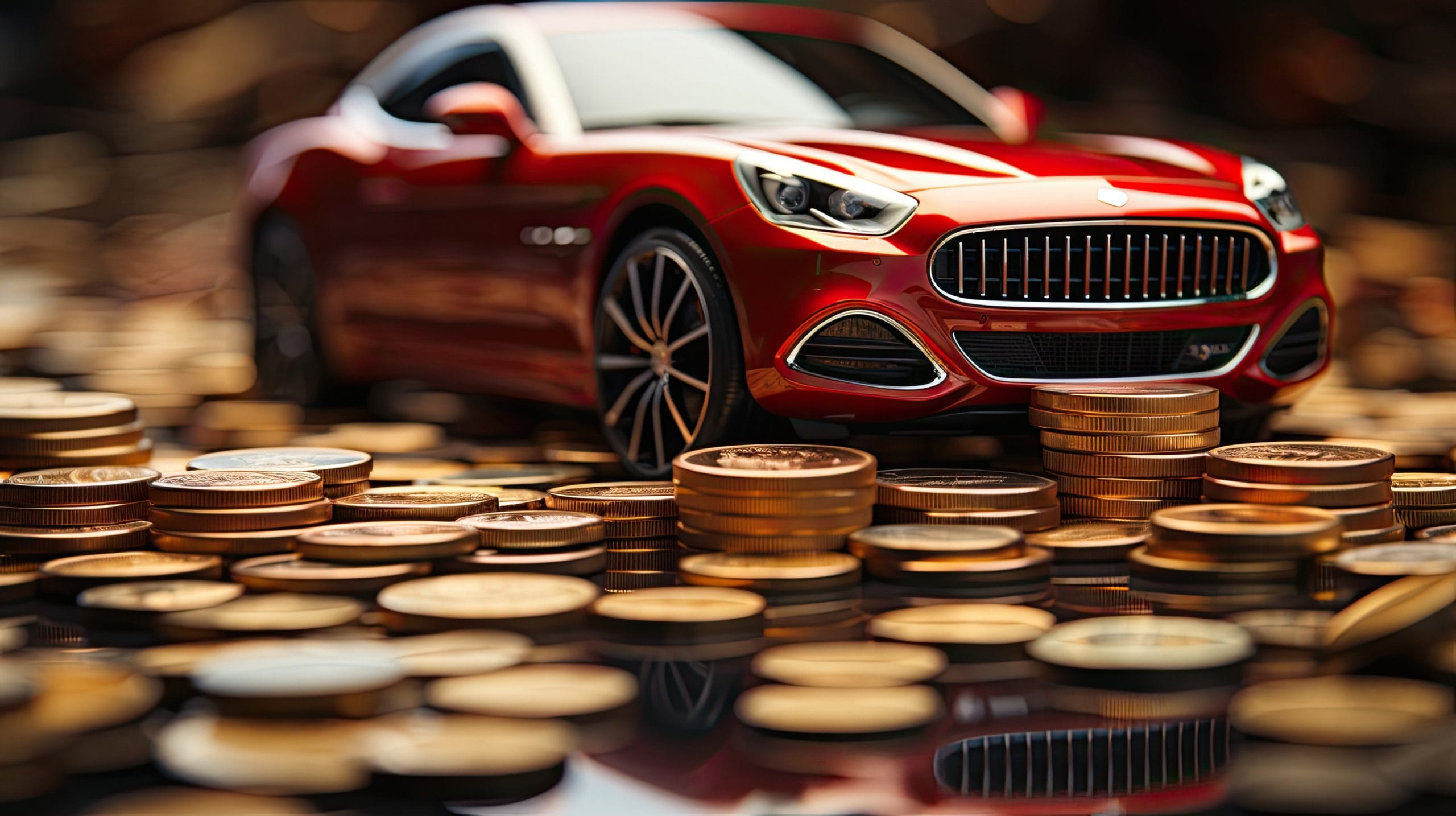
6 Outrageous Costs Tied to Owning Luxury Cars
Image source: 123rf.com

Owning a high-end vehicle comes with undeniable appeal. Sleek designs, cutting-edge technology, and unmatched performance make luxury cars a dream purchase for many drivers. But behind the shiny paint jobs and polished interiors are some surprising financial realities that extend far beyond the sticker price. From insurance to maintenance, the hidden expenses can easily overwhelm even well-prepared buyers. Here are six outrageous costs tied to owning luxury cars that every potential owner should understand before making the leap.

1. Skyrocketing Insurance Premiums

One of the first costs owners notice after purchasing luxury cars is the insurance. Coverage is significantly higher compared to standard vehicles due to the higher replacement values and specialized parts. Insurers also factor in the increased likelihood of theft, higher repair costs, and expensive liability claims. What looks like a manageable monthly payment can easily double or triple once insurance quotes arrive. For many drivers, this becomes one of the most shocking ongoing expenses of ownership.

2. Specialized Maintenance and Repairs

Routine maintenance for luxury cars costs far more than average vehicles because of their advanced engineering. Even something as simple as an oil change or brake replacement can require specialized parts and skilled technicians. Luxury manufacturers often require service at authorized dealerships, where hourly rates can be exorbitant. Additionally, repair times are often longer, which increases labor costs. Owners quickly discover that keeping these vehicles in top condition is an expensive commitment.

3. Premium Fuel Requirements

Another hidden cost tied to luxury cars is the fuel requirement. Many high-performance engines demand premium-grade gasoline to operate efficiently and avoid long-term damage. Over time, the extra cents per gallon add up to hundreds or even thousands of dollars annually. Drivers who ignore this requirement risk voiding warranties or damaging engines. For those who commute often, fuel expenses alone can become a financial burden.

4. Depreciation Hits Harder

While all vehicles lose value over time, luxury cars tend to depreciate at a much faster rate. Buyers may spend a fortune upfront, only to see their investment lose a significant percentage of value within a few years. The steep depreciation is often due to high leasing turnover, expensive maintenance, and the constant release of newer, flashier models. Selling or trading in later rarely recoups anywhere near the initial purchase price. This makes ownership especially costly for those not planning to keep the car long-term.

5. Expensive Tires and Wear Items

Luxury cars often come equipped with specialized tires designed for performance and speed. These tires wear out faster than standard ones and can cost two to three times as much to replace. Additional wear items, such as custom brake systems or suspension components, also carry premium price tags. Owners may find themselves replacing parts more frequently due to the demands of high-performance driving. These recurring expenses can easily rival a monthly car payment over time.

6. Higher Registration and Tax Fees

Even before the first drive, luxury cars come with steep registration and tax costs. States often base fees on vehicle value, meaning luxury owners pay far more than standard car buyers. Some regions also impose luxury taxes or additional charges for high-emission vehicles. These upfront expenses can add thousands to the cost of ownership each year. For many, this is an overlooked but unavoidable part of driving high-end models.

Luxury Comes with a Price Tag Beyond the Showroom

While luxury cars offer prestige and performance, they come with financial obligations that far exceed the purchase price. From insurance premiums and premium fuel to relentless depreciation and maintenance costs, the hidden expenses can surprise even seasoned drivers. For those considering ownership, understanding these realities helps avoid financial strain and disappointment. The allure of a luxury vehicle may still be worth it for some, but it’s important to weigh the perks against the price. Smart buyers think long-term before deciding if the dream ride is truly worth the investment.

Would you be willing to take on the extra expenses tied to luxury cars for the sake of performance and prestige? Share your thoughts in the comments below.

What to Read Next…

9 Luxuries That Quietly Drain Wealth Faster Than Bad Investments

10 Strange Investments That Wealthy People Keep Secret

9 Financial Dangers Hidden in Timeshares

10 Shocking Truths About How Wealth Is Really Built

10 Scary Facts About DriveTime

Catherine Reed
Catherine Reed

Catherine is a tech-savvy writer who has focused on the personal finance space for more than eight years. She has a Bachelor’s in Information Technology and enjoys showcasing how tech can simplify everyday personal finance tasks like budgeting, spending tracking, and planning for the future. Additionally, she’s explored the ins and outs of the world of side hustles and loves to share what she’s learned along the way. When she’s not working, you can find her relaxing at home in the Pacific Northwest with her two cats or enjoying a cup of coffee at her neighborhood cafe.

Filed Under: Car Tagged With: auto insurance, car ownership costs, depreciation, luxury cars, Personal Finance, Planning, vehicle maintenance

Could Owning Luxury Items Quietly Lower Your Net Worth

September 10, 2025 by Travis Campbell Leave a Comment

luxury items
Image source: pexels.com

When you think of building wealth, owning luxury items might seem like a sign that you’ve made it. But could these prized possessions actually be holding you back? Many people don’t realize that luxury goods can quietly erode your financial foundation over time. The allure of status symbols is strong, but the impact on your net worth can be subtle and long-lasting. Understanding how your spending choices affect your finances is key to making smarter decisions. Let’s break down how owning luxury items can end up quietly lowering your net worth, and what you can do about it.

1. Depreciation Drains Value

The primary way luxury items can lower your net worth is through depreciation. Unlike assets that grow in value, most luxury goods lose value quickly after purchase. For example, a brand-new luxury car can lose up to 20% of its value within the first year. Designer handbags, watches, and high-end electronics also tend to follow this pattern.

Instead of adding to your net worth, these items become liabilities. If you ever try to resell them, you’ll likely get back much less than you paid. This is the opposite of what happens when you invest in appreciating assets like stocks or real estate. Over time, consistently purchasing depreciating luxury items can quietly lower your net worth without you even noticing.

2. Maintenance and Upkeep Costs

Luxury items often come with ongoing expenses that are easy to overlook. Expensive cars require premium fuel, specialized maintenance, and higher insurance premiums. Designer clothes and accessories may need professional cleaning or repairs. Even high-end electronics can come with costly service plans or upgrades.

These recurring costs add up and reduce the money you could be investing elsewhere. Instead of building your net worth, you’re funneling cash into keeping luxury items in top shape. This is one of the most overlooked ways that owning luxury items can quietly lower your net worth over time.

3. Opportunity Cost of Tied-Up Money

When you spend a large sum on luxury goods, that money is no longer available for other purposes. This is known as opportunity cost. If you had invested that money in a retirement fund or index fund, it could have grown significantly over the years.

For example, $10,000 spent on a high-end watch could have been invested and grown over time, helping you build wealth. Instead, that value is locked in an item that may lose value or just sit unused. Thinking about opportunity cost is crucial when making big purchases that might impact your financial future and net worth.

4. Lifestyle Inflation and Social Pressure

Once you start buying luxury items, it’s easy to fall into the trap of lifestyle inflation. That’s when your expenses rise as your income increases. You might feel pressure to keep up appearances or to match the spending habits of friends and colleagues.

This cycle can make it hard to save or invest, especially if you keep escalating your purchases. Over time, the money spent on luxury goods could have gone toward building your net worth. Instead, it’s spent trying to maintain a certain image, which can be a costly trap.

5. Harder to Liquidate in Emergencies

Luxury items are usually less liquid than cash or investments. If you need money quickly, selling a luxury car, watch, or designer bag can take time and may not fetch a good price. Buyers for these items are limited, and you might have to accept a steep discount to make a quick sale.

This lack of liquidity can hurt your net worth in an emergency. If you need to raise funds fast, you’ll wish that money was in a more accessible form. Having too much of your wealth tied up in luxury items can quietly lower your net worth by making it harder to access cash when you need it most.

Rethinking Wealth and Net Worth

Building real wealth isn’t about collecting high-end items; it’s about growing your net worth over time. Owning luxury items can be fun and feel rewarding, but it’s important to recognize the hidden costs. Depreciation, maintenance, and opportunity costs all add up, quietly lowering your net worth without much fanfare.

If you want to improve your financial situation, consider focusing on assets that appreciate or generate income. Making small changes can lead to big improvements in your financial future.

Do you think owning luxury items is worth the potential hit to your net worth? Share your thoughts in the comments below!

What to Read Next…

  • 10 Ways You’re Wasting Money Just Trying To Keep Up Appearances
  • Why Even Wealthy Families Are Now Fighting Over Heirlooms
  • 10 Smart Purchases That Are Slowly Making You Broke
  • 8 Times Real Estate Holdings Lowered A Family’s Net Worth Long Term
  • Are These 7 Little Expenses Quietly Costing You Thousands A Year
Travis Campbell
Travis Campbell

Travis Campbell is a digital marketer/developer with over 10 years of experience and a writer for over 6 years. He holds a degree in E-commerce and likes to share life advice he’s learned over the years. Travis loves spending time on the golf course or at the gym when he’s not working.

Filed Under: Personal Finance Tagged With: depreciation, luxury items, Net worth, opportunity cost, Personal Finance, Wealth Building

Are New Cars a Financial Scam That Keeps Americans in Debt?

April 17, 2025 by Travis Campbell Leave a Comment

new car
Image Source: unsplash.com

The allure of a brand-new car—that intoxicating new car smell, pristine interior, and cutting-edge technology—is undeniably powerful. But behind the glossy commercials and attractive financing offers lies a sobering reality: new cars might be one of the most significant financial traps keeping millions of Americans locked in cycles of debt. Before you sign on that dotted line at the dealership, it’s worth examining whether that shiny new vehicle is actually a cleverly disguised financial burden that benefits everyone except you.

1. The Depreciation Disaster: Losing Thousands the Moment You Drive Away

New cars lose value at an alarming rate that few buyers fully comprehend until it’s too late. When you drive off the lot, your vehicle typically loses 10-20% of its value, meaning your $30,000 car might be worth only $24,000 when you reach home. This depreciation continues aggressively during the first few years, with most vehicles losing 60% of their value within the first five years of ownership. Many buyers find themselves “underwater” on their loans almost immediately, owing more than the car is worth in a negative equity phenomenon. This depreciation trap is particularly insidious because it happens regardless of how well you maintain the vehicle or how carefully you drive. The financial impact is so significant that experts at Edmunds have documented this as one of the most predictable and substantial wealth-eroding aspects of new car ownership.

2. The Financing Fallacy: How 72-Month Loans Keep You Perpetually in Debt

The average new car loan has ballooned to nearly 70 months, with many extending to 84 months or beyond—a troubling trend that keeps consumers paying far longer than is financially prudent. These extended loan terms create an illusion of affordability by spreading payments over six or seven years, but they actually increase the total cost significantly through accumulated interest. Many consumers still pay for a car that’s beginning to require expensive repairs, creating a double-whammy of maintenance costs plus ongoing payments. The psychological impact of these long-term loans is that they normalize the idea of perpetual car payments as simply “part of life” rather than a temporary financial commitment. According to Consumer Reports, these extended loans often lead to a cycle where consumers trade-in vehicles with negative equity, rolling the remaining balance into new loans and creating an ever-deepening debt spiral.

3. The Upselling Ecosystem: Warranties, Features, and Financing Tricks

Dealerships have perfected the art of extracting maximum profit through a sophisticated ecosystem of add-ons and upsells that dramatically inflate the final price. Extended warranties, gap insurance, fabric protection, and other dealer add-ons can add thousands to your purchase price while providing questionable value compared to their cost. The sales process is deliberately designed to focus on monthly payments rather than total cost, obscuring the true financial impact of these additions. Salespeople are trained to present these options as essential protections rather than the profit centers they actually are for the dealership. The financing office, where deals are finalized, often represents the most profitable part of the dealership, with finance managers incentivized to sell high-margin products that many consumers don’t need or could purchase elsewhere for significantly less.

4. The Status Trap: How Marketing Creates Expensive Emotional Attachments

Automotive marketing has masterfully connected vehicle ownership with identity, status, and self-worth in ways that drive financially irrational purchasing decisions. Commercials rarely focus on practical considerations like the total cost of ownership, instead emphasizing how a vehicle will make you feel or how others will perceive you. This emotional manipulation creates powerful psychological attachments, overriding logical financial analysis when making purchasing decisions. Many consumers justify overspending on vehicles as “investing in quality” when the premium paid for new versus slightly used models has nothing to do with quality and everything to do with status and novelty. Research from The Millionaire Next Door reveals that truly wealthy individuals typically avoid new luxury vehicles, recognizing them as depreciating assets rather than status symbols worth premium prices.

5. The Smarter Alternative: Breaking Free from the New Car Trap

Financial independence requires recognizing and rejecting the new car paradigm that keeps millions trapped in unnecessary debt cycles. Purchasing slightly used vehicles (2-3 years old) allows you to avoid the steepest depreciation while still enjoying modern reliability and features at a fraction of the new price. Creating a dedicated car fund where you pay yourself a “car payment” even when you own your vehicle outright builds a cash cushion for future purchases without financing. Extending your ownership timeline to 8-10 years rather than the average 6 years dramatically reduces your lifetime transportation costs and creates opportunities for that saved money to grow through investments. Focusing on the total cost of ownership (purchase price, insurance, maintenance, fuel, depreciation) rather than monthly payments provides a more accurate picture of what your vehicle truly costs. Recognizing that transportation is primarily a utility rather than a status symbol can free you from expensive emotional attachments that marketing creates to separate you from your money.

The Road to Financial Freedom: Changing Your Relationship with Cars

The path to building wealth requires rethinking our relationship with major purchases like vehicles. The average American spends nearly $10,000 annually on car payments, insurance, and maintenance—money that could build significant wealth if redirected toward appreciating assets. By rejecting the new car paradigm and making more financially sound transportation choices, you can potentially redirect hundreds of thousands of dollars toward wealth-building over your lifetime. The most financially successful Americans understand that cars represent one of the largest wealth-draining expenses in most budgets, and they make choices that minimize this drain rather than maximize status or novelty. The question isn’t whether you can afford the monthly payment on a new car—it’s whether you can afford the opportunity cost of not investing that money instead.

What’s your experience with car buying? Have you found yourself trapped in the cycle of perpetual car payments, or have you found a better way? Share your thoughts and strategies in the comments below!

Read More

How Does Financing a Car Affect Your Car Insurance?

5 Steps for Getting the Most Money for Your Used Car

Travis Campbell
Travis Campbell

Travis Campbell is a digital marketer/developer with over 10 years of experience and a writer for over 6 years. He holds a degree in E-commerce and likes to share life advice he’s learned over the years. Travis loves spending time on the golf course or at the gym when he’s not working.

Filed Under: Auto & Tech Tagged With: auto loans, car buying, debt cycle, depreciation, financial freedom, Wealth Building

Follow Us

Search this site:

Recent Posts

  • Can My Savings Account Affect My Financial Aid? by Tamila McDonald
  • 12 Ways Gen X’s Views Clash with Millennials… by Tamila McDonald
  • What Advantages and Disadvantages Are There To… by Jacob Sensiba
  • 10 Tactics for Building an Emergency Fund from Scratch by Vanessa Bermudez
  • Call 911: Go To the Emergency Room Immediately If… by Stephen Kanaval
  • 7 Weird Things You Can Sell Online by Tamila McDonald
  • 10 Scary Facts About DriveTime by Tamila McDonald

Copyright © 2026 · News Pro Theme on Genesis Framework