
• Home
  • About Us
  • Toolkit
  • Getting Finances Done
    • Hiring Advisors
    • Debt Management
    • Spending Plan
  • Insurance
    • Life Insurance
    • Health Insurance
    • Disability Insurance
    • Homeowners/Renters Insurance
  • Contact Us
  • Privacy Policy
  • Risk Tolerance Quiz

The Free Financial Advisor

You are here: Home / Archives for Travis Campbell

6 Financial Risks of Delaying Insurance Coverage

September 27, 2025 by Travis Campbell Leave a Comment

health insurance

Image source: pexels.com

Insurance is one of those financial tools that many people put off, thinking they’ll get to it “someday.” But waiting too long can create serious problems. The truth is that life is unpredictable, and unexpected events can occur at any time. When you delay insurance coverage, you put your finances, your family, and your future at risk. Understanding the financial risks of delaying insurance coverage is crucial if you want to protect what matters most. In this article, we’ll break down the real costs and consequences of waiting, so you can make informed decisions about your financial security.

1. Higher Premiums as You Age

One of the most immediate financial risks of delaying insurance coverage is the potential for higher premiums later on. Insurance companies base their rates on age and health. The older you are when you apply, the more you’ll likely pay. If you wait until your 40s or 50s to get life or health insurance, you may find that premiums are significantly higher than if you had signed up in your 20s or 30s.

Health changes over time, too. Even minor medical issues can make you a higher-risk applicant, which means the insurance company may charge you more or even deny coverage altogether. Locking in a policy when you’re younger and healthier can save you thousands over the life of the policy.

2. Limited Access to Coverage

Insurance isn’t always guaranteed. If you delay insurance coverage and then develop a medical condition or become disabled, you might not qualify for the coverage you need. Some policies, like life or disability insurance, require medical underwriting. If your health changes, you could face exclusions, higher costs, or outright denial.

Even for products like auto or home insurance, waiting until after an incident or claim can make it more challenging to obtain affordable coverage. Insurers may view you as a higher risk, which can limit your options. Acting sooner gives you more choices and better rates.

3. Financial Burden on Loved Ones

Delaying insurance coverage can leave your family vulnerable. If something happens to you before you have adequate coverage in place, your loved ones may struggle to cover expenses like mortgage payments, medical bills, or funeral costs. Life insurance and disability insurance are designed to provide a financial safety net. Without them, the people who depend on you could face financial hardship at the worst possible time.

This risk is particularly high for parents, homeowners, and individuals with outstanding debts or dependents. The sooner you put coverage in place, the sooner your family will be protected.

4. Out-of-Pocket Costs for Emergencies

Another key financial risk of delaying insurance coverage is the potential for incurring substantial out-of-pocket expenses if an issue arises. Health emergencies, car accidents, or property damage can result in significant bills. Without insurance, you’re on the hook for everything. Even a short delay can be costly if an unexpected event happens before you’re covered.

For example, a single hospital stay can cost tens of thousands of dollars. A car accident without insurance can result in repair bills and potential lawsuits. Insurance is designed to absorb these financial shocks, so you don’t have to drain your savings or go into debt.

5. Missing Out on Employer Benefits

Many employers offer group insurance benefits, including life, health, and disability coverage. If you delay enrolling in these plans, you could lose out on affordable, comprehensive coverage. Some employers only allow sign-ups during specific enrollment periods. If you miss the window, you might have to wait a year or more, leaving you exposed in the meantime.

Even if you have individual insurance, employer-sponsored plans often provide extra coverage at little or no cost to you. Don’t wait to take advantage of these benefits. Review your options as soon as you’re eligible, so you don’t miss out.

6. Greater Financial Uncertainty

Perhaps the biggest financial risk of delaying insurance coverage is living with uncertainty. Without proper coverage, you don’t know if you’re prepared for life’s curveballs. This uncertainty can make it hard to plan for the future, save for retirement, or invest confidently.

Financial security isn’t just about building wealth—it’s also about protecting what you have. Insurance gives you peace of mind, knowing you have a safety net in place. Delaying coverage leaves you exposed to risks that could derail your financial goals.

How to Make Smart Choices About Insurance

Understanding the financial risks of delaying insurance coverage is the first step to protecting your future. The best time to get insurance is before you need it. Review your situation, consider your family’s needs, and shop around for policies that fit your budget and lifestyle. Don’t be afraid to ask questions or seek advice from a financial advisor.

Taking action now can save you money, provide security, and give you peace of mind. Don’t let procrastination put your finances at risk—making a decision today could make all the difference tomorrow.

Have you ever experienced the consequences of waiting too long for insurance? Share your thoughts or questions in the comments below.

What to Read Next…

  • The Insurance You Bought For Legacy Planning Might Expire Before You Do
  • 8 Insurance Riders That Sound Helpful But Add No Value
  • What Insurance Fine Print Could Void Your Entire Claim
  • 7 Homeowner Insurance Exclusions That Void Entire Policies
  • Top 3 Water Damage Claims Home Insurance Actually Covers
Travis Campbell
Travis Campbell

Travis Campbell is a digital marketer/developer with over 10 years of experience and a writer for over 6 years. He holds a degree in E-commerce and likes to share life advice he’s learned over the years. Travis loves spending time on the golf course or at the gym when he’s not working.

Filed Under: Insurance Tagged With: family protection, Insurance, life insurance, Personal Finance, Planning, Risk management

6 Reasons You Can Still Get Great Car Deals From Carvana

September 26, 2025 by Travis Campbell Leave a Comment

new car keys

Image Source: unsplash.com

In today’s competitive used car market, finding great deals can feel like searching for a needle in a haystack. Yet Carvana continues to offer compelling options for savvy car shoppers. With its innovative approach to car buying and strong financial performance in 2024-2025, Carvana has positioned itself as a go-to destination for value-conscious consumers. But why is Carvana so cheap, and how can you get such good deals from them? Here’s what you need to know.

1. Lower Average Selling Prices Than Competitors

Carvana’s business model allows it to offer more competitive pricing than many traditional dealerships. According to Earnest Analytics, “Carvana’s average selling price declined 0.1% YoY in February [2025], from $24,908 to $24,888,” while competitors like Lithia and CarMax saw price increases of 2.0% and 1.9%, respectively, during the same period. This pricing advantage stems from Carvana’s vertically integrated business model, which eliminates many traditional overhead costs associated with physical dealerships.

CEO Ernie Garcia confirmed this trend, noting that “prices for used cars have been decreasing over the past two years and are expected to continue trending down.” This translates to more affordable options for budget-conscious shoppers in a market that has seen significant inflation since the pandemic.

2. Strong Financial Performance Enables Better Deals

Carvana’s recent financial success has positioned it to offer more competitive deals. The company reported record results for Q4 and full-year 2024, with total revenue reaching $13.67 billion, up nearly 27% from 2023. This strong performance allows Carvana to be more aggressive with pricing while maintaining profitability.

The company sold 416,348 retail vehicles in 2024, a 33% increase from the previous year. This sales volume gives Carvana significant purchasing power and inventory turnover, enabling it to offer better deals while still growing its business.

3. No-Haggle Pricing Eliminates Stressful Negotiations

While some buyers enjoy negotiating, many find it stressful and time-consuming. Carvana’s transparent, no-haggle pricing model means the price you see is the price you pay. This approach saves time and eliminates the anxiety of wondering whether you could have negotiated a better deal.

As Sherpa Auto Transport notes in their review, “Carvana operates on a fixed pricing model, so there’s no room for haggling.” While this might seem like a disadvantage for skilled negotiators, it creates a level playing field where everyone gets the same fair price regardless of their negotiation skills.

4. Potential Interest Rate Cuts Improve Affordability

Financing often determines the actual cost of a vehicle purchase. According to Carvana CEO Ernie Garcia, “more potential interest rate cuts should make cars more affordable.” As interest rates potentially decrease in 2025, financing through Carvana could become even more attractive.

Carvana also offers a “$10 discount on monthly payments with automatic payment,” which can add up to significant savings over the life of a loan.

5. Seven-Day Return Policy Reduces Purchase Risk

One of the biggest concerns when buying a used car is ending up with a vehicle that doesn’t meet expectations. Carvana addresses this with its seven-day return policy, which essentially functions as an extended test drive. This policy significantly reduces the risk associated with buying a car online.

As NerdWallet points out, “Carvana enables car buyers to browse and select used cars, arrange financing and schedule pickup or delivery from one website,” while offering this generous return window. This combination of convenience and reduced risk makes Carvana deals more attractive than they might appear at first glance.

6. Expanding Inventory Provides More Options

Carvana’s inventory continues to grow, giving shoppers more options to find the perfect vehicle at the right price. The company’s strong sales growth of 65% in early 2025 indicates that it is successfully acquiring and selling vehicles at a rapid pace.

With thousands of vehicles available across various makes, models, and price points, buyers have a better chance of finding precisely what they want within their budget. This extensive selection increases the likelihood of discovering great deals that might be overlooked on smaller platforms.

Finding Your Perfect Deal Is Easier Than Ever

Carvana’s continued growth and strong financial performance in 2025 have created an environment where great deals are still readily available. Their transparent pricing model, lower average selling prices, and customer-friendly policies make them a compelling option for used car shoppers.

While traditional dealerships and private sales might occasionally offer lower prices, Carvana’s convenience, selection, and reduced risk often provide better overall value. As the company continues to refine its business model and potentially benefits from interest rate cuts, the deals available on its platform are likely to remain competitive throughout 2025.

Have you purchased a vehicle from Carvana recently? What was your experience like, and did you feel you got a good deal? Share your thoughts in the comments below!

What to Read Next

  • Why Does Carvana Offer Better Deals Than Car Dealerships?
  • Refinancing Your Car? Here Are the Pros and Cons
  • 7 Lies Car Dealerships Tell to Get You To Overspend On A Used Car
  • What Happens When You Lease Instead of Buying A Car
  • Why Do People Assume Luxury Cars Always Mean Wealth
Travis Campbell
Travis Campbell

Travis Campbell is a digital marketer/developer with over 10 years of experience and a writer for over 6 years. He holds a degree in E-commerce and likes to share life advice he’s learned over the years. Travis loves spending time on the golf course or at the gym when he’s not working.

Filed Under: Car Tagged With: car deals, car financing, Carvana, no-haggle pricing, online car buying, used car market, used cars

What Happens When You Don’t Read Loan Fine Print

September 26, 2025 by Travis Campbell Leave a Comment

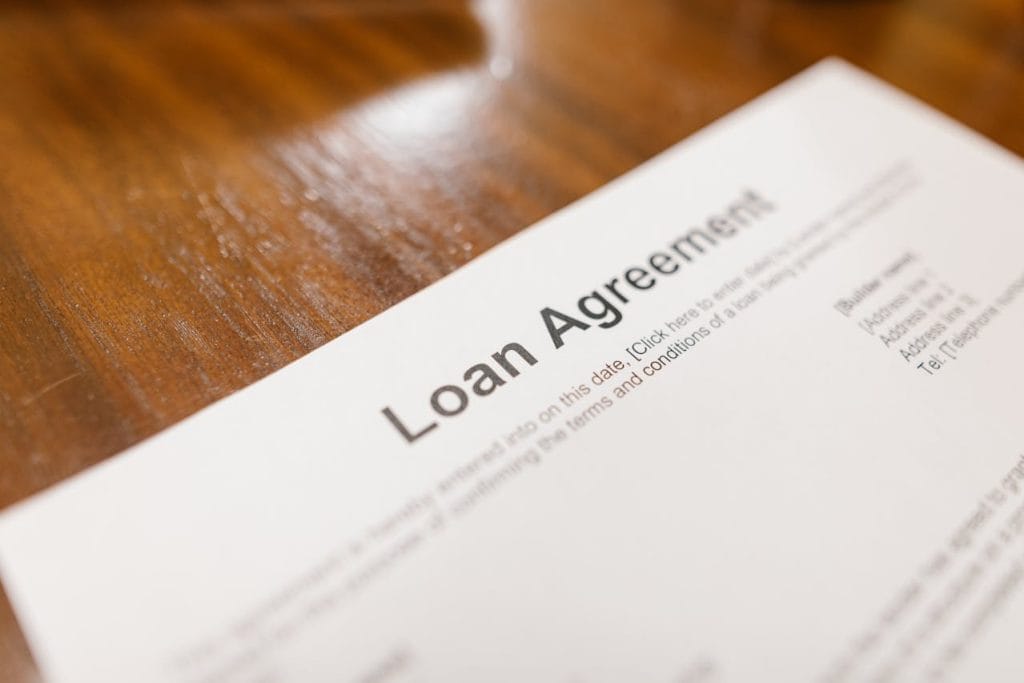
loan agreement

Image source: pexels.com

Taking out a loan can feel like a relief, whether you’re buying a car, paying for college, or covering emergency expenses. But many people skip over the loan fine print, eager to get funds quickly. That’s a risky move. The details buried in those pages can dramatically impact your finances. Ignoring the fine print might lead to unexpected fees, higher payments, or even legal trouble. Understanding what happens when you don’t read loan fine print can save you money, stress, and regret.

1. Hidden Fees and Costs

Loan agreements often include fees that aren’t obvious at first glance. If you don’t read the loan fine print, you might be surprised by origination fees, late payment penalties, or prepayment charges. These extra costs can add up quickly, making your loan more expensive than you planned. Some lenders even charge for things like paper statements or payment processing. Always check the fee schedule before you sign. It’s not just about the interest rate—you need to know the total cost of borrowing.

2. Changing Interest Rates

Many loans come with variable interest rates, but this detail is sometimes buried in the fine print. If you skip reading, you might think your rate is fixed, only to see your payments jump later. That can wreck your budget. When you don’t read the loan fine print, you might miss how and when your rate can change. Look for sections about rate adjustments, index rates, and how often your lender can revise the terms. Even a small increase in your rate can mean hundreds or thousands more over the life of the loan.

3. Unfavorable Repayment Terms

Repayment rules can be tricky. Some loans have short grace periods, while others require large balloon payments at the end. If you don’t read the loan fine print, you might not realize how soon you need to start paying or how much your payments will be. Missing these details can lead to late payments, penalties, or even default. Be clear about your repayment schedule, the amount due each month, and what happens if you pay late. Understanding these terms ahead of time gives you more control over your finances.

4. Tricky Clauses and Traps

Loan documents sometimes include clauses that protect the lender more than you. For example, there might be mandatory arbitration agreements, which limit your ability to sue if there’s a problem. Or there could be cross-default clauses, meaning if you default on one loan, you automatically default on others with the same lender. When you don’t read loan fine print, you may agree to terms you’d never accept if you understood them. Take the time to look for legal jargon, and don’t be afraid to ask for clarification before signing.

5. Credit Score Surprises

Your loan agreement may explain how your payments (or missed payments) are reported to credit bureaus. If you don’t read the loan fine print, you might not realize that even a single late payment could hurt your credit score. Some lenders report late payments after just a few days, while others give you a longer grace period. Understanding this can help you protect your credit and avoid long-term financial consequences. If you’re unsure, ask the lender how they report to credit agencies before you commit.

6. Prepayment Penalties

Paying off a loan early seems like a good thing, but not always. Some lenders charge prepayment penalties if you pay off your balance ahead of schedule. If you don’t read the loan fine print, you might end up paying extra just for being financially responsible. These penalties can eat into any interest savings you hoped to gain by paying off your loan faster. Always check if your loan has a prepayment penalty and how it’s calculated. This is especially important for mortgages and auto loans, where the amounts can be significant.

7. Loss of Collateral

Many loans are secured by collateral, such as your car or home. The fine print spells out what happens if you default. If you don’t read the loan fine print, you might not understand how quickly you could lose your property. Some contracts allow lenders to repossess assets after just one missed payment, with little warning. Protect yourself by knowing exactly what’s at risk and what your rights are if you fall behind.

8. Legal and Collection Risks

Loan agreements usually detail what happens if you break the contract. If you don’t read the loan fine print, you may not see clauses about collections, court costs, or wage garnishment. Some lenders move quickly to collect unpaid debts, hiring collection agencies or taking legal action. This can add major stress and cost to your life. Understanding these consequences before you sign helps you make informed choices and avoid future hassles.

How to Protect Yourself When Borrowing

It’s tempting to rush through paperwork, but reading the loan fine print is essential. Take your time, and don’t hesitate to ask questions if something isn’t clear. Get a copy of the agreement and review it at home, away from pressure. Consider consulting with a trusted advisor or a lawyer if the terms are complex.

Remember, lenders count on borrowers skipping the fine print. Knowing what happens when you don’t read loan fine print gives you the power to avoid surprises and protect your money.

Have you ever been caught off guard by a loan’s fine print? Share your experience or questions in the comments below!

What to Read Next…

  • The Benefits of Taking Personal Loans and Their Impact on Credit Scores
  • 9 Surprising Penalties for Paying Off Loans Too Early
  • 7 Hidden Fees That Aren’t Labeled as Fees at All
  • What Happens When You Co-Sign a Friend’s Loan by Accident
  • What Happens When Your Bank Changes the Terms Without Warning
Travis Campbell
Travis Campbell

Travis Campbell is a digital marketer/developer with over 10 years of experience and a writer for over 6 years. He holds a degree in E-commerce and likes to share life advice he’s learned over the years. Travis loves spending time on the golf course or at the gym when he’s not working.

Filed Under: Debt Management Tagged With: borrowing, credit, Debt, fine print, interest rates, loans, Personal Finance

6 Expenses That Quietly Multiply After Buying a Home

September 26, 2025 by Travis Campbell Leave a Comment

buying home

Image source: pexels.com

Buying a home is a major milestone and a huge financial commitment. While you probably budgeted for your mortgage, down payment, and maybe even property taxes, other expenses quietly multiply after buying a home. These costs can surprise even the most prepared buyers, making it harder to stick to your budget or save for the future. Knowing what to expect helps you avoid financial stress and keeps your homeownership journey on track. Let’s examine six expenses that often increase after you move into your new place.

1. Property Taxes

Property taxes are a recurring expense that tends to increase over time. When you first buy your home, you might estimate taxes based on the seller’s previous bills. However, after a sale, local governments often reassess the value of your property. This reassessment can result in a higher tax bill than you expected. Even if rates stay the same, rising property values in your area will likely push your taxes up year after year.

It’s important to check how your locality handles reassessments and budget for increases. Many homeowners discover that their property taxes increase gradually after purchasing a home, especially in rapidly growing neighborhoods or cities with regular rate hikes. If your mortgage payment includes an escrow for taxes, you might see your monthly bill increase, too.

2. Home Maintenance and Repairs

When you own a home, you can’t call the landlord when something breaks. Routine maintenance like HVAC servicing, gutter cleaning, and pest control all add up. Unexpected repairs—such as leaky roofs, broken appliances, or plumbing issues—often occur at the worst possible times.

Maintenance costs quietly accumulate after buying a home, as the older your house becomes, the more work it requires. Experts often recommend budgeting at least 1% of your home’s value each year for repairs and upkeep. If you bought a fixer-upper or an older property, that number could be much higher. Don’t forget about landscaping, which can become a significant annual cost, especially if you hire help.

3. Homeowners Insurance

Most lenders require you to carry homeowners insurance, but the initial quote you get isn’t always the final word. Premiums can rise every year, especially if you file a claim or if your area is prone to storms, fires, or other risks. Insurance companies may also increase rates due to inflation or changes in coverage requirements.

Optional coverages, such as flood or earthquake insurance, can further add to your costs. These extras may seem unnecessary at first, but as you settle in, you might realize you need more protection than you thought. Comparing rates each year and inquiring about discounts can be helpful, but it’s also smart to plan for potential premium increases over time.

4. Utility Bills

Utility bills are often higher for homeowners than renters. You might be heating and cooling a larger space, running more appliances, or watering a lawn. Older homes in particular may have poor insulation or outdated systems that guzzle energy and water. If you add features like a pool, hot tub, or extra refrigerator, expect your bills to jump even more.

Utility costs quietly multiply after buying a home because your usage patterns change, and utility rates can rise without warning. Investing in energy-efficient upgrades can help, but those improvements come with their own upfront costs. Tracking your usage and shopping for better rates where possible can keep your bills in check.

5. HOA Fees and Special Assessments

If your new home is in a community with a homeowner’s association (HOA), you’re on the hook for monthly or annual fees. These fees can increase with little notice as the HOA covers rising maintenance costs or upgrades to shared amenities. Sometimes, special assessments are levied for large projects, such as roof replacements or major landscaping.

HOA fees are one of those expenses that quietly multiply after buying a home. Even if the fees seem reasonable at first, make sure you understand the community’s financial health and history of special assessments. Read meeting notes and budgets to gain insight into what might be coming down the road.

6. Furnishings and Decor

Moving into a bigger space often means you need more furniture and decor. That empty guest room or extra living area won’t stay empty for long. Curtains, rugs, light fixtures, and wall art all add up quickly. Even if you plan to furnish slowly, sales and seasonal trends can tempt you to spend more than you anticipated.

These purchases often multiply after buying a home, as your tastes and needs evolve. Hosting holidays, having guests, or just wanting to make your space feel like home can drive ongoing spending. Setting a separate budget for furnishings can help you avoid overspending in the first year.

Staying Ahead of Multiplying Homeownership Expenses

It’s easy to focus on your mortgage payment and forget about the other expenses that quietly multiply after buying a home. But being aware of these hidden costs makes a big difference. Building a realistic budget that includes property taxes, maintenance, insurance, utilities, HOA fees, and furnishings will help you avoid surprises.

What home expenses have surprised you most after buying a home? Share your experience in the comments below!

What to Read Next…

  • How Homeowners Associations Are Targeting Retirees With Fines
  • 10 Items That Could Void Your Homeowners Insurance Instantly
  • 5 Emergency Repairs That Could Force You Into Debt Overnight
  • Are These 7 Little Expenses Quietly Costing You Thousands A Year?
  • 7 Hidden Fees That Aren’t Labeled As Fees At All
Travis Campbell
Travis Campbell

Travis Campbell is a digital marketer/developer with over 10 years of experience and a writer for over 6 years. He holds a degree in E-commerce and likes to share life advice he’s learned over the years. Travis loves spending time on the golf course or at the gym when he’s not working.

Filed Under: Home Hacks Tagged With: budgeting, hidden costs, HOA fees, homeownership, Insurance, property taxes, utilities

Why Do People Think Renting Furniture Is a Good Deal

September 26, 2025 by Travis Campbell Leave a Comment

furniture

Image source: pexels.com

Renting furniture has become a popular option for many people, particularly in cities where frequent moving and changing living spaces are common. The idea of renting instead of buying appeals to a wide range of individuals, from college students to professionals on short-term assignments. But is renting furniture a good deal, or does it just seem like one? Understanding the reasons behind the appeal can help you make smarter choices for your own home and budget. In this article, we’ll explore why people think renting furniture is a good deal, and what you should consider before making a decision.

1. Flexibility for Changing Lifestyles

One of the top reasons people think renting furniture is a good deal is flexibility. Life changes fast—new jobs, relationships, or moves to different cities can all mean different housing needs. Renting furniture lets you adapt quickly, without the hassle of selling or moving heavy items. If your lease is only for a few months, or you’re not sure how long you’ll stay in one place, renting can help you avoid long-term commitments.

This flexibility is especially valuable for students, military families, or anyone in a temporary living situation. Instead of investing in furniture that might not fit your next home, you can simply return what you don’t need when your circumstances change. For many, this peace of mind makes renting furniture a good deal.

2. Lower Upfront Costs

Buying quality furniture can be expensive. With renting, you don’t need to spend thousands of dollars at once. Instead, you pay a monthly fee that often includes delivery, setup, and even maintenance. For people who are just starting out or working with a tight budget, this can make furnishing a home feel more manageable.

Renting furniture is a good deal for those who want to avoid credit card debt or drain their savings on big-ticket items. It’s also a way to enjoy nicer furniture than you might be able to afford upfront. Of course, it’s important to compare the total cost over time, but for many, the lower initial outlay is a strong selling point.

3. No Hassle with Moving or Selling

Moving heavy furniture is never fun. It’s costly, time-consuming, and can lead to damage or loss. When you rent, the company typically delivers and picks up the furniture for you. That means less stress on moving day, and no need to hire movers or rent a truck.

Plus, if you’re moving across the country or internationally, selling your furniture can be a headache. You might have to accept low offers just to get rid of items before your move. Renting furniture sidesteps all of this. When your lease ends, the company takes everything back, saving you time and effort.

4. Access to Trendy and High-Quality Pieces

Many rental companies keep up with the latest styles and offer well-made, attractive pieces. For people who like to refresh their space or keep up with interior design trends, renting furniture is a good deal. You can swap out items as your tastes change or try out a new look without a big investment.

Some rental providers even offer designer brands or custom packages, giving you access to furniture that might otherwise be out of reach. For anyone who values style and wants their home to look put-together, renting can be an appealing option.

5. Maintenance and Repairs Included

Wear and tear happen, especially with kids or pets in the house. Most furniture rental agreements include maintenance or allow you to swap damaged items for new ones. This adds another layer of convenience and can save you unexpected repair costs.

If you own your furniture, you’re responsible for fixing or replacing anything that breaks. With renting, the company takes care of it. This service is part of what makes renting furniture a good deal for people who want a worry-free experience.

Things to Consider Before Renting Furniture

While there are clear benefits, renting furniture isn’t always the best long-term financial move. The monthly payments can add up quickly, and over a few years, you may end up paying more than if you’d bought the same pieces outright. It’s essential to calculate the total cost and compare it to the duration you anticipate needing the furniture.

You should also read the rental agreement carefully. Ensure you understand the terms, including the consequences of early contract termination or damage to property. Not all companies are the same; some offer better customer service or more flexible policies than others.

The bottom line? Renting furniture is a good deal for some, but not everyone. It makes sense for people who value flexibility, convenience, and style, or who need to furnish a place quickly for a short time. For long-term situations, buying may ultimately save money. Consider your needs, budget, and plans before making a decision.

Have you ever tried renting furniture? Did you think it was a good deal, or would you rather buy? Share your experiences in the comments below!

What to Read Next…

  • 9 Times It’s Smarter to Rent Than Buy Even Long Term
  • 10 Ways You’re Wasting Money Just Trying to Keep Up Appearances
  • Are These 8 Money Saving Tricks Actually Keeping You Broke
  • 7 Tactics Grocery Stores Use to Keep You From Thinking About Price
  • 6 Monthly Bills You Should Cancel Immediately Even If You Can Afford Them
Travis Campbell
Travis Campbell

Travis Campbell is a digital marketer/developer with over 10 years of experience and a writer for over 6 years. He holds a degree in E-commerce and likes to share life advice he’s learned over the years. Travis loves spending time on the golf course or at the gym when he’s not working.

Filed Under: Lifestyle Tagged With: cost comparison, financial decisions, furniture rental, home budgeting, moving tips, renting furniture

8 Shocking Costs of Ignoring Small Medical Bills

September 26, 2025 by Travis Campbell Leave a Comment

medical bills

Image source: pexels.com

Many people brush off small medical bills, assuming a $50 or $100 charge isn’t worth worrying about. But ignoring these expenses can quickly spiral into much larger problems. The healthcare system in the U.S. is complex, and even minor unpaid balances can trigger a cascade of financial headaches. While it’s tempting to put off payment or assume a bill will just “go away,” that’s rarely how things work out. In fact, the costs of ignoring small medical bills often go far beyond the original amount owed. Understanding these consequences can help you avoid unnecessary stress and protect your financial health.

1. Damage to Your Credit Score

One of the most significant consequences of ignoring small medical bills is the impact on your credit score. Even a minor unpaid balance can end up on your credit report if it goes to collections. Medical providers may wait a few months before sending unpaid bills to a collection agency, but once they do, the impact can be long-lasting. A single collections account can lower your credit score by dozens of points, making it harder to qualify for loans, credit cards, or even rental housing. Repairing your credit after a medical collections event can take years, and the negative mark may remain on your report for up to seven years.

2. Accumulating Late Fees and Interest

Small medical bills don’t just sit quietly when ignored. Many providers add late fees or interest to unpaid balances. These extra charges can quickly add up, sometimes doubling or tripling the original amount owed. What started as a manageable expense can balloon into a significant debt. The longer you wait, the more you’ll end up paying in the end—simply because you didn’t address the bill promptly.

3. Collection Agency Harassment

When you ignore small medical bills, there’s a strong chance they’ll be handed over to collection agencies. These agencies are persistent, often calling, emailing, or sending letters to demand payment. Repeated contacts can be stressful and disruptive, especially if they reach you at work or contact your family members. The stress of dealing with aggressive collectors is a high price to pay for avoiding a minor bill. In some cases, collectors may even threaten legal action if the debt remains unpaid.

4. Loss of Access to Healthcare Providers

If you ignore medical bills from your doctor, clinic, or hospital, you might find yourself unable to schedule future appointments. Many providers have policies that restrict access to patients with unpaid balances. This means you could be denied care or forced to pay the entire debt before receiving additional treatment. Ignoring small medical bills can ultimately put your health at risk if you’re unable to see your preferred healthcare professionals when you need them.

5. Legal Action and Court Judgments

It might sound extreme, but unpaid small medical bills can sometimes lead to lawsuits. If a provider or collection agency decides to pursue legal action, you could face court fees and, if you lose, a judgment against you. Court judgments can lead to wage garnishment or bank account levies, making the original bill seem trivial by comparison. Legal trouble is a major cost of ignoring small medical bills that few people anticipate.

6. Difficulty Obtaining Loans or Credit

Having unpaid medical bills on your credit report can significantly increase the difficulty of obtaining approval for loans, credit cards, or even a mortgage. Lenders see unpaid medical debt as a red flag, even if the original amount was small. You may be offered higher interest rates or denied credit altogether. The cost of higher borrowing rates over time can be substantial, far outweighing the original bill.

7. Increased Insurance Premiums

Some insurance companies check your credit report when setting premiums for auto, home, or even life insurance. If small medical bills have damaged your credit, you could face higher monthly premiums. Over time, these increased costs add up. Ignoring small medical bills can have a ripple effect, making everything from car insurance to renters’ insurance more expensive.

8. Emotional Stress and Anxiety

Financial stress is one of the most common sources of anxiety for Americans. Ignoring small medical bills doesn’t make them disappear—instead, it often leads to ongoing worry about debt collectors, legal action, or damaged credit. This emotional toll can affect your sleep, relationships, and even your physical health. Paying attention to small medical bills helps maintain peace of mind and prevents stress from escalating into more significant problems.

How to Handle Small Medical Bills Proactively

Small medical bills may seem insignificant at first, but as you’ve seen, the costs of ignoring small medical bills can be surprisingly high. The best approach is to address these bills as soon as you receive them. Review each bill carefully to ensure it’s accurate, and don’t hesitate to ask your provider or insurer for clarification if something looks off. If you can’t pay the full amount right away, ask about payment plans or financial assistance options. Many providers are willing to work with you—especially when you communicate early and honestly.

Staying on top of your medical expenses not only protects your credit and finances but also gives you peace of mind. Have you ever had a small medical bill turn into a big problem? Share your experiences in the comments below!

What to Read Next…

  • Can An Unpaid Medical Bill Really Lead To Property Seizure?
  • 5 Emergency Repairs That Could Force You Into Debt Overnight
  • 5 Things That Instantly Decrease Your Credit Score By 50 Points
  • 7 Financial Assumptions That Collapse After One Health Emergency
  • 10 Money Mistakes People Make After Losing A Spouse
Travis Campbell
Travis Campbell

Travis Campbell is a digital marketer/developer with over 10 years of experience and a writer for over 6 years. He holds a degree in E-commerce and likes to share life advice he’s learned over the years. Travis loves spending time on the golf course or at the gym when he’s not working.

Filed Under: Health & Wellness Tagged With: credit score, debt collection, Financial Health, insurance premiums, medical bills

Could Being Too Generous With Gifts Destroy Your Budget

September 26, 2025 by Travis Campbell Leave a Comment

gifts

Image source: pexels.com

Gift giving can be one of life’s greatest joys. It’s a way to show appreciation, celebrate milestones, and make memories with loved ones. But have you ever stopped to consider if your generosity is quietly undermining your financial stability? For many, the urge to give can spiral into overspending, especially around holidays or special occasions. If you find yourself stretching your wallet to make others happy, you’re not alone. Let’s explore how being too generous with gifts could destroy your budget, and what you can do to keep both your relationships and your finances healthy.

1. Emotional Spending Can Spiral Out of Control

It’s easy to get caught up in the excitement of picking out the perfect gift. Sometimes, the desire to make someone feel special overshadows your financial reality. When emotional spending takes over, you might buy gifts that are far more expensive than you can reasonably afford. This pattern can quickly put a dent in your monthly budget, especially if you’re not tracking your expenses closely.

Being too generous with gifts often means ignoring your budget boundaries. Before you know it, you’re dipping into savings or using credit cards to cover the difference. Over time, emotional spending habits can create a cycle of debt and regret, making it harder to meet your financial goals.

2. The Hidden Costs Add Up Fast

Buying gifts is rarely just about the price tag on the box. Wrapping paper, cards, shipping fees, and even the cost of attending events can sneak up on you. These hidden costs often go unnoticed, especially if you’re focused on the joy of giving. But when you add them up, you may be spending much more than you realize.

For those who are regularly generous with gifts, these extra expenses can eat away at your budget without warning. A $50 gift might actually cost $70 or more by the time you’ve wrapped and delivered it. If you’re giving gifts to several people, these costs multiply quickly, making it easy to lose track of your spending.

3. Social Pressure Can Lead to Overspending

It’s natural to want to keep up with friends and family, especially during the holidays. Sometimes, being too generous with gifts isn’t just about your own preferences—it’s about meeting expectations or avoiding disappointment. Social media can make this even harder, with people sharing extravagant presents and celebrations online.

Feeling pressured to match or exceed others’ generosity can push you to spend more than you planned. This is a common way budgets get derailed, especially if you’re not comfortable setting boundaries. Learning to say “no” or giving within your means is key to protecting your finances from social pressure.

4. Sacrificing Essentials for Generosity

When you prioritize gift giving over your essential expenses, you risk putting your financial security in jeopardy. Maybe you skip a bill payment or cut back on groceries so you can buy a nicer present. While your intentions are good, these sacrifices can create bigger problems down the road.

Being too generous with gifts shouldn’t mean neglecting your own needs. If you find yourself making trade-offs that affect your health, housing, or savings, it’s time to reassess. Generosity should never come at the expense of your own well-being.

5. The Debt Trap of Gift Giving

One of the most dangerous ways being too generous with gifts can destroy your budget is by leading you into debt. Using credit cards or loans to fund your generosity might feel manageable at first, but interest charges and minimum payments add up quickly.

Over time, this debt can become overwhelming, making it harder to recover. If you’re struggling with this, consider resources like Consumer Financial Protection Bureau tips on managing debt and budgeting. Remember, true generosity doesn’t require you to put your financial future at risk.

6. Long-Term Financial Goals Take a Backseat

Every dollar you spend on gifts is a dollar you can’t put toward your long-term goals. Whether you’re saving for a home, building an emergency fund, or planning for retirement, frequent overspending on gifts can slow your progress. In the moment, it’s easy to justify a splurge, but repeated over time, these decisions can seriously impact your financial trajectory.

Being too generous with gifts may seem harmless now, but it could mean postponing important milestones later. Balancing generosity with discipline is crucial for maintaining a budget on track and keeping your dreams within reach.

Healthy Generosity: Setting Boundaries and Sticking to Your Budget

Generosity is a beautiful quality, but like anything, it’s best in moderation. Being too generous with gifts can destroy your budget if you’re not careful. The key is to give thoughtfully and within your means. Set a realistic gift budget for the year and stick to it, even if it means scaling back or getting creative with your presents. Homemade gifts, shared experiences, or heartfelt notes can mean just as much as expensive items.

If you need help staying disciplined, there are plenty of apps and resources to help you track spending and set limits. Remember, your loved ones care more about your presence and well-being than the price of your gifts. By keeping your budget in check, you’re not just protecting your finances—you’re setting a healthy example for others.

How do you balance generosity with your budget? Share your experiences and tips in the comments below!

What to Read Next…

  • 7 Times Generosity Has Legal Consequences For Seniors
  • Are These 7 Little Expenses Quietly Costing You Thousands A Year?
  • Are These 6 Helpful Budget Tips Actually Ruining Your Finances?
  • 10 Signs You’re Living Above Your Means Without Realizing
  • 10 Ways You’re Wasting Money Just Trying To Keep Up Appearances
Travis Campbell
Travis Campbell

Travis Campbell is a digital marketer/developer with over 10 years of experience and a writer for over 6 years. He holds a degree in E-commerce and likes to share life advice he’s learned over the years. Travis loves spending time on the golf course or at the gym when he’s not working.

Filed Under: Budgeting Tagged With: budgeting, Debt, Financial Health, gift-giving, money management, overspending, Personal Finance

10 Financial Traps Hidden in Cell Phone Contracts

September 26, 2025 by Travis Campbell Leave a Comment

phone

Image source: pexels.com

Cell phone contracts are designed to look straightforward, but many people find themselves paying much more than expected. Hidden fees and confusing terms can sneak up on even the savviest consumers. Understanding the financial traps in cell phone contracts can help you avoid frustrating surprises and save money in the long run. Before you sign a new agreement, it’s important to know what to watch for. Let’s break down the most common financial traps hidden in cell phone contracts and how you can sidestep them. If you want to keep your monthly bills predictable and fair, this guide is for you.

1. Early Termination Fees

One of the most common financial traps in cell phone contracts is the early termination fee. These charges can be hefty, sometimes running into hundreds of dollars if you decide to cancel your contract before it ends. While some companies prorate these fees, others do not, leaving you with a significant bill if your needs change unexpectedly. Always check the fine print to see how much you’d owe if you need to leave your contract early.

2. Device Payment Plans

Device payment plans may seem like a convenient way to get the latest phone without paying up front. However, these plans often come with high interest rates or hidden fees buried in the contract. If you decide to switch carriers or cancel your service, you might be required to pay off the device balance in one lump sum. This can create financial stress if you’re not prepared. Always calculate the total cost of the device over the life of the plan before agreeing.

3. Data Overage Charges

Many cell phone contracts include a set amount of data each month. Exceeding your data limit can lead to expensive overage charges, sometimes doubling your bill. Some carriers automatically bump you up to a higher data tier if you go over, while others simply add steep fees. Be sure to understand exactly how your plan handles data usage so you can avoid this financial trap in cell phone contracts.

4. Automatic Contract Renewals

Some cell phone contracts renew automatically at the end of the term unless you actively cancel or renegotiate. This can lock you into another year or two of service, sometimes with new fees or less favorable terms. Set a calendar reminder to review your contract before it renews, so you have a chance to shop around or negotiate better terms.

5. Hidden Administrative Fees

Administrative fees, regulatory recovery fees, and other surcharges often appear on your monthly bill. While these fees are usually small, they add up quickly and are rarely advertised up front. Carriers often justify these charges as necessary for regulatory compliance, but in reality, they’re often just extra profit. Scrutinize your bill for recurring charges you don’t recognize and ask your provider to explain each one.

6. International Roaming Costs

Traveling abroad with your phone can result in unexpected charges. International roaming rates are notoriously high, and some contracts don’t make it clear what you’ll pay for calls, texts, or data outside your home country. Even a short trip can result in a bill that’s several times your usual monthly payment. Look for plans with international options or consider using a local SIM card when traveling.

7. Promotional Pricing That Expires

Carriers love to entice new customers with promotional rates, but these discounts often expire after a few months. When the deal ends, your monthly payment can jump dramatically. If you’re not prepared, this can be a nasty shock. Always find out how long promotional pricing lasts and what your bill will be when it ends. Don’t sign a cell phone contract unless you’re comfortable with the regular price.

8. Mandatory Add-Ons and Bundled Services

Some contracts require you to purchase add-ons or bundled services you may not need, like insurance, streaming subscriptions, or cloud storage. These extras can inflate your monthly bill and are often hard to remove later. If a contract includes mandatory add-ons, ask if you can opt out or choose your own services. Don’t pay for features you won’t use.

9. Credit Checks and Security Deposits

Signing a cell phone contract often requires a credit check. If your credit isn’t perfect, you might be asked to pay a security deposit. These deposits can be substantial and are sometimes difficult to get back, especially if you cancel early or if there’s a dispute over your final bill. If you’re concerned about your credit, look for prepaid or no-contract plans that don’t require a deposit.

10. Contract Changes Without Notice

Some providers reserve the right to change your contract terms, fees, or services with little or no notice. This can leave you stuck with higher costs or reduced features. Always read the section about contract modifications and ask your provider how changes will be communicated. If possible, choose a provider that offers a clear, written notice of any changes to your cell phone contract.

Smart Strategies for Navigating Cell Phone Contracts

Understanding the financial traps in cell phone contracts is the first step to protecting your wallet. Take the time to read every detail, ask questions, and compare offers from multiple providers. Don’t be afraid to walk away if a contract feels one-sided or confusing.

It’s also smart to check out the FTC’s advice about marketing and contract rules if you want to know your rights. By staying alert to these financial traps in cell phone contracts, you can avoid costly mistakes and keep your monthly expenses under control. What’s the biggest contract surprise you’ve ever faced? Share your experience in the comments below!

What to Read Next…

  • What Happens to Your Credit Score If Your Cell Provider Changes Ownership
  • 7 Hidden Fees That Aren’t Labeled as Fees at All
  • Are These 8 Money Saving Tricks Actually Keeping You Broke
  • 8 Everyday Services That Are Slowly Becoming Subscription Only
  • 7 Credit Card Features Disappearing Without Any Notice
Travis Campbell
Travis Campbell

Travis Campbell is a digital marketer/developer with over 10 years of experience and a writer for over 6 years. He holds a degree in E-commerce and likes to share life advice he’s learned over the years. Travis loves spending time on the golf course or at the gym when he’s not working.

Filed Under: Finance Tagged With: cell phone contracts, consumer advice, data overage, early termination, financial traps, Hidden Fees, mobile plans

Unaffordable Vacations: 4 Reasons Families Spend Thousands on Vacations They Can’t Afford

September 26, 2025 by Travis Campbell Leave a Comment

vacation

Image source: pexels.com

Each year, more families are booking expensive trips, even when their budgets can’t handle it. Unaffordable vacations are becoming a common issue, leaving many households with lingering debt long after the suitcases are unpacked. The urge to create memories and keep up with others is strong, but the financial impact can be lasting. Overspending on travel doesn’t just affect your wallet—it can also lead to stress and regret. Understanding why families spend thousands on vacations they can’t afford is the first step toward making better choices and avoiding unnecessary financial strain.

1. The Pressure to Keep Up with Others

Social media is full of vacation photos. Instagram and Facebook feeds are packed with beach sunsets, theme park smiles, and luxury hotel rooms. It’s easy to feel left out when everyone else seems to be traveling to exciting places. This pressure to keep up can push families to book unaffordable vacations just to feel included or maintain appearances.

Even if you know your finances are tight, seeing friends and family post about their trips can spark a fear of missing out. This fear can override practical thinking, making it easy to justify spending thousands on a getaway you can’t afford. The desire not to appear “less than” can be powerful, especially for parents who want their children to have similar experiences to those of their peers. Unfortunately, this cycle often leads to credit card debt and financial stress once the vacation is over.

2. Underestimating the Real Cost

Many families don’t realize how quickly vacation expenses add up. It’s easy to focus on the cost of flights or hotel rooms and forget about meals, transportation, entrance fees, souvenirs, and unexpected expenses. When you’re caught up in planning, small extras can seem harmless, but they can double or triple your original budget.

This underestimation is a key reason why unaffordable vacations happen. Families may start with a reasonable plan but end up overspending as they try to make the trip special. Even “all-inclusive” deals can come with hidden costs. Without a clear, realistic budget, it’s easy to swipe a credit card for each new expense, only to be surprised by the total bill later.

3. Belief That Vacations Are a “Necessary” Investment

There’s a common idea that family vacations are essential for happiness and well-being. Many parents feel that if they don’t take their kids on a big trip every year, they’re missing out on important family bonding. This belief can make unaffordable vacations seem not only justified but required, even when the financial reality says otherwise.

Of course, travel can be valuable, and new experiences are great for families. But the pressure to treat vacations as a non-negotiable investment can lead to spending thousands you don’t have. This mindset often overlooks low-cost ways to bond, such as local day trips or simple staycations. When vacations become a “must-have” rather than a “nice-to-have,” it’s easy to ignore your budget and take on debt for experiences you can’t afford.

4. Easy Credit and Flexible Payment Options

Credit cards and “buy now, pay later” plans make it simple to book trips you can’t afford upfront. Travel companies now offer payment plans for flights, hotels, and even theme park tickets. These options lower the barrier to entry, making unaffordable vacations feel within reach—at least in the moment.

The problem is, paying later often means paying more. Interest charges and fees can add hundreds of dollars to your trip. Many families underestimate how much debt they’re taking on or how long it will take to pay off. Easy credit can turn a dream vacation into a long-term financial burden. It’s tempting to think, “We’ll pay it off after the trip,” but unexpected expenses or emergencies can make repayment difficult.

How to Avoid the Trap of Unaffordable Vacations

Unaffordable vacations don’t have to be the norm. Being honest about your financial situation is the first step. Before booking, take the time to create a detailed budget that includes every possible expense. Resist the urge to compare your plans to others—remember, social media often only shows a partial view, especially the financial side. Focusing on what your family truly values can help you avoid overspending for the sake of appearances.

It’s also important to consider affordable alternatives. Local adventures, camping trips, or even a well-planned staycation can offer quality time together without breaking the bank. If a big trip is your goal, start a dedicated savings fund and wait until you can afford it comfortably. This approach not only helps you avoid debt but also makes the experience more enjoyable and stress-free. Unaffordable vacations may seem tempting, but with a little planning and honesty, you can create lasting memories without sacrificing your financial health.

Have you ever found yourself spending more than you planned on a family vacation? What strategies have helped you avoid unaffordable vacations? Share your thoughts in the comments below!

What to Read Next…

  • 10 Signs You’re Living Above Your Means Without Realizing
  • Are These 7 Little Expenses Quietly Costing You Thousands a Year?
  • 7 Tactics Grocery Stores Use to Keep You From Thinking About Price
  • Why Some People Feel Rich But Can’t Afford a $400 Emergency
  • Are These 6 Helpful Budget Tips Actually Ruining Your Finances?
Travis Campbell
Travis Campbell

Travis Campbell is a digital marketer/developer with over 10 years of experience and a writer for over 6 years. He holds a degree in E-commerce and likes to share life advice he’s learned over the years. Travis loves spending time on the golf course or at the gym when he’s not working.

Filed Under: Spending Habits Tagged With: credit cards, Debt, family finance, Personal Finance, social pressure, travel budget, vacation spending

7 Lesser-Known Ways Rich People Protect Their Money

September 26, 2025 by Travis Campbell Leave a Comment

wealth

Image source: pexels.com

Protecting wealth isn’t just about having lots of money—it’s about making smart choices to guard it against risks. While most people know about savings accounts, insurance, or even trusts, the truly wealthy often use lesser-known strategies for asset protection. These methods help them stay a step ahead of lawsuits, taxes, and unexpected financial storms. If you’re aiming to build or maintain significant wealth, understanding how rich people protect their money can give you practical ideas for your own finances. Let’s look at seven strategies that might surprise you, but are used every day by those with serious assets to protect.

1. Using Offshore Accounts (Legally)

One of the most common ways wealthy individuals protect their wealth is by utilizing offshore bank accounts. Contrary to popular belief, offshore accounts aren’t just for hiding assets. When used legally, they offer privacy, asset diversification, and protection from political or economic instability at home. Placing a portion of wealth in stable foreign banks can safeguard assets if things go south domestically. However, it’s crucial to comply with all tax laws and reporting requirements to avoid legal trouble. The goal here is to add an extra layer of security, not secrecy.

2. Creating Family Limited Partnerships

A Family Limited Partnership (FLP) enables wealthy families to consolidate their assets into a single entity. This makes it harder for creditors or lawsuits to reach individual assets. FLPs also offer a means to transfer wealth to future generations with fewer tax implications. Typically, parents act as general partners and retain control, while children or heirs are limited partners. This structure helps wealthy individuals protect their assets from outside claims and keeps them within the family. It’s a sophisticated tool that combines asset protection with estate planning.

3. Titling Assets Strategically

How you title your assets matters more than you might think. Wealthy individuals often title property and investments in ways that limit liability. For example, holding real estate in a Limited Liability Company (LLC) can shield personal assets from lawsuits related to that property. Some use joint ownership structures that provide extra legal protections, like tenancy by the entirety for married couples. This approach isn’t just for real estate—it can apply to investment accounts, vehicles, and more. Titling assets correctly is a simple but powerful way to protect your money.

4. Investing in Private Placement Life Insurance

Private Placement Life Insurance (PPLI) is a tool often overlooked by the general public but favored by the wealthy. PPLI allows high-net-worth individuals to invest in a wide range of assets within a life insurance policy. The main benefit? Tax-deferred growth and, in some cases, asset protection from creditors. Since the investments grow inside the policy, there’s potential for significant tax savings. Plus, in many states, the cash value of life insurance is shielded from lawsuits. While PPLI isn’t for everyone, it’s a creative way for wealthy individuals to protect their assets while planning for the future.

5. Taking Advantage of Domestic Asset Protection Trusts

Domestic Asset Protection Trusts (DAPTs) are legal entities that enable individuals to shield their assets from creditors, lawsuits, and, in some cases, even divorce. A DAPT is set up in certain states that have favorable laws, such as Nevada or Delaware. The trust can hold real estate, investments, or other valuable property. Once assets are transferred, they’re generally out of reach from future claims. Notably, the person setting up the trust can still benefit from the assets, making this an appealing option for the wealthy to protect their wealth without losing access to it. Setting up a DAPT requires expert legal help, but its benefits are significant.

6. Leveraging Captive Insurance Companies

Some wealthy individuals and business owners create their own insurance companies, known as captive insurance companies. This approach allows them to insure risks that commercial insurers might not cover—or do so at a better price. If claims are low, the captive insurance company keeps the profits, which can further grow the owner’s wealth. This strategy not only helps with risk management but can also offer tax advantages and improve cash flow. Setting up a captive requires careful planning and regulatory compliance, but it’s a unique way for wealthy individuals to protect their money from unexpected events.

7. Making Smart Use of Prenuptial Agreements

While not always a comfortable topic, prenuptial agreements are a practical tool for protecting wealth. Rich people often use prenups to define what happens to assets in case of divorce clearly. This prevents long, expensive legal battles and keeps wealth from being divided in ways that weren’t intended. A well-crafted prenup can cover business interests, real estate, investments, and future inheritances. It’s not just for celebrities—anyone with significant assets should consider how this simple legal document can help protect their money from personal risk.

Applying These Strategies to Your Own Wealth

Learning how rich people protect their money can open your eyes to options beyond basic savings and insurance. You don’t need a fortune to start thinking about asset protection. Some strategies, like proper titling or insurance, are accessible to most people. Others, such as offshore accounts or DAPTs, might require more wealth and professional guidance. The key is to understand the risks you face and to choose the right tools for your situation.

Start by reviewing your current financial setup and see where you can add layers of protection. Even small steps can make a big difference over time.

Which of these strategies surprised you most? Do you use any asset protection methods yourself? Share your thoughts in the comments below!

What to Read Next…

  • 8 Things Rich People Never Finance And You Shouldn’t Either
  • 7 Investment Loopholes That Can Be Closed Without Warning
  • Why So Many Investors Are Losing Assets In Plain Sight
  • What Are Banks Really Doing With Your Personal Spending Data?
  • 7 Financial Loopholes That Lenders Exploit Behind The Scenes
Travis Campbell
Travis Campbell

Travis Campbell is a digital marketer/developer with over 10 years of experience and a writer for over 6 years. He holds a degree in E-commerce and likes to share life advice he’s learned over the years. Travis loves spending time on the golf course or at the gym when he’s not working.

Filed Under: Wealth Building Tagged With: asset protection, Insurance, offshore accounts, Personal Finance, trusts, Wealth management

  • « Previous Page
  • 1
  • …
  • 47
  • 48
  • 49
  • 50
  • 51
  • …
  • 198
  • Next Page »

FOLLOW US

Search this site:

Recent Posts

  • Can My Savings Account Affect My Financial Aid? by Tamila McDonald
  • 12 Ways Gen X’s Views Clash with Millennials… by Tamila McDonald
  • What Advantages and Disadvantages Are There To… by Jacob Sensiba
  • Call 911: Go To the Emergency Room Immediately If… by Stephen Kanaval
  • 10 Tactics for Building an Emergency Fund from Scratch by Vanessa Bermudez
  • 7 Weird Things You Can Sell Online by Tamila McDonald
  • 10 Scary Facts About DriveTime by Tamila McDonald

Copyright © 2026 · News Pro Theme on Genesis Framework