• Home
  • About Us
  • Getting Finances Done
    • Hiring Advisors
    • Debt Management
    • Spending Plan
  • Insurance
    • Life Insurance
    • Health Insurance
    • Disability Insurance
    • Homeowners/Renters Insurance
  • Contact Us
  • Our Editorial Commitment

The Free Financial Advisor

You are here: Home / Archives for tax penalties

5 Years Without Filing: 8 Hidden Consequences That Make People Avoid the IRS

February 17, 2026 by Brandon Marcus Leave a Comment

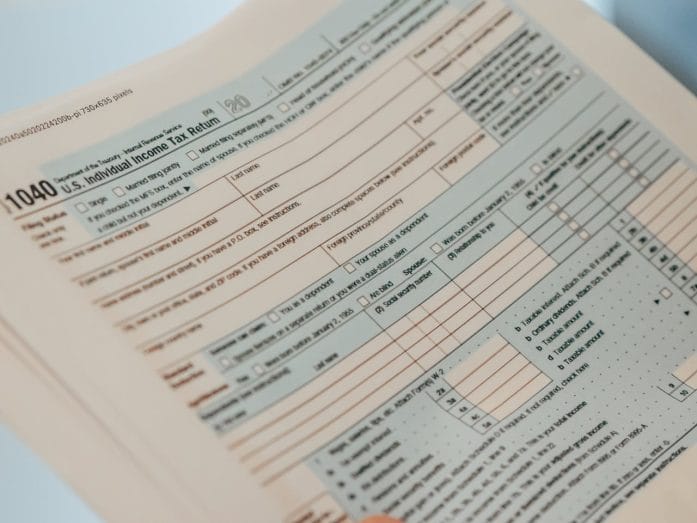
5 Years Without Filing: 8 Hidden Consequences That Make People Avoid the IRS
Image source: shutterstock.com

You can ignore a lot of problems and still sleep at night. Five years without filing a tax return does not belong on that list.

When someone skips one year, they usually call it a rough patch. When five years pile up, the situation turns into something much heavier. The balance grows, the consequences multiply, and the fear of opening mail can start to feel worse than the actual numbers on the page.

People avoid the IRS for all kinds of reasons, but the hidden consequences of not filing often create bigger headaches than the original tax bill ever could.

1. The Clock Never Stops: Penalties That Grow Faster Than You Think

When you fail to file a federal income tax return, the IRS immediately adds a failure-to-file penalty. Under current law, that penalty usually equals 5% of the unpaid tax for each month or part of a month that the return remains unfiled, up to a maximum of 25%. That number alone can sting, but it does not stop there.

If you also fail to pay what you owe, the IRS adds a separate failure-to-pay penalty. Interest compounds daily on both the unpaid tax and the penalties. Over five years, that combination can turn a manageable bill into a figure that feels overwhelming.

People often delay filing because they assume they cannot afford to pay. Filing on time, even without payment, limits the damage. You can request an installment agreement later, but you cannot undo years of accumulated penalties and interest. Filing stops the failure-to-file penalty clock, and that single action can save thousands of dollars.

2. Substitute for Return: When the IRS Files for You

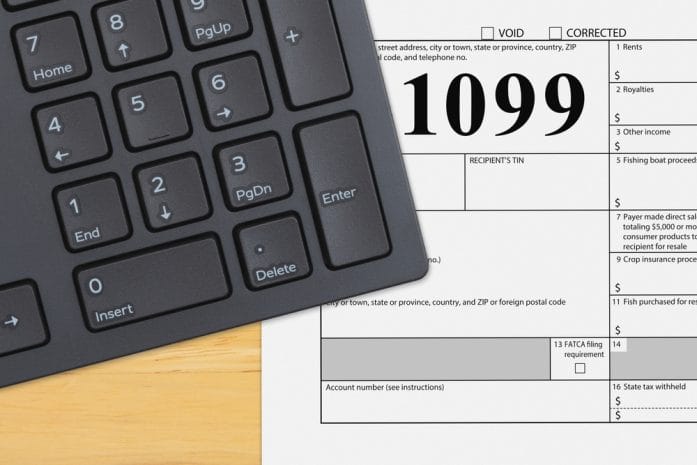
If you skip filing for long enough, the IRS does not simply shrug and move on. It can prepare what it calls a Substitute for Return, or SFR, based on income information from W-2s, 1099s, and other reports it receives from employers and financial institutions.

An SFR almost never works in your favor. The IRS calculates tax without considering deductions, credits, or filing statuses that might lower your bill. It typically treats you as single with no dependents, even if you qualify for more favorable treatment.

That IRS-created return becomes a legal assessment. Once assessed, the agency can begin collection actions. Filing your own accurate return can replace the SFR, but until you do, the IRS treats that higher bill as real and collectible. Waiting five years increases the chance that the IRS has already taken this step.

3. Refunds Expire, and They Do Not Wait Around

Some people skip filing because they assume they would owe money. Others skip filing because they expect a refund and feel no urgency. That approach carries its own risk.

Federal law gives you three years from the original due date of a return to claim a refund. After that window closes, you lose the money. The IRS does not hold it indefinitely, and it does not apply it to future years unless you file in time.

If you missed filing for five years and one or more of those years involved over-withholding, you may have already forfeited refunds from the earliest year. That loss surprises many taxpayers who thought ignoring taxes only affected those who owed. Filing protects not only against penalties but also against losing money that belongs to you.

4. Federal Tax Liens: When Debt Becomes Public

If you owe back taxes and ignore IRS notices, the agency can file a lien. That filing serves as a public claim against your property. It attaches to real estate, personal property, and financial assets.

A federal tax lien can damage your credit profile and complicate efforts to sell or refinance a home. Lenders may hesitate to extend credit when they see a government claim ahead of them in line. Business owners can also find themselves locked out of financing or contracts that require proof of tax compliance.

You can avoid this escalation by setting up a payment plan or resolving the debt before the IRS files the lien. Once it appears in public records, removing it requires full payment or meeting specific criteria for withdrawal. Five years without filing raises the odds that collection actions have already moved in this direction.

5. Levies and Garnishments: When the IRS Takes Action

A lien claims your property. A levy takes it.

If you continue to ignore the debt after assessment and notice, the IRS can levy bank accounts, garnish wages, and even seize certain assets. Before it does so, it must send a Final Notice of Intent to Levy and give you an opportunity to request a hearing. Many people miss that critical deadline because they stopped opening mail years earlier.

Wage garnishment can continue until you pay the debt or reach another resolution. The IRS calculates an exempt amount based on filing status and dependents, but it can still claim a significant portion of each paycheck. A bank levy can freeze funds in your account, often without warning beyond the mailed notice.

5 Years Without Filing: 8 Hidden Consequences That Make People Avoid the IRS
Image source: shutterstock.com

6. Passport Problems: A Consequence Few Expect

Tax debt can travel with you, even when you try to leave the country.

Under federal law, the IRS can certify “seriously delinquent tax debt” to the U.S. Department of State. Once certified, the State Department can deny a new passport application or even revoke an existing passport. As of recent thresholds, seriously delinquent tax debt generally means unpaid, legally enforceable federal tax debt above a specific inflation-adjusted amount, excluding certain arrangements like installment agreements.

If you rely on international travel for work or family reasons, this consequence can disrupt plans in a dramatic way. The IRS removes the certification once you resolve the debt or enter into an approved payment arrangement, but that process takes time

7. Lost Access to Payment Plans and Relief Options

The IRS offers several relief programs, including installment agreements and, in limited circumstances, an Offer in Compromise. These programs require compliance. That means you must file all required returns before the IRS will consider your request.

If you have not filed for five years, you cannot negotiate from a position of strength. The IRS expects current compliance before it discusses reduced payments or settlements. Filing those missing returns often serves as the first step toward any resolution.

8. Criminal Risk: Rare, But Real

Most tax cases remain civil matters, and the IRS focuses heavily on collection rather than prosecution. Still, willful failure to file can carry criminal consequences under federal law. The government must prove intent, which raises the bar, but long-term, deliberate non-filing can attract scrutiny.

The IRS generally prioritizes cases involving large amounts of unpaid tax, repeated noncompliance, or additional misconduct such as fraud. Even so, five consecutive years without filing creates a pattern that could raise red flags.

You reduce that risk significantly by filing voluntarily before the IRS initiates contact. Voluntary compliance sends a clear signal that you want to correct the problem rather than evade it. Waiting for enforcement invites more serious attention.

Facing the Numbers Beats Fearing the Envelope

Five years without filing can feel like standing at the bottom of a mountain and refusing to look up. The longer you wait, the taller it seems.

Start by gathering income documents for each missing year. Request transcripts from the IRS if you lack records. File the returns, even if you cannot pay in full. Then explore payment options such as an installment agreement that fits your budget.

Ignoring the IRS does not protect your wallet or your peace of mind. Taking control, even in small steps, changes the trajectory of the entire situation.

If five unfiled years sit in your past, what step could you take this week to finally clear the air? Share about it in our comments below.

You May Also Like…

5 Reasons To Talk To Your Kids About Taxes

The IRS Timing Rule That Can Push Income Into a Different Tax Year

IRS 1099-K Rules in 2026: Who Must Report Payments This Year

Florida Homeowners See First Rate Decrease in 10 Years — Citizens Property Insurance Dropping Premiums 2.6%

9 Financial Dangers of Ignoring Property Taxes

Brandon Marcus
Brandon Marcus

Brandon Marcus is a writer who has been sharing the written word since a very young age. His interests include sports, history, pop culture, and so much more. When he isn’t writing, he spends his time jogging, drinking coffee, or attempting to read a long book he may never complete.

Filed Under: tax tips Tagged With: back taxes, installment agreement, IRS, IRS enforcement, passport denial, Planning, tax compliance, tax debt, tax levies, tax liens, tax penalties, wage garnishment

Are You Unknowingly Triggering Tax Penalties With December Transactions?

December 23, 2025 by Brandon Marcus Leave a Comment

Are You Unknowingly Triggering Tax Penalties With December Transactions?
Image Source: Shutterstock.com

The final month of the year isn’t just about tinsel, twinkling lights, and holiday cheer. It’s also a financial minefield where one seemingly innocent transaction could spark unexpected tax penalties. From last-minute stock moves to charitable contributions, December is the season when timing is everything—and sometimes, even a day can make the difference between a deduction and a deduction disaster. The stress of year-end planning can leave even the savviest taxpayer vulnerable to costly mistakes.

If you’ve ever wondered whether your December dealings could be silently sabotaging your tax return, buckle up—this guide is your year-end financial survival kit.

Understanding December Transaction Timing And Its Tax Impact

The clock matters more than you think when it comes to year-end finances. Any deposit, withdrawal, or purchase in December could count against your 2025 tax year, even if you don’t realize it. The IRS doesn’t care if you made a transaction in the heat of holiday madness—it sees only the date. For example, selling investments on December 31st could trigger capital gains taxes you weren’t expecting. Small miscalculations in timing could also affect deductions, retirement contributions, and tax credits, leaving you with a bigger bill than you anticipated.

Retirement Contributions Can Be Tricky

Many people assume they have until April 15th to make contributions to IRAs, but there’s a catch. Employer-sponsored 401(k) contributions, for example, are only counted in the year they are deducted from your paycheck. Contributing too late or misreporting contributions can result in penalties or even disqualification of the account’s tax-advantaged status.

December is often the last opportunity to make significant contributions that reduce taxable income for the year. Understanding the difference between pre-tax and Roth contributions is crucial, as each has unique tax implications.

Beware Of Last-Minute Charitable Deductions

Generosity can backfire when it comes to year-end tax planning. The IRS requires that donations be completed by December 31st to count for the current tax year, and even a small delay can disqualify your deduction. Cash donations must clear your bank by year-end, while mailed checks must be postmarked by December 31st. Non-cash contributions, like clothing or vehicles, have their own valuation and documentation requirements that can trip up the unwary. Without proper record-keeping, you could miss out on deductions or even face questions from the IRS.

Are You Unknowingly Triggering Tax Penalties With December Transactions?
Image Source: Shutterstock.com

Investment Sales And Capital Gains Surprises

Year-end can be a perfect time to rebalance your investment portfolio, but it’s also a time to tread carefully. Selling appreciated assets can trigger capital gains taxes that eat into your profits if you’re not strategic. Loss-harvesting strategies can offset gains, but only if executed before the end of the year. Even small miscalculations in gains, losses, or the timing of sales can have a surprisingly large impact on your tax bill. Consulting a financial professional before executing trades in December is often worth every penny.

Avoiding Penalties With Flexible Spending Accounts

Flexible Spending Accounts (FSAs) often have “use-it-or-lose-it” rules, making December a frantic rush for eligible medical and dependent care purchases. Failing to spend the balance before the deadline means forfeiting the money you’ve contributed. Some plans allow short grace periods, but those rules vary, so timing is critical. Making last-minute purchases without checking what qualifies could result in lost funds and potential tax complications. Planning ahead and tracking deadlines ensures you maximize your benefits without unwanted penalties.

Real Estate And Mortgage Moves Can Be Tax-Sensitive

Closing on property or making mortgage payments in December might seem like a simple financial move, but timing matters for deductions. Interest payments and property taxes are deductible only in the year they’re actually paid. A December payment could bump a deduction into the current tax year—or a late January payment could push it to the next year, affecting your overall tax strategy.

Misunderstanding these timing rules can inadvertently increase your taxable income. Consulting with a tax advisor before making large real estate transactions ensures you’re maximizing benefits and minimizing risks.

Avoiding Common Payroll Mistakes

Year-end bonuses and deferred compensation can be delightful—or disastrous—if mishandled. Employers must report income accurately, and errors in timing can trigger additional withholding or penalties. Employees often assume that receiving a bonus in December means it applies to that year’s taxes, but payroll processing timing can complicate matters.

Retirement plan deferrals must also be carefully calculated to avoid exceeding annual limits. Double-checking payroll documentation before the end of the year prevents unnecessary headaches come tax season.

Understanding State-Specific Rules

State taxes often have quirks that differ from federal regulations, making December transactions a minefield. Some states require contributions or payments to be postmarked or processed by a specific date to count for the year. Ignoring state deadlines can result in penalties even if you’re compliant with federal rules. Sales taxes, local property taxes, and income-specific deductions may have unique timing requirements. Being aware of these details ensures you’re not caught off guard with an unexpected state tax bill.

The Role Of Professional Guidance

Tax professionals and financial advisors can be invaluable for year-end planning. They understand the nuances of timing, contributions, deductions, and transactions that can trigger penalties. Attempting to navigate December transactions alone can be risky, especially when multiple accounts, investments, and deadlines intersect. Even a single misstep can negate careful planning and create costly consequences. Investing in professional guidance often pays for itself through avoided penalties and optimized returns.

Your December Action Plan

Navigating December transactions isn’t just about getting your finances in order—it’s about avoiding sneaky penalties that could cost you hundreds or even thousands of dollars. Timing is critical across investments, charitable giving, retirement contributions, and more. Staying organized, reviewing deadlines, and consulting professionals are your best defenses against unintentional missteps.

Have you ever had a December transaction backfire on your taxes, or discovered a timing mistake too late? Let us know your thoughts or experiences in the comments section.

You May Also Like…

Savings Sprint: 9 Ways to Catch Up on Retirement Savings Before December Ends

Could Your Current Portfolio Survive A Sudden December Correction?

The 401(k) Withdrawal Mistake That Triggers Massive Tax Penalties

Can Your Taxes Be Cut In Half By You Simply Incorporating Your Name?

Savings Game: 5 Ways to Boost Your Emergency Fund Before December Ends


Brandon Marcus
Brandon Marcus

Brandon Marcus is a writer who has been sharing the written word since a very young age. His interests include sports, history, pop culture, and so much more. When he isn’t writing, he spends his time jogging, drinking coffee, or attempting to read a long book he may never complete.

Filed Under: tax tips Tagged With: avoiding tax penalties, charitable deductions, December, December transactions, end of year, invest, investing, Investment, investors, Retirement, retirement contributions, Tax, tax penalties, taxes, winter

5 IRS Rules Many 50-Somethings Ignore Until It’s Too Late

October 22, 2025 by Travis Campbell Leave a Comment

IRS
Image source: pexels.com

Turning 50 is a milestone that brings new opportunities—and new responsibilities. For many, this stage in life means thinking more seriously about retirement savings, taxes, and future financial security. The IRS has set up rules and opportunities specifically for people in their 50s, but too often these are ignored until it’s too late to benefit. Overlooking important IRS rules can lead to missed savings, tax penalties, or unnecessary stress. By paying attention to these regulations now, you can make smarter decisions about your money and avoid costly surprises down the road. Understanding these IRS rules for 50-somethings can help you make the most of your peak earning years and prepare for the retirement you want.

1. Catch-Up Contributions for Retirement Accounts

Once you turn 50, the IRS allows you to make “catch-up” contributions to certain retirement accounts. This means you can contribute more than younger workers to your 401(k), 403(b), or IRA. For example, in 2024, the catch-up limit for 401(k)s is $7,500, on top of the standard $23,000 contribution. For IRAs, you can add an extra $1,000. Many people in their 50s don’t realize this rule exists, or they forget to adjust their contributions accordingly. If you’re behind on retirement savings, catch-up contributions can make a big difference over the next decade. Ignoring this IRS rule for 50-somethings could mean missing out on thousands in tax-advantaged growth.

2. Required Minimum Distributions Are Closer Than You Think

Required Minimum Distributions (RMDs) are mandatory withdrawals that start at age 73 for most retirement accounts, including traditional IRAs and 401(k)s. While you might still be years away, failing to plan ahead can cause problems. Many 50-somethings ignore this IRS rule, thinking it’s a problem for their “future self.” But RMDs can affect your tax bill, Medicare premiums, and even eligibility for certain benefits. If you don’t take the right amount out each year once RMDs begin, the penalty is steep—50% of the amount you should have withdrawn. Start planning for RMDs now by reviewing your account balances and considering how distributions will fit into your overall retirement income strategy.

3. Early Withdrawal Penalties and Exceptions

It’s tempting to dip into retirement savings early for emergencies, but the IRS generally imposes a 10% penalty if you withdraw from an IRA or 401(k) before age 59½. However, there are exceptions to this rule, especially for people in their 50s. For example, if you leave your job in the year you turn 55 or later, you can take penalty-free withdrawals from your 401(k). Many ignore this IRS rule for 50-somethings, either paying unnecessary penalties or missing out on penalty-free options. Knowing the exceptions can help you make informed choices if you need access to your savings before retirement.

4. Health Savings Account (HSA) Contribution Limits Rise After 55

If you have a high-deductible health plan, you’re probably familiar with Health Savings Accounts (HSAs). What many don’t realize is that the IRS allows an extra $1,000 “catch-up” contribution once you turn 55. This is in addition to the standard annual limit. HSAs offer triple tax advantages: contributions are tax-deductible, growth is tax-free, and withdrawals for qualified medical expenses are also tax-free. If you’re not maxing out your HSA, especially after age 55, you’re leaving valuable tax benefits on the table. This IRS rule for 50-somethings is often overlooked, but it can be a powerful way to save for healthcare costs in retirement.

5. Roth IRA Income Limits and Backdoor Options

Roth IRAs are attractive because withdrawals in retirement are tax-free. However, the IRS sets income limits for direct Roth IRA contributions. For 2024, if your modified adjusted gross income exceeds $161,000 (single) or $240,000 (married filing jointly), you can’t contribute directly. Many 50-somethings don’t realize they’re over the limit until tax time. There is a workaround known as the “backdoor Roth IRA,” which involves making a nondeductible contribution to a traditional IRA and then converting it to a Roth. This strategy comes with its own rules and tax implications, so it’s wise to consult a professional or reference reliable resources like the IRS’s official Roth IRA page. Don’t ignore these IRS rules for 50-somethings if you’re hoping to build more tax-free retirement income.

How to Make the Most of IRS Rules in Your 50s

Your 50s are a critical decade for financial planning. Paying attention to IRS rules for 50-somethings can help you boost savings, reduce taxes, and avoid costly mistakes. Start by reviewing your retirement accounts, updating your contributions, and learning about deadlines and limits that apply to you. Don’t wait until you’re on the doorstep of retirement to address these rules—small changes now can lead to significant rewards later.

Take the time to educate yourself and reach out for help if you need it. Your future self will thank you for not ignoring these important IRS rules for 50-somethings.

Which IRS rule surprised you the most? Share your thoughts or questions in the comments below!

What to Read Next…

  • 5 Account Transfers That Unexpectedly Trigger IRS Penalties
  • What Tax Preparers Aren’t Warning Pre-Retirees About in 2025
  • 9 Mistakes That Turned Wealth Transfers Into IRS Nightmares
  • 7 IRS Style Threat Scams Still Confusing Homeowners This Year
  • 7 Tax Breaks That Sound Generous But Cost You Later
Travis Campbell
Travis Campbell

Travis Campbell is a digital marketer/developer with over 10 years of experience and a writer for over 6 years. He holds a degree in E-commerce and likes to share life advice he’s learned over the years. Travis loves spending time on the golf course or at the gym when he’s not working.

Filed Under: Retirement Tagged With: 50-somethings, catch-up contributions, IRS rules, retirement planning, RMDs, Roth IRA, tax penalties

The 401(k) Withdrawal Mistake That Triggers Massive Tax Penalties

October 12, 2025 by Catherine Reed Leave a Comment

The 401(k) Withdrawal Mistake That Triggers Massive Tax Penalties
Image source: shutterstock.com

It’s tempting to view your 401(k) as a financial safety net during tough times, but tapping into it too early can turn into a costly regret. Many Americans make a 401(k) withdrawal mistake without realizing how severe the tax consequences can be until it’s too late. Between early withdrawal penalties, higher taxable income, and potential loss of future growth, a single decision can set back years of retirement progress. Understanding what triggers those massive penalties—and how to avoid them—can help you protect your long-term financial security.

1. Why Timing Matters So Much with 401(k) Withdrawals

Your retirement account is designed for the long haul, not short-term cash flow. The IRS enforces strict rules on when and how you can withdraw funds without penalty. Generally, taking money out before age 59½ triggers a 10% early withdrawal penalty on top of regular income taxes. That means if you withdraw $20,000, you could lose $2,000 instantly in penalties, plus several thousand more in taxes. Avoiding this 401(k) withdrawal mistake begins with understanding the timing and purpose of your withdrawals.

2. The Hidden Tax Trap Behind Early Withdrawals

Even if you accept the 10% penalty as the “cost of access,” the real hit comes from how 401(k) withdrawals are taxed. Every dollar you pull out is treated as ordinary income, which can push you into a higher tax bracket. Many people make the 401(k) withdrawal mistake of assuming they’ll owe only the penalty, then face surprise tax bills the following spring. That combination of penalties and taxes can easily wipe out 30% or more of the withdrawn amount. Planning ahead for taxes—or better yet, avoiding early withdrawals altogether—can save thousands.

3. Exceptions That Don’t Always Protect You

There are limited exceptions to avoid the early withdrawal penalty—such as disability, certain medical expenses, or a court-ordered withdrawal in a divorce. However, even these situations can trigger partial taxation if not handled correctly. One common 401(k) withdrawal mistake is misunderstanding the difference between penalty-free and tax-free. Just because you avoid the penalty doesn’t mean you escape income tax. Always verify with a tax professional before assuming an exception applies, because one error in documentation can undo the entire exemption.

4. Loans: A Safer Alternative That Still Carries Risk

Some 401(k) plans allow participants to borrow from their accounts instead of withdrawing funds outright. This can be a way to access cash without committing the classic 401(k) withdrawal mistake—but it’s not without danger. If you leave your job before the loan is fully repaid, the remaining balance may be treated as a withdrawal, triggering both taxes and penalties. Plus, while you’re repaying yourself with interest, your investment growth stalls. A 401(k) loan should be treated as a last resort, not a convenience.

5. Rolling Over Funds Incorrectly Can Also Cost You

Another common 401(k) withdrawal mistake occurs when people switch jobs and mishandle their rollover. If you take a distribution check and fail to deposit it into another qualified retirement account within 60 days, the IRS treats it as a withdrawal. You’ll owe taxes and possibly the 10% penalty, even if your intention was just to move the money. A direct rollover—where funds go straight from one custodian to another—avoids that risk entirely. Always double-check rollover procedures before touching your retirement funds.

6. How Early Withdrawals Can Derail Long-Term Goals

Beyond immediate taxes and penalties, early withdrawals can quietly sabotage your future wealth. Every dollar you remove today loses decades of potential compound growth. For example, taking $15,000 out of your account at age 35 could cost over $100,000 in lost earnings by retirement. That’s the true cost of the 401(k) withdrawal mistake—it doesn’t just hurt today’s balance, it robs your future. Protecting your retirement means treating that account as untouchable except in absolute emergencies.

7. Smarter Alternatives to Withdrawing from Your 401(k)

Before committing to a withdrawal, explore other financial solutions. Refinancing debt, taking a home equity line of credit, or even using a low-interest personal loan can be far less damaging in the long run. You can also review your budget for temporary cutbacks or negotiate payment plans with creditors. If you qualify for a Roth IRA, those contributions (not earnings) can be withdrawn tax-free without penalties, offering a safer emergency option. Thinking creatively before making a 401(k) withdrawal mistake can preserve your retirement stability.

Guarding Your Retirement from Costly Decisions

Avoiding a 401(k) withdrawal mistake isn’t just about following IRS rules—it’s about protecting the life you want after you stop working. A single early withdrawal can set you back years, both financially and emotionally, as you watch compound growth slip away. Before touching your retirement funds, always explore every other alternative and consult a qualified financial advisor. The short-term relief rarely outweighs the long-term damage. Your 401(k) was built for your future—make sure it stays that way.

Have you ever considered taking money out of your 401(k)? What alternatives did you explore first? Share your experience and insights in the comments below!

What to Read Next…

  • Act Now to Maximize Your Tax Deductions Before the Annual Deadline
  • 401k Fees Seem Excessive—Are You Getting Ripped Off?
  • Could Ignoring Tax Penalties Cost You More Than Debt
  • What Happens When You Leave Old 401(k)s Behind at Former Jobs
  • What Happens When You Rely Too Much on Tax Refunds
Catherine Reed
Catherine Reed

Catherine is a tech-savvy writer who has focused on the personal finance space for more than eight years. She has a Bachelor’s in Information Technology and enjoys showcasing how tech can simplify everyday personal finance tasks like budgeting, spending tracking, and planning for the future. Additionally, she’s explored the ins and outs of the world of side hustles and loves to share what she’s learned along the way. When she’s not working, you can find her relaxing at home in the Pacific Northwest with her two cats or enjoying a cup of coffee at her neighborhood cafe.

Filed Under: Tax Planning Tagged With: 401(k) withdrawal mistake, early withdrawal, financial advice, Personal Finance, retirement planning, saving for retirement, tax penalties

Could Ignoring Tax Penalties Cost You More Than Debt

September 27, 2025 by Catherine Reed Leave a Comment

Could Ignoring Tax Penalties Cost You More Than Debt
Image source: 123rf.com

When people think about financial struggles, debt usually takes center stage. Credit cards, loans, and overdue bills are easy to recognize as problems, but tax penalties are often overlooked. The reality is that ignoring tax penalties can snowball into bigger financial consequences than many forms of debt. From draining your paycheck to adding stress during tax season, these charges hit harder than most expect. Here are several reasons why underestimating tax penalties can lead to even more serious setbacks than traditional debt.

1. Tax Penalties Accumulate Faster Than Interest

Unlike credit card debt, which has a fixed interest rate, tax penalties can accumulate at an alarming pace. The IRS imposes both failure-to-file and failure-to-pay penalties, and they often apply simultaneously. This means you can be hit with multiple charges on the same tax bill, causing the balance to balloon quickly. In some cases, the penalties grow faster than credit card interest, making them harder to escape. That’s why taking care of tax penalties promptly is crucial for keeping financial stress under control.

2. They Can Trigger Wage Garnishment

Credit card companies and lenders usually need court approval to garnish your wages. The IRS, on the other hand, has the authority to act much faster when it comes to unpaid tax penalties. If left unresolved, they can seize a portion of your paycheck or even levy your bank account. This aggressive collection tactic can destabilize your monthly budget and make it difficult to cover daily expenses. Ignoring tax penalties not only adds financial pressure but also reduces your control over your income.

3. Tax Penalties Put Assets at Risk

While debt collectors can threaten lawsuits, tax agencies can place liens directly on your property. When tax penalties remain unpaid, the IRS may claim rights to your home, car, or other valuable assets. These liens not only create immediate problems but also damage your credit score for years to come. Unlike other forms of debt, this level of authority makes tax penalties uniquely damaging. Protecting your property means dealing with these obligations before they spiral out of control.

4. These Penalties Complicate Loan Applications

Having regular debt is one thing, but carrying unresolved tax penalties is another issue entirely. Lenders view outstanding tax obligations as a major red flag when reviewing applications for mortgages, auto loans, or even business credit. This can make borrowing money for important milestones far more difficult. Even if you are approved, interest rates might be higher to offset the perceived risk. Tax penalties not only cost money today but also limit future financial opportunities.

5. They Don’t Go Away Easily

Most debts can be negotiated, consolidated, or even discharged in bankruptcy. Tax penalties, however, rarely qualify for these types of relief. The IRS has long-term collection power, and outstanding amounts can linger for decades until fully resolved. This means ignoring tax penalties doesn’t just delay the problem; it extends the financial burden indefinitely. Addressing them directly is often the only way to regain peace of mind.

6. Tax Penalties Affect Business Owners More Severely

For individuals running a business, tax penalties can be even more damaging. Unpaid payroll taxes, for example, carry stiff penalties that can cripple operations. The IRS may hold business owners personally liable, even if the company itself is struggling. This means your personal assets could be at stake along with your professional reputation. Entrepreneurs who ignore tax penalties risk more than just money—they risk the survival of their entire business.

7. These Penalties Create Long-Term Stress

Carrying traditional debt is stressful, but tax penalties add a unique layer of anxiety. The threat of audits, liens, garnishments, and legal action looms constantly until the balance is resolved. This ongoing pressure can spill over into other areas of life, affecting relationships and overall well-being. Unlike regular bills, there’s no ignoring the IRS once they begin enforcement actions. Tackling tax penalties quickly can lift an enormous emotional weight off your shoulders.

Taking Tax Penalties Seriously Saves You Later

Debt may feel like the bigger monster, but tax penalties often cut deeper, faster, and longer than other financial problems. They affect your paycheck, your property, and even your peace of mind. By addressing them as soon as possible, you protect your finances from long-term damage and avoid falling into a cycle that’s hard to escape. Treating these penalties with urgency ensures you stay in control of your money and your future.

Have you ever been surprised by the high cost of tax penalties? Share your story and insights in the comments below!

What to Read Next…

  • What Happens When Small Business Owners Skip Taxes
  • 9 Lesser-Known Costs of Owning Investment Property
  • What Happens When You Save Too Much in the Wrong Accounts
  • 8 Shocking Costs of Delaying Retirement
  • 5 Dangerous Myths About Owning a Home
Catherine Reed
Catherine Reed

Catherine is a tech-savvy writer who has focused on the personal finance space for more than eight years. She has a Bachelor’s in Information Technology and enjoys showcasing how tech can simplify everyday personal finance tasks like budgeting, spending tracking, and planning for the future. Additionally, she’s explored the ins and outs of the world of side hustles and loves to share what she’s learned along the way. When she’s not working, you can find her relaxing at home in the Pacific Northwest with her two cats or enjoying a cup of coffee at her neighborhood cafe.

Filed Under: Tax Planning Tagged With: Debt Management, IRS, money tips, Personal Finance, Planning, tax penalties, taxes

What Happens When Small Business Owners Skip Taxes

September 19, 2025 by Catherine Reed Leave a Comment

What Happens When Small Business Owners Skip Taxes
Image source: 123rf.com

Running a small business is challenging enough without adding tax trouble into the mix. Yet every year, some entrepreneurs try to cut corners by ignoring or underreporting what they owe. At first, it may feel like a way to save cash, but the long-term consequences are rarely worth it. When small business owners skip taxes, they expose themselves to penalties, stress, and even the risk of losing their business. Understanding these consequences helps entrepreneurs avoid costly mistakes and stay on the right side of the law.

1. Penalties Pile Up Quickly

One of the first consequences small business owners face when they skip taxes is a stack of penalties. The IRS charges fees for late filing, late payment, and underpayment of estimated taxes. These penalties compound quickly, turning what seemed like a small oversight into a large financial burden. The longer the taxes go unpaid, the higher the costs climb. For many businesses, penalties alone can eat into profit margins and make recovery difficult.

2. Interest on Unpaid Balances

In addition to penalties, the IRS charges interest on unpaid taxes. This interest accrues daily until the balance is paid in full. Even if a business eventually catches up, the extra costs can drain cash flow and disrupt operations. Small business owners who skip taxes often underestimate how fast interest can grow. What started as a short-term attempt to save money quickly becomes an expensive mistake.

3. Risk of an IRS Audit

Skipping taxes raises red flags that can trigger an audit. The IRS uses data analytics to spot unusual patterns, such as underreporting income or skipping filings altogether. Once audited, business owners must provide extensive records, often taking time away from daily operations. Even if no fraud is found, the process is stressful and costly. For small business owners, skip taxes and you invite scrutiny that could have been avoided.

4. Damage to Business Credit

When small business owners skip taxes, it can hurt their business credit profile. The IRS may file a tax lien, which shows up on public records and signals to lenders that the business is high risk. This makes it harder to secure loans, credit lines, or even favorable supplier terms. A damaged credit profile can limit growth opportunities and make recovery more challenging. The impact lingers long after the original tax issue is resolved.

5. Seizure of Assets

If taxes remain unpaid for too long, the IRS has the authority to seize assets. This may include bank accounts, vehicles, or even property tied to the business. For entrepreneurs, losing essential equipment or cash reserves can mean shutting down operations altogether. The IRS does not take this step lightly, but it remains a real risk for those who repeatedly avoid taxes. Skipping payments can eventually cost more than just money—it can cost the entire business.

6. Personal Liability for Owners

Many small business owners assume that their company structure shields them from personal responsibility. However, when they skip taxes, the IRS can hold individuals accountable. This means personal assets like homes, cars, or bank accounts may be at risk. Even with limited liability companies (LLCs) or corporations, certain tax obligations fall directly on the owner. Ignoring this reality can devastate both personal and business finances.

7. Legal Trouble and Potential Jail Time

In extreme cases, when small business owners skip taxes intentionally, it can lead to criminal charges. Tax evasion is a federal offense that carries serious penalties, including prison time. While not every case results in jail, the stress of legal proceedings is enough to derail a business completely. Even accusations of fraud can damage reputation and customer trust. Entrepreneurs should remember that skipping taxes risks more than money—it risks freedom.

8. Strain on Mental Health and Relationships

Beyond financial and legal consequences, tax trouble takes a heavy emotional toll. Business owners often feel constant stress, fearing letters from the IRS or the possibility of losing everything they’ve worked for. This stress can strain personal relationships and distract from running the business effectively. When small business owners skip taxes, they trade temporary relief for long-term anxiety. The psychological cost is often overlooked but just as damaging.

Paying Taxes Is Cheaper Than Skipping Them

At the end of the day, trying to avoid taxes costs far more than simply paying them. From penalties and interest to asset seizures and legal risks, the fallout can devastate both business and personal life. Instead of skipping taxes, small business owners should plan ahead, set aside money regularly, and seek professional help when needed. The peace of mind that comes with compliance is worth every dollar. Building a successful business requires discipline, and staying tax-compliant is one of the smartest investments you can make.

Have you ever seen the consequences when small business owners skip taxes? Share your experiences and thoughts in the comments below.

What to Read Next…

The 1 Mistake That Can Destroy a Small Business in 24 Hours

10 Financial Surprises That Appear After Starting a Business

How Can Greed Turn a Family Business Into a Liability

Why Do People Fall for Get-Rich-Quick Schemes Again and Again

10 Tactics for Building an Emergency Fund from Scratch

Catherine Reed
Catherine Reed

Catherine is a tech-savvy writer who has focused on the personal finance space for more than eight years. She has a Bachelor’s in Information Technology and enjoys showcasing how tech can simplify everyday personal finance tasks like budgeting, spending tracking, and planning for the future. Additionally, she’s explored the ins and outs of the world of side hustles and loves to share what she’s learned along the way. When she’s not working, you can find her relaxing at home in the Pacific Northwest with her two cats or enjoying a cup of coffee at her neighborhood cafe.

Filed Under: Business Tagged With: business credit, business finances, entrepreneurship, IRS audits, small business owners skip taxes, tax penalties, tax planning

How the IRS Can Still Come After You for a 5-Year-Old Side Hustle

May 9, 2025 by Travis Campbell Leave a Comment

Income tax with instruction, money, calculator and glasses. Tax payment and filing concept
Image Source: 123rf.com

That side hustle you had back in 2020 might seem like ancient history, but the IRS has a longer memory than expected. Many Americans who dabbled in gig work, online selling, or freelancing years ago don’t realize they’re still within the IRS audit window. With the tax agency’s increased funding and focus on unreported income, understanding the statute of limitations and your ongoing tax obligations has never been more important. Your past entrepreneurial efforts could come back to haunt your financial present if you’re not prepared.

1. Understanding the IRS Statute of Limitations

The IRS generally has three years from the date you filed your tax return to audit you and assess additional taxes. However, this timeline extends to six years if you omitted more than 25% of your gross income. For example, if you earned $5,000 from a side hustle in 2020 but didn’t report it on a return showing $15,000 in regular income, you’ve omitted 25% of your gross income.

More alarmingly, there’s no statute of limitations if you never filed a return or if the IRS can prove fraud. This means the tax agency could theoretically come after you decades later for that unreported side gig income.

According to the IRS’s own data, audit rates have been increasing since 2023, with particular focus on higher-income taxpayers and those with business income.

2. The Digital Paper Trail That Never Disappears

Your five-year-old side hustle likely left a permanent digital footprint. Payment platforms like PayPal, Venmo, and Cash App now report transactions to the IRS when they exceed certain thresholds. Even if these reporting requirements weren’t in place when you had your side hustle, the IRS can still request these records during an audit.

Online marketplaces like Etsy, eBay, and Amazon have maintained transaction histories for years. Bank deposits, credit card statements, and social media business promotions create a comprehensive record of your business activities that can be traced years later.

The IRS increasingly uses data analytics to identify discrepancies between reported income and digital financial footprints, making it harder to fly under the radar even for older side hustles.

3. How the IRS Finds Old Side Hustle Income

The IRS employs several methods to discover unreported income from years past:

Information matching programs compare 1099 forms filed by payment processors and clients against your tax returns. Discrepancies trigger automatic notices.

Bank deposit analysis allows the IRS to review and compare your deposits to reported income. Unexplained deposits raise red flags.

Lifestyle audits occur when your spending patterns don’t align with your reported income. That vacation you posted on Instagram while claiming minimal income might prompt questions.

Third-party reporting has expanded dramatically, with more companies required to report payments to contractors and service providers to the IRS.

The Treasury Inspector General for Tax Administration reported that enhanced data analytics have significantly improved the IRS’s ability to identify unreported income, even from years past.

4. Penalties and Interest Compound Over Time

If the IRS discovers unreported side hustle income from five years ago, you won’t just owe the original tax. The financial consequences grow substantially over time:

Failure-to-pay penalties accrue at 0.5% of the unpaid monthly tax, up to 25% of the total.

Failure-to-file penalties (if you didn’t file a return) are much steeper at 5% per month, up to 25%.

Interest compounds daily on unpaid taxes and penalties, currently at the federal short-term rate plus 3%.

Accuracy-related penalties add 20% if the IRS determines you substantially understated your income.

A $1,000 tax bill from five years ago could easily balloon to $2,000 or more with penalties and interest, making that side hustle significantly less profitable in retrospect.

5. Voluntary Disclosure: Your Potential Safety Net

If you’re worried about unreported side hustle income, voluntary disclosure before the IRS contacts you can significantly reduce penalties. The IRS typically looks more favorably on taxpayers who come forward voluntarily.

File amended returns (Form 1040-X) for the years in question, accurately reporting all income and paying the additional tax due.

Consider applying for an installment agreement if you can’t pay the full amount immediately.

In some cases, an Offer in Compromise might be possible if you can demonstrate that paying the full amount would create financial hardship.

Consult with a tax professional before making voluntary disclosures to understand your specific situation and options.

6. Documentation Is Your Best Defense

Maintaining thorough records is crucial, even for old side hustles:

Keep all business-related receipts, invoices, and expense documentation for at least seven years.

Maintain separate bank accounts and credit cards for business activities to clearly distinguish between personal and business transactions.

Save digital records of all transactions, including screenshots of payment confirmations and email correspondence with clients.

Document your methodology for calculating business income and expenses, especially if you took deductions.

Good documentation can differentiate between a quick resolution and a prolonged, expensive audit process.

7. The Clock Is Still Ticking on Your Tax Obligations

Even if your side hustle ended years ago, certain tax obligations might still be active:

Self-employment taxes that weren’t properly paid can still be assessed within the statute of limitations.

Business assets that were depreciated but later converted to personal use might trigger recapture of depreciation deductions.

State tax obligations often have statutes of limitations different from federal taxes, potentially extending your liability period.

Local business licenses or permits that weren’t properly closed out could result in ongoing fees or penalties.

The Long Shadow of Past Entrepreneurship

Your entrepreneurial past can cast a long shadow on your financial present. The IRS’s enhanced enforcement capabilities, extended statutes of limitations, and improved data analytics make it increasingly likely that unreported side hustle income will eventually be discovered. Taking proactive steps to address past tax issues before they become IRS problems is not just financially prudent—it’s essential for your peace of mind.

The best approach is always honesty and transparency with tax authorities. If you’ve had a side hustle in the past that wasn’t properly reported, consulting with a tax professional about your options could save you significant money and stress in the long run. Remember, the IRS is more interested in collecting taxes than punishing honest mistakes—but they’re much more lenient when you come forward voluntarily.

Have you ever discovered you made a tax mistake from years ago? How did you handle it, and what advice would you give to others in similar situations?

Read More

Scoring a Great Tax Deal

Use Tax Write-Offs to Start Your Business Off Right

Travis Campbell
Travis Campbell

Travis Campbell is a digital marketer/developer with over 10 years of experience and a writer for over 6 years. He holds a degree in E-commerce and likes to share life advice he’s learned over the years. Travis loves spending time on the golf course or at the gym when he’s not working.

Filed Under: Tax Planning Tagged With: gig economy taxes, RS audit, side hustle taxes, tax penalties, tax statute of limitations, unreported income, voluntary disclosure

  • « Previous Page
  • 1
  • 2

Follow Us

Search this site:

Recent Posts

  • Can My Savings Account Affect My Financial Aid? by Tamila McDonald
  • 12 Ways Gen X’s Views Clash with Millennials… by Tamila McDonald
  • What Advantages and Disadvantages Are There To… by Jacob Sensiba
  • 10 Tactics for Building an Emergency Fund from Scratch by Vanessa Bermudez
  • Call 911: Go To the Emergency Room Immediately If… by Stephen Kanaval
  • 7 Weird Things You Can Sell Online by Tamila McDonald
  • 10 Scary Facts About DriveTime by Tamila McDonald

Copyright © 2026 · News Pro Theme on Genesis Framework