
• Home
  • About Us
  • Getting Finances Done
    • Hiring Advisors
    • Debt Management
    • Spending Plan
  • Insurance
    • Life Insurance
    • Health Insurance
    • Disability Insurance
    • Homeowners/Renters Insurance
  • Contact Us
  • Our Editorial Commitment

The Free Financial Advisor

You are here: Home / Archives for SSA benefits

Why Some Retirees Are Claiming Social Security Early Despite Smaller Check Warnings

May 23, 2026 by Brandon Marcus Leave a Comment

Why Some Retirees Are Claiming Social Security Early Despite Smaller Check Warnings
More and more American retirees are looking to claim their Social Security early, despite smaller checks – Shutterstock

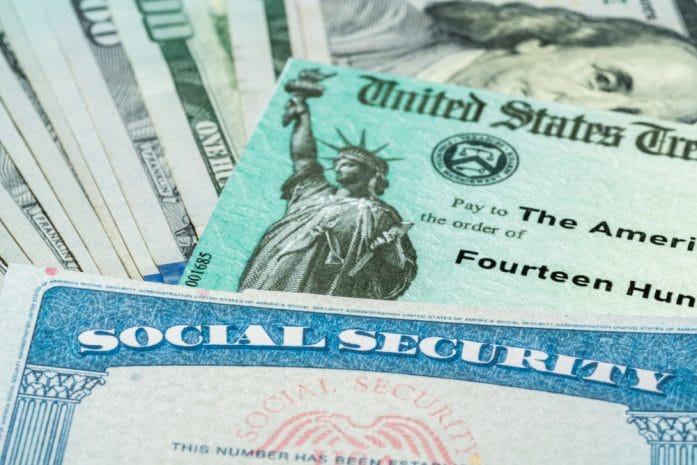
Retirement used to follow a predictable script. People worked into their mid-60s, collected a gold watch, and filed for Social Security at full retirement age. That neat timeline has started to disappear. Millions of Americans now claim Social Security as early as age 62, even though experts constantly warn about permanently reduced monthly checks.

That decision often shocks financial planners because waiting can significantly increase lifetime benefits. Someone who delays benefits until age 70 can receive hundreds more per month compared to filing at 62. Still, retirees continue to take the early option in huge numbers. Real life rarely fits neatly inside retirement calculators, and many seniors make choices based on immediate needs, personal goals, health concerns, and economic pressure rather than maximizing every dollar decades down the road.

Rising Costs Are Pushing Retirees to File Earlier

Inflation has hammered retirees from nearly every angle over the past few years. Grocery bills climbed sharply, utility costs jumped, and housing expenses kept stretching budgets thinner. Many older Americans entered retirement with savings that looked solid on paper in 2019 but suddenly felt much smaller after several years of rising prices. Social Security became the fastest available lifeline for covering basic monthly expenses.

Some retirees also discovered that part-time work no longer covered the gap between expenses and savings withdrawals. A retired warehouse worker in Ohio, for example, may have planned to wait until age 67 before filing benefits while working seasonal jobs. Higher gas prices, prescription costs, and rent increases can quickly destroy that plan. Filing early suddenly becomes less about strategy and more about survival. Financial experts may dislike the move, but retirees facing mounting bills often prioritize immediate stability over future optimization.

Health Concerns Change the Retirement Math

Many retirees do not feel confident about waiting years for larger checks because health problems create uncertainty about the future. Chronic illnesses, physical limitations, and family medical history heavily influence retirement decisions. A person battling heart disease or severe arthritis may decide collecting benefits sooner simply makes more sense than gambling on longevity.

This issue especially affects workers in physically demanding industries. Construction workers, nurses, truck drivers, and factory employees often reach their early 60s with bodies that feel decades older. Continuing to work until full retirement age may not feel realistic. Some retirees also fear missing out entirely if serious illness shortens their lifespan. While delaying benefits may produce larger checks over time, that strategy loses appeal for people who value immediate financial support and flexibility during healthier years of retirement.

Many Americans Simply Want Out of the Workforce

Retirement burnout has become a huge factor behind early Social Security claims. After decades of long commutes, demanding schedules, and workplace stress, many older workers hit a breaking point. The pandemic intensified that feeling for millions of Americans who reevaluated priorities and decided time mattered more than squeezing every dollar from Social Security.

Age discrimination also creates major problems for older workers trying to stay employed. A 63-year-old professional who loses a job may struggle to land another position with comparable pay. Employers often favor younger candidates, even when older applicants bring extensive experience. Some retirees spend months searching for work only to accept lower-paying jobs or leave the workforce entirely. Social Security then becomes a bridge that helps replace lost income while restoring some control over daily life.

Why Some Retirees Are Claiming Social Security Early Despite Smaller Check Warnings
Retirement burnout is real, and it’s leading to many seniors claiming Social Security early – Shutterstock

Fear About the Future of Social Security Plays a Role

Concerns about Social Security’s long-term stability continue shaping retirement decisions. Headlines about trust fund depletion and potential benefit reductions make many Americans nervous about waiting. Even though experts expect the program to continue operating, constant political battles over Social Security create uncertainty that influences behavior.

Some retirees believe claiming benefits early guarantees access to money while the system still looks relatively stable. They worry lawmakers could eventually raise retirement ages, reduce benefits, or change eligibility rules. Financial planners often point out that current retirees and near-retirees likely face minimal disruption, but fear still drives decision-making. Retirement involves emotion just as much as math, and anxiety about future government policy pushes some Americans toward filing sooner rather than later.

Spousal Benefits and Family Situations Affect Timing

Household dynamics frequently complicate Social Security decisions. Married couples often coordinate claiming strategies based on age differences, income history, and health concerns. In some cases, one spouse files early because the household needs immediate cash flow while the other delays benefits to maximize future income.

Family caregiving responsibilities also force many retirees into earlier filings. Grandparents increasingly help raise grandchildren or care for aging spouses and relatives. Those responsibilities may reduce work hours or eliminate employment entirely. A woman caring for a husband with dementia, for instance, may decide early Social Security benefits offer more practical value than continuing stressful work for several additional years. These deeply personal situations rarely fit the standard advice found in retirement planning brochures.

Savings Shortfalls Leave Few Other Options

Retirement savings gaps remain one of the biggest drivers behind early Social Security claims. Many Americans reached retirement age with far less saved than experts recommend. According to multiple retirement studies, a large percentage of workers nearing retirement hold less than $100,000 in savings. That amount disappears quickly when retirees face healthcare costs, housing expenses, and daily living needs.

Pensions have also largely vanished from the private sector, leaving Social Security as the primary guaranteed income source for many households. Previous generations often relied on employer pensions alongside Social Security, but today’s retirees frequently depend on personal savings accounts vulnerable to market swings. A sharp stock market downturn can scare retirees into claiming Social Security earlier to reduce pressure on investment withdrawals. That choice may reduce long-term monthly benefits, but it can also preserve shrinking retirement accounts during uncertain economic periods.

What’s Behind These Early Claims?

The debate around early Social Security claims often sounds simple in financial headlines. Wait longer, collect bigger checks, and enjoy more income later. Real retirement decisions rarely work that neatly. Health concerns, caregiving duties, rising living costs, job loss, emotional burnout, and savings shortfalls all push retirees toward choices that financial calculators may not fully capture.

What do you think about claiming Social Security early? Smart move, risky decision, or something that depends entirely on personal circumstances? Give us your thoughts and experiences in the comments below.

You May Also Like…

Why More Americans Are Delaying Retirement as Medicare Premiums Approach $200 Per Month

The 5 Most Expensive Retirement Mistakes Americans Over 60 Are Making During This Inflation Spike

Texas Retirees: Property Insurance Premiums Rose Over 20% in Some Counties Last Year — Here’s What Seniors Are Cutting to Keep Up

7 Ways Retirees Accidentally Trigger Higher Medicare Premiums

Is it Too Late at 45? How to Use the Mega Backdoor Roth to Dump Tens of Thousands into Retirement in One Year

Brandon Marcus
Brandon Marcus

Brandon Marcus is a writer who has been sharing the written word since a very young age. His interests include sports, history, pop culture, and so much more. When he isn’t writing, he spends his time jogging, drinking coffee, or attempting to read a long book he may never complete.

Filed Under: social security Tagged With: early retirement, money management, Personal Finance, Planning, Retirement, retirement income, seniors, Social Security, SSA benefits

The 4 Social Security Rules Experts Say Everyone Should Know Before Age 62

April 27, 2026 by Brandon Marcus Leave a Comment

The 4 Social Security Rules Experts Say Everyone Should Know Before Age 62
Image Source: Shutterstock.com

Retirement planning gets real fast once the calendar starts creeping toward age 62. That age marks the first opportunity to claim benefits, but it also opens the door to decisions that can shape financial security for decades. Smart retirees treat this moment like a chess match, not a coin toss, because every move carries long-term consequences.

Experts consistently point to a handful of Social Security rules that separate confident retirees from those who scramble later. Get these right, and retirement income can feel steady, predictable, and even a little empowering.

1. Claiming Early Locks In Permanent Reductions That Follow You for Life

Many workers circle age 62 as a finish line, but that early claim comes with a permanent haircut on monthly benefits. Filing at 62 can reduce payments by up to 30% compared to waiting until full retirement age, and that smaller check sticks around forever. This rule ranks among the most critical Social Security rules because it directly affects lifetime income. A retiree who claims early might enjoy a few extra years of payments, but those checks arrive smaller every single month. Over a long retirement, that difference can quietly drain tens of thousands of dollars.

Consider a worker eligible for $2,000 per month at full retirement age who claims at 62 and receives closer to $1,400 instead. That $600 monthly gap turns into $7,200 per year, which compounds significantly over 20 or 30 years. Experts often highlight this example to show how small decisions create massive ripple effects. Health, job satisfaction, and savings levels all play a role, but the math rarely lies. Anyone evaluating Social Security rules should run the numbers carefully before locking in a reduced benefit.

2. Waiting Pays Off With Bigger Checks That Grow Every Year

Patience can turn into a powerful financial strategy when it comes to Social Security rules. Benefits grow by about 8% per year for every year delayed past full retirement age, up to age 70. That increase acts like a guaranteed return that few investments can match, especially in uncertain markets. A larger monthly benefit can provide more breathing room for essentials like housing, healthcare, and everyday expenses. Experts often describe delayed claiming as buying a stronger financial safety net for later life.

Picture someone who delays benefits from 67 to 70 and boosts a $2,000 monthly benefit to roughly $2,480. That extra income continues for life and often includes cost-of-living adjustments on top. For retirees who expect to live into their 80s or beyond, delaying can deliver significantly more total income. Of course, this strategy requires covering expenses during the waiting period, which may involve savings or part-time work. Still, among all Social Security rules, this one rewards patience in a way that feels almost unfairly generous.

3. Working While Claiming Can Shrink Your Benefits Temporarily

Many retirees plan to keep working in some capacity, but income can interact with Social Security rules in surprising ways. Claiming benefits before full retirement age while earning above certain limits triggers a reduction in benefits. In 2024, for example, benefits shrink by $1 for every $2 earned above the annual limit, which sits around $22,320. That reduction often catches people off guard because it feels like a penalty for staying productive. However, the system does return those withheld benefits later in the form of higher payments.

Imagine someone who claims early and continues working a steady part-time job that pushes earnings above the limit. Benefits may shrink during those working years, creating short-term frustration and confusion. Once full retirement age arrives, the Social Security Administration recalculates benefits and credits back the withheld amounts. This adjustment means the reduction does not vanish but simply delays part of the benefit. Among all Social Security rules, this one demands careful timing to avoid unnecessary surprises.

4. Spousal and Survivor Benefits Can Change the Entire Strategy

Marriage adds another layer of strategy to Social Security rules, and couples who plan together often come out ahead. Spousal benefits allow one partner to claim up to 50% of the other partner’s full retirement benefit, which can boost household income. Survivor benefits also provide critical protection, allowing a surviving spouse to receive the higher of the two benefits. These options create opportunities to coordinate claiming strategies for maximum lifetime income. Experts frequently emphasize that couples should treat Social Security as a shared asset, not two separate decisions.

For example, one spouse might delay benefits to increase the eventual survivor benefit while the other claims earlier to provide income in the meantime. This coordinated approach can balance immediate needs with long-term security. Ignoring these Social Security rules can leave money on the table and reduce financial stability later in life. Couples who take time to map out different scenarios often discover surprising advantages. A thoughtful plan can transform Social Security from a simple benefit into a strategic financial tool.

The 4 Social Security Rules Experts Say Everyone Should Know Before Age 62
Image Source: Shutterstock.com

The Right Move For You Lies in Timing, Strategy, and a Clear Plan

Smart retirees treat Social Security rules like a playbook rather than a checklist. Each rule interacts with personal factors such as health, savings, work plans, and family dynamics. A rushed decision at 62 can echo for decades, while a thoughtful strategy can create lasting financial confidence. Experts consistently recommend running multiple scenarios, reviewing benefit estimates, and aligning choices with long-term goals. The right move rarely looks identical for everyone, but informed decisions almost always lead to better outcomes.

What strategy feels right when it comes to claiming benefits—take them early or hold out for a bigger payout later? Let’s chat about it below in our comments.

You May Also Like…

Social Security COLA Gains Are Being Offset by Rising Medicare Costs

Social Security Is Under Pressure — The Worker-to-Retiree Ratio Is Falling

Why Your Social Security Payment Was Delayed: Common Oversights and Fast Fixes

Georgia Seniors Are Paying More Due to Ad Valorem Rules on Vehicle Purchases

5 Financial Rules That Can Reduce Retirement Income Faster Than Expected

Brandon Marcus
Brandon Marcus

Brandon Marcus is a writer who has been sharing the written word since a very young age. His interests include sports, history, pop culture, and so much more. When he isn’t writing, he spends his time jogging, drinking coffee, or attempting to read a long book he may never complete.

Filed Under: social security Tagged With: Claiming Benefits, delayed benefits, early retirement, Full Retirement Age, personal finance tips, Planning, retirement income, retirement mistakes, retirement planning, savings strategy, Social Security, Social Security rules, SSA benefits

New Retirees Are Waiting Weeks for Their First Social Security Check—Here’s Why

April 15, 2026 by Brandon Marcus Leave a Comment

New Retirees Are Waiting Weeks for Their First Social Security Check—Here’s Why
Image Source: Shutterstock.com

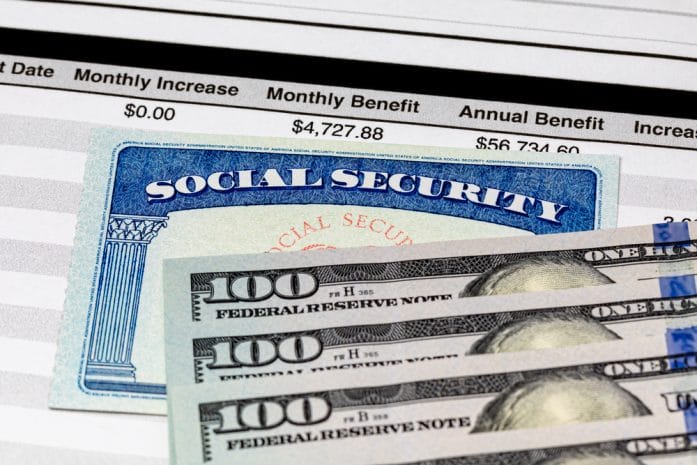
Retirement finally arrives, the paperwork gets filed, and the countdown begins for that first Social Security payment to hit the account. Then…nothing. Days stretch into weeks, and what should feel like a smooth financial transition suddenly feels uncertain and stressful. For many new retirees, this delay comes as a complete surprise, especially after years of paying into the system and expecting a predictable payout timeline.

The truth is, a Social Security check delay happens more often than most people realize, and it usually comes down to timing, processing rules, and a few overlooked details. Understanding why this happens can make a huge difference, especially when budgeting for those first critical months without a paycheck.

Timing Isn’t Instant—And It Was Never Designed to Be

Many retirees expect benefits to begin immediately after approval, but the system doesn’t actually work that way. Social Security operates on a payment schedule that starts one full month after eligibility begins, which automatically builds in a delay. For example, someone approved for benefits in June will typically receive their first payment in July. That gap alone creates what feels like a Social Security check delay, even though it follows standard procedure. Payments also get distributed based on birth dates, which can push deposits further into the month depending on timing.

This structure often catches retirees off guard because it doesn’t align with how most paychecks or pensions work. Instead of a predictable start date, the process follows a staggered calendar that spreads payments across multiple weeks. That design helps the system run smoothly, but it doesn’t help someone waiting on funds. Planning ahead for that built-in delay can prevent financial stress during the transition into retirement. Having at least one to two months of expenses set aside makes this waiting period far easier to handle.

Application Processing Can Slow Everything Down

Filing for Social Security benefits doesn’t always result in instant approval, especially if the application includes complexities. Missing documents, incorrect information, or verification issues can all slow the process. Even a small error, like a mismatched name or outdated banking detail, can trigger additional review steps. That extra review time often turns into a noticeable Social Security check delay, particularly during peak retirement seasons when applications surge. The Social Security Administration processes millions of claims, and even small backlogs can create significant wait times.

Online applications tend to move faster, but they still require careful attention to detail. Paper applications or in-person filings may take longer due to manual processing. Staying proactive during the application phase can make a big difference in avoiding delays. Double-checking every entry and submitting all required documents upfront reduces the chances of holdups. A little extra time spent on accuracy can shave weeks off the waiting period.

Verification Checks Add Another Layer of Waiting

Before sending out payments, the Social Security Administration verifies eligibility, identity, and work history. This process ensures accuracy, but it also introduces another potential slowdown. If anything needs clarification, the system pauses until the issue gets resolved. That pause can quickly turn into a frustrating Social Security check delay, especially if communication gaps occur. Some retirees don’t realize additional verification is happening behind the scenes until payments fail to arrive on time.

Direct deposit setup can also contribute to delays if banking information doesn’t match official records. Even minor discrepancies may require manual correction before funds get released. Keeping all personal and financial details updated with the Social Security Administration helps prevent these issues. Responding quickly to any requests for information keeps the process moving forward. Staying alert during this stage can mean the difference between a smooth start and weeks of waiting.

Benefit Start Dates Can Be Misunderstood

Choosing when to start benefits plays a bigger role than many people expect. Some retirees assume benefits begin the same month they apply, but that’s not always the case. The selected start date determines when payments begin, and confusion around that date often leads to a perceived Social Security check delay. For instance, selecting a future start date during the application process will push payments further out than expected. This misunderstanding creates unnecessary frustration when the first check doesn’t arrive on time.

The Social Security system also pays benefits in arrears, meaning each payment covers the previous month. That structure adds another layer to the timeline that many retirees don’t anticipate. Understanding how start dates and payment timing work together helps set realistic expectations. Reviewing benefit details carefully before submitting an application can prevent surprises. A clear understanding up front avoids confusion once retirement officially begins.

New Retirees Are Waiting Weeks for Their First Social Security Check—Here’s Why
Image Source: Shutterstock.com

High Demand Can Create System Backlogs

Certain times of the year see a surge in retirement applications, particularly at the start of the year or during economic shifts. When more people apply at once, processing times naturally increase. That surge can lead to a noticeable Social Security check delay as the system works through a larger volume of claims. Staffing levels and administrative resources also influence how quickly applications move through the pipeline. Even a well-prepared application may take longer during peak periods.

Economic uncertainty often drives more people to claim benefits earlier than planned, which adds pressure to the system. This increased demand doesn’t stop payments, but it can slow down approvals and disbursements. Filing early, ideally a few months before the intended retirement date, helps avoid getting caught in these bottlenecks. Planning ahead provides a buffer against unexpected slowdowns. Timing the application strategically can make a noticeable difference in how quickly benefits arrive.

The Waiting Game Doesn’t Have to Catch You Off Guard

A Social Security check delay may feel frustrating, but it rarely comes out of nowhere once the system’s timing and structure become clear. Most delays trace back to predictable factors like payment schedules, processing timelines, or application details. Preparing for these realities turns a stressful situation into a manageable one. Setting aside savings, filing early, and double-checking information all help smooth the transition into retirement. Small steps taken in advance can prevent big headaches later.

Have you or someone you know experienced a delay with Social Security payments, and how did you handle it? Let’s hear your experience in the comments.

You May Also Like…

Social Security Is Under Pressure — The Worker-to-Retiree Ratio Is Falling

How Seniors Jeopardize Their Social Security Right After Retirement

High-Tax States vs Low-Tax States — Where Retirees Keep More Money

7 Hidden Costs That Are Eating Away at Retirement Income

Social Security Checks Are Getting Smaller for Some Retirees — And It’s Not a Benefit Cut

Brandon Marcus
Brandon Marcus

Brandon Marcus is a writer who has been sharing the written word since a very young age. His interests include sports, history, pop culture, and so much more. When he isn’t writing, he spends his time jogging, drinking coffee, or attempting to read a long book he may never complete.
Filed Under: social security Tagged With: budgeting, delayed benefits, Personal Finance, Planning, retirement income, retirement planning, Retirement Tips, savings advice, Social Security, Social Security check delay, SSA benefits

Follow Us

Search this site:

Recent Posts

  • Can My Savings Account Affect My Financial Aid? by Tamila McDonald
  • 12 Ways Gen X’s Views Clash with Millennials… by Tamila McDonald
  • What Advantages and Disadvantages Are There To… by Jacob Sensiba
  • 10 Tactics for Building an Emergency Fund from Scratch by Vanessa Bermudez
  • Call 911: Go To the Emergency Room Immediately If… by Stephen Kanaval
  • 7 Weird Things You Can Sell Online by Tamila McDonald
  • 10 Scary Facts About DriveTime by Tamila McDonald

Copyright © 2026 · News Pro Theme on Genesis Framework