• Home
  • About Us
  • Getting Finances Done
    • Hiring Advisors
    • Debt Management
    • Spending Plan
  • Insurance
    • Life Insurance
    • Health Insurance
    • Disability Insurance
    • Homeowners/Renters Insurance
  • Contact Us
  • Our Editorial Commitment

The Free Financial Advisor

You are here: Home / Archives for property insurance

Citizens Property Insurance Sees Sharp Drop in Policies — What It Means for Homeowners in 2026

February 6, 2026 by Brandon Marcus Leave a Comment

Citizens Property Insurance Sees Sharp Drop in Policies — What It Means for Homeowners in 2026
Image source: shutterstock.com

If you’ve lived in Florida long enough, you know Citizens Property Insurance is like that friend you only call when things get really messy. It’s the state‑run insurer of last resort—the safety net for homeowners who can’t find coverage anywhere else. But in 2026, something unusual is happening: Citizens is shrinking. Fast.

The company’s policy count has dropped sharply as more homeowners are being shifted—or “taken out”—by private insurers returning to the market. For years, Citizens ballooned as private companies pulled back, but now the tide is turning. And whether you’re insured with Citizens or not, this shift affects the entire Florida insurance landscape.

Why Citizens Is Shrinking After Years of Rapid Growth

For most of the past decade, Citizens grew because private insurers struggled with rising claim costs, reinsurance challenges, and unpredictable weather patterns. When private companies pulled back, homeowners had nowhere else to go, so Citizens became the default option.

But in 2026, the trend is reversing. Several private insurers have re‑entered the market or expanded their offerings, and they’re taking policies out of Citizens through state‑approved programs. These “takeouts” aren’t random—they’re part of a long‑standing effort to keep Citizens from becoming too large, since a massive state‑run insurer creates financial risk for everyone. The result is a noticeable drop in Citizens’ policy count, signaling a shift toward a more balanced insurance market.

What’s Driving Private Insurers Back Into the Market

Private insurers don’t return to a market unless they see stability, opportunity, or both. In Florida, several factors are encouraging companies to expand again. Legislative changes in recent years have aimed to reduce litigation costs and curb fraudulent claims, two major issues that previously drove insurers away. Reinsurance markets have also shown signs of stabilization, giving companies more confidence in their ability to manage risk.

Additionally, some insurers are targeting specific regions or home types where they believe they can operate sustainably. This doesn’t mean the market is suddenly easy or inexpensive—it simply means conditions have improved enough for companies to cautiously re‑engage.

How Takeouts Work—and Why Homeowners Are Getting Letters

If you’re insured with Citizens, you may have received a letter from a private insurer offering to take over your policy. This is part of the state’s depopulation program, which encourages private companies to assume Citizens policies when they believe they can insure them sustainably.

Homeowners typically have the option to accept or decline, but declining may affect eligibility for Citizens renewal depending on the offer. These letters can feel confusing or even alarming, but they’re a normal part of Florida’s insurance system. The goal is to reduce Citizens’ size so it remains a true insurer of last resort—not the largest insurer in the state.

Citizens Property Insurance Sees Sharp Drop in Policies — What It Means for Homeowners in 2026
Image source: shutterstock.com

Why a Smaller Citizens Isn’t Automatically Good or Bad

A shrinking Citizens policy count can be interpreted in different ways. On one hand, it suggests the private market is strengthening, which can be a positive sign for long‑term stability. A healthier private market means more competition, more options, and potentially more innovation.

On the other hand, takeouts don’t always mean lower premiums. Some homeowners may find that private insurers offer higher rates or different coverage terms. Others may welcome the switch if it means more comprehensive options or better customer service. The impact varies widely depending on location, home age, construction type, and risk factors.

What Homeowners Should Watch Closely During This Transition

If you’re affected by a takeout, it’s important to read the offer carefully. Private insurers may have different deductibles, coverage limits, or exclusions compared to Citizens. Homeowners should compare the proposed policy with their current one to understand what’s changing.

It’s also wise to check the financial strength rating of the private insurer, since stability matters when choosing coverage. Even homeowners who aren’t being taken out should pay attention to market shifts, as changes in Citizens’ size can influence overall insurance trends, availability, and pricing across the state.

Why Citizens’ Shrinking Size Matters for the Entire State

Citizens plays a unique role in Florida’s insurance ecosystem. When it grows too large, the financial risk spreads to all policyholders statewide through potential assessments if the company faces major losses. A smaller Citizens reduces that risk, which is one reason state leaders encourage depopulation. However, Citizens also provides a safety net for homeowners who truly can’t find coverage elsewhere.

If the private market becomes too selective, some homeowners may struggle to secure affordable insurance. The challenge is finding a balance where Citizens remains available but not oversized—a balance Florida has been trying to achieve for years.

What This Means for the Future of Florida’s Insurance Market

The drop in Citizens’ policy count is a sign of shifting momentum, but it doesn’t mean Florida’s insurance challenges are solved. Premiums remain high in many areas, and weather‑related risks continue to influence the market. Still, the return of private insurers suggests cautious optimism.

If the trend continues, homeowners may see more options and a more stable insurance environment over time. The key will be whether insurers can maintain profitability while offering coverage that homeowners can reasonably afford. For now, the shrinking size of Citizens is a noteworthy milestone in a state where insurance has been a major concern for years.

A Changing Market, but Homeowners Still Hold the Power

Even as Citizens shrinks and private insurers expand, homeowners remain central to the equation. Staying informed, reviewing policies carefully, and understanding your options can make a meaningful difference in navigating Florida’s evolving insurance landscape. The market may shift, but your ability to make smart, proactive decisions remains constant. Whether you stay with Citizens or move to a private insurer, the most important thing is choosing coverage that fits your needs and protects your home.

What’s your experience with Citizens or private insurance takeouts this year? Share your story in the comments.

You May Also Like…

Florida Homeowners See First Rate Decrease in 10 Years — Citizens Property Insurance Dropping Premiums 2.6%

Senior Citizens Alert: 8 Pieces of Information You Should Never Give Out Over The Phone

The Roof Age That Automatically Disqualifies Florida Homes From Coverage

The Sunshine State Squeeze: Why Florida Retirees are Seeing Smaller Social Security Checks This Week

The Florida Premium Spike: Why Your “Affordable” Health Plan Just Quadrupled in Cost Overnight

Brandon Marcus
Brandon Marcus

Brandon Marcus is a writer who has been sharing the written word since a very young age. His interests include sports, history, pop culture, and so much more. When he isn’t writing, he spends his time jogging, drinking coffee, or attempting to read a long book he may never complete.

Filed Under: Insurance Tagged With: Citizens Property Insurance, depopulation program, Florida insurance, Home insurance, homeowners, insurance costs, insurance market, Planning, private insurers, property insurance, real estate trends

Insurance Now Accounts for 9% of Typical Monthly Mortgage Payment

February 6, 2026 by Brandon Marcus Leave a Comment

Insurance Now Accounts for 9% of Typical Monthly Mortgage Payment
Image source: shutterstock.com

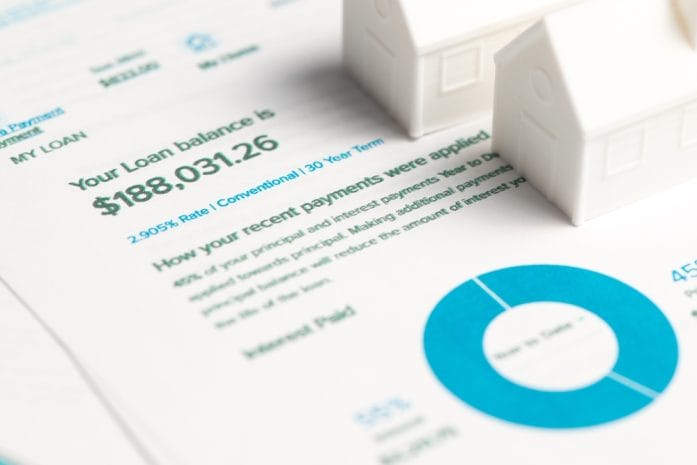
Homeownership used to feel like a predictable equation: mortgage, taxes, insurance, repeat. But in 2026, that last piece of the puzzle—home insurance—has started acting like the unpredictable cousin who shows up unannounced and eats all your snacks. Homeowners across the country are discovering that insurance is taking up a bigger slice of their monthly mortgage payment than ever before, now averaging around 9% of the total bill.

That may not sound dramatic at first glance, but when you’re already juggling rising home prices, higher interest rates, and everyday expenses, that extra chunk hits hard. The surprising part? Many homeowners don’t even realize how much insurance is costing them until their escrow statement arrives like a plot twist they didn’t ask for.

Why Insurance Is Eating a Bigger Slice of Your Mortgage Than Ever Before

Insurance costs have been rising for years, but the pace has accelerated as companies adjust to higher rebuilding costs, more frequent claims, and increased risk in certain regions. When insurers face higher expenses, those costs eventually trickle down to homeowners. Because most people pay insurance through escrow, the increase gets folded into the monthly mortgage payment automatically. That’s how insurance quietly grows from a small line item to a noticeable percentage of your monthly bill.

Even homeowners who haven’t filed a claim are seeing higher premiums simply because the cost of materials, labor, and risk assessment has changed. The result is a mortgage payment that feels heavier, even if your loan terms haven’t changed at all.

How Rising Rebuilding Costs Are Driving Up Premiums

One of the biggest reasons insurance now accounts for a larger share of mortgage payments is the rising cost of rebuilding. Construction materials, skilled labor, and supply‑chain delays have all pushed replacement costs higher. Insurance companies base premiums on what it would cost to rebuild your home today—not what you originally paid for it. When those rebuilding estimates rise, premiums follow. This means even homeowners with modest properties are seeing increases because the cost of lumber, roofing, electrical work, and plumbing has climbed.

These changes aren’t tied to luxury upgrades or major renovations; they’re tied to the basic math of what it takes to repair or replace a home in the current market.

Why Location Matters More Than Ever

Insurance companies assess risk based on where you live, and in recent years, certain regions have seen higher claim activity. Whether it’s severe storms, flooding, wildfires, or other environmental factors, insurers adjust premiums to reflect the likelihood of future claims. Even if your home hasn’t been directly affected, living in a higher‑risk area can influence your rates. This doesn’t mean your home is unsafe—it simply means insurers are recalculating risk based on broader patterns.

As a result, homeowners in some regions are seeing insurance take up a larger portion of their mortgage payment than those in lower‑risk areas. It’s one of the reasons the 9% figure is an average—some homeowners pay more, some pay less, depending on where they live.

Escrow Surprises: The Moment Homeowners Realize Costs Have Jumped

For many homeowners, the biggest shock comes when their lender recalculates escrow payments. Because insurance is often bundled with taxes and paid automatically, increases can go unnoticed until the annual escrow review. Suddenly, the monthly mortgage payment jumps—not because of the loan itself, but because insurance premiums have risen. This can feel especially frustrating for homeowners who haven’t changed coverage or filed claims.

The adjustment isn’t a penalty; it’s simply the lender ensuring there’s enough money in escrow to cover the new premium. Still, it’s a jarring moment that leaves many people wondering how insurance became such a significant part of their monthly housing cost.

What Homeowners Can Do to Keep Costs Manageable

While homeowners can’t control market‑wide insurance trends, there are practical steps to help manage costs. Reviewing your policy annually is a smart starting point. Sometimes coverage levels creep higher than necessary, especially if your home’s value or replacement cost estimate has changed. Shopping around can also make a difference, as insurers vary in how they assess risk and price policies.

Bundling home and auto coverage may offer discounts, and improving home safety—like upgrading roofing materials or installing security systems—can sometimes reduce premiums. These strategies don’t eliminate rising costs, but they can help soften the impact and keep your mortgage payment more predictable.

Insurance Now Accounts for 9% of Typical Monthly Mortgage Payment
Image source: shutterstock.com

Why Cutting Coverage Isn’t the Answer

When insurance costs rise, it’s tempting to reduce coverage to save money. But underinsuring your home can create bigger problems down the road. If a major repair or rebuild is needed, inadequate coverage can leave homeowners responsible for significant out‑of‑pocket expenses. Insurance is designed to protect your investment, and reducing coverage too aggressively can undermine that protection.

Instead of cutting essential coverage, homeowners can focus on adjusting deductibles, comparing policies, or exploring discounts. These approaches help manage costs without sacrificing the financial safety net that insurance provides.

A New Reality for Homeowners—and How to Navigate It

Insurance taking up 9% of the typical monthly mortgage payment is a sign of how the housing landscape is shifting. Homeownership now requires more awareness of how insurance costs evolve and how they affect long‑term budgeting. While rising premiums can feel discouraging, understanding the factors behind them helps homeowners make informed decisions. With a little planning, regular policy reviews, and smart adjustments, it’s possible to stay ahead of changes and keep your mortgage manageable. The key is staying proactive rather than letting insurance increases catch you off guard.

What part of your mortgage payment surprised you the most this year? Share your experience in the comments.

You May Also Like…

The Texas Mortgage Shock: Why Your Monthly Payment Just Jumped $400 Without Warning

Why a Mortgage & Protection Network Matters in Today’s Advice Market

7 Hidden Signs You Should Refinance Your Mortgage Right Now

Should I Prioritize Paying Off My Mortgage or Investing Extra Cashflow?

13 Practical Lessons From People Who Paid Off Their Mortgages


Brandon Marcus
Brandon Marcus

Brandon Marcus is a writer who has been sharing the written word since a very young age. His interests include sports, history, pop culture, and so much more. When he isn’t writing, he spends his time jogging, drinking coffee, or attempting to read a long book he may never complete.

Filed Under: Insurance Tagged With: budgeting, Home insurance, homeowner tips, homeownership, Housing Market, mortgage payments, Planning, property insurance, real estate trends, rising costs

Louisiana Insurance Crisis: Non-Renewal Rates Jump Since 2018

February 5, 2026 by Brandon Marcus Leave a Comment

Louisiana Insurance Crisis: Non-Renewal Rates Jump Since 2018
Image source: shutterstock.com

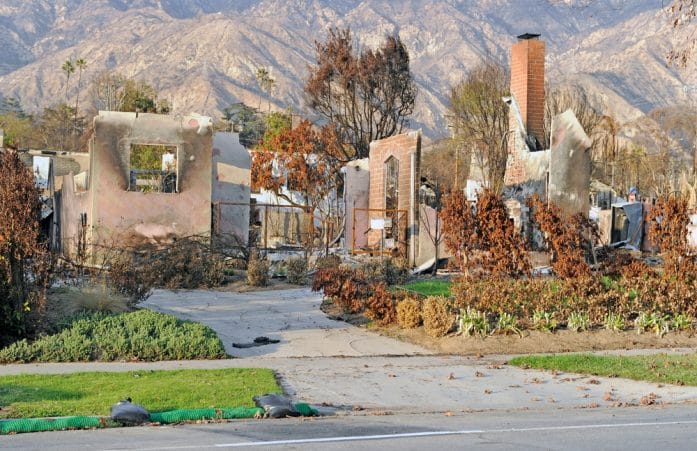
Imagine opening a letter that instantly changes your financial reality. Not a storm warning, not a tax notice, but a simple sentence that hits harder than a hurricane: “Your policy will not be renewed.” For thousands of Louisiana homeowners, that sentence has become painfully familiar.

Since 2018, insurance non-renewal rates across the state have reportedly surged, transforming what used to be a background concern into a full-blown household crisis. This isn’t just about insurance paperwork—it’s about mortgages, housing security, community stability, and whether people can realistically afford to stay in the homes they love. And the ripple effects? They’re reshaping Louisiana’s housing and economic future in ways that go far beyond storm season.

Why Louisiana’s Insurance Market Is Under Pressure Like Never Before

Louisiana has always lived with risk, but the scale of today’s insurance disruption is new territory. A growing pattern of stronger hurricanes, heavier rainfall, and more frequent flooding has dramatically increased losses for insurers, making long-term risk models far less predictable than they used to be.

At the same time, reinsurance costs—the insurance that insurance companies buy to protect themselves—have surged, forcing companies to either raise prices, reduce coverage, or exit high-risk markets entirely. When insurers pull back, the result isn’t just higher premiums; it’s fewer available policies and more homeowners left scrambling for coverage.

What a Jump in Non-Renewals Really Means for Homeowners

An increase in non-renewals isn’t just a scary statistic—it’s a daily reality for families trying to protect their biggest investment. Non-renewal means homeowners aren’t being dropped for missing payments or filing fraudulent claims; they’re being told the company simply no longer wants to insure their property or area.

That forces people into a stressful hunt for replacement coverage, often at significantly higher costs and with less protection. In many cases, the only option becomes last-resort insurers, which typically come with higher premiums and more limited coverage.

How This Crisis Is Reshaping Housing, Communities, and Affordability

The insurance crisis doesn’t stay confined to policy documents—it spills directly into the housing market. Rising premiums and shrinking coverage options make homes harder to sell, harder to insure, and harder to finance. Buyers hesitate, lenders get cautious, and entire neighborhoods can see declining demand simply because insurance has become too expensive or too hard to secure.

This creates a quiet but powerful shift in where people choose to live, often pushing families away from high-risk areas even if those places have been home for generations. Communities that rely on stable property values and long-term residents feel the pressure in subtle but serious ways.

What Homeowners Can Do Right Now to Protect Themselves

While the system-level problems are massive, there are practical steps homeowners can take. Shopping policies early—well before renewal deadlines—can expand options and reduce panic-driven decisions. Investing in mitigation measures like fortified roofing, flood-resistant construction features, and updated drainage systems can improve insurability and sometimes reduce premiums.

Working with experienced local insurance agents who understand regional risk patterns can make a huge difference in navigating limited markets. It’s also smart to stay informed about state-level programs, building codes, and resilience initiatives that may create future insurance incentives.

Louisiana Insurance Crisis: Non-Renewal Rates Jump Since 2018
Image source: shutterstock.com

Why This Isn’t Just an Insurance Story

At its core, Louisiana’s insurance crisis is about resilience—financial, environmental, and social. Insurance is the invisible infrastructure that allows people to rebuild after disasters, secure mortgages, and invest in communities with confidence. When that system destabilizes, everything built on top of it starts to wobble.

This isn’t just about hurricanes or premiums; it’s about whether communities can sustainably exist in high-risk areas without pricing out the people who already live there. It’s about how climate risk, financial systems, and housing markets intersect in ways that everyday families feel first and hardest.

What Louisiana’s Insurance Future Really Depends On

The path forward will depend on smarter risk planning, stronger building standards, better disaster mitigation, and insurance systems that reward resilience instead of simply retreating from risk. Long-term solutions won’t come from one policy change or one company’s decision; they’ll come from coordinated efforts between homeowners, insurers, regulators, and communities.

This moment could redefine how the state approaches housing, development, and disaster preparedness for decades to come. The challenge is massive, but so is the opportunity to build something more stable, fair, and sustainable.

What changes do you think Louisiana needs most to stabilize its insurance market—and protect homeowners for the long run? Tell us your thoughts in the comments section below.

You May Also Like…

California’s Insurance Cancellation Crisis: 3.18% of Homeowners Lost Coverage in 2024

The Credit Score That Adds $2,000/Year to Florida Homeowner’s Insurance Premiums

The One Household Appliance That Will Spike Your Insurance Premiums if Discovered During Inspection

The Florida Insurance Trap: Why “Safe” Neighborhoods Are Facing a $500 Monthly Payment Hike This Week

6 Reasons Your Car Insurance Company Can Legally Drop You After One Claim

Brandon Marcus
Brandon Marcus

Brandon Marcus is a writer who has been sharing the written word since a very young age. His interests include sports, history, pop culture, and so much more. When he isn’t writing, he spends his time jogging, drinking coffee, or attempting to read a long book he may never complete.

Filed Under: Insurance Tagged With: climate risk, coastal risk, disaster recovery, Financial Stability, home insurance crisis, housing affordability, hurricanes, insurance market, Louisiana insurance, non-renewal rates, property insurance, reinsurance costs

13% of California Realtors Report Sales Falling Through Due to Insurance Issues

February 5, 2026 by Brandon Marcus Leave a Comment

13% of California Realtors Report Sales Falling Through Due to Insurance Issues
Image source: shutterstock.com

Buying a home is supposed to be exciting—stressful, yes, but exciting. You find “the one,” you make an offer, you imagine where the couch will go, and you start mentally arguing with yourself about paint colors.

But in California, a growing number of buyers never make it to the moving‑in stage. Deals are falling apart not because of bad inspections, cold feet, or financing disasters, but because buyers simply can’t get homeowners insurance. And according to recent data from the California Association of Realtors, 13% of realtors in the state say a home sale fell out of escrow this year due to insurance problems. That’s nearly double last year’s number—and a sign of a crisis that’s reshaping the state’s housing market in real time.

When Insurance Becomes the Dealbreaker No One Saw Coming

For decades, homeowners’ insurance was the quiet, predictable part of buying a home. You called a company, answered a few questions, and got a policy without much drama. But in today’s California, insurance has become one of the biggest wild cards in the entire transaction. With major insurers scaling back coverage, pausing new policies, or raising rates dramatically, buyers are discovering that securing insurance can be harder than securing the mortgage itself.

Realtors report that even well‑qualified buyers are being blindsided when insurers decline coverage due to wildfire risk, location, or property age. When that happens, the deal often collapses—not because the buyer doesn’t want the home, but because they literally can’t insure it. And without insurance, lenders won’t fund the loan. It’s a domino effect that’s catching many buyers off guard.

Why Insurers Are Pulling Back—and How It’s Hitting Buyers

California’s insurance challenges didn’t appear overnight. Years of severe wildfire seasons, rising climate‑related risks, and increasing rebuilding costs have pushed several major insurers to pause or limit new policies. Companies have all scaled back new homeowner coverage in the state in recent years.

Insurers say the math simply doesn’t work anymore: the cost of covering high‑risk areas has outpaced what they can sustainably charge. For buyers, this means fewer options, higher premiums, and more hoops to jump through. Even homes outside high‑risk zones are feeling the ripple effects as insurers tighten underwriting standards across the board. The result is a market where insurance availability—not just price—is becoming a deciding factor in whether a sale moves forward.

13% of California Realtors Report Sales Falling Through Due to Insurance Issues
Image source: shutterstock.com

Escrow Chaos: How Deals Collapse at the Last Minute

One of the most stressful parts of this trend is how late in the process the problem often appears. Buyers may enter escrow feeling confident, only to discover during the insurance‑shopping phase that no company will write a policy for the home. Realtors say this is happening more frequently.

Sometimes buyers can secure coverage through the California FAIR Plan, the state’s insurer of last resort, but even that option comes with limitations and higher costs. When buyers can’t find affordable coverage—or any coverage—the deal stalls. Sellers are left scrambling, buyers are heartbroken, and realtors are stuck navigating a problem that didn’t exist at this scale just a few years ago.

The FAIR Plan: Lifeline or Last Resort?

The California FAIR Plan has become a critical fallback for buyers who can’t secure traditional insurance. According to recent surveys, roughly one in five realtors say their clients ended up using the FAIR Plan to close a deal. While it provides essential fire coverage, it doesn’t offer the full protection of a standard homeowners policy.

Buyers often need to purchase additional “wraparound” coverage to fill the gaps, which can significantly increase costs. For some, the FAIR Plan is a temporary solution until the insurance market stabilizes. For others, it’s the only option available. Either way, relying on the FAIR Plan adds complexity, cost, and uncertainty to the homebuying process—three things no buyer wants more of.

How Realtors Are Adapting to the New Insurance Reality

Realtors aren’t just watching this crisis unfold—they’re actively adjusting how they guide clients. Many now encourage buyers to start the insurance process early, sometimes even before making an offer. Others are working closely with insurance agents to identify which properties are insurable and which may pose challenges.

Some realtors are advising sellers to obtain an insurance quote upfront to reassure potential buyers. And in high‑risk areas, realtors are spending more time educating clients about wildfire mitigation, defensible space, and home‑hardening strategies that may improve insurability. The role of a realtor is expanding, not by choice, but by necessity.

What Buyers Can Do to Protect Themselves

If you’re thinking about buying a home in California, there are smart steps you can take to avoid insurance‑related surprises. Start by checking insurance availability early—don’t wait until you’re deep into escrow. Ask your realtor whether the property is in a high‑risk zone and whether other buyers have had trouble securing coverage in the area. Contact multiple insurers, not just one, because underwriting varies widely.

If the FAIR Plan is your only option, make sure you understand what it covers and what it doesn’t. And most importantly, build insurance costs into your budget. Premiums can be significantly higher than they were just a few years ago, and being prepared can prevent sticker shock later.

A Housing Market Shaped by Risk—and Resilience

California’s insurance crisis isn’t just a temporary inconvenience—it’s reshaping the housing market in ways that will likely continue for years. With 13% of realtors reporting canceled sales due to insurance issues, the problem is too big to ignore. Yet Californians are nothing if not resilient. Buyers, sellers, insurers, and policymakers are all adapting, innovating, and searching for solutions. Whether it’s new regulations, improved wildfire mitigation, or shifts in how insurers assess risk, the landscape is evolving.

What’s your take? Should insurance availability play a bigger role in how buyers choose homes, or is this just a temporary market shake‑up? Share your thoughts in the comments.

You May Also Like…

California’s Insurance Cancellation Crisis: 3.18% of Homeowners Lost Coverage in 2024

California FAIR Plan Exposure Doubles to $650 Billion — 35.8% Rate Hike Requested

Buddhism in California: 10 Interesting Facts About The City of Ten Thousand Buddhas

The Credit Score That Adds $2,000/Year to Florida Homeowner’s Insurance Premiums

The Florida Insurance Trap: Why “Safe” Neighborhoods Are Facing a $500 Monthly Payment Hike This Week


Brandon Marcus
Brandon Marcus

Brandon Marcus is a writer who has been sharing the written word since a very young age. His interests include sports, history, pop culture, and so much more. When he isn’t writing, he spends his time jogging, drinking coffee, or attempting to read a long book he may never complete.

Filed Under: Insurance Tagged With: California, California real estate, escrow issues, Home insurance, homebuyers, housing challenges, Housing Market, insurance crisis, property insurance, real estate agents, real estate trends, wildfire risk

The Drone Inspection Finding That’s Triggering Homeowner Policy Cancellations

February 4, 2026 by Brandon Marcus Leave a Comment

The Drone Inspection Finding That's Triggering Homeowner Policy Cancellations
Image source: shutterstock.com

It used to take a ladder, a clipboard, and a very brave insurance inspector to assess your roof. Now? It takes a drone, a high-resolution camera, and about ten minutes of flight time. And that quiet little technological upgrade is creating very loud consequences for homeowners everywhere.

Insurance companies are increasingly using drone inspections to evaluate properties, and one specific finding is quietly triggering policy cancellations, non-renewals, and coverage denials—often without homeowners ever seeing it coming.

The Roof Issue Drones Are Exposing That Homeowners Rarely See

The most common red flag drones are identifying isn’t dramatic storm damage or missing chunks of roof. It’s something far sneakier: deteriorating shingles, soft spots, granular loss, and structural roof wear that’s invisible from the yard but crystal clear from above.

Insurance companies don’t see this as cosmetic. They see it as a future claims risk. A roof that looks “fine” from the street can look like a liability from 60 feet in the air. Even minor deterioration signals increased chances of water intrusion, mold, structural damage, and storm vulnerability. From an underwriting perspective, that’s not a “maybe problem,” that’s a “future payout” problem.

Why Insurance Companies Are Leaning Hard Into Drone Inspections

This shift isn’t random. Drone inspections are cheaper, faster, safer, and more consistent than human inspections. No climbing, no liability risk, no scheduling delays, and no subjective judgment calls. Insurers get standardized imagery, AI-assisted analysis, and digital records that integrate directly into risk models.

From a business standpoint, it’s a no-brainer. Drones can inspect thousands of properties quickly, especially after storms, natural disasters, or policy renewals. Instead of inspecting only high-risk properties, companies can now inspect almost everything. That means more data, more scrutiny, and more reasons to reclassify risk.

Drones Triggering Non-Renewals

This common trigger isn’t catastrophic damage, it’s roof aging and material degradation. That includes worn shingles, brittle materials, exposed underlayment, patchwork repairs, curling edges, granule loss, and uneven wear patterns. These signs suggest a roof that’s nearing the end of its functional lifespan, even if it isn’t leaking yet.

Drones also identify moisture retention zones, algae and moss growth patterns, and structural sagging that indicate water infiltration risks. These aren’t dramatic visuals, but they’re statistically powerful predictors of claims. In insurance language, this falls under “deferred maintenance risk.”

The Drone Inspection Finding That's Triggering Homeowner Policy Cancellations
Image source: shutterstock.com

Why Homeowners Feel Blindsided by the Process

Homeowners think insurance reacts to damage. Insurers now react to probability. That’s a fundamental mindset shift. People expect inspections after claims, not before renewals. They expect notice, not silent evaluations.

Because drone inspections don’t require homeowner presence, people often don’t know they happened. No knock at the door or appointment request. No explanation. Just a data update in an insurance system that changes your risk profile overnight.

What Homeowners Can Do to Protect Themselves

Don’t wait for your insurer to find the problem. Proactive roof inspections matter more than ever. A professional inspection every few years isn’t just maintenance—it’s insurance protection. Documentation matters. If your roof is in good condition, proof helps.

Maintenance is now a financial strategy, not just a homeownership habit. Small repairs prevent big red flags. Cleaning debris, addressing algae growth, replacing damaged shingles, and fixing flashing issues can materially change how your roof appears in aerial imaging.

Also, understand your policy language. Many policies allow cancellation or non-renewal based on “property condition risk.” That language gives insurers broad discretion. Knowing that helps you act before you’re forced to react.

The Wake-Up Call Hidden in the Sky

Drones are revealing problems that were always there, just out of sight and out of mind. The real danger isn’t inspection technology; it’s the assumption that “no visible damage” equals “no risk.” That belief doesn’t hold up in a world of aerial imaging, predictive analytics, and algorithm-driven underwriting.

For homeowners, this is a mindset shift moment. Insurance isn’t just protection anymore—it’s a data relationship. The better your property looks to technology, the safer you are financially.

The sky isn’t falling—but the sky is watching.

Should insurance companies be allowed to cancel policies based on drone inspections that homeowners never knew happened? Give us your thoughts in the comments.

You May Also Like…

Why Major Insurers Are Quietly Canceling 2026 Policies Using Satellite Photos

Why Are So Many DIY Projects Actually Illegal in Your County?

California’s Insurance Cancellation Crisis: 3.18% of Homeowners Lost Coverage in 2024

7 Ways Your Neighbor Could Be Spying on You Without Breaking the Law

The Credit Score That Adds $2,000/Year to Florida Homeowner’s Insurance Premiums

Brandon Marcus
Brandon Marcus

Brandon Marcus is a writer who has been sharing the written word since a very young age. His interests include sports, history, pop culture, and so much more. When he isn’t writing, he spends his time jogging, drinking coffee, or attempting to read a long book he may never complete.

Filed Under: Insurance Tagged With: drone inspections, Home insurance, home protection, homeowner insurance, homeowners, homeownership, insurance cancellations, insurance underwriting, property insurance, risk assessment, roof damage, roof maintenance, smart home tech

California FAIR Plan Exposure Doubles to $650 Billion — 35.8% Rate Hike Requested

February 1, 2026 by Brandon Marcus Leave a Comment

California FAIR Plan Exposure Doubles to $650 Billion — 35.8% Rate Hike Requested
Image source: shutterstock.com

California’s wildfire crisis just hit a new financial flashpoint, and it’s not happening in the forests — it’s happening in the insurance system. The California FAIR Plan, the state’s insurer of last resort, has seen its exposure explode to a staggering $650 billion, more than double what it carried just a few years ago. At the same time, the plan is requesting a 35.8% rate hike, setting off alarm bells for homeowners, regulators, and anyone who cares about housing stability in wildfire-prone areas.

This isn’t just an insurance industry story — it’s a housing story, a climate story, and a cost-of-living story all rolled into one. If you live in California, know someone who does, or care about the future of insurability in high-risk regions, this matters more than you might think.

How the FAIR Plan Went From Safety Net to Financial Giant

The FAIR Plan was never designed to be a massive insurer. It was meant to be a backup option—a last resort for homeowners who couldn’t get coverage in the private market. But as wildfire risks intensified and major insurers pulled back from high-risk areas, the FAIR Plan became less of a safety net and more of a primary provider for hundreds of thousands of Californians.

That shift is exactly why exposure has ballooned to $650 billion. Exposure doesn’t mean cash in the bank—it means the total value of properties the FAIR Plan is on the hook to cover if disaster strikes. In plain English: if a catastrophic wildfire season hits hard, the financial responsibility would be massive, fast, and incredibly complex to manage.

The 35.8% Rate Hike Request: What It Really Means for Homeowners

A 35.8% rate hike sounds like a headline number, but for real people, it translates into painful monthly reality. That’s not a minor adjustment — that’s a major cost shift for families who already struggle with housing affordability, taxes, utilities, and maintenance costs.

For many homeowners using the FAIR Plan, this isn’t optional insurance. It’s not a “shop around and find a better deal” situation. It’s literally the only option available, which means price sensitivity becomes almost irrelevant. People pay because they have to, not because they want to.

This creates a tough emotional and financial bind. People are already living in areas that carry wildfire risk, and now they’re facing rising premiums that feel less like a service and more like a survival tax.

A System Under Pressure: Why This Isn’t Just an Insurance Problem

What’s happening with the FAIR Plan isn’t isolated. It’s a symptom of a system under stress. Climate risk is colliding with financial risk, regulatory structures, and housing demand in ways that traditional insurance models weren’t built to handle.

Insurance depends on predictability. Wildfires, however, are becoming less predictable, more intense, and more destructive. When risk becomes harder to model, insurers become more cautious. Insurers become more cautious, coverage shrinks. When coverage shrinks, public or semi-public systems like the FAIR Plan absorb the overflow.

California FAIR Plan Exposure Doubles to $650 Billion — 35.8% Rate Hike Requested
Image source: shutterstock.com

What Comes Next for California’s Housing and Insurance Future

The doubling of exposure and the rate hike request signal something deeper than a temporary spike. California is entering an era where insurance availability and affordability will shape where people can realistically live, not just where they want to live.

This doesn’t mean the end of high-risk communities. But it does mean adaptation becomes essential. Fire-resistant construction, smarter land use planning, better evacuation infrastructure, and large-scale mitigation strategies are no longer optional extras — they’re economic necessities.

When Insurance Becomes Infrastructure: The Real Wake-Up Call

The FAIR Plan’s $650 billion exposure isn’t just a number — it’s a warning signal. It tells us that insurance is no longer just a financial product. It’s becoming a form of critical infrastructure in climate-risk regions. When that infrastructure strains, everything connected to it feels the pressure.

What do you think? Should California rethink how insurance, housing, and climate risk are connected, or are we just watching a broken system stretch itself to the breaking point? Drop your thoughts in the comments and join the conversation.

You May Also Like…

The Hidden Cost of Rent Control in California

FireAid Concert Raises a Staggering $100 Million for LA Wildfire Relief—Here’s How It Happened

Regulation Watch: 8 Compliance Changes That May Affect Advisory Fees

The Home Insurance Review Clause That’s Triggering Surprise Policy Cancellations in 2026

14 Costly Disasters That Happen When You Renovate Without a Permit

Brandon Marcus
Brandon Marcus

Brandon Marcus is a writer who has been sharing the written word since a very young age. His interests include sports, history, pop culture, and so much more. When he isn’t writing, he spends his time jogging, drinking coffee, or attempting to read a long book he may never complete.

Filed Under: Lifestyle Tagged With: California FAIR Plan, California homeowners, climate risk, disaster resilience, housing affordability, Housing Market, insurance crisis, insurance rates, property insurance, wildfire exposure, wildfire insurance, wildfire zones

Home Insurance Premiums Are About to Spike Again—Here’s Why

July 16, 2025 by Travis Campbell Leave a Comment

home insurance
Image Source: pexels.com

Home insurance premiums are rising again, and it’s not just a small bump. Many homeowners are opening renewal letters and seeing numbers that make them pause. If you own a home, this matters. Higher premiums mean less room in your budget for other things. And if you’re shopping for a new policy, you might be shocked by the quotes. Understanding why home insurance premiums are going up can help you plan, avoid surprises, and maybe even save some money. Here’s what’s driving the spike and what you can do about it.

1. Extreme Weather Is Getting Worse

Storms, wildfires, floods, and hurricanes are happening more often. And they’re causing more damage. Insurance companies pay out billions after these disasters. To cover those costs, they raise home insurance premiums for everyone, not just people in high-risk areas. Even if you live far from the coast or in a place that rarely floods, you’re still affected. The risk is spread out. This means your premium goes up, even if you’ve never filed a claim. The trend isn’t slowing down. Scientists say severe weather will keep getting worse, which means insurance costs will keep rising.

2. Home Repair Costs Are Climbing

It costs more to fix a house now than it did a few years ago. Lumber, roofing, drywall, and even labor are all more expensive. When a storm or fire damages a home, insurance companies have to pay more to repair it. They pass those costs on to you through higher home insurance premiums. Even small claims cost more than they used to. If your policy hasn’t been updated in a while, you might be underinsured. That means you could pay out of pocket if something big happens. Review your coverage and make sure it matches today’s repair costs.

3. Reinsurance Rates Are Up

Insurance companies buy their own insurance, called reinsurance, to protect themselves from big losses. Reinsurance rates have gone up a lot in the past year. When reinsurers charge more, regular insurance companies have to raise their own prices. This is a behind-the-scenes cost, but it affects your home insurance premium directly. You can’t control reinsurance rates, but you can shop around for the best deal. Some companies are better at managing these costs than others.

4. More Lawsuits and Bigger Settlements

Lawsuits over property damage and liability claims are more common. And the payouts are bigger. When someone slips on your icy sidewalk or a tree falls on a neighbor’s car, the costs can be huge. Insurance companies have to cover these risks. As legal costs go up, so do home insurance premiums. Some states see more lawsuits than others, but the trend is nationwide. You can lower your risk by keeping your property safe and well-maintained. Trim trees, fix broken steps, and clear ice in winter.

5. Insurers Are Pulling Out of Risky Areas

Some insurance companies are leaving states or regions that have too many claims. This is happening in places with lots of wildfires, hurricanes, or floods. When companies leave, there’s less competition. Fewer choices mean higher home insurance premiums for everyone who stays. If your insurer pulls out, you might have to buy coverage from a state-run plan, which can be expensive and offer less protection. If you live in a risky area, start looking for alternatives now. Don’t wait until your policy is canceled.

6. Inflation Is Hitting Insurance Hard

Inflation affects everything, including home insurance premiums. When the cost of living goes up, so does the cost to rebuild or repair a home. Insurance companies adjust their rates to keep up. This isn’t just about materials and labor. Administrative costs, technology, and even customer service are more expensive. Inflation is a big reason why your premium might jump, even if nothing else has changed. Review your policy every year and ask your agent if you qualify for any discounts.

7. More People Are Filing Claims

There’s been an increase in the number of claims filed, even for small issues. Some people file claims for things they used to pay for themselves, like minor water damage or theft. When more people file claims, insurance companies pay out more money. To make up for it, they raise home insurance premiums for everyone. Think carefully before filing a small claim. Sometimes it’s better to pay out of pocket and keep your claims history clean.

8. New Technology Is Changing Risk

Smart home devices, like water leak detectors and security cameras, can lower risk. But not everyone uses them. Insurance companies are still figuring out how to price policies for homes with and without these devices. If you don’t have smart tech, you might pay more. On the other hand, some companies offer discounts if you install certain devices. Ask your insurer if you can save by adding smart home features. It could help offset rising home insurance premiums.

What You Can Do to Protect Your Budget

Home insurance premiums are going up, but you’re not powerless. Shop around every year. Compare quotes from at least three companies. Ask about discounts for bundling, security systems, or loyalty. Raise your deductible if you can afford it. Keep your home in good shape to avoid claims. And review your coverage to make sure you’re not paying for things you don’t need.

Have you seen your home insurance premium go up this year? What steps are you taking to manage the cost? Share your experience in the comments.

Read More

5 Expensive Emergencies That Happen Right After You Cancel Insurance

10 Types of Insurance You Didn’t Know You Needed

Travis Campbell
Travis Campbell

Travis Campbell is a digital marketer/developer with over 10 years of experience and a writer for over 6 years. He holds a degree in E-commerce and likes to share life advice he’s learned over the years. Travis loves spending time on the golf course or at the gym when he’s not working.

Filed Under: Insurance Tagged With: budgeting, Home insurance, homeowners, Inflation, insurance premiums, insurance tips, Personal Finance, property insurance

Why Certain Zip Codes Are No Longer Being Serviced by Major Insurers

July 16, 2025 by Travis Campbell Leave a Comment

insurance
Image Source: pexels.com

Some people wake up to find their home insurance policy canceled. Others try to buy coverage and get denied. It’s not just bad luck. More and more, major insurers are pulling out of certain zip codes. This isn’t just happening in wildfire-prone California or hurricane-hit Florida. It’s spreading to places that never used to worry about insurance at all. If you own a home, rent, or just want to understand what’s going on, this matters. Here’s why some zip codes are now off-limits for big insurance companies—and what you can do about it.

1. Climate Risks Are Changing Fast

The weather is getting more extreme. Wildfires, floods, hurricanes, and hailstorms are hitting harder and more often. Insurers use data to predict risk, but the old models don’t work as well anymore. When a single storm wipes out hundreds of homes, the losses add up fast. Some companies decide it’s just not worth the risk. They stop offering new policies or even cancel existing ones in high-risk zip codes. If you live in an area with more wildfires, floods, or storms than before, you might find it harder to get coverage. This isn’t just a problem for people in obvious danger zones. Even places that never used to flood are now seeing more claims.

2. Reinsurance Costs Are Skyrocketing

Insurance companies don’t carry all the risk themselves. They buy “reinsurance” to protect against big disasters. But reinsurance is getting more expensive. When reinsurers raise their prices, insurers have to pay more to cover the same homes. Sometimes, the cost is so high that it doesn’t make sense to keep offering policies in certain zip codes. This is especially true in places hit by repeated disasters. If your area has seen several big claims in a few years, your insurer might decide to leave. This isn’t just about one company’s decision. It’s a chain reaction that affects everyone in the area.

3. State Regulations Can Limit Flexibility

Some states have strict rules about how much insurers can charge. That sounds good for consumers, but it can backfire. If insurers can’t raise rates to match the real risk, they might lose money. Instead of taking a loss, they sometimes pull out of entire zip codes or states. This leaves homeowners scrambling for coverage. In some cases, state-run insurance pools step in, but these policies can be expensive and offer less protection. If you live in a state with tight insurance rules, you might see fewer options in your zip code.

4. High Claim Payouts in Certain Areas

Some zip codes have a history of big insurance claims. Maybe it’s because of weather, crime, or even lawsuits. When insurers pay out more than they collect in premiums, they have to make a choice. They can raise rates, limit coverage, or leave the area. In many cases, they choose to stop writing new policies or renewals in those zip codes. This isn’t always about natural disasters. Sometimes, it’s about theft, vandalism, or even water damage from old pipes. If your neighborhood has a lot of claims, you could be at risk of losing your coverage.

5. Building Costs and Supply Chain Issues

It costs more to rebuild a home now than it did a few years ago. Lumber, labor, and materials are all more expensive. When a disaster hits, insurers have to pay these higher costs. If they can’t raise premiums to match, they might decide to stop offering coverage in areas where rebuilding is especially pricey. Supply chain problems make it even harder. If it takes longer and costs more to fix homes, insurers face bigger losses. Some zip codes, especially in fast-growing or remote areas, are seeing insurers pull out for this reason.

6. Fraud and Litigation Hotspots

Some areas see more insurance fraud or lawsuits than others. This can drive up costs for everyone. If a zip code becomes known for fraudulent claims or frequent legal battles, insurers may decide it’s not worth the trouble. They might stop offering coverage or add strict requirements. This can leave honest homeowners stuck with higher bills or no coverage at all. If you live in a place with a reputation for lawsuits or scams, your options may shrink.

7. Shifting Demographics and Urban Development

As cities grow and change, so do the risks. New construction, denser housing, and changing populations can all affect insurance decisions. Sometimes, a zip code that was once low-risk becomes more expensive to insure. Maybe there’s more traffic, more crime, or just more people. Insurers monitor these trends and adjust their coverage accordingly. If your area is experiencing rapid growth or undergoing other changes, you may also notice adjustments to your insurance options.

8. What You Can Do If Your Zip Code Is Affected

If you find yourself in a zip code that insurers are leaving, don’t panic. Start by shopping around. Some smaller or regional insurers may still offer coverage. Check if your state has a “last resort” insurance pool. These policies can be expensive, but they’re better than nothing. You can also take steps to lower your risk. Install fire alarms, upgrade your roof, or add security systems. Sometimes, these changes can help you qualify for coverage or lower your premiums. Stay informed about changes in your area, and don’t be afraid to ask questions when shopping for insurance.

Facing the New Insurance Reality

Insurance isn’t a guarantee anymore, especially in certain zip codes. The world is changing, and insurers are changing with it. If you live in an area that’s losing coverage, you’re not alone. Stay proactive, keep your home as safe as possible, and look for every option. The insurance landscape will keep shifting, but you can still protect yourself by staying informed and prepared.

Have you lost insurance coverage in your zip code? What steps did you take? Share your story in the comments.

Read More

DIY Projects That Can Void Your Homeowner’s Insurance

10 Types of Insurance You Didnt Know You Needed

Travis Campbell
Travis Campbell

Travis Campbell is a digital marketer/developer with over 10 years of experience and a writer for over 6 years. He holds a degree in E-commerce and likes to share life advice he’s learned over the years. Travis loves spending time on the golf course or at the gym when he’s not working.

Filed Under: Insurance Tagged With: climate risk, Home insurance, Insurance, insurance market, property insurance, reinsurance, state regulations, zip codes

6 Reasons Insurance Companies Are Not Renewing Policies In These 5 States

May 9, 2025 by Travis Campbell Leave a Comment

Top view laptop computer, house model ad notepad on blue background. Concept of real estate investors and leasing insurance
Image Source: 123rf.com

Insurance companies across America increasingly refuse to renew homeowners’ policies in several high-risk states, leaving thousands of property owners scrambling for coverage. This troubling trend isn’t random—it reflects calculated business decisions as insurers face mounting climate-related losses, regulatory challenges, and financial pressures. If you live in California, Florida, Louisiana, Colorado, or Oregon, understanding why insurers retreat could help you navigate this challenging insurance landscape and protect your most valuable asset.

1. Climate Change Is Transforming Risk Calculations

Insurance companies operate on risk assessment, and climate change has dramatically altered their calculations. In California and Colorado, wildfire seasons have extended by months, with fires burning hotter and spreading faster than historical patterns predicted. Florida and Louisiana face increasingly destructive hurricanes, while Oregon battles wildfire and flooding risks.

According to a report from the Insurance Information Institute, insured losses from wildfires alone have increased by over 500% in the past decade. The math simply doesn’t work for many insurers—they can’t collect enough premiums to cover the potential catastrophic losses.

Insurance companies use sophisticated modeling to project future risks, and these models now show unsustainable loss ratios in high-risk regions. Many choose to exit these markets entirely rather than face potential insolvency after a major disaster.

2. Regulatory Constraints Limit Pricing Flexibility

Insurance is heavily regulated at the state level, creating a challenging environment for companies adjusting to new risk realities. In California, for example, insurers must receive approval from the state insurance commissioner before implementing rate increases, which can take years.

These regulatory constraints create a no-win situation for insurers. They can’t charge rates that reflect the true risk of properties in vulnerable areas, but they can’t afford to maintain coverage at artificially low prices. The result? Non-renewal notices and market exits.

Florida’s situation is particularly dire, with insurers facing strict limitations on rate increases despite the state’s hurricane vulnerability. This regulatory environment has contributed to the collapse of several regional insurers and the retreat of national carriers from the state.

3. Reinsurance Costs Have Skyrocketed

Behind every insurance company stands reinsurance—essentially insurance for insurance companies. As climate disasters increase in frequency and severity, reinsurance costs have surged dramatically, especially for companies with significant exposure in high-risk states.

Reinsurance rates increased by over 30% in catastrophe-prone regions between 2020 and 2023. These increased costs get passed down to primary insurers, who must then decide whether to raise rates (if regulators allow) or exit markets entirely.

The reinsurance math no longer works for many insurers operating in these five states. Without affordable reinsurance, they simply cannot maintain the financial reserves required to cover potential catastrophic losses.

4. Construction and Repair Costs Have Increased Dramatically

The post-pandemic economy brought unprecedented inflation in construction materials and labor, significantly increasing the cost of rebuilding homes after disasters. In all five states facing insurance retreats, these increased costs have made claims much more expensive for insurers.

For example, roofing costs have increased by over 40% in Florida since 2019. Combined with the state’s frequent hurricane damage, this creates an unsustainable financial model for insurers. Similar cost increases affect wildfire rebuilding in California, Colorado, and Oregon.

Supply chain disruptions have further complicated matters, extending repair timelines and increasing temporary housing costs that insurers must cover. These factors combine to make insurance in disaster-prone regions financially untenable at current premium levels.

5. Population Growth in High-Risk Areas Concentrates Exposure

Despite increasing natural disaster risks, population growth in vulnerable areas of these five states continues to accelerate. Coastal Florida communities, California’s wildland-urban interface, and Colorado’s mountain towns have significantly developed, concentrating insurance exposure in high-risk zones.

This concentration effect means a single event can trigger billions in losses across multiple insurers’ portfolios. Rather than face this concentrated risk, many companies are choosing to diversify geographically by reducing their footprint in the most vulnerable states.

The problem is particularly acute in areas where zoning laws haven’t kept pace with changing climate realities, allowing continued development in areas that insurers increasingly view as uninsurable.

6. Legal and Claims Environment Has Become Increasingly Hostile

Several states’ legal environment has created additional challenges for insurers. Florida’s insurance crisis has been exacerbated by what insurers describe as excessive litigation, with the state accounting for over 75% of insurance lawsuits nationwide despite representing only 9% of claims.

Similarly, California’s consumer protection laws, while beneficial for homeowners in many ways, create additional liability for insurers operating in the state. This legal environment increases administrative costs and claim payouts, further straining insurers’ financial models.

Louisiana has faced similar challenges with storm-related litigation, creating an environment where insurers struggle to accurately predict their potential losses and legal expenses.

Navigating the New Reality of Limited Insurance Options

As insurance companies continue their retreat from high-risk states, homeowners must adapt to a new reality of limited options and higher costs. Understanding this market transformation is the first step toward protecting your property and financial security.

For those in affected states, exploring alternatives like state-backed insurance programs, strengthening home resilience through mitigation measures, and advocating for community-wide risk reduction may provide partial solutions. The FAIR (Fair Access to Insurance Requirements) plans available in many states offer last-resort coverage, though often with higher costs and more limited protection.

The insurance landscape is fundamentally transforming in response to climate change, and homeowners in vulnerable states must prepare accordingly. The companies that remain in these markets will likely charge significantly higher premiums while imposing stricter underwriting requirements.

Have you received a non-renewal notice from your insurance company? What alternative coverage options have you found in your state? Share your experience in the comments below.

Read More

Is Cheap Insurance Worth It?

Hurricane Season: Here’s What Your Insurance Doesn’t Cover

Travis Campbell
Travis Campbell

Travis Campbell is a digital marketer/developer with over 10 years of experience and a writer for over 6 years. He holds a degree in E-commerce and likes to share life advice he’s learned over the years. Travis loves spending time on the golf course or at the gym when he’s not working.

Filed Under: Insurance Tagged With: climate change insurance, FAIR plans, homeowners insurance crisis, insurance non-renewals, property insurance, state insurance regulations

8 Reasons Not To Use Your Homeowner’s Insurance

April 22, 2025 by Travis Campbell Leave a Comment

house
Image Source: unsplash.com

Homeowner’s insurance protects your most significant investment, but filing claims isn’t always the best course of action. Many homeowners mistakenly believe their insurance is there for any mishap, large or small. However, using your homeowner’s insurance too frequently or for minor issues can lead to serious financial consequences. Understanding when to pay out-of-pocket versus filing a claim can save you thousands in the long run and protect your insurability status. Let’s explore eight compelling reasons to think twice before submitting that homeowner’s insurance claim.

1. Premium Increases After Claims

Filing a homeowner’s insurance claim almost inevitably leads to premium increases. Insurance companies view claims as indicators of future risk. According to the Insurance Information Institute, a single claim can increase your premiums by 20-40%, depending on the type and severity of the claim. These increases typically last for three to five years, meaning that a $2,000 claim could cost you an additional $3,000 or more in premium hikes over time. Before filing, calculate whether the claim amount justifies the long-term premium increase you will likely face.

2. Deductible Considerations Make Small Claims Impractical

Most homeowners’ insurance policies come with deductibles ranging from $500 to $2,500 or higher. This means you’ll pay this amount out-of-pocket before your insurance covers anything. Filing a claim for $1,200 in damage when your deductible is $1,000 nets you only $200 in coverage while potentially triggering those substantial premium increases. The math doesn’t work in your favor for claims that hover near your deductible amount. Reserve your insurance for significant losses that substantially exceed your deductible.

3. Claims History Affects Your Insurability

Insurance companies maintain detailed records of your claims history through the Comprehensive Loss Underwriting Exchange (CLUE) database. This information stays on your record for seven years and is accessible to all insurance providers. Multiple claims within a short period can lead to non-renewal of your policy or difficulty obtaining coverage from other insurers. Some companies automatically flag accounts with two claims in three years as high-risk, making you potentially uninsurable or subject to significantly higher rates with specialty insurers.

4. Water Damage Claims Can Be Particularly Problematic

Water damage claims are among the most concerning to insurance companies because they often indicate ongoing issues or potential for mold. Water damage claims are the second most common type but raise particular red flags for insurers. Even a single water damage claim can dramatically impact your insurability and premiums. Some insurers may even exclude future water damage coverage after a claim, leaving you vulnerable to similar incidents down the road.

5. Maintenance Issues Aren’t Covered Anyway

Homeowner’s insurance is designed to cover sudden, accidental damage, not wear and tear or maintenance issues. Filing claims for problems that developed gradually (like a leaky roof that eventually caused ceiling damage) often results in denial. Worse, you’ve documented the problem with your insurer, who might require proof of repair before continuing coverage. According to Consumer Reports, many homeowners waste time filing claims for issues that policies explicitly exclude.

6. Claims Can Complicate Home Sales

When selling your home, prospective buyers’ insurance companies will assess your property’s claims history. A record of multiple claims can raise red flags for buyers and their insurers, potentially complicating or even derailing your sale. Insurance issues discovered late in the transaction process can lead to financing problems, as mortgage lenders require adequate insurance coverage. Some buyers may request concessions or walk away entirely if they discover the property has an extensive claims history that might affect their future premiums.

7. Claim-Free Discounts Are Substantial

Most insurance companies offer significant discounts for homeowners who remain claim-free. These discounts typically range from 10% to 20% and increase the longer you go without filing a claim. Over a decade, these savings can amount to thousands of dollars. Filing a small claim sacrifices these discounts and resets your claim-free status, often requiring another three to five years to rebuild. The financial incentive to maintain a claim-free record can outweigh the benefit of filing smaller claims.

8. Self-Insurance Makes Financial Sense for Smaller Losses

Creating an emergency fund specifically for home repairs—essentially self-insuring for more minor incidents—is often more economical than filing claims. Setting aside 1-2% of your home’s value annually in a dedicated account provides a cushion for those $1,000-$5,000 repairs that fall in the gray area between your deductible and truly catastrophic damage. This approach preserves your formal insurance for major disasters while protecting you from premium increases and insurability issues for more modest repairs.

The True Purpose of Homeowner’s Insurance: Catastrophic Protection

Homeowner’s insurance is best viewed as protection against financial catastrophe—major fires, extensive storm damage, liability lawsuits—not as a maintenance plan or reimbursement program for every mishap. The ideal use of your policy is for those rare but devastating events that would otherwise cause financial ruin. By reserving your insurance for truly significant losses, you maintain affordable premiums, protect your insurability, and ultimately get the most value from your coverage. Remember that the best insurance claim is often the one you never have to file.

Have you ever filed a homeowner’s insurance claim and regretted it later? Or have you chosen to handle repairs out-of-pocket instead? Share your experience in the comments below!

Read More

How to Manage Your Finances with Peace of Mind and Being Happy

Investment Property Insurance: 5 Things to Know

Travis Campbell
Travis Campbell

Travis Campbell is a digital marketer/developer with over 10 years of experience and a writer for over 6 years. He holds a degree in E-commerce and likes to share life advice he’s learned over the years. Travis loves spending time on the golf course or at the gym when he’s not working.

Filed Under: Insurance Tagged With: claim-free discounts, home insurance tips, homeowners insurance, insurance claims, insurance deductibles, premium increases, property insurance

  • « Previous Page
  • 1
  • 2

Follow Us

Search this site:

Recent Posts

  • Can My Savings Account Affect My Financial Aid? by Tamila McDonald
  • 12 Ways Gen X’s Views Clash with Millennials… by Tamila McDonald
  • What Advantages and Disadvantages Are There To… by Jacob Sensiba
  • 10 Tactics for Building an Emergency Fund from Scratch by Vanessa Bermudez
  • Call 911: Go To the Emergency Room Immediately If… by Stephen Kanaval
  • 7 Weird Things You Can Sell Online by Tamila McDonald
  • 10 Scary Facts About DriveTime by Tamila McDonald

Copyright © 2026 · News Pro Theme on Genesis Framework